The best traffic-free bike rides around Serras de Aire e Candeeiros Natural Park
4.4
(60)
3,236
riders
13
rides
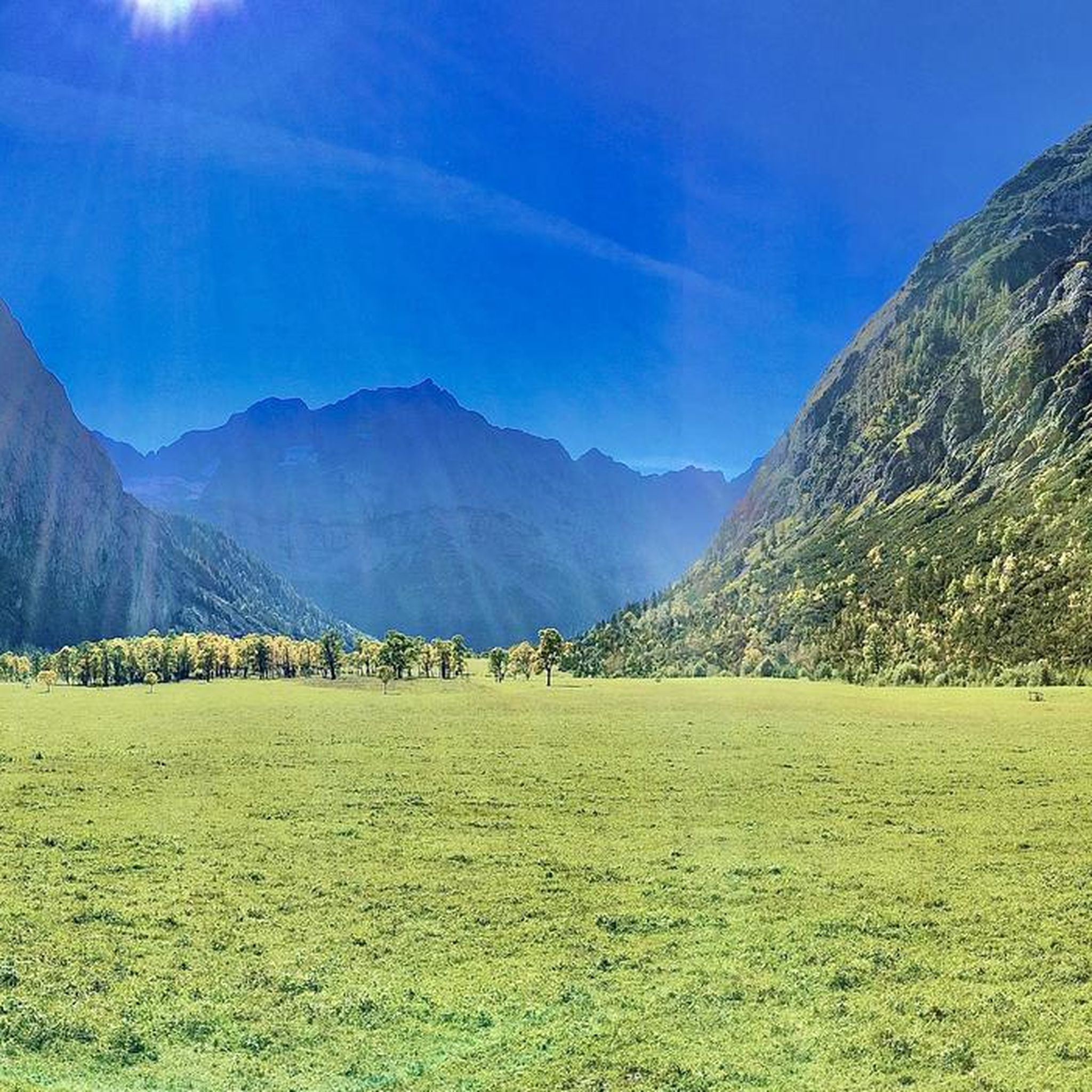
No traffic road cycling routes around Serras de Aire e Candeeiros Natural Park traverse a distinctive karstic landscape, characterized by a limestone massif. The terrain features dramatic limestone ridges and formations such as poljes and dolines, shaped by geological processes. Despite the absence of surface rivers, the park offers varied elevations and scenic vistas, providing a unique environment for road cycling.
Best no traffic road cycling routes around Serras de Aire e Candeeiros Natural Park
- The most popular no traffic…
Last updated: September 6, 2026
7
riders
27.9km
01:23
420m
420m
Moderate road ride. Good fitness required. Mostly well-paved surfaces and easy to ride.
7
riders
Moderate road ride. Good fitness required. Mostly well-paved surfaces and easy to ride.

Sign up for free
8
riders
44.3km
02:10
630m
630m
Moderate road ride. Good fitness required. Mostly well-paved surfaces and easy to ride.
7
riders
31.4km
01:26
350m
350m
Moderate road ride. Good fitness required. Mostly well-paved surfaces and easy to ride.
3.0
(1)
6
riders
52.3km
02:44
570m
570m
Moderate road ride. Good fitness required. Mostly well-paved surfaces and easy to ride.
Get access to more routes and recommendations from other explorers.
Sign up for free
Already have an account?
Our route recommendations are based on thousands of hikes, rides, and runs completed by other people on komoot.
Start today with a free account
Your next adventure awaits.
Login or Signup
Popular around Serras de Aire e Candeeiros Natural Park

Tips from the Community

Salt is extracted from shallow, concrete or stone pans of varying sizes, where saltwater drawn from a well is conveyed through ditches. Currently, the water is pumped by a motor and distributed according to a system that is generally accepted and respected (not always) by all the owners. Drainpipes, threshing floors, and wooden salt storage houses complete the complex known as the Rio Maior Salt Pans. According to technicians, a large and deep rock salt mine, traversed by an underground stream that feeds a well, makes the extracted water salty, seven times saltier than seawater. The salt is obtained from its exposure to the sun and wind, and the resulting evaporation of the water. This salt is deposited at the bottom of the pans, which are then piled up in pyramid-shaped heaps to dry until harvest. The process is rudimentary and similar to that used in seaside salt mines. The only difference is the picturesque valley that surrounds them, the well, the unique style of the sailors (as the men who work in the salt mines are known), the wooden houses and the country air that you breathe.
0
0

Malhou owes its name to the rhythmic sound of hammers and the shine of forges: in times past, this parish was famous for the talent of its blacksmiths, masters in the art of shaping iron with skill and strength. It was this craft that marked the identity of the land and gave it its name.
1
0
Salt is extracted from compartments – pits – made of cement or stone, of varying sizes and shallow depths, to which salt water is taken from a well through irrigation channels. Currently, the water is raised by means of a motor and distributed according to a system that is jointly accepted and respected (not always) by all the owners. The sewers, threshing floors and wooden houses for storing salt complete the set of what is called the Salt Mines of Rio Maior. According to technicians, a large and deep rock salt mine, crossed by an underground current that feeds a well, makes the water extracted from it salty, seven times saltier than that of the sea. The salt is obtained from its exposure to the sun and wind and the consequent evaporation of the water, deposited at the bottom of the pits, which is then placed in pyramid-shaped piles to dry until it is collected. The process is rudimentary and similar to that used in the salt mines on the seashore. The only difference is the picturesque valley that surrounds them, the well, the unique style of the sailors (as the men who work in the salt mines are known), the wooden houses and the country air that can be breathed.
3
0
Just three kilometres from Rio Maior, on the southern tip of the Serra dos Candeeiros, lie the only inland salt pans in Portugal, and the only ones still active in the whole of Europe. Surrounded by vineyards and cultivated fields, they are a true wonder of nature, as the sea is 30 kilometres away. Their history dates back to at least 1177, but it is said that rock salt has been mined since prehistoric times. The water, seven times saltier than that of the ocean, emerges from a well after passing through an underground deposit, leaving behind the pure vestige of an ancient sea.
1
0
The Rio Maior Salt Pans are located about 3 km from the city centre and are nestled in a valley at the foot of the Serra dos Candeeiros, in the heart of the Serras de Aire e Candeeiros Natural Park. Classified as a Property of Public Interest since December 1997, these are the only inland salt pans in Portugal, and the only ones in full operation in Europe. The first reference to their existence dates back to 1177, but it is thought that the use of rock salt was already being made in prehistoric times.
2
0

The Rio Maior Salt Pans are located about 3 km from the city center and nestled in a valley at the foot of the Serra dos Candeeiros, in the heart of the Serras de Aire e Candeeiros Natural Park. Classified as a Property of Public Interest since December 1997, these are the only inland salt pans in Portugal, and the only ones fully operational in Europe. The first reference to their existence dates back to 1177, but it is thought that rock salt mining has been practiced since prehistoric times. Surrounded by vineyards and farmland, they are considered a natural wonder, as the ocean is 30 km away. The salt is a vestige of the sea's presence in ancient times. The water, about seven times saltier than seawater, comes from a well after passing through a rock salt deposit. Visit the Salinas Tourist Office for information, maps, and guided tours. How to Get There: Latitude +39° 21' 52.57, Longitude -8° 56' 40.62
0
0
After the bridge, a small river beach. A pearl on the banks of the Alviela.
2
0

The Salinas de Rio Maior are located about 3 km from the city center and are located in a valley at the foot of the Serra dos Candeeiros, in the heart of the Serras de Aire e Candeeiros Natural Park. Classified as a Property of Public Interest since December 1997, these are the only inland salt pans in Portugal, and the only ones that are fully operational in Europe. The first reference to its existence dates from 1177, but it is thought that the use of rock salt would have been made since prehistoric times.
5
0
Frequently Asked Questions
How many no-traffic road cycling routes are available in Serras de Aire e Candeeiros Natural Park?
There are over 20 dedicated no-traffic road cycling routes available in Serras de Aire e Candeeiros Natural Park, catering to various skill levels.
What is the typical terrain like for no-traffic road cycling in the park?
The park is characterized by its unique karstic landscape, featuring limestone massifs, dramatic ridges, and formations like poljes and dolines. While many routes are paved and traffic-free, expect varied elevation changes due to the hilly terrain, offering both challenging climbs and rewarding descents.
When is the best time of year for no-traffic road cycling in Serras de Aire e Candeeiros Natural Park?
The ideal seasons for road cycling in the park are spring (March to May) and autumn (September to November). During these months, temperatures are mild and pleasant, making for comfortable rides through the scenic landscape.
Are there challenging no-traffic road cycling routes for experienced cyclists?
Yes, for experienced cyclists seeking a challenge, routes like the Cabeço Vedeiro loop from Alcanena offer significant elevation gain, with over 1200 meters of climbing over 76 kilometers. These routes provide a demanding yet rewarding experience through the park's varied terrain.
Can I find family-friendly no-traffic road cycling routes in the park?
Yes, the park offers several easy no-traffic road cycling routes suitable for families. These routes typically feature gentler gradients and shorter distances, allowing for a relaxed and enjoyable experience for all ages.
Are there circular no-traffic road cycling routes available?
Many of the no-traffic road cycling routes in the park are designed as loops, allowing you to start and finish at the same point. Examples include the Grutas de Santo António loop from Moitas Venda and the Salinas Rio Major – Salinas de Rio Maior loop from Alcobertas.
What natural attractions can I see along no-traffic road cycling routes?
The park is rich in natural wonders. You can cycle past the impressive Fórnea Waterfall, explore the extensive cave systems like the Grutas de Mira d'Aire, or visit the globally significant dinosaur footprints at Vale dos Meios. The unique karstic formations are a constant feature of the landscape.
Are there historical or cultural landmarks accessible by no-traffic road cycling?
Absolutely. Cyclists can visit the ancient Rio Maior Salt Pans, which have been in operation for over eight centuries, or admire the historic Porto de Mós Castle. These sites offer a glimpse into the region's rich heritage.
Is parking available for cyclists near the no-traffic routes?
While specific parking areas for each route may vary, you can generally find parking facilities in towns and villages bordering the natural park, or at popular attraction sites like the major caves. It's advisable to check the starting point of your chosen route for the most convenient parking options.
Can I reach the park's no-traffic cycling routes using public transport?
Reaching the park's cycling routes primarily by public transport can be challenging due to the rural nature of the area. While some towns bordering the park have bus connections, bringing a bicycle on public transport might be restricted. For maximum flexibility, driving to a starting point is often the most convenient option.
Do I need a permit to cycle the no-traffic routes in Serras de Aire e Candeeiros Natural Park?
No, you do not need a special permit to cycle on the designated no-traffic road cycling routes within Serras de Aire e Candeeiros Natural Park. However, always respect local regulations, stay on marked paths, and be mindful of the natural environment.
What do other road cyclists enjoy most about cycling in Serras de Aire e Candeeiros Natural Park?
The area is highly rated by the komoot community, with an average score of 4.7 stars. Reviewers often praise the quiet, well-maintained roads, the stunning karstic landscapes, and the opportunity to discover unique natural and historical sites like the caves and salt pans without heavy traffic.
Most popular routes around Serras de Aire e Candeeiros Natural Park
Most popular attractions around Serras de Aire e Candeeiros Natural Park

Get inspired with the komoot mobile app


Explore more
Browse the best Road cycling routes in other regions.
