The best traffic-free bike rides around Lasek Złotoryjski
4.7
(8)
83
riders
30
rides
No Traffic gravel bike trails around Lasek Złotoryjski offer varied terrain within a historic forest park on the southwestern edge of Legnica, Poland. The park features diverse tree species and ecological protected areas with water reservoirs. The broader Złotoryja region, known as the "Land of Extinct Volcanoes" in the Kaczawskie Foothills, provides a unique and hilly landscape with numerous gravel paths. This area is well-suited for gravel biking, with routes catering to various skill levels.
Best no traffic gravel bike…
Last updated: July 13, 2026
5.0
(1)
11
riders
42.9km
02:26
190m
190m
Moderate gravel ride. Good fitness required. Mostly paved surfaces. Suitable for all skill levels.
4
riders
29.2km
01:51
120m
120m
Easy gravel ride. Great for any fitness level. Mostly paved surfaces. Suitable for all skill levels.

Sign up for free
5.0
(1)
3
riders
26.6km
01:49
110m
110m
Easy gravel ride. Great for any fitness level. Mostly paved surfaces. Suitable for all skill levels.
1
riders
40.8km
02:46
140m
140m
Moderate gravel ride. Good fitness required. Mostly paved surfaces. Suitable for all skill levels.
2
riders
31.7km
01:55
100m
100m
Easy gravel ride. Great for any fitness level. Mostly paved surfaces. Suitable for all skill levels.
Get access to more routes and recommendations from other explorers.
Sign up for free
Already have an account?
Our route recommendations are based on thousands of hikes, rides, and runs completed by other people on komoot.
Start today with a free account
Your next adventure awaits.
Login or Signup
Popular around Lasek Złotoryjski
Tips from the Community

They have good beer and you can eat something good
0
0

Ascent to the St. Peter's Tower, Piast Castle in Legnica
0
0

The Piast Castle in Legnica is one of the oldest and most important buildings in Poland, built in the 12th and 13th centuries by Bolesław I the Tall and Henry the Bearded.
0
0

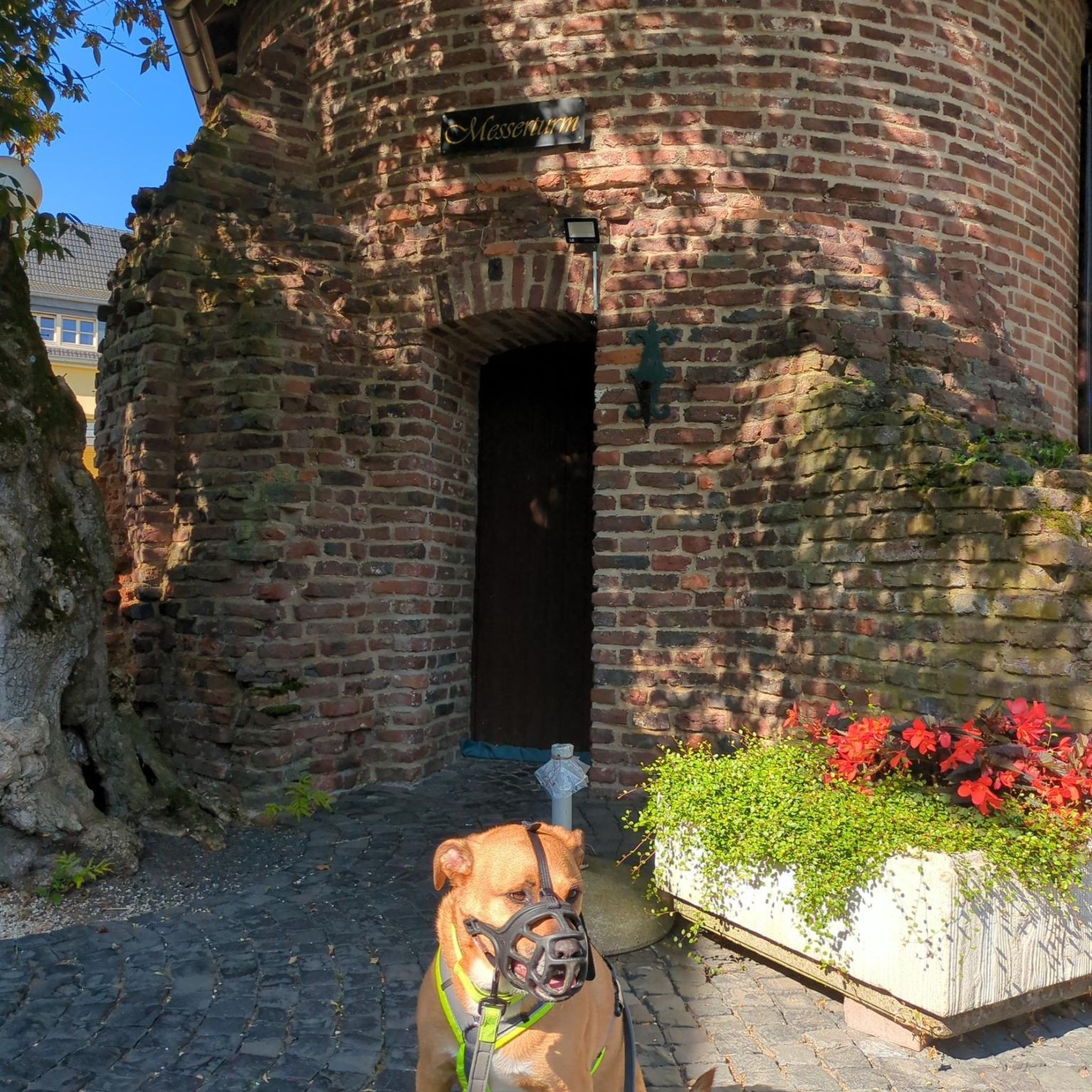
The Głogów Gate Tower (Wieża Bramy Głogowskiej) is a striking medieval structure that was once part of the city's fortifications and now serves as a historical landmark. Here are its key details: 🏰 Historical Background Built: In the 14th century as part of Głogów's city walls, protecting the Old Town. Function: Served as a defensive tower and city gate through which travelers and traders entered the city. Originally part of the Głogów Bridge, which crossed the Oder River and connected the city to the opposite bank. 🛠️ Architecture Style: Gothic, with later Baroque and Neo-Gothic additions. Material: Brick with decorative sandstone elements. Special features: Pointed arch passageway Battlements and loopholes Partially preserved battlements and tower tops 📍 Location & significance today Located on the edge of Głogów's old town, near the Oder River. Today, it is a listed building that serves as a tourist attraction and photo opportunity. Nearby: Ruins of the old town, St. Nicholas Church, Głogów City Museum. 🏛️ Use The tower is occasionally used for exhibitions, city tours, and cultural events. Part of the historic ensemble that survived the destruction of World War II and is currently being restored.
1
0
The Piast Castle in Legnica (Zamek Piastowski w Legnicy) is one of the oldest surviving princely castles in Poland and a significant witness to the history of the Silesian Piast dynasty. Here's a comprehensive overview: 🏰 Historical Origin Built: Originally in the 12th century as a fortified castle under Bolesław I the High. Reconstruction into a castle: Transformed into a representative residence of the Piast dynasty in the 13th century under Henry the Bearded and his wife Hedwig of Silesia. Significance: Served for centuries as the seat of the Dukes of Legnica – a center of political power and cultural development. 🛕 Architecture & Features Style: A blend of Romanesque, Gothic, and Renaissance styles, with Baroque additions. Towers: St. Peter's Tower and St. Paul's Tower – named after the patron saints of the neighboring cathedral. Courtyard: With arcades and Renaissance galleries reminiscent of Italian palazzi. Chapel: The palace chapel was founded by Hedwig of Silesia and is a place of religious worship. 📜 Historical Events Battle of Legnica (1241): After the death of Henry II in battle against the Mongols, the palace became a symbol of resistance. Reformation: In the 16th century, the palace became a center of Protestant education and administration. Prussian Period: After the Piast dynasty died out in 1675, the palace became Prussian property and served as an administrative building. 🏛️ Current Use Home to various cultural institutions, including the State Archives, the Copper Museum, and event spaces. Venue for exhibitions, concerts, and historical tours. Parts of the palace are open to the public, others are used for administrative purposes. 📍 Location & Surroundings Centrally located in Legnica's Old Town, close to the Cathedral of St. Peter and Paul, the Neptune Fountain, and the Market Square. Surrounded by historic town houses, the Modrzejewska Theater, and the Old Town Hall.
0
0

The most striking and dominant elements of the castle are its two towers: the Hedwig's Tower to the west and the Peter's Tower to the east (at the Glogau Gate Tower). The Peter's Tower can also be climbed for a beautiful view of the city.
0
0
In the castle's inner courtyard, there's a massive linden tree that makes optimal use of the space. Furthermore, the remains of the very old St. Lawrence Chapel were discovered here during excavations. These can be viewed in a museum pavilion. Those who want to save the entrance fee can take a look through the glass panes.
0
0
Above the small arch on the left side of the entrance is a relief of Duke Frederick II, and to the right above the large archway is a relief of his wife, Sophie of Brandenburg-Ansbach. Between them is the Silesian eagle.
0
0
Frequently Asked Questions
How many no-traffic gravel bike trails are available around Lasek Złotoryjski?
There are over 15 dedicated no-traffic gravel bike trails around Lasek Złotoryjski, offering a variety of experiences for different skill levels. These routes are carefully selected to ensure a peaceful ride away from vehicular traffic.
What kind of terrain can I expect on the gravel trails in Lasek Złotoryjski and the surrounding region?
The terrain around Lasek Złotoryjski is quite varied, ranging from winding alleys and promenades within the park itself to the hilly landscapes of the Kaczawskie Foothills, also known as the 'Land of Extinct Volcanoes.' You'll encounter gravel paths, some with moderate elevation changes, providing a good mix for both leisure and more challenging rides.
Are there any family-friendly no-traffic gravel bike routes near Lasek Złotoryjski?
Yes, several routes are suitable for families. For instance, the Bagienko Restaurant – Głogów Gate Tower loop from Legnica is an easy option, offering a pleasant ride without significant challenges. Another great choice is the Głogów Gate Tower – Mega park for chilling out loop from Legnica, which is also rated as easy.
Can I bring my dog on the gravel bike trails in Lasek Złotoryjski?
Lasek Złotoryjski is generally dog-friendly, with many paths suitable for cycling with a leashed dog. However, always ensure your dog is well-behaved and under control, especially when sharing paths with walkers or other cyclists. Be mindful of local regulations and wildlife in the ecological protected areas like the 'Glinki w Lasku Złotoryjskim'.
What are some interesting natural attractions or viewpoints along these routes?
Within Lasek Złotoryjski, you can explore the 'Glinki w Lasku Złotoryjskim,' former clay excavations now ecological protected areas with water reservoirs. The park also features two large glacial erratics. The broader Złotoryja region, known as the 'Land of Extinct Volcanoes,' offers unique geological formations and scenic viewpoints, though specific gravel access to places like Ostrzyca or Zawodna Observation Tower would require checking individual route details.
Where can I park my car when visiting Lasek Złotoryjski for gravel biking?
Parking is available at various entry points to Lasek Złotoryjski. Specific parking areas are often located near the main entrances, especially on the southwestern edge of Legnica. It's advisable to check local maps or navigation apps for the most convenient parking spots closest to your desired starting point.
Are there any circular gravel bike routes available?
Yes, many of the no-traffic gravel bike routes around Lasek Złotoryjski are designed as loops, allowing you to start and end at the same point. For example, the Głogów Gate Tower – Shelter and Fire Pit loop from Legnica offers a moderate circular experience, and the Jaśkowickie Lake – Paved Cycling and Walking Path loop from Legnica Piekary is another popular circular option.
What is the best time of year for gravel biking in the Lasek Złotoryjski area?
The spring, summer, and early autumn months (April to October) generally offer the best conditions for gravel biking in the Lower Silesia region. During these times, the weather is usually mild, and the trails are dry. Autumn, in particular, provides beautiful scenery with changing foliage. While winter biking is possible, some trails might be muddy or covered in snow, requiring appropriate gear and caution.
Are there any cafes or places to eat near the gravel trails?
The town of Złotoryja, often called the 'Capital of Polish Gold,' and nearby Legnica offer various cafes, pubs, and restaurants where you can refuel after your ride. Within Lasek Złotoryjski itself, options might be limited, so planning your route to pass through or near these towns is recommended for refreshment stops.
What do other gravel bikers enjoy most about the no-traffic trails around Lasek Złotoryjski?
The area is highly rated by the komoot community, with an average score of 4.3 stars. Reviewers often praise the peaceful, traffic-free nature of the trails, the diverse natural beauty of Lasek Złotoryjski, and the unique geological features of the surrounding 'Land of Extinct Volcanoes.' The variety of routes, from easy to moderate, also makes it appealing to a wide range of cyclists.
Are there any routes that offer a good mix of natural scenery and historical sites?
Many routes in the wider Złotoryja area pass through picturesque scenery and near historical sites. The town of Złotoryja itself, with its Gold Museum and Aurelia Adit, offers a rich historical context. While specific gravel routes might not lead directly to every historical site, you can often combine a ride with a visit to these attractions. The Głogów Gate Tower – Ponds loop from Legnica Piekary offers a scenic ride that can be a good starting point for exploring the region.
Most popular routes around Lasek Złotoryjski

Get inspired with the komoot mobile app


Explore more
Browse the best Gravel rides in other regions.
