The best traffic-free bike rides around Forêt de Soignes - Zoniënwoud
4.4
(1104)
6,695
riders
170
rides
Gravel biking around Forêt de Soignes - Zoniënwoud offers a diverse landscape characterized by ancient beech and oak forests, providing a unique setting for no traffic gravel bike trails. The region features a mix of compacted gravel paths, unpaved sections, and some asphalt, catering to various skill levels. This sprawling forest, a UNESCO World Heritage site, includes gentle elevations and meandering streambeds, making it an ideal destination for exploring nature on two wheels.
Best no traffic gravel bike trails around Forêt de Soignes - Zoniënwoud
- The most popular no traffic gravel bike trail is Sonian Forest and Château de La Hulpe Loop, a 25.5 miles (41.1 km) trail that takes 2 hours 50 minutes to complete. This route guides riders through ancient woodlands and past the historic Château de La Hulpe.
- Another top favourite among local gravel bikers is Domaine Solvay – Château de La Hulpe loop from Boitsfort - Bosvoorde, a difficult 35.0 miles (56.3 km) path. This route offers varied terrain and scenic views of the Domaine Solvay grounds.
- Local gravel bikers also love the Bois de la Cambre – Lake in the Bois de la Cambre loop from Boondael - Boondaal, a 28.5 miles (45.8 km) trail leading through the picturesque Bois de la Cambre and around its lake, often completed in about 2 hours 48 minutes.
- Gravel biking around Forêt de Soignes - Zoniënwoud is defined by magnificent beech cathedrals, diverse unpaved sections, and historical sites like the Château de La Hulpe. The network offers options for different ability levels, from easy loops to more challenging rides.
- The routes in Forêt de Soignes - Zoniënwoud are highly rated by the komoot community with an average score of 4.4 stars from over 780 reviews. More than 4900 gravel bikers have used komoot to explore Forêt de Soignes - Zoniënwoud's varied terrain.
Last updated: September 5, 2026
4.7
(82)
360
riders
41.1km
02:52
320m
320m
This moderate 25.5-mile gravel biking loop from Watermael-Boitsfort explores the ancient Sonian Forest, featuring châteaux and ponds.
4.5
(2)
7
riders
Easy gravel ride. Great for any fitness level. Mostly paved surfaces. Suitable for all skill levels.

Sign up for free
5.0
(2)
27
riders
Hard gravel ride. Very good fitness required. Mostly paved surfaces. Suitable for all skill levels.
4.7
(3)
10
riders
24.6km
01:21
220m
220m
Hard gravel ride. Good fitness required. You may need to push your bike for some segments of this route.
4.0
(1)
12
riders
Easy gravel ride. Great for any fitness level. Mostly paved surfaces. Suitable for all skill levels.
Get access to more routes and recommendations from other explorers.
Sign up for free
Already have an account?
Our route recommendations are based on thousands of hikes, rides, and runs completed by other people on komoot.
Start today with a free account
Your next adventure awaits.
Login or Signup
Popular around Forêt de Soignes - Zoniënwoud
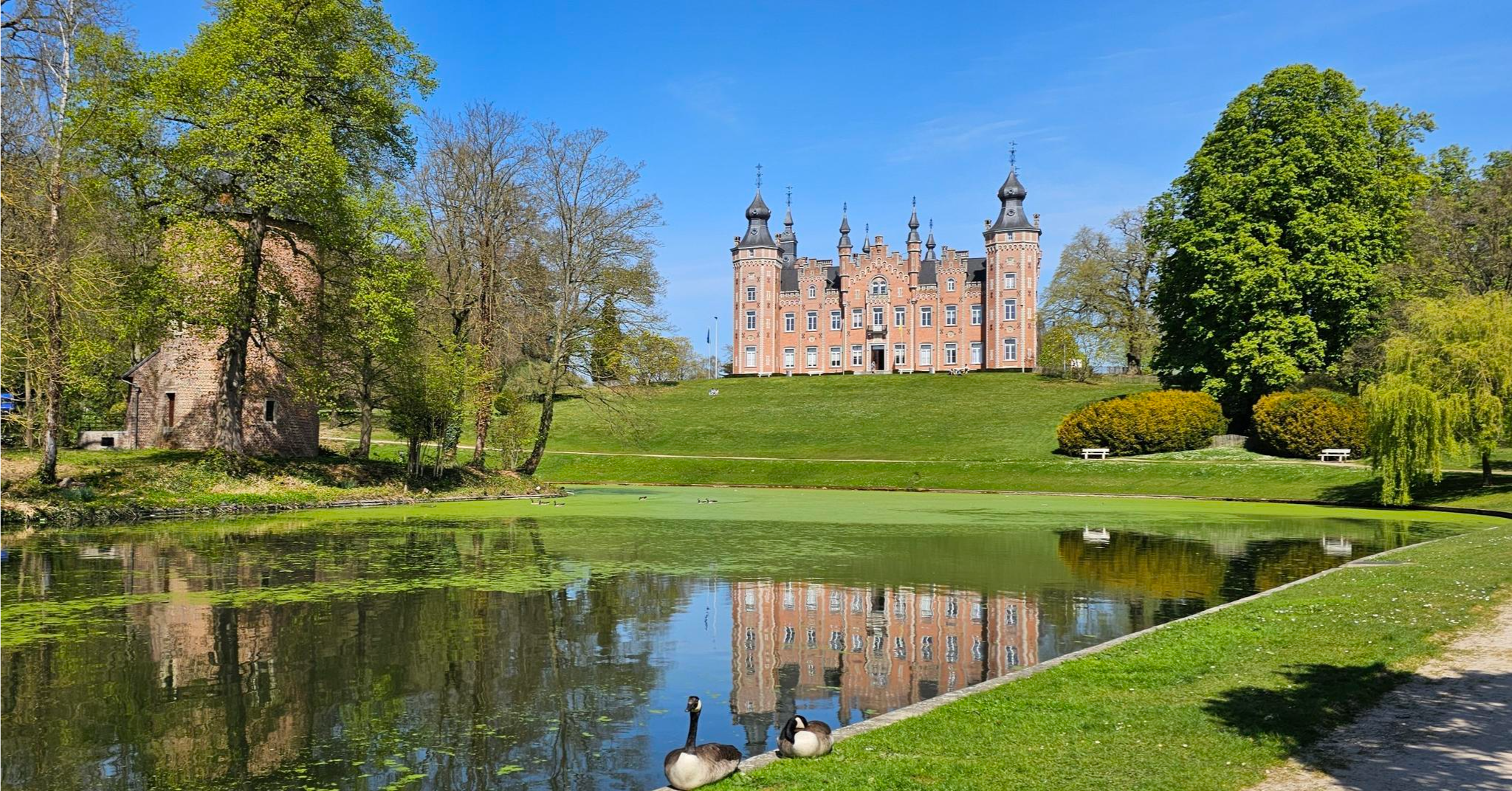
Tour around Brussels – Streek-GR Groene Gordel
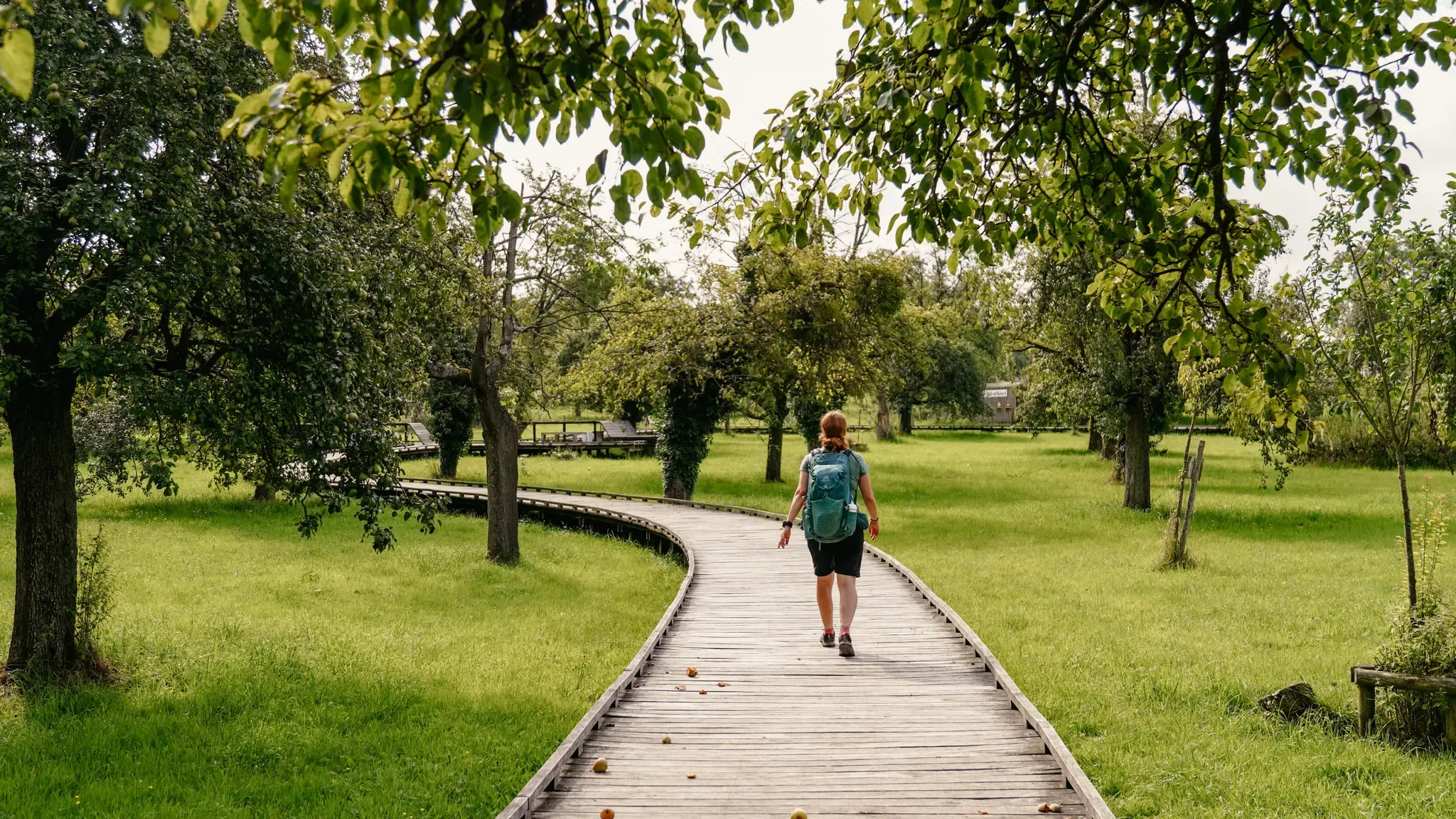
Hiking in Flanders – between dunes, forest and the scenic Meuse
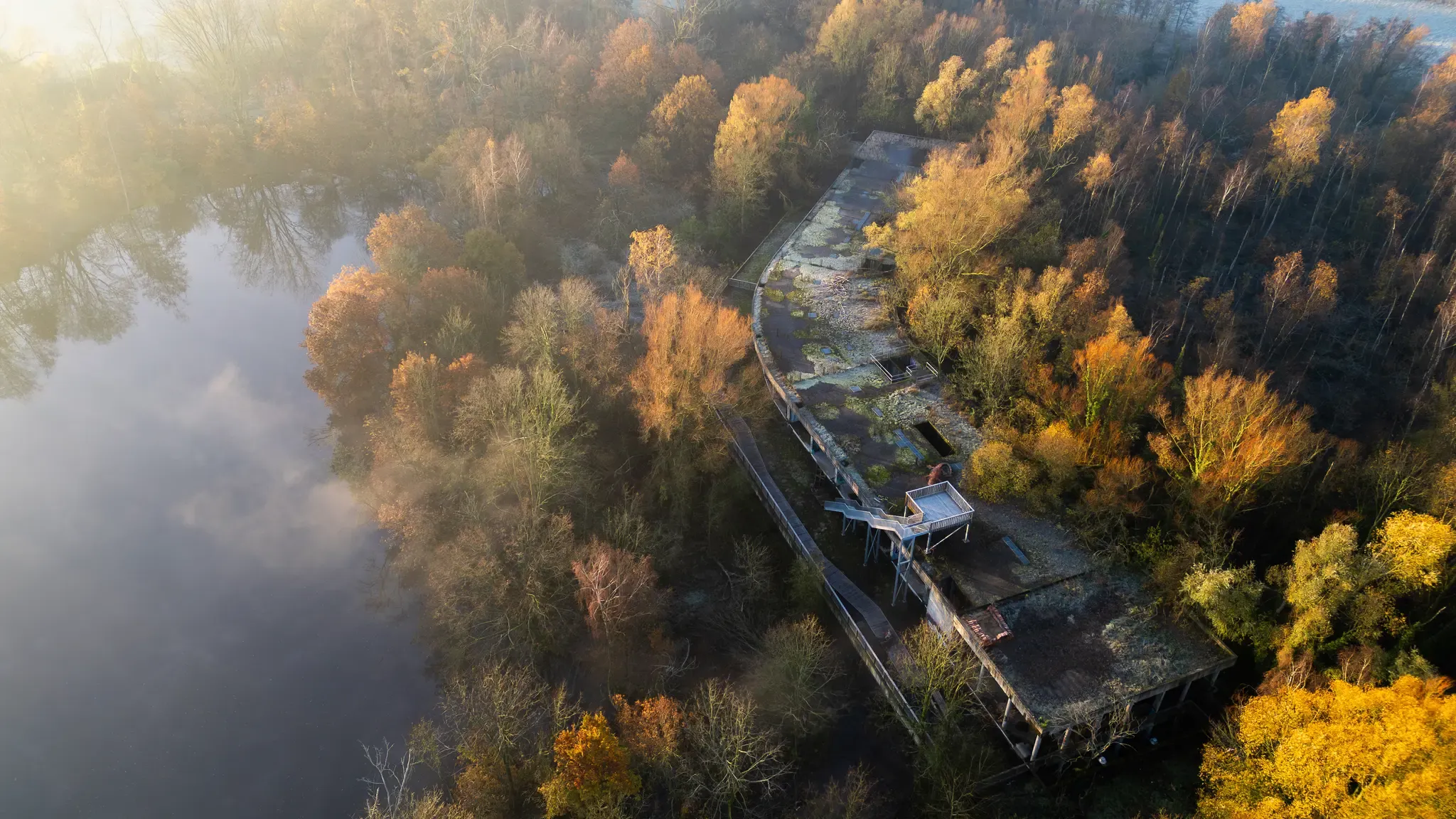
Treinstappers – from station to station in Flanders
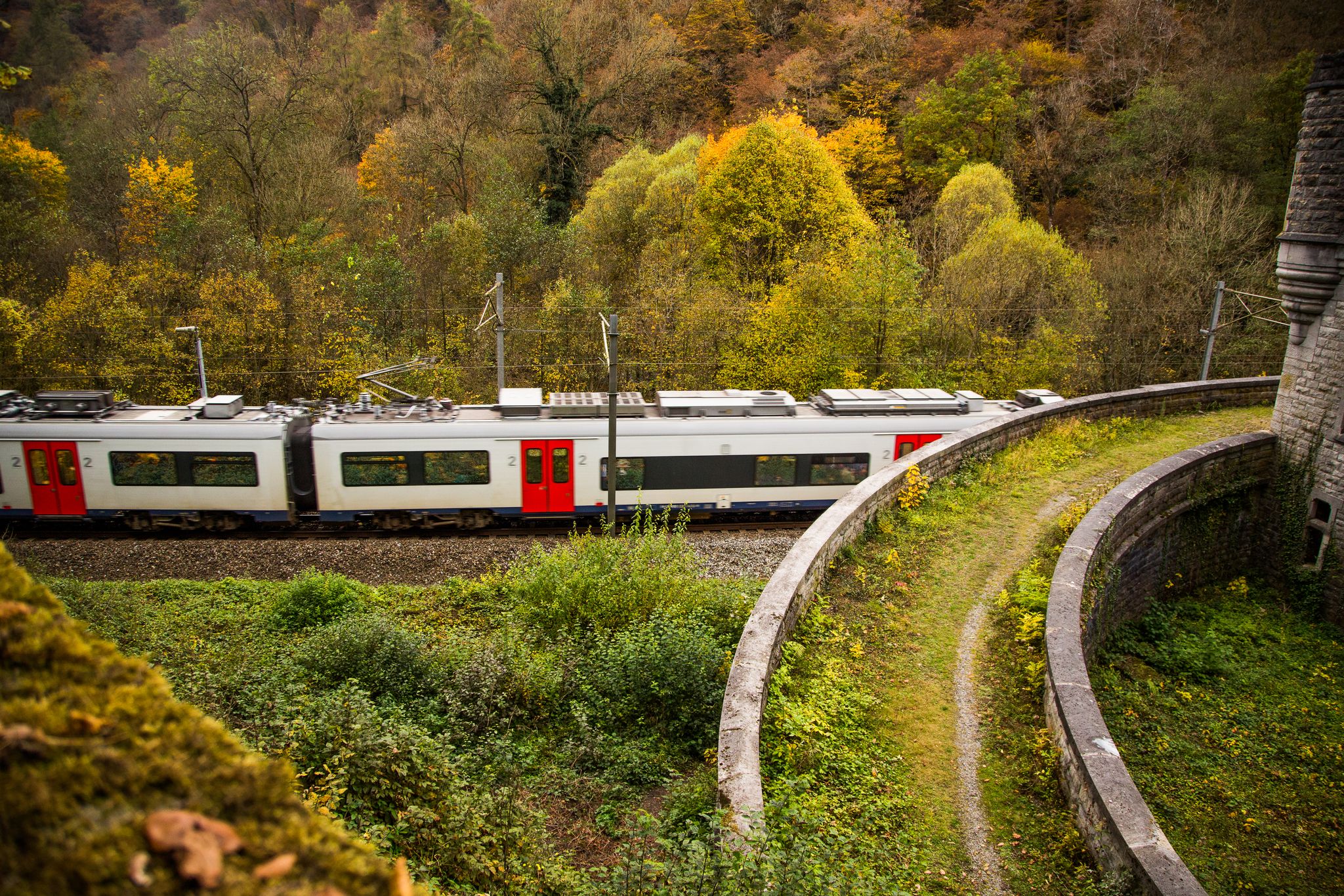
Exploring Belgium’s Wallonia — 8 hikes from station to station
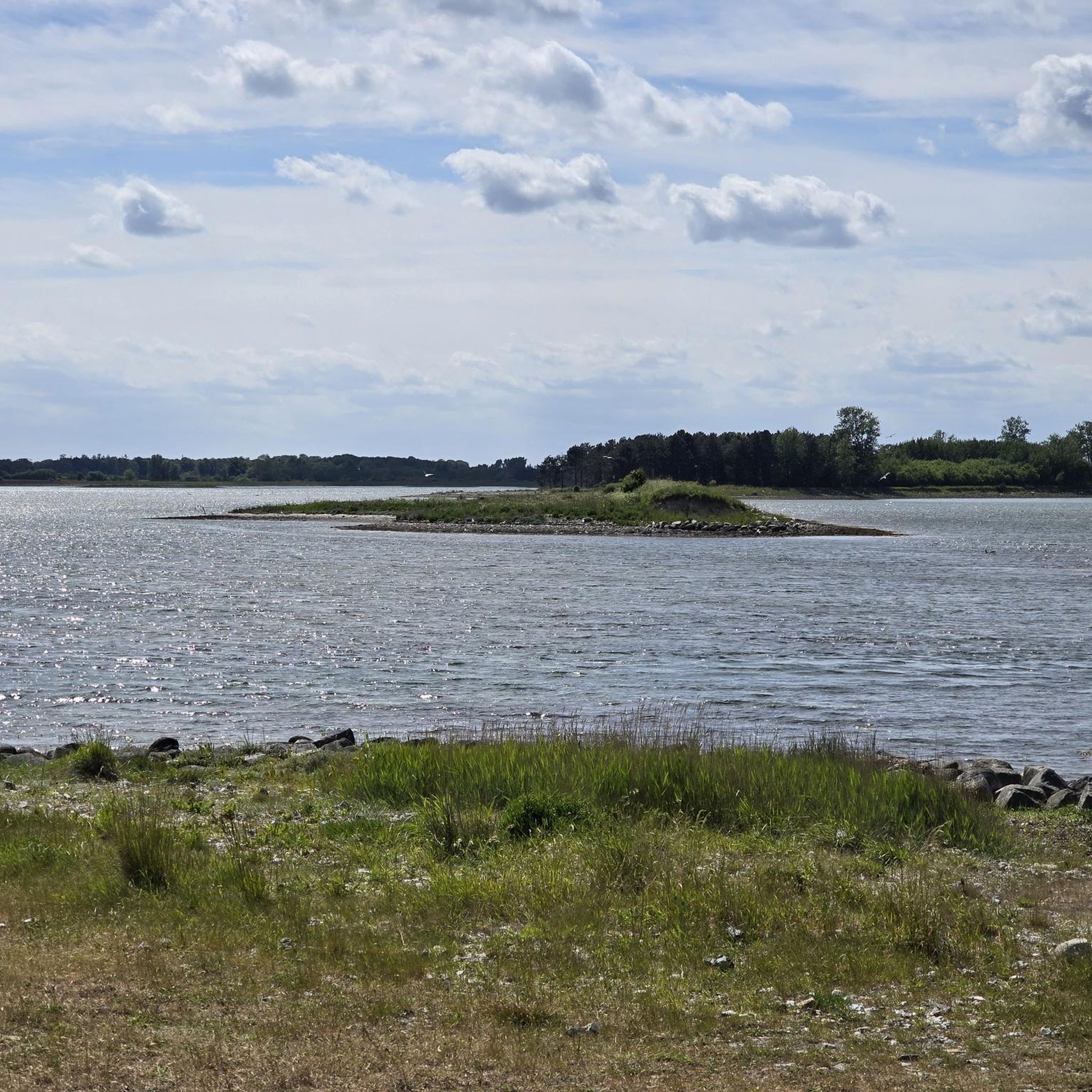
Traffic-free bike rides around Forêt de Soignes - Zoniënwoud

Traffic-free bike rides around Forêt de Soignes - Zoniënwoud
Other adventures around Forêt de Soignes - Zoniënwoud


Tips from the Community


This road is called Hakenstakendreef today and connects the current Groenendaal station with the tunnel under Sint-Jansberglaan, which leads you to the former racecourse (and the restored Royal Box). The Hakenstakendreef is incidentally mentioned in a building application as the "chemin d'accès" (access road) that led to the now-nonexistent Groenendaal-Hippodroom station. See https://hoeilaart.weleer.be/renbaan-groenendaal/2904 At the beginning of the avenue, you will find information boards about the forest; at the end, by the tunnel, is part of the former racecourse car park where this station once stood, and where racehorses, as well as people, were brought by train. You are therefore walking in a once very popular area, as at its peak, around fifty horse races were organized in Groenendaal (before the First World War). But you won't see much more than the gravel road and trees (until you reach the remains of the car park and the tunnel).
2
0
Two picnic benches at a point where various paths meet, located between the (natural) play area on one side and the chapel and ponds on the other. At the chapel there are regular benches to sit on.
4
0
The Groenendaal racecourse was built in 1888-1889 on the initiative of Leopold II in the middle of the Sonian Forest, next to the road to Waterloo, and in 1892, as part of easy access, it received its own railway connection to Groenendaal station. To realize this racecourse, approximately 100 hectares of forest were cleared at the end of the 19th century. King Leopold II had his own box there, located between two metal grandstands for the public. After the First World War, this area was used for the dismantling of weapons and ammunition left behind in the Westhoek. German prisoners of war had to clear mines under the supervision of the Belgian army. During a fire and the subsequent explosions of ammunition on May 6, 1919, the hippodrome's grandstands and buildings were heavily damaged. After another explosion in November, the ammunition depot was completely dismantled in 1920. Two years later, the racecourse was restored and the grandstands were rebuilt. The royal box for Albert I was not rebuilt until 1924. Its appearance was completely different from the pre-war grandstand. When the current appearance came about is not entirely clear, although the current box is attributed to Albert I in the literature, see also monogram. Inventory of Immovable Heritage: Royal Box and remains of bookmaker's room, https://id.erfgoed.net/erfgoedobjecten/302991
4
0

Here in the courtyard you can get something to drink and eat (be careful, it is only open until 6 p.m.), which is a bit of a shame.
1
0

A solid wood bridge crosses the Horseshoe Pond, which is thus divided into two parts.
3
0

Nice sighting when out riding, there is a gravel track passing through and a bit later you'll meet a pasture with beautiful Highland Cows!
1
0
Frequently Asked Questions
What kind of terrain can I expect on no-traffic gravel bike trails in Forêt de Soignes - Zoniënwoud?
The Forêt de Soignes - Zoniënwoud offers a diverse gravel biking experience. You'll encounter a mix of compacted gravel paths, asphalt sections, narrower unpaved tracks, and even some cobblestones and singletrack. The forest is known for its magnificent European beeches and oaks, forming impressive 'beech cathedrals' with straight gravel paths under towering canopies.
Are there any easy no-traffic gravel bike trails suitable for beginners or families?
Yes, the region offers several easy routes. For example, the Drève de la Meute Gravel Path – Groenendaal Racecourse loop from Sint-Genesius-Rode - Rhode-Saint-Genèse is an easy option, covering about 14.7 km with moderate elevation gain. The forest's varied terrain ensures there are paths suitable for all skill levels.
What are some challenging no-traffic gravel bike trails in the area?
For those seeking a challenge, routes like the Domaine Solvay – Château de La Hulpe loop from Boitsfort - Bosvoorde offer a more demanding ride. This route is approximately 56.3 km long with significant elevation gain, providing a good test for experienced gravel bikers. Another challenging option is the Bois de la Cambre – Lake in the Bois de la Cambre loop from Boondael - Boondaal.
What natural features or landmarks can I see along the no-traffic gravel bike routes?
The forest is rich in natural beauty and historical sites. You can explore ancient beech forests, visit serene spots like the Drowned Children Ponds or Ganzepoot Pond, and discover the Groenendaal Arboretum. The Sonian Forest and Château de La Hulpe Loop, for instance, takes you past the historic Château de La Hulpe and its grounds, which host the Folon Foundation.
Is Forêt de Soignes - Zoniënwoud suitable for gravel biking with dogs?
While the forest is generally welcoming to visitors, specific regulations for dogs can vary by section. It's best to keep dogs on a leash, especially in areas with wildlife. Always check local signage or official park websites for the most current rules regarding pets on trails to ensure a pleasant experience for everyone.
Are there any circular no-traffic gravel bike routes available?
Many of the gravel bike routes in Forêt de Soignes - Zoniënwoud are designed as loops, allowing you to start and end at the same point. Examples include the Sonian Forest and Château de La Hulpe Loop and the Sonian Forest – Royal Lodge of Groendaal loop from Jezus-Eik, providing convenient options for your ride.
What is the best season for gravel biking in Forêt de Soignes - Zoniënwoud?
The Forêt de Soignes - Zoniënwoud is beautiful year-round, but spring and autumn offer particularly pleasant conditions for gravel biking. In spring, the forest comes alive with wildflowers, while autumn provides stunning foliage. The dense canopy can offer shade in summer, and winter rides can be magical, though trail conditions might be muddier.
How can I access the no-traffic gravel bike trails, and is parking available?
The forest is well-connected and accessible from various points around Brussels. Parking is available at several entry points to the forest. Additionally, public transport options, such as buses and trams, can bring you close to different trailheads, allowing for car-free access to your gravel biking adventure.
What do other gravel bikers enjoy most about the no-traffic trails in Forêt de Soignes - Zoniënwoud?
The komoot community highly rates the Forêt de Soignes - Zoniënwoud, with an average score of 4.37 stars. Reviewers often praise the tranquility of the ancient woodlands, the variety of terrain that keeps rides interesting, and the feeling of being immersed in nature so close to an urban area. The 'no traffic' aspect is particularly appreciated for a peaceful and safe riding experience.
Are there any cafes or places to stop for refreshments along the routes?
Yes, the area around Forêt de Soignes - Zoniënwoud has several establishments where you can stop for refreshments. While the forest itself is primarily natural, its proximity to towns and villages means you can find cafes, restaurants, and even some historic inns just outside the main forest boundaries, perfect for a break during or after your ride.
Are there any specific regulations for cycling in Forêt de Soignes - Zoniënwoud?
Generally, there are no specific restrictions on cycling for gravel or mountain bikes throughout the forest, allowing for extensive exploration. However, it's always advisable to stay on marked paths, respect wildlife, and be mindful of other forest users, such as hikers and equestrians, to ensure a harmonious experience for everyone.
Most popular routes around Forêt de Soignes - Zoniënwoud
Most popular attractions around Forêt de Soignes - Zoniënwoud

Get inspired with the komoot mobile app


Explore more
Browse the best Gravel rides in other regions.
