The 20 Most Amazing Peaks around Parco dell'Etna
Best mountain peaks around Parco dell'Etna are characterized by the active volcano Mount Etna, a prominent feature of the Sicilian landscape. This region encompasses diverse volcanic terrain, including craters, lava fields, and forested slopes. The area is a UNESCO World Heritage site, known for its unique geological formations and ecological significance. Exploring these peaks provides insight into the dynamic forces shaping the Earth's surface.
Best mountain peaks around Parco dell'Etna
- The most popular mountain peaks is Summit Craters of Mount Etna, a volcano that presents a challenging, otherworldly landscape. It is the largest active volcano in Europe.
- Another must-see spot is Laghetto Crater, a volcano formed by a 2003 eruption. The area provides views of the vastness and natural forces of Mount Etna.
- Visitors also love Monti Sartorius, a volcano with a network of hiking trails around its ash cones. It offers views towards the sea and Taormina.
- Parco dell'Etna is known for its volcanic summits, craters, and ash cones. The region offers a variety of mountain peaks to see and explore, ranging from active volcanic areas to ancient eruption sites.
- The mountain peaks around Parco dell'Etna are appreciated by the komoot community, with 19 highlights receiving more than 240 upvotes and featuring 75 photos.
Last updated: October 10, 2026
Summit Craters of Mount Etna
Highlight • Volcano
Translated by Google •
Tip by

Laghetto Crater
Highlight • Volcano
Translated by Google •
Tip by

Sign up now to discover places like this
Get recommendations on the best single tracks, peaks, & plenty of other exciting outdoor places.
Monti Sartorius
Highlight • Volcano
Translated by Google •
Tip by

Etna Crater
Highlight (Segment) • Volcano
Since ancient times, various mythological meanings have been attributed to Etna. For example, he was considered a place of work of the Cyclopes who helped the god Hephaestus with his ironwork. Hephaestus himself was considered to be the ugliest of all gods, and whenever he suspected an infidelity on the part of his wife Aphrodite, he should have fiercely blazed the forge so that the volcano erupted. In the Middle Ages, the volcano often appeared in the world of myths as a place of damnation.
To get to the crater, you can take a cable car from 2000 to 2500 meters and then one of the ground buses to about 3000 meters.
Translated by Google •
Tip by

Mount Zoccolaro
Highlight • Viewpoint
Translated by Google •
Tip by

Sign up for free to discover even more peaks around Parco dell'Etna.
Already have an account?
Start today with a free account
Your next adventure awaits.
Popular around Parco dell'Etna
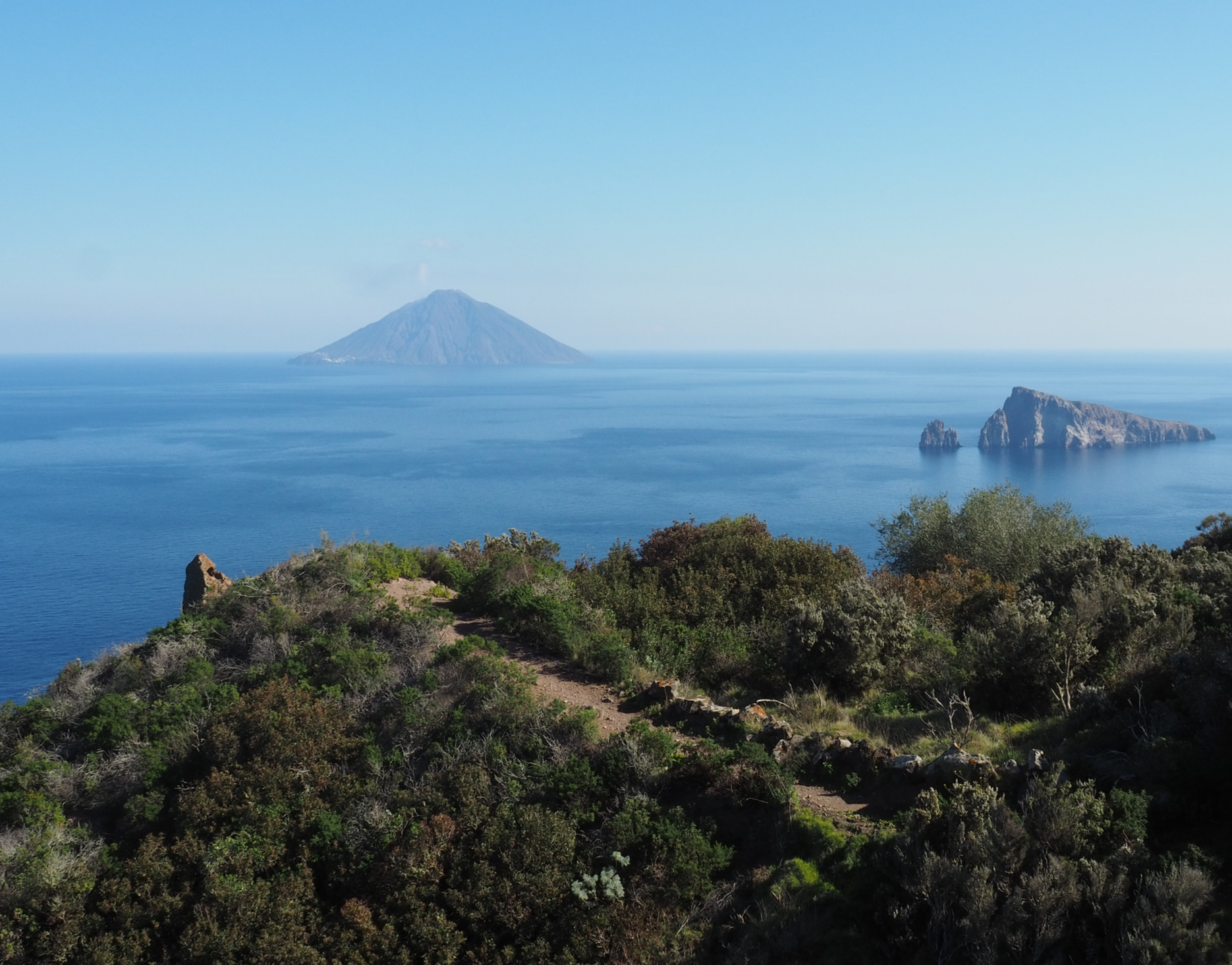
In the land of volcanoes – exploring between lava and nature in Sicily
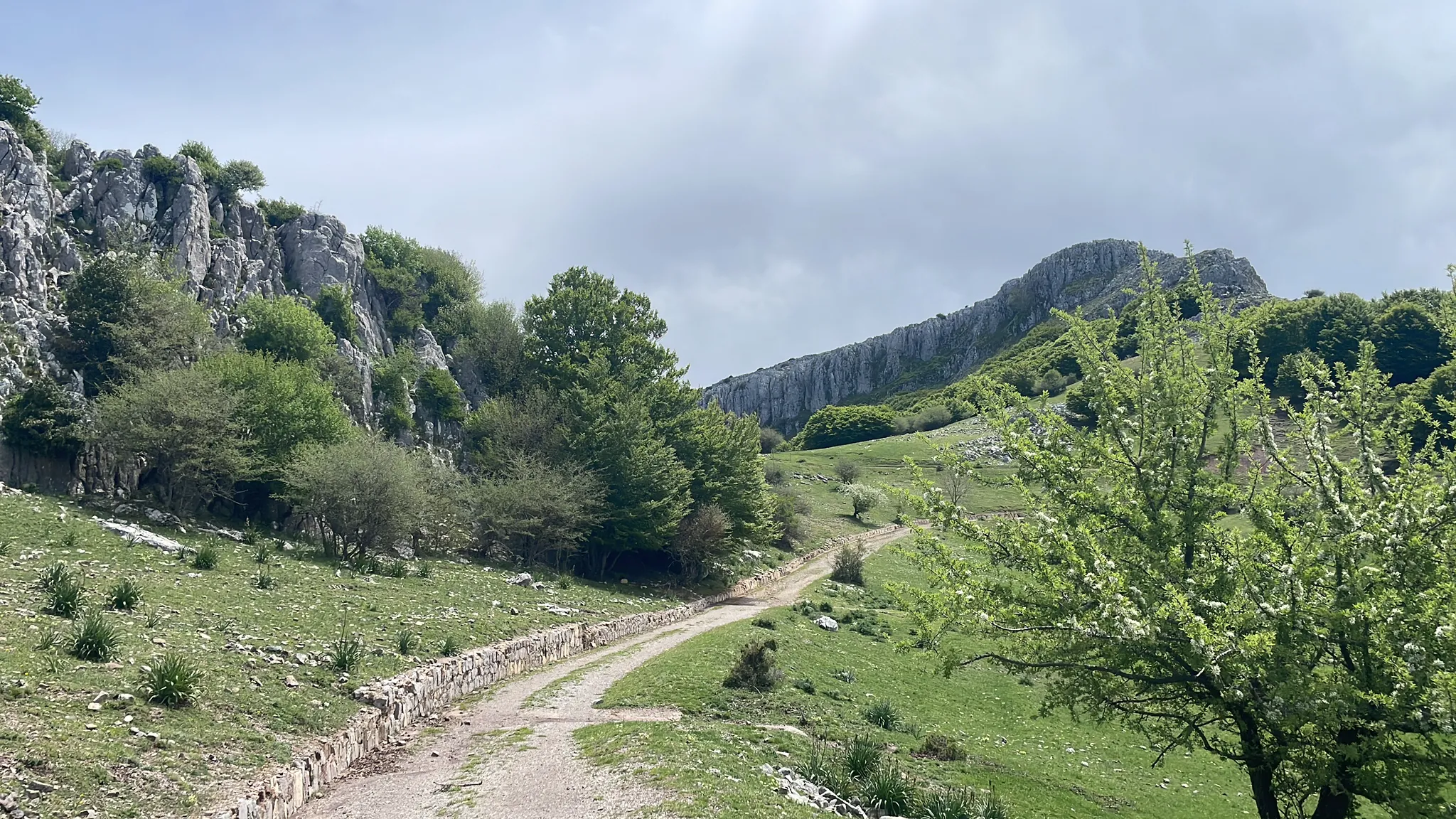
Etna and Madonie mountain bike parks – the Wild Heart of Sicily
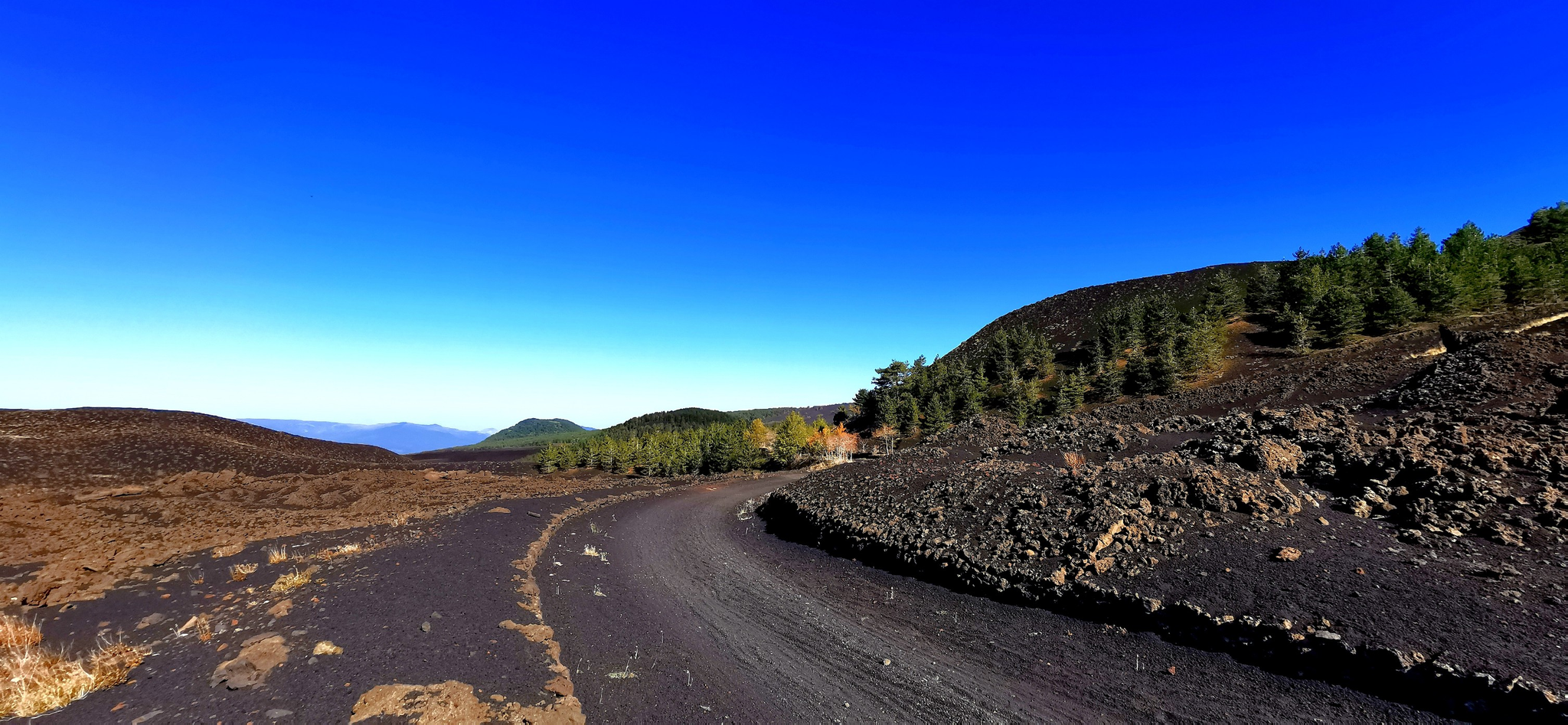
Volcanoes, forests and sea – Parchi della Sicilia cycling route by MTB
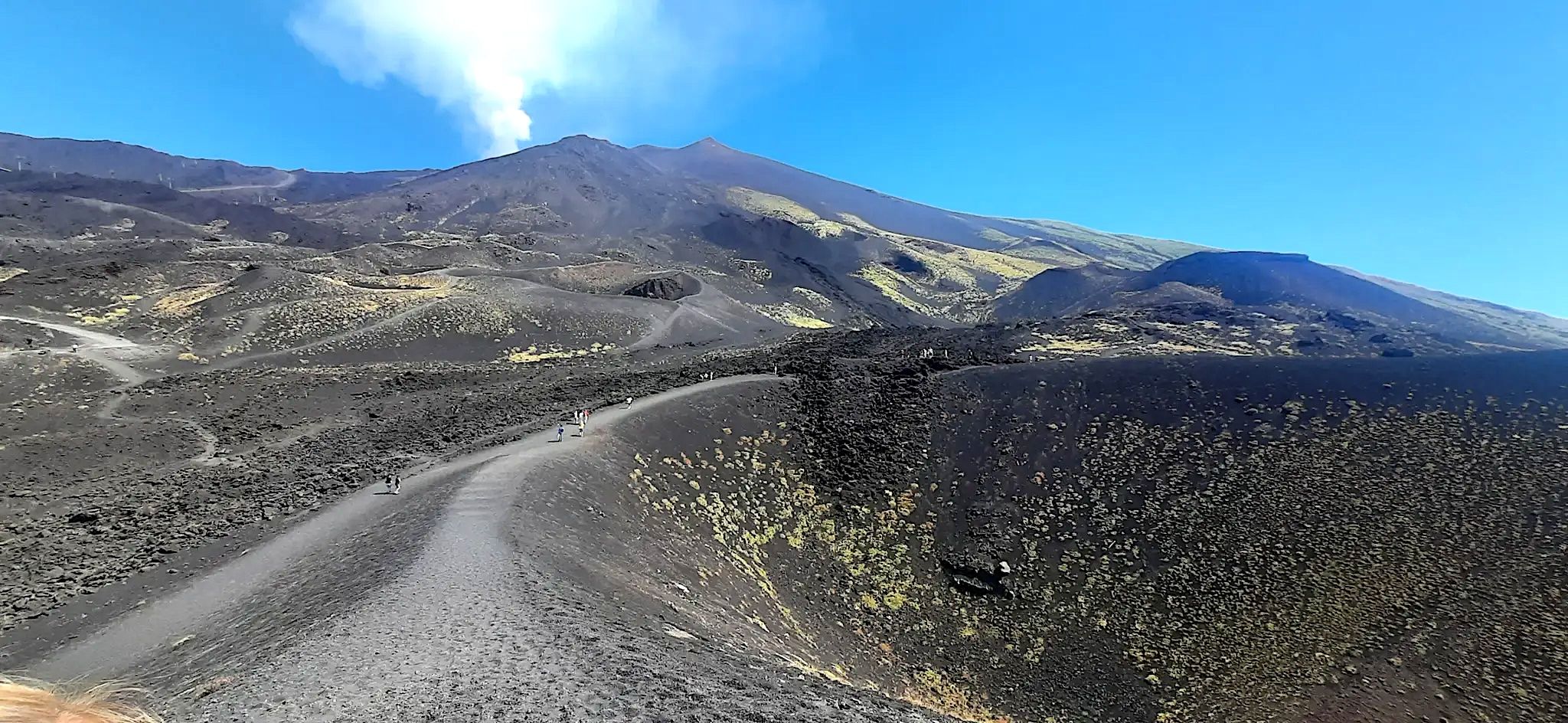
On the trails of Etna – day hikes to discover the volcano
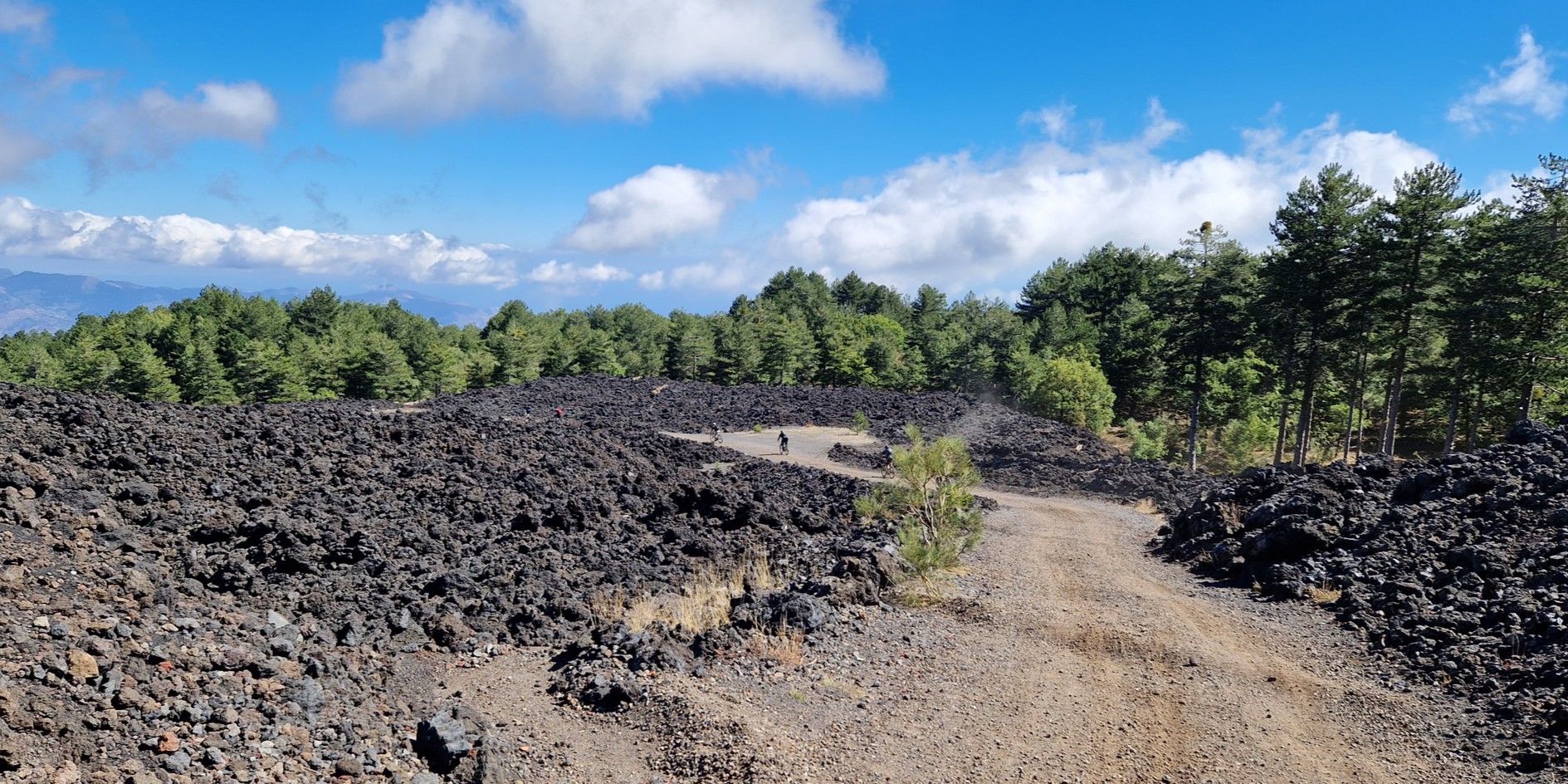
Among the lava fields of Europe's highest volcano – Mount Etna by MTB
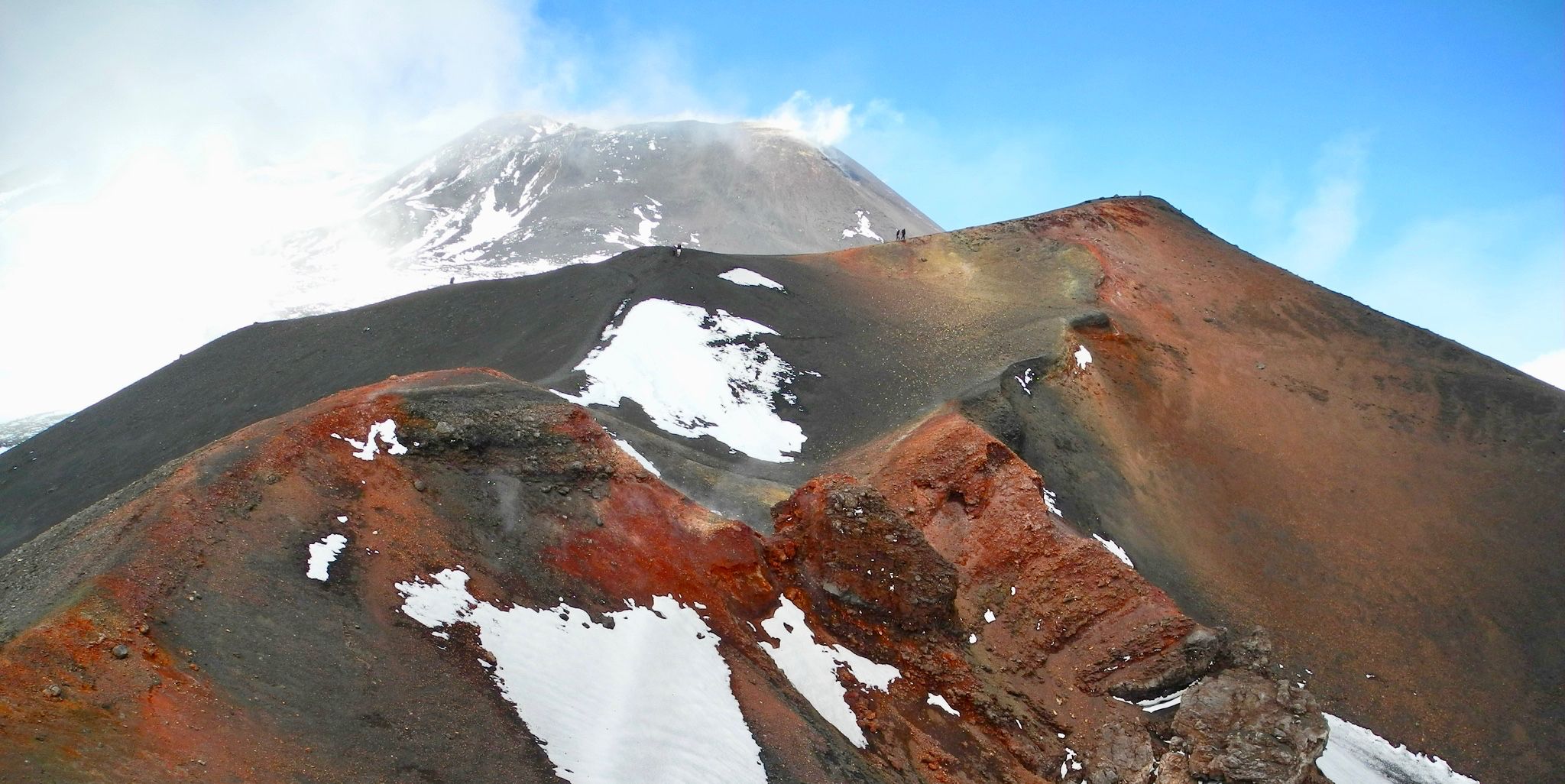
Holy mountains and their stories
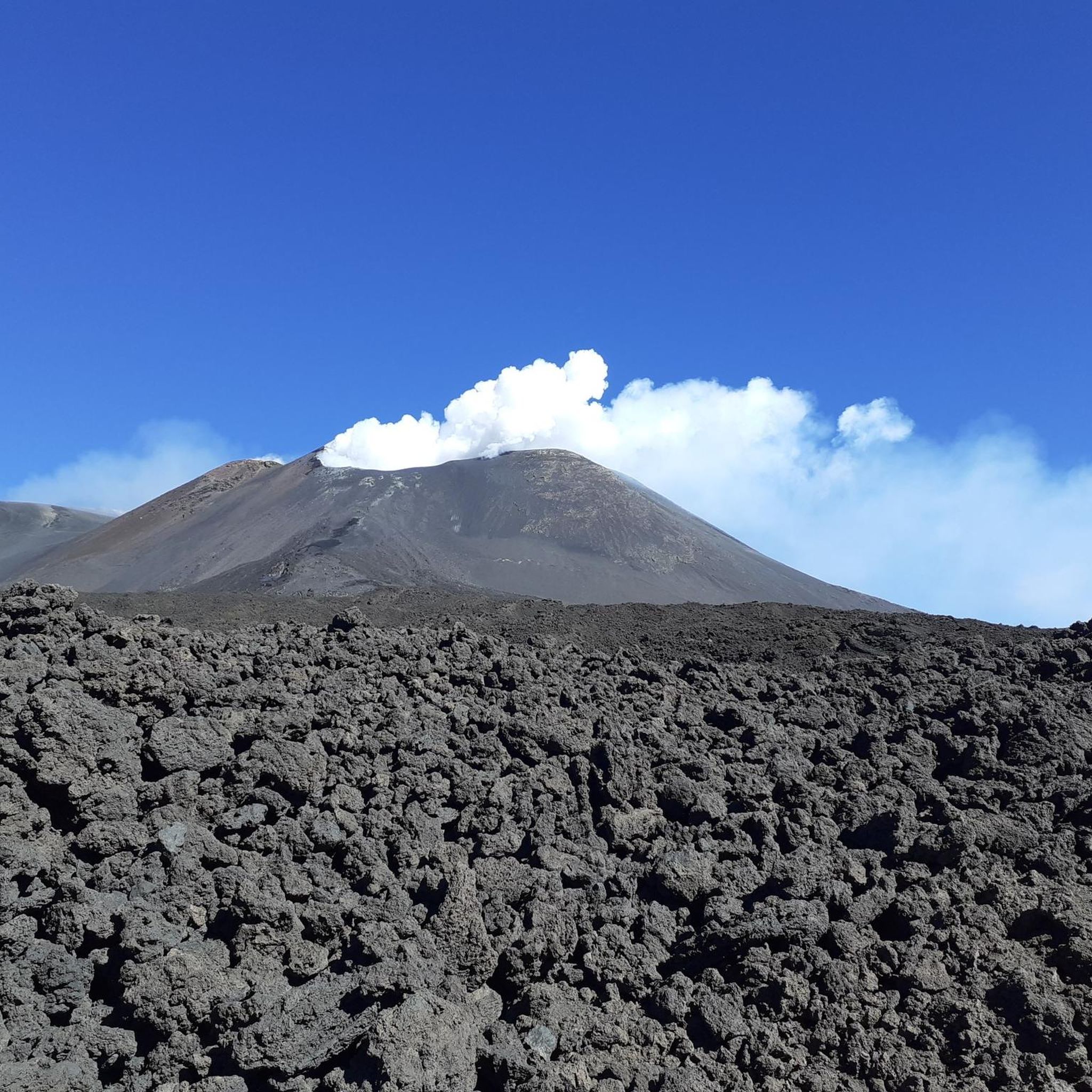
Hiking around Parco dell'Etna
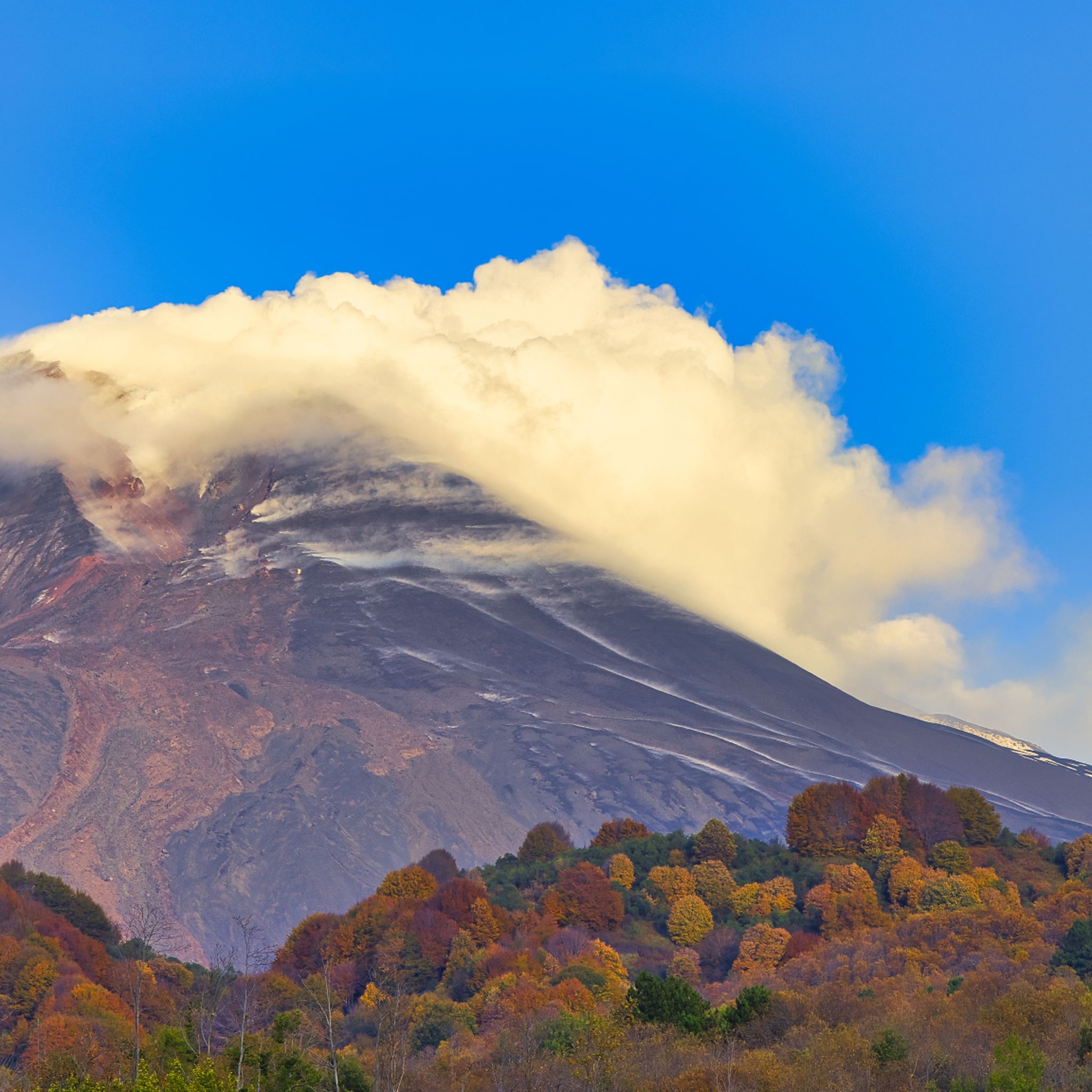
MTB Trails around Parco dell'Etna
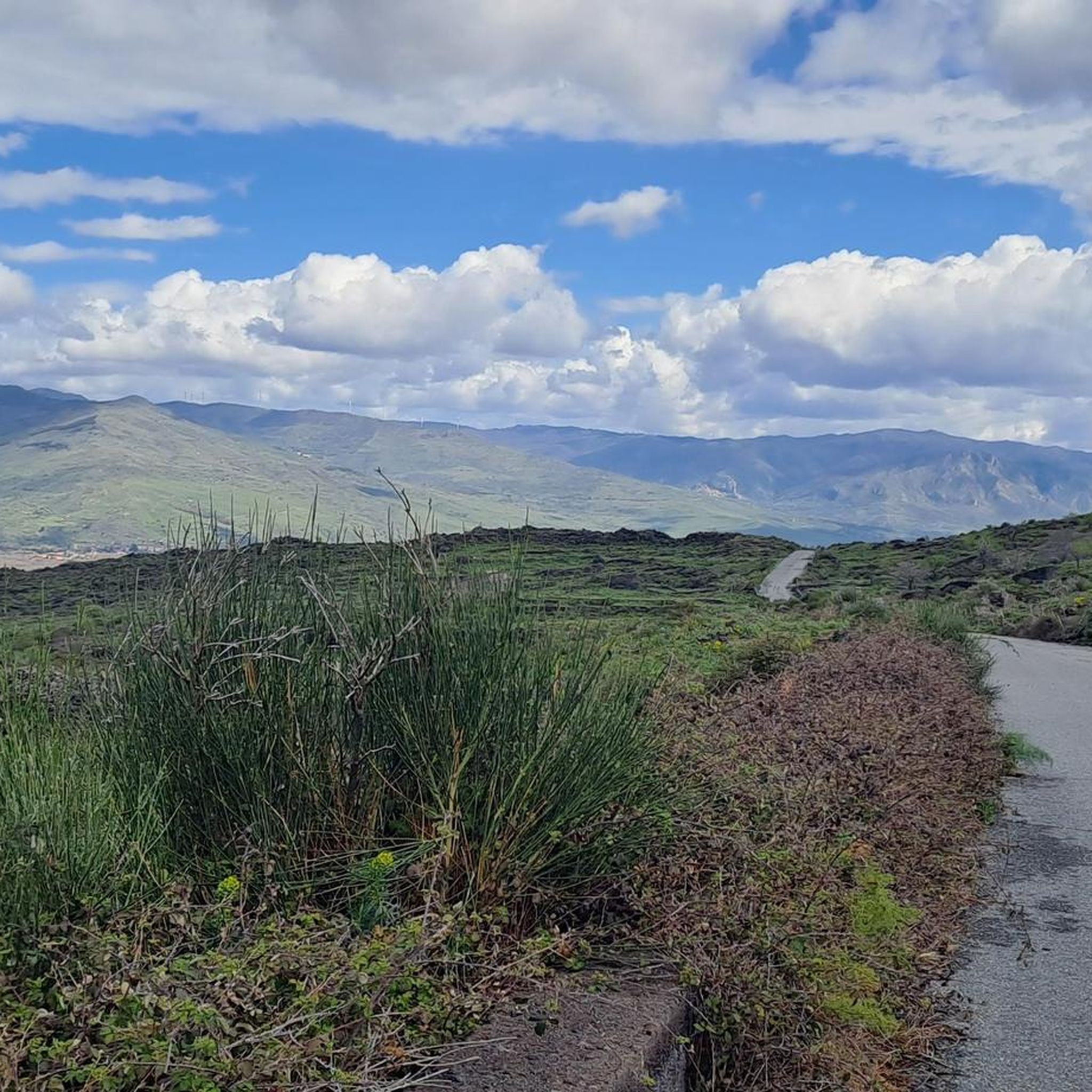
Running Trails around Parco dell'Etna
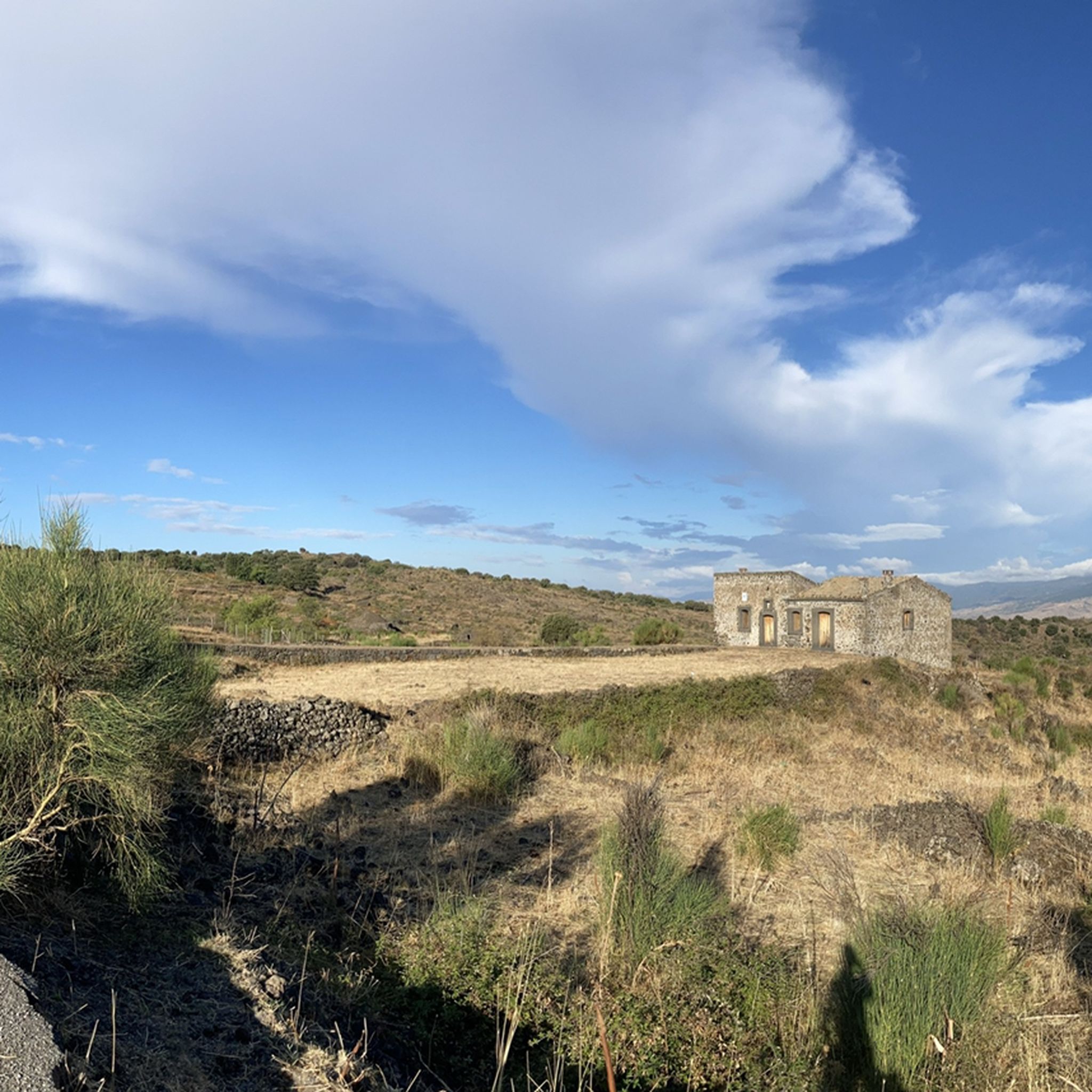
Cycling around Parco dell'Etna
Other adventures around Parco dell'Etna


Tips from the Community

A beautiful, short hike to the summit of Monte Zoccolaro with panoramic views of Mount Etna and the Valle del Bove caldera (lava flow from 1991-1993). Don't be fooled; there are actually two paths leading to the summit. The western one (= former road) runs through nowhere. With a lot of intuition and perseverance, you can continue from here, but there is no defined path to the summit—until you reach the marked path from the hut! The actual path to the summit is marked (trail 704), but it is a real, partly overgrown, sunken path that occasionally winds very close to the edge. Caution: after heavy rains, part of the edge could slide away. The cross on the summit of Monte Zoccolaro dates back to 1948, when priest Salvatore Russo, along with some parishioners, carried it on his shoulders to the summit of the mountain. Here, it was inscribed with the words: Prayer, Deed, Sacrifice and firmly anchored. Every year on September 14th – the day the cross was erected – a mass is celebrated at the foot of the monument at 9 a.m. In good weather, the view over the Val Bove is breathtaking, and the summit is one of the privileged vantage points for witnessing Etna's eruptions at night. It's worth it, but it's more than just a short walk!
1
0

What is crazy is that the ground is still warm to hot 23 years after the eruption in 2001.
1
0

A must. Expensive, but worth it. Very impressive. Only with a mountain guide.
2
0

Does anyone know how expensive a guide from Torre Filosofo to the crater is?
1
0

An exceptional spot…. A must see.
4
0
A total change of scenery, it’s magical!!!
1
1

Europe's largest active volcano, whose height can vary due to its constant activity, is not only a natural wonder but also a place of rich mythological history. Its current height is reported to be around 3323 meters and the volcano itself was declared a UNESCO World Heritage Site in 2013. Reaching the crater is a challenge that is rewarded with unique impressions and the majestic beauty of nature. To reach the crater you can use a cable car from 2000 to 2500 meters and then take one of the off-road buses up to about 3000 meters. This trip goes through protected areas, so the local regulations of the Parco dell'Etna must be strictly observed. It is possible to climb Etna without hiking poles, although an early start is recommended. Some hikers report successful climbs without a guide, but this is risky and is not appreciated by the guides. The importance of an experienced guide cannot be overstated, especially to safely navigate the often changing weather conditions and volcanic activity. Standing on the edge of the active volcanic crater, looking down into the depths and feeling the forces of nature is an overwhelming experience that has been described as indescribable and awe-inspiring. Hikers' experiences range from sightings of mist laced with sulphur fumes to breathtaking views during the descent. It is recommended to sign up for the tour directly with a local mountain guide organization. In addition to good footwear, important equipment items include headbands or hats against the cold wind and a scarf or face mask against the sulphurous gases. Renting jackets at the top of the cable car or after the ride on the 4x4 buses is recommended for the often windy conditions near the crater rim. The experience at the Cratere dell'Etna is an impressive testimony to the forces of nature and offers a unique opportunity to experience the majestic and wild beauty of Etna up close.
1
0
The journey to Etna leads through a landscape marked by volcanic activity. Plumes of smoke rising from various parts of the main crater and the secondary craters testify to the tireless dynamism beneath the earth's surface. This constantly changing environment, where snow covers the peaks as early as autumn, forms a breathtaking backdrop characterized by the wild and dangerous beauty of the volcano. The experience of standing in the gray vastness of the volcanic landscape makes one feel one's own smallness in the face of the mighty forces of nature. Nevertheless, or perhaps because of this, the beauty of this place is breathtaking. The view from the peaks of Etna offers an incomparable panorama that stretches from the island of Sicily to the vast horizon of the Mediterranean. To explore this extraordinary hiking highlight, it is important to observe the local regulations of the Parco dell'Etna and to climb with an experienced mountain guide due to the potential dangers. Being accompanied by an expert not only ensures safety during the hike, but also offers the opportunity to learn more about the volcanic activity, geological features and history of Etna. In addition to the expert guide, you should also make sure you have appropriate equipment, especially enough water and protection from the changeable weather conditions that can change quickly at high altitudes.
5
1
Frequently Asked Questions
What are some of the most popular mountain peaks to explore around Parco dell'Etna?
The region offers diverse volcanic terrain. Highly regarded peaks include the Summit Craters of Mount Etna, which present a challenging, otherworldly landscape. Another popular spot is Laghetto Crater, formed by a 2003 eruption, offering views of Etna's vastness. Visitors also enjoy Monti Sartorius, known for its network of hiking trails around ash cones and views towards the sea and Taormina.
Are there any family-friendly hiking options among the peaks of Parco dell'Etna?
Yes, for easier and family-friendly options, consider trails around Monti Sartorius. These paths are mostly easy to walk and suitable for a relaxed stroll. Additionally, the guide for Easy hikes around Parco dell'Etna features routes like the 'Monti Sartorius Nature Trail' and 'Panorama of the Valle del Bove and Schiena dell'Asino' which are rated as easy.
What is the best time of year to hike the mountain peaks in Parco dell'Etna?
The best time to visit Parco dell'Etna for hiking is typically during the spring (April to June) and autumn (September to October). During these seasons, the weather is generally milder, and the volcanic landscape offers unique contrasts, with blooming flora in spring and clear views in autumn. Summer can be very hot, especially at lower altitudes, while winter brings snow to the higher elevations, requiring specialized gear and guides.
Do I need a permit or a guide to climb the higher peaks of Mount Etna?
For safety reasons and due to the active nature of Mount Etna, it is generally recommended and often required to climb the highest summit craters with a licensed mountain guide. Regulations can change, so it's advisable to check current requirements before planning your ascent. Some areas, especially above 2,900 meters, are restricted without a guide.
What kind of flora and fauna can I expect to see in the Parco dell'Etna mountain region?
Despite the volcanic environment, Parco dell'Etna boasts diverse flora and fauna. At lower altitudes, you'll find forests of pine, beech, and birch, along with chestnut and oak trees. As you ascend, the vegetation becomes more sparse, adapting to the volcanic soil, with species like Etna broom and various lichens. Wildlife includes foxes, wild cats, porcupines, and a variety of bird species, including birds of prey.
Are there less crowded alternatives to the main Etna hiking trails?
If you're looking for a less crowded experience, consider exploring areas like Monti Sartorius, which offers a network of trails that are a good alternative to the main Etna summit routes. Another option is Mount Zoccolaro, which provides panoramic views of the Valle del Bove and Etna's summit parts, and is known for its serene atmosphere.
What should I pack for an ascent to the Etna peaks?
When ascending Etna's peaks, even in summer, weather conditions can change rapidly. It's crucial to pack layers of clothing, including warm jackets, waterproof and windproof outer shells. Sturdy hiking boots are essential due to the uneven, rocky, and often sharp lava terrain. Don't forget a hat, gloves, sunglasses, sunscreen, and plenty of water. A headlamp or flashlight is also recommended, especially for early morning or late afternoon hikes. A cloth or similar as a mouthguard can be helpful for sulfur fumes near craters.
Where can I find beginner-friendly hiking routes in the Mount Etna area?
For beginners, the Easy hikes around Parco dell'Etna guide offers several suitable routes. Examples include the 'Monti Sartorius Nature Trail' and the 'Panorama of the Valle del Bove and Schiena dell'Asino in the Parco dell'Etna'. These trails are generally less strenuous and provide a good introduction to the volcanic landscape without extreme difficulty.
Are there good viewpoints to see Mount Etna and the surrounding landscape?
Absolutely. Mount Zoccolaro is an excellent viewpoint, offering breathtaking panoramic views of the Valle del Bove and the summit craters of Etna. Monti Sartorius also provides great views down to the sea and towards Taormina. Even from the Laghetto Crater area, you can appreciate the vastness and natural forces of Mount Etna.
What outdoor activities, besides hiking, can I do near the mountain peaks of Parco dell'Etna?
Beyond hiking, the Parco dell'Etna region offers opportunities for mountain biking. You can explore various trails, such as those found in the MTB Trails around Parco dell'Etna guide, which includes routes like 'Etna's Altomontana Slope' and the 'Schiena dell'Asino and Craters Loop'. These trails allow you to experience the unique volcanic landscape on two wheels.
Are there any loop trails available for hiking around Parco dell'Etna's peaks?
Yes, there are several loop trails that allow for varied exploration. For instance, the Mountain Hikes around Parco dell'Etna guide lists routes like the 'Viewpoint Etna – Summit Craters of Mount Etna loop from Rifugio Giovannino Sapienza' and the 'Piano Provenzana – Etna Crater loop from Piano Provenzana'. For easier options, the Easy hikes around Parco dell'Etna guide includes the 'Path of the Craters of the 2002 eruption – loop in the Etna Park'.
What are the parking and trailhead options for hiking Etna's mountain peaks?
Common starting points for exploring Etna's peaks include Rifugio Sapienza on the south side and Piano Provenzana on the north side. Both locations offer parking facilities and serve as trailheads for various routes, including those leading to cable cars or bus services for higher elevations. From these points, you can access trails to highlights like the Summit Craters of Mount Etna or Monti Sartorius.
Most popular routes around Parco dell'Etna
Most popular attractions around Parco dell'Etna

Get inspired with the komoot mobile app


Explore more
See even more amazing summits around Parco dell'Etna with these guides:
