The best hikes from bus stations around Hainich
4.7
(12225)
42,558
hikers
67
hikes
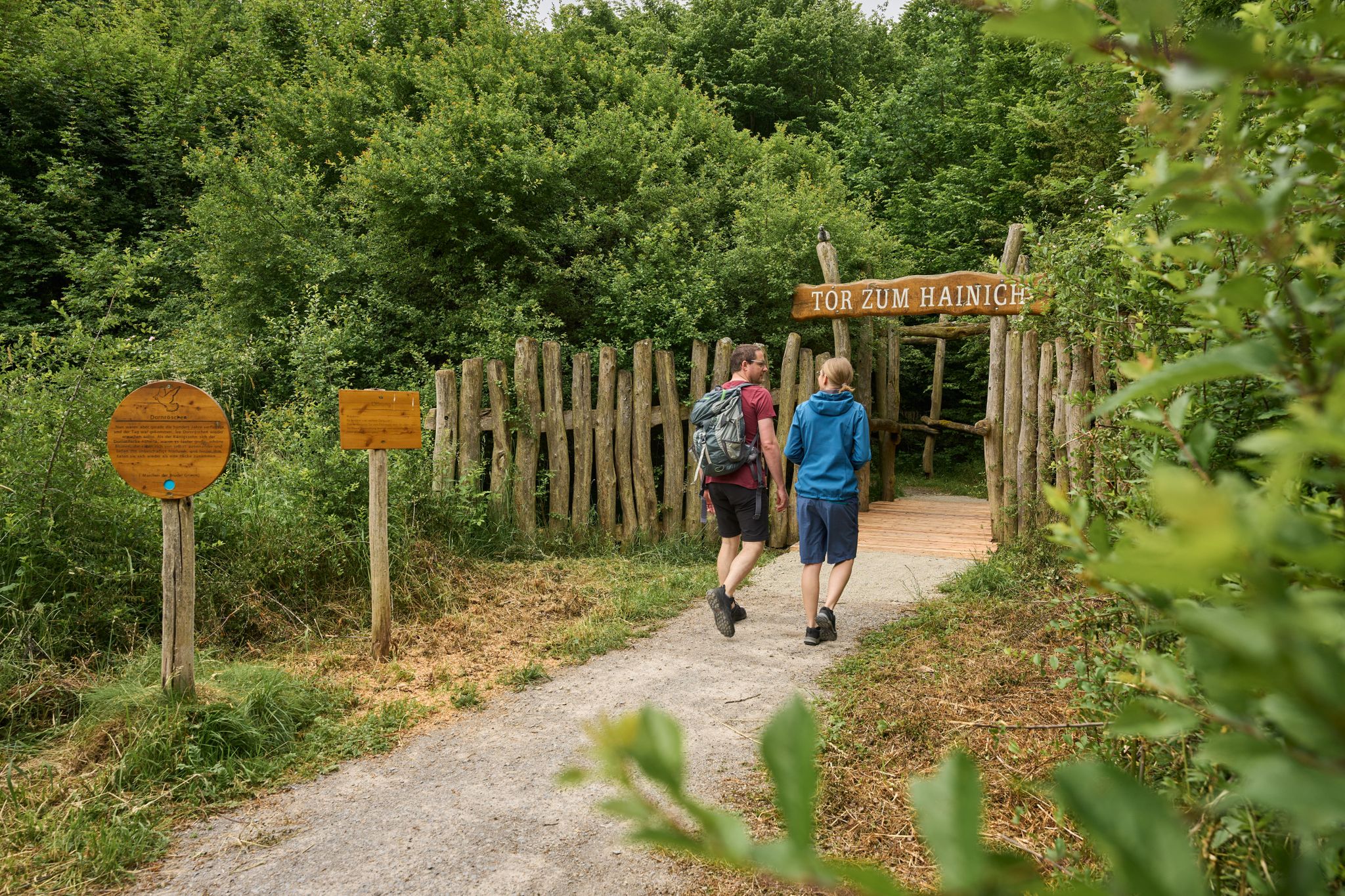
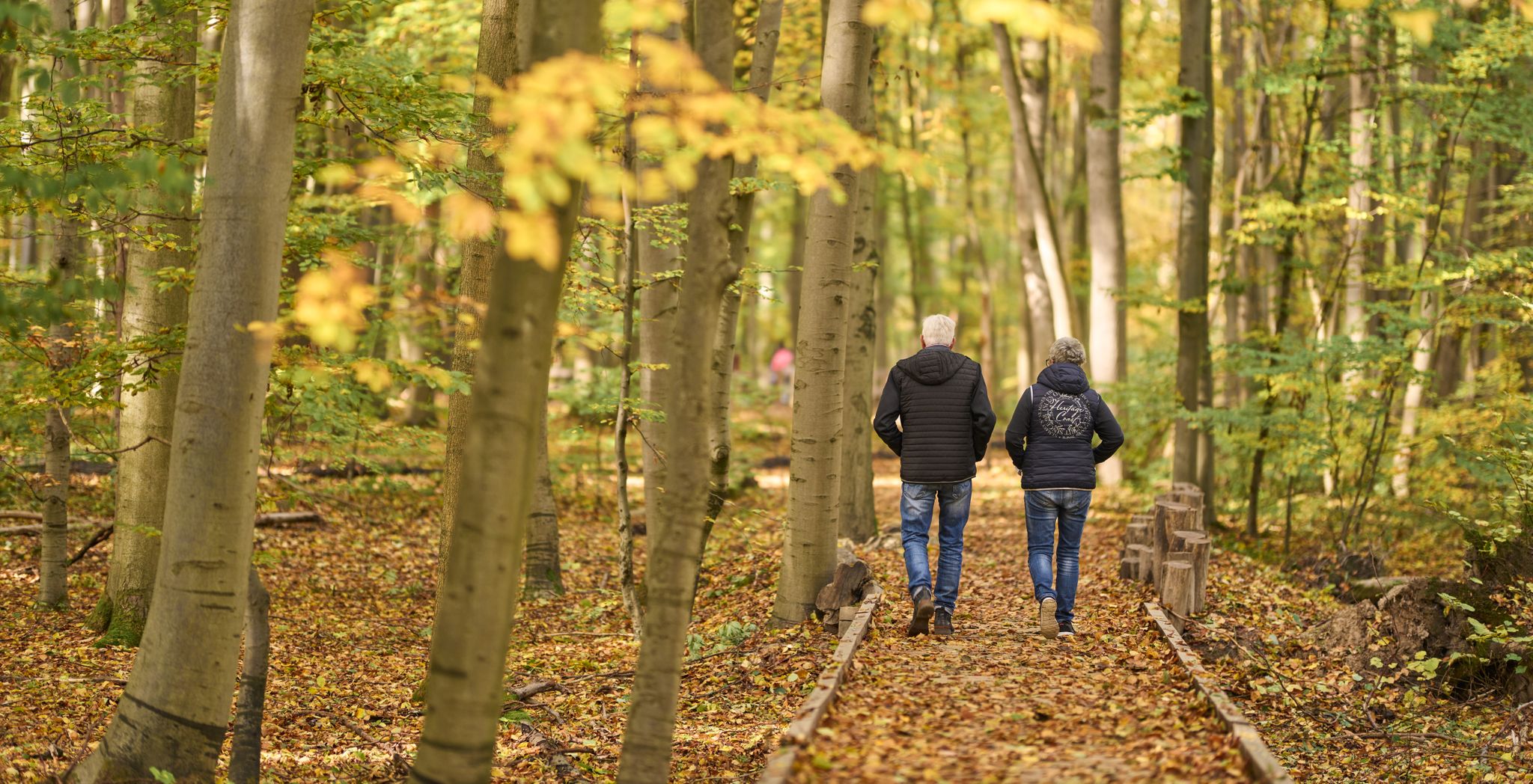
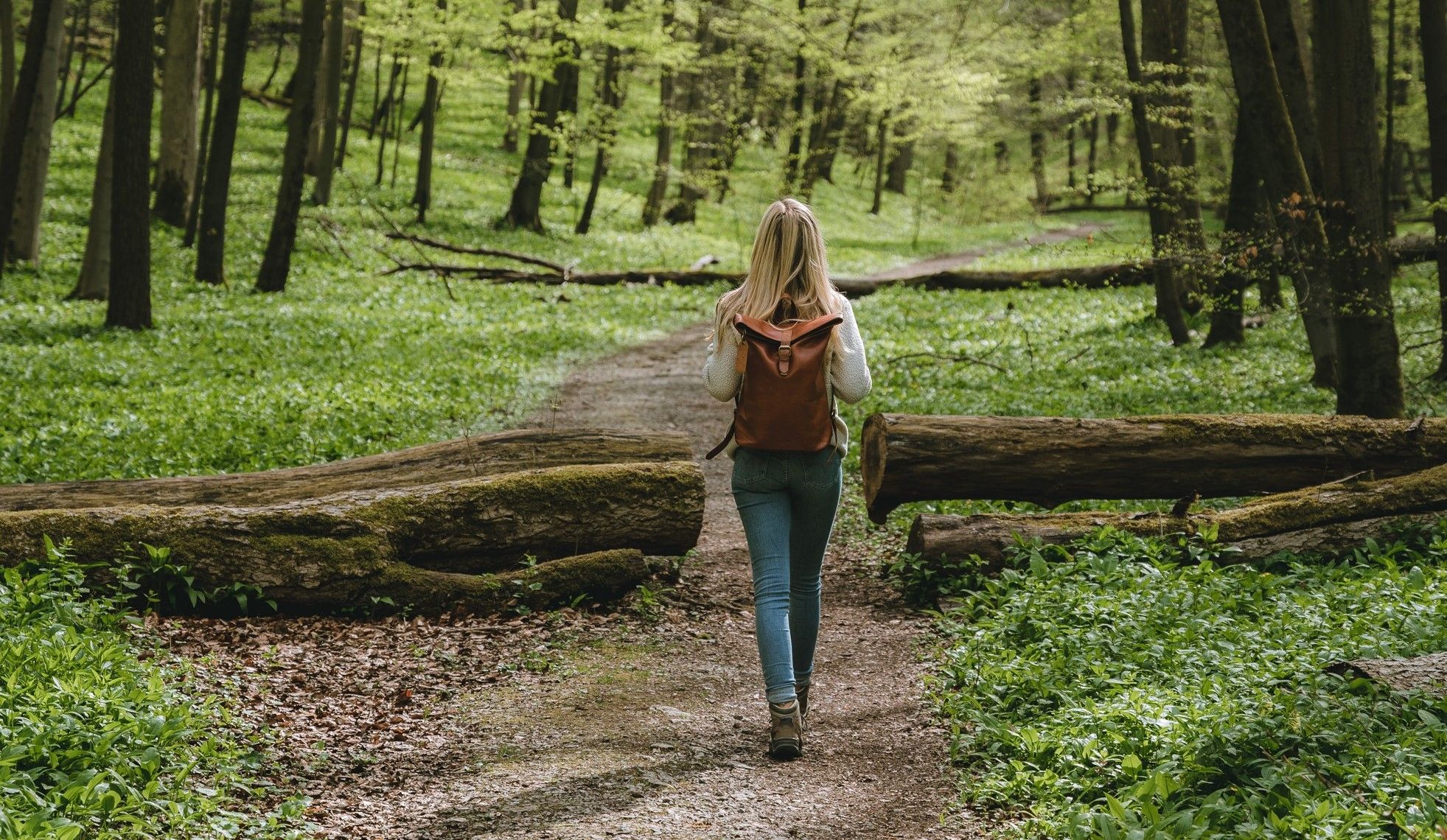
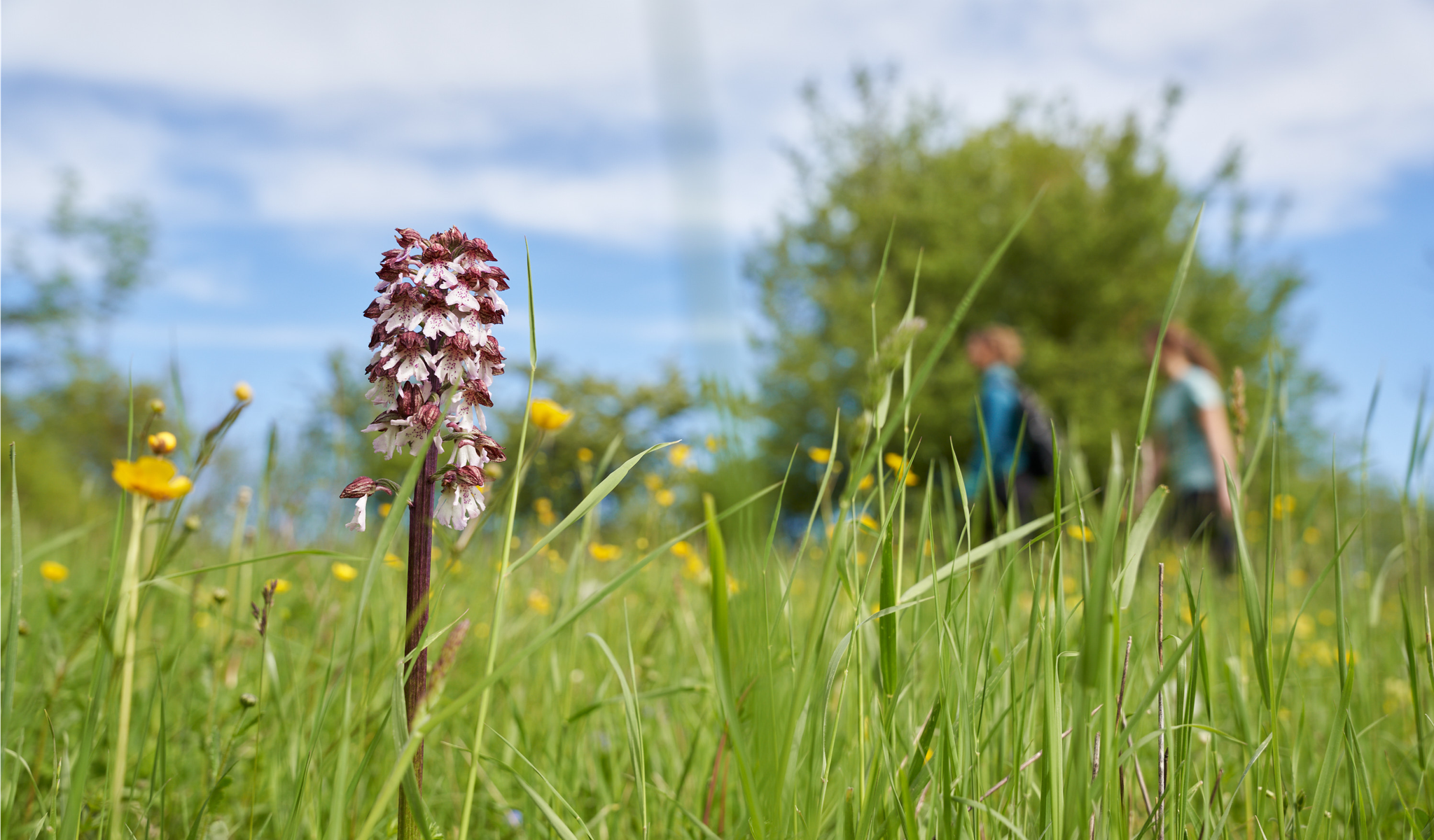
Bus station hiking trails around Hainich lead through a landscape dominated by ancient beech forests, a UNESCO World Heritage site, and diverse deciduous woodlands. The region features gently undulating hills and valleys, shaped by erosion and loess deposits, offering varied terrain for hikers. This area is known for its rich biodiversity and largely untouched natural environment, providing a unique insight into Central European forest development.
Best bus station hiking trails around Hainich
- The most popular bus station hiking route is…
Last updated: May 17, 2026
4.8
(45)
168
hikers
9.88km
02:40
120m
120m
Moderate hike. Good fitness required. Easily-accessible paths. Suitable for all skill levels.
4.7
(29)
120
hikers
6.23km
01:42
90m
90m
Easy hike. Great for any fitness level. Easily-accessible paths. Suitable for all skill levels.

Sign up for free
4.8
(51)
151
hikers
Moderate hike. Good fitness required. Easily-accessible paths. Suitable for all skill levels.
5.0
(8)
26
hikers
Moderate hike. Good fitness required. Easily-accessible paths. Suitable for all skill levels.
4.7
(7)
49
hikers
Easy hike. Great for any fitness level. Easily-accessible paths. Suitable for all skill levels.
Get access to more routes and recommendations from other explorers.
Sign up for free
Already have an account?
Our route recommendations are based on thousands of hikes, rides, and runs completed by other people on komoot.
Start today with a free account
Your next adventure awaits.
Login or Signup
Other adventures around Hainich


Tips from the Community

Planted in 1992 by forester Pippert, the small sequoia has already shot up considerably
0
0

Avoid in autumn
0
0

The Wendel Hut in the Unstrut-Hainich district offers a comfortable place to rest.
0
0

A place steeped in history....
1
0

In July 1934, the Thiel brothers, a watch and detonator manufacturer from Ruhla, acquired a 22-hectare plot of land in the Mühlhausen city forest in northern Thuringia to expand production and accept further armaments orders. After completion, the newly founded company "Gerätebau GmbH", a subsidiary of the Thiel brothers GmbH, began producing detonators in December 1937. As early as the end of 1940, Gerätebau GmbH was planning to use concentration camp prisoners, but this was not yet feasible due to a lack of accommodation options. From 1942 onwards, both the conscription of German specialists and special forces for military service and the expansion of the armaments industry throughout the Reich led to the increased use of Eastern European and Russian forced laborers, who were housed in the B camp of Gerätebau GmbH in the city forest. Up to 696 female, Jewish prisoners between the ages of 15 and 33 were forced to work there. To distinguish the camp inmates from the foreign workers, they were marked with red paint on their backs. Four years later, the company again applied for the allocation of concentration camp prisoners and the hiring of guards. On September 3, 1944, 300 predominantly Polish and Hungarian Jewish women from Buchenwald arrived at the Mühlhausen II subcamp (code name Martha II). Two days later, eight female guards from the Ravensbrück concentration camp arrived, reinforced by 15 more on September 19. In October 1944, another 200 women from the Auschwitz concentration camp arrived at the subcamp. In 1947, the Soviet occupying forces blew up the factory halls and prisoner barracks. Remains of the production hall foundations can still be seen today. (Source: Wikipedia)
1
0

A terrible story: The factory facilities in Margarethenholz in Mühlhausen's city forest were built in 1934 with funding from the Reich Defense Ministry. The factory consisted of several ground-level buildings with basements and flat roofs covered in plants and was surrounded by a 2.5 m high concrete wall. Initially, local skilled workers were employed, and later mainly Ukrainian and Polish foreign or "Eastern workers" as well as Jewish forced laborers from Poland and Hungary (from the Buchenwald concentration camp). After the end of the war, around 1,700 Soviet Army soldiers were stationed there. The factory facilities were blown up in 1947. Ruins and debris of the buildings and the surrounding wall have been preserved to this day under the ash forest that has emerged.
1
0
Frequently Asked Questions
How many bus-accessible hiking trails are available in Hainich National Park?
Our guide features 67 hiking routes that are easily accessible from bus stations around Hainich National Park. This includes a wide variety of trails, from leisurely strolls to more challenging excursions through the ancient beech forests.
What is the general difficulty level of these bus station hikes?
The bus-accessible hikes in Hainich cater to various fitness levels. You'll find 36 easy routes, 28 moderate routes, and 3 more challenging trails, ensuring there's something for everyone to enjoy.
What kind of natural features can I expect to see on these trails?
Hainich National Park is renowned for its ancient beech forests, a UNESCO World Heritage site. On these bus-accessible trails, you can expect to immerse yourself in dense, primeval woodlands, discover diverse deciduous trees, and experience the park's rich biodiversity. The landscape features gently undulating hills and valleys, offering varied scenery.
Are there any circular routes accessible from bus stops?
Yes, many of the bus-accessible routes are circular, allowing you to start and end your hike at the same bus stop. For example, the Playground With Barbecue Area – Wendel Hut loop from Pfafferode is a moderate 9.8 km circular trail, and the Wendel Hut – White House Forest Inn loop from Pfafferode offers an easy 6.1 km option.
What attractions or points of interest are near the bus-accessible hiking trails?
Along and near these trails, you can find various points of interest. The Wendel Hut and Rotes Haus are popular spots for hikers. The region is also known for the Treetop Walkway (Baumkronenpfad) and the Wildcat Village Hütscheroda, which are accessible within the park.
Are there family-friendly options among the bus station hikes?
Absolutely. Many of the easy and moderate routes are suitable for families. The Hainich National Park generally offers trails like the 'Feenstieg' (Fairy Trail), which are popular and easy circular routes perfect for families, allowing children to enjoy the enchanting forest environment.
Can I bring my dog on these bus-accessible hiking trails?
Hainich National Park is generally dog-friendly, but regulations may vary depending on the specific trail and protected zones. It's always recommended to keep dogs on a leash to protect the wildlife, especially the elusive European wildcat. Check local signage for any specific restrictions.
What do other hikers say about the bus station hikes in Hainich?
The komoot community highly rates the hiking experience in Hainich, with an average score of 4.56 stars from over 1000 ratings. Reviewers often praise the quiet, untouched nature of the ancient beech forests, the well-marked paths, and the immersive wilderness experience.
Are there places to rest or have a picnic along the bus-accessible routes?
Yes, many routes feature designated picnic areas, covered shelters, and huts. For instance, the Covered Picnic Shelter – Playground With Barbecue Area loop from Dörnaer Platz specifically highlights such facilities. You'll often find benches and rest stops strategically placed along the trails.
What is the best time of year to hike these bus-accessible trails in Hainich?
Hainich National Park offers unique beauty throughout the year. Spring is spectacular with carpets of wild garlic and march cups on the forest floor. Summer provides lush green canopies, while autumn transforms the forests into a vibrant display of colors. Even winter offers a serene, quiet experience, though some paths might be slippery. The Treetop Walkway is open year-round.
Do I need any special permits or entry fees for hiking in Hainich National Park?
No, there are generally no special permits or entry fees required for hiking on the public trails within Hainich National Park. The park's philosophy is to 'let nature be nature,' allowing free access to its natural beauty. However, specific attractions like the Treetop Walkway may have an entrance fee.
Are there any longer, more challenging bus-accessible routes for experienced hikers?
While most routes are easy to moderate, there are options for more experienced hikers. For example, the Rotes Haus Shelter – Playground With Barbecue Area loop from 1. Deutsches Bratwurstmuseum is a moderate 15.4 km trail with nearly 300 meters of elevation gain, offering a longer and more demanding experience through the park's diverse landscapes.
Most popular routes around Hainich
Most popular attractions around Hainich

Get inspired with the komoot mobile app


Explore more
Browse the best Hikes in other regions.
