The best family-friendly hikes and walks around Grunewald
4.5
(11053)
66,198
hikers
370
hikes
Family friendly hiking trails around Grunewald offer a diverse natural escape within Berlin. This sprawling forest, covering approximately 7,000 acres, features dense woodlands, numerous lakes, and the Havel River. The terrain includes gentle paths along waterways and some low hills, providing varied elevation for hikers. It serves as a significant green space for outdoor activities.
Best family friendly hiking trails around Grunewald
- The most popular family friendly hiking route is Grunewaldsee – Forsthaus Paulsborn loop from Freie Universität Berlin, an easy 2.9 miles (4.7 km) trail that takes about 1 hour 13 minutes to complete. This route circles the scenic Grunewaldsee.
- Another top favourite among local hikers is Teufelssee (Devil's Lake) – Grunewald Tower loop from Grunewald, a moderate 8.0 miles (12.9 km) path. This trail includes views from the Grunewald Tower and passes by Teufelssee.
- Local hikers also love the Hüttenweg in Grunewald – Lieper Bay Beach loop from Riemeisterfenn, a 4.5 miles (7.2 km) trail leading through woodlands and along the Havel River, often completed in about 1 hour 54 minutes.
- Hiking around Grunewald is defined by dense woodlands, scenic lakes, and the Havel River, with options for various ability levels from easy lakeside strolls to moderate routes over low hills.
- The routes in Grunewald are highly rated by the komoot community with an average score of 4.5 stars from more than 10,000 reviews. More than 64,000 hikers have used komoot to explore Grunewald's varied terrain.
Last updated: October 16, 2026
4.7
(686)
3,777
hikers
5.52km
01:25
20m
20m
Easy hike. Great for any fitness level. Easily-accessible paths. Suitable for all skill levels.
4.8
(683)
2,063
hikers
Hard hike. Very good fitness required. Easily-accessible paths. Suitable for all skill levels.

4.6
(430)
1,141
hikers
12.9km
03:25
120m
120m
Moderate hike. Good fitness required. Easily-accessible paths. Suitable for all skill levels.
4.6
(217)
1,251
hikers
Easy hike. Great for any fitness level. Easily-accessible paths. Suitable for all skill levels.
4.6
(168)
507
hikers
12.3km
03:19
160m
160m
Moderate hike. Good fitness required. Easily-accessible paths. Suitable for all skill levels.
Get access to more routes and recommendations from other explorers.
Already have an account?
Our route recommendations are based on thousands of hikes, rides, and runs completed by other people on komoot.
Start today with a free account
Your next adventure awaits.
Popular around Grunewald
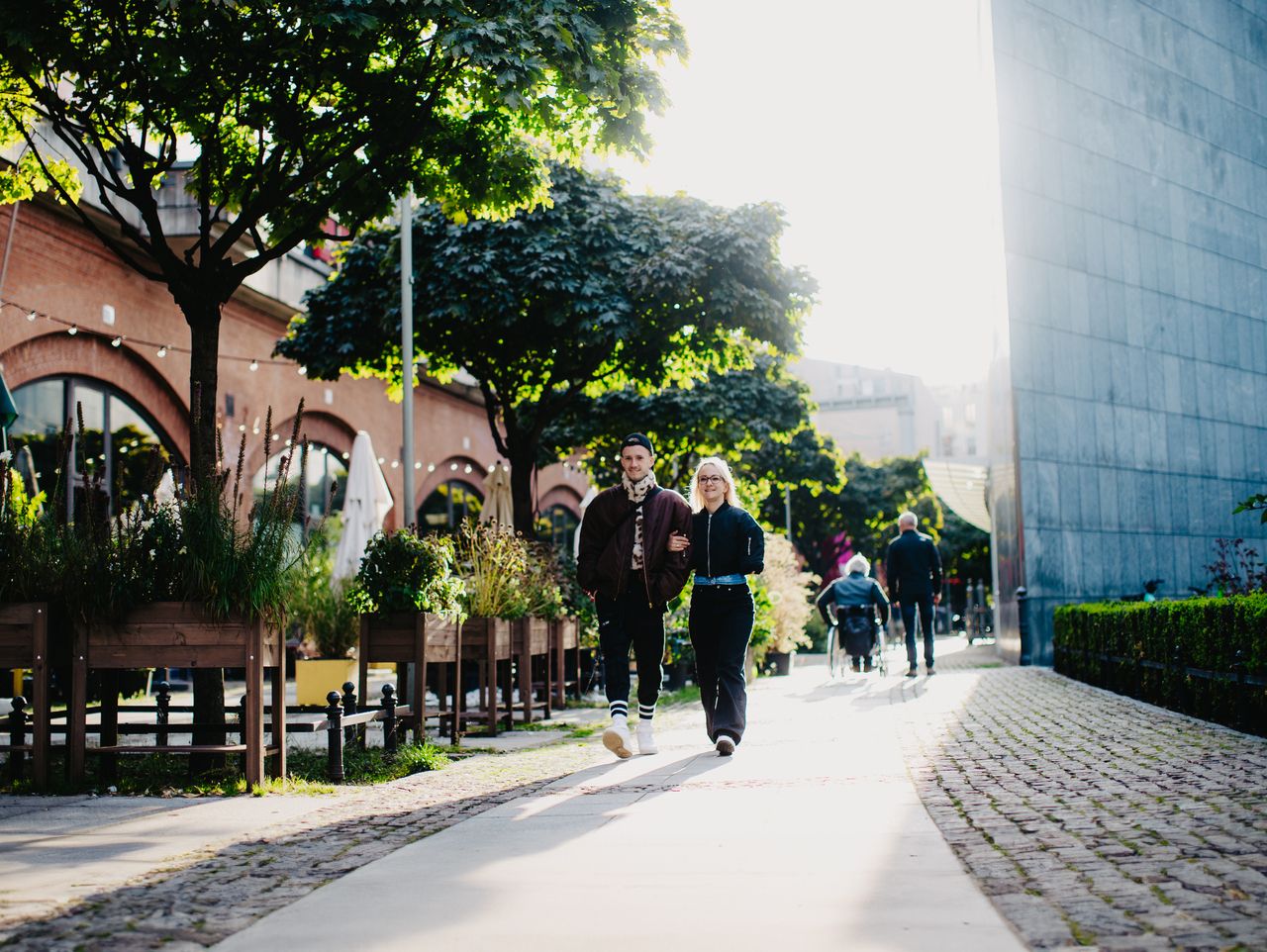
Neighbourhood walks in Charlottenburg-Wilmersdorf
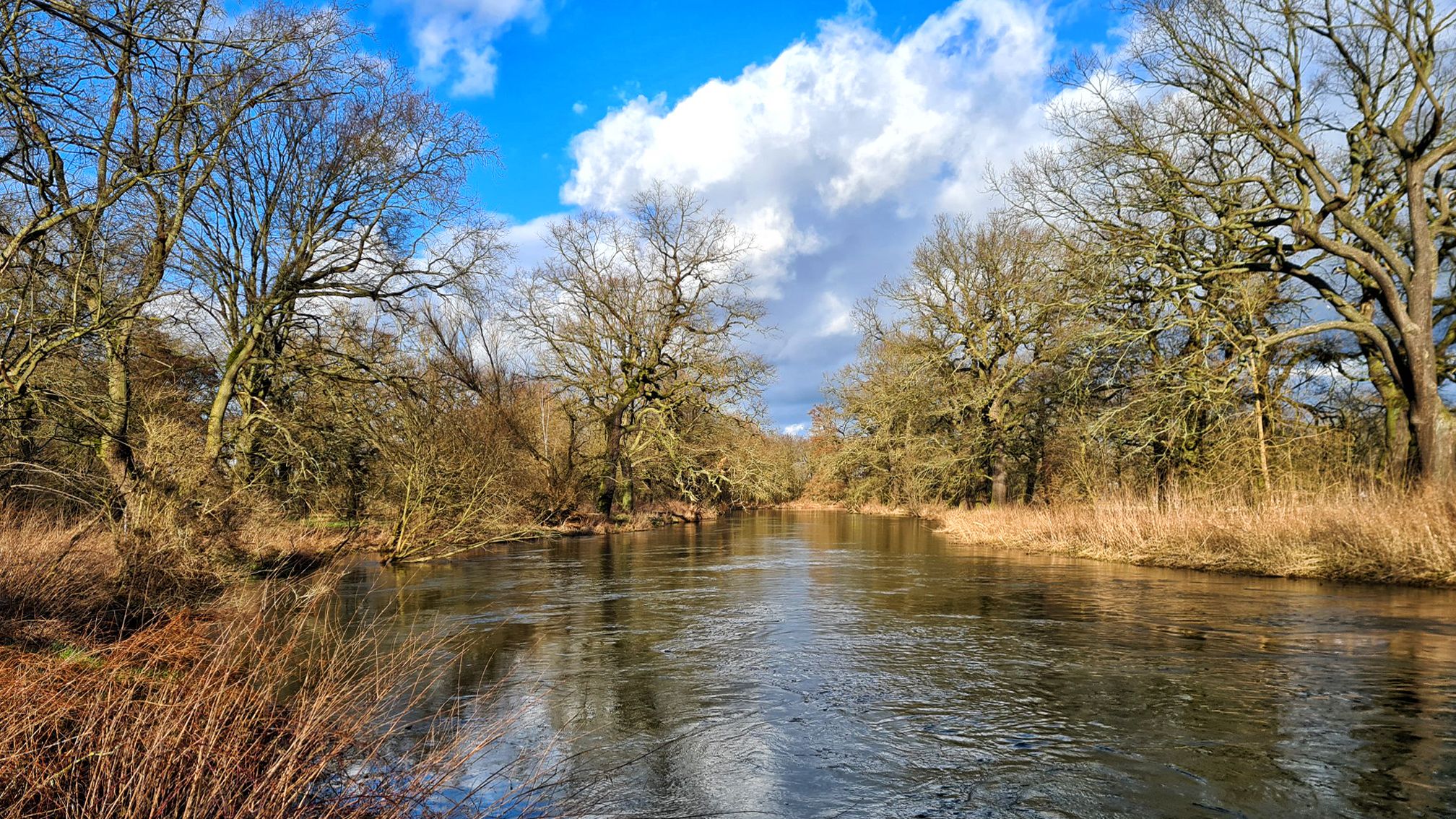
Stage hike 'From the Oder to the Elbe and on to the Saale'
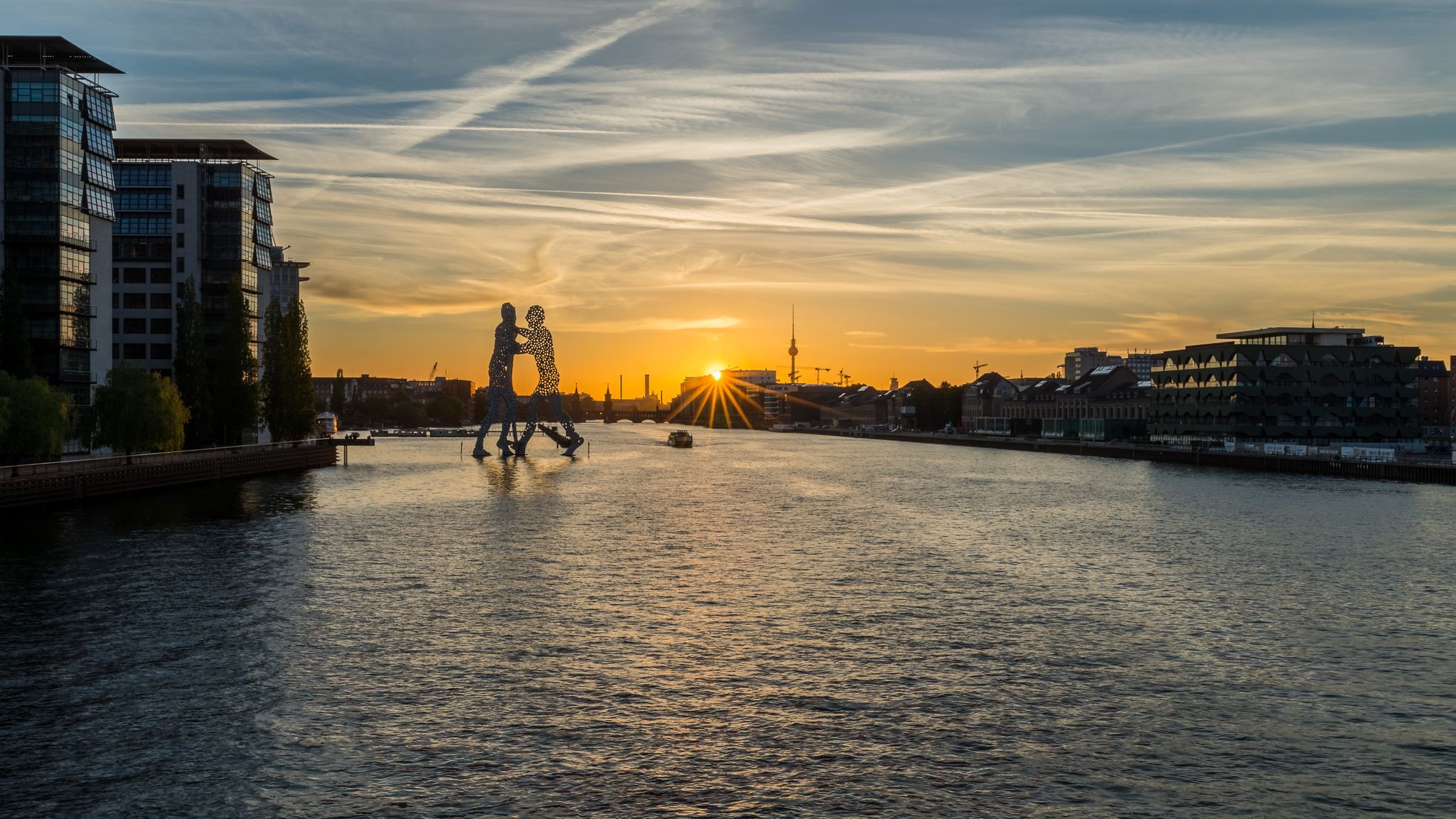
From romantic to kitsch – take the S-Bahn into the sunset
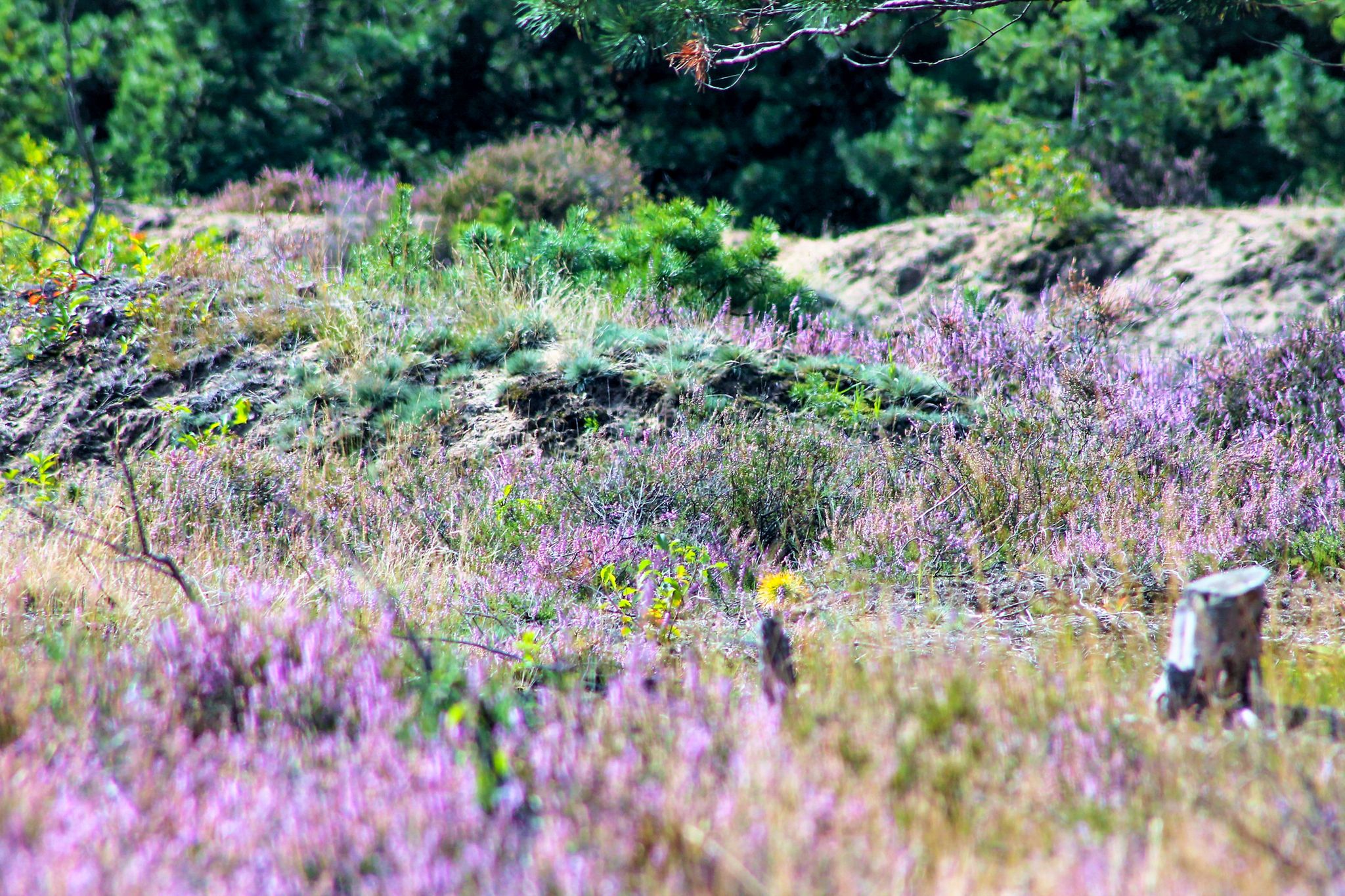
Purple splendour – by S-Bahn into the heath
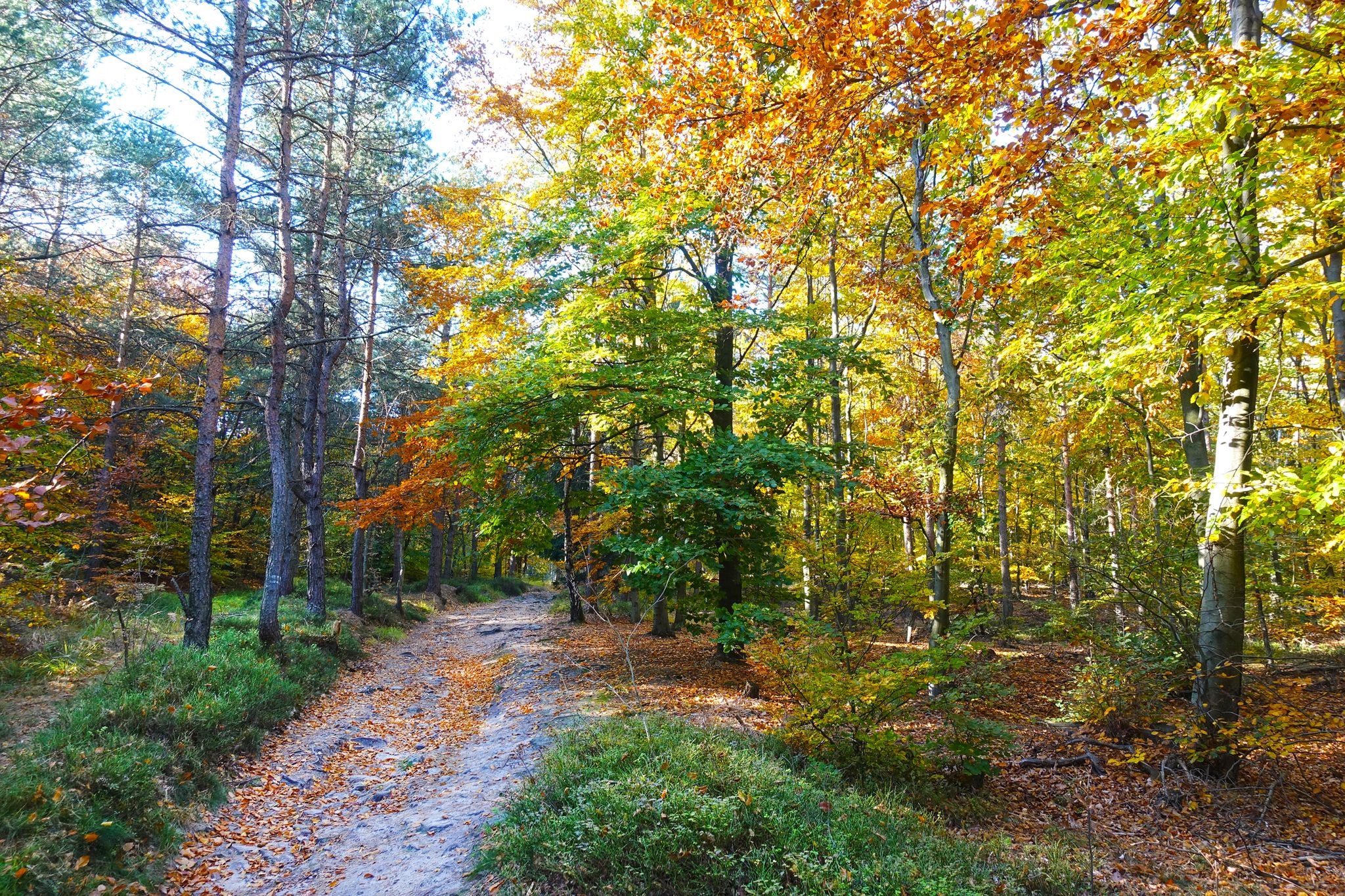
The most beautiful forests in and around Berlin during autumn
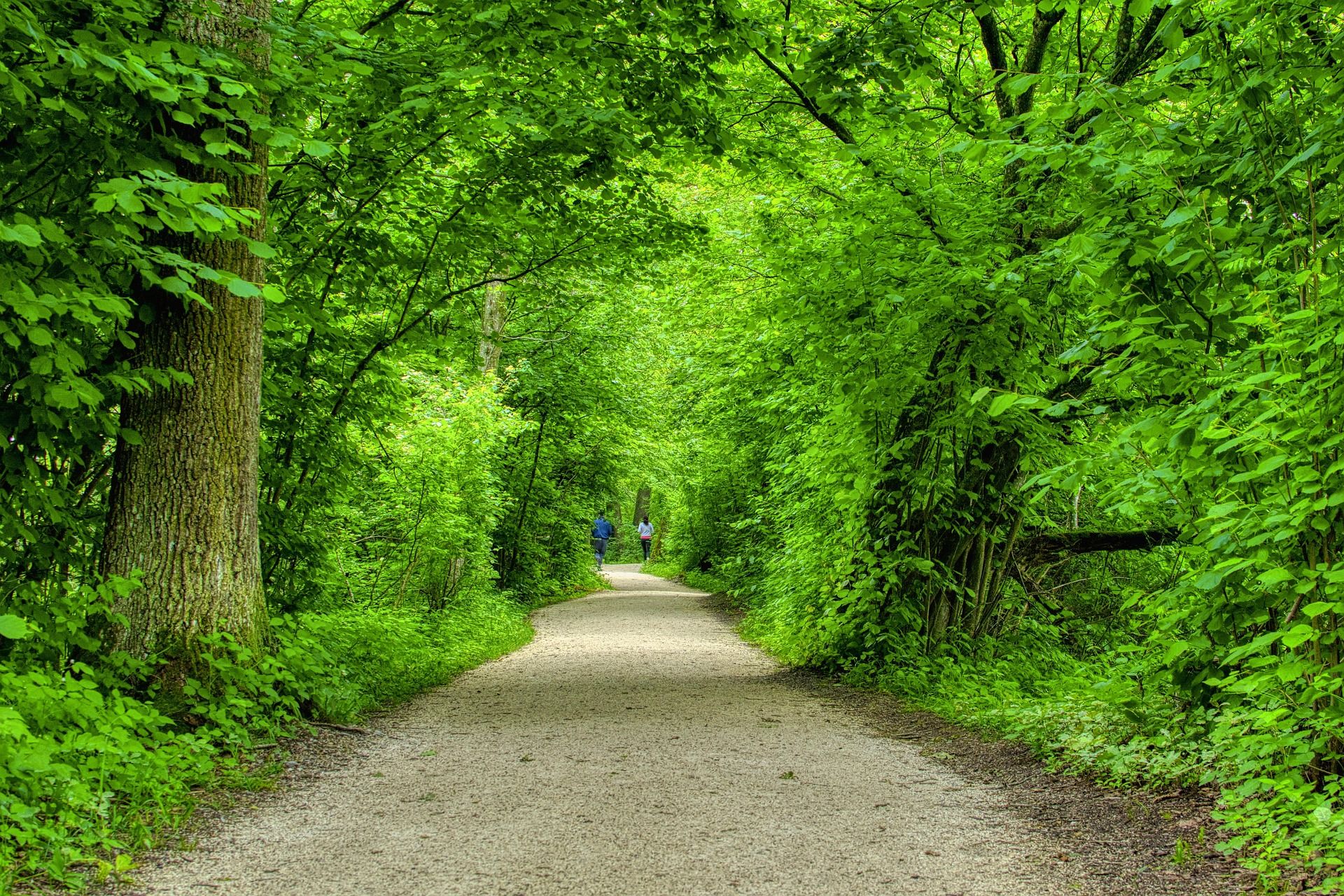
Off to the trails – trail running with the S-Bahn
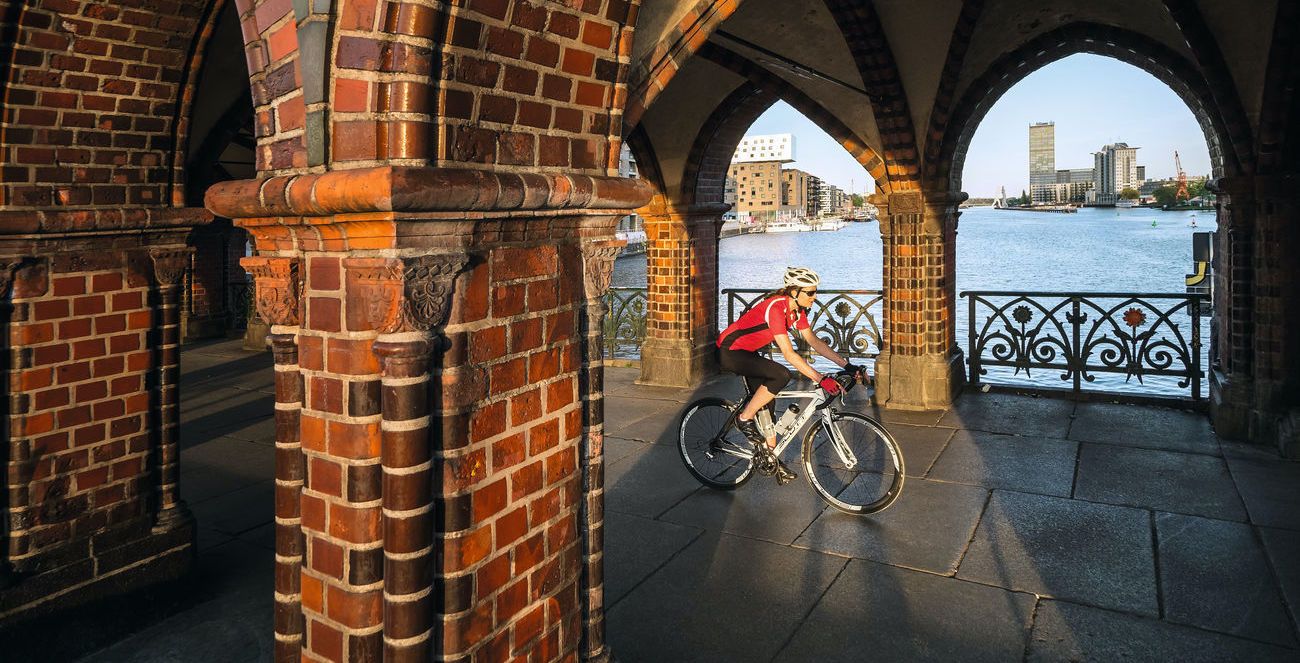
City trip Berlin – with TOUR in the capital
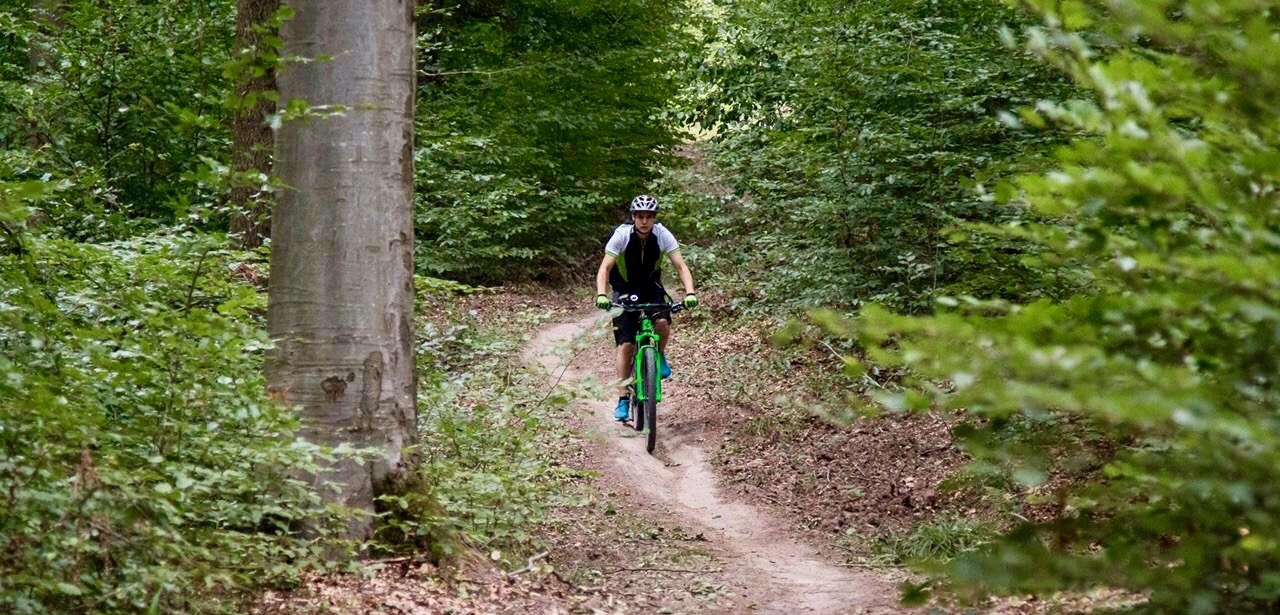
33 MTB trails through German forests
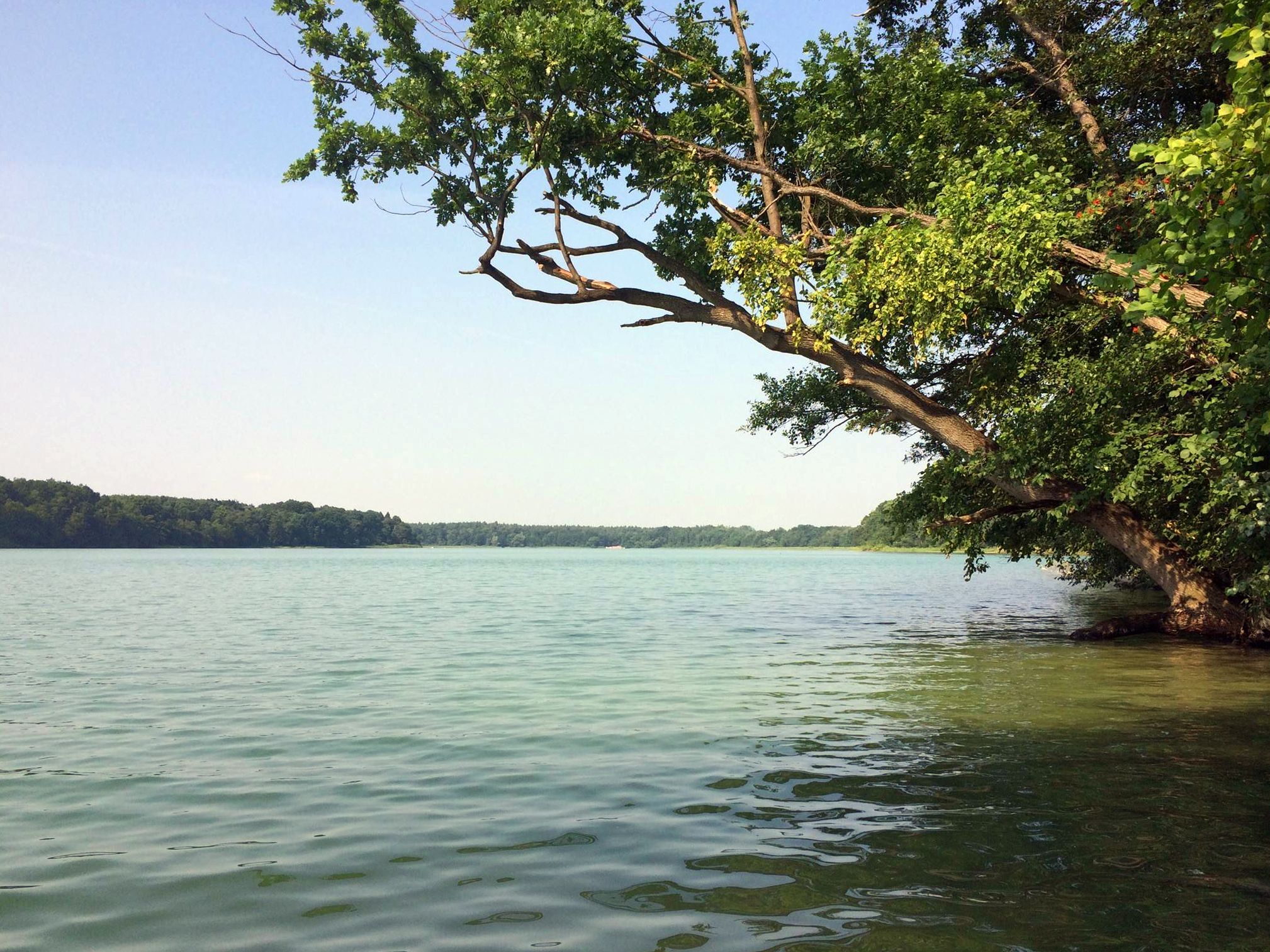
Berlin's sensational swimming lakes
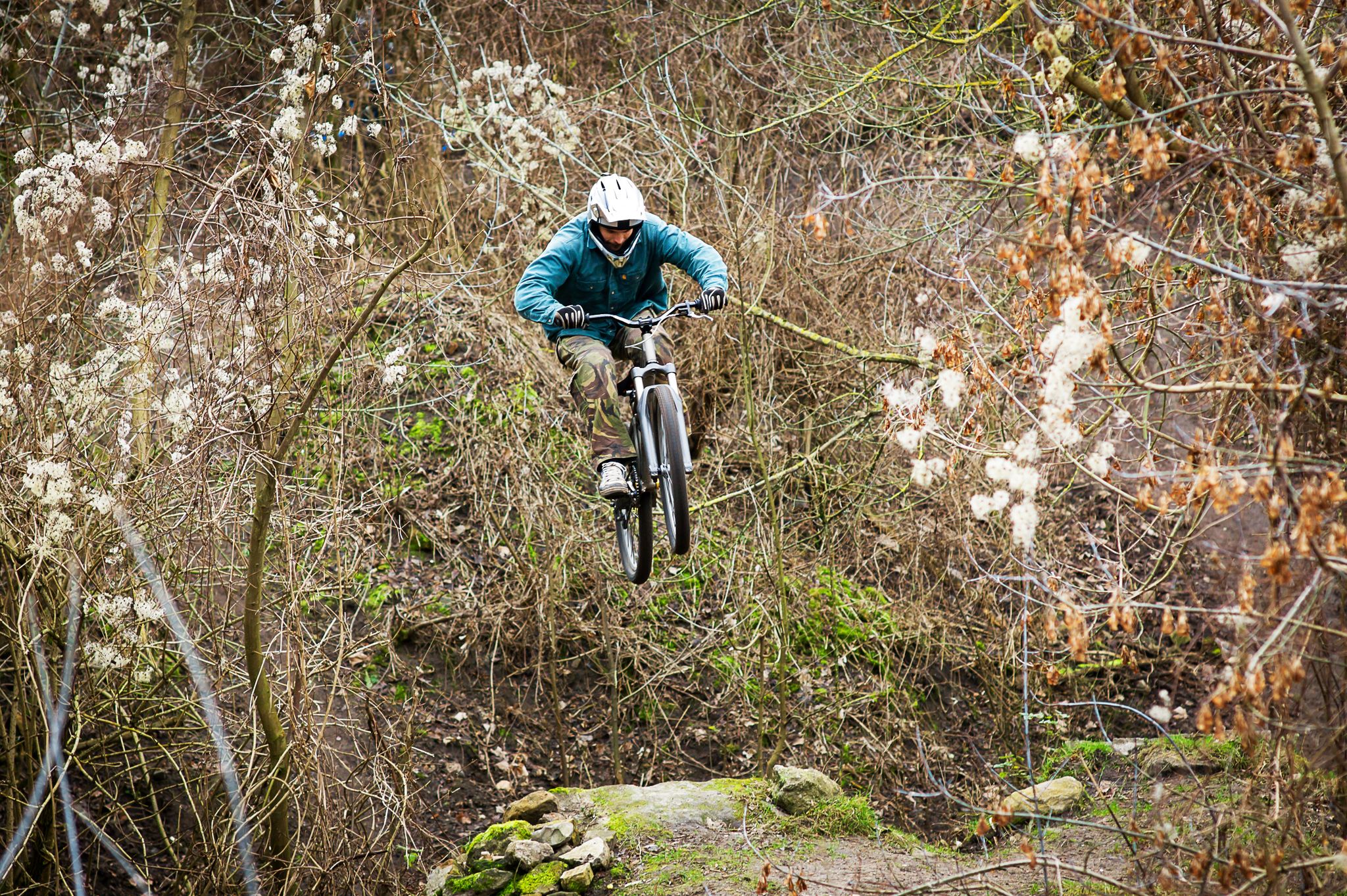
Berlin's hottest trails
Other adventures around Grunewald


Tips from the Community

The Havelhöhenweg leads on natural paths through the varied forest landscape along the Havel. Again and again, beautiful views open up onto the water, small bays, and the wooded shores. Roots, elevation changes, and narrow paths make the tour surprisingly varied – and quickly make you forget, in the middle of Berlin, how close the city actually is. A wonderful route for all who love forest, water, and quiet nature trails.
0
0

Beautiful forest area, ideal for extensive hiking. Also recommended with dogs. At certain times of the day, a few wild boars also like to cross the path here.
0
0
Popular bathing spot for naturists.
0
0

In the Middle Ages, the village of Slatdorp existed on the southern shore of Schlachtensee, but it fell into disuse after 1300. The first modern buildings were the Alte Fischerhütte (Old Fishermen's Hut), built in 1759 on the northwestern shore of Schlachtensee, and the Neue Fischerhütte (New Fishermen's Hut), built in 1853 on the southern shore. Otherwise, the present-day district consisted of unpopulated forest and farmland until well into the 19th century.[5] In 1874, the Wannseebahn railway, along with the Schlachtensee station, was built. The expansion of this railway line to the Neue Wannseebahn in the 1890s was followed by the systematic development of the present-day district.
0
0

A walk around the lake is very worthwhile! You can also rent a rowing boat there.
0
0

The Grunewald is the largest wooded area in western Berlin and a popular retreat for the city's residents and visitors. Amidst dense forests, numerous paths, and the surrounding lake district with the Havel River, Wannsee Lake, and the Grunewald chain of lakes, you quickly forget that you're in the heart of a major city.
1
0

Great view of the Havel river and the Wannsee lake.
0
0

Beautiful view of the Havel from the cycle path.
0
0
Frequently Asked Questions
How many family-friendly hiking trails are there in Grunewald?
Grunewald offers a fantastic selection for families, with over 380 hiking routes available. More than 250 of these are rated as easy, making them perfect for all ages and fitness levels.
What kind of terrain can we expect on family hikes in Grunewald?
You'll find a diverse landscape in Grunewald, ranging from dense woodlands with native oaks and beeches to scenic paths along numerous lakes and the Havel River. Many trails are relatively flat and well-maintained, though some areas, like around Teufelsberg, offer gentle inclines and viewpoints.
Are there any easy, circular routes suitable for families?
Absolutely! Many trails in Grunewald are designed as loops. A great option for a relaxed family outing is the Grunewaldsee – Forsthaus Paulsborn loop from Freie Universität Berlin, which is an easy 4.7 km route around the picturesque Grunewaldsee.
What interesting landmarks or natural features can we see along the trails?
Grunewald is rich in sights! You can explore the historic Jagdschloss Grunewald, Berlin's oldest palace, located by Grunewaldsee. For panoramic views, consider trails that pass by the Drachenberg or the Grunewaldturm, which offers magnificent vistas over the Havel River. The Havel River in Grunewald itself is a beautiful natural feature to explore.
Are dogs allowed on the family-friendly hiking trails in Grunewald?
Yes, Grunewald is very dog-friendly! The Grunewaldsee area is even known as Berlin's largest dog-walking area. You'll find many trails where dogs are welcome, but always remember to keep them on a leash in designated areas and be mindful of wildlife and other hikers.
Can we reach the hiking trails in Grunewald using public transport?
Yes, Grunewald is well-connected by public transport. Various S-Bahn and bus lines serve the area, making it easy to access trailheads without a car. For example, the S7 line stops at Grunewald station, providing convenient access to many starting points.
Are there places to eat or have a picnic along the family routes?
Yes, you'll find several spots to refuel. Forsthaus Paulsborn, located by Grunewaldsee, is a popular restaurant. There are also numerous picnic areas throughout the forest where you can enjoy your own packed lunch amidst nature. Some routes, like the Hüttenweg in Grunewald – Lieper Bay Beach loop, pass by scenic spots perfect for a break.
What do other hikers enjoy most about hiking in Grunewald?
The komoot community highly rates Grunewald, with an average score of 4.5 stars. Reviewers often praise the quiet woodlands, the beautiful lakes like Schlachtensee and Krumme Lanke, and the well-marked paths that make navigation easy for families. The diverse scenery and the feeling of being far from the city, despite its proximity, are frequently highlighted.
Are there any trails that offer views of the city or unique natural habitats?
For impressive views, consider routes that include Teufelsberg or Drachenberg, both offering sweeping panoramas over Berlin. Grunewald also features unique habitats like sandy areas and specific natural protection zones, which you can discover on trails such as the Teufelssee (Devil's Lake) – Grunewald Tower loop, which combines natural beauty with historical interest.
Can we go swimming in any of the lakes around Grunewald?
Yes, several lakes in and around Grunewald are popular for swimming during warmer months. Teufelssee is a scenic spot often included in hiking loops where swimming is enjoyed. The Havel River also features beaches for sunbathing and swimming, offering a refreshing break during your family hike.
What is the best time of year for family hikes in Grunewald?
Grunewald is beautiful year-round! Spring brings blooming flora, while summer offers shade from the dense woodlands and opportunities for swimming. Autumn transforms the forest with vibrant colors, and even in winter, the leafless trees provide unique bird-watching opportunities and a serene atmosphere. Each season offers a different charm for family outings.
Most popular routes around Grunewald
Most popular attractions around Grunewald

Get inspired with the komoot mobile app


Explore more
Browse the best Hikes in other regions.
