Top 19 Lakes around National Park Sierra Cazorla, Segura y Villas
Best lakes around National Park Sierra Cazorla, Segura y Villas are found within one of Spain's largest protected areas, known for its diverse aquatic landscapes. The park features significant reservoirs, natural pools, and river systems, primarily fed by the Guadalquivir River and its tributaries. These water bodies are integral to the region's ecology and offer various recreational opportunities amidst mountainous terrain and pine forests. The area is characterized by its unique blend of natural beauty and hydrological importance.
Best lakes…
Last updated: July 14, 2026
Salto de los Órganos Waterfall
Highlight • Waterfall
Translated by Google •
Tip by

Charco del Aceite
Highlight • Lake
Translated by Google •
Tip by

Sign up now to discover places like this
Get recommendations on the best single tracks, peaks, & plenty of other exciting outdoor places.
Sign up for free
Isla Cabeza de la Viña Viewpoint
Highlight • Viewpoint
Translated by Google •
Tip by
Black Water Lagoon
Highlight • Lake
Translated by Google •
Tip by

Trail next to the Tranco reservoir
Highlight (Segment) • Trail
Translated by Google •
Tip by

Sign up for free to discover even more lakes around National Park Sierra Cazorla, Segura y Villas.
Sign up for free
Already have an account?
Start today with a free account
Your next adventure awaits.
Login or Signup
Popular around National Park Sierra Cazorla, Segura y Villas
Badlands 2021 — 750km of gravel in the Spanish deserts
Bikepacking the mountains and deserts of Andalucía
12 hiking gems throughout Spain
Through the Borosa Gorge to the highest peak of the Sierra de Segura
Jaén, inland paradise – three Tours from Cazorla
Bikepacking in Andalusia – Europe's gravel paradise
European Divide Trail across the Iberian Peninsula – central
Transhumance in the Sierra de Segura – hiking the GR 144
Wild and free Andalusia – Transandalus through the interior
Mountains and olive groves in the Sierra de Segura – GR 146
Other adventures around National Park Sierra Cazorla, Segura y Villas


Tips from the Community

At the end of the long journey along the beautiful Barosa River, you will reach this beautiful lagoon with crystal-clear waters.
0
0

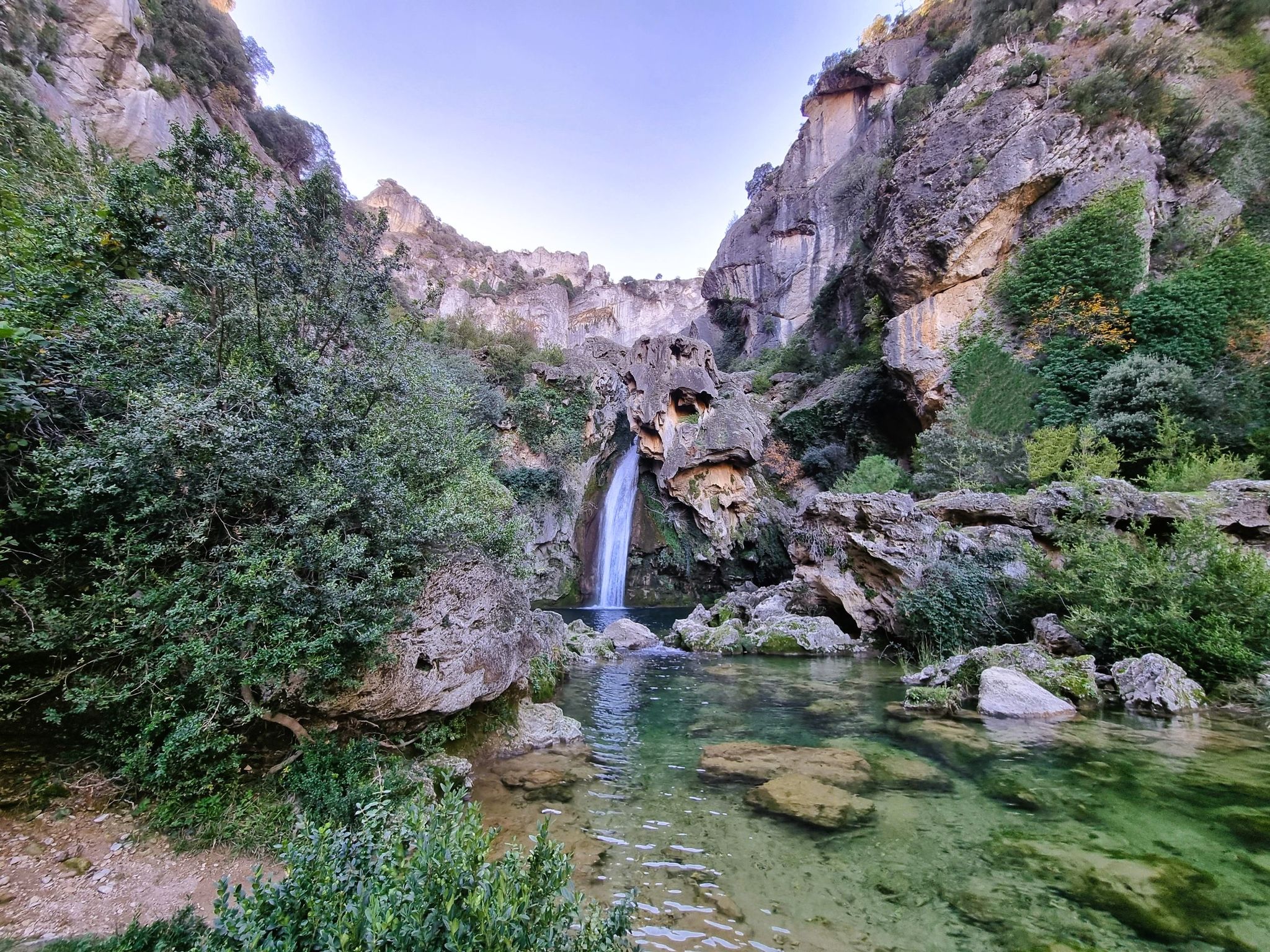
Spectacular waterfall and pool. If you follow the Borosa trail, you can't miss stopping and swimming in it. In summer, the sun starts shining directly after 11:30, and the water and the bottom of the pool go from opaque black to transparent turquoise. This makes it less scary to go in, but after that time, people start to gather around this spot!
0
0
It is the highest waterfall on the Borosa River. From above (between the first and second tunnels) it is not visible, but from below it is spectacular.
0
0

Although somewhat hidden (you must turn to the right a few meters to find it) it is a busy and refreshing place, ideal for resting before continuing with the climb.
0
1
Placid place that invites you to rest.
1
0

The trail to Salto de los Órganos starts from the power station and is probably one of the most spectacular and challenging sections. After overcoming some steep slopes, to the left, from the Picón del Haza, a waterfall with a drop of more than 170 meters unfolds. The force of this waterfall is used by the hydroelectric plant.
7
0

This trail could be considered one of the most complete because it contains tracks, paths, and climbs with loose stones. For having, it even has muddy areas when it rains. It runs parallel to the swamp for several kilometres.
0
0
The name does not really honor the place, because it is an area where a small water reservoir is produced, "without oil" 🤭 but it is an ideal area for bathing and resting. From there begins an endless climb towards one of the most beautiful areas of the mountains: the refuge of La Parra
1
0
Frequently Asked Questions
What types of water bodies can I find in the Sierra de Cazorla, Segura y Las Villas Natural Park?
The park is home to a diverse range of aquatic landscapes, including large reservoirs like Embalse del Tranco and Embalse de la Bolera, picturesque natural pools such as Charco del Aceite and Calavera Waterfall, and ecologically significant high-altitude lagoons like the Lagunas de Valdeazores (which includes the Lagoon of Black Waters).
Are there family-friendly activities available at the lakes in the park?
Yes, several spots are ideal for families. Charco del Aceite is a popular recreational area with turquoise waters, pine forests, barbecue spots, and a kiosk-bar. The Embalse de la Bolera also offers various non-motorized water sports like kayaking, canoeing, paddle surfing, and pedal boats, along with picnic areas like El Hoyo de los Pinos and swimming opportunities.
What are the best times to visit the lakes for hiking and water activities?
The best time to visit for hiking and water activities is generally during the warmer months, from late spring to early autumn. This allows for comfortable swimming and water sports. However, the natural beauty of the park, including its lakes, can be enjoyed year-round, with each season offering a different experience.
What kind of water sports can I do at the reservoirs?
The major reservoirs, particularly Embalse del Tranco and Embalse de la Bolera, are popular for non-motorized water sports. You can enjoy activities such as kayaking, canoeing, paddle surfing, and pedal boating. Fishing is also a significant activity, especially at Embalse de la Bolera, which is known for its variety of fish.
Are there any notable viewpoints overlooking the lakes?
Yes, the park offers stunning viewpoints. The Isla Cabeza de la Viña Viewpoint, located on an island in the Embalse del Tranco, provides incredible panoramic views of the reservoir. The Cerrada del Utrero Reservoir also offers a placid spot with beautiful views.
Can I find accommodation and dining options near the major lakes?
Yes, particularly around the larger reservoirs. The village of Tranco, near the Embalse del Tranco, has several bars, restaurants, and accommodations with good views. Similarly, areas around Embalse de la Bolera offer dining and accommodation options, especially in nearby towns like Pozo Alcón.
What is special about the Borosa River and its natural pools?
The Borosa River is renowned for its spectacular natural pools and waterfalls. Highlights include Charco del Aceite, a natural pool with turquoise waters, and Calavera Waterfall, which forms a deep, rounded natural pool perfect for swimming. The entire Borosa River route features emerald green pools, waterfalls, and impressive gorges like Cerrada de Elías.
Are there hiking trails near the lakes?
Absolutely. The park is crisscrossed with numerous hiking trails. For example, the popular Borosa River route offers a chance to explore natural pools and waterfalls. You can find various hiking options, including moderate and difficult trails, around the lakes. For more detailed information on routes, you can explore the Hiking around National Park Sierra Cazorla, Segura y Villas guide.
What makes the Lagunas de Valdeazores unique?
The Lagunas de Valdeazores, including the Lagoon of Black Waters, are ecologically significant high-altitude lagoons. They are known for their rich vegetation, crystal-clear waters, and diverse fauna, including amphibians and fish. The area is a peaceful spot for wildlife observation, with deer, wild boar, and various birds frequently seen.
Can I go fishing in the lakes of the Sierra de Cazorla Natural Park?
Yes, fishing is a popular activity in many of the park's water bodies. Embalse de la Bolera, in particular, is a significant spot for sport fishing, boasting a high number of fishing licenses in Andalusia due to its variety of fish, including trout and carp. Always check local regulations and permit requirements before fishing.
What are some of the historical aspects related to the lakes?
The Embalse del Tranco, one of Spain's largest reservoirs, has a rich history, with its construction beginning in 1929 and completing in 1944. The remains of the Castillo de San Miguel de Bujaraiza can still be seen on an island within the reservoir, adding a historical dimension to the landscape. You can learn more about the Tranco reservoir's history on Wikipedia.
Are there cycling routes available near the lakes?
Yes, the region offers various cycling opportunities. While specific routes directly around every lake might vary, the broader Natural Park provides numerous cycling trails. You can explore options in the Cycling around National Park Sierra Cazorla, Segura y Villas guide, which includes routes like the Calar de Cobos Loop and Campos de Hernán Perea Loop.
Most popular routes around National Park Sierra Cazorla, Segura y Villas
Most popular attractions around National Park Sierra Cazorla, Segura y Villas

Get inspired with the komoot mobile app


Explore more
Still not found your perfect lake around National Park Sierra Cazorla, Segura y Villas? Check out the guides of these regions to see even more beautiful places.
