Top 18 Mountain Passes around Parc Natural de l'Alt Pirineu
Best mountain passes around Parc Natural de l'Alt Pirineu are located in Catalonia's largest natural park, offering diverse landscapes and outdoor activities. The region features significant passes within its boundaries and others closely connected to the wider Pyrenean area. These passes often served as historical routes for trade and movement, providing both natural beauty and cultural significance. The park's terrain ranges from forests to high mountain environments, with many routes showcasing glacial lakes and alpine meadows.
Best mountain passes around…
Last updated: July 10, 2026
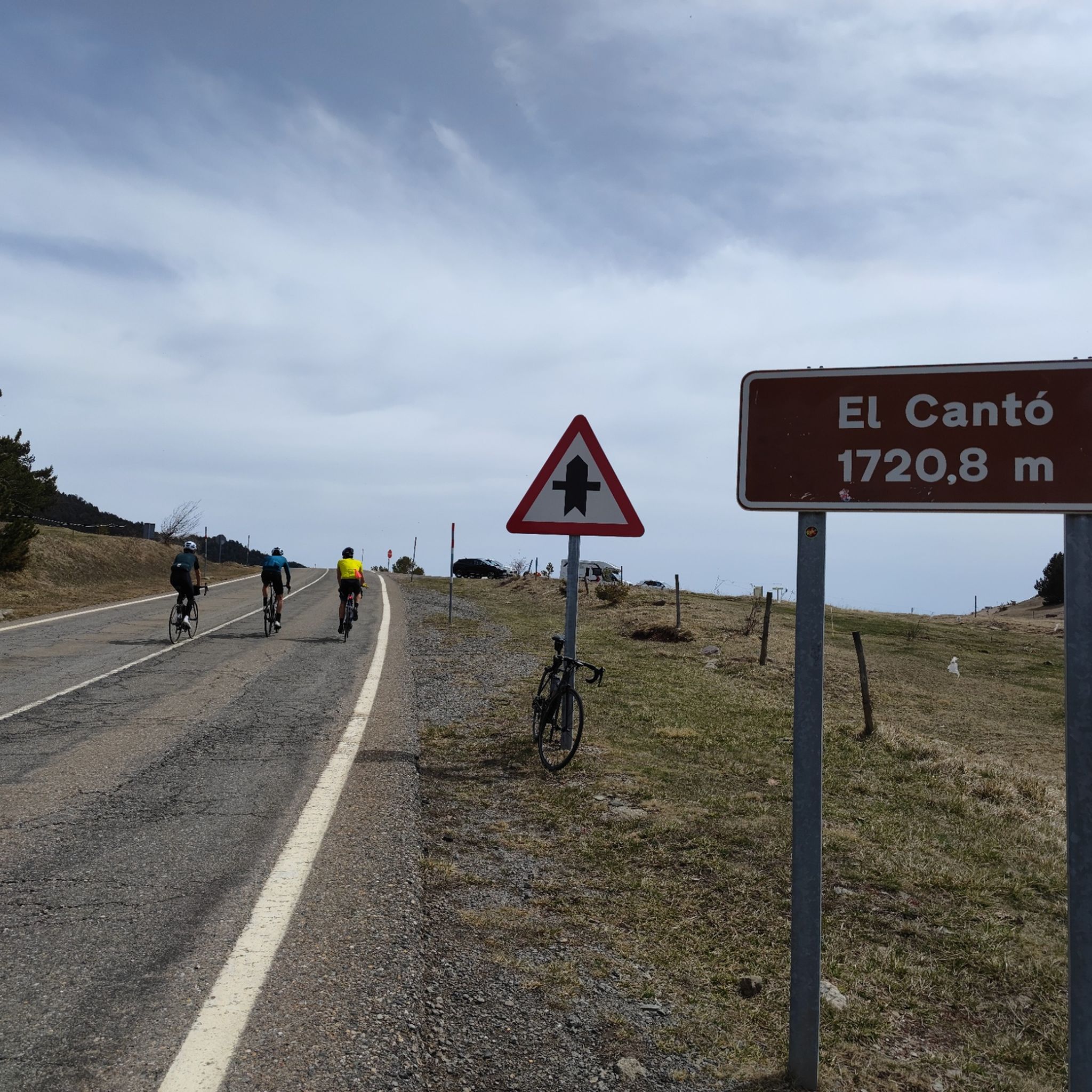
Port del Cantó (1,721 m)
Highlight • Mountain Pass
Translated by Google •
Tip by

Port de Cabús
Highlight • Mountain Pass
Translated by Google •
Tip by

Sign up now to discover places like this
Get recommendations on the best single tracks, peaks, & plenty of other exciting outdoor places.
Sign up for free
Path from Tor to Port de Cabús
Highlight (Segment) • Trail
Translated by Google •
Tip by

Collada de Conflent
Highlight (Segment) • Mountain Pass
Translated by Google •
Tip by

Collado de Conflent
Highlight • Mountain Pass
Translated by Google •
Tip by

Sign up for free to discover even more mountain passes around Parc Natural de l'Alt Pirineu.
Sign up for free
Already have an account?
Start today with a free account
Your next adventure awaits.
Login or Signup
Popular around Parc Natural de l'Alt Pirineu
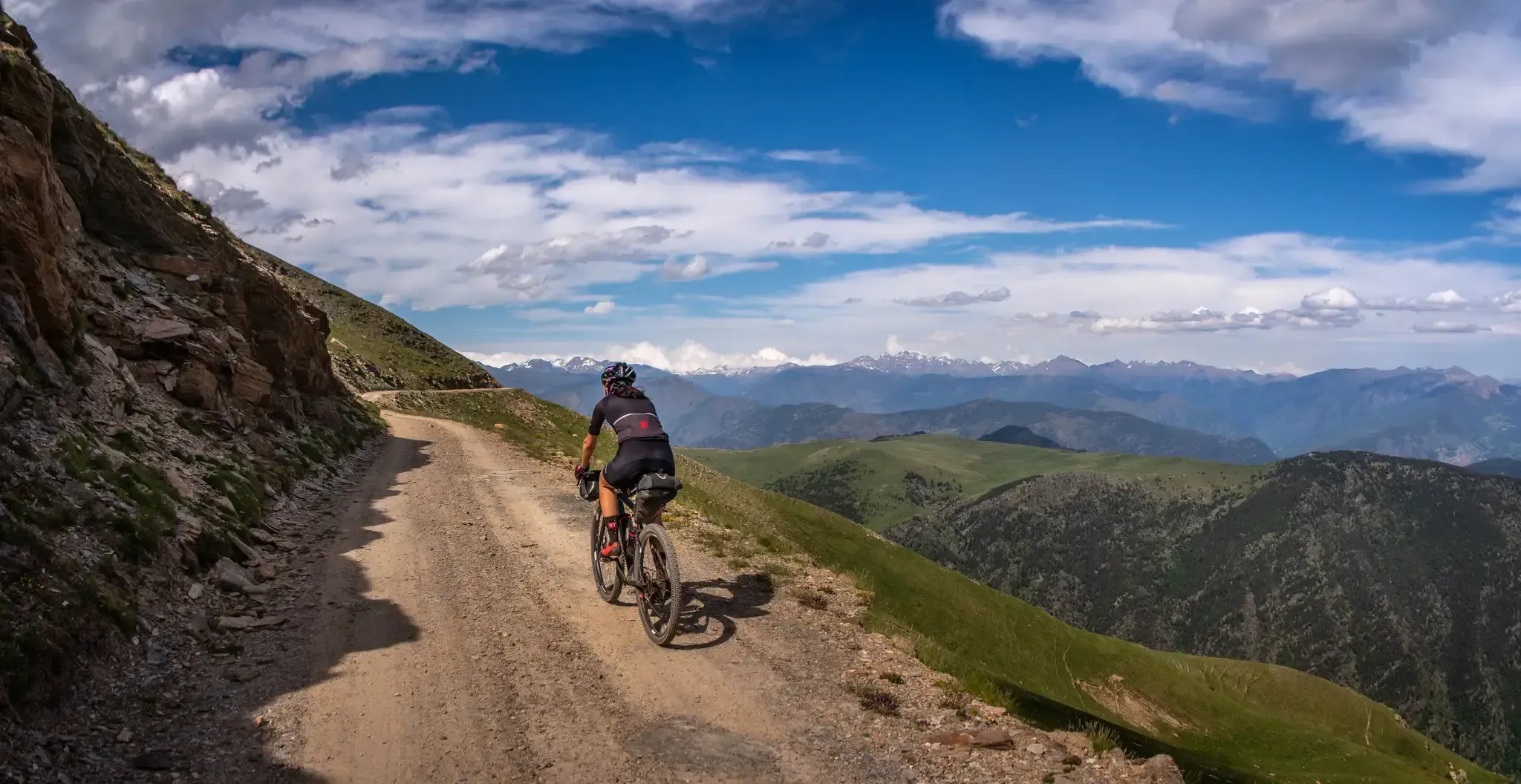
Pedals de Foc – An adventure through the Catalan Pyrenees
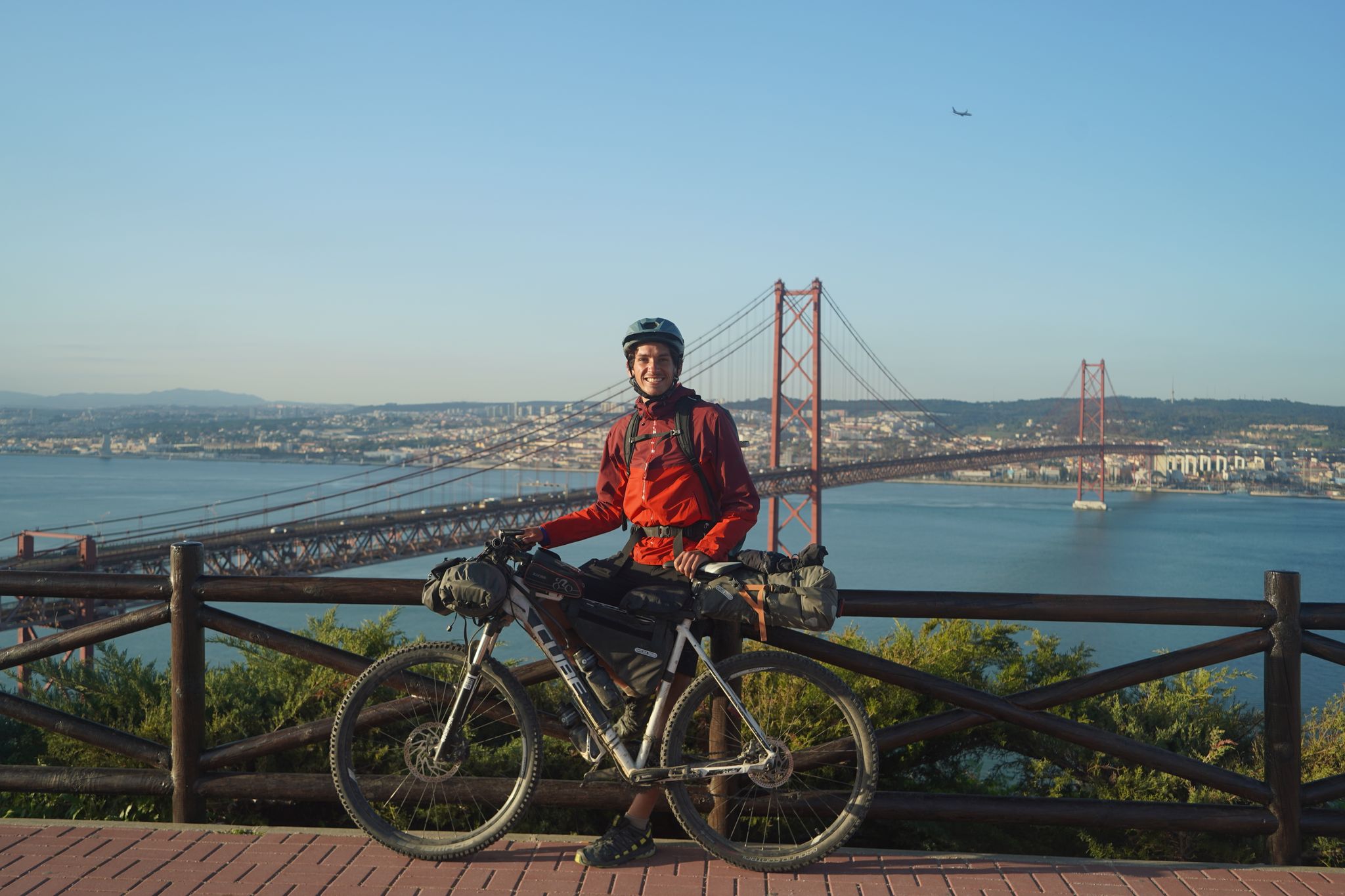
Road to Lisbon – bikepacking the Alps, Pyrenees and Picos de Europa
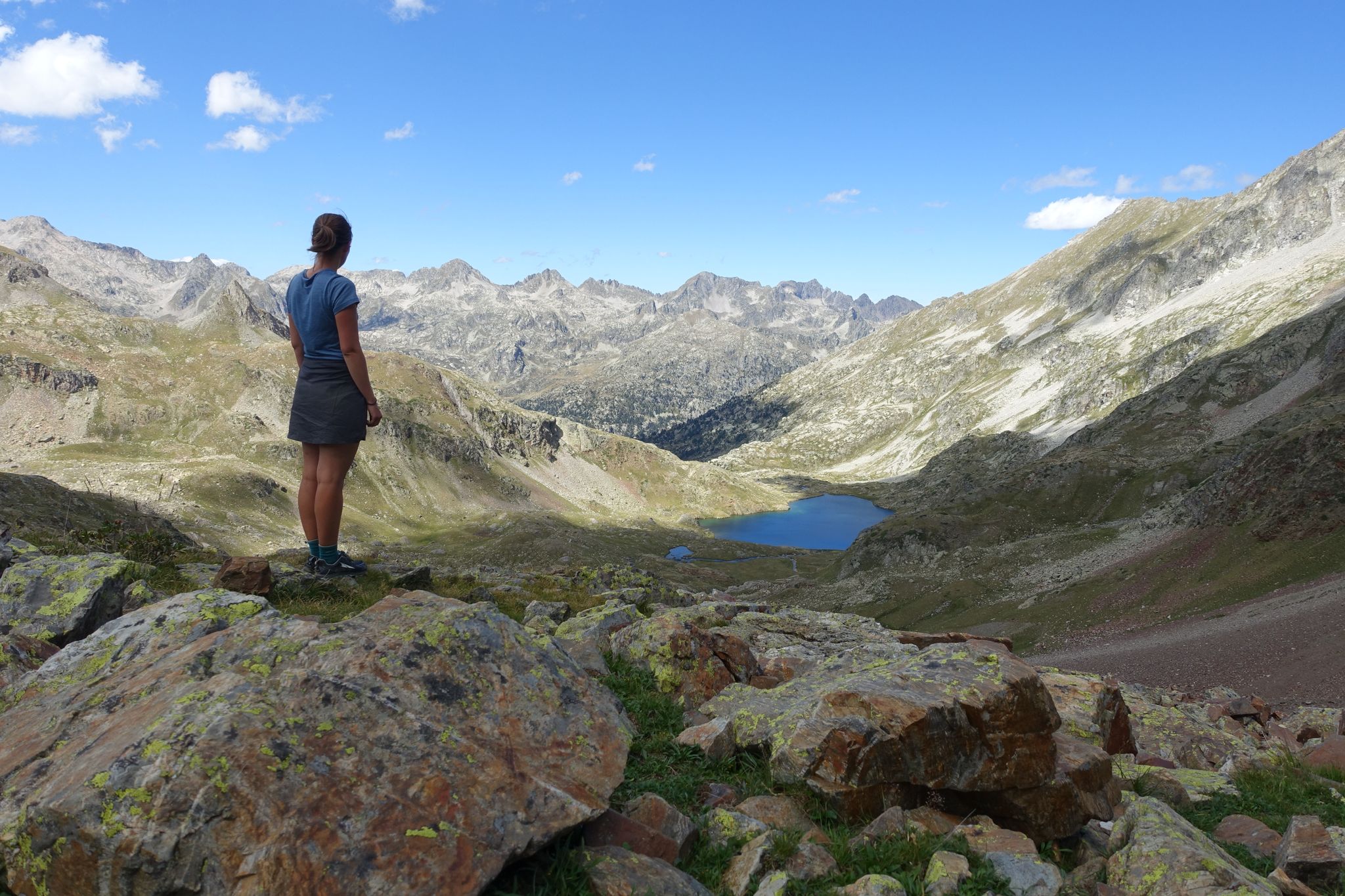
Haute Route Pyrénéenne – Pyrenees Crossing
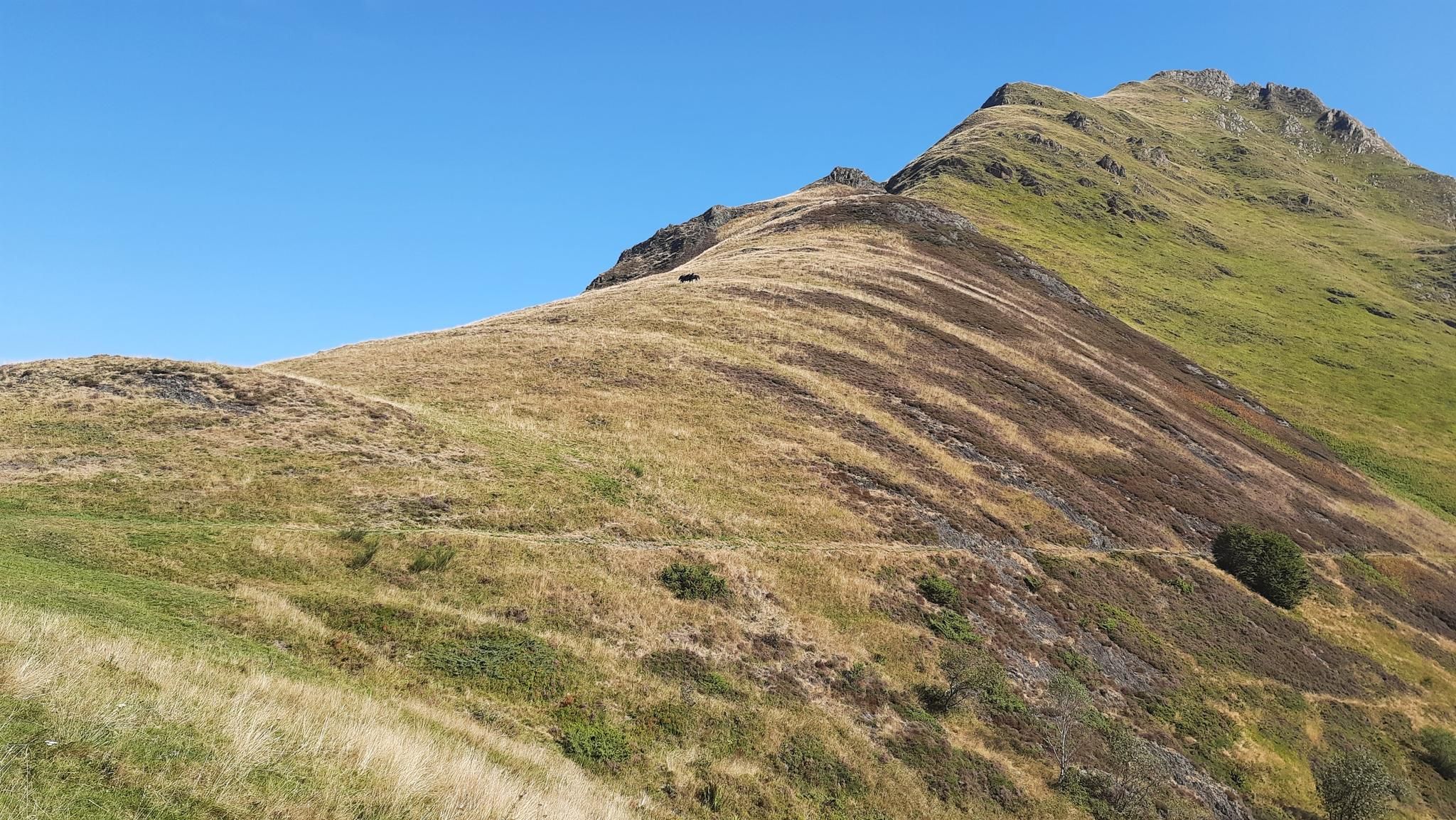
Tour of Mont Valier - The Giant of Ariège
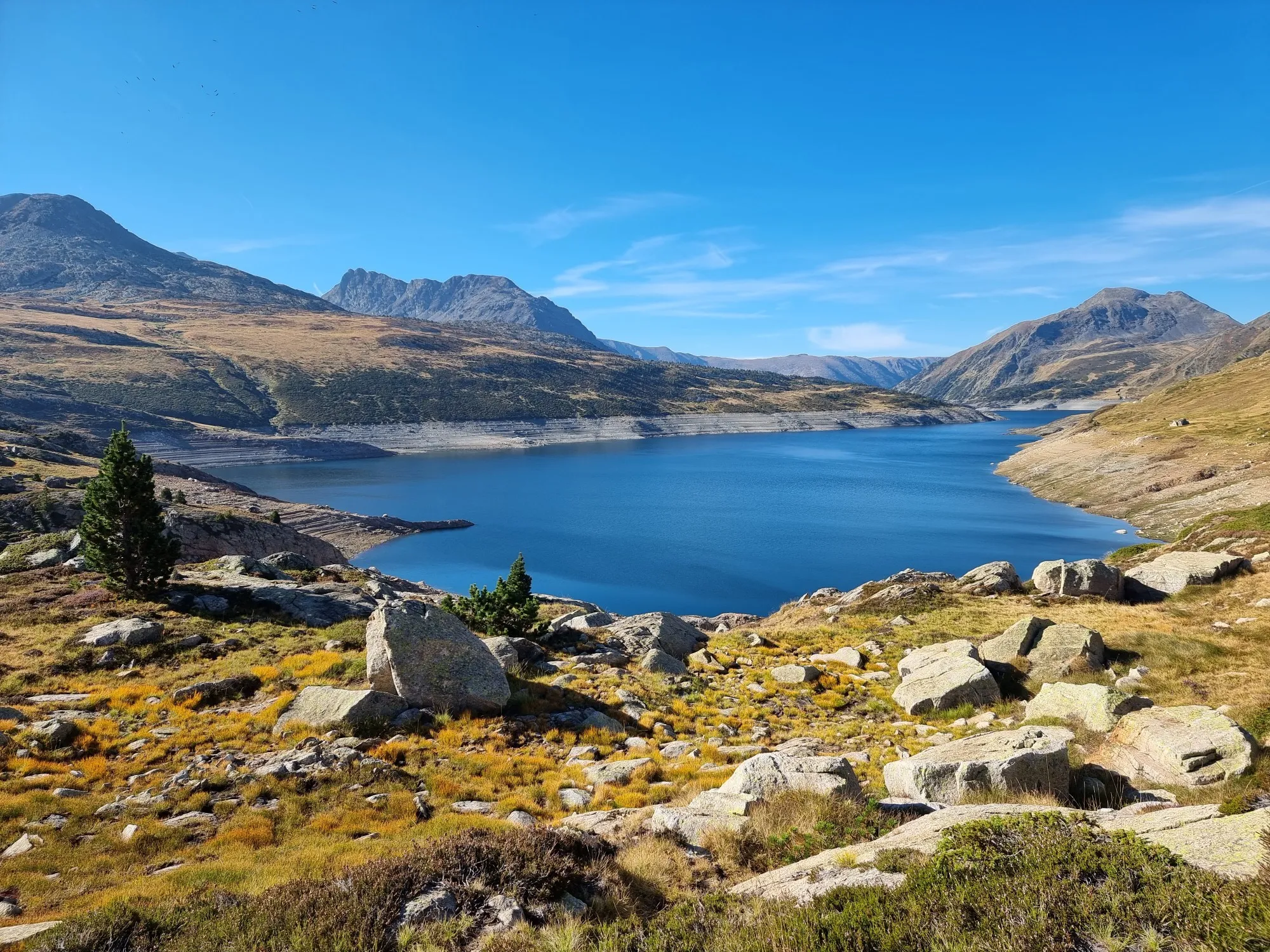
On wild ridges: Catalonia to Ariège – Hexatrek, Eastern Pyrenees
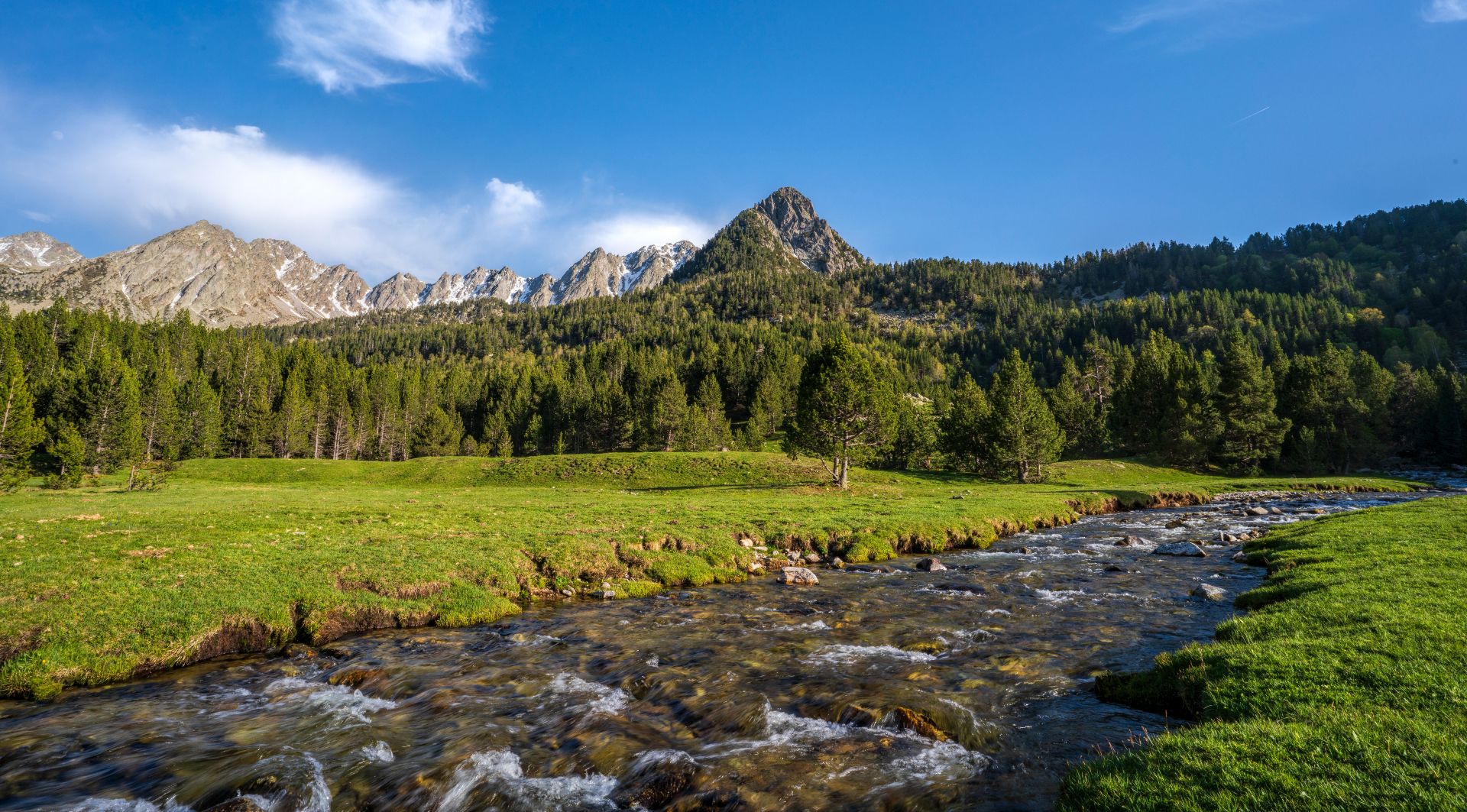
Catalonia and Andorra on the Pyrenean Trail – GR 11
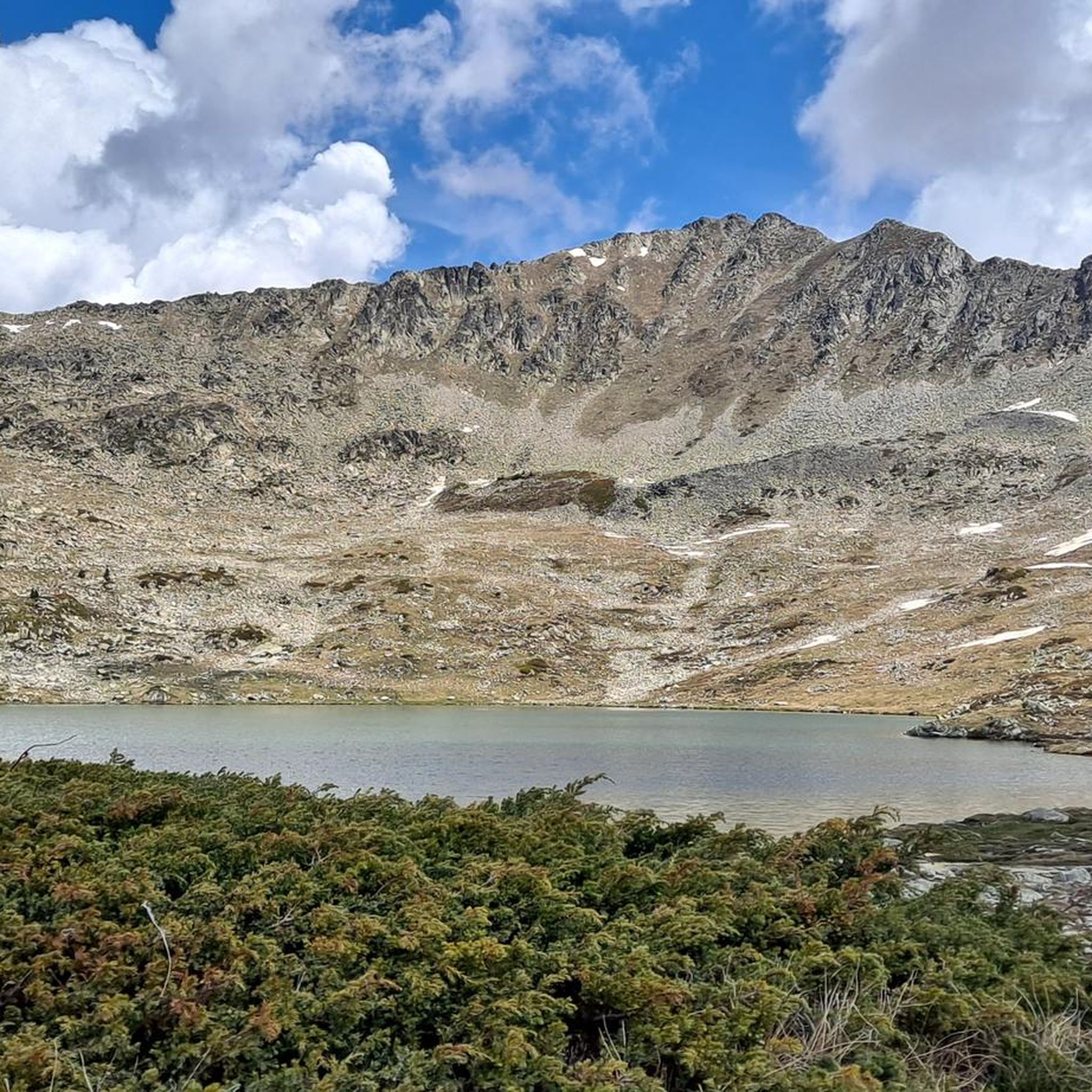
Hiking around Parc Natural de l'Alt Pirineu
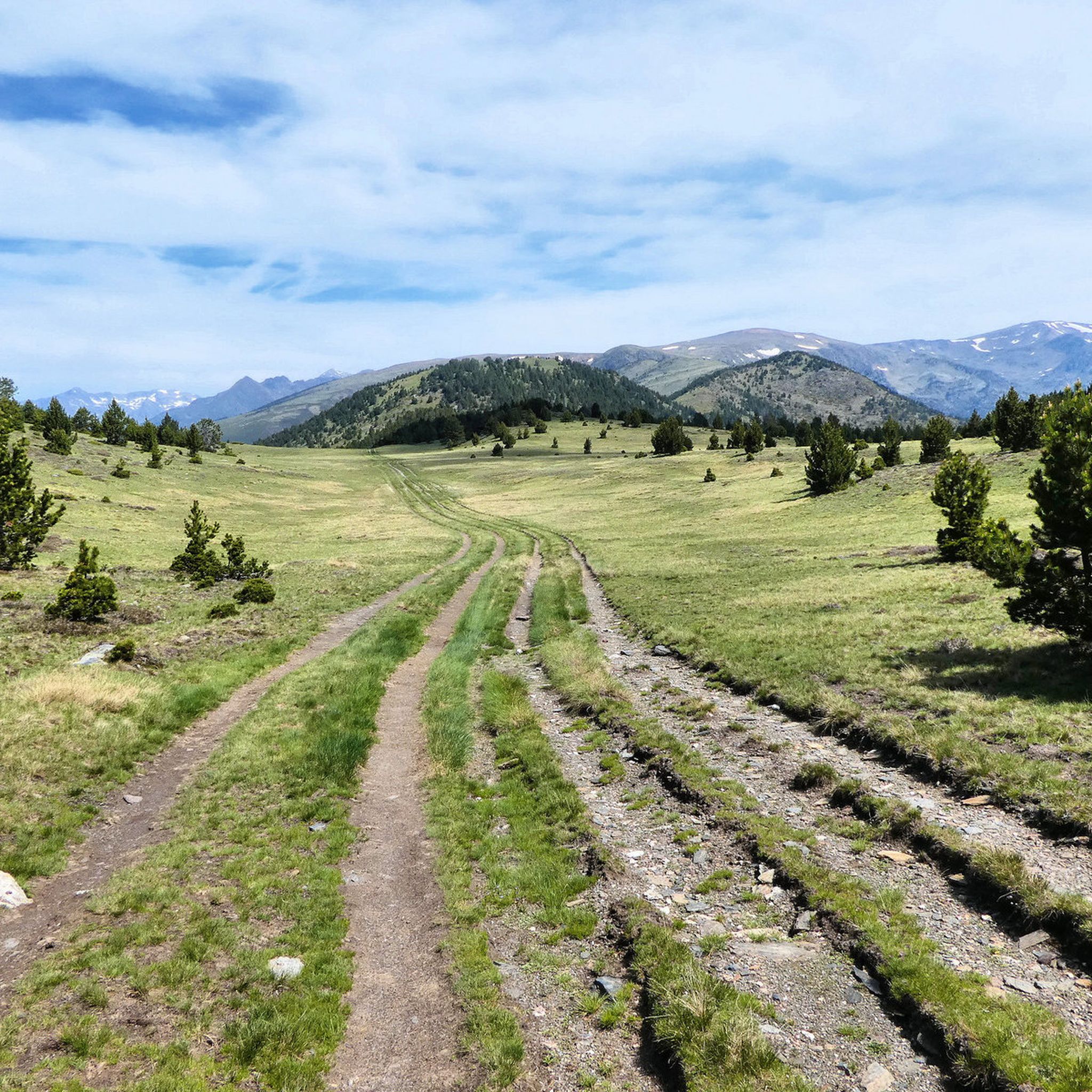
MTB Trails around Parc Natural de l'Alt Pirineu
Road Cycling Routes around Parc Natural de l'Alt Pirineu
Cycling around Parc Natural de l'Alt Pirineu
Other adventures around Parc Natural de l'Alt Pirineu


Tips from the Community

The pass summit has been reached. The climb is pleasant!
1
0
The pass summit has been reached
0
0


The Conflent Pass is an extraordinary natural viewpoint from which we can enjoy wonderful views. From the pass, if we follow the trail down towards the Santa Magdalena Valley (E), we would reach the Conflent huts, a place steeped in legends of smugglers and fugitives. Curiously, these huts are unique in that they are one of the few groups of Pyrenean huts that have a chapel. Also, near the Conflent Pass, we can visit two machine-gun nests. They are two of the many bunkers built by the Franco government at the end of the Spanish Civil War to combat the incursions of the Maquis. These bunkers are part of the so-called "Pyrenees Line," a group of nearly 10,000 fortifications and bunkers spread from Cap de Creus to the Basque Country.
0
0
Long descent from the Collada de Conflent with spectacular views.
0
0
The Cabús Pass is a mountain pass that crosses the Pyrenees at 2,302 m above sea level. It is located on the border between Andorra and Spain, between the parish of La Massana and the municipality of Alins. Only the Andorran side is paved. From Alins, in the High Pyrenees, the climb is impressive and involves paths and trails that are not always in good condition.
0
0
Poblar de Segur, the pass on the marked beautiful route
0
0

Ridden from Sort, it’s a good steady climb, with enough small variations in gradient to provide moments of relief. Great bar half way up too. The descent back to Sort is excilerating.
0
1
Frequently Asked Questions
Which mountain passes offer the most spectacular views in the Parc Natural de l'Alt Pirineu region?
For breathtaking vistas, Port de Cabús is highly recommended, especially for its panoramic views of Andorra from its final sections. Another excellent choice is Portarró d'Espot, which provides expansive views of surrounding peaks, glacial lakes, and alpine meadows, including iconic landmarks like Estany Llong and Els Encantats peaks. The Descent from Collada de Conflent also offers spectacular scenic views.
Are there any mountain passes with significant historical importance in the area?
Yes, Port de Salau is rich in history. This pass served as a crucial route for pilgrims to Santiago de Compostela in the Middle Ages and later for traders. During the 20th century, it played a poignant role as an escape route during the Spanish Civil War and World War II, a history commemorated by the "Persecuted and Saved" project. You can also explore the ruins of an old cable car station there. For more details, you can visit the Wikipedia page for Port de Salau.
What mountain passes are popular for cycling around Parc Natural de l'Alt Pirineu?
Port del Cantó is particularly popular among cycling enthusiasts due to its long, steady ascent and consistent gradients. It has even been featured in major cycling events like the Vuelta a España and the Tour de France. Port de la Bonaigua is another favorite for cyclists and 'col-hunters' due to its picturesque route and relatively gentle gradients, making it accessible to various skill levels. You can find cycling routes in the area by visiting the Cycling around Parc Natural de l'Alt Pirineu guide.
Which mountain passes are best for hiking and trekking?
Portarró d'Espot is a hiker's paradise, offering a moderate to difficult trek with significant elevation gain through pine forests and past marmot colonies. The trail to Port de Salau is also unpaved and considered challenging, featuring diverse landscapes from forests to high mountain terrain. For more hiking options, explore the Mountain Hikes around Parc Natural de l'Alt Pirineu guide.
Are there any mountain passes that are easily accessible by road for scenic drives?
Yes, Port del Cantó is traversed by the N-260 road, offering a long, steady climb with consistent gradients, making it a good option for scenic drives. Similarly, Port de la Bonaigua is accessible via the C-28 road, providing a picturesque route with stunning views of the surrounding Pyrenean landscape. While accessible year-round, be aware that winter conditions may require snow clearance.
What kind of natural features can I expect to see when visiting these mountain passes?
The mountain passes in this region offer diverse natural beauty. At Portarró d'Espot, you'll find expansive panoramic views of glacial lakes and alpine meadows, along with pine forests and marmot colonies. Port de Salau features views of peaks like Roca Blanca and Tuc de Bonabé, with landscapes transitioning from forests to high mountain terrain. Port de la Bonaigua is known for its breathtaking Pyrenean scenery and often features free-roaming horses in summer.
What do visitors enjoy most about the mountain passes around Parc Natural de l'Alt Pirineu?
Visitors frequently praise the spectacular views and challenging yet rewarding climbs. For instance, the ascent to Port de Cabús is noted for its beautiful panoramic views of Andorra. Cyclists particularly enjoy the long, steadily sloping ascent of Port del Cantó. The region's blend of natural beauty, historical significance, and diverse outdoor activities, from strenuous hikes to scenic drives, is highly appreciated by the komoot community.
Are there any challenging gravel biking routes near the mountain passes?
Yes, the region offers challenging gravel biking experiences. The Path from Tor to Port de Cabús is described as an extremely rough and rocky path, suitable for gravel bikes with appropriate suspension, offering a beautiful but demanding ride. You can find more gravel biking routes in the area by checking the Gravel biking around Parc Natural de l'Alt Pirineu guide.
Which mountain pass is known for connecting different regions or countries?
Port de Salau directly connects the Pallars Sobirà region in Catalonia with the Couserans region in France, making it a significant cross-border pass. Port de la Bonaigua is also a major pass connecting the Val d'Aran with the Pallars Sobirà region, historically serving as a vital link for people and goods.
Can I find information about the difficulty of trails associated with these mountain passes?
Yes, information on trail difficulty is available. For example, the hike to Portarró d'Espot is considered moderate to difficult due to significant elevation gain. The trail leading to Port de Salau is unpaved and challenging. Many highlights, such as the Path from Tor to Port de Cabús, are explicitly labeled as 'challenging' due to their rough terrain. Always check individual highlight details for specific difficulty ratings and tips.
What is the highest mountain pass mentioned in this region?
Among the passes highlighted, Portarró d'Espot is the highest, situated at an altitude of 2,427 meters. It offers expansive panoramic views from its elevated position within the Parc Nacional d'Aigüestortes i Estany de Sant Maurici.
Most popular routes around Parc Natural de l'Alt Pirineu
Most popular attractions around Parc Natural de l'Alt Pirineu

Get inspired with the komoot mobile app


Explore more
See even more epic mountain passes by checking out these guides around Parc Natural de l'Alt Pirineu:
