Aiako Harria Parke Naturala
Aiako Harria Parke Naturala
The 10 Most Amazing Peaks around Aiako Harria Parke Naturala
Mountain peaks around Aiako Harria Parke Naturala are located in the Pyrenean foothills of Gipuzkoa, featuring ancient granite formations. This natural park is characterized by its dramatic landscape, including oak and beech woods, deep ravines, and diverse wildlife. The area holds geological significance, with peaks dating back over 250 million years, and cultural importance, evidenced by megalithic monuments and historical mines. It offers a combination of natural beauty and historical heritage for visitors to explore.
Best mountain peaks around Aiako…
Last updated: August 22, 2026
Irumugarrieta Peak (811 m)
Highlight • Summit
Translated by Google •
Tip by

Erroilbide Summit (837 m)
Highlight • Summit
Translated by Google •
Tip by

Sign up now to discover places like this
Get recommendations on the best single tracks, peaks, & plenty of other exciting outdoor places.
Sign up for free
Txurrumurru Summit (828 m)
Highlight • Summit
Translated by Google •
Tip by

Muganix Summit (758 m)
Highlight • Summit
Translated by Google •
Tip by

Urdaburu Summit (600 m)
Highlight • Summit
Translated by Google •
Tip by

Sign up for free to discover even more peaks around Aiako Harria Parke Naturala.
Sign up for free
Already have an account?
Start today with a free account
Your next adventure awaits.
Login or Signup
Popular around Aiako Harria Parke Naturala
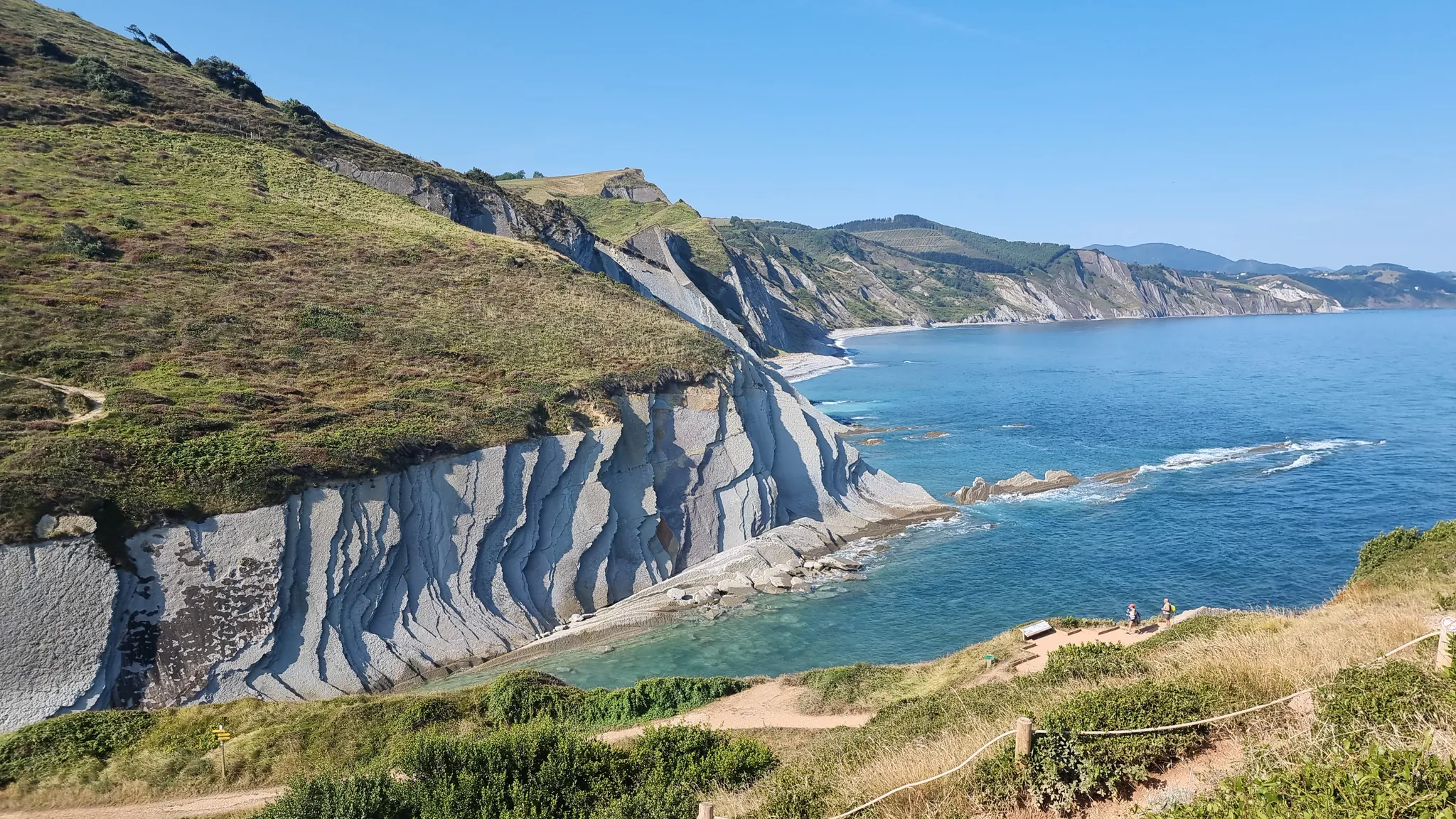
Between the sea and the mountains — GR 121: Tour of Guipúzcoa
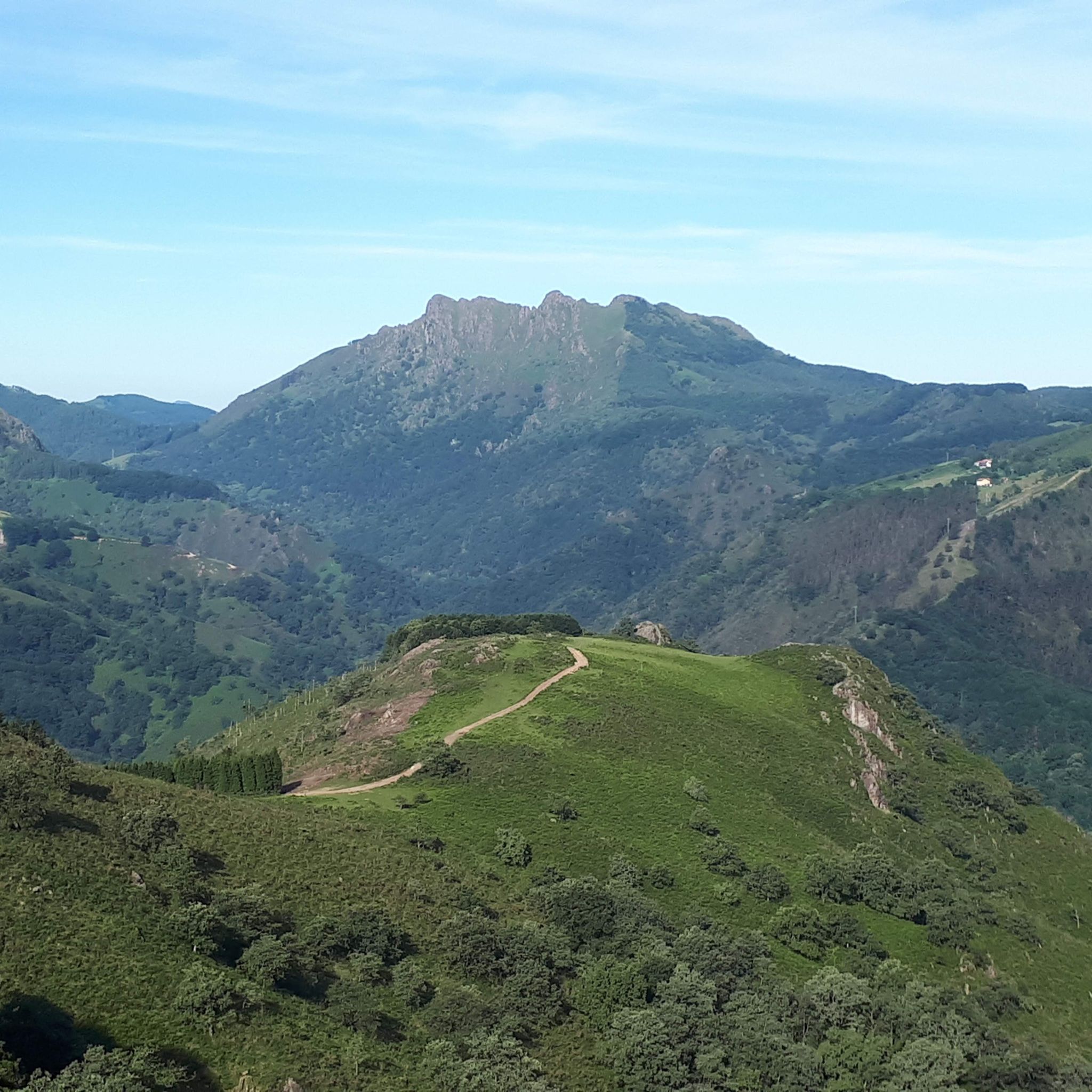
Hiking around Aiako Harria Parke Naturala
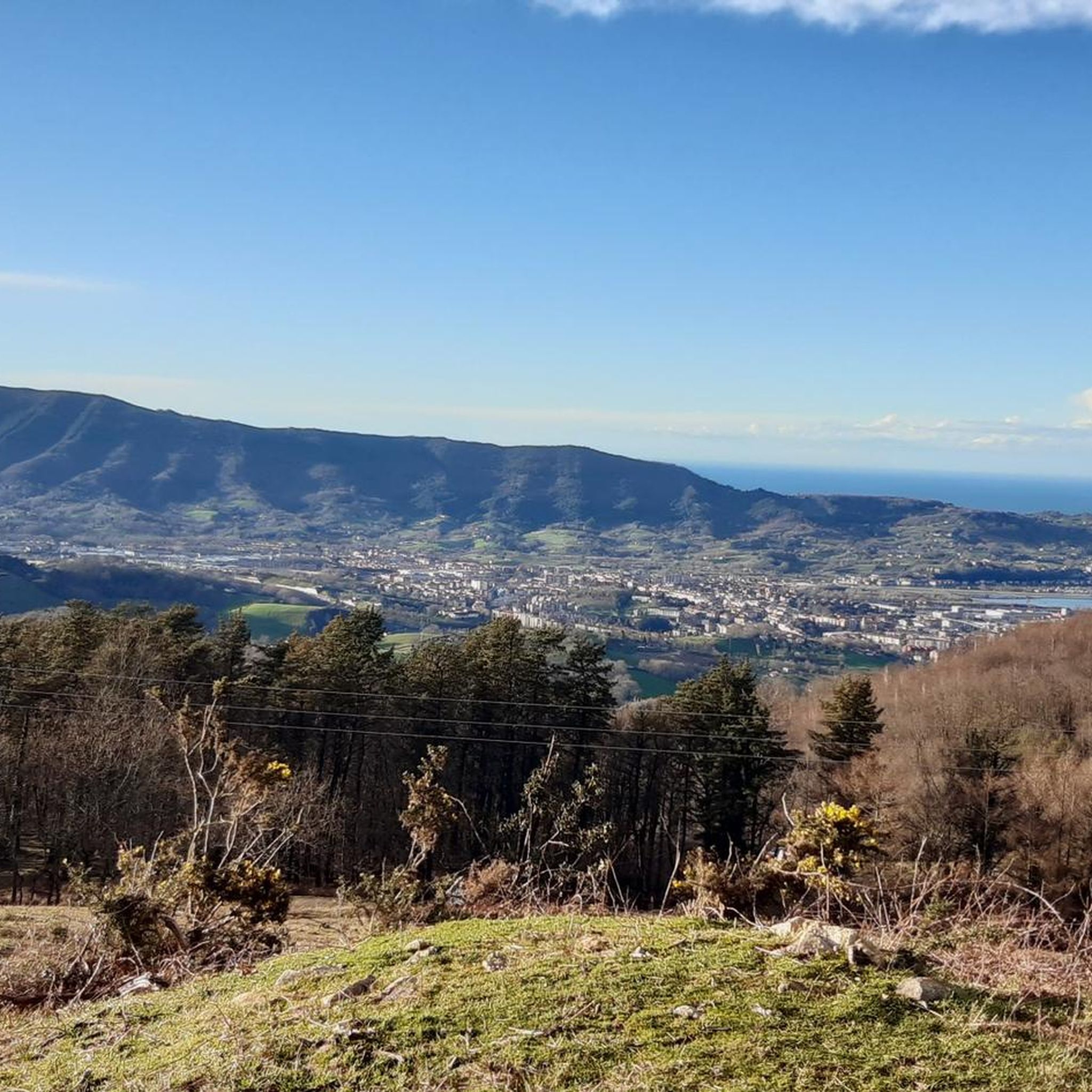
Road Cycling Routes around Aiako Harria Parke Naturala
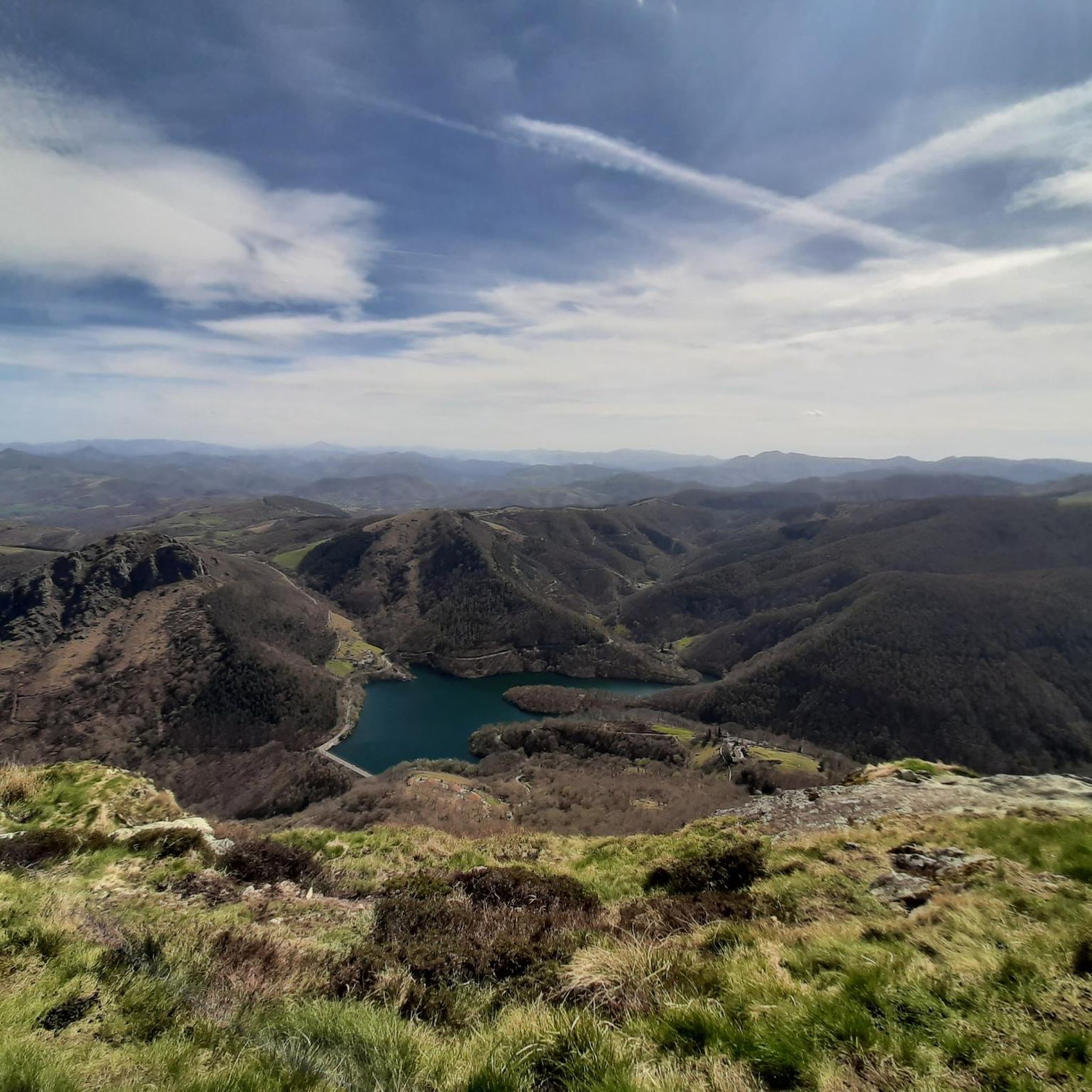
Running Trails around Aiako Harria Parke Naturala
MTB Trails around Aiako Harria Parke Naturala
Cycling around Aiako Harria Parke Naturala

Gravel biking around Aiako Harria Parke Naturala

Mountain Hikes around Aiako Harria Parke Naturala
Other adventures around Aiako Harria Parke Naturala

Tips from the Community

Caution! Approaching Irumugarrieta Peak from the south, you have to climb a serious, vertical wall. Unfortunately, with a dog, we had to give up here and fought our way down cross-country through the undergrowth. The other way around, it probably won't work with a dog even without abseiling. The tour is still very beautiful, but I wouldn't do the special descent again.
2
0

Difficult Route NOT suitable for children. There are areas that require climbing. Skip this route on days when the terrain may be wet (rain, snow, both on that day and in the days prior).
0
0

The final few meters of the ascent and descent are quite exposed in places and are not secured with ropes. Experienced climbers are recommended.
0
0


The ascent to the south has technical difficulties, and it is advisable to have experience in the mountains.
2
2

One of the peaks of Peñas de Aia is home to the Junkal cave, a cavity that is the object of mountain celebrations.
4
0

A slight detour from the GR 121 allows you to reach the top of Mount Urdaburu, 600 meters high. From the top the views are fantastic.
2
0
The highest point of the peaks of Aiako Harria.
0
0
Frequently Asked Questions
Which mountain peaks in Aiako Harria Parke Naturala are best for experienced hikers seeking a challenge?
For experienced hikers, Erroilbide Summit (837 m) and Txurrumurru Summit (828 m) offer significant challenges. Erroilbide, the highest peak, requires the use of hands to reach the top, making it unsuitable for beginners. Txurrumurru is known for its steep, rocky terrain and technical difficulties, including sections that require scrambling with a fixed ring for aid. Both provide magnificent views, but Txurrumurru is particularly appealing to those seeking a more technical climb. You can find more details about Erroilbide at Erroilbide Summit (837 m) and Txurrumurru at Txurrumurru Summit (828 m).
Are there any family-friendly mountain peaks in Aiako Harria Parke Naturala?
Yes, Irumugarrieta Peak (811 m) is generally considered the most accessible and visited of the main peaks, making it a popular choice for family-friendly hikes. Its path is relatively easier, and from the summit, you can enjoy stunning panoramic views of the Txingudi Bay and surrounding areas. However, be aware that approaching Irumugarrieta from the south involves a vertical wall that may be challenging for some. Learn more about it here: Irumugarrieta Peak (811 m).
What kind of views can I expect from the mountain peaks in Aiako Harria Parke Naturala?
The peaks offer spectacular, expansive 360-degree vistas. From summits like Irumugarrieta Peak (811 m), you can see the Bay of Txingudi, the Cantabrian Sea, the Pyrenees, and the lush valleys below, stretching from San Sebastián to Las Landas. Even from Urdaburu Summit (600 m), a slight detour from the GR 121, the views are fantastic.
What unique geological features can be found in Aiako Harria Parke Naturala?
Aiako Harria Parke Naturala is geologically significant due to its prominent granite peaks, which are exceptional in the Basque Country. These ancient formations date back 250 to 300 million years, making them among the oldest in the region. The rocky, craggy appearance of peaks like Txurrumurru highlights this unique granite composition.
Are there any historical or cultural sites near the mountain peaks?
Yes, the area around Aiako Harria Parke Naturala is rich in history and culture. You can find megalithic monuments, such as cromlechs, and the ancient Arditurri mines, which were active from the Iron Age through the Roman period. Additionally, Muganix Summit (758 m) is home to the Junkal cave, a cavity that is the object of mountain celebrations, adding a cultural dimension to your visit. The "Cueva del Juncal" near Irumugarrieta also features a sanctuary.
What outdoor activities can I do near the mountain peaks of Aiako Harria Parke Naturala?
Beyond peak bagging, the region offers diverse outdoor activities. You can find numerous hiking trails, including easy options like the 'SL GI 1005, the path of the neveros' or more challenging running trails such as the 'Peñas de Aia: Erroilbide, Txurrumurru, Irumugarrieta y Muganix' circular route. Gravel biking is also popular, with routes like the 'Riverside Path in Spain – Bidasoa Greenway loop'. For more details on routes, explore the Easy hikes around Aiako Harria Parke Naturala, Gravel biking around Aiako Harria Parke Naturala, and Running Trails around Aiako Harria Parke Naturala guides.
What kind of wildlife can be spotted in Aiako Harria Parke Naturala?
The natural park surrounding the peaks is home to rich biodiversity. Its oak and beech woods, deep ravines, and streams provide habitats for various flora and fauna. Keep an eye out for species such as the European mink, desman, salmon, peregrine falcons, and griffon vultures.
What do visitors enjoy most about the mountain peaks in Aiako Harria Parke Naturala?
Visitors consistently praise the magnificent views from the summits, particularly the panoramic vistas from Irumugarrieta Peak (811 m). The challenging nature of climbs to peaks like Txurrumurru Summit (828 m) and Erroilbide Summit (837 m) is also a major draw for those seeking a rewarding mountaineering experience. The unique geological formations and the blend of natural beauty with historical elements also contribute to a highly appreciated experience.
Is there a peak that offers a good balance of accessibility and rewarding views?
Yes, Irumugarrieta Peak (811 m) strikes a good balance. It's considered the most accessible of the three main peaks, making it suitable for a wider range of hikers, while still offering magnificent views that stretch across the Txingudi Bay to the Pyrenees. It's a great option for those who want a rewarding experience without the extreme technical demands of its neighbors.
What should I be aware of when hiking the more challenging peaks like Txurrumurru?
When tackling challenging peaks like Txurrumurru Summit (828 m), be prepared for steep, rocky, and craggy terrain. The ascent involves sections that require scrambling, and there's a fixed ring in place to assist climbers. It's not recommended for those with vertigo and requires good fitness, sure-footedness, sturdy shoes, and prior alpine experience. The ascent to the south, in particular, has technical difficulties, so mountain experience is advisable.
Are there any specific tips for hiking with a dog in Aiako Harria Parke Naturala?
While many trails are dog-friendly, some sections, especially near the summits, can be very challenging. For instance, approaching Irumugarrieta Peak (811 m) from the south involves a serious, vertical wall that may be impassable with a dog. It's advisable to research specific routes beforehand and be prepared to turn back or find alternative paths if conditions are too difficult for your pet.
Most popular routes around Aiako Harria Parke Naturala
Most popular attractions around Aiako Harria Parke Naturala

Get inspired with the komoot mobile app


Explore more
See even more amazing summits around Aiako Harria Parke Naturala with these guides:
