The best traffic-free bike rides around Lake Kośno
4.8
(26)
484
riders
10
rides
No traffic road cycling routes around Lake Kośno traverse the tranquil landscapes of Poland's Masurian Lake District, an area characterized by its extensive forests, numerous lakes, and rolling terrain. The region features winding roads that pass through diverse ecosystems, offering a peaceful environment for cyclists. These routes often follow paths through pine, birch, and spruce forests, providing shaded sections and scenic views of the crystal-clear waters of lakes like Kośno. The undulating topography includes picturesque hills, contributing to varied elevation…
Last updated: July 12, 2026
5.0
(1)
10
riders
47.4km
02:05
250m
250m
Moderate road ride. Good fitness required. Some segments of this route may be unpaved and difficult to ride.
5.0
(3)
13
riders
56.8km
02:32
280m
280m
Moderate road ride. Good fitness required. Mostly well-paved surfaces and easy to ride.

Sign up for free
8
riders
37.1km
01:39
170m
170m
Easy road ride. Great for any fitness level. Mostly well-paved surfaces and easy to ride.
4
riders
65.1km
02:36
290m
290m
Moderate road ride. Good fitness required. Mostly well-paved surfaces and easy to ride.
3
riders
60.7km
02:32
360m
360m
Moderate road ride. Good fitness required. Mostly well-paved surfaces and easy to ride.
Get access to more routes and recommendations from other explorers.
Sign up for free
Already have an account?
Our route recommendations are based on thousands of hikes, rides, and runs completed by other people on komoot.
Start today with a free account
Your next adventure awaits.
Login or Signup
Popular around Lake Kośno

Tips from the Community

You can visit 24 hours a day, but after dark it's worth having a flashlight.
1
0

Lake Patryckie, located near the village of Patryki in Warmia, is a shallow reservoir with an area of approximately 110 ha, a length of 1.7 km and a depth of up to 2 meters. It currently serves as a breeding pond specializing in trout breeding. For road cyclists, it is an attractive point on the route through the picturesque areas of the Olsztyn Lake District, with convenient access by asphalt roads.
1
0
The beach on Lake Skanda in Olsztyn is a peaceful place to relax, located on the south-eastern outskirts of the city, in the vicinity of the Mazurskie Estate. It offers two main beaches: sandy and grassy, which were modernized as part of the Olsztyn Civic Budget, providing amenities such as bicycle racks and access for people with disabilities. For road cyclists, it is an attractive destination, with convenient access by asphalt roads and the possibility of relaxing by the water.
1
0

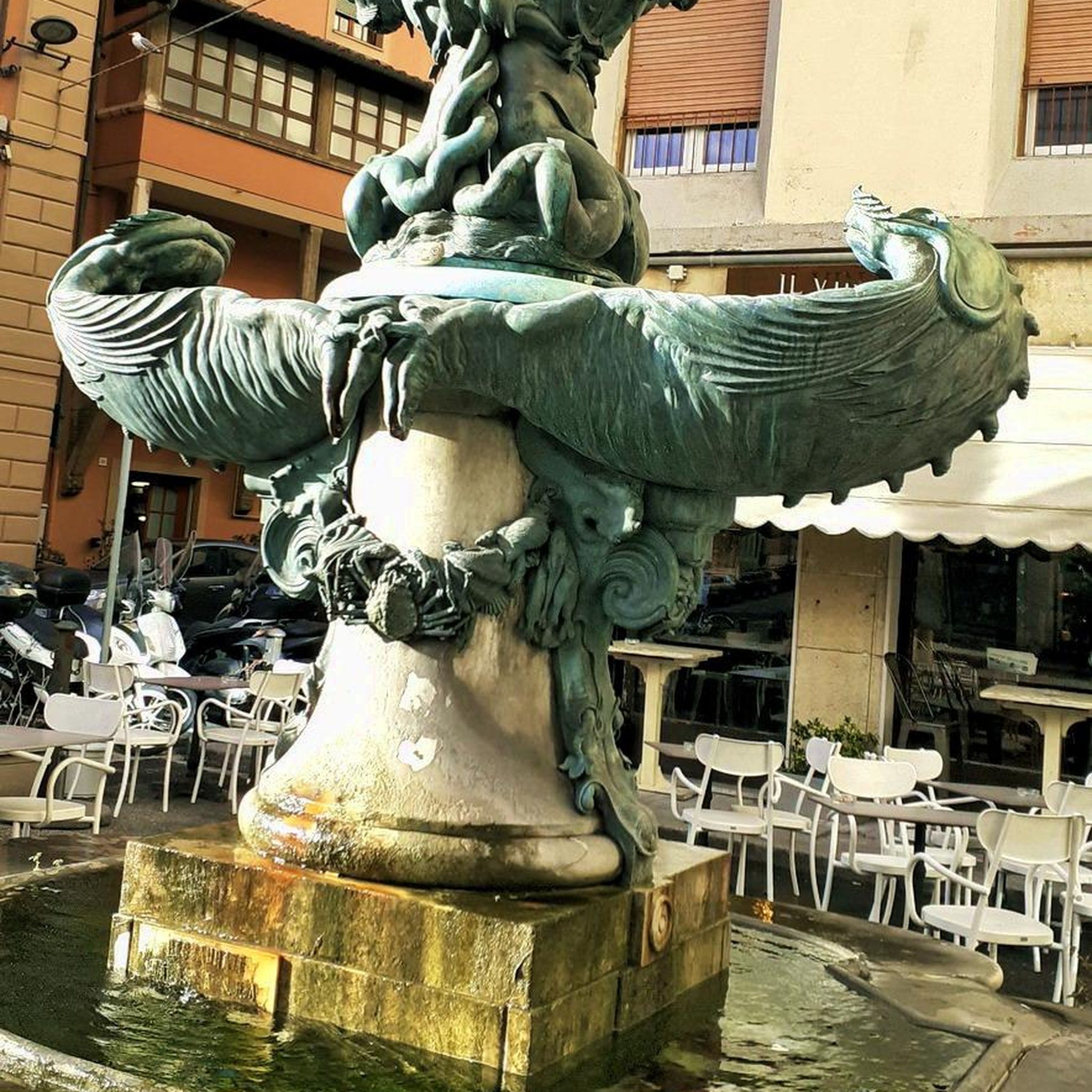
Probably the most prominent structure of the Brick Gothic style in northern Poland, rhe church was probably built between 1370 and 1380, after Allenstein was granted city rights in 1352. The impressive east gable was built shortly after 1429. During the Fourth Coalition War, the church was used as a prison for 1,500 Prussian and Russian soldiers in the winter of 1806/07, who used the furnishings as firewood. The current furnishings were then created, which fortunately survived the end of the war in 1945 thanks to the work of Pastor Johannes Hanowski. The baroque interior design that had been installed in the meantime was removed in 1866. In 1896, the main altar with its valuable Flemish paintings, which had been installed from the castle's St. Anne's Chapel, fell victim to a fire. In 1899, the roof was replaced. Around 1900, the composer Feliks Nowowiejski worked as an organist at St. James' Church. On June 28, 1972, the church became a co-cathedral of the archdiocese. In 1991, Pope John Paul II visited it, and in 2004, he elevated St. James' Church to a minor basilica. The three-aisled hall church was built without a choir. The tower was initially built free-standing only up to the church roof and was only raised to its current size between 1582 and 1596. With the construction of the side chapels, which were added between 1715 and 1721 together with a general restoration, the tower became part of the church. The current spire was added in 1867/68, with the golden star dating from the original building in 1596. At the same time, the façade was redesigned in a neo-Gothic style, with Ferdinand von Quast and August Stüler contributing. In 2001, the church received a representative main portal made of bronze.
5
0
In 1334, a watchtower was established on the Łyna River. In 1346, the forest was cleared at the location for a new settlement, mentioned in a historical document from 1348. The following year, the Teutonic Knights began the construction of an Ordensburg (castle) as a stronghold against the Baltic Prussians. Allenstein was granted municipal rights by the cathedral chapter of the Bishopric of Warmia in October 1353. The German "Allenstein" referred to the river's Baltic Prussian name Alna, which meant a hind. Local Poles, having arrived along with German settlers, called it Holstin and Olsztyn, which are Polonizations of the German name. The castle was completed in 1397. The town was captured by the Kingdom of Poland during the Polish-Lithuanian-Teutonic War in 1410, and again in 1414 during the Hunger War, but it was returned to the monastic state of the Teutonic Knights after hostilities ended.
5
0

The market square in Pasym with the Town Hall - a quiet and peaceful place, away from car traffic.
0
0

A square with benches. You can eat something here.
0
0

Gothic Evangelical-Augsburg church in Pasym. The construction was completed in 1391. Since the Reformation, it has been a Lutheran church. The characteristic shingled cupola-shaped tower was built during the reconstruction of the church after a fire at the end of the 18th century. The main altar is in the late Mannerist style, the Baroque pulpit from 1680, Gothic benches from the 15th century and Mannerist benches from the 17th century, organ from the 18th century.
0
0
Frequently Asked Questions
What kind of terrain can I expect on the no-traffic road cycling routes around Lake Kośno?
The Masurian Lake District, where Lake Kośno is located, is known for its picturesque hills and winding roads. You can expect varied terrain with noticeable climbs and descents, offering an engaging challenge for road cyclists. Many routes pass through lush forests, providing shaded and scenic sections.
Are there routes suitable for beginners or those looking for an easier ride?
Yes, among the available routes, there are options suitable for easier rides. While most routes are classified as moderate, you can find paths that are mostly well-paved and less demanding. For example, some sections of the broader Masurian cycling infrastructure offer easier, traffic-free experiences.
What are the best times of year for no-traffic road cycling around Lake Kośno?
The best seasons for road cycling around Lake Kośno are typically spring, summer, and early autumn. During these months, the weather is generally pleasant, and the natural landscapes, including the lush forests and crystal-clear waters, are at their most vibrant. The region's low-traffic side roads are particularly enjoyable in good weather.
Can I find circular road cycling routes without traffic around Lake Kośno?
Yes, many of the routes in the area are designed as loops, allowing you to start and finish at the same point without retracing your path. For instance, the Beach at Lake Skanda – Old Town Hall Olsztyn loop from Marcinkowo offers a moderate circular ride of over 50 km.
Are there any specific viewpoints or natural features to look out for on these routes?
The Jezioro Kośno Nature Reserve itself is a highlight, with its crystal-clear waters and diverse ecosystems. Cyclists can enjoy views of the lake and the surrounding sprawling forests. The broader Masurian region offers numerous scenic spots along its winding roads, often passing through charming villages and offering glimpses of unspoiled nature.
What is the typical duration for a no-traffic road cycling route in this area?
The duration of routes varies depending on their length and your pace. For example, the Town square – Pizzeria food truck loop from Pasym is a moderate 56 km ride that typically takes around 2.5 hours to complete. Other routes can be longer, such as the Town square – Pizzeria food truck loop from Małszewo, which is 65 km.
Are there any family-friendly no-traffic road cycling options near Lake Kośno?
While the listed routes are primarily moderate, the region's overall commitment to cycling infrastructure, including sections of Green Velo trails, means you can find quieter, well-paved sections suitable for families. Look for routes that specifically mention easier terrain and shorter distances, or consider adapting longer routes to suit family needs.
Where can I find parking facilities for cyclists near the no-traffic routes?
Parking is generally available in the villages and towns surrounding Lake Kośno, such as Pasym or Marcinkowo, which serve as common starting points for many routes. These locations often have designated parking areas, making it convenient to access the low-traffic roads for your ride.
What do other cyclists say about the no-traffic road cycling experience around Lake Kośno?
The komoot community highly rates the cycling experience around Lake Kośno, with an average score of 4.95 out of 5 stars from 26 ratings. Reviewers often praise the tranquil natural environment, the winding roads through forests, and the opportunity to enjoy peaceful rides away from heavy traffic.
Are there cafes or places to stop for refreshments along the no-traffic road cycling routes?
Yes, the routes often pass through or near charming villages like Łajs and Tylkowo, where you can find local cafes, small shops, or eateries to stop for refreshments. The broader Masurian region is well-equipped with amenities for visitors, ensuring you have opportunities to refuel during your ride.
How many no-traffic road cycling routes are available in the Lake Kośno area?
There are 10 dedicated no-traffic road cycling routes available in the Lake Kośno area, ranging from moderate to challenging. These routes are designed to take you through the scenic landscapes of the Masurian Lake District, utilizing quiet side roads.
Can I bring my dog on these no-traffic road cycling routes?
While the routes themselves are suitable for cycling, specific regulations regarding dogs on trails or in nature reserves like Jezioro Kośno can vary. It's generally advisable to keep dogs on a leash, especially in protected areas. Always check local signage or official park guidelines for the most current rules regarding pets.
Most popular routes around Lake Kośno

Get inspired with the komoot mobile app


Explore more
Browse the best Road cycling routes in other regions.
