The best traffic-free bike rides around the Ebro
4.4
(283)
10,376
riders
67
rides
No traffic road cycling routes around the Ebro traverse a diverse landscape, from the flat, wetland terrain of the Ebro Delta to the rugged elevations of the Serra de Montsià and the vineyard-dotted hills of Terra Alta. The region is characterized by the winding Ebro River, extensive rice fields, and coastal stretches, offering varied topography for road cyclists. These routes provide opportunities to explore unique ecosystems and mountainous areas, with elevations ranging from sea level to significant climbs.
Best no traffic road cycling routes around the Ebro
- The most popular no traffic road cycling route is Summit of Mount Caro from Tortosa – Els Ports Natural Park, a 31.3 miles (50.3 km) trail that takes about 3 hours 15 minutes to complete. This difficult route features a challenging ascent with panoramic views over the surrounding landscape.
- Another top favourite among local road cyclists is Parque Natural de las Bardenas Reales from Arguedas, an easy 18.7 miles (30.1 km) path. This route offers a relaxed ride through the unique semi-desert landscape of the Bardenas Reales Natural Park.
- Local road cyclists also love the La Suda Castle – Som Pass loop from Benifallet, a 31.0 miles (49.9 km) trail leading through varied terrain with moderate climbs, often completed in about 2 hours 15 minutes.
- Road cycling around the Ebro is defined by the Ebro River's course, the flat expanses of the Ebro Delta, and the mountainous sections of Els Ports Natural Park. The network offers options for easy rides through wetlands and challenging climbs in the hills.
- The routes in Ebro are highly rated by the komoot community with an average score of 4.5 stars from more than 280 reviews. More than 9,700 road cyclists have used komoot to explore Ebro's varied terrain.
Last updated: July 3, 2026
4.0
(14)
488
riders
50.3km
03:14
1,450m
1,450m
Hard road ride. Very good fitness required. Mostly well-paved surfaces and easy to ride.
18
riders
30.1km
01:32
200m
200m
Easy road ride. Great for any fitness level. Mostly well-paved surfaces and easy to ride.

Sign up for free
4.0
(2)
173
riders
Moderate road ride. Good fitness required. Mostly well-paved surfaces and easy to ride.
4.8
(24)
164
riders
52.5km
02:26
540m
540m
Moderate road ride. Good fitness required. Mostly well-paved surfaces and easy to ride.
96
riders
60.4km
03:05
1,010m
1,010m
Hard road ride. Very good fitness required. Mostly well-paved surfaces and easy to ride.
Get access to more routes and recommendations from other explorers.
Sign up for free
Already have an account?
Our route recommendations are based on thousands of hikes, rides, and runs completed by other people on komoot.
Start today with a free account
Your next adventure awaits.
Login or Signup
Popular around Ebro
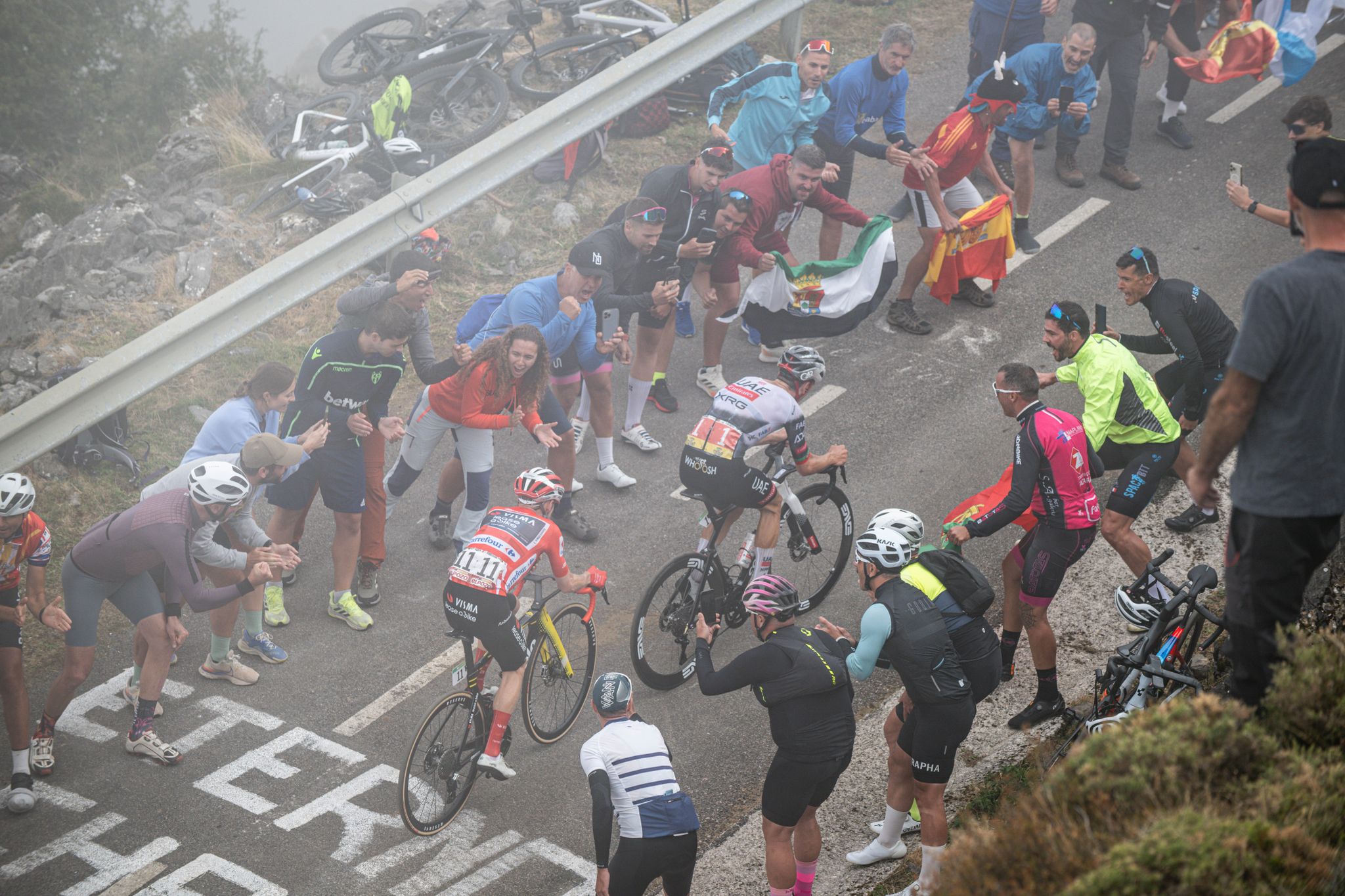
Mythical Passes and Sections of La Vuelta
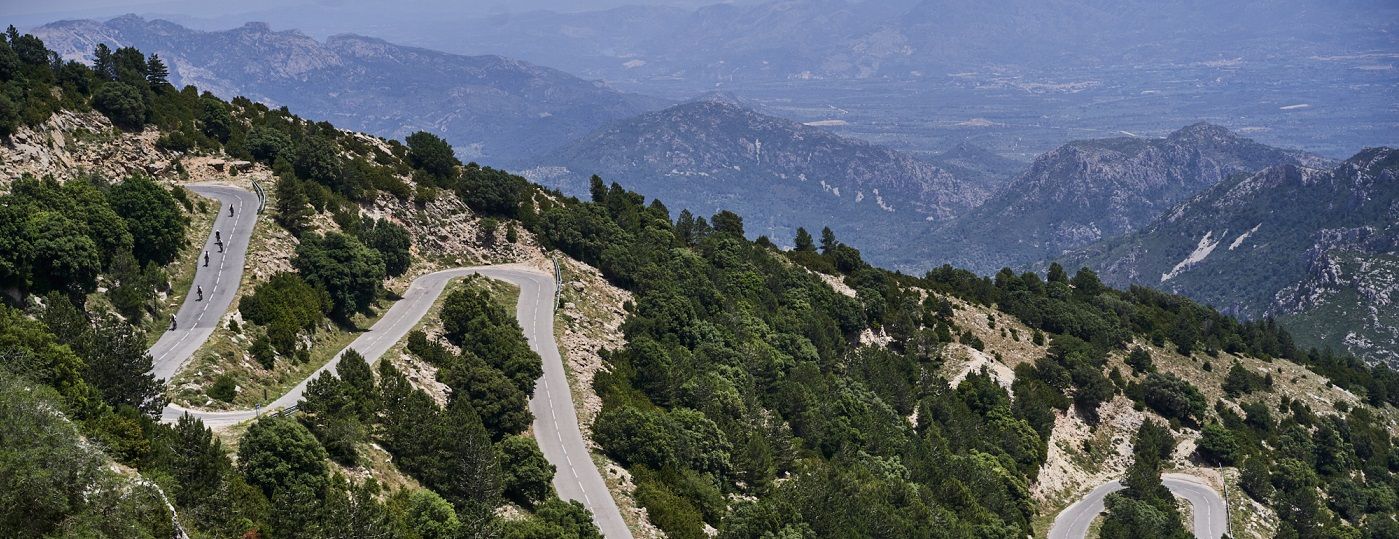
Explore Spain’s Ebro lands – a cycling paradise
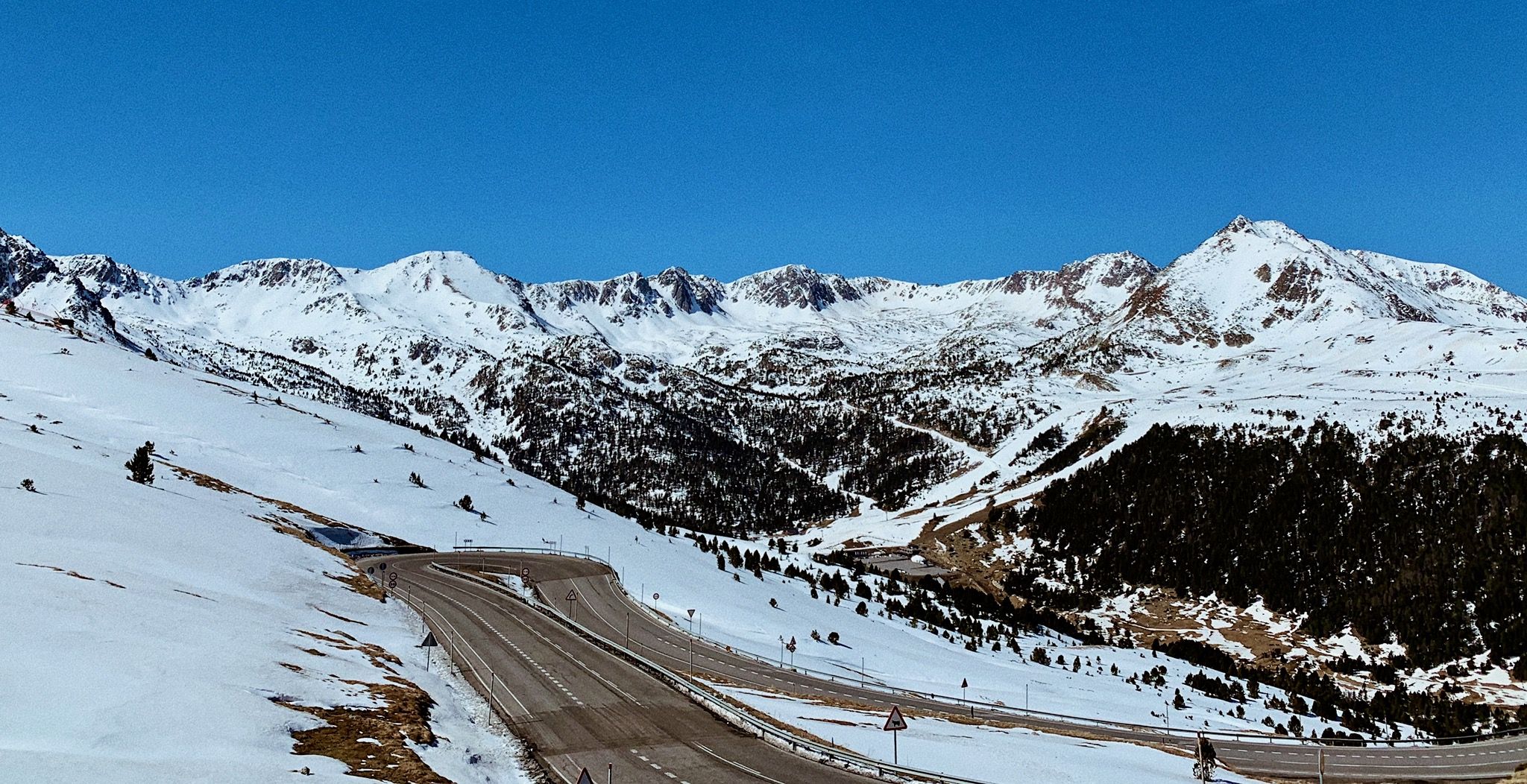
Valencia to Toulouse — Riding over the Pyrenees
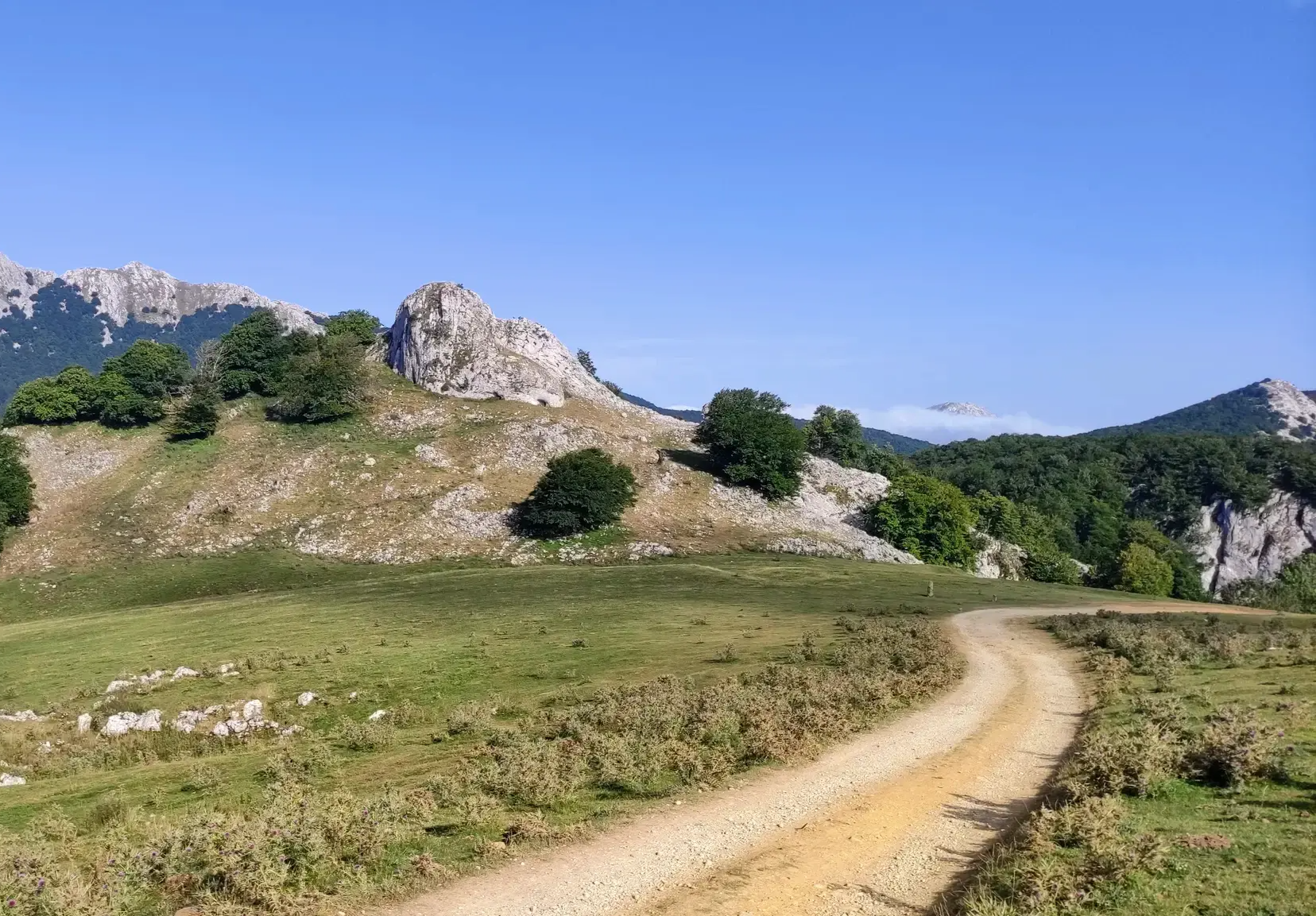
The Ignatian Way - In the footsteps of Ignatius of Loyola
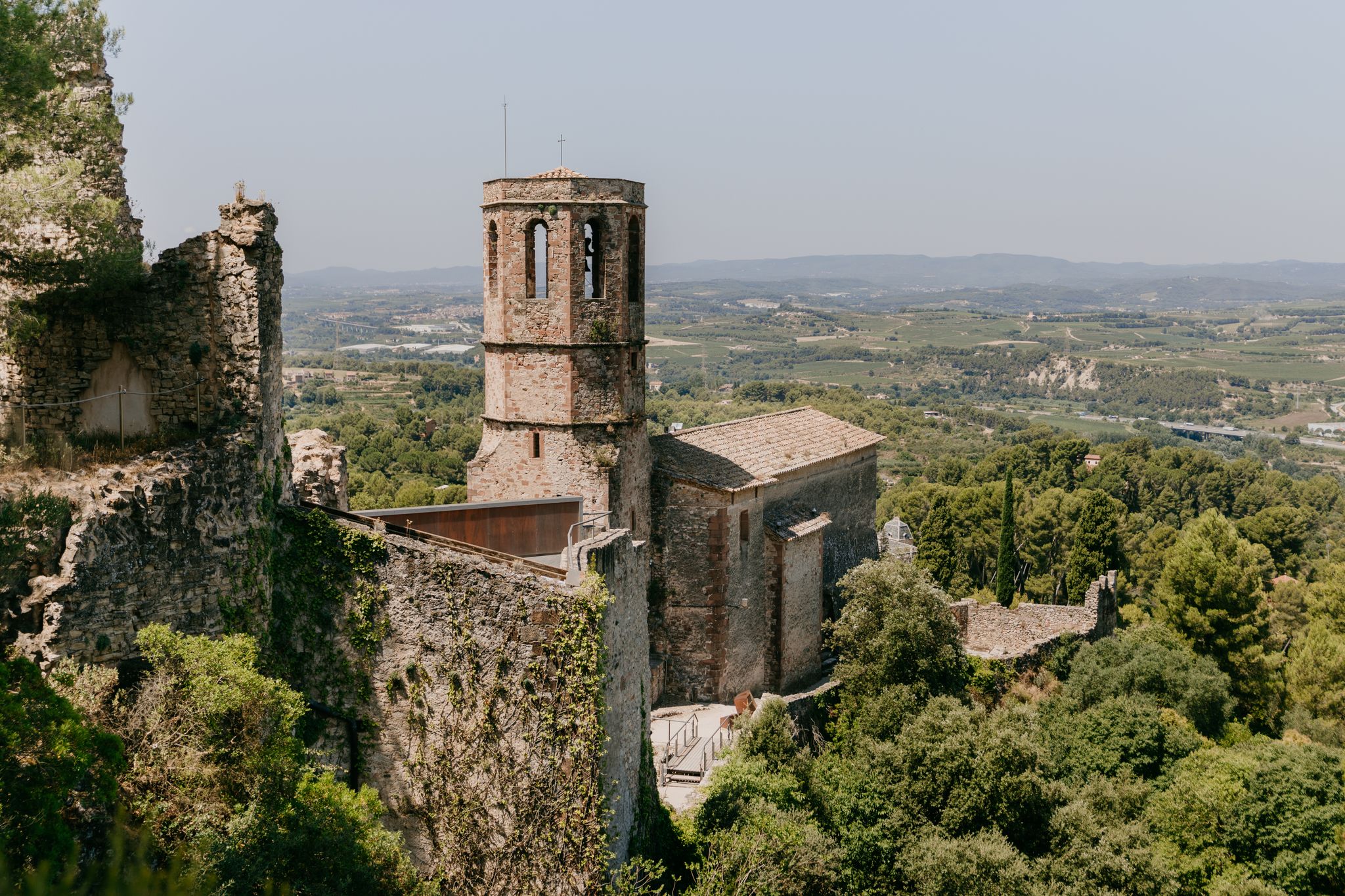
Catalonia by bike — Itineraries between culture and nature
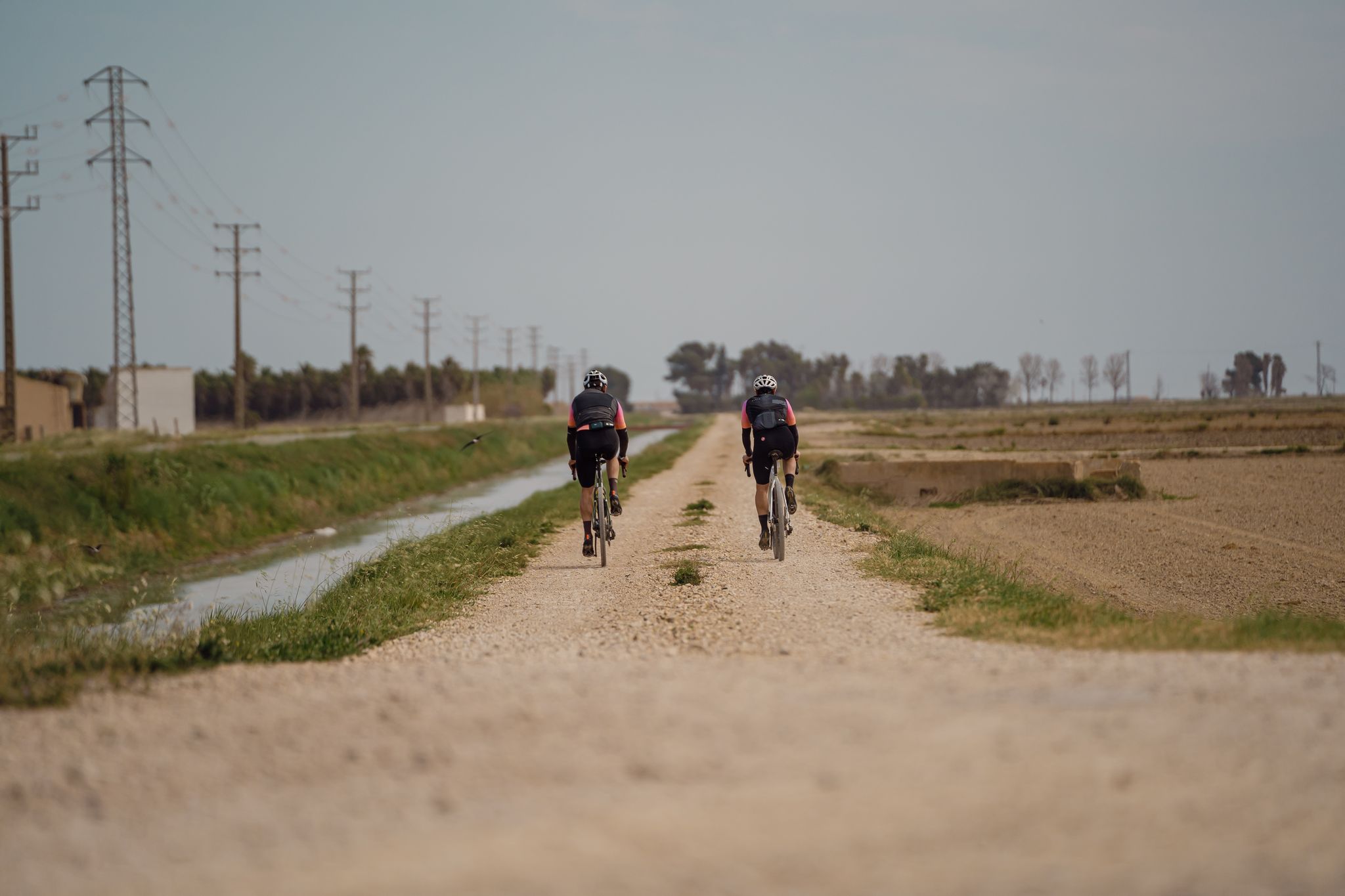
Discover Catalonia on a gravel bike
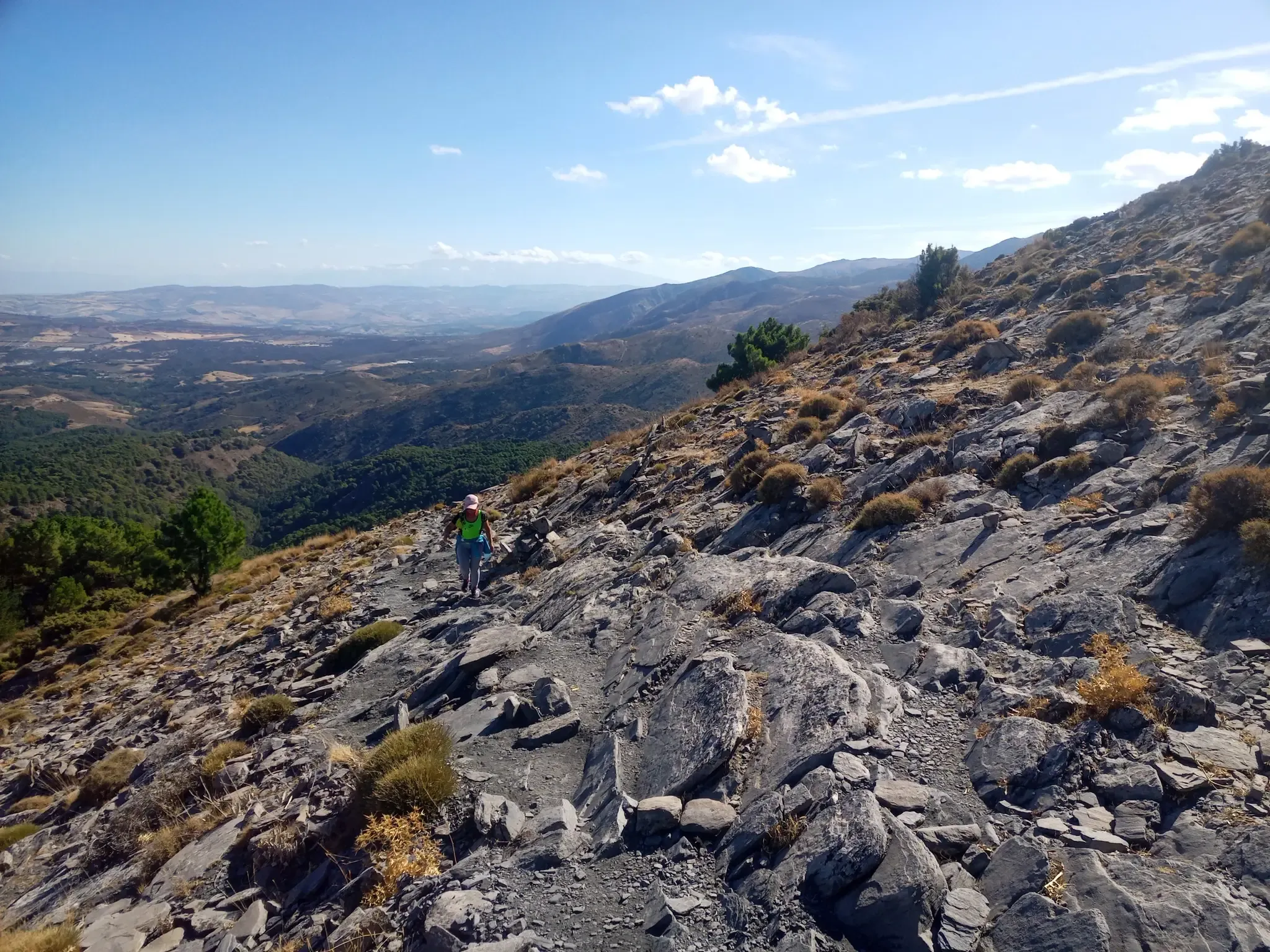
12 hiking gems throughout Spain
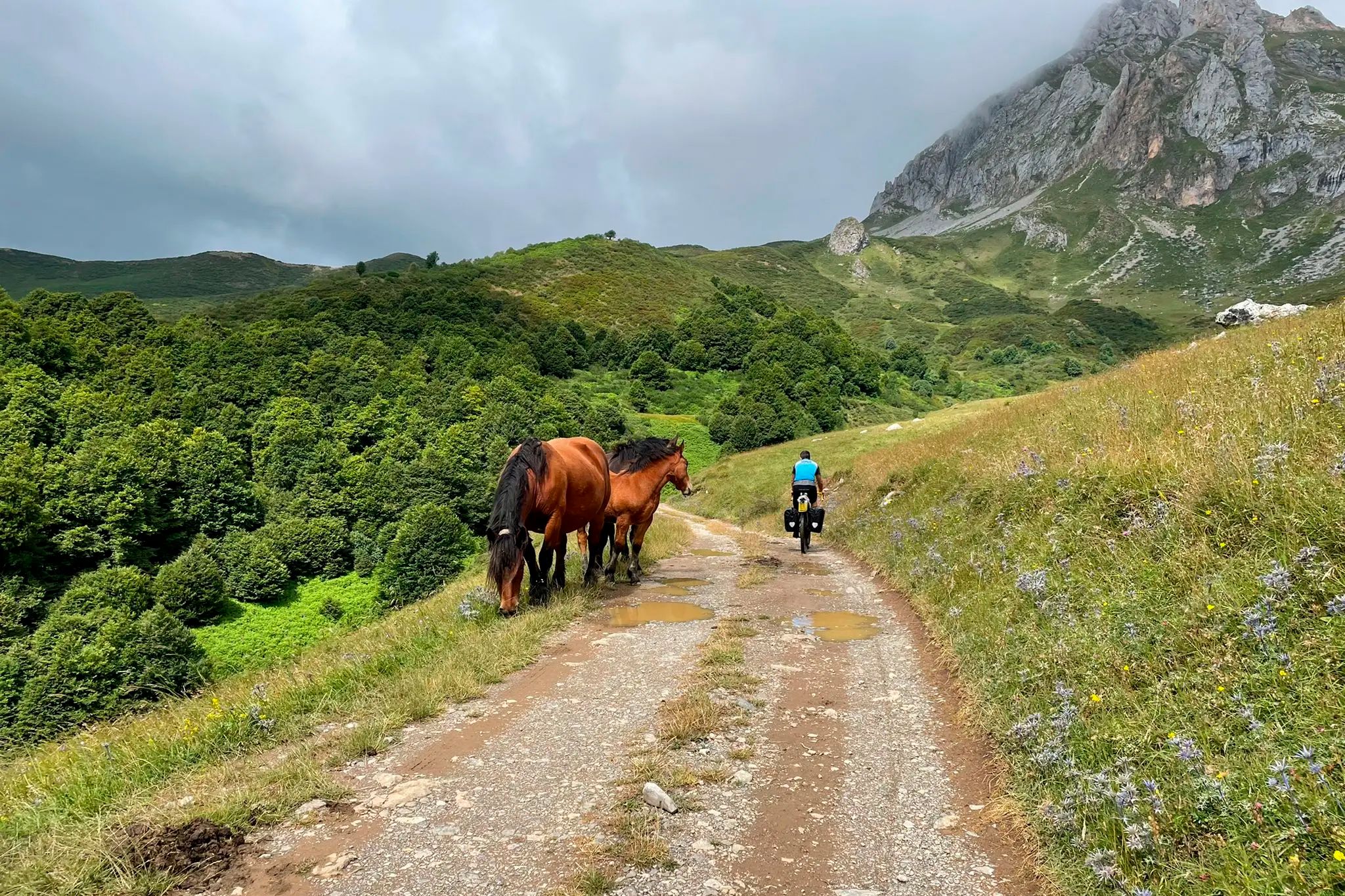
TransCantabrica – Extreme mountain biking in northern Spain
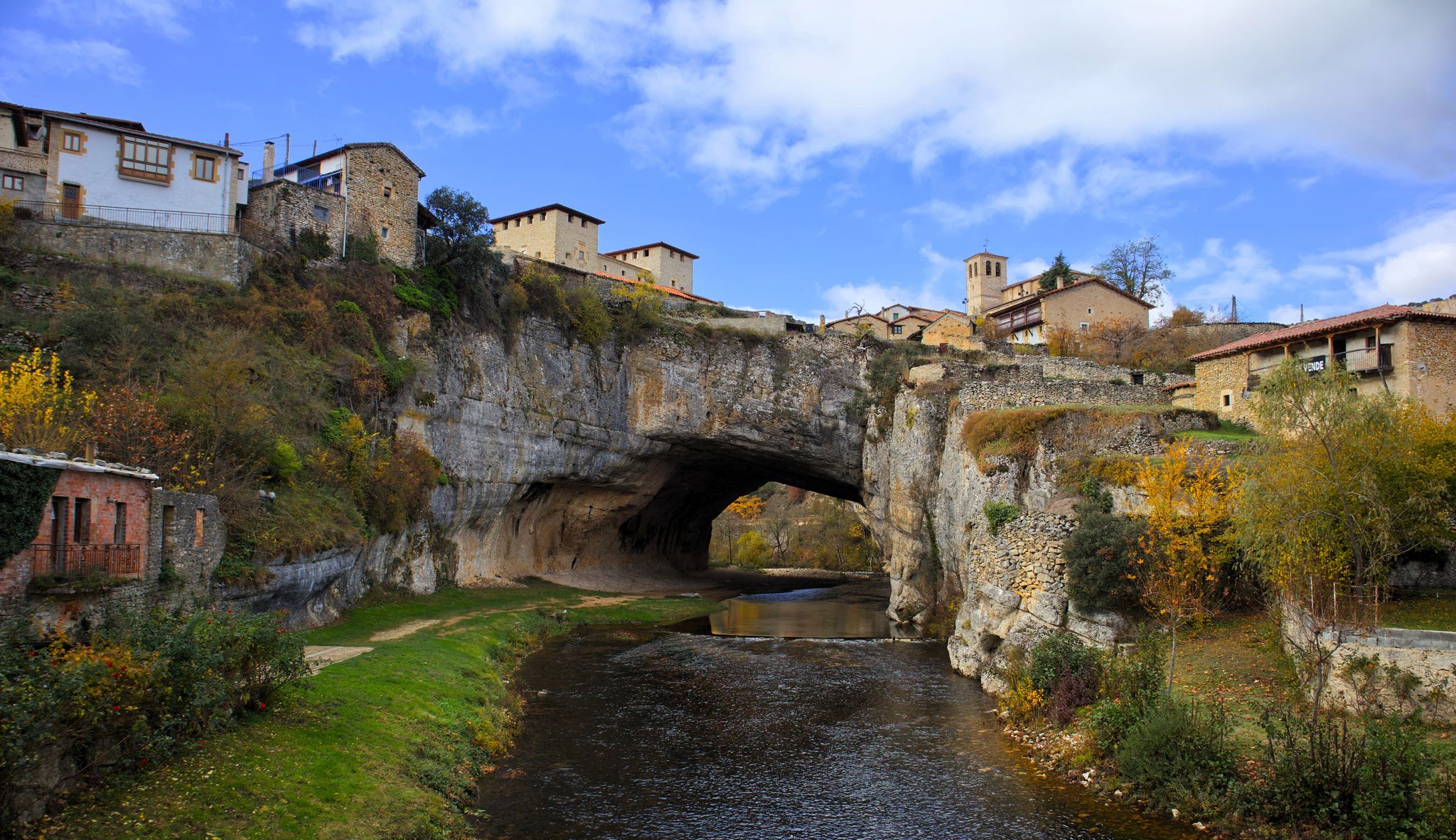
Endless valleys and historic villages – Route of the Senses (GR 85)
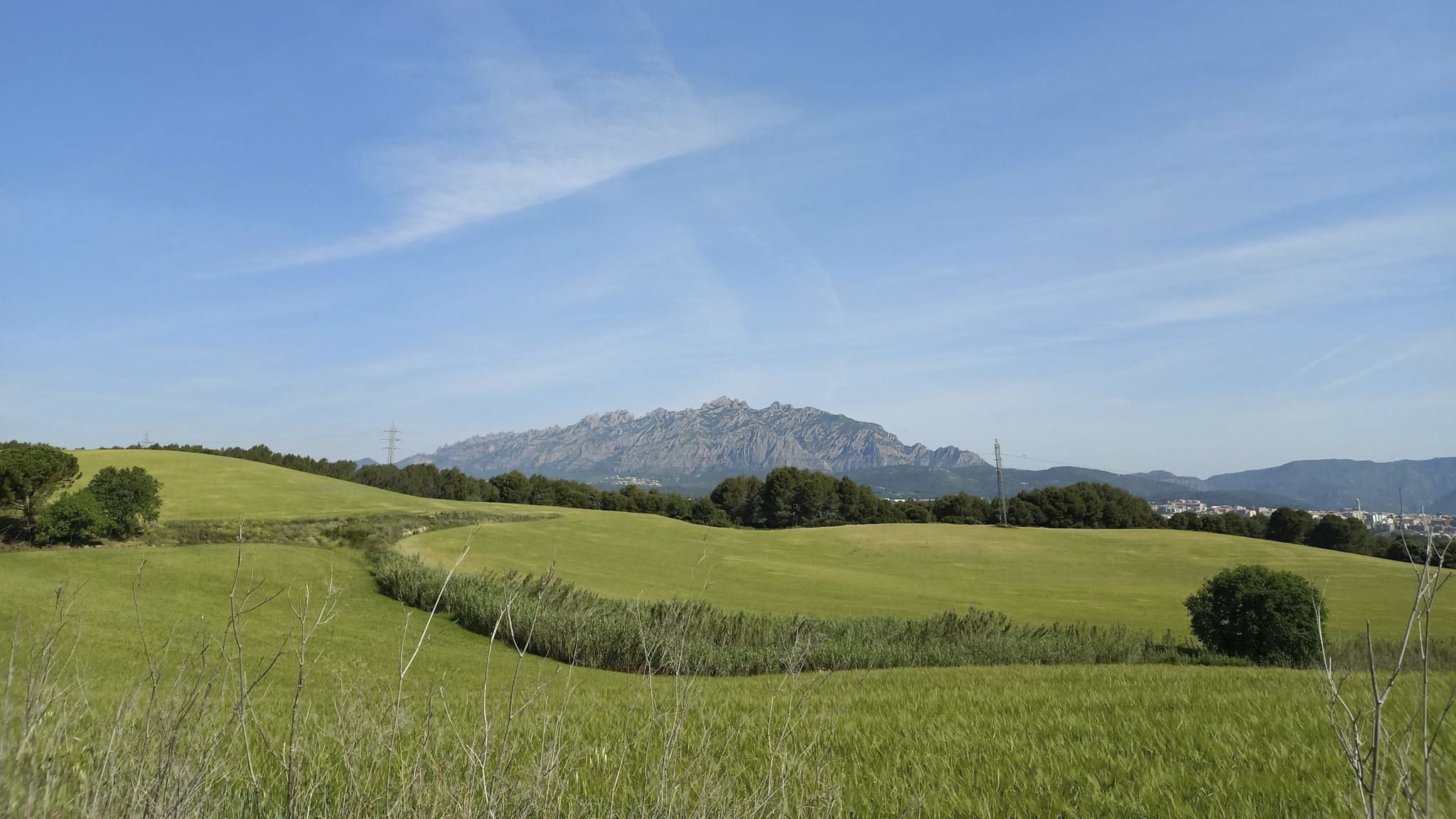
Ancestral gravel – Camino Real from Zaragoza to Barcelona
Other adventures around the Ebro


Tips from the Community

What do I recommend seeing and doing? Walk through the village and visit the Church of San Esteban, the castle ruins, and the troglodyte caves. Climb up to the Hermitage of the Virgen del Yugo to enjoy the views. Dedicate at least one day to exploring the Bardenas Reales Natural Park, either independently or with a guided tour. Personally, I would add Sendaviva (a theme park) if you're traveling with children or enjoy theme parks. Complete your visit with a birdwatching tour of the Biological Station.
4
0
Arguedas (Navarra), a charming place that transcends being a gateway to the Bardenas Reales: The town center is welcoming, ideal for strolling through its streets and discovering historic buildings such as the Town Hall and the Casa Muruzábal Palace (16th-18th centuries). Two chapels stand out: the Virgen del Yugo (Gothic-Renaissance style, 17th century, on a hill with panoramic views) and the Hermitage of San Miguel (16th century).
4
0


Here Caesar sets the direction
1
0
what an impressive facade
1
0

Beautiful building, unfortunately the story behind it is not so great.
7
1
monumental stature of a glorious time for Spain
1
0

Absolutely worth seeing and beautiful place.
0
0
Frequently Asked Questions
How many no traffic road cycling routes are available in the Ebro region?
There are over 65 dedicated no traffic road cycling routes in the Ebro region, offering a wide variety of experiences from easy rides to challenging climbs. You'll find 8 easy routes, 50 moderate routes, and 9 difficult routes to explore.
Are there easy no traffic road cycling routes suitable for beginners or families in the Ebro?
Yes, the Ebro region offers several easy, traffic-free road cycling routes perfect for beginners or families. The Ebro Delta Natural Park, with its flat terrain and routes through rice fields and lagoons, is particularly ideal. An example of an easy route is Parque Natural de las Bardenas Reales from Arguedas, which provides a relaxed ride with minimal elevation.
What are some challenging no traffic road cycling routes for experienced cyclists in the Ebro?
For experienced cyclists seeking a challenge, the Serra de Montsià and Ports Natural Park offer rugged elevations and significant climbs. A demanding option is the Summit of Mount Caro from Tortosa – Els Ports Natural Park, featuring over 1400 meters of elevation gain. Another difficult route is Benifallet Station – Old railway viaduct loop from Aldover, which includes nearly 1000 meters of ascent over a longer distance.
Can I find circular no traffic road cycling routes along the Ebro River?
Absolutely. The Ebro River itself is a central feature for many circular routes, allowing cyclists to follow its course through diverse landscapes. The Ebro Nature Trail (GR 99) offers sections ideal for this. For a significant loop, consider Monument to Caesar Augustus – Virgen de Dorleta Memorial loop from Zaragoza-Arrabal, which provides an extensive ride along the river with varied scenery.
What kind of landscapes can I expect on these traffic-free road cycling routes in the Ebro Delta?
The Ebro Delta offers a unique and captivating landscape for traffic-free cycling. You'll ride through expansive rice paddies that change color with the seasons, serene lagoons teeming with birdlife, and along the Ebro River mouth. The terrain is predominantly flat, making it perfect for relaxed exploration of this unique wetland ecosystem, including areas like Isla de Buda.
Are there any viewpoints or interesting sights along the traffic-free Ebro bike paths?
Yes, many routes offer stunning viewpoints and historical sites. Along the Ebro, you might encounter natural monuments like the Source of the Ebro River or the Turquoise Pools and Waterfalls of Orbaneja del Castillo. The Terra Alta region, for example, features vineyards and historical sites along its routes. For a route with a historical landmark, check out La Suda Castle – Som Pass loop from Benifallet.
When is the best time of year to enjoy traffic-free road cycling in the Ebro region?
The Ebro region benefits from a Mediterranean climate, making it suitable for outdoor activities almost year-round. Mild winters, warm springs, and pleasant autumns provide ideal conditions for traffic-free road cycling. Spring and autumn are particularly recommended for comfortable temperatures and vibrant landscapes, while even winter offers pleasant riding conditions with less traffic.
Where can I find parking for these traffic-free road cycling routes in the Ebro?
Many towns and villages that serve as starting points for these routes, especially those along the Ebro River or within natural parks, offer designated parking areas. It's advisable to check specific route details on komoot for recommended parking spots near the trailhead. For example, routes starting from larger towns like Tortosa or Zaragoza-Arrabal will have more established parking options.
What do other cyclists say about the traffic-free road cycling routes in the Ebro?
The Ebro region is highly rated by the komoot community, with an average score of 4.46 stars from over 280 ratings. Reviewers often praise the diverse and captivating landscapes, the tranquility of the traffic-free paths, and the opportunity to explore unique ecosystems like the Ebro Delta or the rugged beauty of the Serra de Montsià.
Are there any cafes or places to stop for refreshments along these routes?
Yes, many traffic-free road cycling routes in the Ebro region pass through or near charming villages and towns where you can find cafes, restaurants, and shops for refreshments. The Via Verde Terra Alta, for instance, connects several towns like Gandesa and Bot, offering opportunities to stop. Even in more remote areas, local establishments cater to cyclists, especially in popular starting points or scenic overlooks.
Can I combine cycling with other activities in the Ebro region?
Absolutely! The Ebro region is rich in outdoor activities. Beyond cycling, you can enjoy water sports like kayaking or canoeing on the Ebro River, excellent birdwatching in the Ebro Delta, and numerous hiking trails in areas like Parc Natural dels Ports. The region also offers cultural visits, historical sites, and wine tourism experiences, particularly in Terra Alta.
Most popular routes around the Ebro
Most popular attractions around the Ebro

Get inspired with the komoot mobile app


Explore more
Browse the best Road cycling routes in other regions.
