The best traffic-free bike rides around Ederswiler
4.5
(21)
260
riders
30
rides
Gravel biking around Ederswiler offers diverse landscapes within the northern Jura Mountains of Switzerland. The region is characterized by rolling hills, vast plateaus, and dense forests, with over 40% of its area covered by woodland. Deep valleys and small mountain ranges, including peaks like Berg (858 m) and Hasenschell (870 m), provide varied terrain for gravel routes. Additionally, extensive agricultural land features farm tracks and quiet country roads suitable for no traffic gravel bike trails.
Best no traffic gravel bike…
Last updated: July 12, 2026
5.0
(2)
12
riders
67.5km
05:36
1,170m
1,180m
Hard gravel ride. Very good fitness required. Mostly paved surfaces. Suitable for all skill levels.
5.0
(1)
16
riders
42.4km
03:21
530m
530m
Hard gravel ride. Very good fitness required. Mostly paved surfaces. Suitable for all skill levels.

Sign up for free
5.0
(2)
16
riders
55.3km
04:26
660m
670m
Hard gravel ride. Very good fitness required. Mostly paved surfaces. Suitable for all skill levels.
1
riders
20.2km
01:58
400m
400m
Hard gravel ride. Good fitness required. You may need to push your bike for some segments of this route.
4.7
(3)
18
riders
46.2km
03:01
540m
540m
Hard gravel ride. Very good fitness required. Mostly paved surfaces. Suitable for all skill levels.
Get access to more routes and recommendations from other explorers.
Sign up for free
Already have an account?
Our route recommendations are based on thousands of hikes, rides, and runs completed by other people on komoot.
Start today with a free account
Your next adventure awaits.
Login or Signup
Popular around Ederswiler
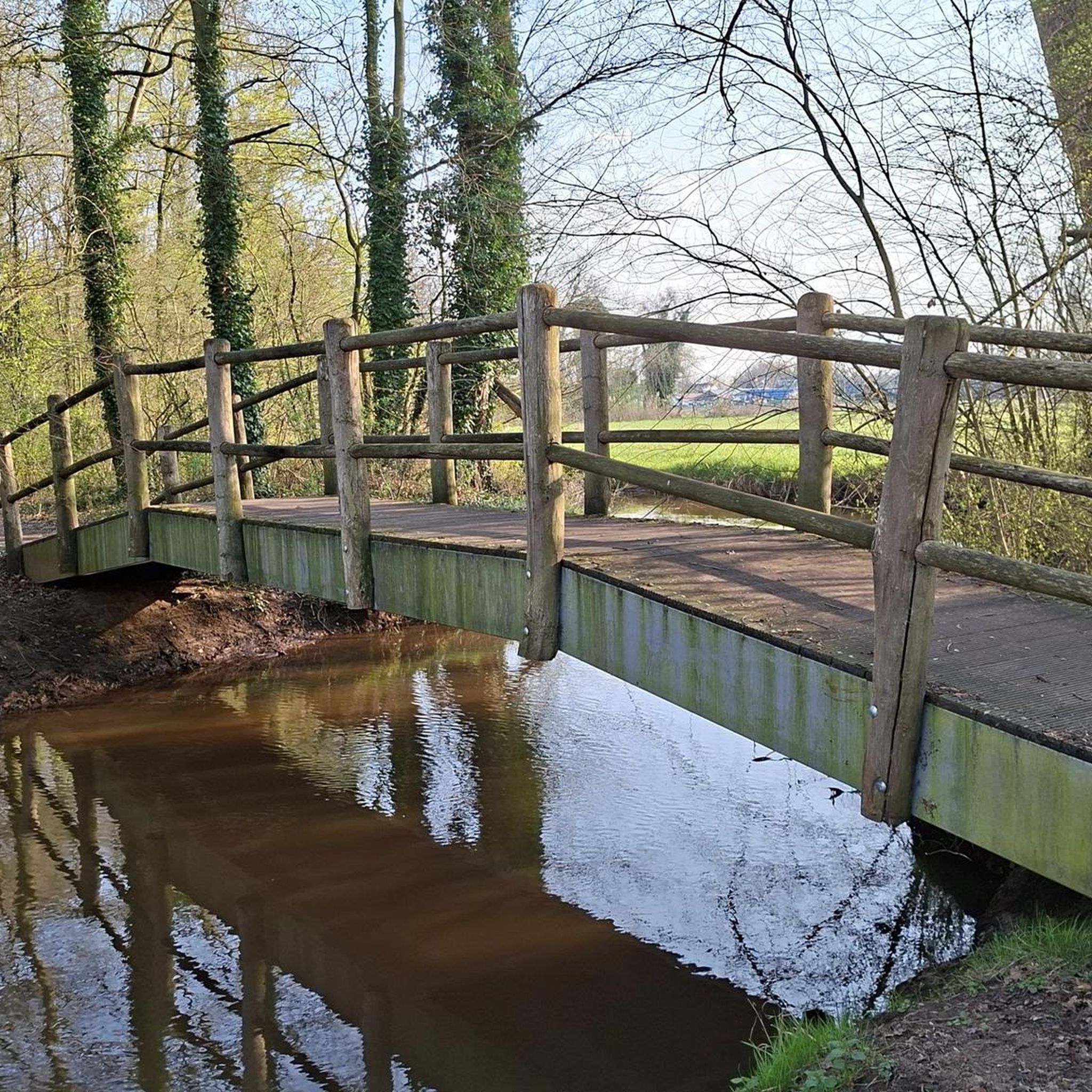
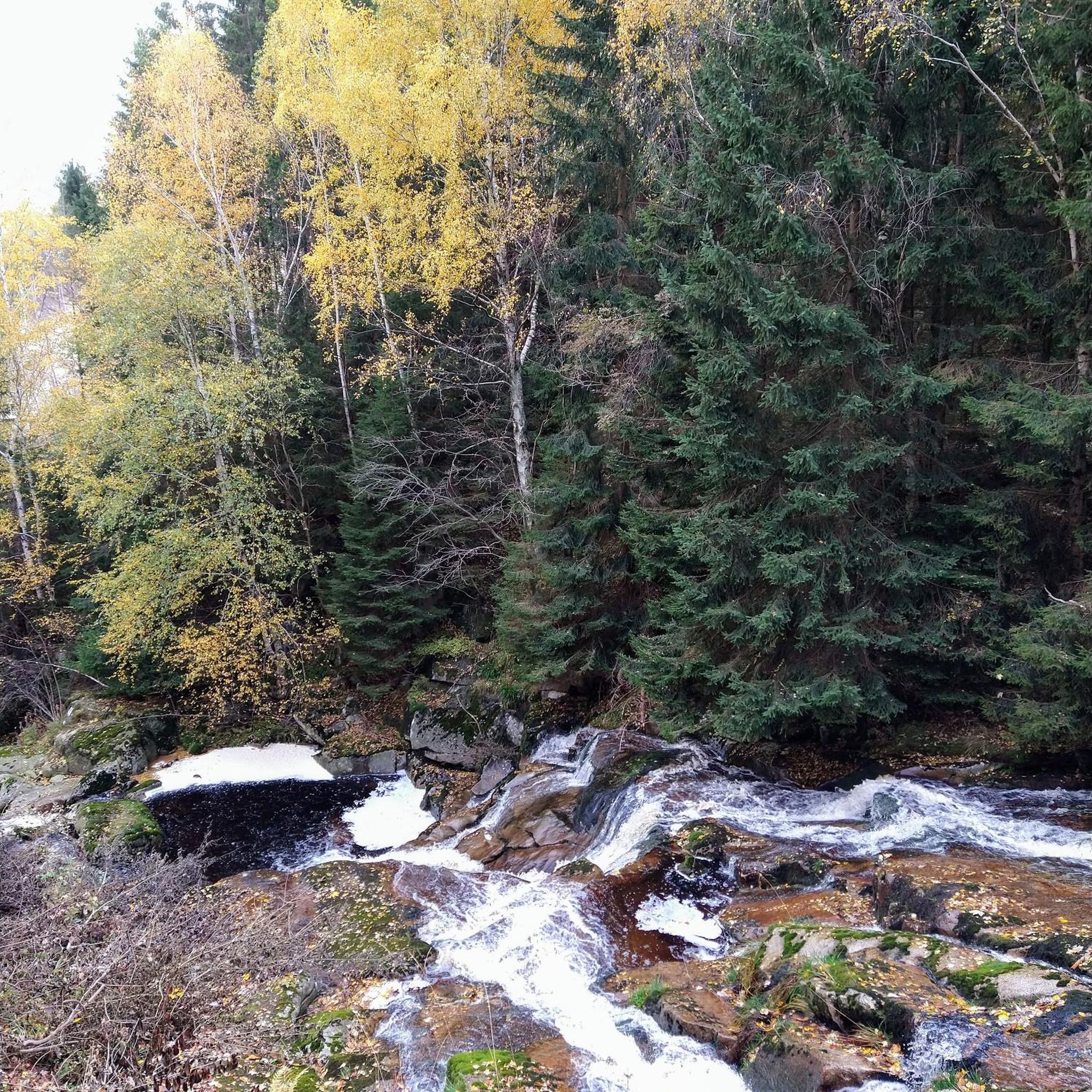
Tips from the Community

In 1913 and 1914, following the ideas of Johann Knauth, architect of Strasbourg Cathedral and curator of the M.H., the nave, the side chapel of the Sacré-Coeur, the Saint-Joseph Chapel in the basement, and the sacristy were rebuilt in the Gothic style by the architect Alexandre Louvat from Mulhouse. The old Gothic nave, remodeled in the 18th century, was decorated with murals dating from 1491. To the south of the choir was a small chapel dating from the 14th and 15th centuries, with cross-ribbed vaults on consoles. To the north were the remains of the old priory cloister. On the site of the present Sacred Heart Chapel was the 18th-century Mount of Olives, the rood screen of which was removed in 1861.
0
0

Oltingue is a quiet village in the Sundgau with a late-classical village ensemble around the church of Saint-Martin (1827–1831), the rectory and the former school. The Callinet organ (1843), the double staircase of the rectory and the facade details are striking. There are several historic houses in the village, including half-timbered houses from 1695 and a farm from the 16th century. To the east lies the chapel of Saint-Brice, a former place of pilgrimage with a baroque altar and an outdoor pulpit.
10
0
This former mother church of Oltingue and three disappeared villages dates from the 13th and 14th centuries. The location is idyllic: surrounded by fields, an old cemetery and often with storks on the roof in the spring. Inside you will discover surprisingly well (?) preserved wall paintings, including a rare representation of the sacrifice of Melchisedech and a Last Supper from 1741. In the choir you will also find a wall tabernacle and a niche for liturgical objects, silent witnesses of medieval rituals. The Gothic arched windows and the neo-Gothic vault are reminders of later restorations, while archaeological excavations in 1989 revealed traces of older sanctuaries and tombs from the early Middle Ages. simple but full of character.
11
0
The white stork (Ciconia ciconia) is one of the most recognisable and beloved symbols of Alsace.
9
0
Raedersdorf is located in the southernmost part of Alsace, in the hilly landscape of the Sundgau, close to the Swiss border. The village is surrounded by forests, springs and hiking trails leading to heritage sites such as the Église Saint-Étienne with its baroque interior and Callinet organ, and the Mariabrunn chapel in the forest. Its location between French-speaking and German-speaking Switzerland makes Raedersdorf a place where cultures come together.
8
0
The church of Raedersdorf was built in its present form between 1807 and 1811, on the foundations of an older church, the tower of which has been partly preserved. The interior was richly decorated in 1811 by sculptor Joseph Antoine Feuerstein, with a harmonious baroque ensemble. The organ was also built in the same year by Jean Frantz. The church was finally consecrated in 1851. It is located in the centre of the village, close to the town hall, and is a silent witness to religious art and village history in the south of Alsace.
10
0


Frequently Asked Questions
How many no-traffic gravel bike trails can I find around Ederswiler?
There are over 30 dedicated no-traffic gravel bike trails available around Ederswiler. These routes offer a fantastic way to explore the diverse landscapes of the Jura Mountains, from dense forests to rolling hills, all while enjoying a peaceful ride away from cars.
What are the typical difficulty levels for gravel biking in this region?
The gravel bike trails around Ederswiler primarily feature moderate to difficult ratings. You'll encounter routes with significant elevation gains, characteristic of the Jura Mountains, offering rewarding challenges for experienced riders. For example, the Birs near Soyhières – Eggflue Viewpoint loop from Delémont is rated difficult, covering over 66 km with more than 1100 meters of ascent.
Are there any circular gravel bike routes available?
Yes, many of the no-traffic gravel bike trails around Ederswiler are circular, allowing you to start and end at the same point. An example is the Path Along the Birs River – Birs near Soyhières loop from Delémont, which offers a 46 km ride through scenic terrain.
What kind of natural features or landmarks can I expect to see along these trails?
The trails often lead through dense forests and across rolling hills, offering views of the Jura Mountains. You might encounter serene lakes like Lucelle Lake or the Grand Étang de la Réselle. The region is also known for its dramatic limestone cliffs and deep valleys. For panoramic vistas, look out for viewpoints such as the Remelturm Observation Tower or the Grande Roche Viewpoint.
What is the best time of year for gravel biking around Ederswiler?
The best time for gravel biking around Ederswiler is typically from spring through autumn (April to October). During these months, the weather is generally mild, and the trails are in good condition. The dense forests provide pleasant shade in summer, while spring and autumn offer vibrant colors and comfortable temperatures. Winter riding is possible but may involve snow and ice, especially at higher elevations.
Are there any family-friendly no-traffic gravel bike routes?
While many routes in the Ederswiler area are rated moderate to difficult due to the mountainous terrain, some sections or shorter loops might be suitable for families with older, experienced children. Always check the route's elevation profile and distance before setting out. The region's agricultural lands and farm tracks often provide quieter, less challenging paths.
Can I access these gravel bike trails using public transport?
Ederswiler itself is a smaller municipality, but you can often reach starting points for gravel routes from larger towns like Delémont, which has better public transport connections. From there, you can cycle to the trailheads. Some routes, like the Pretty avenue – Scenic bench loop from Delémont, start directly from Delémont, making them accessible by public transport.
What do other gravel bikers say about the trails in Ederswiler?
The komoot community highly rates the gravel biking experience around Ederswiler, with an average score of 4.7 out of 5 stars. Reviewers often praise the tranquility of the no-traffic routes, the stunning natural scenery of the Jura Mountains, and the challenging yet rewarding climbs and descents.
Are there any cafes or places to stop for refreshments along the routes?
While Ederswiler is a small farming village, many routes pass through or near other villages and towns where you can find cafes, restaurants, or local shops for refreshments. Planning your route with potential stops in mind is recommended, especially for longer rides. The region's farmsteads might also offer local produce.
Is it possible to find longer, more challenging no-traffic gravel routes in the area?
Absolutely. The Jura Mountains are known for extensive cycling networks, including parts of the 'Gravel Trans Jura' and 'Grande Traversée du Jura – gravel version.' These regional routes offer hundreds of kilometers and thousands of vertical meters, connecting diverse terrains. Within the immediate Ederswiler area, routes like the Petit Étang de la Réselle – Grand Étang de la Réselle loop from Pleigne provide a significant challenge with over 36 km and 770 meters of ascent.
Are dogs allowed on the gravel bike trails around Ederswiler?
Generally, dogs are welcome on most public trails in Switzerland, including gravel bike routes, provided they are kept under control, especially in agricultural areas or near livestock. It's always advisable to check local signage for any specific restrictions, particularly in nature reserves or protected areas. Remember to bring water for your dog and clean up after them.
Most popular attractions around Ederswiler

Get inspired with the komoot mobile app


Explore more
Browse the best Gravel rides in other regions.
