The best traffic-free bike rides in the Rhone Delta
4.2
(424)
7,716
riders
77
rides
No traffic road cycling routes in the Rhone Delta traverse a predominantly flat landscape, characterized by extensive wetlands, vast salt flats, and agricultural lands. The region, where the Rhône River meets the Mediterranean, features a mosaic of marshes, ponds, and lagoons, alongside Mediterranean coastal paths. This topography makes it suitable for road cyclists seeking accessible rides with minimal elevation changes.
Best no traffic road cycling routes in the Rhone Delta
- The most popular no traffic road cycling route is Vauvert Greenway – Touradons bridge loop from Le Grau-du-Roi, a 33.5 miles (54.0 km) trail that takes 2 hours 7 minutes to complete. This route follows greenways and features bridges across the flat delta landscape.
- Another top favourite among local road cyclists is ViaRhôna – Pont des Touradons – Carbonnière Tower loop from Port-Camargue, an easy 28.1 miles (45.2 km) path. This route utilizes sections of the ViaRhôna, offering views of coastal areas and the historic Carbonnière Tower.
- Local road cyclists also love the Daudet's Mill – Paradou loop from Quartier Kilmaine, a 22.9 miles (36.9 km) trail leading through agricultural fields and past historic mills, often completed in about 1 hour 44 minutes.
- Road cycling in the Rhone Delta is defined by extensive wetlands, salt flats, and coastal paths. The network offers options for different ability levels, from easy, flat rides to moderate routes with some elevation.
- The routes in Rhone Delta are highly rated by the komoot community with an average score of 4.3 stars from over 360 reviews. More than 7000 road cyclists have used komoot to explore Rhone Delta's varied terrain.
Last updated: October 15, 2026
4.9
(55)
377
riders
44.6km
01:53
340m
340m
Moderate road ride. Good fitness required. Mostly well-paved surfaces and easy to ride.
4.3
(27)
384
riders
54.0km
02:08
90m
90m
Moderate road ride. Good fitness required. Mostly well-paved surfaces and easy to ride.

4.1
(11)
177
riders
Moderate road ride. Great for any fitness level. Some segments of this route may be unpaved and difficult to ride.
3.9
(9)
125
riders
Easy road ride. Great for any fitness level. Mostly well-paved surfaces and easy to ride.
4.7
(6)
97
riders
50.1km
02:09
320m
320m
Moderate road ride. Good fitness required. Mostly well-paved surfaces and easy to ride.
Get access to more routes and recommendations from other explorers.
Already have an account?
Our route recommendations are based on thousands of hikes, rides, and runs completed by other people on komoot.
Start today with a free account
Your next adventure awaits.
Popular around Rhone Delta
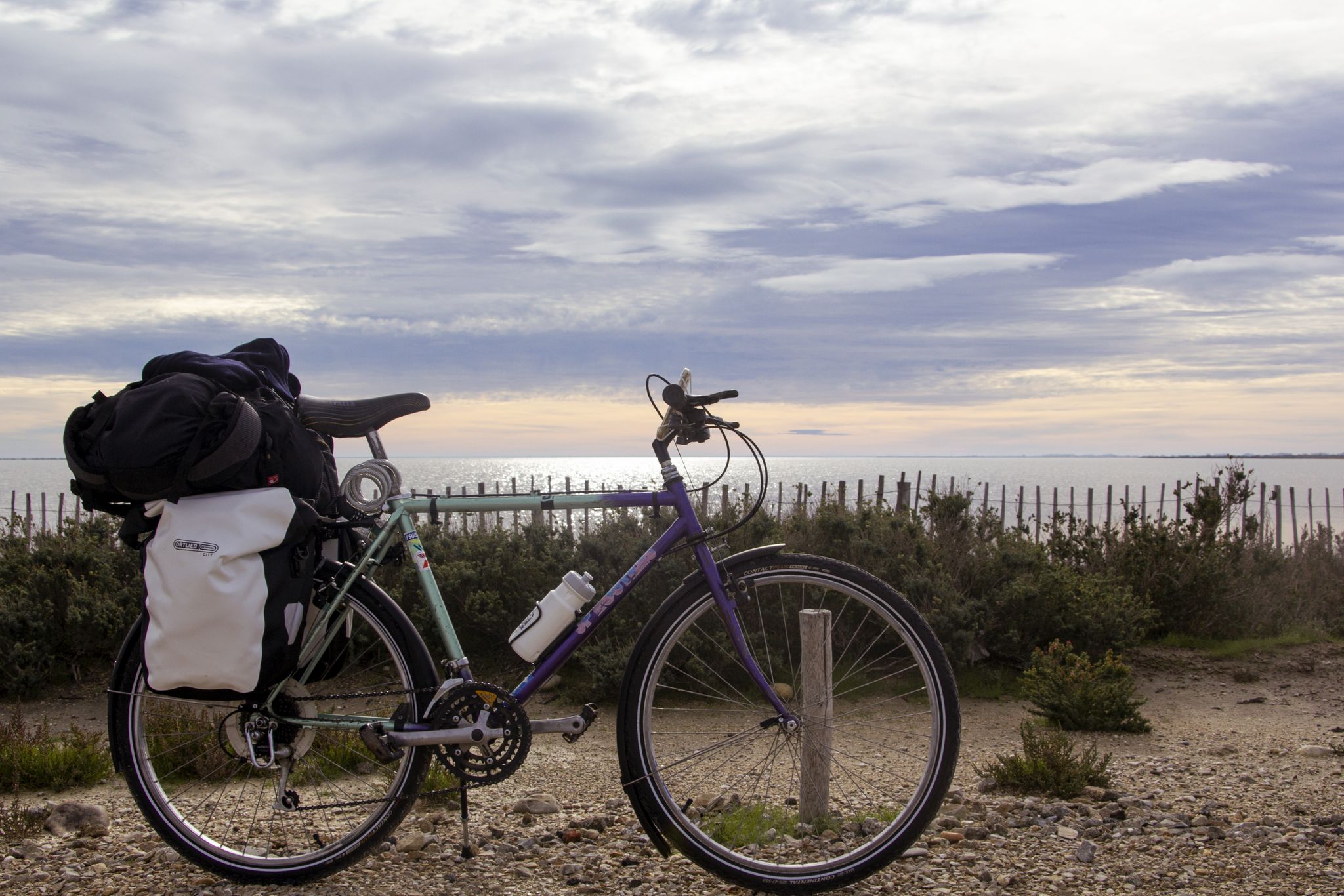
From Marseille to Montpellier — France's south coast by bike
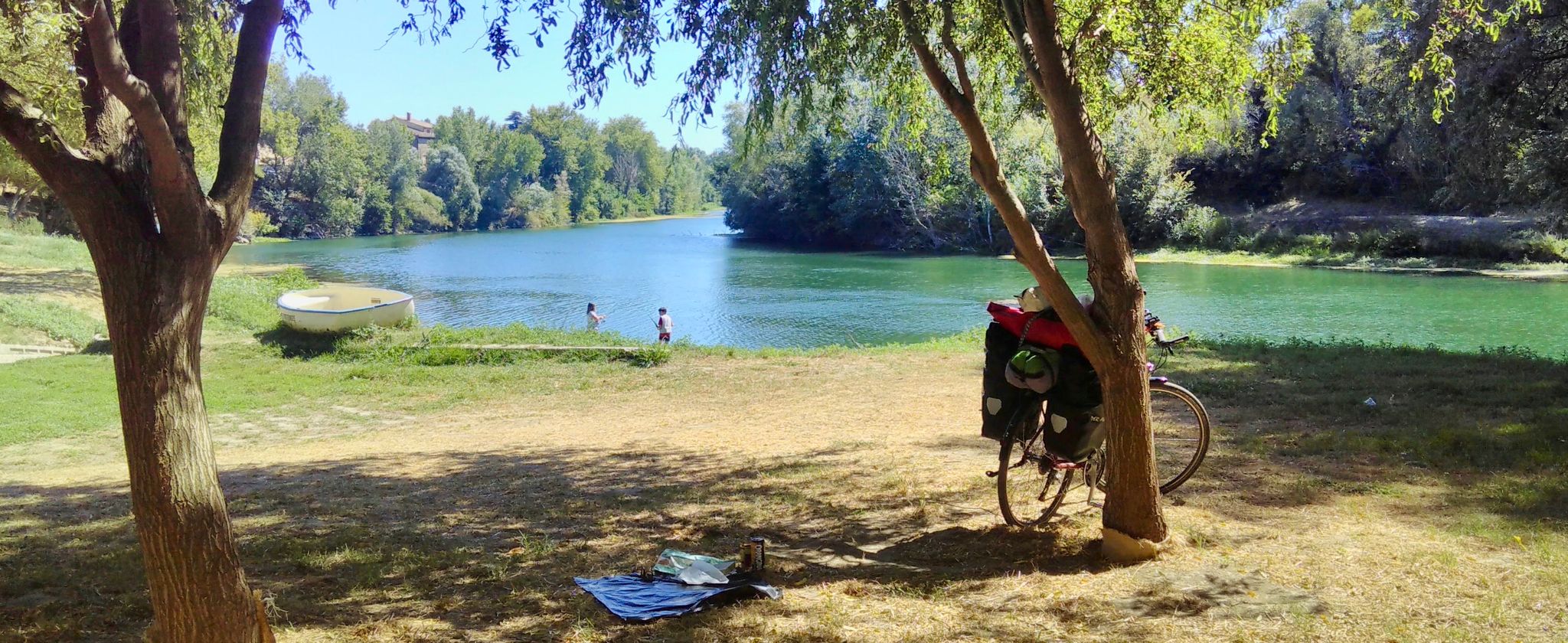
Via Rhôna — cycling the Rhone Valley Way from Lyon to the Mediterranean
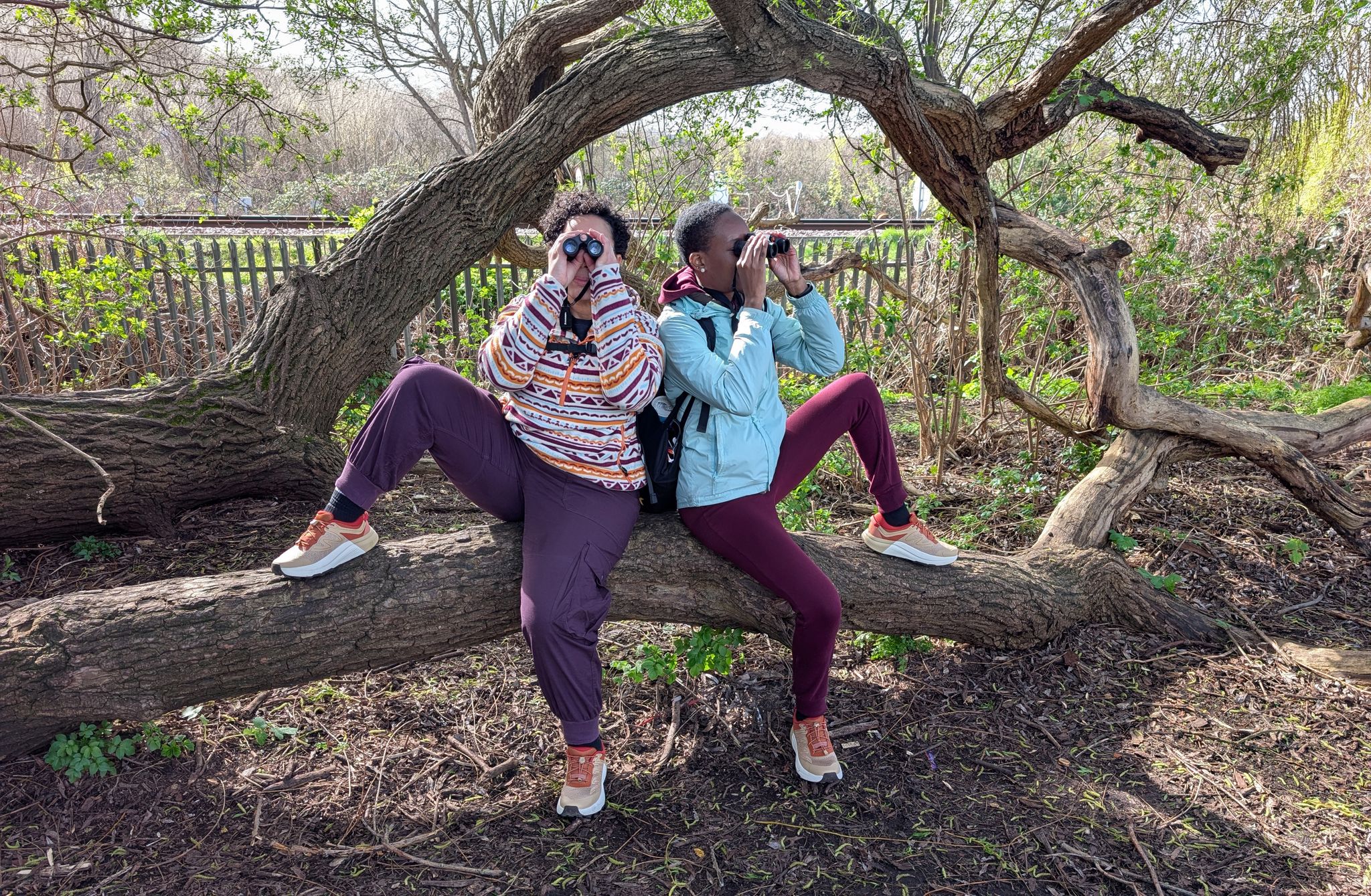
Europe’s Seasonal Birding Hotspots
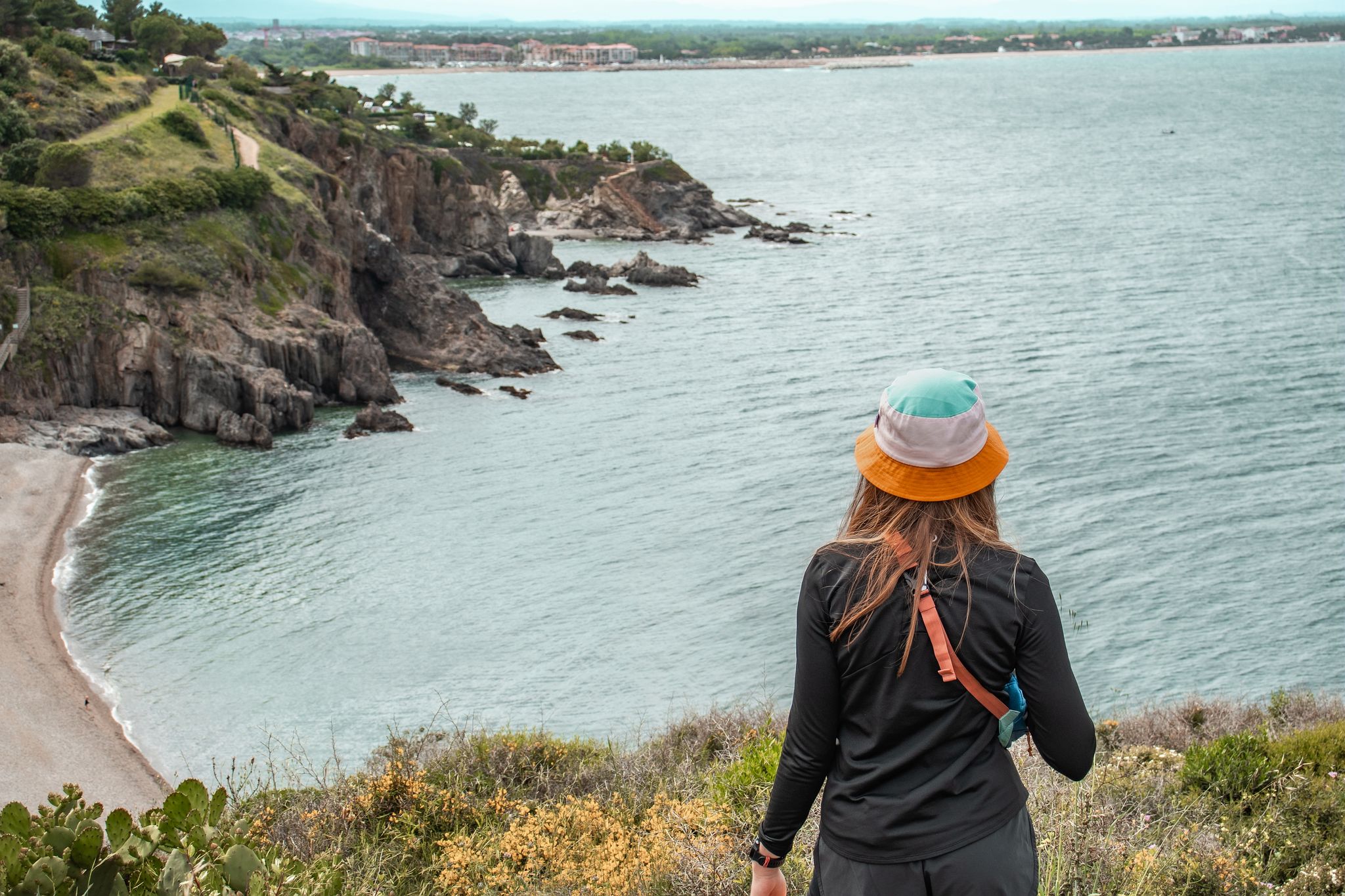
Côte Méditerranée – hiking in Occitania
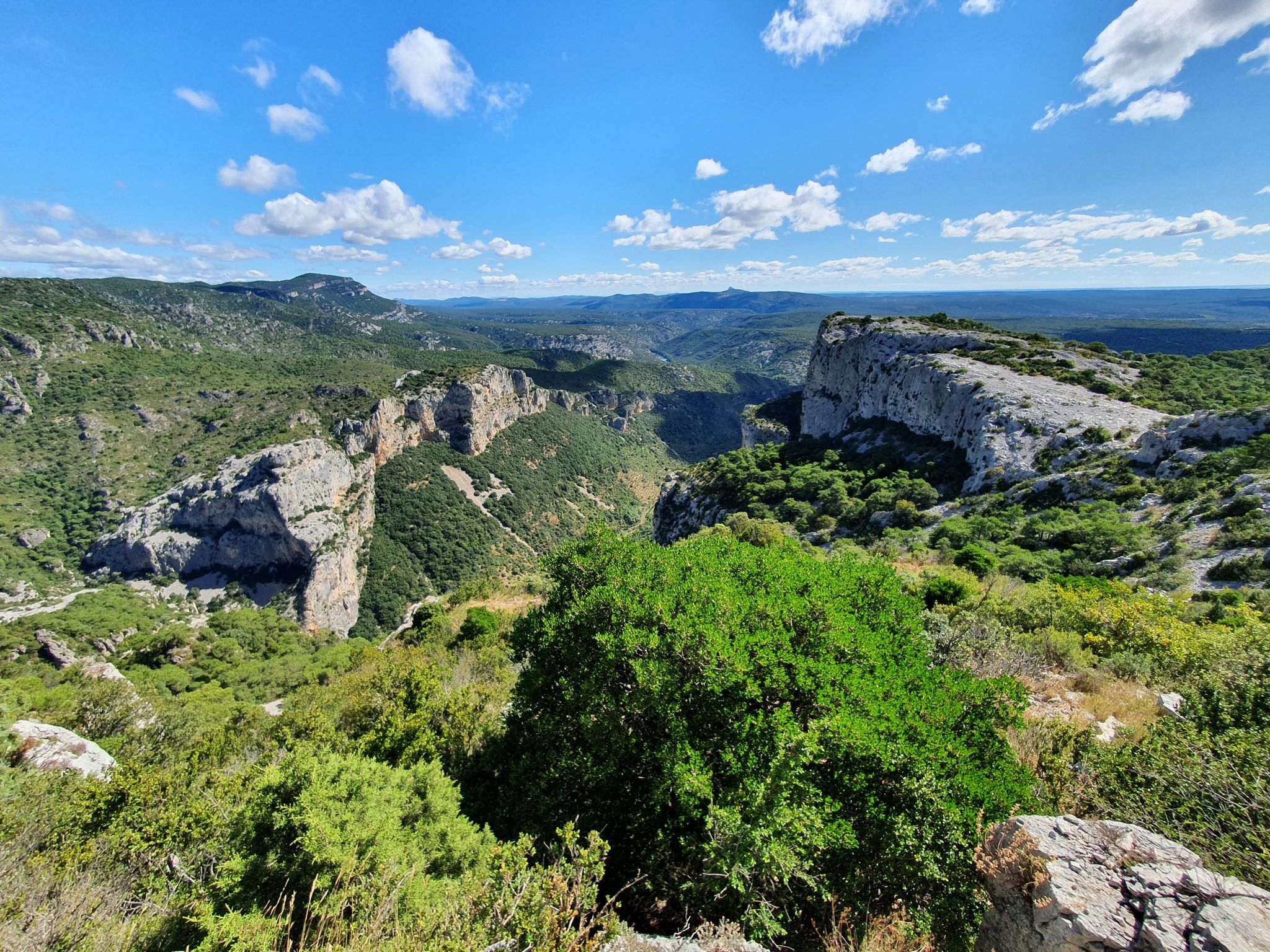
On the way to Compostela – Via Tolosana (Arles Way)
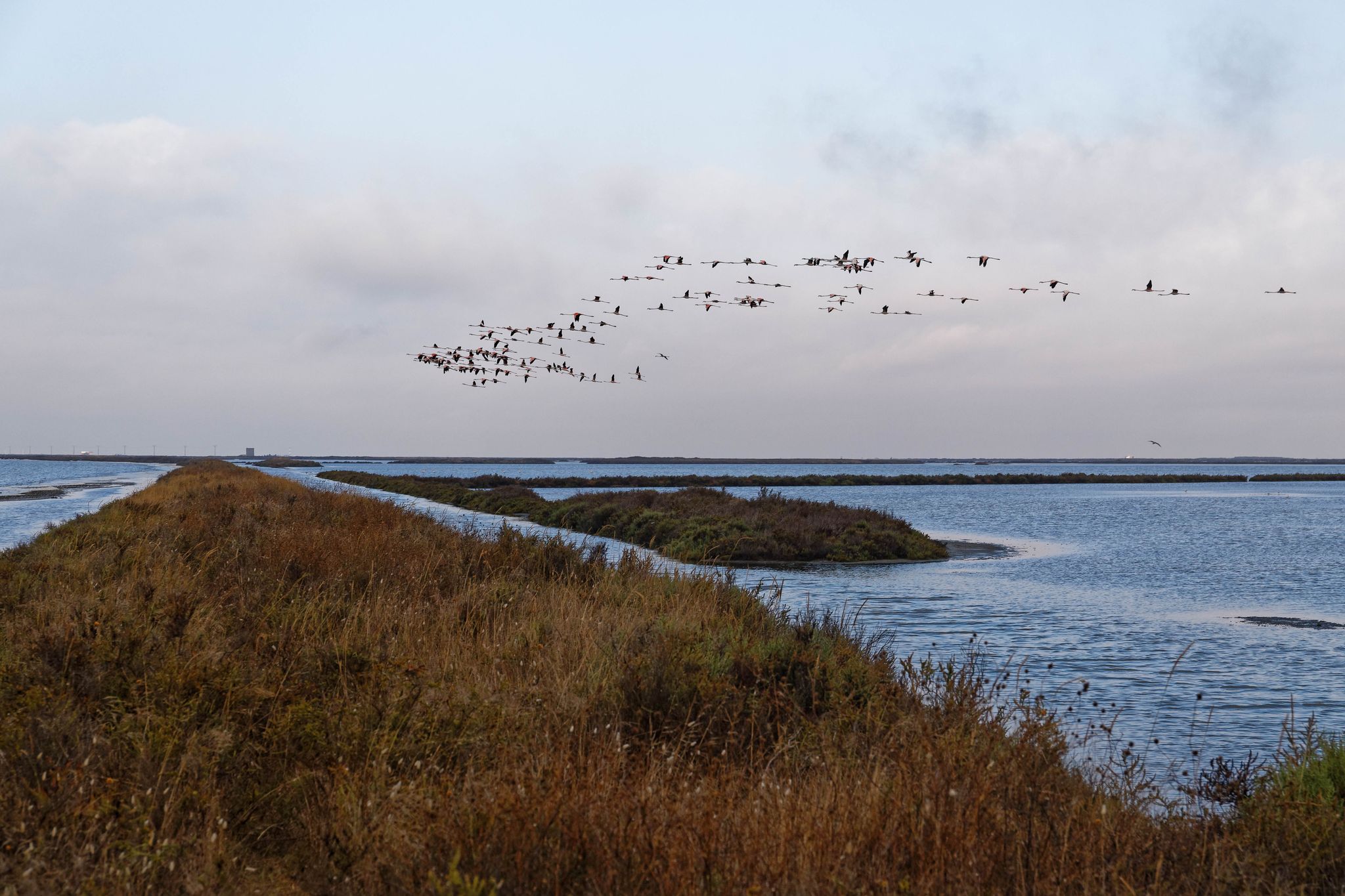
Provence to the Camargue – a journey along the Mediterranean borders
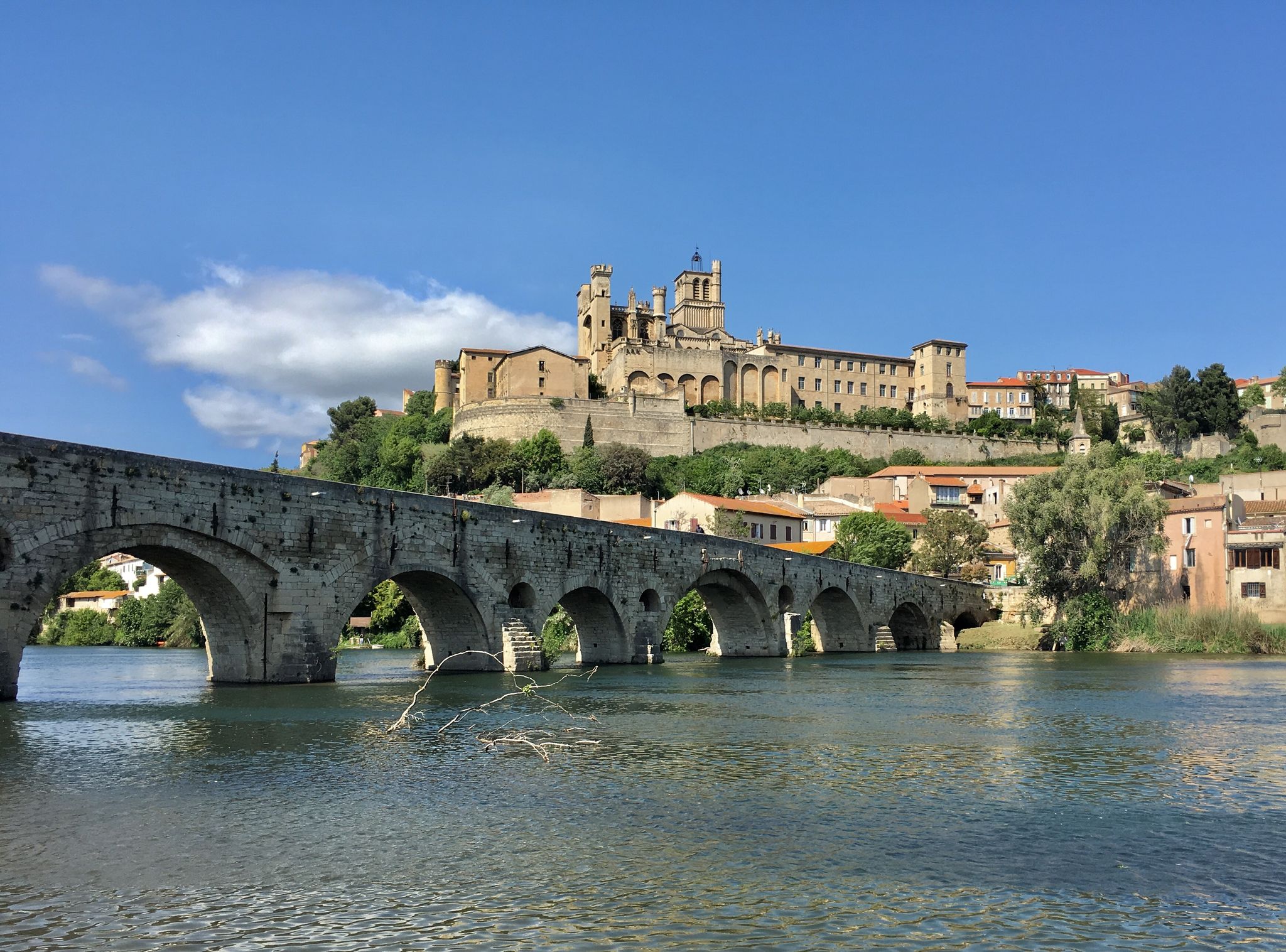
From the Occitan coast to Italy — exploring the Mediterranean by bike
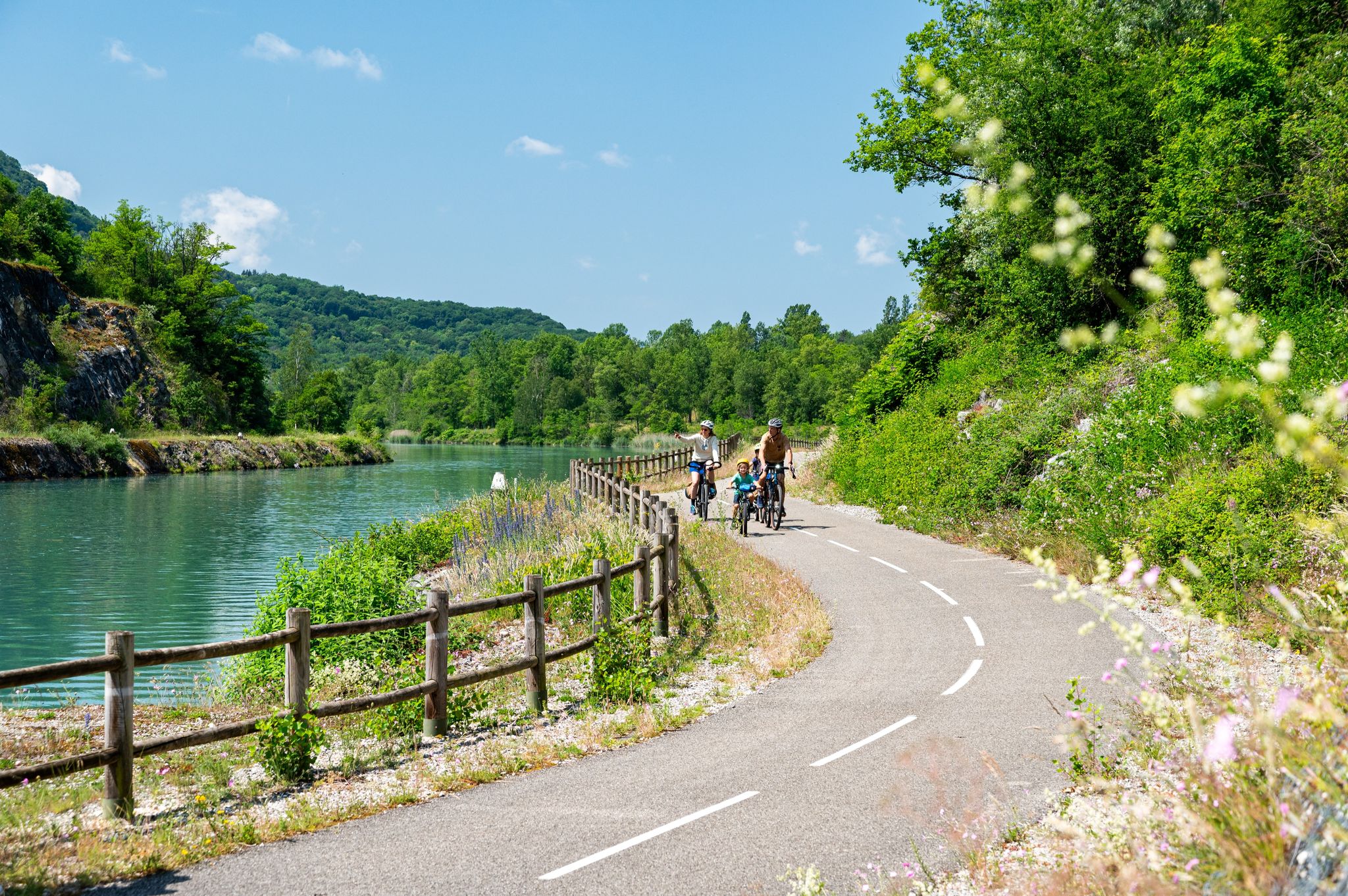
ViaRhôna — ride from the Alps to the Mediterranean

Traffic-free bike rides in the Rhone Delta

Traffic-free bike rides in the Rhone Delta
Other adventures in the Rhone Delta


Tips from the Community

The Tour Carbonnière is an old medieval watchtower located in the heart of the Camargue marshes. Built in the 13th century to control access to Aigues-Mortes, it served as a mandatory passage and a surveillance post. Today, it offers a remarkable viewpoint over the surrounding landscapes.
0
0

Magnificent view of the valleys, medieval city, and 3 sides to climb there (prefer the climb from Saint-Rémy if Mistral)
1
0

A site to visit A viewpoint and lots of information about this tower which served as a toll booth
0
0

From here you have a fantastic view of Baux de Provence.
3
0

"Treasures of the World – Heritage of Humanity" is the title of a television series that, through several hundred films, presents culture-loving viewers with sites from every continent and across centuries. Despite the diversity of each site, all have one thing in common: they have been declared UNESCO World Heritage Sites. One episode of the series – which I highly recommend – also focuses on ARLES, a city with a rich history and a wealth of cultural heritage. The film accompanying this highlight (although exclusively in German) can be viewed in the ARD Media Library as episode 124 of "Treasures of the World – Heritage of Humanity" at => https://www.ardmediathek.de/video/schaetze-der-welt/arles-frankreich-folge-124/swr/Y3JpZDovL3N3ci5kZS83MTc1OTMw
0
0

Frequently Asked Questions
How many traffic-free road cycling routes are available in the Rhone Delta?
The Rhone Delta offers a wide selection of traffic-free road cycling routes, with over 65 tours available. These routes cater to various skill levels, ensuring there's something for everyone.
What kind of terrain can I expect on no-traffic road cycling routes in the Rhone Delta?
The Rhone Delta is characterized by its predominantly flat terrain, making it ideal for accessible road cycling. You'll traverse diverse landscapes including extensive marshes, ponds, and lagoons, vast salt flats, and agricultural lands with rice and wheat fields. Some routes also offer refreshing Mediterranean coastal paths.
Are there easy, traffic-free road cycling routes suitable for beginners or families?
Yes, the flat topography of the Rhone Delta makes it very suitable for beginners and families. There are 23 easy routes designed for a relaxed pace. An excellent option is the ViaRhôna – Pont des Touradons – Carbonnière Tower loop from Port-Camargue, which is rated as easy and offers scenic views.
What natural attractions can I see along the traffic-free road cycling routes?
The Rhone Delta is rich in natural beauty. You can cycle past significant wetlands like Etang de Vaccares and Bataiyolles Pond, which are crucial habitats for diverse wildlife. Keep an eye out for pink flamingos, wild white Camargue horses, and black bulls. The Pink Salt Flats of Aigues-Mortes also offer a striking visual experience.
Are there any historical towns or landmarks to explore on these routes?
Absolutely! Many routes pass through or near charming historical towns. You can explore the ancient fortified town of Aigues-Mortes, known for its ramparts and vivid pink salt flats. Saintes-Maries-de-la-Mer, a significant pilgrimage site, features a 12th-century fortified church. The city of Arles, with its Roman arenas, also serves as a gateway to the Camargue. Consider the The Arles Amphitheatre – Paradou loop from Arles for a route that includes historical sights.
What is the best time of year to go road cycling in the Rhone Delta to avoid traffic and heat?
To enjoy the traffic-free routes without intense heat, the best times for cycling are typically autumn, spring, or winter. These seasons offer more comfortable temperatures, though you should be prepared for potential wind exposure, which is common in the delta.
Are there any circular traffic-free road cycling routes in the Rhone Delta?
Yes, many of the traffic-free routes in the Rhone Delta are designed as loops, allowing you to start and end at the same point. Examples include the Vauvert Greenway – Touradons bridge loop from Le Grau-du-Roi and the ViaRhôna – Pont des Touradons – Carbonnière Tower loop from Port-Camargue.
What do other road cyclists enjoy most about traffic-free cycling in the Rhone Delta?
The Rhone Delta is highly rated by the komoot community, with an average score of 4.27 stars from over 360 ratings. Reviewers often praise the region's unique flat topography, the abundance of wildlife, and the peaceful, car-free paths that allow for an immersive experience with nature.
Are there any specific long-distance cycling paths that are traffic-free?
Yes, a significant portion of the ViaRhôna, a major European cycle route, passes through the Rhone Delta. This route offers safe greenways and shared paths, providing extensive traffic-free sections that lead cyclists through the Camargue wetlands to destinations like Port-Saint-Louis-du-Rhône.
Can I find routes that combine natural scenery with cultural points of interest?
Many routes in the Rhone Delta offer a blend of natural beauty and cultural exploration. For instance, the Daudet's Mill – Paradou loop from Quartier Kilmaine allows you to experience both the unique landscapes and local heritage. You'll often find charming villages and historical sites nestled within the natural park.
What should I pack for a traffic-free road cycling trip in the Rhone Delta?
Given the open and often sunny nature of the delta, it's advisable to pack sun protection (sunscreen, hat, sunglasses), plenty of water, and layers of clothing to adapt to changing temperatures and potential winds. While routes are generally flat, some segments may have rough asphalt, so a comfortable bike and puncture repair kit are also recommended.
Most popular routes in the Rhone Delta
Most popular attractions in the Rhone Delta

Get inspired with the komoot mobile app


Explore more
Browse the best Road cycling routes in other regions.
