The best traffic-free bike rides in the Serra da Estrela Mountains
4.6
(8)
56
riders
12
rides
Gravel biking in the Serra da Estrela Mountains, Portugal's largest mountain range, offers diverse and rugged terrain. The region is characterized by dramatic alpine-type landscapes, shaped by ancient glaciers, featuring U-shaped glacial valleys, mountain lagoons, and imposing granite formations. Cyclists can expect a varied surface, including smooth packed earth, loose gravel, rocky sections, forest paths, and old Roman roads. This extensive network of trails provides significant elevation gains and challenging climbs, appealing to riders seeking demanding experiences.
Best no traffic…
Last updated: July 12, 2026
28.6km
02:55
480m
480m
Tackle the difficult Santa Luzia Reservoir Loop, a 17.7-mile gravel biking route with 1579 feet of elevation gain, taking around 2 hours and
61.2km
05:23
900m
900m
This difficult 38.0-mile gravel biking loop from Ansião in Terras de Sicó offers historical sites and scenic viewpoints.

Sign up for free
46.7km
04:58
1,250m
1,250m
This difficult 29.0-mile gravel biking loop around Albufeira de Santa Luzia da Casal de Lapa offers scenic mountain and dam views.
4.3
(3)
16
riders
90.9km
06:41
1,240m
1,250m
Hard gravel ride. Very good fitness required. Mostly paved surfaces. Suitable for all skill levels.
5
riders
79.1km
07:01
2,320m
2,330m
Hard gravel ride. Very good fitness required. Mostly paved surfaces. Suitable for all skill levels.
Get access to more routes and recommendations from other explorers.
Sign up for free
Already have an account?
Our route recommendations are based on thousands of hikes, rides, and runs completed by other people on komoot.
Start today with a free account
Your next adventure awaits.
Login or Signup
Popular around Serra da Estrela Mountains
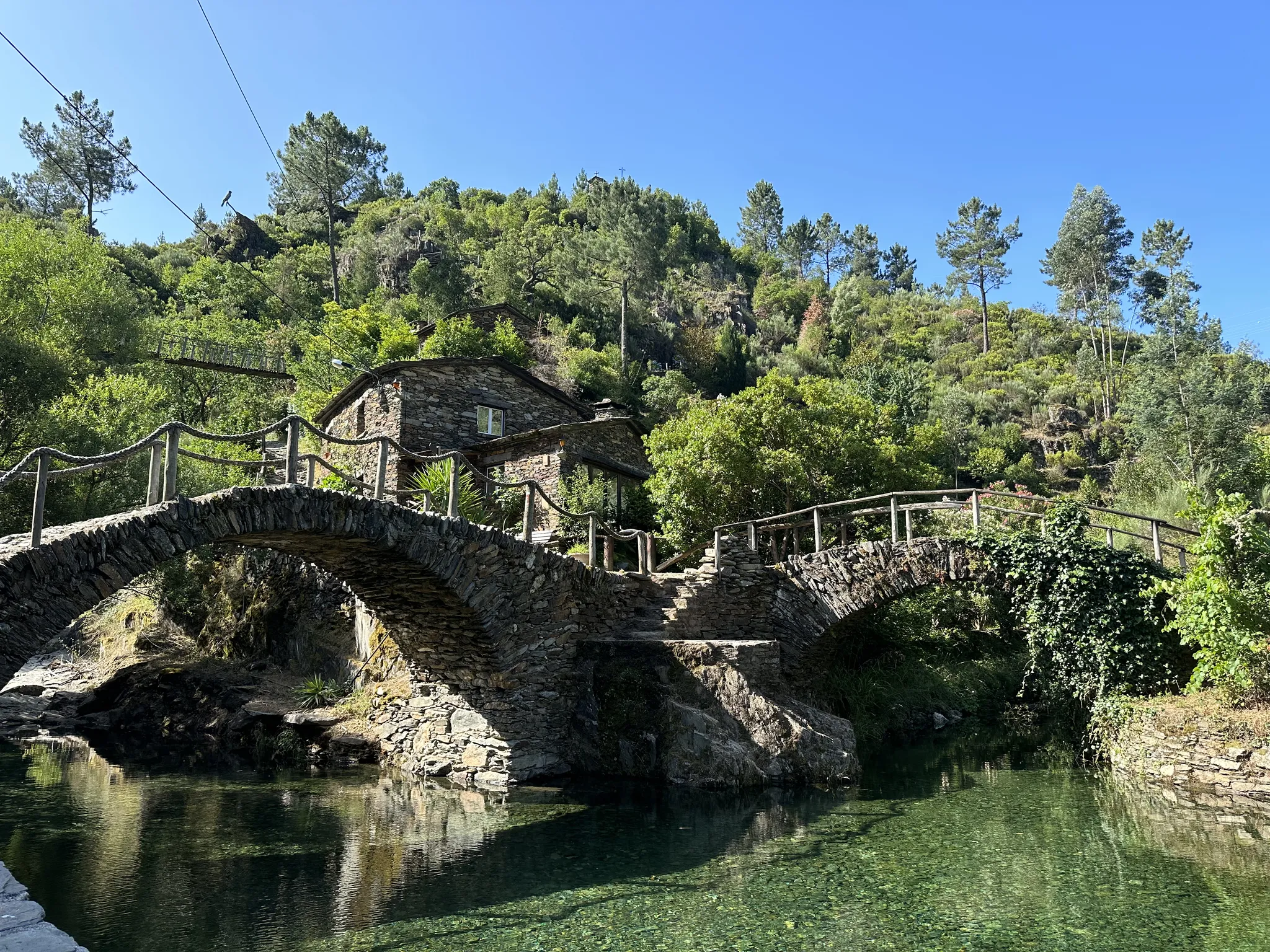
Great Route of Historic Villages (GR 22 south loop) – A nation is born
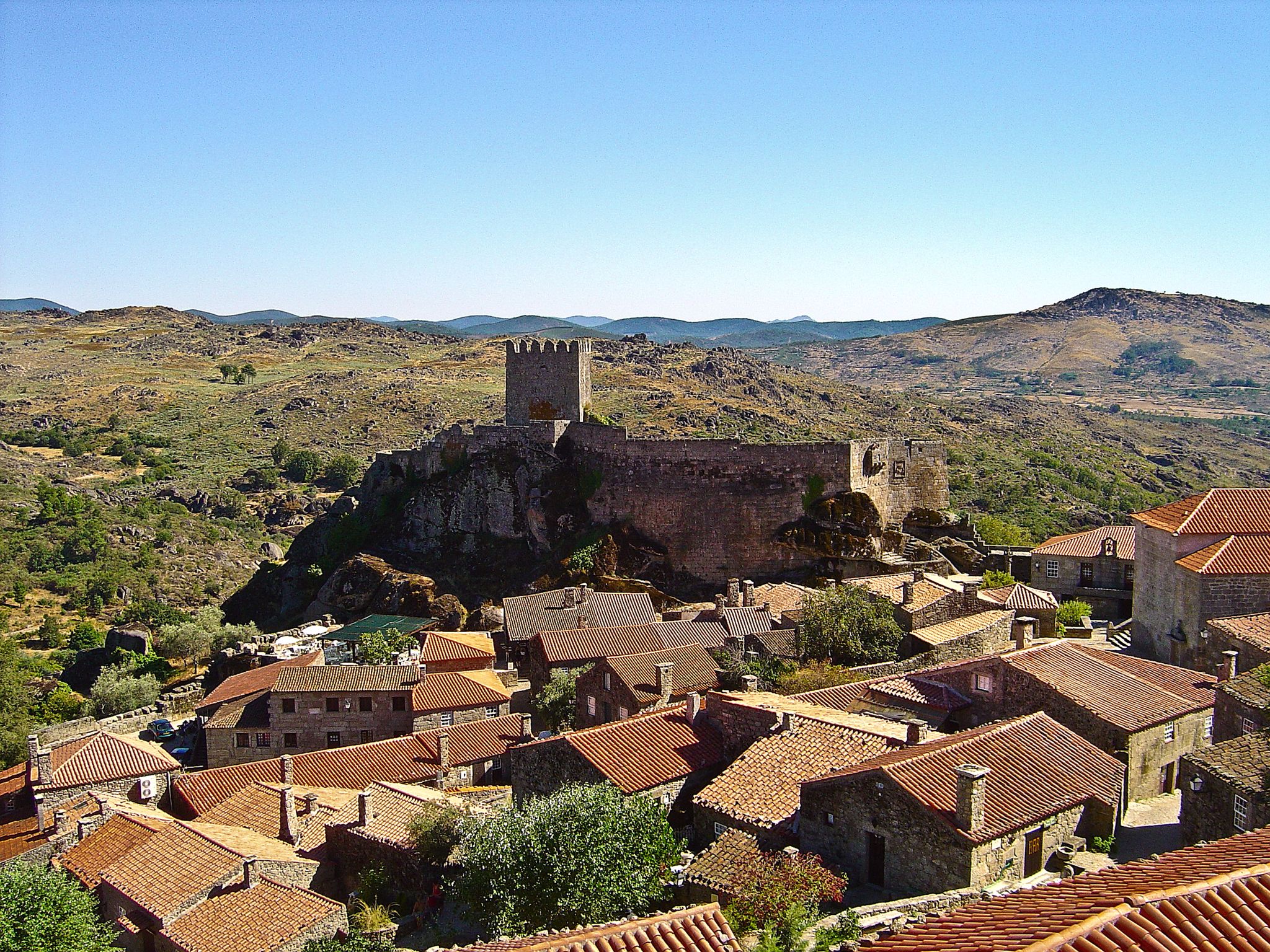
Great Route of Historic Villages (GR 22 north loop) - castles and valleys
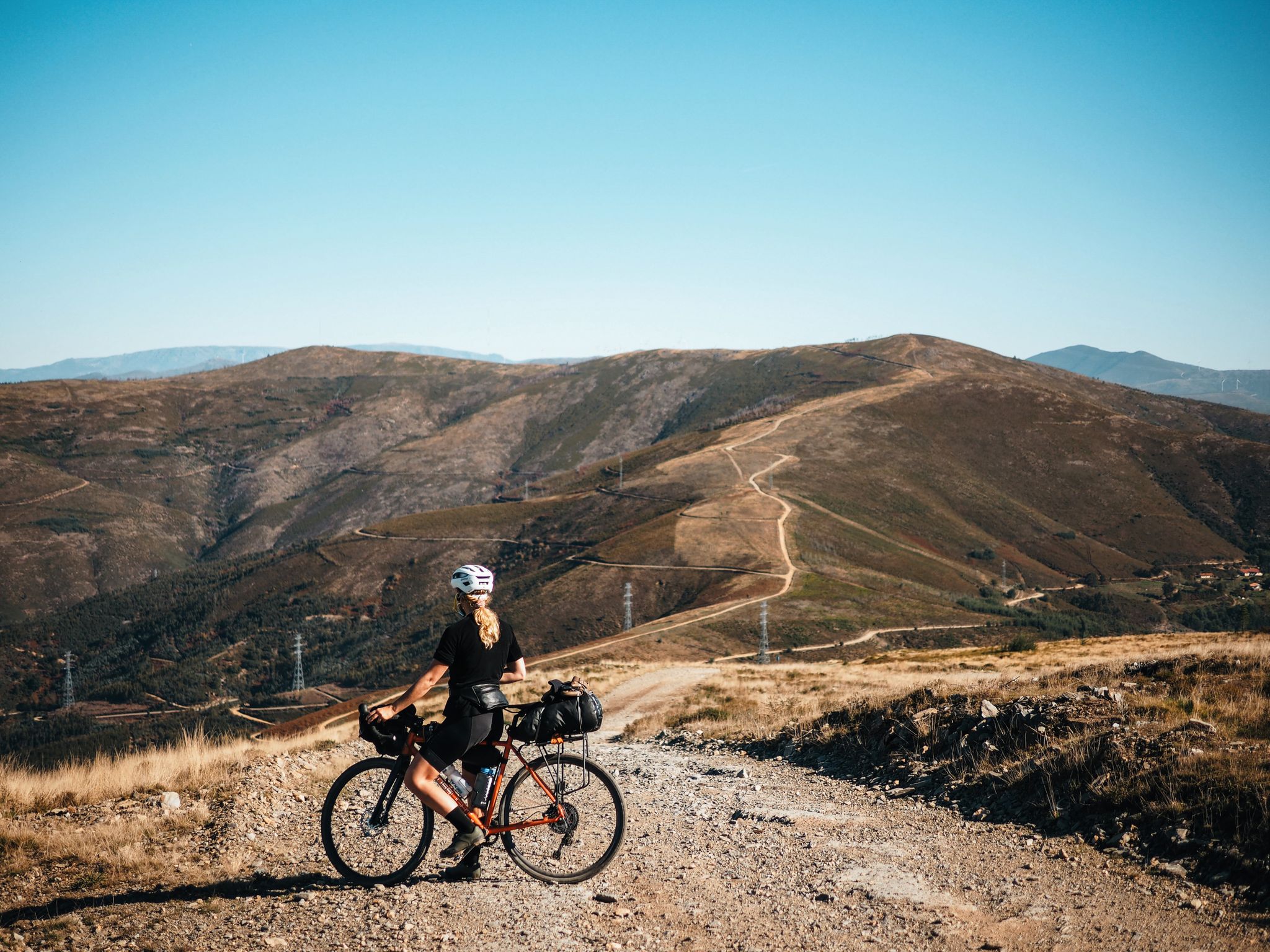
Bikepacking across the Portuguese mountains

Traffic-free bike rides in the Serra da Estrela Mountains
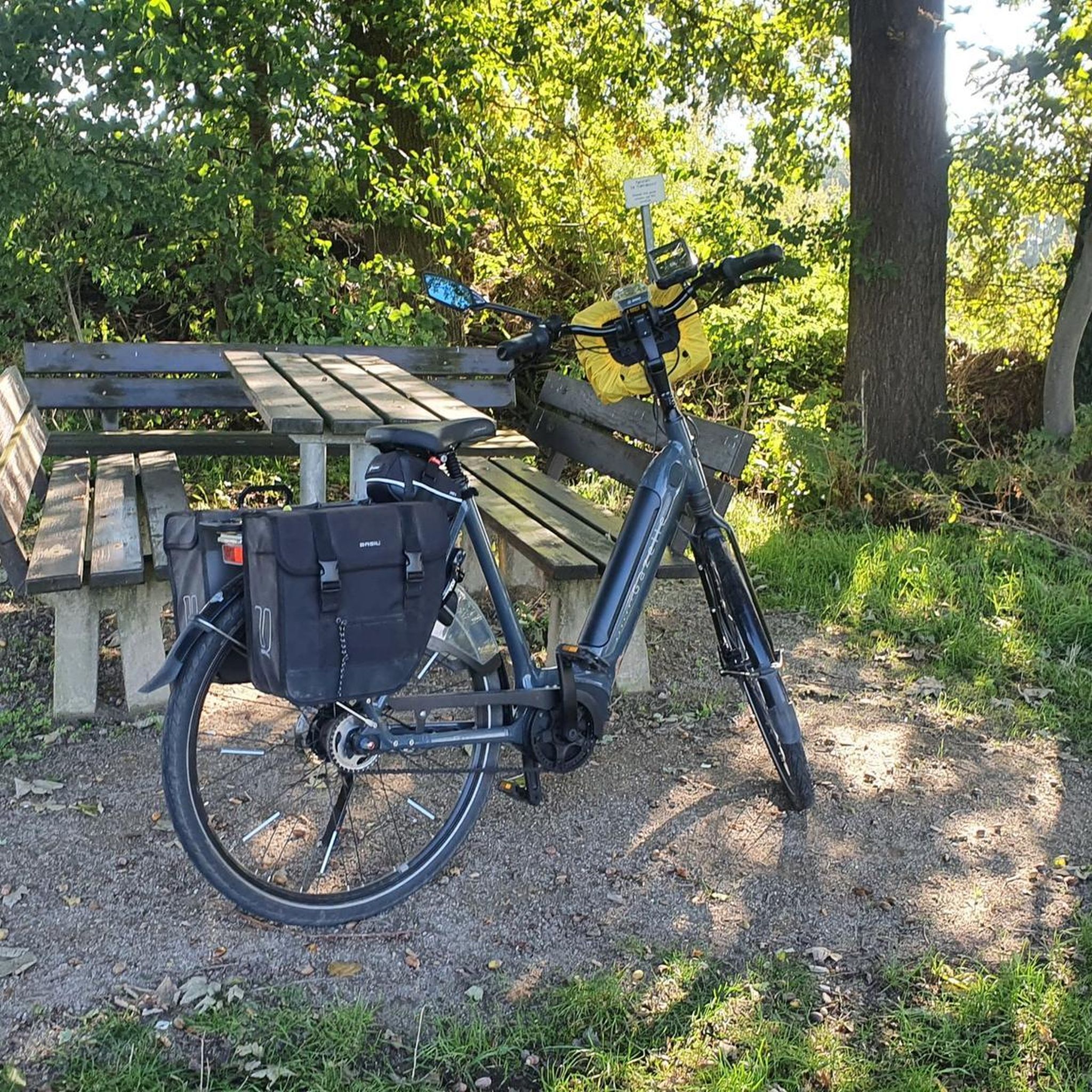
Traffic-free bike rides in the Serra da Estrela Mountains
Other adventures in the Serra da Estrela Mountains


Tips from the Community

Ansião is a Portuguese municipality of about 13,000 inhabitants located in the district of Leiria, in the historical region of Centro. This charming village is renowned for its strategic location along the Portuguese Way of Santiago de Compostela and for being immersed in the natural landscape of the Sicó limestone massif.
1
0

The Ponte Real (or Ponte Velha) over the Ceira River is located in the village of Góis, being one of the historical ex-libris of the region. This medieval-style bridge, later reformed, is an important tourist attraction, crossing the Ceira River, a left-bank tributary of the Mondego River, which originates in the Serra do Açor. Location: Center of the village of Góis, facilitating pedestrian access. Characteristics: Imposing structure with stone arches, typical of crossing constructions from the monarchical period. Surroundings: The Ceira River, near this area, offers river beaches highly sought after during the summer, standing out for the quality of the water and tranquility. History: It is part of the built heritage from the Manueline/medieval period of the region.
1
0

Known as Serra da Portela or Serra do Anjo da Guarda, this is a natural viewpoint overlooking the Pousaflores Valley, where the landscape is filled with life and aromas. Wild orchids, rupicolous plants, "cucas" (a type of gourd), wormwood, and the fresh scent of thyme, which wafts away with every step, flourish among the limestone rocks. Here, atop Monte da Ovelha, human presence has left its mark: traditional windmills, a small chapel dedicated to the Guardian Angel, the Stations of the Cross for Good Friday, and initiatives celebrating bread and cornbread. It's also a place made for lingering: sitting at a table, lighting a grill, or simply gazing out.
1
0
At the entrance to Ansião, the Ponte da Cal bridge crosses the serene Nabão River. Built in the 17th century, it formed part of the old road axis between Coimbra and Lisbon and reveals, beneath its two perfect arches, curious marks sculpted by time. Popular memory links it to the passage of Queen Saint Isabel, inspiration for the old bathing tanks next to the bridge (one for women, the other for men). Legend says that the waters became miraculous after the queen refreshed herself here, giving rise to the famous "holy baths". The small chapel was built to mark this devotion.
1
1
The Santiago da Guarda Monumental Complex is an unmissable stop, where history unfolds in layers. Classified as a National Monument, it stands out for its Manueline elegance, its 14th-century manor tower, and the impressive Roman mosaics that reveal an ancient villa from the 4th and 5th centuries. The old road between Tomar and Coimbra passed through here, later used by pilgrims on their way to Santiago. Surrounded by the limestone landscape and oak groves of the Serra de Sicó, the place invites you to slow down and take a deep breath. Take the opportunity to chat with the hospitable people.
1
0
The windmills of Corujeiras are a valuable testament to the rural heritage of Sicó. Two types of windmills coexist here: the traditional rotating ones and those of North American influence, dating from the late 19th century, unique in Europe. It is said that an emigrant returning from the United States commissioned the construction of ten of these windmills, of which only five have withstood the test of time, preserving the memory of an ingenuity that crossed oceans.
1
0

A charming historic bridge located in the municipality of Ansião, in the district of Leiria, Portugal. Probably built in the 17th century, this arched structure consists of two full arches and a gently sloping trestle deck. Beneath one of the arches is a stone basin, which, according to local tradition, was used by Queen Saint Isabel to bathe during her visits to the region.
5
1

Ansião is a Portuguese town in the Leiria District, in the former province of Beira Litoral and part of the Leiria Region in Central Portugal, with approximately 2,700 inhabitants. It is the seat of the Municipality of Ansião, which has an area of 176.09 km² and 11,632 inhabitants, subdivided into six parishes.
2
0
Frequently Asked Questions
How many no-traffic gravel bike trails are available in the Serra da Estrela Mountains?
There are 12 dedicated no-traffic gravel bike trails in the Serra da Estrela Mountains, offering a variety of experiences for different skill levels. You'll find routes ranging from moderate to difficult, ensuring a challenging yet rewarding ride through the region's stunning landscapes.
What kind of terrain can I expect on these gravel bike trails?
The Serra da Estrela Mountains offer a diverse and rugged terrain for gravel biking. You can expect a mix of smooth packed earth, loose gravel, rocky sections, and forest paths. The region's glacial valleys and granite formations provide varied surfaces, with significant elevation gains and challenging climbs, sometimes reaching gradients up to 15%.
Are there any family-friendly no-traffic gravel bike routes?
While many routes in Serra da Estrela are challenging, there are options suitable for families or those seeking an easier ride. For example, the Santa Luzia Reservoir Loop offers a more accessible experience, allowing you to enjoy the scenic beauty without extreme difficulty.
What natural attractions can I see along the no-traffic gravel bike trails?
The trails often pass by spectacular natural features. You might encounter the highest point in mainland Portugal, Torre, or the unique bell-mouth spillway of Covão dos Conchos. Other highlights include the impressive granite formation of Cântaro Magro and the serene Long Lake.
What is the best time of year for gravel biking in the Serra da Estrela Mountains?
The summer months are generally recommended for gravel biking in Serra da Estrela due to stable weather conditions and pleasant temperatures, especially at higher altitudes. However, spring and early autumn can also offer excellent riding with vibrant landscapes and cooler temperatures, though you should always check local weather forecasts before heading out.
Are there any circular no-traffic gravel bike routes?
Yes, several routes are designed as loops, allowing you to start and end in the same location. An example is the Terras de Sicó Loop from Ansião, which provides a comprehensive tour of the landscape without needing a return trip arrangement.
What do other gravel bikers enjoy most about the Serra da Estrela Mountains?
The Serra da Estrela Mountains are highly rated by the komoot community, with an average score of 4.5 stars. Reviewers often praise the region's stunning, rugged landscapes, the challenging climbs, and the extensive network of ancient paths that offer a true escape from traffic and an immersive outdoor experience.
Can I find places to eat or stay near the gravel bike trails?
Yes, the region has several charming villages that offer amenities. Manteigas, nestled in the Glacier Valley, is a good starting point with options for food and accommodation. Other historic villages like Piódão and Belmonte also provide opportunities for refreshments and overnight stays, often featuring traditional local cuisine.
Are there opportunities for wildlife spotting while gravel biking?
The Serra da Estrela Natural Park is a UNESCO Global Geopark with a rich biodiversity. While biking, you might spot various wildlife, including golden eagles soaring overhead, boars, otters, and foxes, particularly in quieter, more remote sections of the trails. Maintaining a respectful distance and quiet observation will increase your chances.
What are the typical distances and elevation gains for these no-traffic routes?
The no-traffic gravel routes in Serra da Estrela vary significantly in length and elevation. For instance, the Gravosfera - Sheep Hill – Districts Trail loop from Ansião covers approximately 90 km with over 1200 meters of elevation gain, while the Royal Bridge over the Ceira River – Vieiro loop from Góis is around 79 km with over 2300 meters of climbing, indicating the challenging nature of many trails.
Is public transport available to access the trailheads?
Accessing some trailheads in the Serra da Estrela Mountains can be challenging with public transport due to the mountainous and rural nature of the region. While some larger towns like Covilhã and Seia have bus connections, reaching specific, more remote starting points for gravel trails often requires private vehicle transport. It's advisable to research specific route access points beforehand.
Most popular routes in the Serra da Estrela Mountains
Most popular attractions in the Serra da Estrela Mountains

Get inspired with the komoot mobile app


