The best volcano hikes and walks around Haleakala
4.7
(372)
5,810
hikers
7
hikes
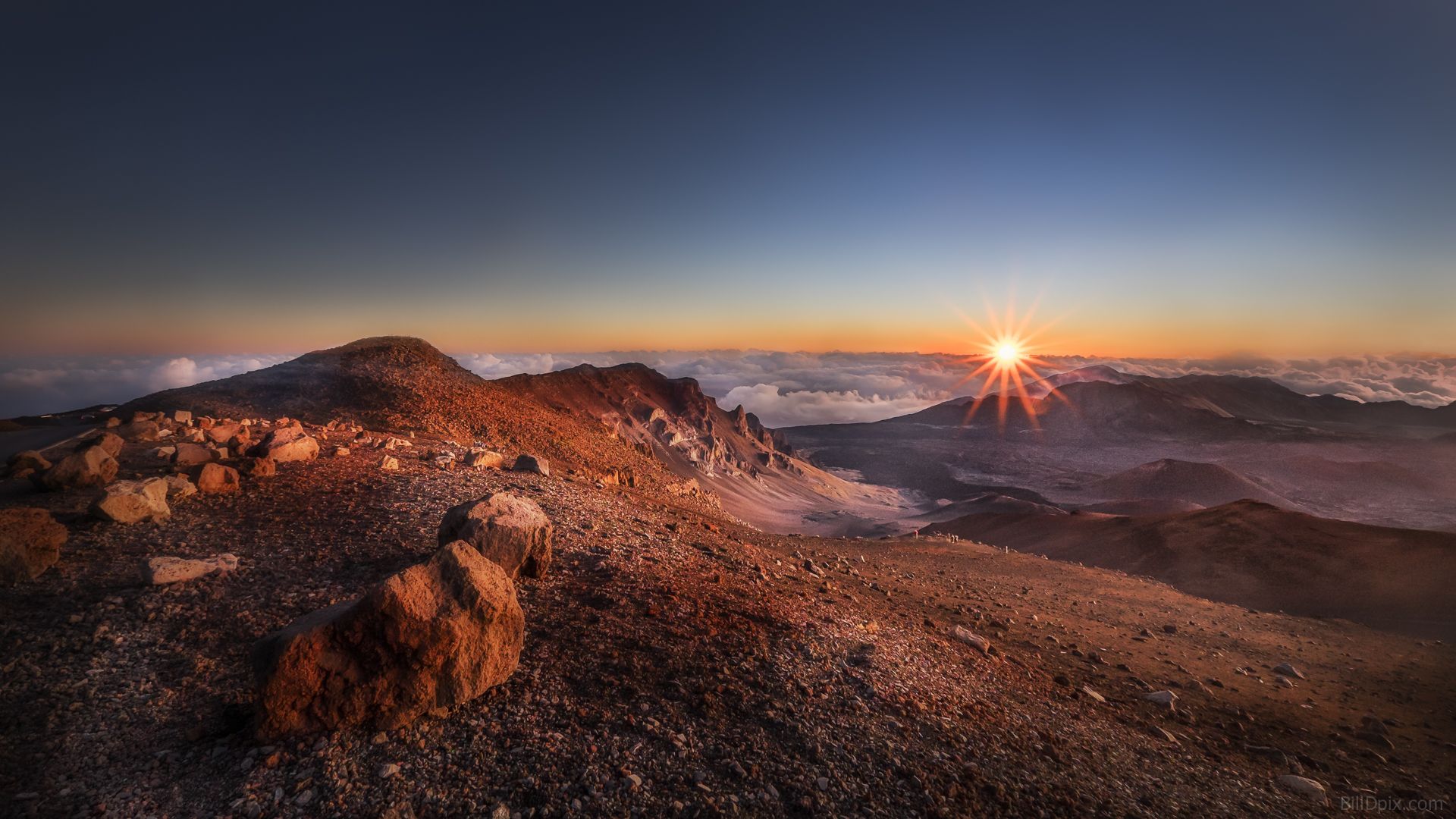
Hiking around Haleakala offers diverse experiences across a unique volcanic landscape. The region features a vast erosional valley dotted with numerous cinder cones and ancient lava flows. Hikers can explore distinct climate zones, from high-altitude subalpine and alpine deserts to lush rainforests. This varied terrain supports endemic flora and fauna, providing a rich natural environment for exploration.
Best volcano hiking trails around Haleakala
- The most popular volcano hiking route is Sliding Sands and Halemau'u Trail Loop, a 14.2 miles…
Last updated: June 24, 2026
5.0
(17)
126
hikers
22.8km
07:13
910m
910m
Hard hike. Very good fitness required. Easily-accessible paths. Suitable for all skill levels.
5.0
(1)
5
hikers
14.8km
04:30
530m
530m
Moderate hike. Good fitness required. Easily-accessible paths. Suitable for all skill levels.

Sign up for free
5.0
(1)
4
hikers
9.78km
02:54
300m
300m
Moderate hike. Good fitness required. Easily-accessible paths. Suitable for all skill levels.
4.8
(9)
168
hikers
5.78km
01:44
190m
190m
Easy hike. Great for any fitness level. Easily-accessible paths. Suitable for all skill levels.
5.0
(3)
69
hikers
3.13km
00:53
70m
70m
Easy hike. Great for any fitness level. Easily-accessible paths. Suitable for all skill levels.
Get access to more routes and recommendations from other explorers.
Sign up for free
Already have an account?
Our route recommendations are based on thousands of hikes, rides, and runs completed by other people on komoot.
Start today with a free account
Your next adventure awaits.
Login or Signup



Tips from the Community

Actually a hiking trail, but it shouldn't stop you...start as early as possible!
1
0
It's rather unusual to run at this altitude, but it's still MEGA
1
0

This is a wonderful drive on an excellent road up to 3060 m altitude. We drove partly through clouds and short before the summit it cleared up and we got awarded with an outstanding view around the island.
0
0

Haleakalā's summit currently resides at 10,023 feet. It is believed that it once sat at 15k feet, but it is so heavy that the volcano is sinking into the earth's crust. Today, the volcano is 28,000 feet above the sea floor making it the THIRD tallest mountain on earth!
0
0
This volcanic rock road/trail takes you to the majestic peak and offers uninterrupted views the entire way! Being that you are on a ridge line, you can see almost the entirety of Maui at different point as you climb the volcano.
0
0

This trail leads into the crater of Haleakalā Volcano, also known as Keonehe'ehe'e. This most stunning route section offers panoramic views that defy the imagination. As you continue your run down the trail, be aware of the loose gravel, as it can cause loose rocks and sand to find their way into your shoes. The descent can also be deceiving, so watch your energy for the challenge back to the trailhead.
0
0
Split Rock is a large rock cut in half, and the Keonehe'ehe'e trail passes between the two parts. Here, the endangered Haleakala silverswords grow, and it's crucial to avoid touching them. These delicate 'ahinahina live for 3-90 years, producing a stunning flowering stalk before scattering their seeds. Park staff protect them by fencing out silversword-munching ungulates, removing non-native plants, and educating visitors to stay on trails and avoid stepping on fragile seedlings.
0
0
The Visitor Center is open daily, with outside accessible restrooms available 24 hours daily. Inside, there are panoramic orientation tables of the landscape and knowledgeable staff that can provide information on the history of Haleakalā, which means house of the sun, and its importance to the indigenous peoples. The view from here is stunning, and if you plan early, this is an excellent spot to watch the sunrise, which has been a visitor attraction since the late 1800s.
0
0
Frequently Asked Questions
How many volcano hiking trails are there in Haleakala?
Haleakala offers a selection of dedicated volcano hiking trails. Our guide features 7 distinct routes, ranging from easy strolls to challenging full-day adventures, allowing you to explore the unique volcanic landscapes.
Are there family-friendly or beginner-friendly volcano hikes in Haleakala?
Yes, Haleakala National Park has options suitable for families and beginners. For an easier experience, consider the Summit Building – Haleakalā Visitor Center loop from Pan-STARRS, which is an easy 5.7 km hike. Another accessible option is the Haleakalā Visitor Center – Summit Building loop from Pan-STARRS, a shorter 3.1 km easy route. These trails offer stunning views without extreme elevation changes.
What are some of the unique geological features I can see on Haleakala's volcano trails?
Hiking in Haleakala allows you to witness incredible geological features. The vast Haleakala Crater, an erosional valley, is dotted with numerous striking cinder cones like Halāliʻi. You'll also encounter ancient lava flows and *pu'u* (hills denoting old eruption sites). The landscape often feels like walking on Mars, especially on trails descending into the crater.
What is the best time of year to hike the volcano trails in Haleakala?
Haleakala's climate varies dramatically with elevation. The summit area can be cold and windy year-round, while lower elevations are milder. Generally, the dry season from April to October offers more stable weather conditions for hiking. However, be prepared for sudden weather changes at any time, especially at higher altitudes.
What should I wear and bring for a volcano hike in Haleakala?
Due to the diverse climates, layering is crucial. Even on warm days, temperatures at the summit can drop significantly, especially before sunrise or after sunset. Bring warm layers (jacket, hat, gloves), sturdy hiking boots, plenty of water, sun protection (sunscreen, hat, sunglasses), and snacks. The air is thinner at high altitudes, so staying hydrated is important.
Are there any loop hikes available within or around the Haleakala Crater?
Yes, for a challenging and immersive experience, consider the Sliding Sands and Halemau'u Trail Loop. This difficult 22.8 km route descends into the crater and offers extensive views of the volcanic landscape before looping back, providing a comprehensive exploration of the crater's unique environment.
What permits or reservations are needed for hiking in Haleakala National Park?
While general hiking permits are not typically required for day hikes within Haleakala National Park, a park entrance fee is necessary. If you plan to visit the summit for sunrise, a separate reservation is required for vehicles entering the Summit District between 3:00 AM and 7:00 AM. For the most current information on fees and reservations, it's best to check the official National Park Service website: nps.gov/hale.
What can I see along the volcano hiking trails besides the main crater?
Beyond the main crater, you can discover various natural attractions. The Summit Building offers panoramic views, and the Pā Ka'oao Overlook provides another excellent vantage point. You might also encounter unique geological formations like Split Rock along the Keonehe‘ehe‘e Trail. In the Kīpahulu District, though further afield, you can find the impressive Waimoku Falls.
Is public transport available to reach the Haleakala volcano trails?
Public transport options directly to the Haleakala National Park summit and trailheads are very limited or non-existent. Most visitors access the park by private vehicle or tour bus. Consider carpooling or booking a guided tour if you don't have personal transportation.
What is the dog policy for hiking on Haleakala's volcano trails?
Dogs are generally not permitted on hiking trails within Haleakala National Park, including the volcano trails, to protect the park's fragile ecosystems and native wildlife. They are typically only allowed in parking lots and on paved roads. Always check the official National Park Service website for the most up-to-date pet regulations before your visit.
Are there any less crowded volcano hikes in Haleakala?
While the main crater trails can be popular, especially during peak times, you might find fewer crowds on routes like the Skyline Trail. This moderate 14.8 km route offers a different perspective of the volcanic landscape. Additionally, hiking during off-peak hours (mid-day) or weekdays can help avoid the busiest times.
What do other hikers enjoy the most about hiking in Haleakala?
The area is highly rated by the komoot community, with an average score of 4.7 stars. Reviewers often praise the otherworldly volcanic landscapes, the breathtaking sunrise and sunset views from the summit, and the unique experience of hiking through diverse ecosystems, from alpine desert to lush rainforests.
Most popular routes around Haleakala
Most popular attractions around Haleakala

Get inspired with the komoot mobile app


Explore more
Browse the best Hikes in other regions.
