The best hikes from bus stations in Lot-et-Garonne
4.5
(2494)
12,201
hikers
123
hikes
Bus station hiking trails in Lot-et-Garonne offer access to a diverse landscape characterized by river valleys, rolling countryside, and extensive forests. The region, situated in southwestern France, features the Lot and Garonne rivers, which define much of its natural beauty with their banks and associated canals. Hikers can expect to traverse agricultural lands, including orchards and vineyards, alongside wooded areas and tranquil lakes. The terrain generally consists of gentle hills and varied paths, providing options for different ability levels.
Best…
Last updated: July 11, 2026
4.5
(11)
42
hikers
10.9km
02:57
150m
150m
Moderate hike. Good fitness required. Easily-accessible paths. Suitable for all skill levels.
4.9
(7)
31
hikers
10.8km
03:03
230m
230m
Moderate hike. Good fitness required. Easily-accessible paths. Suitable for all skill levels.

Sign up for free
4.7
(3)
47
hikers
4.32km
01:17
130m
130m
Easy hike. Great for any fitness level. Easily-accessible paths. Suitable for all skill levels.
4.6
(5)
39
hikers
5.69km
01:46
210m
210m
Easy hike. Great for any fitness level. Easily-accessible paths. Suitable for all skill levels.
40
hikers
3.69km
00:56
10m
10m
Easy hike. Great for any fitness level. Easily-accessible paths. Suitable for all skill levels.
Get access to more routes and recommendations from other explorers.
Sign up for free
Already have an account?
Our route recommendations are based on thousands of hikes, rides, and runs completed by other people on komoot.
Start today with a free account
Your next adventure awaits.
Login or Signup
Popular around Lot-et-Garonne
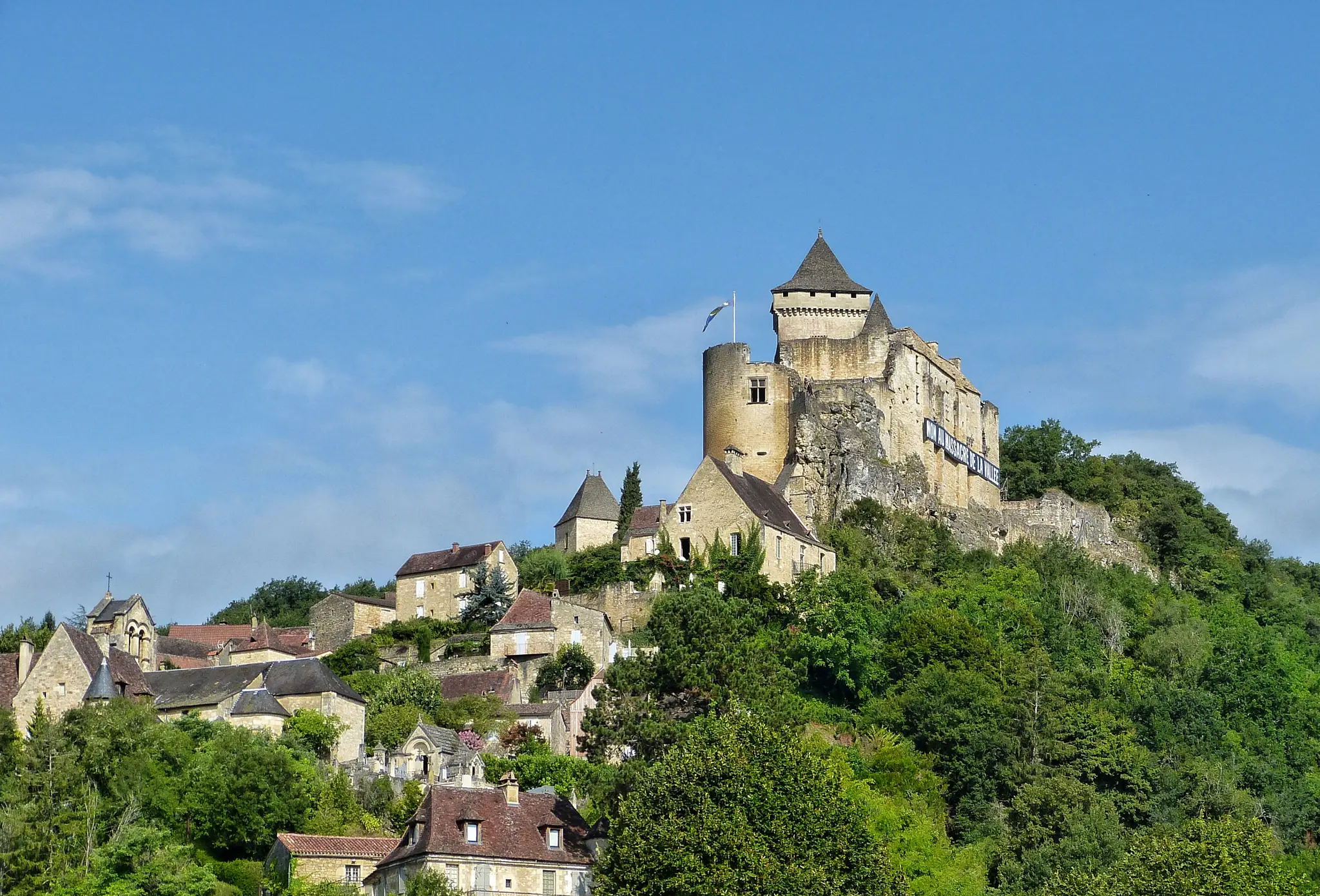
Le sud Sarladais — the Grand Tour of the Périgord noir
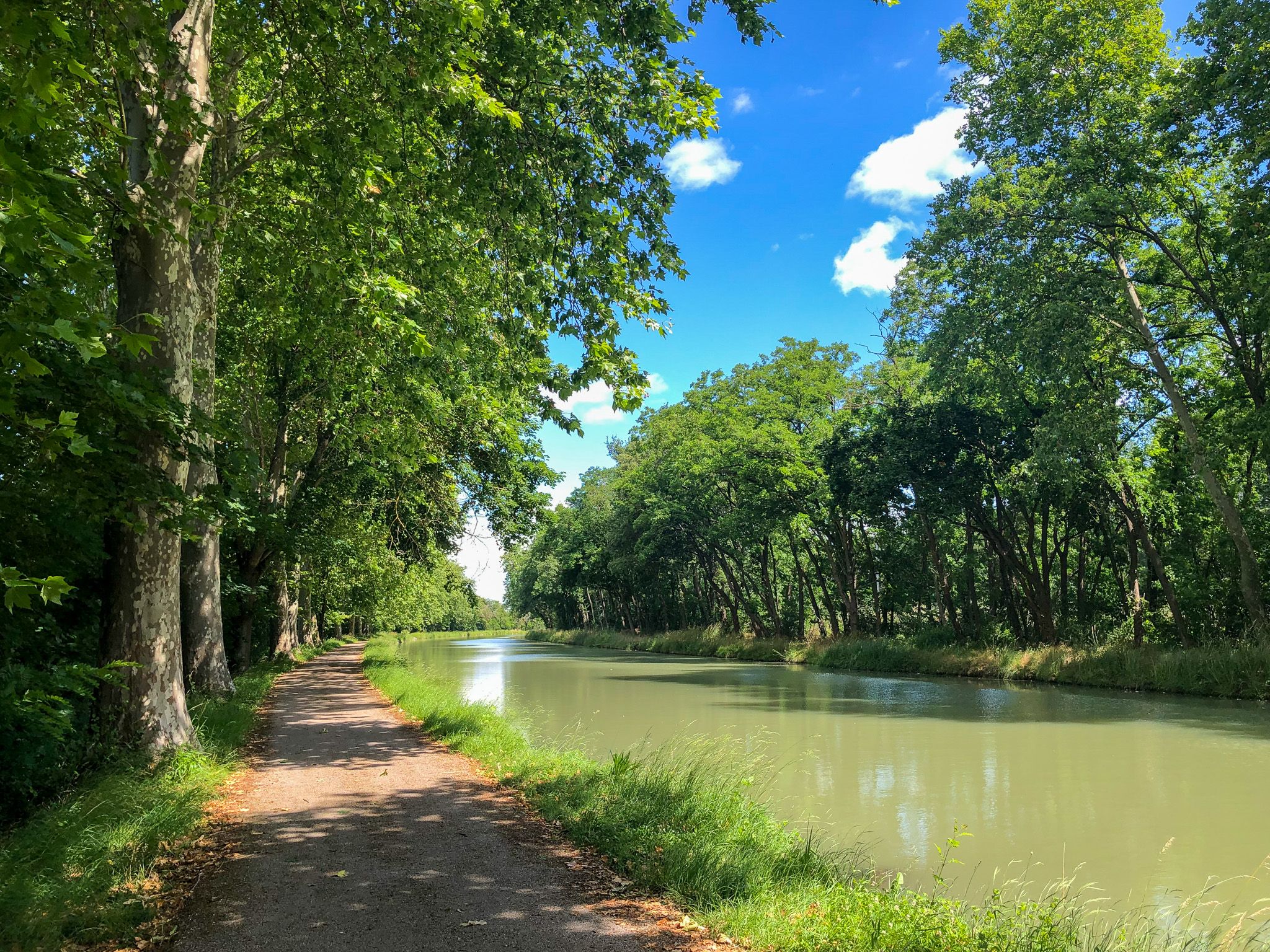
Canal de Garonne – Escape between Agen and Toulouse
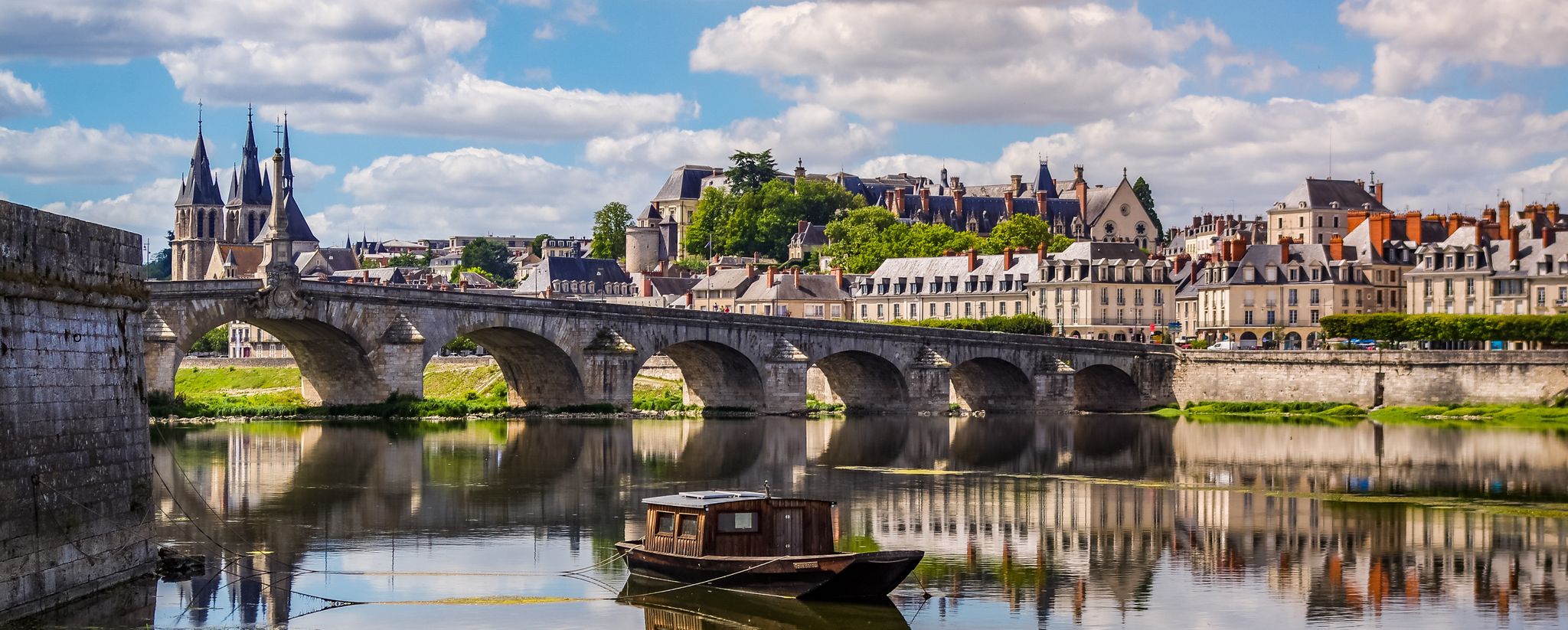
EuroVelo 3 – A cycling pilgrimage from Norway to France
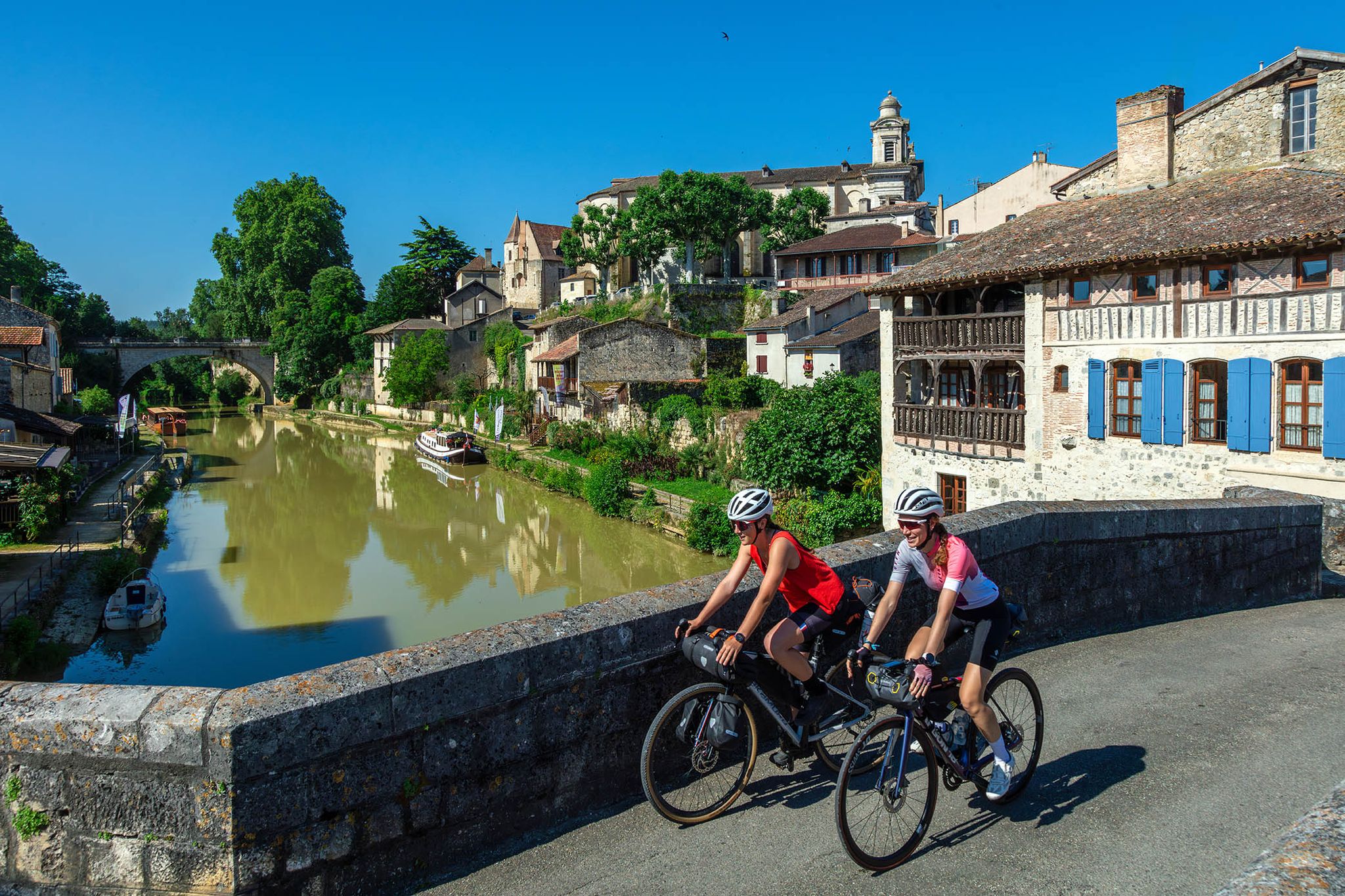
The most beautiful rides of Lot-et-Garonne by bike
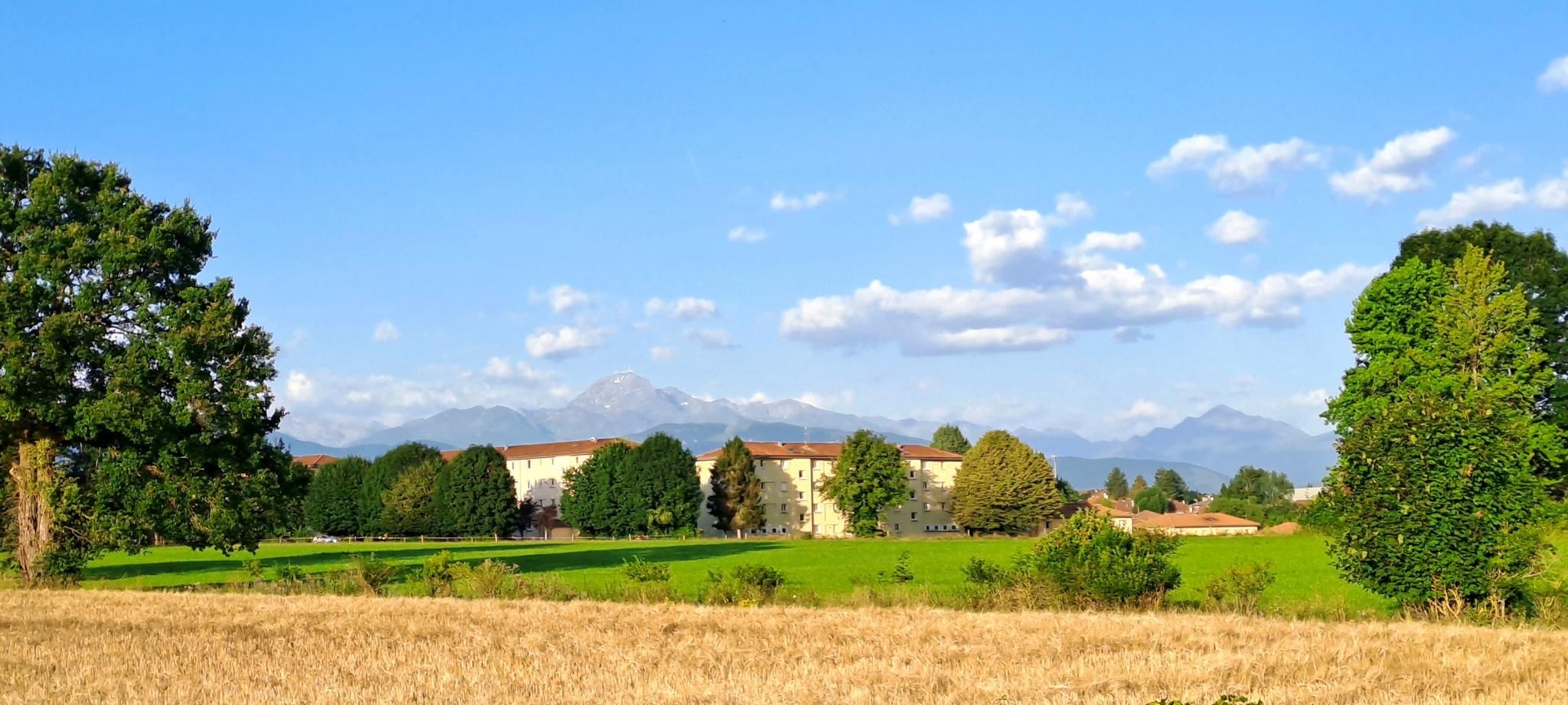
Take the tangent — The Baïse Valley cycle route
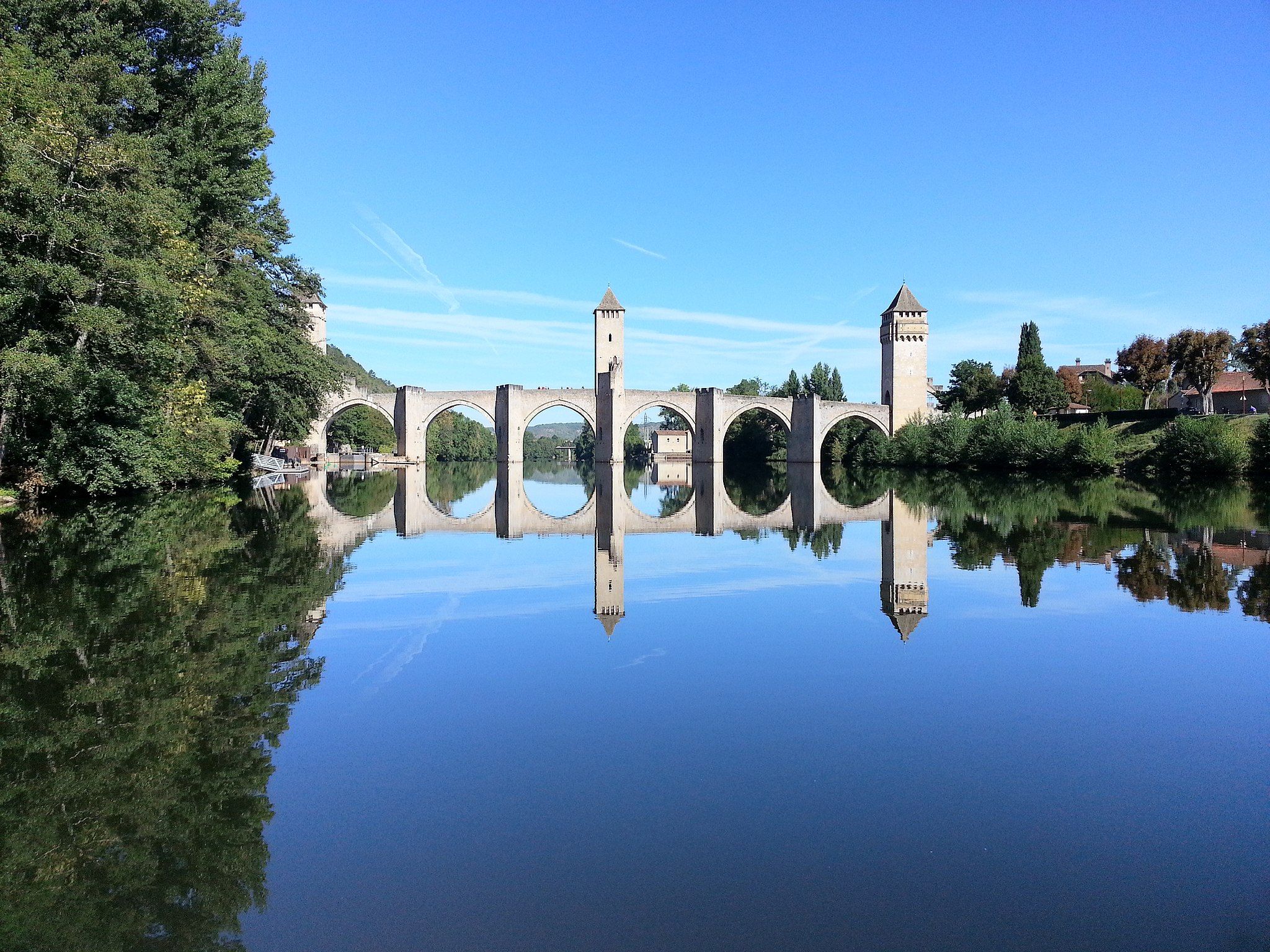
Along water and time – France’s Lot Valley Véloroute
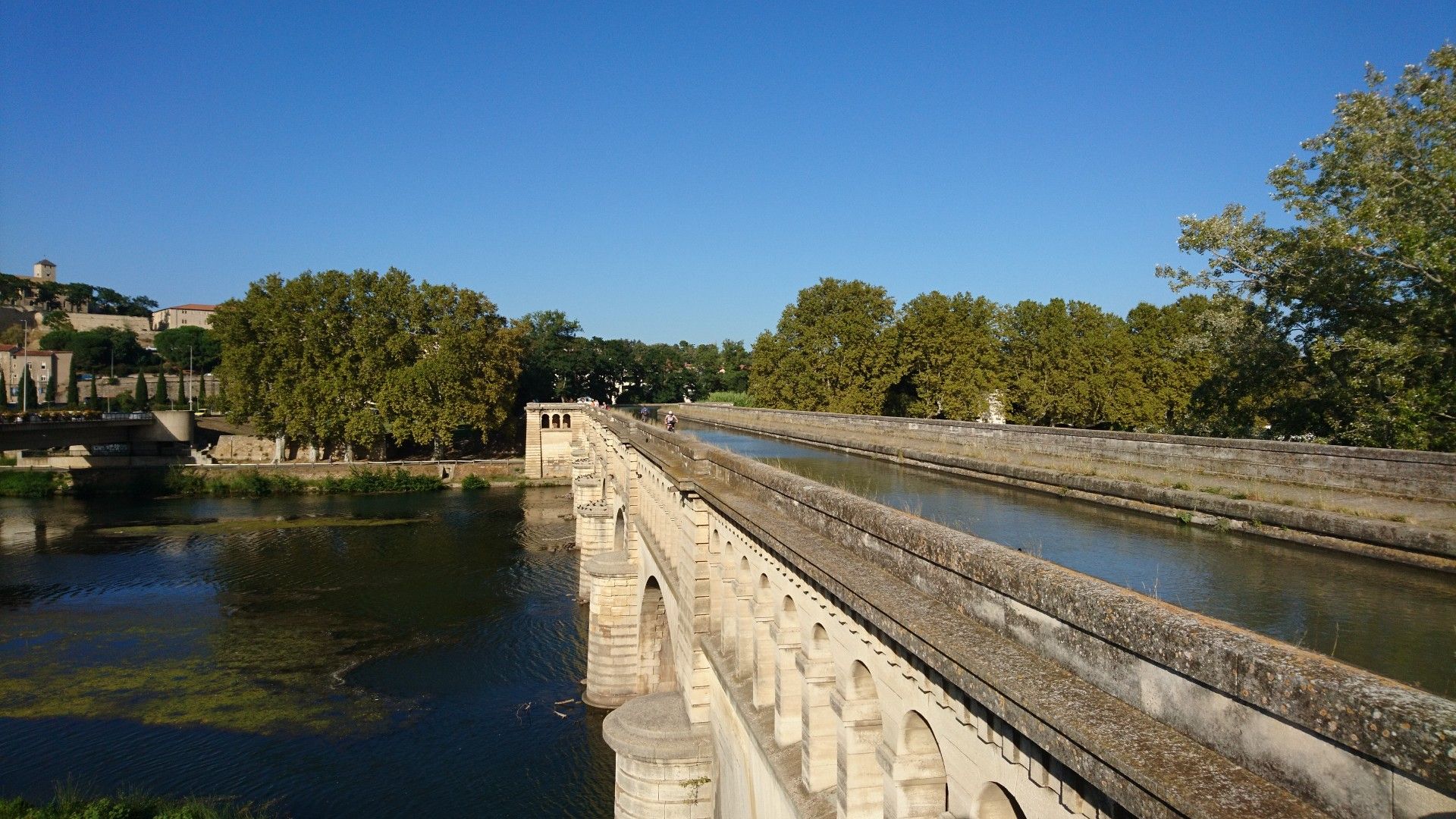
A river adventure – Canal des Deux Mers by bike
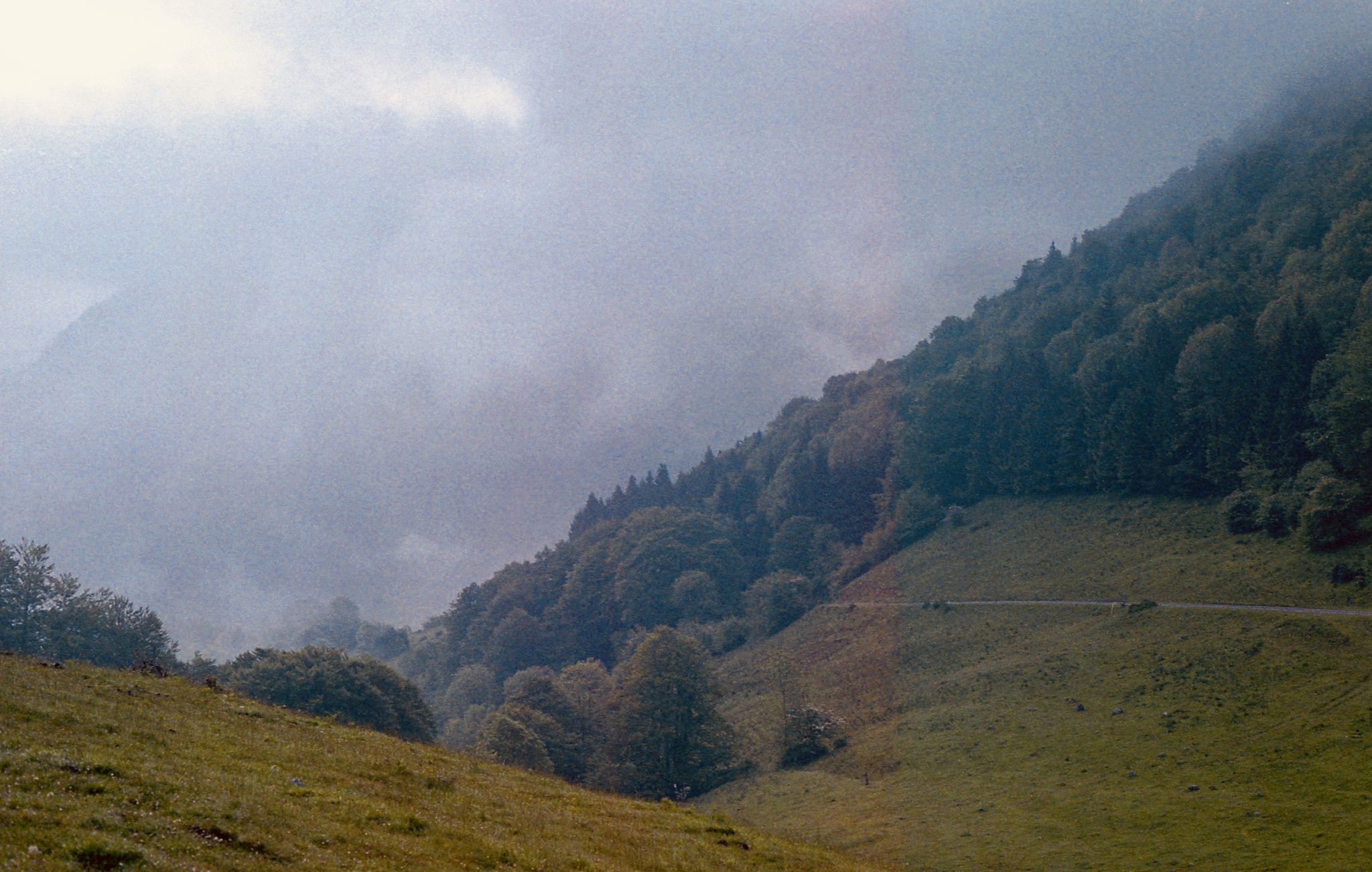
Tracing your route -- Solo from Paris to the edges of the Pyrenees
Other adventures in Lot-et-Garonne


Tips from the Community

The Château Henri IV of Nérac, former residence of the lords of Albret, bears witness to the city's rich Renaissance past. Overlooking the Baïse, it was one of the living places of the future King Henri IV and remains today a must-see to discover the history of Albret.
0
0

A primitive building dedicated to Saint Mark existed from the medieval period. It was destroyed by the Protestants in 1562. The current church succeeded it in 1868, and was designed by the architect Verdier. It is dedicated to Our Lady. In the shape of a Latin cross, it has a single ribbed vault. The bell tower, perched on the ridge of the west facade, is topped with a long spire. Above the portal, the facade is pierced by three lancet stained-glass windows. It is adorned with two pinnacles.
0
0
A primitive building was consecrated by Pope Urban II in 1096. It was the priory church of the Benedictines. It became a parish church after the priory was sold in 1666. In 1697, the bell tower collapsed. In 1749, the church was in danger of collapse. The current church was rebuilt between 1758 and 1785. During the Revolution, the church became the "supreme temple." In 1855, the bell towers were added and the sacristy was rebuilt. The church, in the shape of a Latin cross, includes a nave. Its façade is adorned with four fluted pilasters with Ionic capitals supporting a triangular pediment. The stained-glass windows are from the 19th century. They depict scenes from the life of Saint Joseph, the Agony of Christ, scenes from the life of the Virgin, Pentecost, Saint Louis, Saint John the Baptist, and the Immaculate Conception. The prophets and kings of Israel can be seen: Abraham, Daniel, Abel, Noah, Moses, Elijah, Aaron, Melchizedek, sibyls, as well as a Virgin and Child, a Pietà, and the coat of arms of Abbot de Vivie.
0
1
Nérac Castle was founded in the 14th century, within a medieval town surrounded by walls and backing onto the Baïse River. Beginning in 1491, Alain d'Albret modernized this first tower and had three wings built. The west wing included the drawbridge and service rooms, the north wing housed Jeanne d'Albret's apartments, and the east wing constituted the main building of the castle. It was in this castle that Marguerite de Navarre, sister of Francis I and author of the Heptaméron, lived. A committed humanist, she brought Jacques Lefèvre d'Étaples, nicknamed the French Erasmus, to Nérac. Jeanne d'Albret, her daughter, was also sensitive to the ideas of her time and brought Théodore de Bèze to her court, before converting to Protestantism. It was in this context that Henry III of Navarre, the future King Henry IV, lived. He lived in this château for about ten years with Queen Marguerite de Valois, known as Queen Margot. The latter was responsible for the creation of the 3000-Step Avenue in the Parc de la Garenne, along the Baïse. This avenue, punctuated over the years with new fountains, was then surrounded by walls and accessible from the château by a bridge. The years following the assassination of Henri IV by Ravaillac in 1610 marked the decline of the château, first due to royal reprisals against Protestants and then due to the destruction caused by the French Revolution in 1793, when the château was declared national property. After the revolutionary destruction, only the north wing of the château remained, with its twisted columns so characteristic of the Renaissance style. The château was divided into lots and inhabited by several owners. Gradually, the municipality became interested in restoring the château, and a restoration project was drawn up by Eugène Viollet-le-Duc, whose sketches are on display in the museum. However, it wasn't until 1925 that the city became the owner of the entire building and began a restoration project to house the municipal museum. Since then, the royal residence and writer's home, the Château-Musée Henri IV, has offered visitors a permanent exhibition dedicated to Henri IV and the d'Albret family on the first floor, and the art of living during the Renaissance on the ground floor through various themes.
0
0

Perched on a rocky promontory, the village of Pujols is listed among the "Most Beautiful Villages of France." It overlooks the Lot and Mail valleys. Its medieval streets, stronghold, and imposing fortifications make this a charming place for a stroll.
0
0

Small medieval town of Pujol which is magnificent! It is quiet, it is very relaxing! We don't want to leave! Next time I would like to stay there to eat!!
0
0
The medieval town of Pujol is worth the climb to reach it: it's pretty, old, I would have loved to stop at the creperie, the setting is great!! (but I still had 120 km to do...)
0
0

Small village square with a church, bars, shops and restaurants. Please note the opening times, especially in the low season.
1
0
Frequently Asked Questions
How many bus-accessible hiking trails are there in Lot-et-Garonne?
Lot-et-Garonne offers a wide selection of bus-accessible hiking trails, with over 120 routes available. These range from easy strolls to more challenging excursions, ensuring there's something for every hiker.
What kind of landscapes can I expect on bus-accessible hikes in Lot-et-Garonne?
The region is characterized by diverse and unspoiled landscapes. You can expect to traverse rolling hills, extensive orchards, vineyards, and fields of sunflowers. Many trails follow the scenic Lot and Garonne river valleys, offering views of bucolic scenery and picturesque villages. Significant wooded areas like the Ambrus and Campet forests also provide serene walking environments.
Are there easy bus-accessible hikes suitable for beginners or families?
Yes, Lot-et-Garonne has over 60 easy bus-accessible routes perfect for beginners or families. An example is the Place Saint-Nicolas – Pujols Gate loop from Pujols, which is a shorter, gentle walk. Many trails around lakes like Lac de l'Escourou also offer tranquil, easy options.
Can I find circular hiking routes accessible by bus in Lot-et-Garonne?
Absolutely. Many of the bus-accessible trails in Lot-et-Garonne are circular, allowing you to start and end your hike at the same point, often near a bus stop. For instance, consider the The Baïse – View of Nérac loop from Nérac for a scenic circular experience.
What do other hikers say about the bus-accessible trails in Lot-et-Garonne?
The bus-accessible trails in Lot-et-Garonne are highly regarded by the komoot community, boasting an average rating of 4.45 stars from over 2,200 reviews. Hikers frequently praise the region's diverse landscapes, the charm of its historical villages, and the well-maintained paths that make for enjoyable outings.
Are there bus-accessible trails that pass by historical sites or charming villages?
Yes, Lot-et-Garonne is rich in history and charming bastide towns. Many bus-accessible trails connect or pass through these medieval villages, such as Pujols, Monflanquin, and Penne d'Agenais. For example, the Pujols – Place Saint-Nicolas loop from Pujols allows you to explore the medieval streets of Pujols. You might also encounter majestic châteaux like Gavaudun Castle or Nérac Old Town and Château d'Henri IV on some routes.
Can I bring my dog on these bus-accessible hiking trails?
Many trails in Lot-et-Garonne are dog-friendly, but it's always best to check local regulations for specific routes or protected areas. Generally, if your dog is well-behaved and kept on a leash, you should be able to enjoy most of these bus-accessible hikes together. Remember to carry water for your pet and clean up after them.
Are there any trails accessible by bus that feature water bodies like rivers or lakes?
Definitely. The Lot and Garonne rivers are central to the region's beauty, and many trails run alongside them, including sections of the Canal Latéral à la Garonne. You can also find bus-accessible routes around tranquil lakes such as Lac de l'Escourou, Lake Clarens, and Lac de Lougratte, offering peaceful waterside walks.
What is the best time of year to go hiking from bus stations in Lot-et-Garonne?
Lot-et-Garonne benefits from a mild climate, making hiking enjoyable for much of the year. Spring (April-June) offers pleasant temperatures and blooming landscapes, while autumn (September-October) provides comfortable weather and beautiful fall colors. Summer can be warm, so early morning or late afternoon hikes are recommended, especially on shaded routes. Winter hikes are also possible, though some services might be reduced.
Are there cafes or amenities near the bus-accessible trailheads?
Many bus-accessible trailheads are located in or near towns and villages, where you can often find cafes, restaurants, and other amenities. Larger towns like Agen and Nérac, which serve as hubs for bus routes, offer a good selection of services. It's always a good idea to check the specific starting point of your chosen trail for nearby facilities.
What are some moderate bus-accessible hiking options for a more challenging experience?
For those seeking a moderate challenge, Lot-et-Garonne offers over 50 bus-accessible routes. The Forest Path – CASTELCULIER 👍 loop from Agen is a great example, featuring varied terrain and a good elevation gain. These routes typically involve longer distances or more significant ascents compared to easy trails.
What unique natural features can I explore on bus-accessible hikes?
Beyond rivers and lakes, Lot-et-Garonne offers unique natural features like the Lastournelle and Fontirou caves, which present impressive underground landscapes. While direct bus access to cave entrances might vary, many trails pass through distinctive chalky slopes of the Pays de Serres or serene forests, providing diverse natural exploration opportunities.
Most popular routes in Lot-et-Garonne
Most popular attractions in Lot-et-Garonne

Get inspired with the komoot mobile app


Explore more
Browse the best Hikes in other regions.
