The best hikes from bus stations in Foggia
4.3
(2674)
12,625
hikers
71
hikes
Hiking in Foggia offers diverse landscapes, from the ancient forests and rugged limestone cliffs of Gargano National Park to the rolling hills and oak woodlands of the Daunia Mountains. The region features a variety of terrain, including coastal paths, hidden coves, and elevated peaks. This area provides a comprehensive network of trails suitable for exploration.
Best bus station hiking trails in Foggia
- The most popular bus station hiking route is View of Lido di Saraceno – Stairway of Peace loop…
Last updated: August 31, 2026
4.6
(33)
127
hikers
11.4km
03:40
350m
350m
Moderate hike. Good fitness required. Mostly accessible paths. Sure-footedness required.
4.5
(26)
106
hikers
Moderate hike. Good fitness required. Mostly accessible paths. Sure-footedness required.

Sign up for free
4.5
(16)
87
hikers
Moderate hike. Good fitness required. Mostly accessible paths. Sure-footedness required.
4.6
(14)
45
hikers
16.9km
05:04
550m
550m
Hard hike. Very good fitness required. Easily-accessible paths. Suitable for all skill levels.
4.4
(7)
54
hikers
18.9km
04:56
140m
140m
Moderate hike. Good fitness required. Easily-accessible paths. Suitable for all skill levels.
Get access to more routes and recommendations from other explorers.
Sign up for free
Already have an account?
Our route recommendations are based on thousands of hikes, rides, and runs completed by other people on komoot.
Start today with a free account
Your next adventure awaits.
Login or Signup
Popular around Foggia
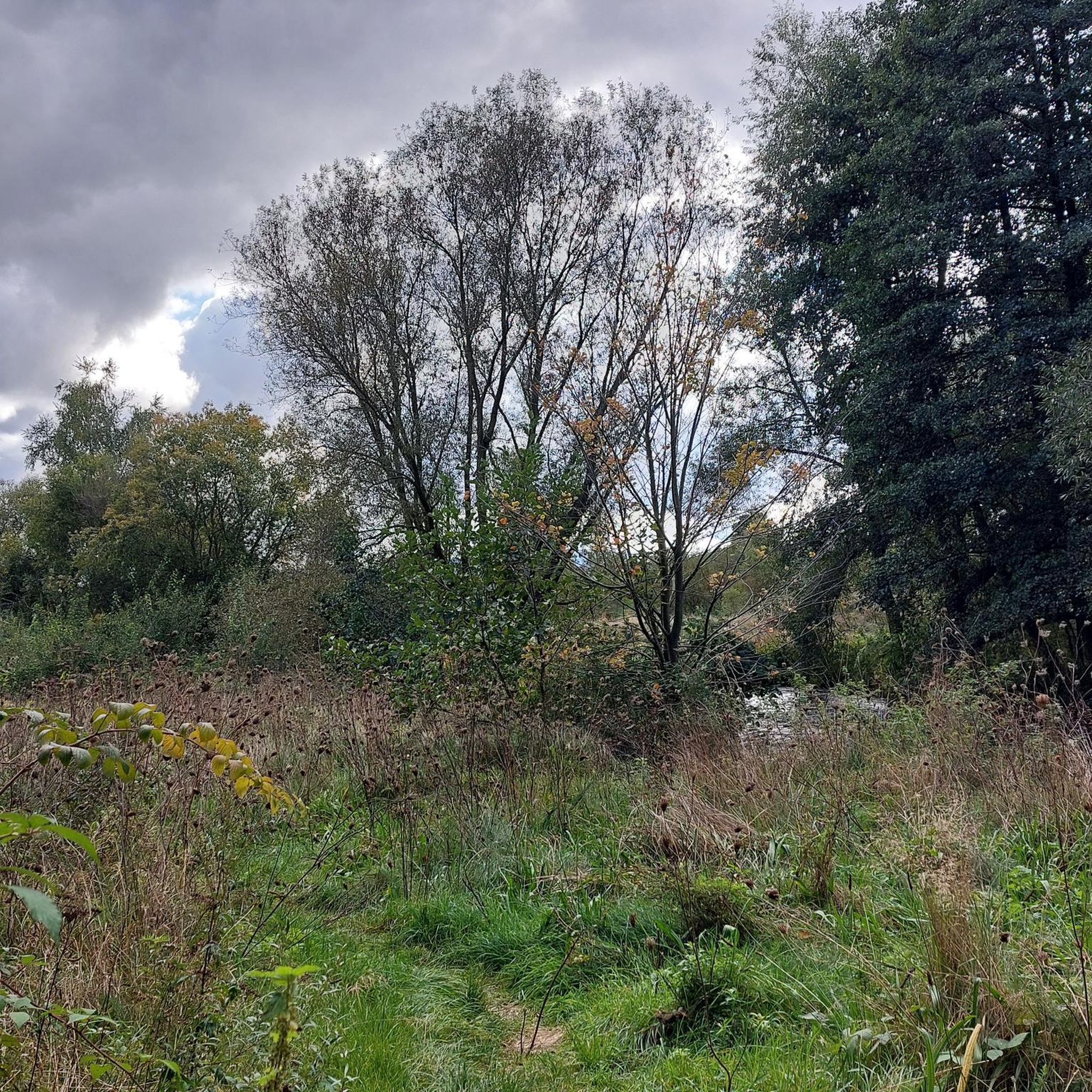
Hikes from bus stations around Parco Nazionale del Gargano
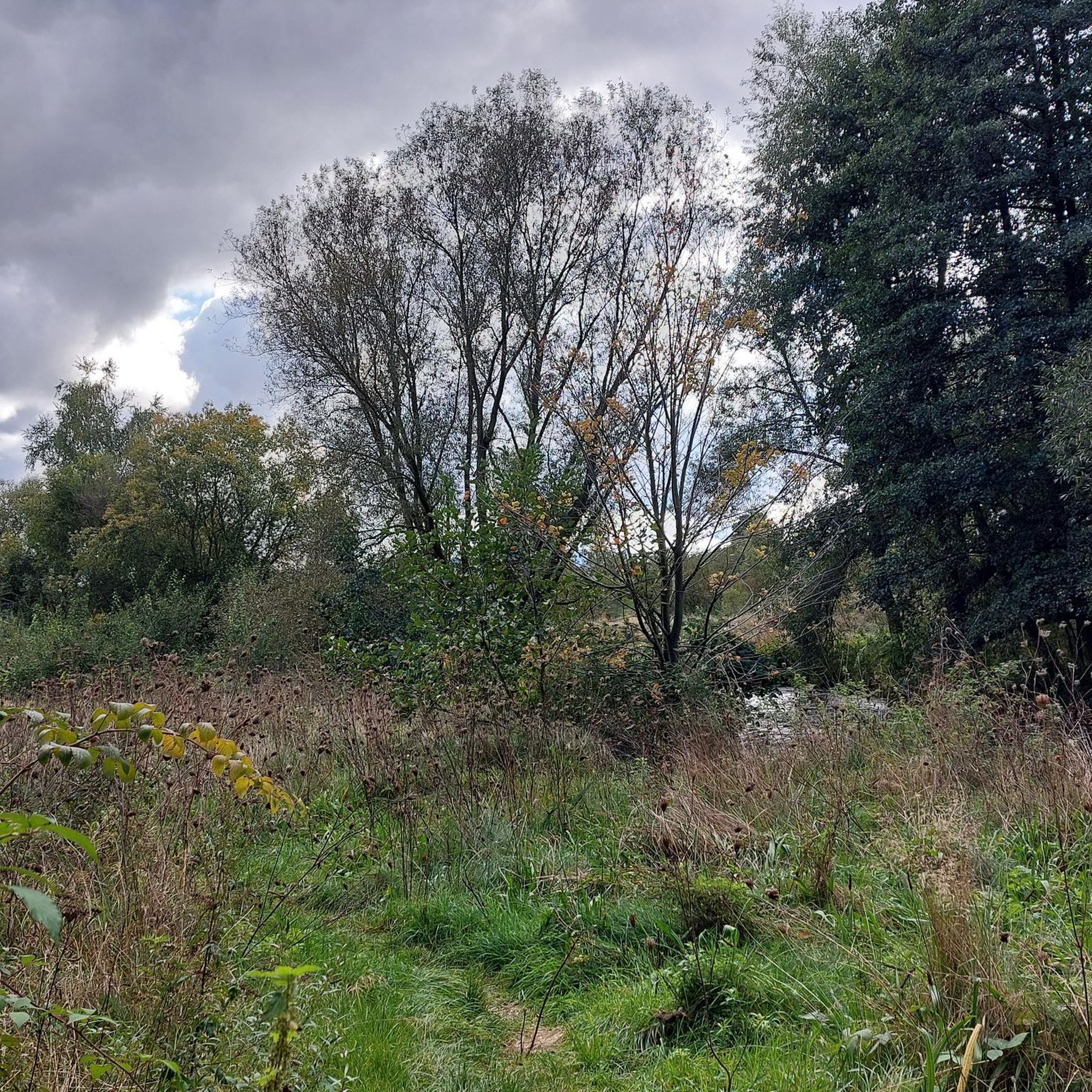
Hikes from bus stations in Foresta Umbra

Hikes from bus stations around Bosco Incoronata Natural Park
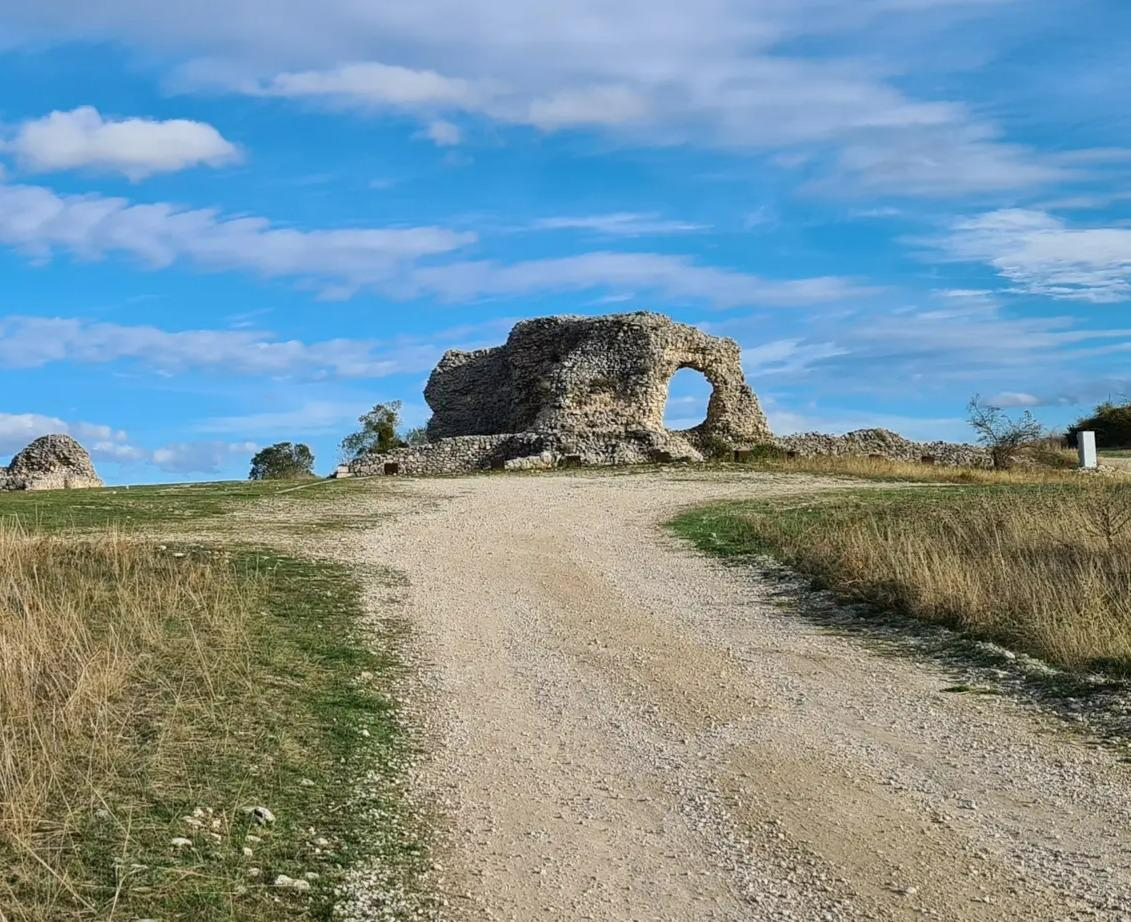
Tratturo Magno – On the roads of transhumance
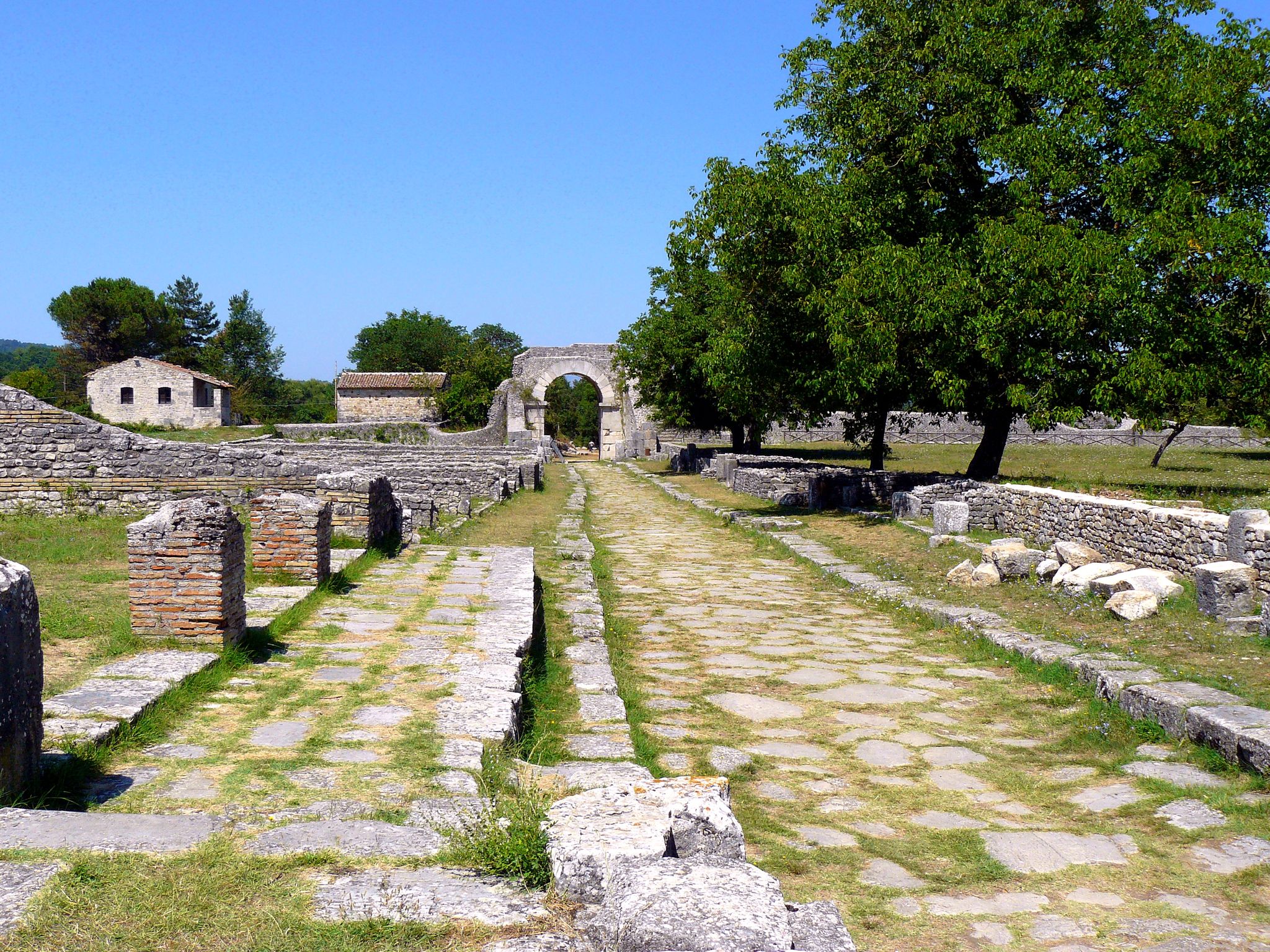
Sentiero Italia – On the tracks of the Samnites and Romans in Molise
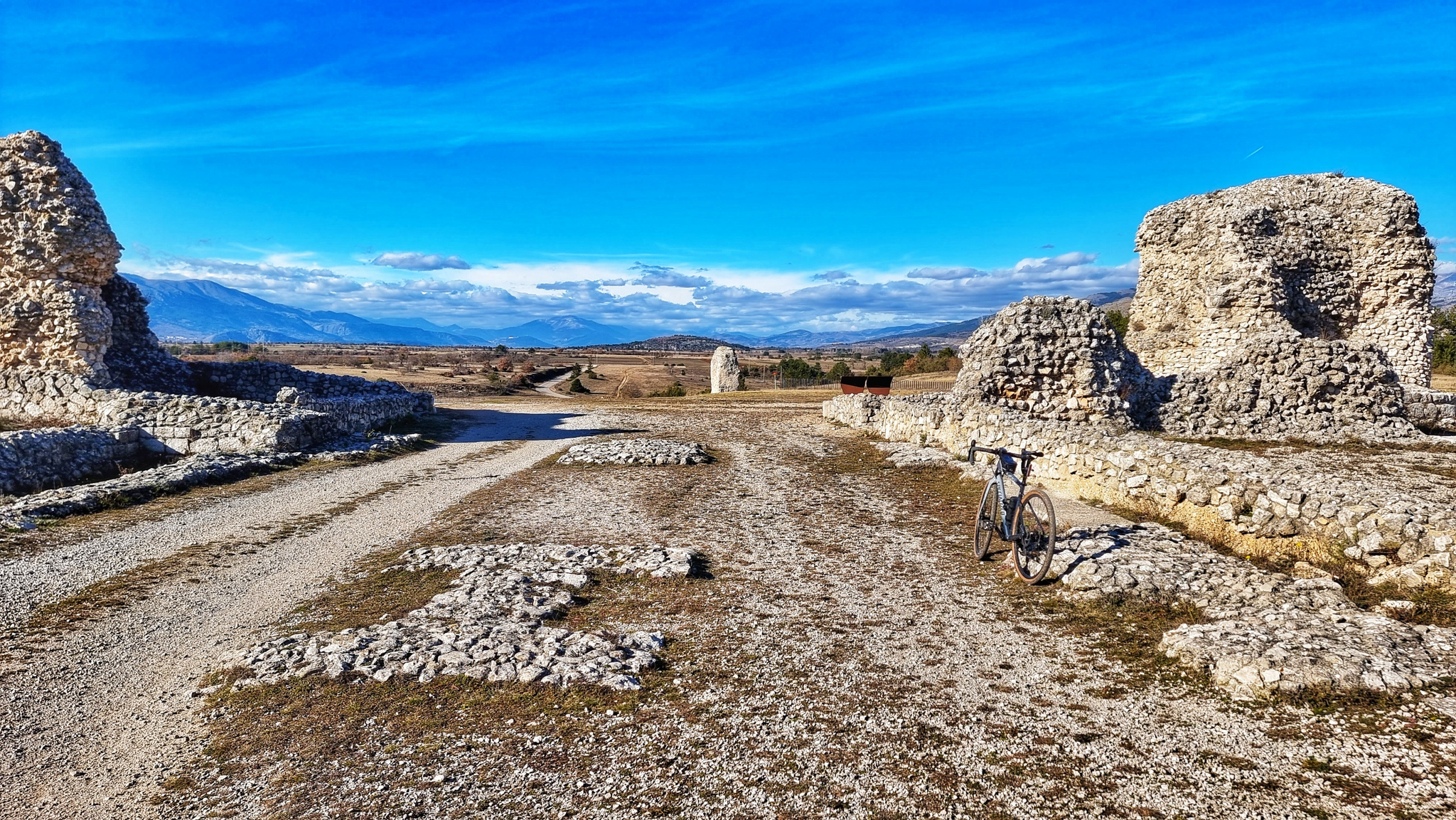
The Tratturo Magno – From the Apennines to the TavoIiere, 300 kilometers
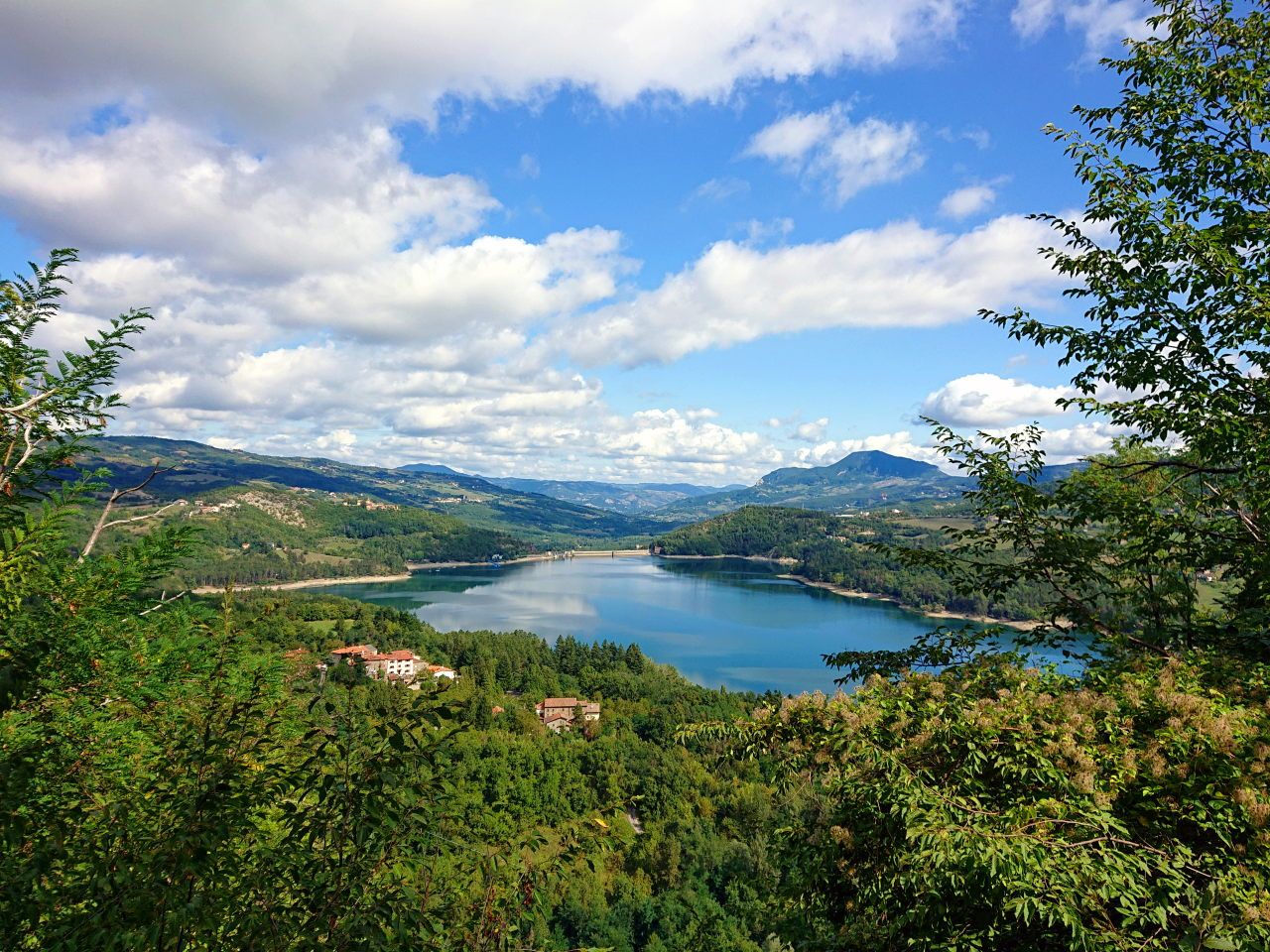
Interiora - A Journey into the Remote Areas of Italy

Trieste to Santa Maria di Leuca – the Adriatic Cycle Route
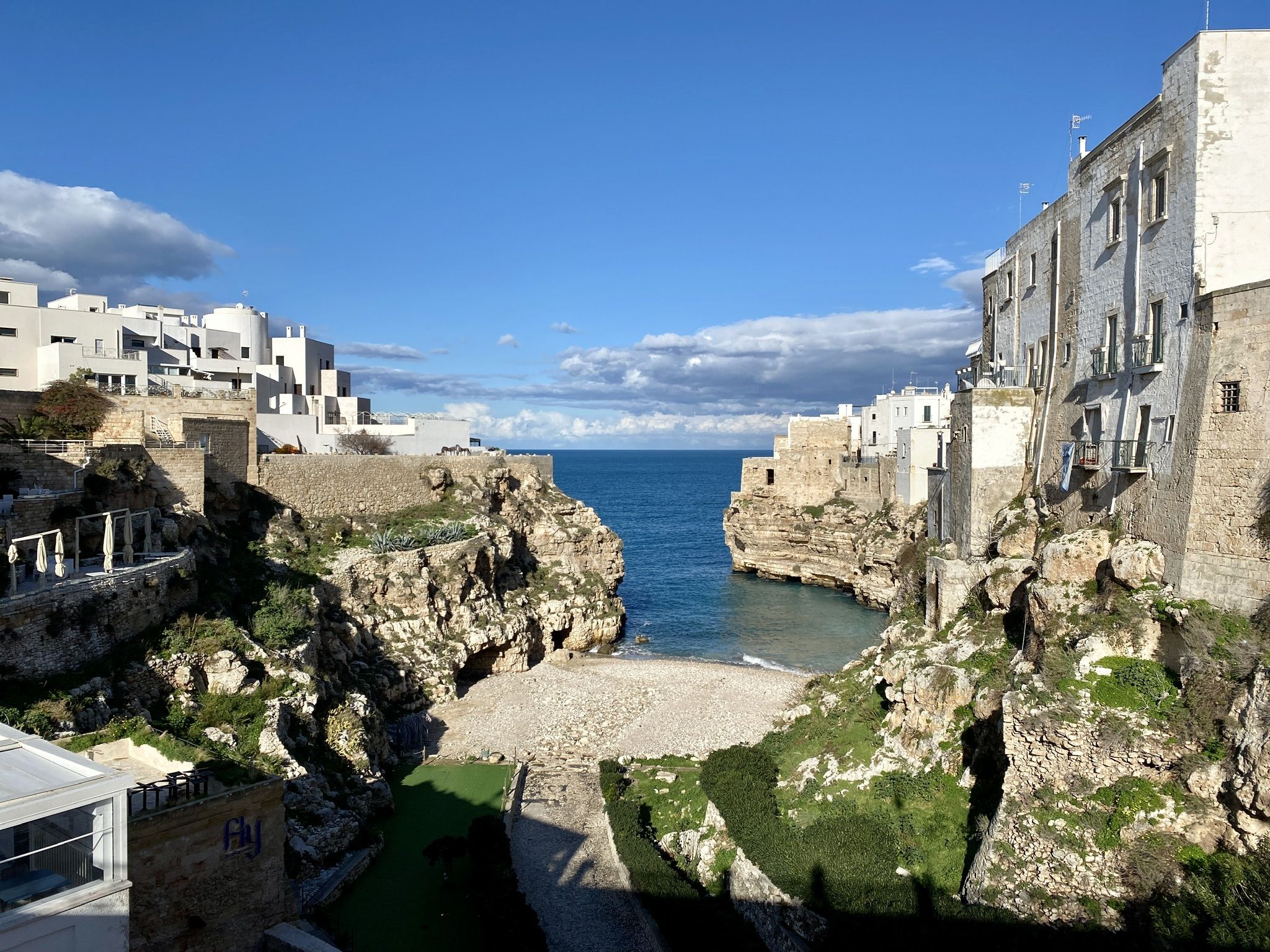
Sea, culture, taste and nature — Italy’s Puglia by bike
Other adventures in Foggia


Tips from the Community

The Sanctuary of Saint Maria delle Grazie is richly decorated with mosaics and precious marble. The new and the old church form a single building, built to accommodate the growing influx of pilgrims who flocked to Padre Pio in San Giovanni Rotondo. Padre Pio lived here from 1916 until his death in 1968. In the crypt beneath the church, his body is buried in a glass coffin. In the old church, his cell can also be visited.
2
0

On Monte Calvo, it's best to ascend from the east by mountain bike, despite the numerous unnecessary stone steps that clutter the initial section. The trail, which descends west from the summit to connect with the Sentiero delle Anguille, would be less rideable and much more difficult overall.
1
0

If you're lucky, you can admire a wedding couple on the love staircase during a photo shoot or simply take a selfie of you and your spouse.
1
0
The sandy northern beach (Spiaggia di San Lorenzo) of Vieste is truly beautiful. At the end of May, the water was already 20 degrees Celsius, and we were able to swim extensively on the almost deserted beach. We had a nice surf and no rocks in the water, great!
2
0
There are still many intact and operating trabucco boats along the coast of the Garango region. The well-preserved Trabuccu di San Lorenzo can be reached via a short beach walk from Vieste. What is a trabucco? See https://de.m.wikipedia.org/wiki/Trabucco
2
0

This is the famous "Pizzomunno" monolith, a solitary rock. According to legend, a young man was turned to stone by jealous sirens because of his love for a girl. The beautiful beach on which this "needle" stands was also named after this monolith.
1
0
One of the most beautiful bays on the rocky coast with striking rocks, diverse shrubs and trees, and a sandy beach.
1
0
Typical old fishing facilities in many places along the coast.
1
0
Frequently Asked Questions
How many hiking trails are accessible from bus stations in Foggia?
There are nearly 60 hiking routes in the Foggia region that are accessible from bus stations. These routes offer a diverse range of experiences, from easy coastal strolls to challenging mountain ascents, catering to various fitness levels.
What is the best time of year to go hiking in the Foggia region?
The best seasons for hiking in the Foggia region are spring (April to June) and autumn (September to early November). During these times, the weather is pleasant, landscapes are either blooming or vibrant with autumnal colors, and crowds are minimal. Summer can be very hot, especially on coastal trails, while winter can bring cooler temperatures to the Daunia Mountains.
Are there any easy, family-friendly hikes accessible by bus from Foggia?
Yes, there are several easy routes suitable for families. For a pleasant coastal walk, consider the Punta San Francesco – Trabucco of Vieste loop from Vieste. This easy trail offers beautiful sea views and is relatively flat, making it ideal for a relaxed outing. Another great option is the Baia di San Nicola – View of Procinisco Beach loop from Peschici, which also provides stunning coastal scenery.
What kind of natural features can I expect to see on hikes near Foggia?
The Foggia region boasts incredible natural diversity. In the Gargano National Park, you'll find ancient beech and oak forests like the UNESCO World Heritage site Foresta Umbra, dramatic limestone cliffs, hidden coves, and sea caves along the coast. The Daunia Mountains offer rolling hills, oak forests, and panoramic views from peaks like Monte Cornacchia. The region is also a biodiversity hotspot, particularly known for its wild orchids in spring.
Are there any circular hiking routes accessible from bus stations?
Yes, many of the routes are circular, allowing you to start and end at the same point, which is convenient when relying on public transport. An example is the View of Lido di Saraceno – Stairway of Peace loop from Mattinata, which offers a moderate challenge with rewarding views.
What are some notable landmarks or viewpoints along the hiking trails?
Hikers can discover numerous points of interest. In the Daunia Mountains, you might encounter the Cross of Monte Celano, offering expansive views. Along the coast, there are dramatic viewpoints such as the Viewpoint above the Bat Cave beach. The region also features historical sites like the Sanctuary and Cave of Saint Michael the Archangel in Monte Sant'Angelo, a UNESCO site.
Are there any challenging hikes for experienced trekkers?
For experienced trekkers seeking a challenge, the Foggia region offers difficult routes with significant elevation gain. An example is the Monte Calvo – Sinkhole loop from San Giovanni Rotondo, which takes you through mountainous terrain and offers a substantial ascent. This route provides a great workout and stunning views from Monte Calvo, one of the highest peaks in the Daunia Mountains.
What do other hikers enjoy most about hiking in Foggia?
The Foggia region is highly rated by the komoot community, with an average score of 4.4 stars from over 2,000 reviews. Reviewers often praise the diverse landscapes, from the ancient forests of Gargano to the panoramic vistas of the Daunia Mountains, as well as the well-maintained trails and the opportunity to discover hidden coastal gems and historical sites.
Are there any coastal hikes accessible by bus?
Absolutely. The Gargano coastline offers spectacular hiking opportunities. The Scialmarino Beach – Trabucco of San Lorenzo loop from Incrocio Defensola is a moderate coastal route that allows you to experience the dramatic cliffs and turquoise waters of the Adriatic. Another popular coastal path is the Natura Mergoli-Vignanotica Trail, also known as the 'Love Trail', which connects two enchanting bays and is famous for its iconic sea stacks. For more details on this specific trail, you can visit visitvieste.com.
Can I bring my dog on the hiking trails in the Foggia area?
Many trails in the Foggia region are dog-friendly, especially those in natural parks like Gargano and the Daunia Mountains. However, it's always recommended to check specific park regulations or route descriptions for any restrictions, especially regarding protected areas or wildlife. Always keep your dog on a leash and ensure you clean up after them to preserve the natural environment for everyone.
Are there any historical or cultural sites along the hiking routes?
Yes, the Foggia region is rich in history and culture. Sections of the ancient Via Francigena, a historic pilgrimage route, traverse the Daunia Mountains, offering a blend of natural beauty and cultural heritage. You can also find sites like the Abbey of Santa Maria di Pulsano or the UNESCO World Heritage site of Monte Sant'Angelo, which includes the Sanctuary and Cave of Saint Michael the Archangel, often accessible via hiking paths.
Most popular routes in Foggia
Most popular attractions in Foggia

Get inspired with the komoot mobile app


Didn’t find what you were looking for?
Check out more Hikes throughout Foggia below and find the perfect route in your destination.
Explore more
Browse the best Hikes in other regions.
