The best traffic-free bike rides around Ottersheim bei Landau
4.6
(1071)
13,495
riders
8
rides
No traffic road cycling routes around Ottersheim bei Landau traverse a landscape characterized by gently rolling vineyards and the flat expanse of the Rhine plain. The region features paved roads that wind through historic villages and agricultural fields. This area offers diverse terrain, from the open views of the Rhine valley to the more sheltered paths near the Palatinate Forest, providing varied cycling experiences. The routes primarily feature low elevation gains, making them accessible for different skill levels.
Best no…
Last updated: October 14, 2026
4.5
(47)
477
riders
Moderate road ride. Great for any fitness level. Some segments of this route may be unpaved and difficult to ride.
4.9
(23)
152
riders
Moderate road ride. Great for any fitness level. Some segments of this route may be unpaved and difficult to ride.

5.0
(1)
83
riders
68.4km
03:16
710m
710m
Moderate road ride. Good fitness required. Some segments of this route may be unpaved and difficult to ride.
5.0
(3)
69
riders
Moderate road ride. Good fitness required. Mostly well-paved surfaces and easy to ride.
12
riders
17.2km
00:42
70m
70m
Moderate road ride. Great for any fitness level. Some segments of this route may be unpaved and difficult to ride.
Get access to more routes and recommendations from other explorers.
Already have an account?
Our route recommendations are based on thousands of hikes, rides, and runs completed by other people on komoot.
Start today with a free account
Your next adventure awaits.
Popular around Ottersheim bei Landau
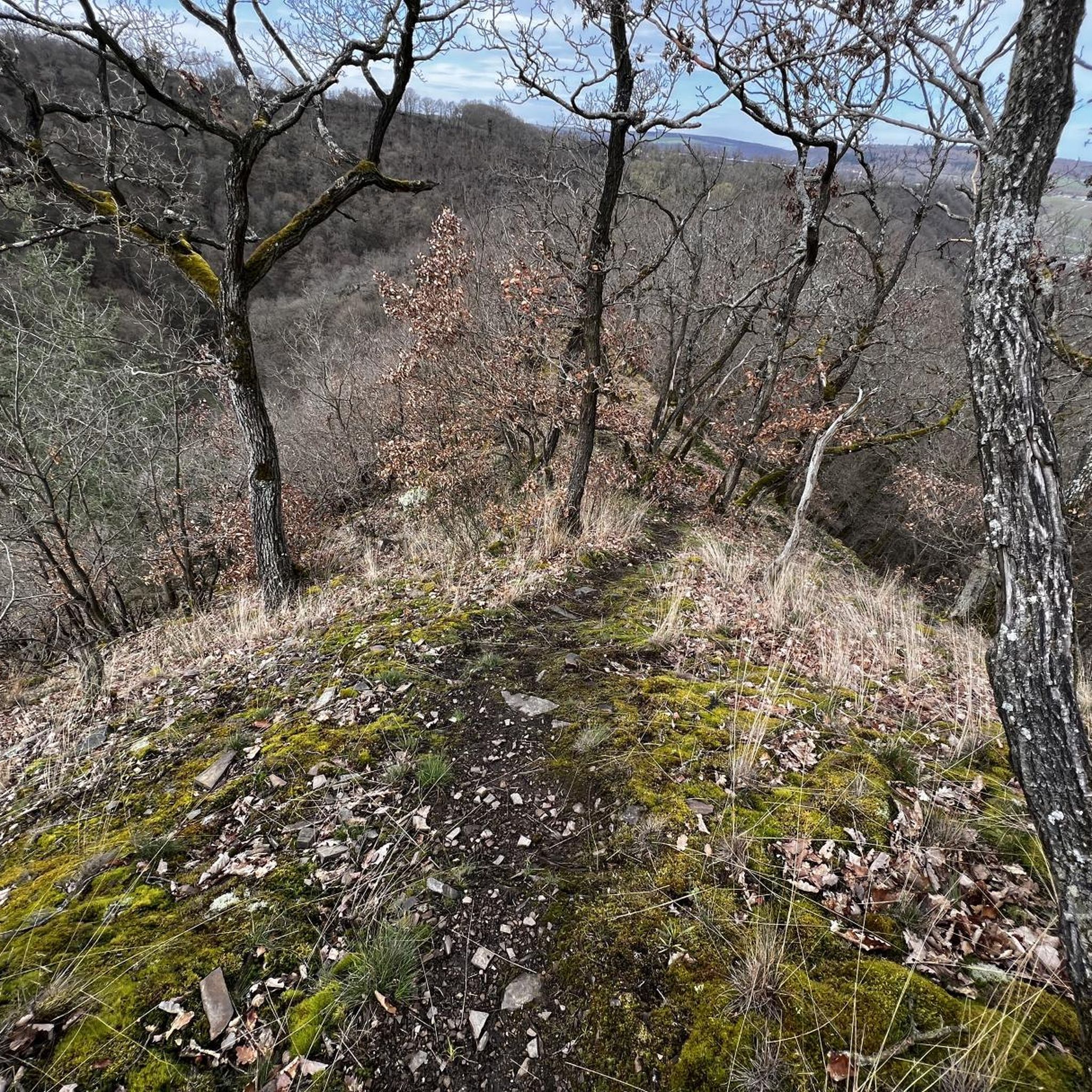
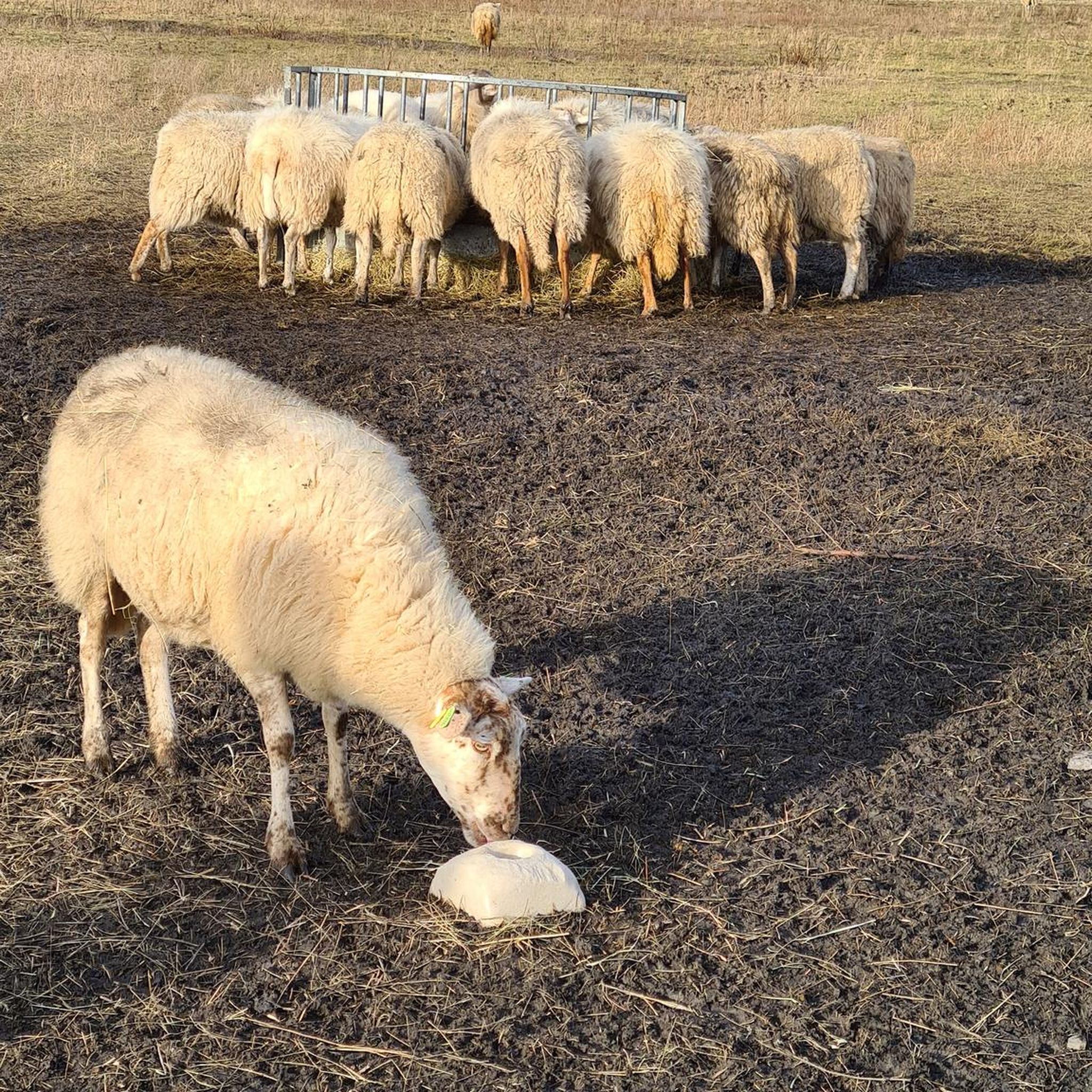
Tips from the Community

very friendly service. Enjoyed delicious coffee and cake.
2
0

The Carnot Wall connected the arsenal with the provision office, it ran behind the rampart. It was named after the French fortress engineer Carnot.
1
0

The Rhine is one of the most important rivers in Europe and has a length of approximately 1,233 km. Its source lies in the Swiss Alps, where it originates from several mountain streams. From there, it first flows through Switzerland and then partly forms the border between Germany and France, before continuing through Germany and finally the Netherlands. Near Rotterdam, the Rhine divides into several distributaries and finally reaches the North Sea. Its drainage basin is very large (approx. 185,000 km²) and includes many tributaries such as the Moselle, Main, or Neckar. The Rhine has great importance for Europe: Shipping: One of the most important waterways in the world for trade and transport Economy: Connection of many industrial and port cities Nature: Habitat for numerous animal and plant species Energy: Utilization through hydropower in the Alpine regions Due to its location and use, the Rhine is considered one of the most important lifelines of Central Europe.
1
0
The Rhine is one of the most important rivers in Europe and has a length of approximately 1,233 km. Its source lies in the Swiss Alps, where it originates from several mountain streams. From there, it first flows through Switzerland and then partly forms the border between Germany and France, before continuing through Germany and finally the Netherlands. At Rotterdam, the Rhine divides into several distributaries and finally reaches the North Sea. Its catchment area is very large (approx. 185,000 km²) and includes many tributaries such as the Moselle, Main, or Neckar. The Rhine is of great importance to Europe: Shipping: One of the most important waterways in the world for trade and transport Economy: Connection of many industrial and port cities Nature: Habitat for numerous animal and plant species Energy: Utilization through hydropower in the Alpine regions Due to its location and use, the Rhine is one of the most important lifelines of Central Europe.
1
1

Beautiful path along the Rhine.
0
1

Beautifully located and pretty little wine village diagonally above Roth. Many wineries and some places to stop for refreshments.
5
0

This small Marian sanctuary did not get its name and patronage from one of the many people venerated as saints. LORETO is an internationally renowned Marian pilgrimage site in central Italy, in the Marche region. However, the place did not become famous due to apparitions of the Mother of God, like for example "Lourdes" (1858) in the French Pyrenees or "Fatima" (1917) in Portugal. The tradition of Marian veneration in Loreto dates back much further: since the end of the 13th century, a building has been venerated there, which is considered to be the childhood home of Mary in Nazareth. According to legend, angels brought the so-called "SANTA CASA" from Israel to that location – with some intermediate stops. The original sanctuary of Loreto, which serves as a model for the chapel listed here, can be found in the komoot system at the following link: + https://www.komoot.com/de-de/highlight/1580848
1
0

A must-see! The sunken lane leading to the panoramic viewpoint at the beginning of the Landauer Weg trail offers a breathtaking panorama. Afterwards, a stop at the Herxemer Ranch is highly recommended.
1
0
Frequently Asked Questions
How many no-traffic road cycling routes are available around Ottersheim bei Landau?
There are several dedicated no-traffic road cycling routes around Ottersheim bei Landau, with 8 routes currently featured in this guide. These routes range from easy to moderate difficulty, ensuring options for various skill levels.
What is the best time of year for no-traffic road cycling in this region?
The Southern Wine Route region, including Ottersheim bei Landau, is ideal for road cycling from spring through autumn. The weather is generally pleasant, and you can enjoy the lush vineyards, orchards, and natural scenery. Summer offers warm, sunny days, while spring and autumn provide milder temperatures and beautiful seasonal colors.
Are there any easy, traffic-free road cycling routes suitable for beginners or families?
Yes, there are easy, traffic-free options perfect for beginners or families. For instance, the Scenic Road Through the Fields loop from Offenbach an der Queich is a shorter, gentle ride. Another accessible option is the Landau City Center – Village Fountain Herxheim loop from Landau-Queichheim, which offers a pleasant ride with minimal elevation gain.
What kind of terrain can I expect on the no-traffic road cycling routes?
The terrain around Ottersheim bei Landau primarily features gently rolling vineyards, flat paths through agricultural fields, and sections along river plains. While some routes have minor elevation changes, they are generally manageable for road cyclists looking for a smooth, traffic-free experience. The broader region is known for its well-paved cycle paths.
What are some scenic viewpoints or natural features to look out for on these routes?
The routes offer picturesque views of the Southern Wine Route's vineyards and the Rhine plain. You can enjoy sights like the Lingenfeld Old Rhine, or observe the Highland Cattle along the Queich Riverside Path. The region's diverse agricultural landscapes, including tobacco, asparagus, and strawberry fields, also provide charming scenery.
Are there any historical landmarks or interesting places to see along the routes?
Yes, the region is rich in history and culture. You might pass through charming historic villages and towns. In Landau, the Rathausplatz (Town Hall Square) is a notable landmark. Many routes also traverse areas with well-preserved historic buildings, offering glimpses into the area's heritage.
Can I find cafes or places to rest along the no-traffic road cycling routes?
Yes, the Southern Wine Route is dotted with charming villages and towns where you can find cafes, restaurants, and traditional 'Gaststätten' (pubs) to rest and refuel. Many routes, like the Café zur Ziegelei – Rheinhauptdeich Cycle Path loop from Freisbach, are designed to pass by such establishments, allowing for convenient breaks.
What do other road cyclists enjoy most about the no-traffic routes around Ottersheim bei Landau?
The area is highly rated by the komoot community, with an average score of 4.6 stars from over 790 reviews. Cyclists often praise the quiet, well-maintained paths, the beautiful vineyard scenery, and the opportunity to experience the region's natural beauty without vehicle traffic. The blend of gentle terrain and charming villages is frequently highlighted.
Are there any longer, moderate no-traffic road cycling routes for more experienced riders?
Absolutely. For those seeking a longer, moderate challenge, routes like the Café zur Ziegelei – Rheinhauptdeich Cycle Path loop from Freisbach (over 67 km) or the Rhine Cycle Path near Maximiliansau – Old Rhine Arm near Wörth loop from Rheinzabern Alte Römerstraße (over 61 km) offer substantial distances with manageable elevation gains, perfect for a rewarding day out.
Is parking available near the starting points of these traffic-free routes?
Yes, many of the towns and villages that serve as starting points for these routes, such as Freisbach, Rheinzabern, Offenbach an der Queich, Landau-Queichheim, and Landau in der Pfalz, offer public parking facilities. It's generally easy to find suitable parking for your vehicle before starting your ride.
Can I reach the starting points of these routes using public transport?
The region around Ottersheim bei Landau is well-connected by public transport, particularly trains and buses, which can take you to larger towns like Landau in der Pfalz. From there, you can often connect to smaller villages or directly access cycle paths. We recommend checking local public transport schedules for specific connections to your chosen starting point.
Are there any circular no-traffic road cycling routes available?
Yes, most of the no-traffic road cycling routes in this guide are designed as circular loops, allowing you to start and end your ride in the same location. Examples include the Scenic Road Through the Fields loop from Offenbach an der Queich and the Queich Cycle Path loop from Landau in der Pfalz, providing convenient and enjoyable cycling experiences.
Most popular routes around Ottersheim bei Landau
Most popular attractions around Ottersheim bei Landau

Get inspired with the komoot mobile app


Explore more
Browse the best Road cycling routes in other regions.
