The best traffic-free bike rides around Glees
4.6
(6357)
28,759
riders
361
rides
No traffic touring cycling routes around Glees are situated in Germany's volcanic Eifel region, characterized by diverse landscapes. The area features gentle hills, expansive valleys, and dense forests, providing varied terrain for cyclists. Well-paved surfaces and a comprehensive network of cycle paths, including routes built on disused railway lines, offer traffic-free cycling experiences. Cyclists can also explore picturesque valleys via river cycle paths.
Best no traffic touring cycling routes around Glees
- The most popular no traffic touring cycling route is…
Last updated: July 11, 2026
4.4
(8)
98
riders
Easy bike ride. Great for any fitness level. Mostly paved surfaces. Suitable for all skill levels.
3.8
(9)
31
riders
15.3km
01:20
290m
300m
Moderate bike ride. Good fitness required. Mostly paved surfaces. Suitable for all skill levels.

Sign up for free
5.0
(4)
19
riders
19.7km
01:40
390m
390m
Hard bike ride. Good fitness required. You may need to push your bike for some segments of this route.
4.7
(7)
17
riders
40.8km
02:57
530m
520m
Hard bike ride. Very good fitness required. Mostly paved surfaces. Suitable for all skill levels.
3.6
(5)
23
riders
11.1km
00:59
180m
180m
Moderate bike ride. Good fitness required. Mostly paved surfaces. Suitable for all skill levels.
Get access to more routes and recommendations from other explorers.
Sign up for free
Already have an account?
Our route recommendations are based on thousands of hikes, rides, and runs completed by other people on komoot.
Start today with a free account
Your next adventure awaits.
Login or Signup
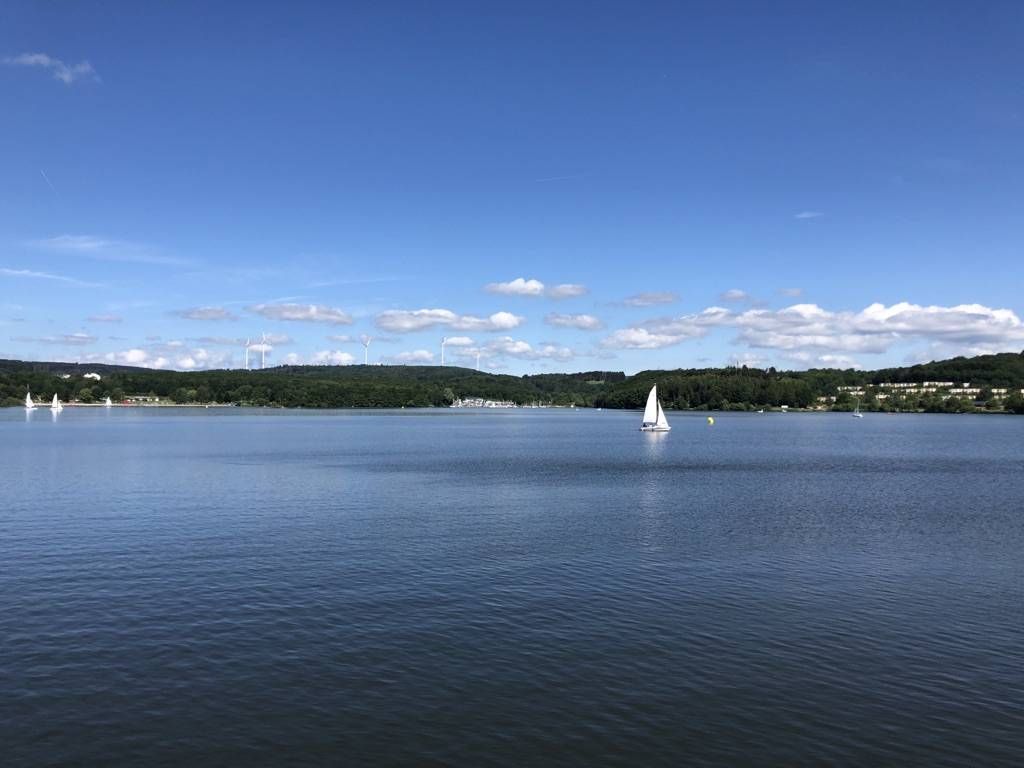
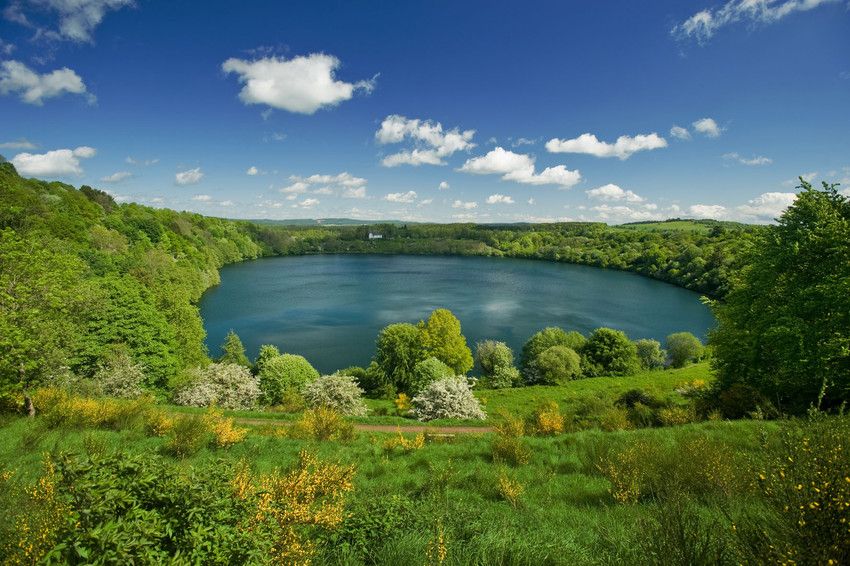
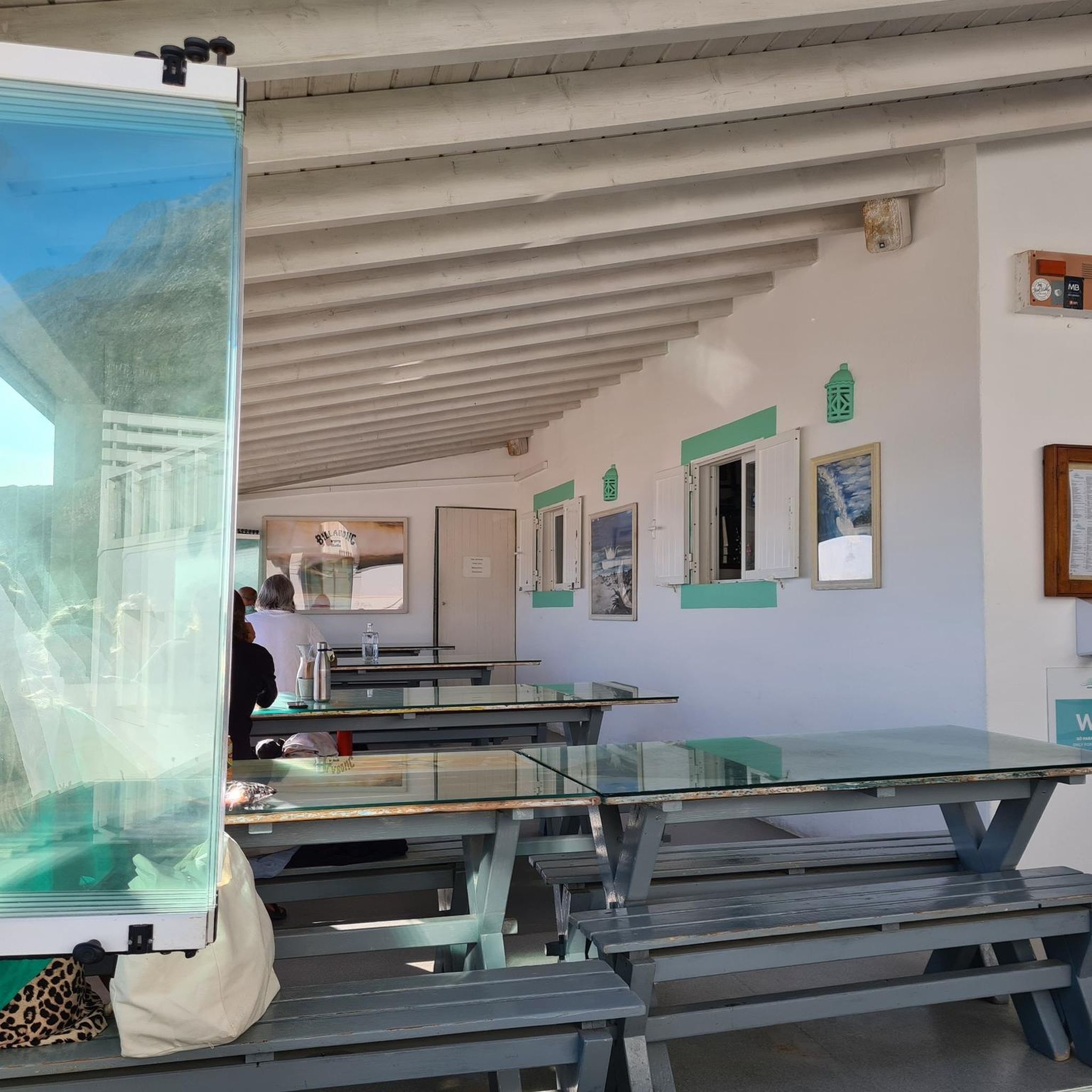
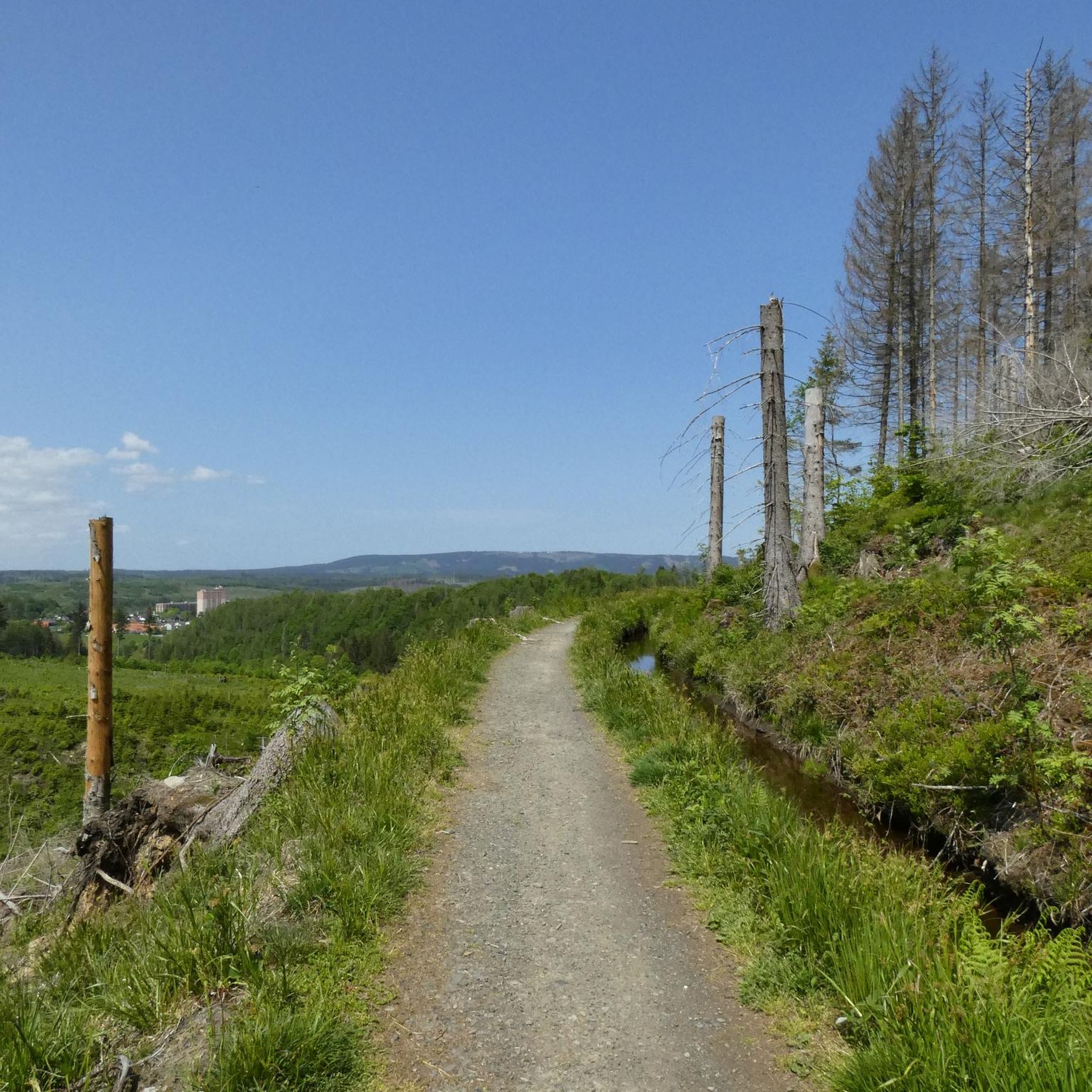

Tips from the Community

Unfortunately, you have to cycle on a country road without a bike path. In heavy traffic, caution is advised when crossing the Abtei road.
10
1

Beautiful route above the lake, but somehow you never really get to see it.
1
0

The bike tour started from here. There is a large parking lot available, subject to a fee.
2
0

Favorite spot by the lake with a beautiful view
0
0

While walking around Lake Laach and then visiting the abbey, you can put together an entire year's calendar from countless great photos.
5
0

The venerable Benedictine abbey of MARIA LAACH, very picturesquely situated on the banks of Lake Laach, is without a doubt one of the great highlights of this region. In addition to the extremely impressive Romanesque monastery church, where the monks meet several times a day for communal prayer (visitors are welcome to join in the prayers), there are restaurants, a book and art shop, a garden center and other businesses. Many visitors combine a visit to the abbey with a walk on or around the lake. However, the shore path is heavily frequented by walkers and therefore not really ideal for cyclists.
0
0
The venerable Benedictine abbey of MARIA LAACH, very picturesquely situated on the banks of Lake Laach, is without a doubt one of the great highlights of this region. In addition to the extremely impressive Romanesque monastery church, where the monks meet several times a day for communal prayer (visitors are welcome to join in the prayers), there are restaurants, a book and art shop, a garden center and other businesses. Many visitors combine a visit to the abbey with an excursion on or around the lake.
4
0
The venerable Benedictine abbey of MARIA LAACH, very picturesquely situated on the banks of Lake Laach, is without a doubt one of the great highlights of this region. In addition to the extremely impressive Romanesque monastery church, where the monks meet several times a day for communal prayer (visitors are welcome to join in the prayers), there are restaurants, a book and art shop, a garden center and other businesses. Many visitors combine a tour of the abbey with a hike on or around the lake.
3
0
Frequently Asked Questions
How many no-traffic touring cycling routes are available around Glees?
There are over 350 touring cycling routes around Glees, with more than 50 specifically categorized as easy, offering many traffic-free options for a relaxed ride through the Eifel's scenic landscapes.
Are there any easy, family-friendly no-traffic routes suitable for beginners?
Yes, the region offers several easy, traffic-free routes perfect for families and beginners. A great option is the Boat dock at Laacher See – Eifel Farm Shop loop from Wassenach, which is just under 6 km with minimal elevation gain, providing a pleasant experience around the beautiful Laacher See.
What kind of natural features can I expect to see along these routes?
The Eifel region around Glees is renowned for its dramatic volcanic landscapes. You can explore areas with historic trass caves, such as the Trass Caves Brohltal, and discover picturesque gorges like the Waterfall in the Wolfsschlucht. The routes often pass through dense forests and expansive valleys, offering diverse natural beauty.
Are there any circular no-traffic cycling routes around Glees?
Many routes in the area are designed as loops, allowing you to start and end at the same point. For example, the Lake Laach – Lake Laach loop from Glees offers a scenic, easy 7.8 km ride around the volcanic lake, perfect for a traffic-free circular tour.
What historical landmarks or attractions can I visit while cycling?
A prominent historical landmark is the impressive Maria Laach Abbey, a Benedictine monastery with over 900 years of history, located near the Laacher See. While not directly on every route, many cycling paths offer views or detours to this significant cultural site. You can also find other unique geological features like the Genoveva Cave.
Is it possible to find cafes or pubs along the no-traffic cycling routes?
Yes, the region's cycling infrastructure is supportive, and you'll often find opportunities for refreshments. While specific cafes vary by route, popular areas like those around Laacher See or in smaller villages along the paths typically offer places to stop for a break, a coffee, or a meal.
What is the best time of year for no-traffic touring cycling in Glees?
The spring and autumn months generally offer the most pleasant conditions for cycling, with mild temperatures and beautiful scenery. Summer can also be excellent, though it might be warmer. Winter cycling is possible, but some services might be limited, and weather conditions can be more challenging.
Are there any routes that offer panoramic views?
Yes, the varied topography of the Eifel region means many routes include gentle hills that lead to rewarding viewpoints. For instance, the Gänsehals Transmission Tower – View from Gänsehals loop from Bell, though moderate in difficulty, offers elevated sections that provide expansive views of the surrounding volcanic landscape.
Where can I park my car to access these routes?
Parking is generally available in the villages and towns near the trailheads. For routes around Laacher See or starting from places like Glees or Wassenach, you'll find designated parking areas. It's advisable to check local signage for specific parking regulations.
What do other touring cyclists enjoy most about cycling in Glees?
The area is highly rated by the komoot community, with an average score of 4.6 stars. Reviewers often praise the region's diverse landscapes, the well-maintained cycle paths – especially those built on disused railway lines offering truly traffic-free experiences – and the stunning natural and historical attractions like Maria Laach Abbey and the volcanic lakes.
Are there any moderate no-traffic routes for cyclists looking for a bit more challenge?
Absolutely. For those seeking a moderate challenge while still enjoying traffic-free sections, routes like the Millstone Hiking Trail Obermendig – Erlenbrunnen loop from Bell offer a good balance of distance and elevation, allowing you to explore more of the Eifel's varied terrain.
Most popular attractions around Glees

Get inspired with the komoot mobile app


Explore more
Browse the best Cycling routes in other regions.
