The best traffic-free bike rides around Kupferberg
4.6
(2893)
12,875
riders
305
rides
No traffic touring cycling routes around Kupferberg traverse a landscape characterized by green forests and rolling hills at the foot of the Franconian Forest. The region features diverse terrain, including smaller country roads, forest paths, and farm tracks, some asphalted and others gravel. Cyclists can explore routes that integrate with longer regional networks, offering varied elevation profiles. The area's natural features, such as the nearby Steinach Gorge, contribute to a varied cycling experience.
Best no traffic touring cycling routes around…
Last updated: July 11, 2026
4.8
(11)
49
riders
Moderate bike ride. Good fitness required. Mostly paved surfaces. Suitable for all skill levels.
8
riders
31.7km
02:12
490m
490m
Hard bike ride. Very good fitness required. Mostly paved surfaces. Suitable for all skill levels.

Sign up for free
4.0
(1)
10
riders
34.4km
02:21
420m
420m
Moderate bike ride. Good fitness required. Mostly paved surfaces. Suitable for all skill levels.
4.8
(4)
6
riders
11.6km
00:52
200m
200m
Moderate bike ride. Good fitness required. Mostly paved surfaces. Suitable for all skill levels.
10
riders
Easy bike ride. Great for any fitness level. Mostly paved surfaces. Suitable for all skill levels.
Get access to more routes and recommendations from other explorers.
Sign up for free
Already have an account?
Our route recommendations are based on thousands of hikes, rides, and runs completed by other people on komoot.
Start today with a free account
Your next adventure awaits.
Login or Signup
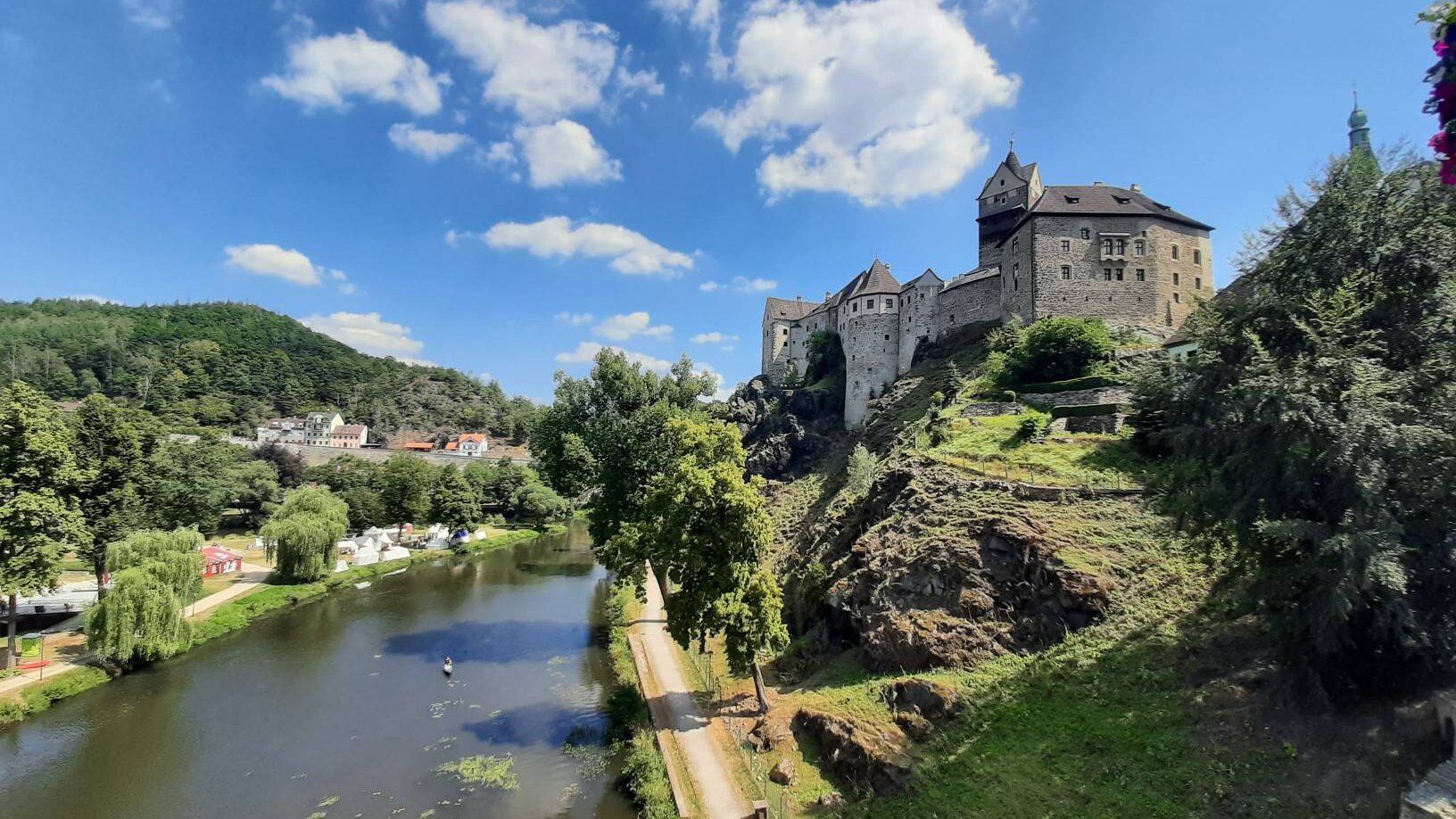
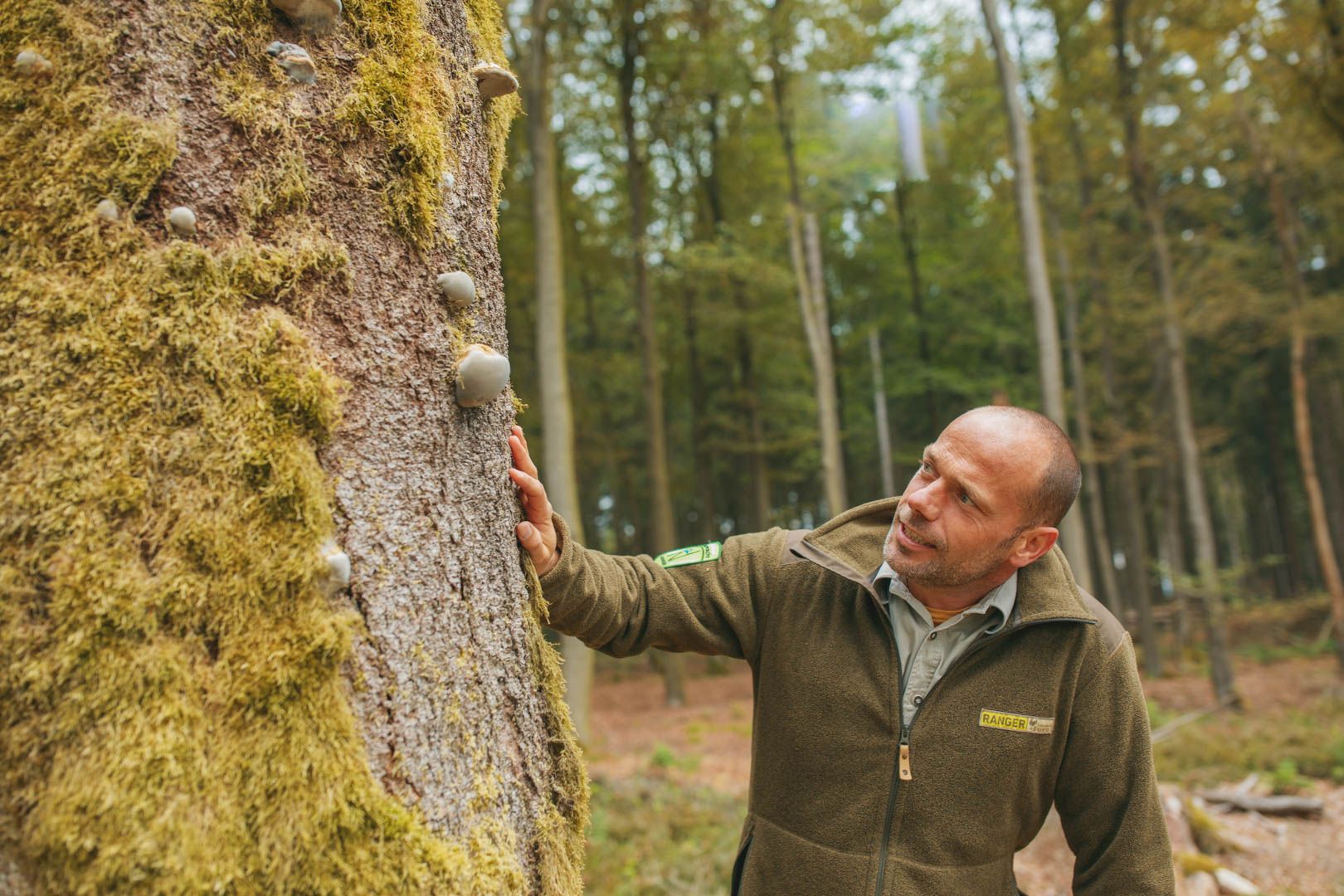
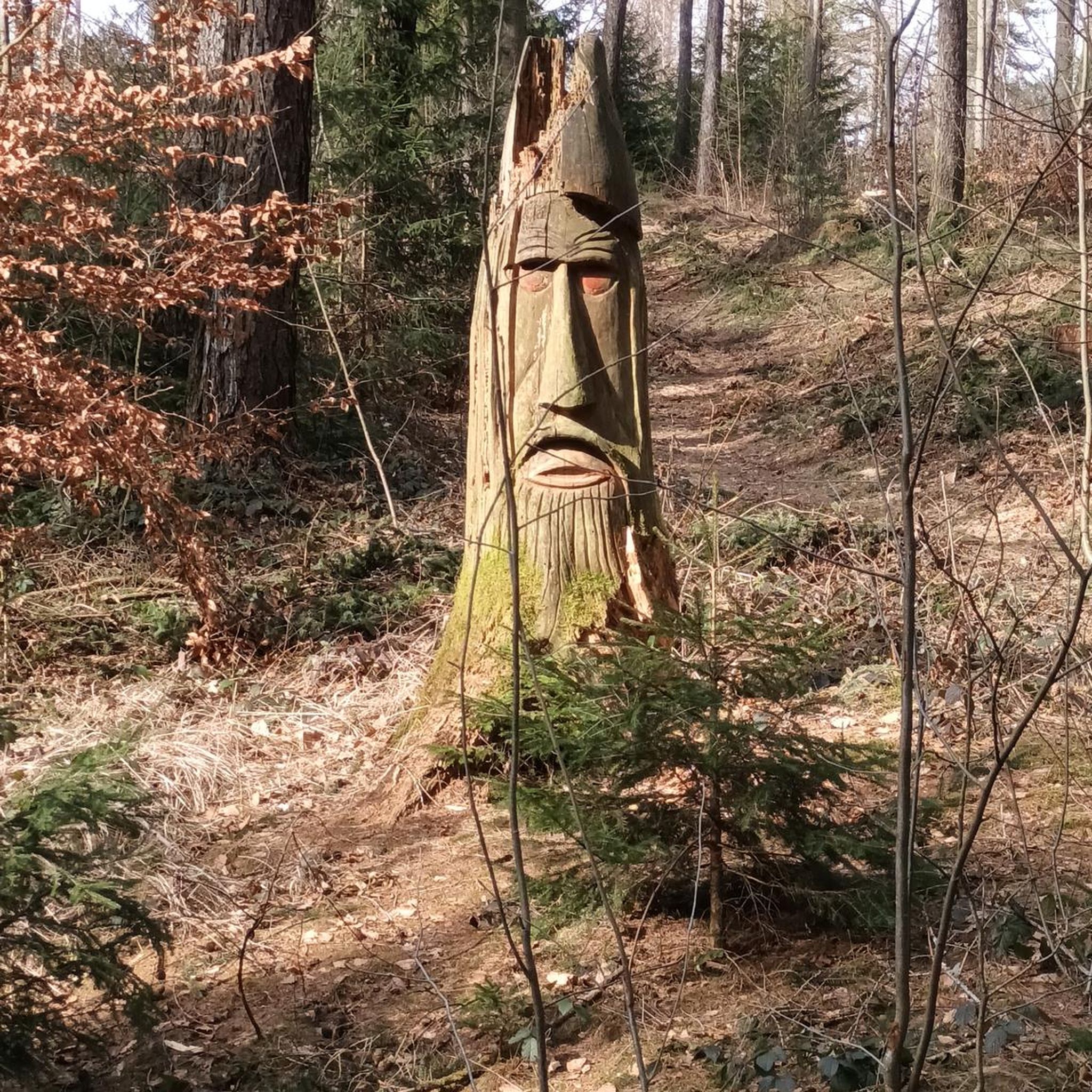
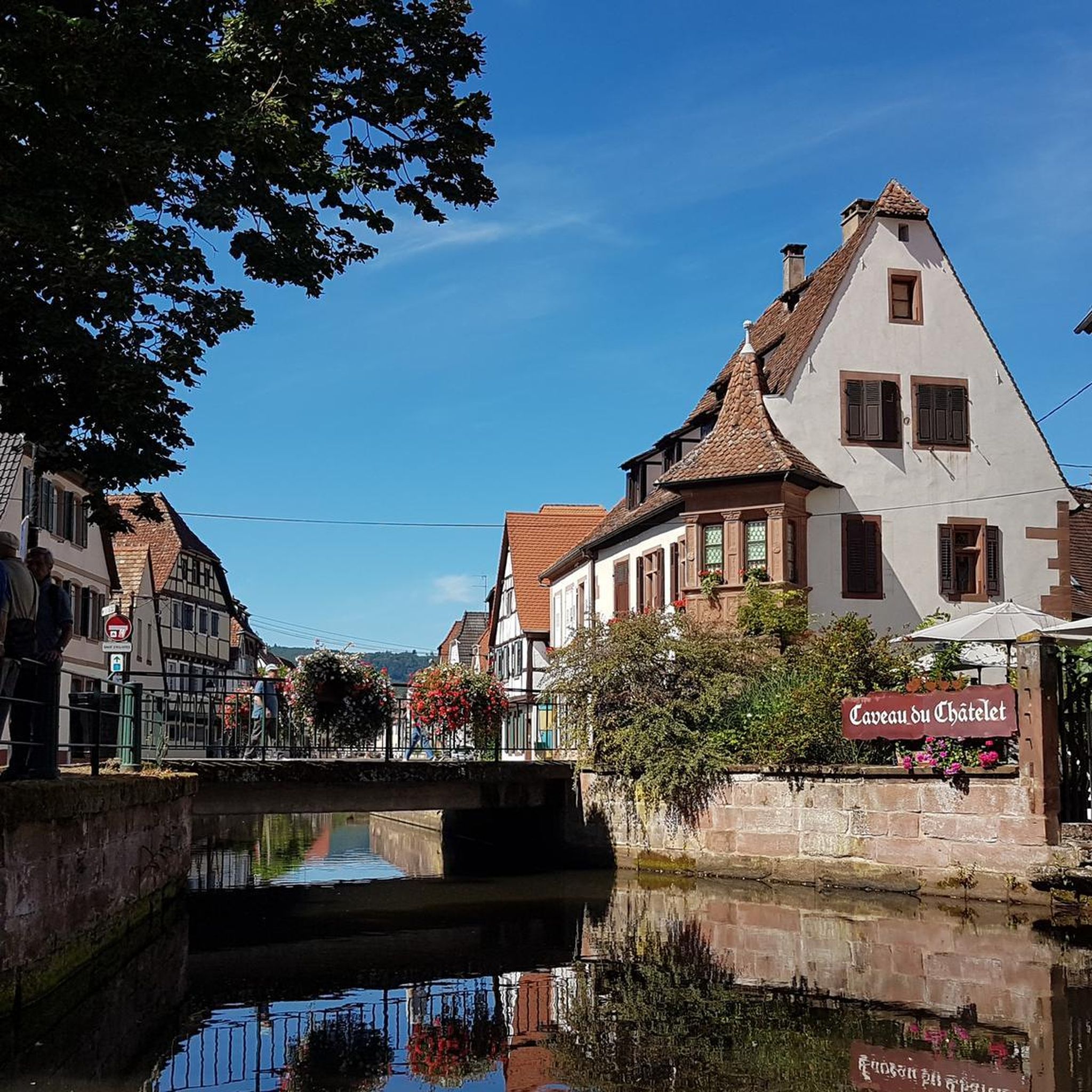


Tips from the Community

Wirsberg, probably founded at the beginning of the 13th century, is already mentioned as a market town in documents at the end of the 13th century. The reconstruction of Wirsberg after the looting and burning on February 1, 1633, during the Thirty Years' War, lasted for decades. In 1701, with the inauguration of the Old Town Hall, the last vacant lot on the market square was closed. As part of urban development funding, the Wirsberg market square was redesigned in 1995. Today, it is both an eye-catcher and an attraction.
11
0
The renowned chef Alexander Herrmann, born in Kulmbach in 1971 and raised in Wirsberg, comes from a family of restaurateurs. At the age of nine, he lost his parents in a car accident; the "Posthotel", which had been in the family since 1869, was managed by his uncle and aunt from 1981. Herrmann attended a hotel management school and completed a culinary apprenticeship. In 1996, he joined the "Posthotel" as head chef. His restaurant was awarded two Michelin stars.
13
0
Wirsberg also owes its historical significance to this crossing over the Schorgast. Located on important trade routes, such as the connection between Nuremberg, Plauen, and Leipzig, simple wooden bridges had been built here repeatedly in the past. However, these were often damaged or destroyed by floods, ice drift, and the massive wear and tear from heavy wagons, which transported copper ore, among other things. At the beginning of the 18th century, it was decided to build a stone bridge here. The Schorgast Bridge, which can be seen here today and which the locals call "Wernersbruck", was built in 1711 as a two-span sandstone ashlar bridge. In 1995 and 1996, it was extensively renovated by the district of Kulmbach and the market town of Wirsberg to preserve a historical piece of Wirsberg's history.
11
0
The striking brick church is accessible to visitors during the day as an open church. The highlight awaits inside: the colorfully designed windows above the altar. When sunlight shines through, a wonderful play of colors is created, bathing the interior in a very special light.
13
0
The local fire departments of Wüstenselbitz and Burkersreuth merged in 2019 and moved into a modern shared equipment house 5 years later. The historic bell is symbolic of the independent history of the former village fire department. The bell was used to sound the alarm in the past.
5
0

Here is the residence of the popular TV chef and two-Michelin-star cook Alexander Herrmann.
11
0
Since June 2020, a wooden frame with steel tubes has also been erected here with the ambiguous name "Schlossplatz" for all bridal couples who have since given the "yes I do" in the wedding village of Wirsberg and all those who have fulfilled the dream of their own "castle" in Wirsberg.
10
0
The Steinener Brücke from 1711 over the Schorgast, also called Wernersbruck, is a technical monument of great rarity. The bridge was thoroughly renovated and restored in 1995 by the district of Kulmbach.
10
0
Frequently Asked Questions
How many no-traffic touring cycling routes are available in Kupferberg?
Kupferberg offers a wide selection of no-traffic touring cycling routes, with over 300 options available. These routes cater to various fitness levels, ranging from easy to difficult, ensuring there's something for every cyclist looking to explore the region's quiet paths.
What kind of terrain can I expect on the no-traffic touring cycling routes around Kupferberg?
The no-traffic touring routes in Kupferberg traverse diverse terrain, characteristic of the Franconian Forest region. You can expect a mix of green forests and rolling hills. While many paths utilize smaller country roads, forest, and farm paths, some sections are asphalted, and others consist of gravel. This variety provides both scenic beauty and a varied cycling experience.
Are there family-friendly no-traffic touring routes suitable for beginners in Kupferberg?
Yes, Kupferberg offers several easy no-traffic touring routes perfect for families and beginners. These paths are generally less demanding in terms of elevation and terrain, allowing for a relaxed cycling experience. For example, the area is integrated into a network of routes that cater to different fitness levels, including accessible paths suitable for all skill levels.
What are some scenic spots or natural features I can discover along the no-traffic touring routes?
The no-traffic touring routes in Kupferberg are rich with scenic spots and natural features. You can cycle through the extensive terrain of the Franconian Forest or explore the unique climate and rock formations of the Steinach Gorge. The region's rolling hills and green forests provide a picturesque backdrop for your ride.
Are there any circular no-traffic touring routes in the Kupferberg area?
Yes, many no-traffic touring routes around Kupferberg are designed as circular tours, allowing you to start and end at the same point. An example of a moderate circular route is the Milchhäusla – Basilica of Marienweiher loop from Kupferberg, offering a scenic journey through the local landscape.
What historical landmarks or attractions can I see near the no-traffic cycling routes?
The region around Kupferberg is dotted with historical landmarks. You can find routes that pass near the impressive Plassenburg Fortress or the Nordeck Castle Ruins. The town of Kupferberg itself features charming 16th-century half-timbered houses and historical sites like the Alte Mühle museum.
What is the best time of year to enjoy no-traffic touring cycling in Kupferberg?
The best time to enjoy no-traffic touring cycling in Kupferberg is typically from spring through autumn. During these seasons, the weather is generally mild, and the natural landscapes of the Franconian Forest are at their most vibrant, offering pleasant conditions for exploring the quiet paths.
Are there any cafes or pubs along the no-traffic touring cycling routes for a break?
While specific cafes and pubs directly on every no-traffic route can vary, the region has several options for refreshments. You might find places like the Pressecker Hof Inn or various huts and shelters such as the Koserruh Hiker’s Rest Shelter, which are often located near popular cycling paths and offer opportunities for a break.
What do other touring cyclists enjoy most about the no-traffic routes in Kupferberg?
The no-traffic touring routes in Kupferberg are highly rated by the komoot community, with an average score of 4.59 stars. Reviewers often praise the quiet woodlands, the diverse and scenic landscapes, and the opportunity to explore historical sites and natural features away from busy roads.
Can I find more challenging no-traffic touring routes in the Kupferberg area?
Yes, for experienced cyclists seeking a greater challenge, Kupferberg offers a good selection of difficult no-traffic touring routes. These routes often feature more significant elevation gains and longer distances. An example is the Village Pond Untersteinach – Landhaus Hermes loop from Cottenau, which presents a more demanding ride.
Is public transport accessible for reaching the no-traffic cycling routes in Kupferberg?
Kupferberg and its surrounding towns are generally accessible by public transport, which can help you reach starting points for various cycling routes. While specific connections to every trail might require some planning, the region is part of a broader network, making it possible to combine cycling with public transport for car-free touring.
Most popular attractions around Kupferberg

Get inspired with the komoot mobile app


Explore more
Browse the best Cycling routes in other regions.
