The best traffic-free bike rides around Rötz
4.5
(144)
2,134
riders
57
rides
No traffic road cycling routes around Rötz are situated within the Bavarian Forest, offering a diverse landscape for cyclists. The region features green meadows, dense forests, and is bordered by the Hoher Bogen, a prominent hill providing panoramic views. Well-maintained cycle paths follow picturesque rivers such as the Naab and Regen, traversing valleys like the Regental and Naabtal. This area provides varied terrain suitable for road cycling, from gentle river paths to routes with moderate elevation changes.
Best no traffic…
Last updated: September 3, 2026
5.0
(1)
35
riders
42.4km
01:59
430m
430m
Moderate road ride. Good fitness required. Mostly well-paved surfaces and easy to ride.
22
riders
48.3km
02:20
350m
350m
Moderate road ride. Good fitness required. Mostly well-paved surfaces and easy to ride.

Sign up for free
3.0
(1)
11
riders
26.7km
01:20
280m
280m
Moderate road ride. Great for any fitness level. Some segments of this route may be unpaved and difficult to ride.
5.0
(2)
7
riders
19.1km
01:14
170m
170m
Moderate road ride. Great for any fitness level. Some segments of this route may be unpaved and difficult to ride.
5.0
(1)
6
riders
Easy road ride. Great for any fitness level. Mostly well-paved surfaces and easy to ride.
Get access to more routes and recommendations from other explorers.
Sign up for free
Already have an account?
Our route recommendations are based on thousands of hikes, rides, and runs completed by other people on komoot.
Start today with a free account
Your next adventure awaits.
Login or Signup
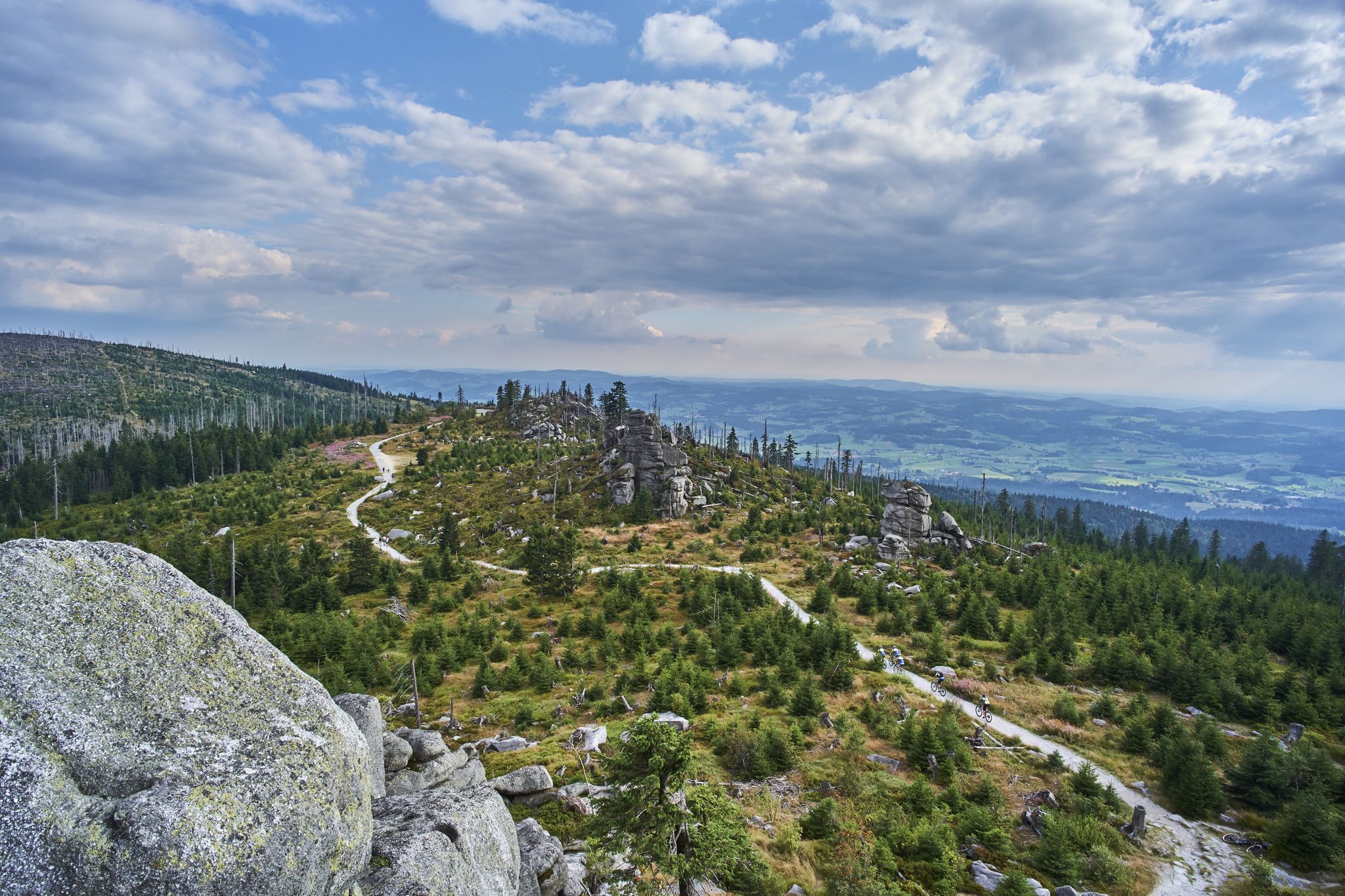
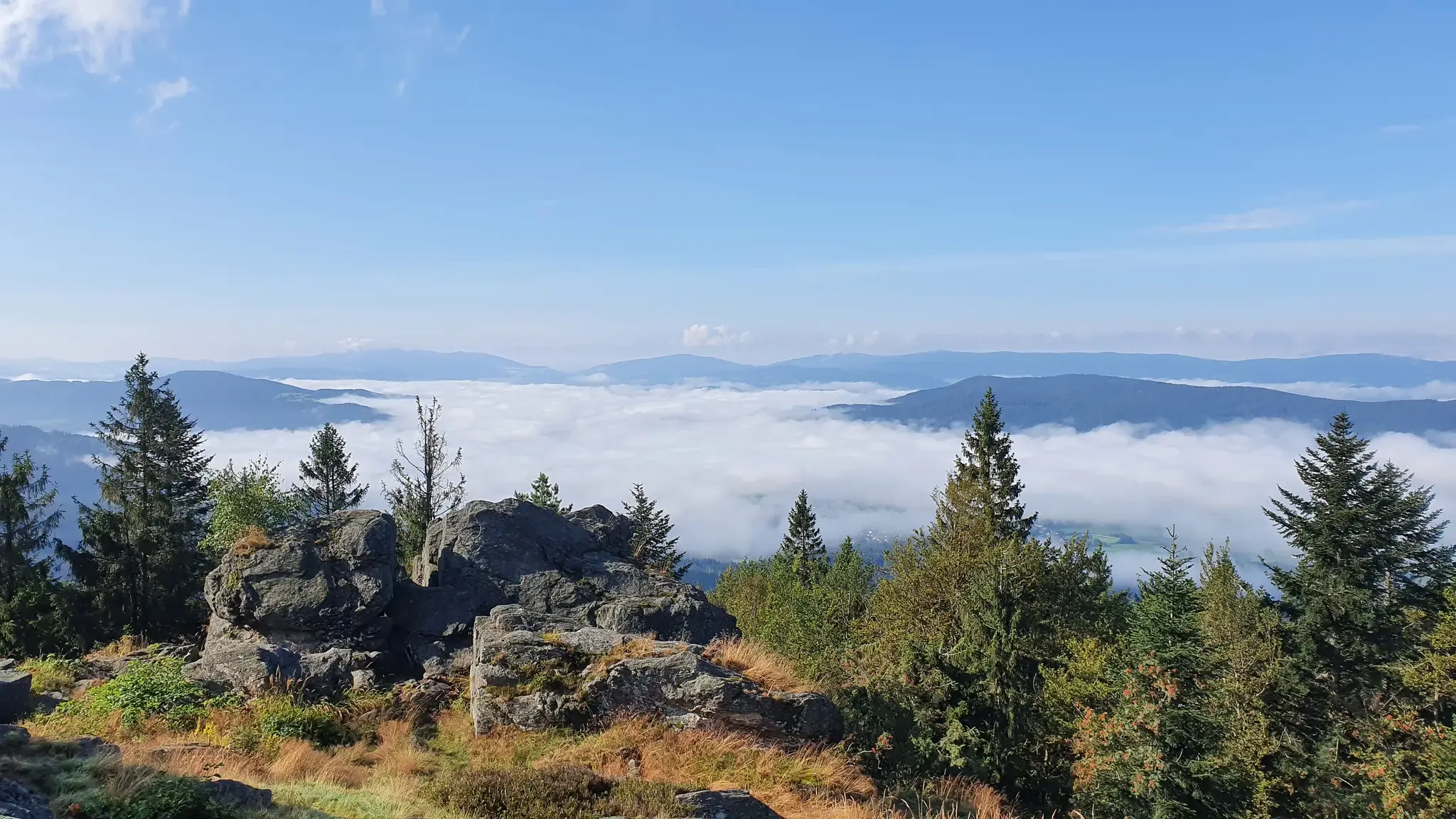
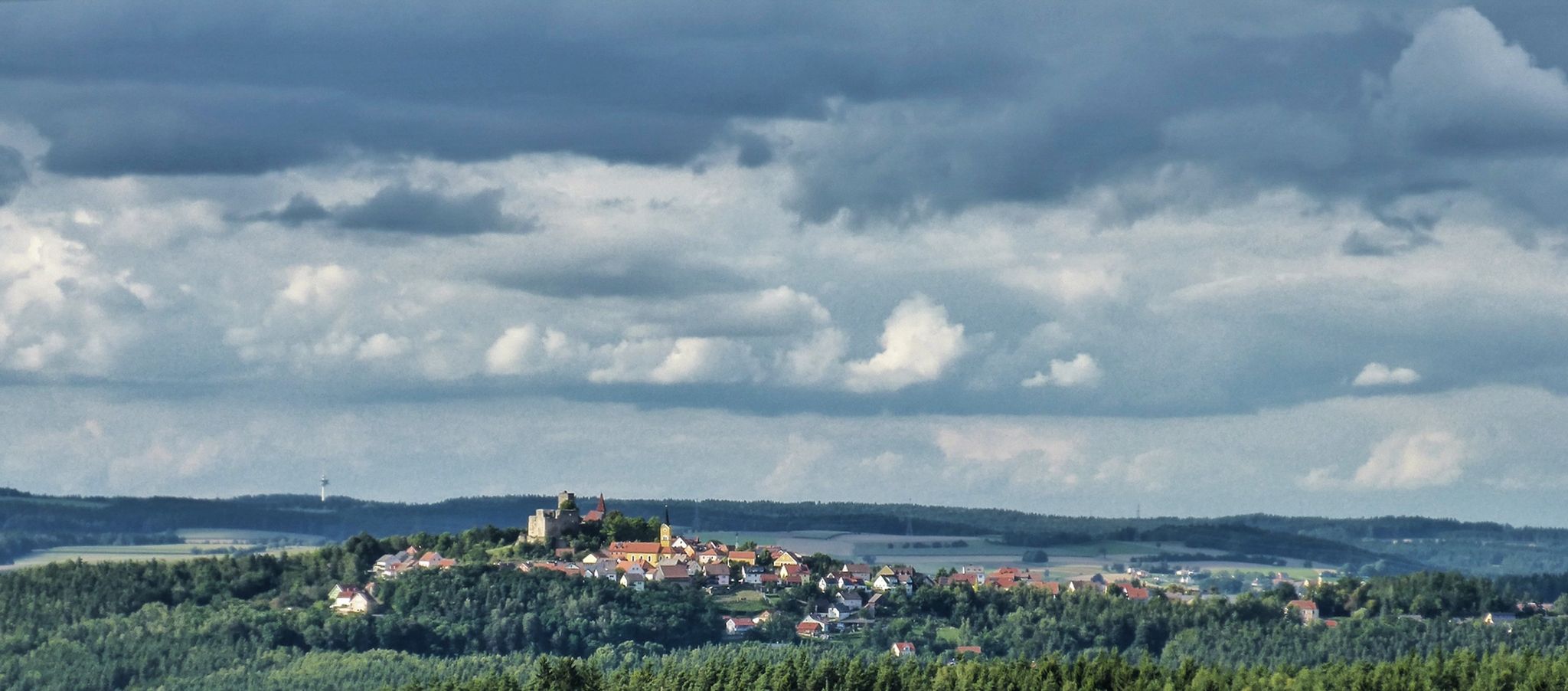

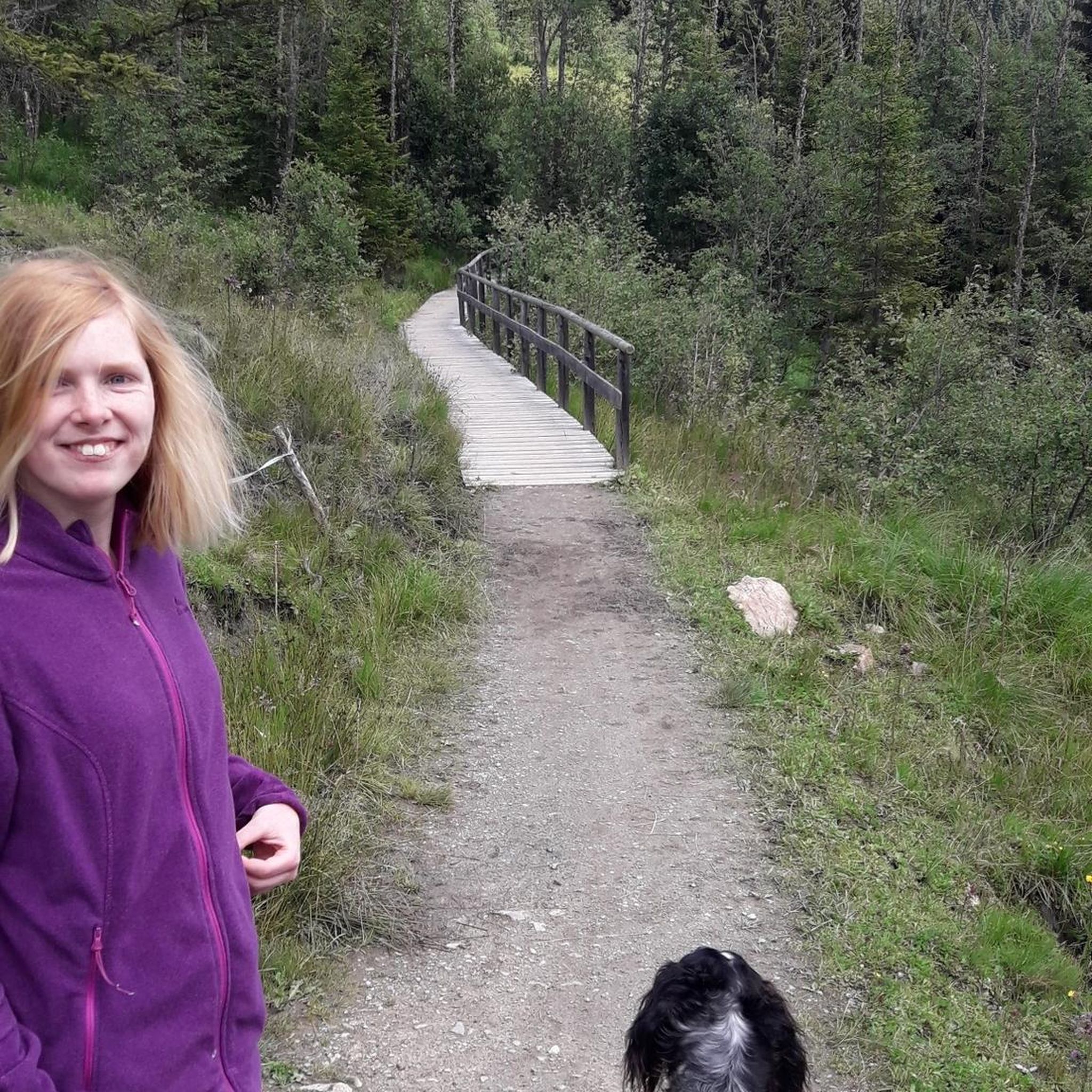
Other adventures around Rötz


Tips from the Community

very nice section from the Schwarzach in the Schönthal area
0
0
a gentle climb that is easy to manage. Once at the top, you have a beautiful view of the Bohemian Forest and the surrounding villages
0
0

Pilgrimage Church of St. Leonhard On the road from Seebarn to Hillstett lies the hamlet of St. Leonhard with the filial and pilgrimage church to St. Leonhard. The church is said to have been founded by Count Palatine Johann in gratitude for the victory won in the Battle of Hiltersried against the Hussites in 1433. The flat-roofed church has a recessed late Gothic choir with a closure in three octagonal sides. A domed bell tower sits on the church. Above the church entrance, in a niche, is the patron saint of the church, St. Leonhard, depicted with a cow at his feet. The interior of the church shows us a late Gothic chancel and a simple nave from the 18th century. The high altar, with two twisted columns on the right and left, is flanked on the left by St. Florian and on the right by St. James. On the sides, scrollwork-like carved decoration. The altarpiece shows St. Leonhard with an abbot's staff. In front of him is an angel holding a chain, and below him, the Hussite conqueror and founder of the church, Count Palatine Johann, also depicted with a chain. Above this is a coat of arms cartouche of unknown origin and a bishop's mitre with a staff. In the upper part is the Holy Trinity, with an angel on each side of the cornice. On the left side altar, a picture of St. Wendelin can be seen. On the right side altar stands a simple wooden sculpture of the Madonna. It is particularly venerated by the population. On the left wall are three oil paintings on wood. Depicted here from left to right are St. John the Evangelist, the Apostle of the Gentiles, St. Paul, and the Bishop of Milan and Church Father, St. Ambrose. On the right side of the nave, the picture cycle continues with St. Augustine, Doctor of the Church and Bishop of Hippo, St. Jerome, the translator of the Vulgate Bible, and St. Luke the Evangelist. Below these pictures is a Way of the Cross from the 18th century. The painters of the Way of the Cross and the valuable picture panels are unknown. St. Leonhard was formerly a very well-attended place of pilgrimage. Even before the votive pictures, small votive offerings in the form of iron animal signs were made, some of which are still preserved. Source: Church guide of the Deanery of Neunburg vorm Wald
1
0

Beautifully located by the cycle path the chapel with a resting place
1
0
unfortunately I've never been inside, although I've cycled past many times
0
0


The marking of the hiking trails is a bit confusing here. The understandable information board is located north of the St 2152 behind the sign Naturpark Oberer Bayerischer Wald.
0
0
St. Martin's Parish Church The history of the parish dates back to the Middle Ages. The first record of such a church is from 1297, but a church certainly existed in Untertraubenbach around the year 1000. This former parish church was destroyed in the Thirty Years' War and subsequently rebuilt on the site of the also-destroyed castle. According to the date inscribed on the west gate, this was in 1719. On Maundy Thursday in 1813, a fire broke out, destroying most of the central and outer parts of the village, including the parish church. Reconstruction began just one year later. Until the 20th century, St. Martin's Parish experienced the turbulent events of history, even suffering the effects of World War II. Renovations were necessary time and again, the most recent taking place in 2002/2003. In 2009, the bell tower was expanded to include two additional bells. Upon entering the church, one is struck by its deliberate simplicity. A simple nave with an adjoining chancel is only enlivened by wall piers, giving the interior an almost medieval character. A barrel vault spans the entire nave. At the center of the chancel stands the high altar, framed by two altar guardians, St. Florian and St. Sebastian. This is a neo-Baroque work from around 1900. At the center is a festively framed painting of Mary, which was brought to Untertraubenbach from the pilgrimage chapel of Streicherröhren in 1718, as it was no longer considered safe there. It is a beautiful copy of the Passau Maria-Hilf painting, which is based on the original by Lucas Cranach. The patron saint of the church, St. Martin, is depicted in the altarpiece. On both sides of the sanctuary are beautifully carved choir stalls, adorned with charming ornamental carvings. Inside the nave, the wooden pulpit is a striking feature. It is a simple piece of woodwork depicting the four Evangelists and the Good Shepherd. The stained-glass windows show St. Michael and John the Baptist on the left and St. Barbara and Thérèse of Lisieux on the right. Source: Excerpts from the church guide for St. Martin's Parish Church in Untertraubenbach
3
0
Frequently Asked Questions
How many traffic-free road cycling routes are available around Rötz?
There are over 50 dedicated traffic-free road cycling routes around Rötz listed on komoot. These routes offer a variety of distances and difficulty levels, ensuring there's something for every cyclist looking to avoid cars.
What kind of terrain can I expect on traffic-free road cycling routes near Rötz?
The terrain around Rötz is quite varied, ranging from gentle river valleys to more undulating sections at the foot of the Hoher Bogen. You'll find well-maintained cycle paths alongside picturesque rivers like the Naab and Regen, offering pleasant rides with minimal climbs. Some routes, however, will include moderate ascents, providing panoramic views of the Bavarian Forest.
Are there any easy, traffic-free road cycling routes suitable for beginners or families in Rötz?
Yes, Rötz offers several easy, traffic-free road cycling routes perfect for beginners or families. These often follow river paths, providing a relaxed experience through lush landscapes. An example is the Hocha Cycle Path – Schwarzach River at Schönthal loop from Rhan, which is rated as easy and covers about 31 km.
Can I find challenging car-free road cycling routes around Rötz?
While the focus is on traffic-free, some routes offer more challenging aspects with moderate elevation gains. For instance, the Between Rötz and Hilstett – Murnthal Manor House loop from Flischbach features over 400 meters of elevation gain over its 41 km, providing a good workout while keeping you away from heavy traffic.
What are the best seasons for traffic-free road cycling in Rötz?
The best seasons for road cycling in Rötz are spring, summer, and autumn. During these months, the weather is generally mild, and the landscape is at its most vibrant, making for enjoyable rides through the Bavarian Forest and along the river valleys.
Are there any scenic viewpoints or natural features along these routes?
Absolutely! Many routes offer stunning views. The region is characterized by green meadows, dense forests, and impressive natural monuments. You might encounter the Stone Wall (Schwarzwihrberg), which offers great views, or cycle past the serene Eixendorfer Reservoir. The Regental valley itself is a picturesque route.
Which historical landmarks can I visit while cycling traffic-free around Rötz?
The area is rich in history. You can cycle past the impressive Schwarzenburg Castle Ruins, which offers a unique panorama from its renovated keep. Other notable historical sites include the Kürnburg Castle Ruins with views over the Regental, and the historic Rötz Castle within the town itself.
Are there circular traffic-free road cycling routes available?
Yes, many of the traffic-free road cycling routes around Rötz are designed as loops, allowing you to start and end at the same point. For example, the Between Rötz and Hilstett – Eisendorfer Reservoir loop from Rötz is a moderate 26 km circular route that takes you past the reservoir.
Where can I park my car when starting a traffic-free road cycling tour in Rötz?
Rötz and its surrounding villages typically offer public parking facilities suitable for cyclists. It's advisable to check local signage upon arrival, but you'll generally find convenient spots to park your car before embarking on your traffic-free cycling adventure.
Are there cafes or places to stop for refreshments along the traffic-free routes?
Yes, the charming villages and towns along the Naab and Regen rivers, as well as within the Bavarian Forest, often have traditional Bavarian inns and cafes where you can stop for refreshments. The mountain lodge in the upper courtyard of Schwarzenburg Castle Ruins is also a cozy option if your route takes you there.
What do other cyclists say about the traffic-free road cycling routes in Rötz?
The traffic-free road cycling routes around Rötz are highly rated by the komoot community, with an average score of 3.7 stars. Reviewers often praise the quiet roads, the beautiful scenery of the Bavarian Forest, and the well-maintained paths that make for a relaxing and enjoyable cycling experience away from vehicle traffic.
Most popular attractions around Rötz

Get inspired with the komoot mobile app


Explore more
Browse the best Road cycling routes in other regions.
