The best traffic-free bike rides around Loitzendorf
4.2
(60)
773
riders
38
rides
Road cycling around Loitzendorf offers diverse terrain within the Bavarian Forest, characterized by a mix of gentle hills and more demanding climbs. The region features predominantly paved surfaces, ideal for road cycling, with routes often leading through dense forests and alongside streams. Cyclists can expect varied elevation changes, providing engaging experiences across different difficulty levels. The landscape includes numerous hills and offers panoramic views, particularly in areas like the Piehlmühlbach.
Best no traffic road cycling routes around Loitzendorf
- The most…
Last updated: July 11, 2026
3.0
(1)
17
riders
40.1km
01:50
440m
440m
Moderate road ride. Good fitness required. Mostly well-paved surfaces and easy to ride.
6
riders
45.2km
02:20
750m
750m
Moderate road ride. Good fitness required. Mostly well-paved surfaces and easy to ride.

Sign up for free
12
riders
21.8km
01:12
420m
420m
Moderate road ride. Good fitness required. Mostly well-paved surfaces and easy to ride.
5
riders
37.2km
01:55
560m
560m
Moderate road ride. Good fitness required. Mostly well-paved surfaces and easy to ride.
5
riders
30.4km
01:45
680m
680m
Moderate road ride. Good fitness required. Some segments of this route may be unpaved and difficult to ride.
Get access to more routes and recommendations from other explorers.
Sign up for free
Already have an account?
Our route recommendations are based on thousands of hikes, rides, and runs completed by other people on komoot.
Start today with a free account
Your next adventure awaits.
Login or Signup
Popular around Loitzendorf
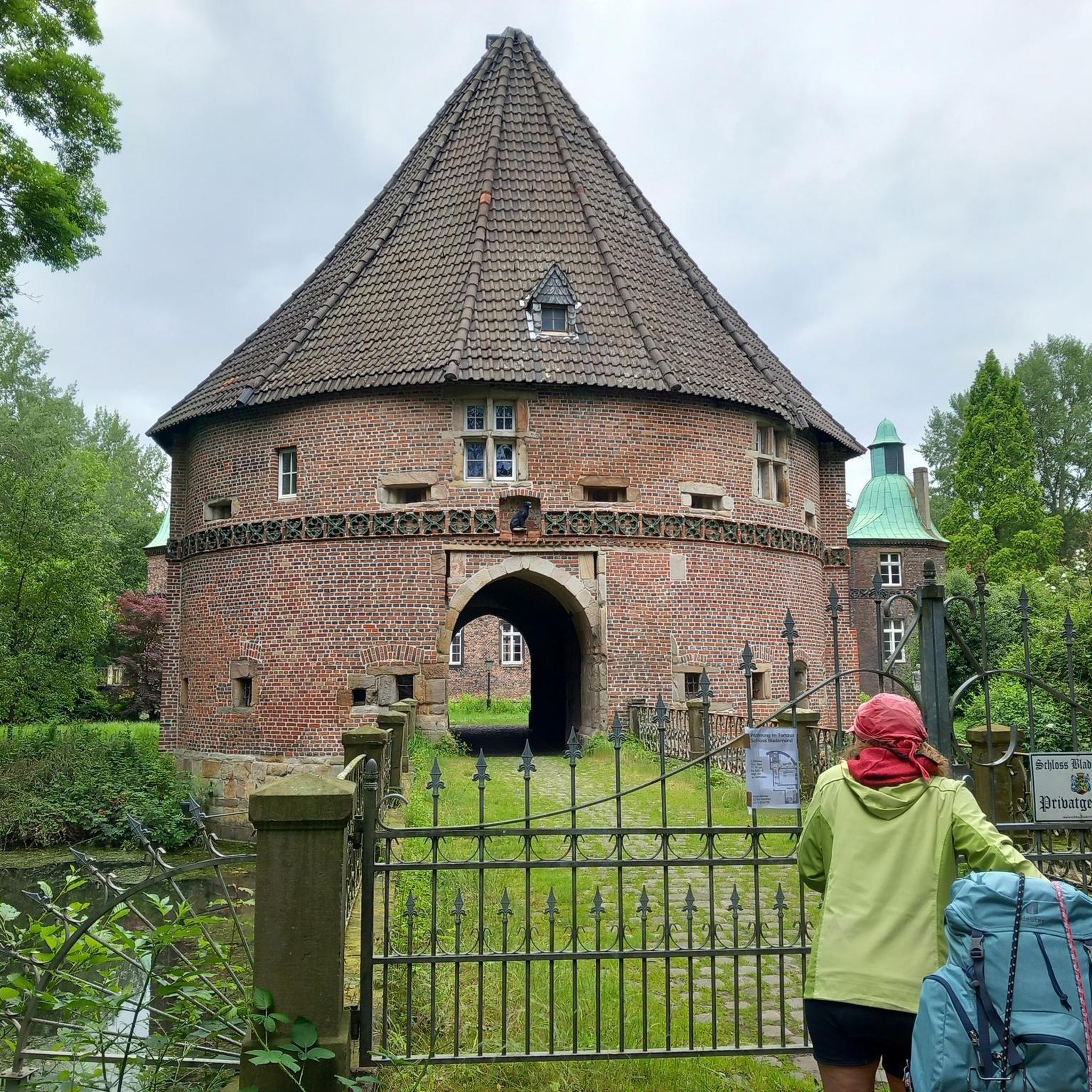
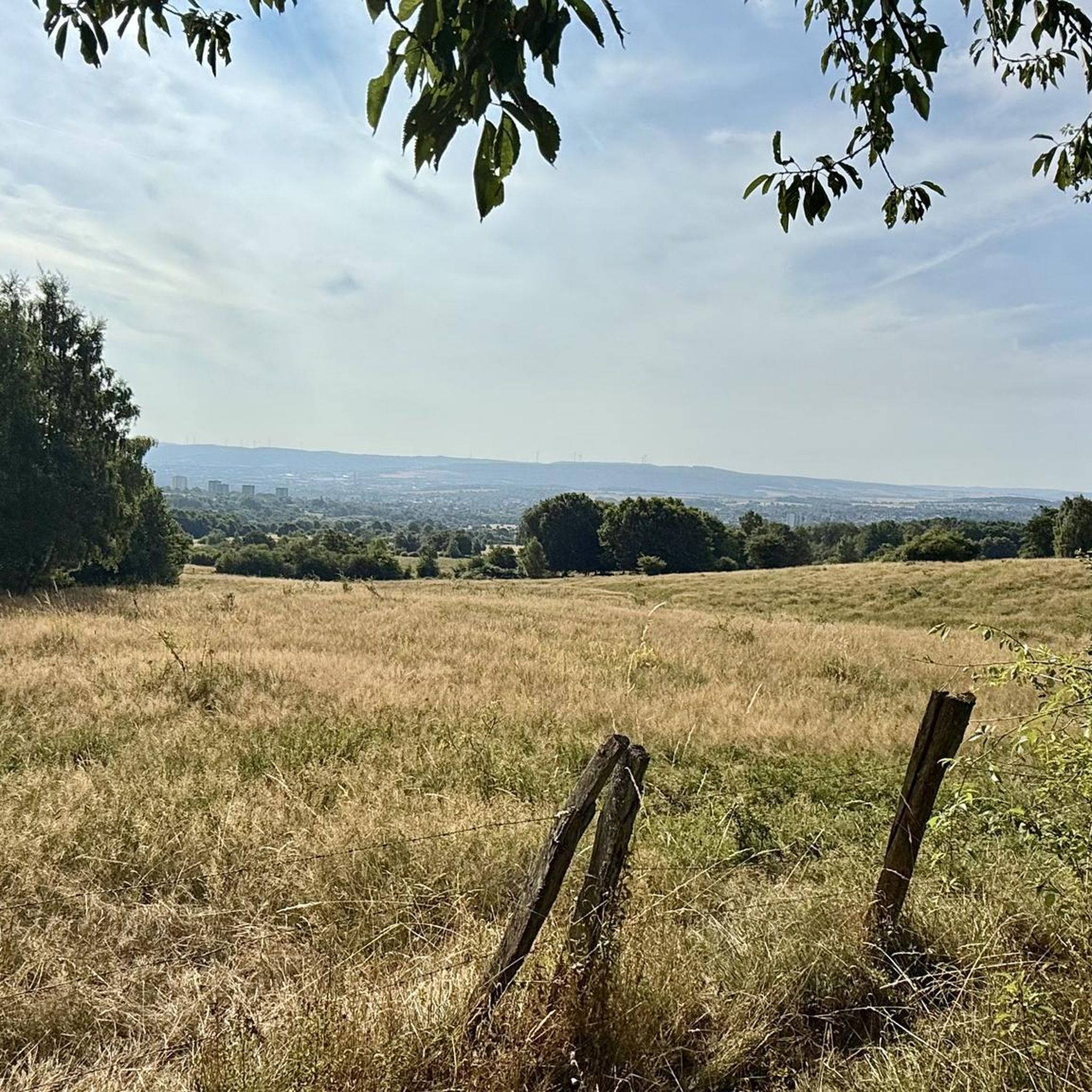
Tips from the Community

Parish Church of St. John Due to its prominent location on the edge of the Pfahl (hill), the parish church of St. John in Moosbach is visible from afar, especially to the south and west. The church tower is 41.5 meters high and rises far above the houses in the Moosbach village. The origins of the current parish church and tower likely date back to the Romanesque period. The nave walls are Romanesque. The choir, tower, and vault of the church are late Gothic. In 1691, the church was expanded with two side chapels and given a Baroque redesign. Over the next few decades, the church received its current furnishings. Due to significant structural defects, the parish church underwent extensive renovation and expansion starting in the spring of 1963. In July 1963, the church was lengthened by eleven meters. Due to structural defects, the church was extensively renovated again from 1987 to 1991. The high altar is a Rococo creation from around 1720 to 1730. It contains life-size figures of Saint Helena and Emperor Heraclius as altar guardians, both of whom play important roles in the rediscovery and recapture of Christ's cross. Since 1990, the high altar has again featured the image of John the Baptist, the patron saint of the parish church. The words above the image, "Ecce agnus die" (Behold the Lamb of God), recall the words of John the Baptist when Jesus came to him at the Jordan to be baptized. The current altarpiece dates from the mid-19th century. The magnificently restored pulpit dates from 1691. Images of the four evangelists can be seen in the individual panels of the pulpit. The right side chapel features an altar dating from 1730. Its centerpiece is the statue of John the Baptist. Above him is the figure of Saint Joseph. Saint Barbara stands on the left side of this altar, and Saint Catherine on the right. The left side chapel is the Chapel of St. Mary and was also created in 1730. The altarpiece depicts a devotional image of Saint Anne, her daughter Mary, and the Infant Jesus. Also depicted in the image are Saint Sebastian and Saint Florian. The outer wall is decorated with a beautiful seated figure of Mary with the Infant Jesus. Source: Excerpts from www.pfarrei-moosbach-niederbayern.de
2
0
Parish Church of St. Martin The first Romanesque religious building in Miltach was built between 1050 and 1100. Around 1400 the apse was demolished and the current choir was built in the same place. Around the middle of the 18th century the church was given a baroque makeover, mainly by raising the tower. There were two reasons for the renewed expansion and redesign in 1974: the lack of space for churchgoers and the dilapidated structure of the nave. After initial concerns, the State Office for Monument Preservation gave its consent to the demolition of the rear part and the subsequent new construction. The official laying of the foundation stone took place on September 8, 1974 by cathedral canon Martin Lehner. The topping-out ceremony was celebrated on October 25 of the same year. Auxiliary Bishop Karl Flügel consecrated the parish church on August 8, 1976. The high altar from 1760, a Rococo structure with free-standing round and square columns, is extended to the sides with passageways underneath. The figure of St. Andrew on the left and St. James on the right stand as altar guards. The center of the high altar is a painting depicting the patron saint of the parish church, St. Martin. The picture with the well-known motif of the cloak being divided was painted by Ignaz Anton Sollfleisch from Cham. At the top, the high altar ends with a so-called mercy seat, a depiction of the Holy Trinity. To the left of the altar is the figure of St. Florian (1763), to the right is the plague saint Sebastian (1754), and St. Barbara (around 1980), the latter as a replacement for the statue stolen around 1960. The left side altar is a reconstruction of the altar that burned on December 9, 1986. The Gothic Madonna of the Radiance and Child (1480) was also completely destroyed in this disaster. The other two figures, Saint Francis Xavier on the left and Saint Nepomuk on the right, were restored by carving. The altarpiece shows Saint Gertrude von Hefta, painted by Georg Achtelstetter from Cham in 1923. The right side altar (1760) received a picture of Saint Nicholas in 1987, a copy from the church in Haag near Hohenschambach. The golden apples and the book on the altar pillars as well as the miter above the altar testify that it was already dedicated to Saint Nicholas before 1923. Source: Excerpts from www.pfarrei-miltach.de
2
0

The Chapel of Our Lady, Klinglbach was built in 1884 by Johann and Katharina Wittmann as a private chapel and dedicated in 1886. From 1884 to 1937 it served as a private chapel. In 1937 it was inaugurated as a branch church of the parish of St. Engelmar. There are 12 wooden panels with images of the apostles on the gallery. The church is open during the day.
5
0

Refreshment point at the Arber Cycle Marathon. The real highlight is m.m.n. however, the increase coming from Reichsbach. Approx. 300 HM on almost 6 KM in the most beautiful nature and with a serpentine that gives a look back at what you have gained in height to date. Top!
0
0

Cute town, beautiful parish church.
1
0

Good inn that you are welcome to visit for a refreshment
1
0


Frequently Asked Questions
How many no-traffic road cycling routes are available around Loitzendorf?
There are over 35 dedicated no-traffic road cycling routes around Loitzendorf, catering to various skill levels. You'll find 5 easy routes, 26 moderate routes, and 7 challenging options, ensuring a suitable ride for every cyclist.
What kind of terrain can I expect on these no-traffic road cycling routes?
The routes around Loitzendorf offer a diverse mix of terrain, from gentle hills to more demanding climbs, all predominantly on paved surfaces ideal for road cycling. You can expect significant elevation changes, providing a good workout and engaging rides through the scenic Bavarian Forest.
Are there any circular no-traffic road cycling routes?
Yes, many of the no-traffic road cycling routes around Loitzendorf are designed as loops. For example, you could try the challenging Wasserspiele Miniature Village – Maibrunner Höhe (902 m) loop from Rattiszell, which offers over 1000 meters of elevation gain.
What natural features or viewpoints can I see along the routes?
The region is known for its impressive vistas and natural beauty. Many routes offer fantastic panoramic views, especially as you climb to higher elevations. The broader Bavarian Forest features dense forests and rushing streams. While not a specific route in our guide, the 'Beaver Paradise' at the Piehlmühlbach is a notable natural area in the vicinity.
Are there any historical landmarks or attractions accessible by road bike?
Yes, several routes pass by or are within cycling distance of historical sites. You can explore various castles in the wider area, such as Falkenfels Castle, Neuhaus Castle Ruins, or Altrandsberg Castle. These add a cultural dimension to your ride.
What do other road cyclists say about the routes around Loitzendorf?
The no-traffic road cycling routes around Loitzendorf are highly rated by the komoot community, with an average score of 4.2 stars from 56 ratings. Reviewers often praise the quiet roads, varied terrain, and the beautiful, unspoiled nature of the Bavarian Forest.
Are there any routes suitable for beginners or those looking for an easier ride?
Absolutely. Among the 38 routes, there are 5 classified as easy, perfect for beginners or those seeking a more relaxed ride without significant traffic. These routes typically feature gentler gradients and shorter distances.
Can I find routes that are longer or more challenging?
Yes, for experienced road cyclists looking for a challenge, there are 7 difficult routes available. An example is the Wasserspiele Miniature Village – Maibrunner Höhe (902 m) loop from Rattiszell, which covers over 43 km with more than 1000 meters of ascent. Many moderate routes also offer substantial distances and elevation gains, like the Welcome to Bogen – Bumpheisl loop from Pilgramsberg at 52 km.
Are there any lakes or water features along the no-traffic routes?
While not directly on every route, the region around Loitzendorf features several beautiful lakes and ponds that can be visited. Notable examples include Wiesenfelden Pond and Pfahlsee (Pfahl Lake), offering serene spots to relax near your cycling adventures.
What is the best time of year for road cycling in Loitzendorf?
The best time for road cycling in Loitzendorf, like much of Bavaria, is typically from spring through autumn (April to October). During these months, the weather is generally mild, and the landscapes are vibrant. Summer offers longer daylight hours, while spring and autumn provide cooler temperatures and beautiful foliage.
Are there shorter no-traffic road cycling options available?
Yes, if you're looking for a shorter ride, there are options like the To Kramerwirt – Grün Ski Lift loop from Rattenberg. This moderate route is approximately 21.8 km long, offering a good workout without committing to a full-day excursion.
Most popular routes around Loitzendorf
Most popular attractions around Loitzendorf

Get inspired with the komoot mobile app


Explore more
Browse the best Road cycling routes in other regions.
