The best traffic-free bike rides around Siegenburg
4.8
(34)
199
riders
14
rides
Gravel biking around Siegenburg offers diverse terrain within the Hallertau cultural landscape, known for its hop-growing regions and rolling hills. The area features the unique Inland Dunes Nature Reserve, a geomorphological highlight with varied dune formations under forest cover. Additionally, the River Abens flows through Siegenburg, providing scenic routes along its banks. This combination of agricultural scenery, natural reserves, and riverine paths creates a varied environment for gravel cyclists.
Best no traffic gravel bike trails around Siegenburg
- The most popular…
Last updated: October 14, 2026
4.8
(15)
85
riders
55.7km
03:15
120m
120m
Moderate gravel ride. Good fitness required. Mostly paved surfaces. Suitable for all skill levels.
15
riders
Easy gravel ride. Great for any fitness level. Mostly paved surfaces. Suitable for all skill levels.

5.0
(2)
7
riders
31.8km
01:55
130m
130m
Easy gravel ride. Great for any fitness level. Mostly paved surfaces. Suitable for all skill levels.
4.5
(2)
9
riders
Moderate gravel ride. Good fitness required. Mostly paved surfaces. Suitable for all skill levels.
5.0
(2)
10
riders
Moderate gravel ride. Good fitness required. Mostly paved surfaces. Suitable for all skill levels.
Get access to more routes and recommendations from other explorers.
Already have an account?
Our route recommendations are based on thousands of hikes, rides, and runs completed by other people on komoot.
Tips from the Community


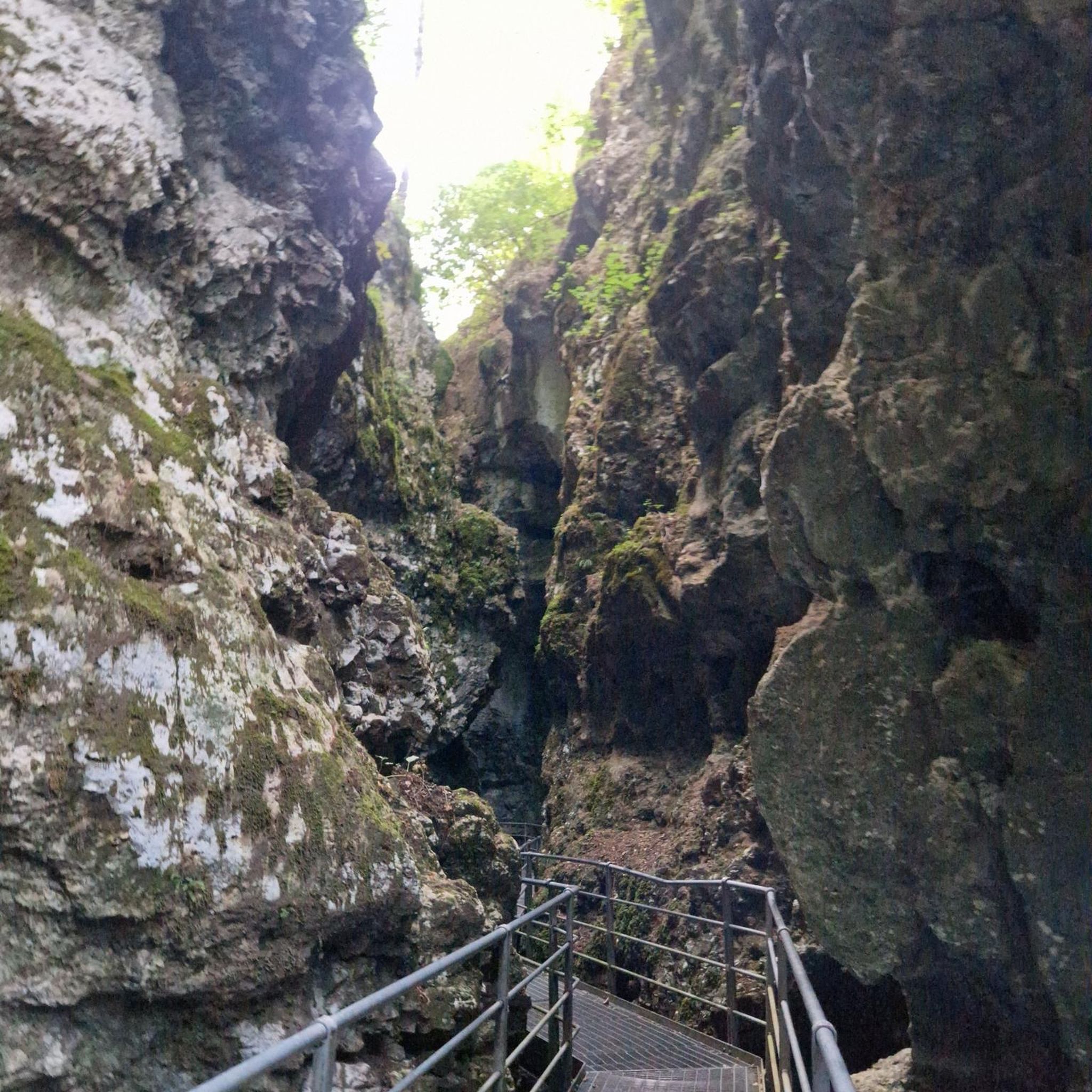
A boat trip through the Danube Gorge is a must-have experience
1
0

The Kuchlbauer Tower is an architectural project by Friedensreich Hundertwasser. With its 35 meters height, it is a beacon of Bavarian beer.
1
0

Ludwigsplatz is the pulsating heart of the old town of Kelheim. It is not only the central market square, but also a place where the eventful history of the Wittelsbach city is concentrated in a confined space.
1
0

I recommend stopping off for an ice cream or coffee at the Dolce Vita ice cream parlor in Neustadt an der Donau.
0
0

A special structure and a testament to elaborate architecture.
1
0

Seems to be the meeting point in Kelheim.
1
0

Frequently Asked Questions
How many traffic-free gravel bike trails are available around Siegenburg?
There are 16 traffic-free gravel bike trails around Siegenburg featured in this guide. These routes offer a mix of difficulties, with 4 easy, 11 moderate, and 1 difficult option, ensuring there's something for every skill level.
What kind of terrain can I expect on the no-traffic gravel bike trails near Siegenburg?
The terrain around Siegenburg is quite varied, offering a great experience for gravel biking. You'll encounter rolling hills, agricultural scenery through the Hallertau hop-growing region, and unique natural features like the inland dunes near Siegenburg and Offenstetten. Routes often follow forest paths, country roads, and paths along the River Abens, providing a diverse and engaging ride.
Are there any family-friendly, traffic-free gravel bike routes in the Siegenburg area?
Yes, there are several easy, traffic-free routes suitable for families. For instance, the Danube Gorge at Weltenburg – Weltenburg Monastery loop from Bad Gögging is an easy option, covering 24.2 km with minimal elevation gain, perfect for a relaxed family outing. Another good choice is the View of Forstmoos – Field Cross at Forstmoos loop from Münchsmünster, which is also rated easy.
Can I bring my dog on these gravel bike trails?
Many of the traffic-free gravel bike trails around Siegenburg, especially those on forest paths and quiet country roads, are suitable for cycling with dogs, provided they are well-behaved and kept on a leash where necessary. Always be mindful of local regulations, wildlife, and other trail users. Routes like the Danube Gorge at Weltenburg – Weltenburg Monastery loop from Bad Gögging offer pleasant, quieter sections.
What natural attractions can I see along the gravel bike routes?
The Siegenburg area is rich in natural beauty. You can explore the unique Inland dunes in the Seeholz near Offenstetten, a recognized geotope. Other highlights include the Old Danube Oxbow, Pförring, and the scenic River Abens. The region's hop fields also provide a picturesque backdrop, especially during harvest season.
Are there any circular gravel bike routes around Siegenburg that avoid traffic?
Yes, many of the routes are designed as loops to bring you back to your starting point without encountering significant traffic. For example, the Vohburg Danube Gate – Vohburg an der Donau — Old Town loop from Neustadt (Donau) is a moderate 55.7 km circular route. Another great option is the Hop Fields Near Abensberg – Biburg Monastery Church loop from Neustadt (Donau), which is 42.7 km long and offers beautiful scenery.
Where can I park my car when starting a gravel bike tour near Siegenburg?
Many of the listed routes start from towns like Neustadt (Donau), Bad Gögging, or Münchsmünster, which typically offer public parking facilities. For instance, if you plan to ride the View of Kelheim's city gates – Danube Cycle Path loop from Neustadt (Donau), you can look for parking in Neustadt an der Donau. Always check local signage for parking restrictions and fees.
What is the best time of year for gravel biking in Siegenburg to avoid traffic?
Spring and autumn generally offer the most pleasant conditions for gravel biking in Siegenburg, with milder temperatures and beautiful scenery. During these seasons, the trails are typically less crowded than in peak summer, allowing for a more serene, traffic-free experience. The hop fields are particularly scenic in late summer and early autumn.
Are there any historical or cultural landmarks along these traffic-free routes?
Yes, the region offers cultural points of interest. For example, the Hop Fields Near Abensberg – Biburg Monastery Church loop from Neustadt (Donau) takes you past the Biburg Monastery Church. While not directly on a route in this guide, the famous Kuchlbauer Tower in Abensberg is also nearby and can be incorporated into a longer ride.
What do other gravel bikers enjoy most about the traffic-free trails in Siegenburg?
The komoot community highly rates the gravel biking experience around Siegenburg, with an average score of 4.79 stars. Reviewers often praise the peacefulness of the traffic-free routes, the diverse landscapes ranging from hop fields to unique inland dunes, and the well-maintained paths that make for an enjoyable ride away from busy roads.
Are there any routes that pass by places to stop for refreshments?
While specific cafes or pubs are not detailed for every route, many of the trails pass through or near towns and villages like Neustadt (Donau), Bad Gögging, or Vohburg an der Donau. These locations typically offer opportunities to stop for refreshments or a meal. For example, the Danube Gorge at Weltenburg – Weltenburg Monastery loop from Bad Gögging starts and ends in Bad Gögging, a spa town with various amenities.
Most popular attractions around Siegenburg

Get inspired with the komoot mobile app


Explore more
Browse the best Gravel rides in other regions.
