The best traffic-free bike rides around Altmannstein
4.6
(440)
7,201
riders
86
rides
No traffic road cycling routes around Altmannstein traverse the diverse landscapes of the Altmühltal Nature Park and the Franconian Jura. The region is characterized by the Schambachtal valley, situated between the Altmühl and Danube rivers, and features the southeastern foothills of the Franconian Alb. This topography offers a mix of varied terrain, from river valleys to gentle ascents, often alongside historical elements of the UNESCO World Heritage Roman Limes.
Best no traffic road cycling routes around Altmannstein
- The most popular no traffic road cycling route is Hexenagger Castle loop from Hexenagger, a 37.8 miles (60.8 km) trail that takes 2 hours 32 minutes to complete, passing by historical castles and through varied rural landscapes.
- Another top favourite among local road cyclists is Sandersdorf Castle – Bettbrunn–Stammham Cycle Path loop from Sandersdorf, a moderate 25.8 miles (41.5 km) path. This route offers views of the Schambachtal valley and connects historical sites with scenic stretches.
- Local road cyclists also love the Sandersdorf Castle loop from Altmannstein, a 11.6 miles (18.7 km) trail leading through the Altmühltal Nature Park, often completed in about 47 minutes.
- Road cycling around Altmannstein is defined by rolling hills, river valleys, and historical landmarks like castles and Roman Limes remnants. The network offers options for various ability levels, from easy loops to more challenging routes with notable elevation gain.
- The routes in Altmannstein are highly rated by the komoot community with an average score of 4.6 stars from over 40 reviews. More than 600 road cyclists have used komoot to explore Altmannstein's varied terrain.
Last updated: July 11, 2026
4.4
(14)
135
riders
41.5km
01:48
320m
320m
Moderate road ride. Good fitness required. Some segments of this route may be unpaved and difficult to ride.
4.9
(17)
298
riders
60.9km
02:32
410m
410m
Moderate road ride. Good fitness required. Mostly well-paved surfaces and easy to ride.

Sign up for free
5.0
(2)
17
riders
19.9km
00:50
150m
150m
Easy road ride. Great for any fitness level. Mostly well-paved surfaces and easy to ride.
2.0
(1)
6
riders
32.6km
01:24
240m
240m
Easy road ride. Great for any fitness level. Mostly well-paved surfaces and easy to ride.
4.0
(1)
6
riders
36.0km
01:39
250m
250m
Easy road ride. Great for any fitness level. Mostly well-paved surfaces and easy to ride.
Get access to more routes and recommendations from other explorers.
Sign up for free
Already have an account?
Our route recommendations are based on thousands of hikes, rides, and runs completed by other people on komoot.
Start today with a free account
Your next adventure awaits.
Login or Signup


Tips from the Community

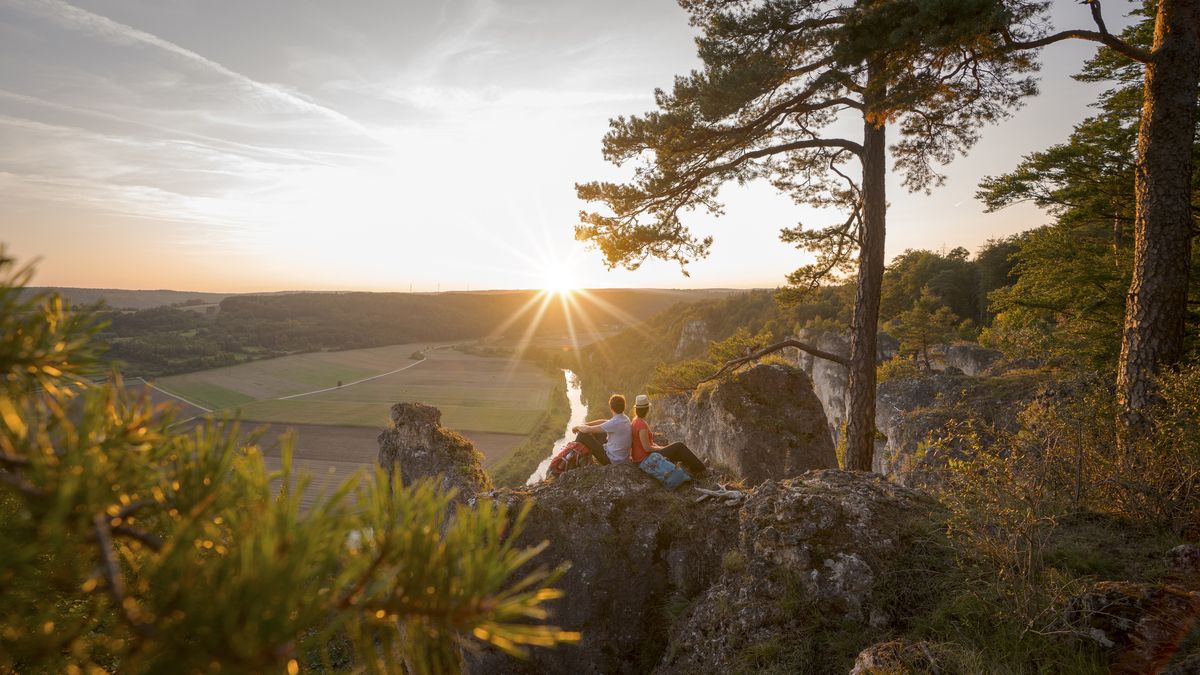
Beautiful hiking trail with an elevated view of the village.
0
0

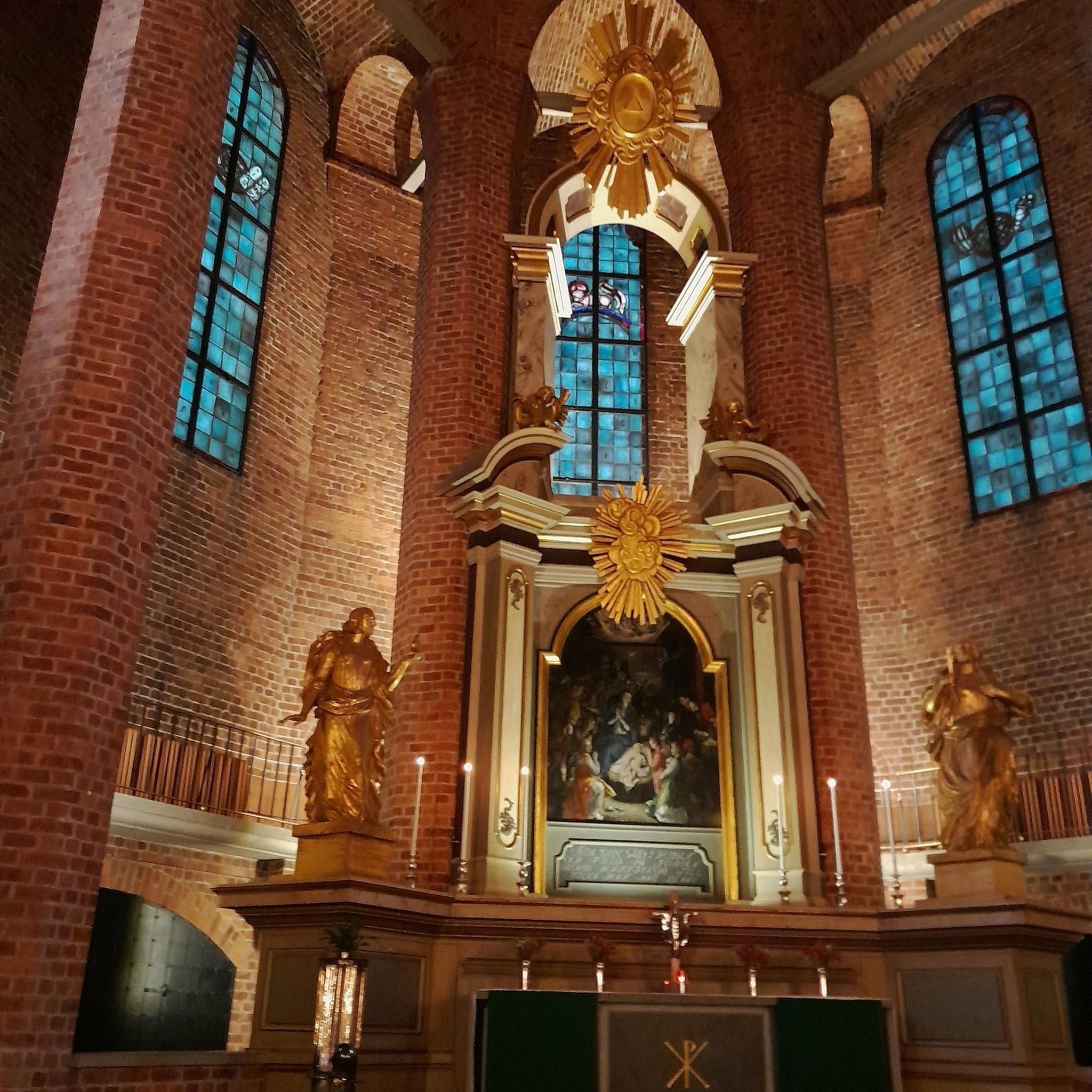
Holy Cross Parish Church The origins of the Holy Cross Church are unknown, but a church building must have existed as early as 1421, when the mass benefice was established. Due to severe damage, the roof and roof trusses were replaced in 1664. The veneration of an old wooden image is recorded from 1699 to 1705. The dilapidated church was rebuilt from 1760 to 1764 under master mason M. Prädl. Due to lack of space, a tower was built over the choir, but it collapsed shortly before completion in 1761, severely damaging the nave. The tower was subsequently relocated to its current location, but was not completed until after the church's consecration in 1763. In 1858, the church was extended by 15 feet to the west. During a comprehensive restoration in 1890, three new altars were added. In 1908, stained-glass windows were finally added, and in 1909, the damaged structure was repaired. The church's reconstruction in 1959, under the direction of architect Friedrich Ferdinand Haindl from Munich, resulted in a generous extension of the nave and extensive renovation of the interior. Only the choir and tower remained in their original state. The nave is shaped like a long rectangular hall. The side walls are rhythmically divided by four high, segmental-arched windows. A window bearing the coat of arms of Bishop M. Buchberger breaks through the west wall above the organ loft, supported by round columns. Figurative and ornamental paintings adorn the flat, coffered wooden ceiling. The slightly raised main choir is divided into five segments by piastres and bases and expansive imposts, and is distinguished by a fresco in the vault. Round-arched windows positioned to the sides of the choir provide illumination for the room. The church's interior is given a sense of unity—despite the different construction periods of the choir and nave—by its attention to the monumental crucifix in the choir, which dominates the entire space. The restrained color scheme and unobtrusive form of the remaining furnishings do not compete with the cross, allowing it to become the focal point. The lighting and the clear, manageable form allow the modern nave to blend in with the Rococo choir and the cross without denying its own period of origin. Source: www.das-altmuehltal.de/altmannstein/kreuz
2
0
Hexenagger Castle A Dietricus von Haecsenakker is mentioned as early as 928 in a Regensburg document from the St. Emmeram Monastery; further information is scarce. In 1311, Gottfried Hexenacker became Bishop of Freising. He had studied in Bologna and served as dean of the cathedral there for many years. In 1314, he died of an infectious disease while on a tour of inspection in Vienna. In 1485, the castle passed through marriage to the Counts of Helfenstein, who sold the fortress to Duke William of Bavaria in 1528. He gave Hexenagger to the Muggenthal family as a fief. When the castle was destroyed in the Thirty Years' War, the Muggenthal family rebuilt it as a castle. In 1724, the castle was sold to the Bavarian Elector Charles Albert, as the Hexenagger line of the Muggenthal family had died out. In 1731, Elector Karl Albrecht donated the castle to his mistress, Maria Josepha Countess von Morawitzky. Her husband received the castle in 1738, and when he died in 1754, Anton von Kaiserstein became the new owner. Franz Joseph III von Kaiserstein (1792–1893) sold the castle in 1830 and acquired an estate in Sooß (Lower Austria) in exchange. From 1830 to 1951, Hexenagger Castle belonged to the noble family of Weidenbach. Otto Edler von Weidenbach bequeathed it to his niece Ilse von Kalckreuth, who married Wilhelm Leichtfuß, whose son, Eberhard Leichtfuß, owns it today. Hexenagger is a castle between the Renaissance and Baroque periods, built on the foundations of the old castle. In the lower areas and at the corners, ashlars and bossed ashlars, up to several meters high, are still visible on the castle building. The stump of the keep, made of bossed ashlar, is also said to have been preserved, but is not visible from the outside. The defensive character of the complex is best appreciated from the rear, where parts of the curtain wall and wall towers have been preserved. The tall, narrow chapel also still hints at the castle in its form; particularly interesting is the slender, slightly leaning bell tower, which appears to still sit on the older foundations of the medieval chapel tower. The main building itself, with its stepped gable and beautiful garden, presents a romantic sight. The castle is privately owned and not open to the public; the popular Christmas market was relocated to the Wolfgangshof estate near Zirndorf in Middle Franconia in 2023 due to complaints from local residents. Source: www.Burgenseite.de / www.wikipedia.de
2
0
Sandersdorf Castle The present castle dates back to a medieval castle built by the Lords of Sandersdorf as Wittelsbach ministerials. The family has been documented since the 12th century. In 1420, the castle was plundered by Duke Henry of Bavaria-Landshut while he was at war with Duke Ludwig the Bearded of Bavaria-Ingolstadt. In 1425, the castle was granted to the Muggenthal family; the first owner of this family, Erhart von Muggendal, rebuilt it. Hans Heinrich von Muggenthal succeeded in keeping peasant revolts and the Reformation away from his domain. The Sandersdorf Castle Brewery was founded in 1550. The castle was destroyed during the Thirty Years' War; Albrecht Ulrich von Muggenthal had it rebuilt as a four-winged castle by 1646. It retains this form to this day. In 1675, Dominikus de Bassus inherited Sandersdorf Castle, but he witnessed its destruction in 1703 during the War of the Spanish Succession. In May 1787, the castle was searched by Bavarian officials because it was considered an "Illuminati nest." Thomas de Bassus was a member of the Illuminati Order, founded in Ingolstadt by Adam Weishaupt in 1776; his castle was a meeting place for many of the secret society's meetings. Numerous secret documents were confiscated during the search. Around 1900, the castle was partially renovated and refurbished under the direction of the Munich architect Gabriel von Seidl. In 2008, the castle was sold by Margarethe Baroness de Bassus, along with the forest lands, to the Wittelsbach Equalization Fund. In March 2022, the castle was sold to Dr. Horst-Florian Jaeck. Parts of it are to be opened to the public. The richly structured four-winged building complex was built on medieval foundations in the 16th century, rebuilt after destruction in the 17th and 18th centuries, and remodeled in the 19th century. The high main wing faces east; it has high stepped gables on its narrow sides and three oriels with gabled tops on the wide sides facing the valley, in front of which is a kind of moat with two octagonal corner turrets. The lower castle wings to the north and south face west. The castle chapel of St. Joseph, with its octagonal domed tower, is located in the inner courtyard. Source: www.wikipedia.de
2
0

Offendorf club station
0
0

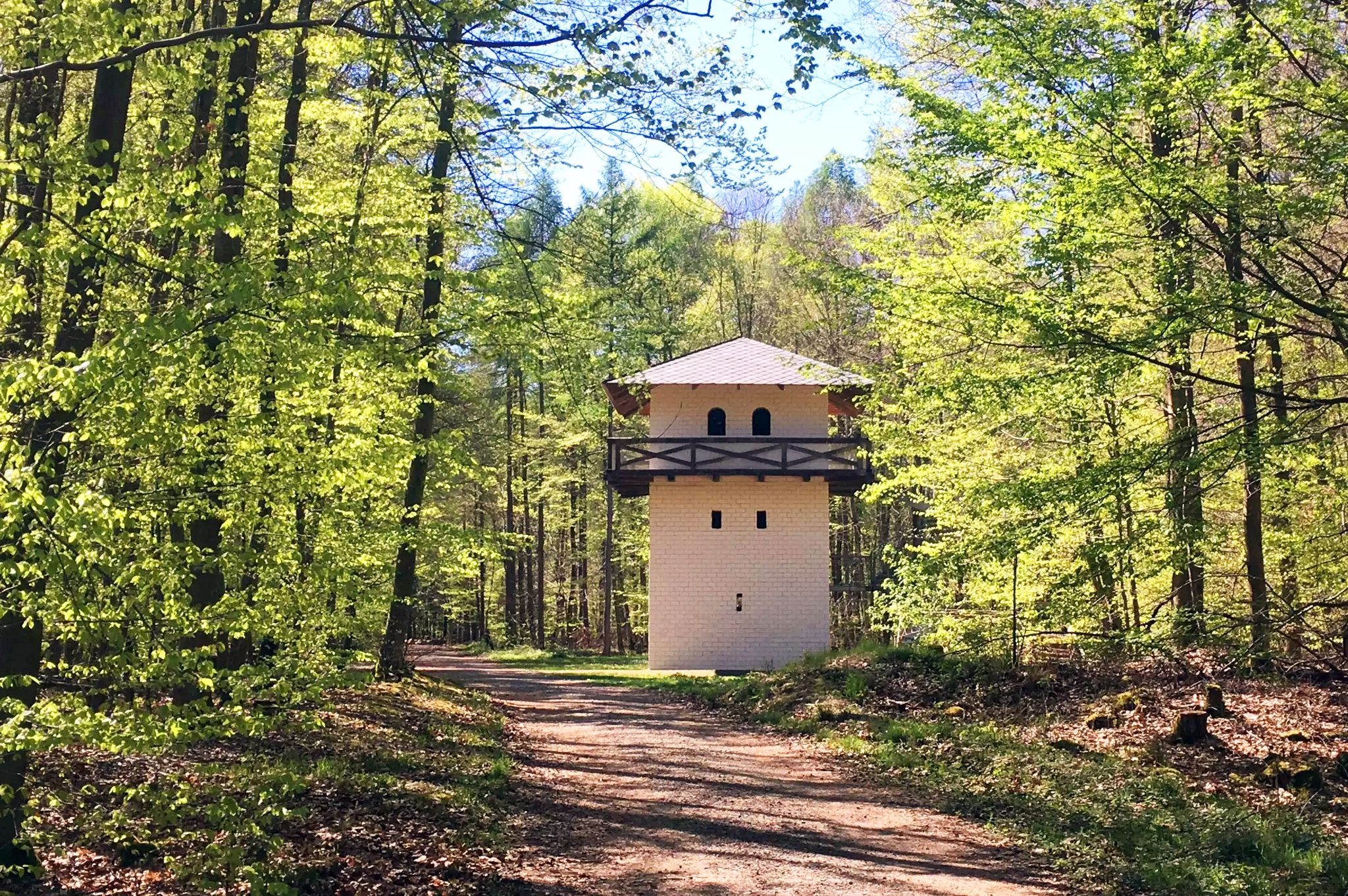
Supermarket directly on the cycle path invites thirsty (and hungry) cyclists to refuel
0
0
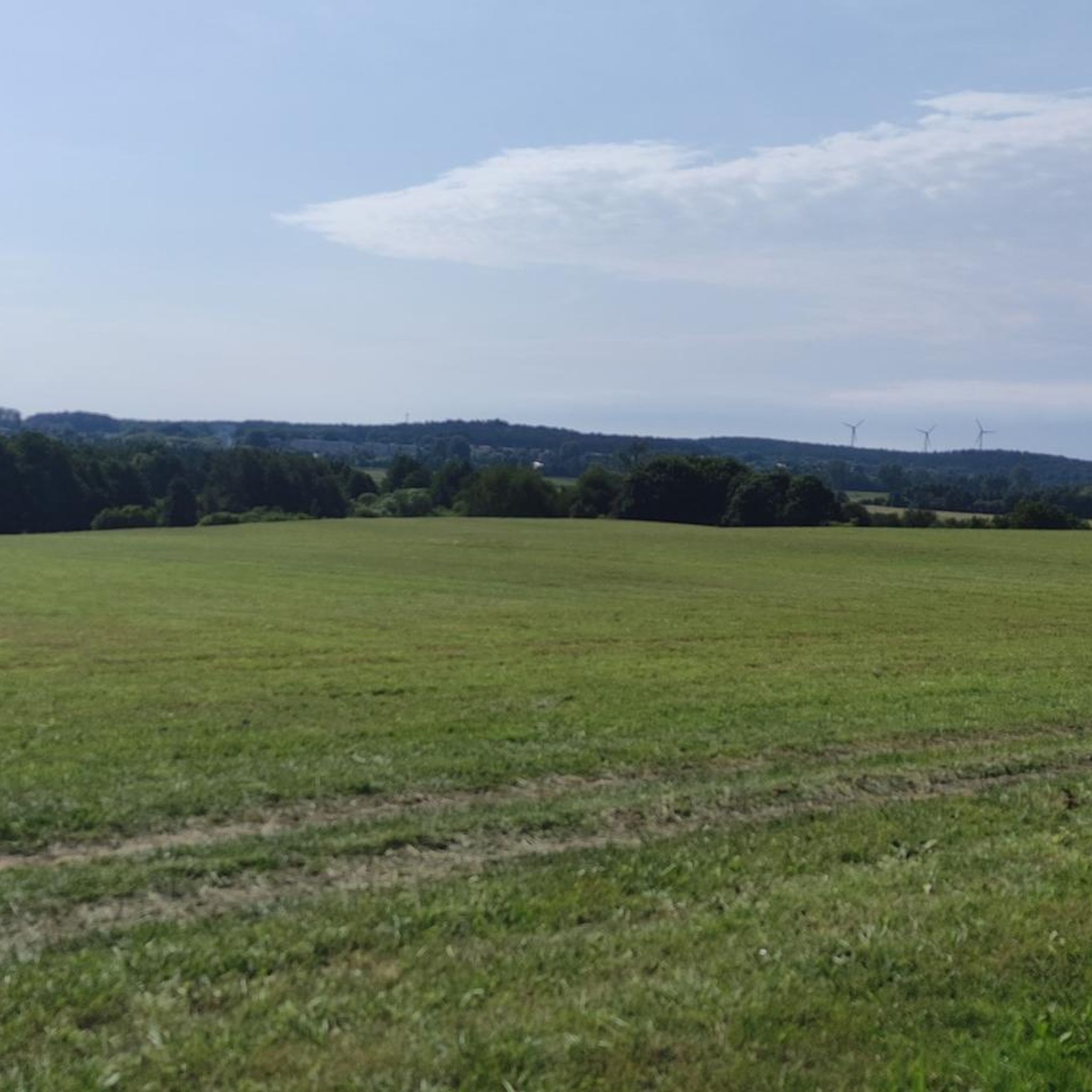
Beautiful wide view over the Schambach valley
0
0
Drive axle of a Class 043 steam locomotive, which used to run on the track bed where the Schambachtal cycle path now runs
0
0
Frequently Asked Questions
How many no traffic road cycling routes are available in Altmannstein?
There are over 90 dedicated no traffic road cycling routes around Altmannstein, offering a wide range of options for all skill levels. You'll find routes varying in length and elevation, ensuring a suitable ride for every cyclist.
What kind of terrain can I expect on the no traffic road cycling routes in Altmannstein?
The Altmannstein region, nestled between the Altmühl river and the Danube, offers a diverse landscape. You can expect varied terrain, from the southeastern foothills of the Franconian Alb to the northern parts of the Hallertau. While many routes are designed to be traffic-free, they will still feature the natural undulations of the area, providing both scenic flats and gentle climbs.
Are there easy no traffic road cycling routes suitable for beginners or families?
Yes, Altmannstein offers a good selection of easier, traffic-free road cycling routes. Approximately 27 of the available routes are rated as easy, making them ideal for beginners or those looking for a relaxed ride. These routes typically feature less elevation gain and shorter distances, allowing for a comfortable experience.
What historical landmarks or castles can I see along these routes?
The region is rich in history. Many no traffic road cycling routes pass by or offer views of impressive historical sites. For example, you could explore the area around Sandersdorf Castle or the romantic ruins of Burg Altmannstein. Other notable castles in the wider area include Prunn Castle and Randeck Castle. The German Limes Cycle Path also runs through the region, highlighting its Roman heritage.
What natural features can I discover while road cycling in Altmannstein?
Altmannstein is part of the picturesque Altmühltal Nature Park, known for its 'wonderful nature and endless variety.' Cyclists can enjoy unique geological formations, such as the nature reserve Kreutberg, and impressive ancient trees like the almost 800-year-old Bavaria-Buche in Pondorf. The proximity to the Altmühl and Danube rivers also means you'll encounter beautiful riverine landscapes and oxbow lakes, such as the Altmühl Oxbow Lakes.
What do other road cyclists enjoy most about the no traffic routes in Altmannstein?
The komoot community highly rates the road cycling experience in Altmannstein, with an average score of 4.65 out of 5 stars. Reviewers often praise the quiet, traffic-free nature of the routes, the stunning natural scenery of the Altmühltal, and the opportunity to combine cycling with visits to historical castles and charming towns.
Are there any circular no traffic road cycling routes available?
Yes, many of the no traffic road cycling routes in Altmannstein are designed as loops, allowing you to start and finish at the same point. An example is the Hexenagger Castle loop from Hexenagger, which offers a scenic ride through the local landscape.
Where can I find parking for these no traffic road cycling routes?
Many routes start from towns or villages like Altmannstein, Sandersdorf, or Hexenagger, where public parking is generally available. For instance, the Sandersdorf Castle loop from Altmannstein typically begins in Altmannstein, offering convenient parking options for cyclists.
What is the best time of year for no traffic road cycling in Altmannstein?
The spring, summer, and early autumn months (roughly April to October) are generally the most pleasant for road cycling in Altmannstein. During these periods, the weather is typically mild, and the natural landscapes are at their most vibrant. Always check the local weather forecast before heading out.
Are there any specific viewpoints or scenic spots along the no traffic road cycling routes?
Absolutely! The diverse topography of the Altmühltal Nature Park offers numerous scenic viewpoints. You can expect panoramic views of the valleys, rivers, and rolling hills. Keep an eye out for spots like the View of Prunn Castle or the View of Riedenburg and Rosenburg Castle from Schambachtal Bridge, which offer stunning vistas of the region's iconic landmarks and natural beauty.
Can I find cafes or places to stop for refreshments along the no traffic road cycling routes?
Yes, the charming towns and villages throughout the Altmannstein region and along the routes often have cafes, bakeries, and traditional Bavarian inns where you can stop for refreshments. Historic old towns like Beilngries and Riedenburg are particularly good for a break, offering local culture and culinary delights. The Weltenburg Monastery, known for its historic rock cellar and beer, is also a significant attraction in the wider area.
Most popular routes around Altmannstein
Most popular attractions around Altmannstein

Get inspired with the komoot mobile app


Explore more
Browse the best Road cycling routes in other regions.
