The best hikes from bus stations around Bad Schlema
4.6
(12789)
41,338
hikers
36
hikes
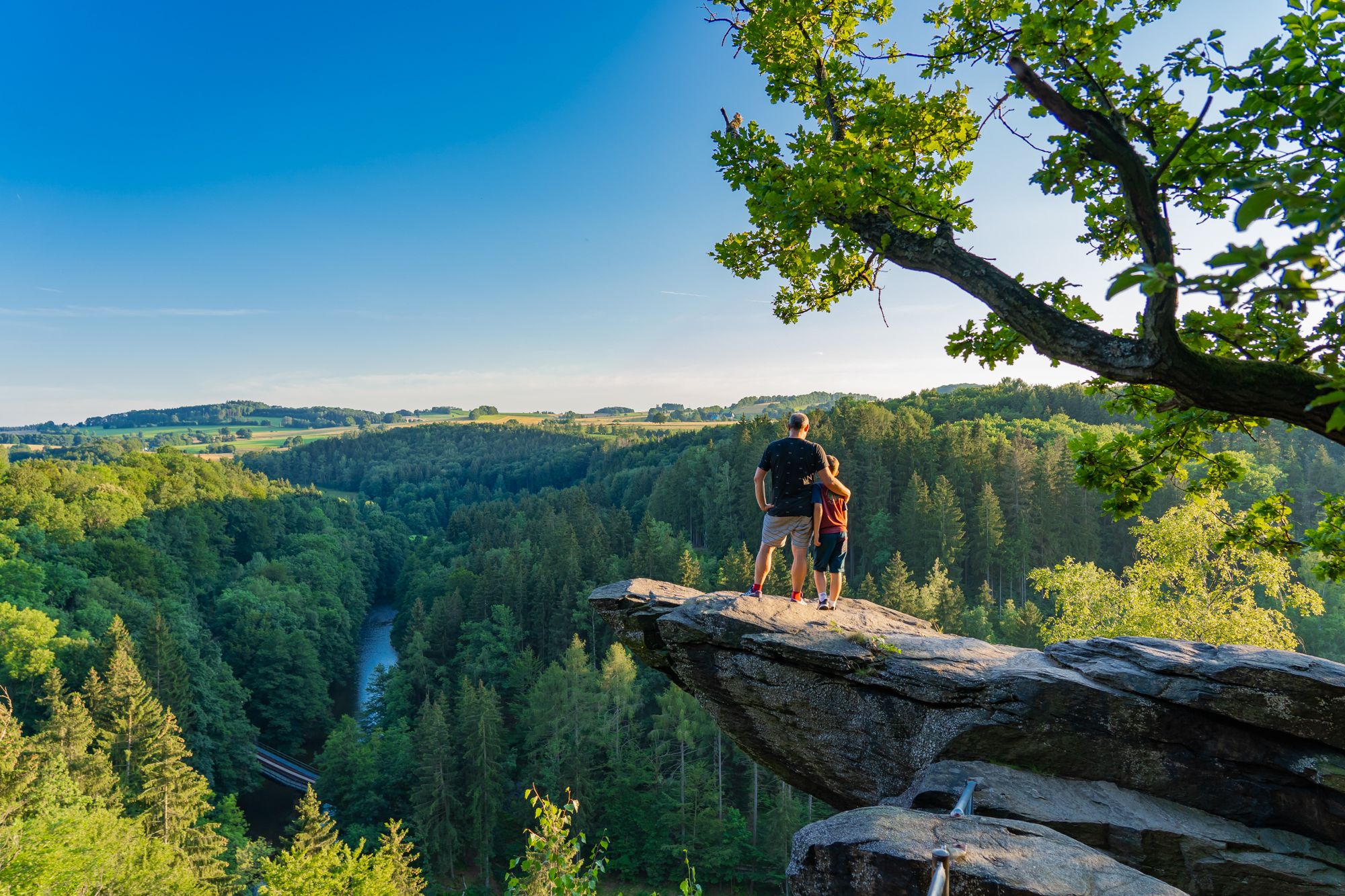
Bus station hiking trails around Bad Schlema are set within the scenic Ore Mountains of Germany, characterized by rolling hills, dense forests, and meandering river valleys. The region offers a diverse landscape for outdoor activities, with routes often following river courses like the Zwickauer Mulde. Hikers can explore varied terrain, from tranquil woodlands to open vistas, with elevations ranging up to 593 meters at Gleesberg.
Best bus station hiking trails around Bad Schlema
- The most popular bus station hiking route…
Last updated: October 14, 2026
4.7
(41)
118
hikers
5.99km
01:39
100m
100m
Easy hike. Great for any fitness level. Easily-accessible paths. Suitable for all skill levels.
4.3
(23)
59
hikers
4.83km
01:23
110m
110m
Easy hike. Great for any fitness level. Easily-accessible paths. Suitable for all skill levels.

4.4
(18)
46
hikers
Moderate hike. Good fitness required. Easily-accessible paths. Suitable for all skill levels.
4.6
(9)
22
hikers
8.60km
02:23
160m
160m
Moderate hike. Good fitness required. Easily-accessible paths. Suitable for all skill levels.
4.6
(8)
37
hikers
6.49km
01:48
110m
110m
Easy hike. Great for any fitness level. Easily-accessible paths. Suitable for all skill levels.
Get access to more routes and recommendations from other explorers.
Already have an account?
Our route recommendations are based on thousands of hikes, rides, and runs completed by other people on komoot.
Start today with a free account
Your next adventure awaits.
Other adventures around Bad Schlema


Tips from the Community

The first town hall was built around 1527 by Fabian Lobwasser. After destruction by fire and subsequent reconstruction, it served as a public building for the citizens from 1723. After burning down again in 1849 and being rebuilt in the Neo-Gothic style, the ground floor was set up as a sales vault and the upper floor as a district court. After the district court moved out, the building underwent a new interior design in the Art Nouveau style in 1911/12, as we still see it today. From 2018 to 2021, the town hall was completely renovated, an elevator was installed, and its fire safety was improved.https://www.bergstadt-schneeberg.de/seite/760323/historische-altstadt.html
0
0
The Bortenreuther House is considered one of the city's most valuable Baroque residential buildings. It was built in 1724/25 on behalf of the merchant Johann Friedrich Bortenreuther and today houses the Museum of Mining Folk Art.https://de.wikipedia.org/wiki/Schneeberg_(Erzgebirge)
0
0
Fürstenhaus, built in the 16th century as Gasthaus Wenzel, later owned by the Wettin family through a donation. It was used by them as an inn for high-ranking guests. Rebuilt after a fire in 1719 and after the Second World War. After reunification, the building came into the possession of the Sparkasse, which had it completely renovated and restored. https://de.wikipedia.org/wiki/Schneeberg_(Erzgebirge)
0
0

Stamp point for the W@nderbarer Silberberg circular hiking trail.
0
0

located directly on the terrain paths, unfortunately without a resting place
1
0

A must-see for anyone interested in Erzgebirge folk art.
1
0

A wonderful sight in winter when it's nicely frosty.
1
0
Schneeberg Town Hall was completed in 1852 and has been remodeled several times since. The building houses the city administration and is the third town hall in the city's history. A porcelain carillon has been located in its tower since 2006. The Schneeberg Town Hall was completed in 1852 and has been remodeled several times since.
1
0
Frequently Asked Questions
How many hiking trails are accessible directly from bus stations around Bad Schlema?
There are 38 distinct hiking trails around Bad Schlema that are easily accessible from local bus stations. These routes offer a variety of experiences, with 20 classified as easy, 14 as moderate, and 4 as difficult, ensuring options for all fitness levels.
Are there any easy, family-friendly circular routes starting from a bus stop?
Yes, several easy circular routes are perfect for families. The Bad Schlema Spa Park – Planet Trail Mercury loop from Schneeberg is an easy option, covering about 6 km through the scenic area. Another great choice is the Bad Schlema Spa Park – Planetary Trail Earth loop from Schneeberg, which is around 5 km and also easy, offering a pleasant stroll through the spa park surroundings.
What kind of natural features and viewpoints can I expect on these bus-accessible hikes?
The trails around Bad Schlema offer diverse natural beauty and impressive viewpoints. You can enjoy picturesque hills, dense forests, and meandering river valleys. Many routes provide vistas of the nearby Fichtelberg mountain. For specific highlights, consider visiting the König-Albert-Turm for panoramic views, or the Blauenthal Waterfall, Saxony's highest, which can be incorporated into longer hikes.
Are there any moderate hikes that offer a good balance of challenge and scenery?
Absolutely. For a moderate challenge with rewarding scenery, consider the Iron Bridge Schlema – Eisenbrücke Aue-Bad Schlema loop from Bad Schlema. This route is about 9 km long and takes you through varied terrain, showcasing the region's natural and historical elements. Another excellent moderate option is the Silberbach Reservoir – Schneeberg Town Hall loop from Bad Schlema, offering waterside views and a journey of around 8.6 km.
What do other hikers enjoy most about the bus-accessible trails in Bad Schlema?
The hiking trails around Bad Schlema are highly regarded by the komoot community, boasting an average rating of 4.6 out of 5 stars from over 11,000 ratings. Hikers frequently praise the well-maintained paths, the tranquil forest settings, and the blend of natural beauty with historical mining insights. The accessibility from bus stations is also a major plus for many.
Can I find trails that highlight the region's mining history?
Yes, Bad Schlema's rich mining heritage is woven into several trails. While specific routes are not listed here, the region features educational paths like the 'Ader mining trail Aue' and the 'Mining and Rehabilitation Educational Trail.' These routes combine nature exploration with insights into the area's past. You might also encounter historical sites like the St. Georgen Silver Smelting Works along your journey.
Are there any specific trails suitable for beginners or those looking for a shorter walk?
For beginners or those preferring shorter walks, the area offers many easy options. The Schneeberg Town Hall – Fürstenhaus (Sparkasse) loop from Bad Schlema is an easy 6.5 km route, ideal for a relaxed outing. Additionally, Bad Schlema is known for its 'Terrainkurwege,' specially designed for mild cardiovascular training, which are perfect for untrained hikers or those seeking a gentle experience.
Are there any waterfalls accessible on hikes from bus stations?
Yes, the region is home to beautiful waterfalls. The famous Blauenthal Waterfall, considered the highest in Saxony, is a significant natural attraction that can be reached via hiking routes. You can also discover smaller cascades, such as those on the Floßgrabenweg, or the Waterfall in the Kurpark, Bad Schlema, offering serene spots to enjoy.
What is the best time of year to hike around Bad Schlema?
The Ore Mountains offer beautiful hiking experiences throughout the year. Spring brings blooming flora, while summer provides lush green landscapes perfect for long days on the trail. Autumn is particularly stunning with vibrant fall foliage. Even winter hiking is possible, with snow-covered forests creating a magical atmosphere, though some trails might require appropriate gear.
Are there places to rest or eat along the bus-accessible hiking trails?
Yes, you'll find various spots to rest and refuel. The region has several huts and restaurants that cater to hikers. For example, the Forester's Lodge "Zur Prinzenhöhle" and the Anton-Günther-Berghaus are popular choices. Many trails also pass through or near towns where cafes and restaurants are available, especially in Bad Schlema itself or nearby Schneeberg.
Are the trails around Bad Schlema suitable for dogs?
Generally, the hiking trails in the Bad Schlema region are dog-friendly, offering plenty of natural space for your canine companion. It's always advisable to keep dogs on a leash, especially in nature reserves, near wildlife, or when passing through populated areas. Remember to bring water for your dog, especially on longer routes, as water sources might not always be readily available.
Most popular routes around Bad Schlema
Most popular attractions around Bad Schlema

Get inspired with the komoot mobile app


Explore more
Browse the best Hikes in other regions.
