Attractions and Places To See around National Park Montesinho - Top 20
Attractions and places to see around National Park Montesinho is a natural sanctuary in northeastern Portugal, characterized by its unspoiled landscapes and well-preserved traditional culture. The park features rugged mountains, deep river valleys, and dense oak forests, with a bedrock of schist and granite. It is home to 88 villages that maintain a traditional way of life, blending seamlessly into the landscape with buildings made from local stone. This region offers a diverse range of natural and cultural sites for exploration.
Best attractions and places to see around National Park Montesinho
- The most popular attractions is Montesinho Village, a settlement situated at an altitude of 1020 meters amidst granite outcrops. This village features the old stone Igreja de Santo António and is the namesake of the natural park.
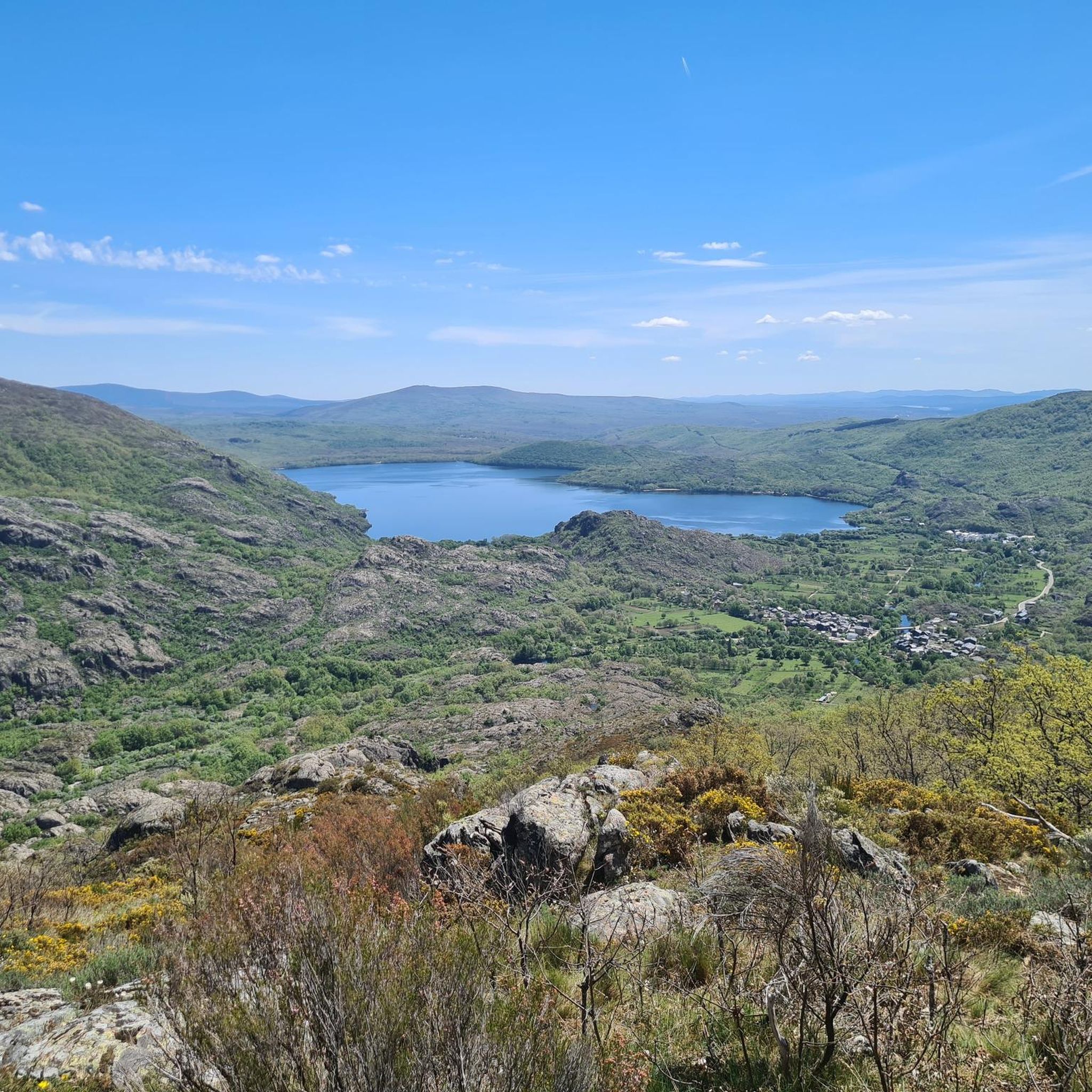
- Another must-see spot is Scenic landscape in Parque Natural de Montesinho, a natural monument offering a quiet and relaxing environment. Visitors can expect to find beautiful nature with exciting rock formations, ideal for lingering and immersing oneself in the natural surroundings.
- Visitors also love Rio de Onor Village, a picturesque settlement on the banks of the Onar River. This unique village is notable for being split by the Spanish border, with inhabitants sharing a communal way of life for generations.
- National Park Montesinho is known for its traditional villages, natural monuments, and diverse forests. The region offers a variety of attractions to see and explore, from historical sites to wildlife parks.
- The attractions around National Park Montesinho are appreciated by the komoot community, with 20 upvotes and 52 photos shared by visitors.
Last updated: July 7, 2026
European chestnut (Castanea sativa)
Highlight • Natural Monument
The European chestnut tree (Castanea sativa Miller) belongs to the Castanea genus and the Fagaceae family, the same family that includes cork oaks and oaks in general. The genus includes 12 to 13 species, five of which are of Asian origin and seven of which are North American. The common chestnut tree is the only one native to Europe. This is a tree that managed to survive the last glacial period (Würms glaciation) in some parts of central and Mediterranean Europe and is currently found all over the world, including North and South America and Australia.
Several studies indicate that the natural distribution of the European chestnut tree corresponds to these refuge zones, where it remained during the glacial events. These areas later served as starting points for the colonization of other regions, before humanity dedicated itself to cultivating the species. One of these refuges is located in the Picos de Europa region and another between the south of Galicia and the north of Portugal, which is why the chestnut tree is considered an indigenous or native species of our country.
The chestnut tree grows well in temperate climates and the ideal conditions for its development are found in places with average temperature and humidity, where rainfall reaches at least 600 mm per year – more than 100 mm in the summer. It is, however, sensitive to late frosts and very low temperatures. It prefers soils at least 50 cm deep, loose and rich in nutrients, slightly acidic (pH between 4.5 and 6.5) and not calcareous.
Although it can grow in less suitable conditions, it develops and produces best in coastal or mountainous areas, at medium altitude, with hot and humid summers and mild winters.
Translated by Google •
Tip by

Rio de Onor Village
Highlight • Settlement
Translated by Google •
Tip by

Sign up now to discover places like this
Get recommendations on the best single tracks, peaks, & plenty of other exciting outdoor places.
Sign up for free
Biological Park of Vinhais
Highlight • Natural Monument
- Zoo
- Hiking
- Cycling
- Paintball
- Camping
...
parquebiologicodevinhais.com/en/home
Translated by Google •
Tip by

Montesinho Village
Highlight • Settlement
As a curiosity, you should know that there are more than 90 villages within the Montesinho Natural Park and that the highest point in the park is the Serra do Montesinho, whose peak is 1,486 metres above sea level.
Translated by Google •
Tip by
Scenic landscape in Parque Natural de Montesinho
Highlight • Natural Monument
Translated by Google •
Tip by

Sign up for free to discover even more attractions around National Park Montesinho.
Sign up for free
Already have an account?
Start today with a free account
Your next adventure awaits.
Login or Signup
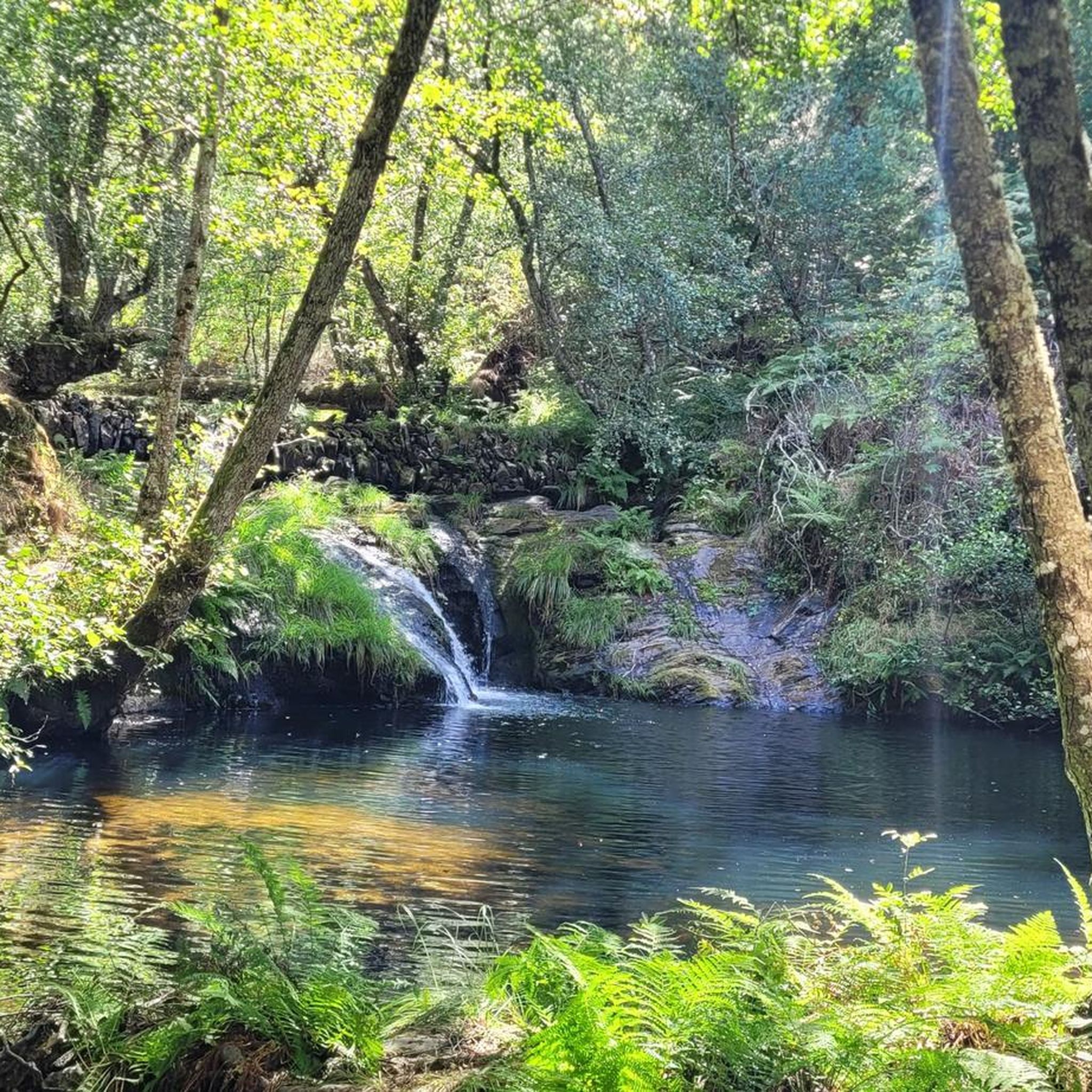
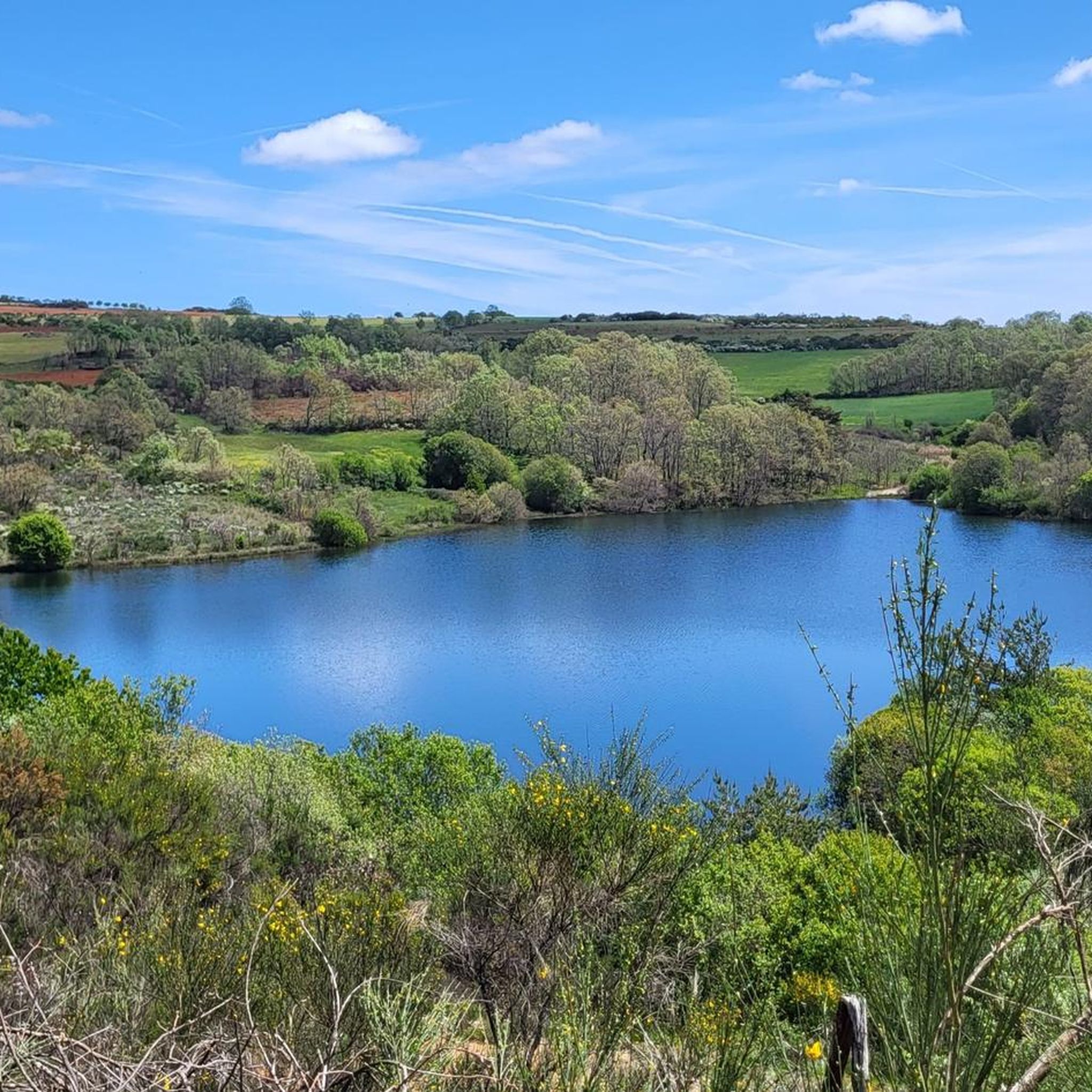
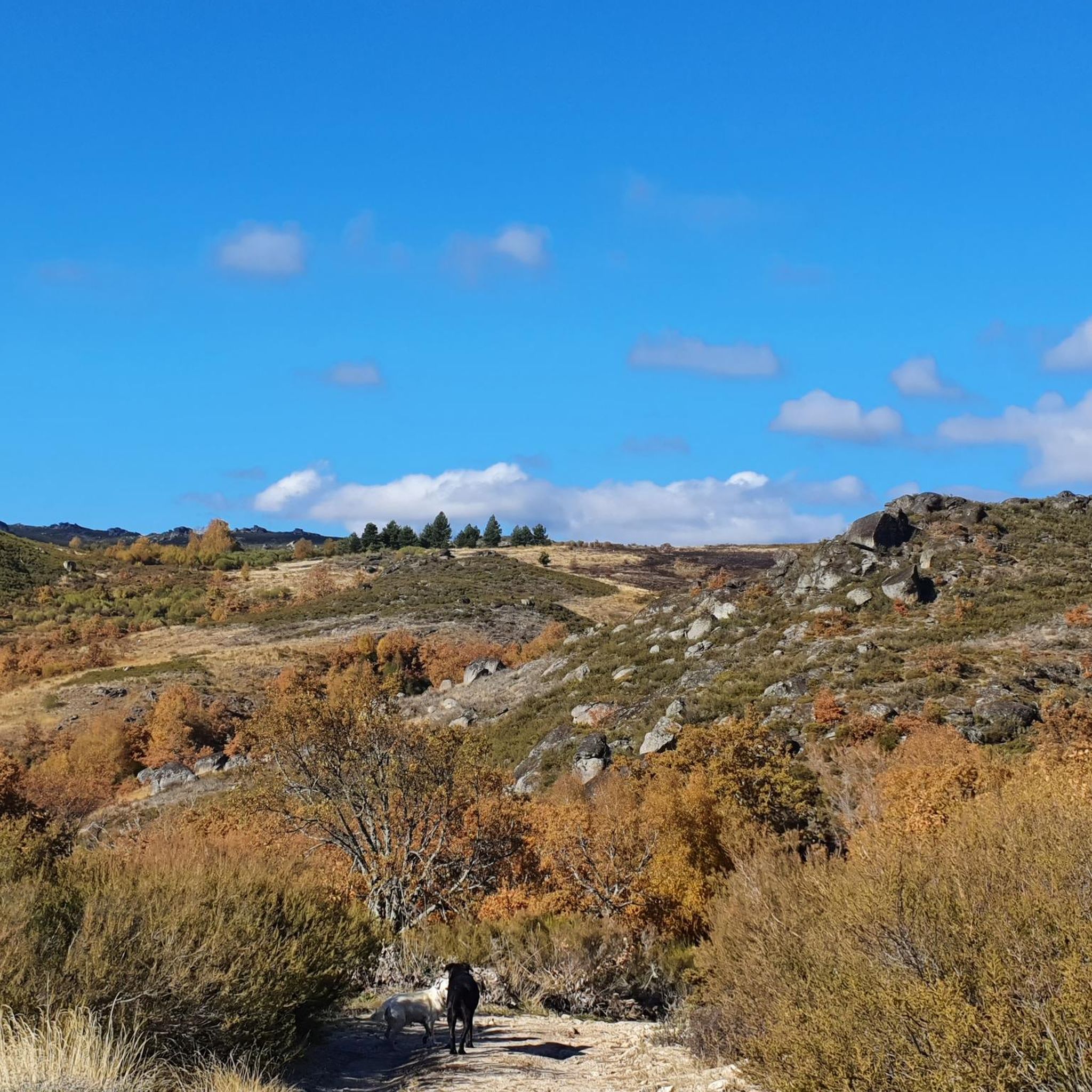
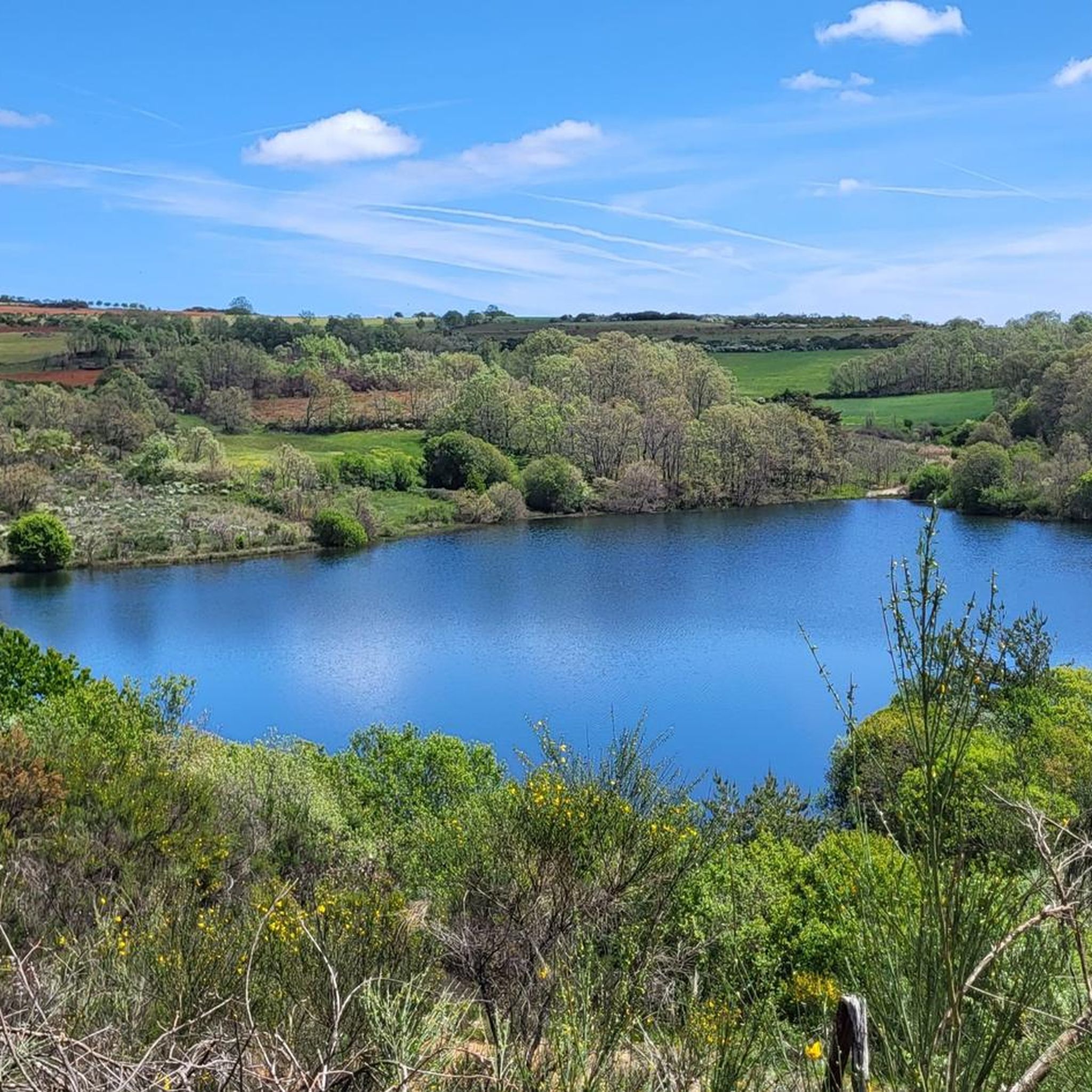
Tips from the Community

Rio de Onor is not just a beautiful village; it's a "living museum" of a way of life that has almost disappeared in Europe. It's worth visiting because it is possibly the village with the most fascinating social history in Portugal. Here are the 4 main reasons to go there: 1. It's a Community Village ("Communitarianism") This is Rio de Onor's great trademark. For centuries, the village lived under a system of total sharing among neighbors, something very rare: Sharing of Goods: The bread oven, the watermill, and even the village bull belonged to everyone. The "Rod of Justice": Decisions and fines for infractions in the village were marked on a wooden rod, managed by the "judge" elected by the people. You can see this history explained at the Casa do Touro (House of the Bull), a small, unmissable museum in the village. 2. One Village, Two Countries Rio de Onor is a village bisected by the international border. On this side is Rio de Onor (Portugal); on the other side is Rihonor de Castilla (Spain). For the inhabitants, the border never really existed: they share land, livestock, and even speak their own dialect (Rionorês), an ancient mixture of Portuguese and Castilian. It's very curious to cross from one country to the other on foot in the middle of the main street. 3. The Schist Landscape and Nature Located in the Montesinho Natural Park, the village is visually stunning. The houses are made of dark schist with wooden balconies, typical of Trás-os-Montes, and are very well preserved. The Onor River, which crosses the village, has clear waters and creates a very pleasant natural river beach in the summer, perfect for picnics. 4. The "Roman" Bridge The old stone bridge (which is actually from the 19th century, despite its popular name) is the village's postcard image. The reflection of the arches in the water with the schist houses in the background creates one of the most photogenic landscapes in Northern Portugal. Visiting Rio de Onor is like stepping back in time and understanding how communities survived in isolation in the mountains, supporting each other. It's a lesson in life and history in an incredible natural setting.
2
0

The Vinhais Biological Park is a protected natural area and conservation center located in the municipality of Vinhais, in northern Portugal, within the Montesinho Natural Park. This park plays an important role in the conservation of local biodiversity and in the promotion of environmental education.
0
0

Located in the heart of the Montesinho Natural Park, the Vinhais Biological Park invites you to discover the local landscape in all its forms, from fauna and flora to geology, culture and history. A space dedicated to conservation, biodiversity and ecotourism.
1
0

Considered the “bread tree” in the regions north of the Tagus, the chestnut tree was the staple food before the arrival of the potato and the main source of carbohydrates in the north of the Iberian Peninsula. This deciduous tree can grow up to 30 to 35 metres in height and reach diameters of up to 12 metres, although the trunk becomes hollow as the tree ages. It is very long-lived and can live for over a thousand years. The European chestnut tree (Castanea sativa Miller) belongs to the Castanea genus and the Fagaceae family, the same family that includes cork oaks and oaks in general. The genus includes 12 to 13 species, five of which are of Asian origin and seven of which are North American. The common chestnut tree is the only one native to Europe. This is a tree that managed to survive the last glacial period (Würms glaciation) in some parts of central and Mediterranean Europe and is currently found all over the world, including North and South America and Australia. Several studies indicate that the natural distribution of the European chestnut tree corresponds to these refuge zones, where it remained during the glacial events. These areas later served as starting points for the colonization of other regions, before humanity dedicated itself to cultivating the species. One of these refuges is located in the Picos de Europa region and another between the south of Galicia and the north of Portugal, which is why the chestnut tree is considered an indigenous or native species of our country. The chestnut tree grows well in temperate climates and the ideal conditions for its development are found in places with average temperature and humidity, where rainfall reaches at least 600 mm per year – more than 100 mm in the summer. It is, however, sensitive to late frosts and very low temperatures. It prefers soils at least 50 cm deep, loose and rich in nutrients, slightly acidic (pH between 4.5 and 6.5) and not calcareous. Although it can grow in less suitable conditions, it develops and produces best in coastal or mountainous areas, at medium altitude, with hot and humid summers and mild winters.
2
0
The Biologic Park of Vinhais is a public facility installed by the Municipality of Vinhais, in the heart of the Montesinho Natural Park, more precisely in the old forest nursery of Vidoeira, in Prada, in the parish of Vila Verde, just 3 km from the village of Vinhais. The project of the Biologic Park of Vinhais was a pioneer with regard to the Trás-Os-Montes region, it was inaugurated on May 16th of 2008, and its main objectives are: Divulge of the Nature and Landscape of the Montesinho Natural Park; Environmental Education; Conservation of Nature and Biodiversity; Ecotourism
1
0

Rio de Onor is a sleepy little village right on the Portugal/Spain border. The drive through it is a challenging one and absolutely not recommended for larger campervans.
3
1
The Montesinho Natural Park covers an area of approximately 75 thousand hectares and is located in the Terra Fria Transmontana region, in the extreme northeast of Portugal, bordering the Spanish communities of Galicia and Castile-Leon. It covers the territories of two municipalities, namely Bragança and Vinhais. As a curiosity, you should know that there are more than 90 villages within the Montesinho Natural Park and that the highest point in the park is the Serra do Montesinho, whose peak is 1,486 metres above sea level.
2
0
The Montesinho Natural Park covers an area of approximately 75 thousand hectares and is located in the Terra Fria Transmontana region, in the extreme northeast of Portugal, bordering the Spanish communities of Galicia and Castile-Leon. It covers the territories of two municipalities, namely Bragança and Vinhais. As a curiosity, you should know that there are more than 90 villages within the Montesinho Natural Park and that the highest point in the park is the Serra do Montesinho, whose peak is 1,486 metres above sea level.
3
0
Frequently Asked Questions
What are the main natural features to explore in National Park Montesinho?
National Park Montesinho is characterized by its diverse natural landscapes, including rugged mountains like the Serra de Montesinho and Serra da Coroa, deep river valleys, and dense oak forests. You can find rolling heather-clad hills, lush wet grass plains, and extensive forests of Pyrenean oak, poplars, alders, willows, chestnut oaks, and holm oaks. A notable natural monument is the Scenic landscape in Parque Natural de Montesinho, offering beautiful nature with exciting rock formations.
Are there any family-friendly attractions in National Park Montesinho?
Yes, the park offers several family-friendly attractions. The Biological Park of Vinhais is an excellent choice, featuring an interpretation center focused on local wildlife, horse riding, donkey rides, and cycle rental. Traditional villages like Montesinho Village and Rio de Onor Village also provide engaging experiences for families to explore local culture and history.
What cultural and historical sites can I visit in the park?
National Park Montesinho is rich in cultural and historical sites, particularly its traditional villages. Rio de Onor Village is unique for being split by the Spanish border, maintaining a communal way of life. Gimonde features a famous Roman stone bridge over the Onor River. Many villages, including Babe, Palácios, and Caravela, house Rural Museums dedicated to local heritage like the linen cycle and traditional cuisine.
What kind of wildlife can I expect to see in National Park Montesinho?
The park is a significant wildlife sanctuary, home to over 250 species of vertebrates. You might spot elusive Iberian wolves, wild boars, foxes, bucks, deer, and otters. Birdwatchers can observe over 150 different bird species, including Golden Eagles, White-Wagtails, and the rare Water Pipit, particularly in Lama Grande on the Montesinho Mountain plateau. The Biological Park of Vinhais offers opportunities to learn about and observe local fauna.
Are there hiking trails suitable for different difficulty levels?
Yes, National Park Montesinho offers numerous hiking trails for various skill levels. For easy walks, you can find routes like the Trail of the Prada Dam or the circular route in the Montesinho Natural Park near Rio de Onor. More challenging trails wind through ancient woodlands and provide panoramic views, such as the PR1 Colado Trail near Quintanilha or the PR3 Porto Furado Trail leading to the Serra Serrada Dam. You can find more details on specific routes in the Easy hikes around National Park Montesinho guide.
What outdoor activities are available besides hiking?
Beyond hiking, the diverse landscape of National Park Montesinho is suitable for various mountain sports. You can find opportunities for rock-climbing, paragliding, canyoning, rafting, and canoeing, especially around villages like Guadramil. The Biological Park of Vinhais also offers cycling and horse riding. For cycling enthusiasts, there are several Road Cycling Routes around National Park Montesinho.
Where can I find viewpoints with scenic landscapes in the park?
The park is full of scenic spots. The Scenic landscape in Parque Natural de Montesinho is specifically highlighted for its beautiful nature and exciting rock formations, ideal for lingering and immersing oneself in the quiet natural surroundings. Many hiking trails also offer panoramic views across the rolling hills and river valleys.
Can I go wild swimming or find river beaches in the area?
Yes, National Park Montesinho features natural river beaches, particularly in villages like França. These spots offer peaceful settings for swimming and relaxation away from crowded areas. The clear rivers that flow through the park's deep valleys are a vital part of its natural beauty.
What is the best time of year to visit National Park Montesinho?
The park offers different experiences throughout the year. Spring and autumn are ideal for hiking and wildlife observation due to milder temperatures and vibrant natural colors. Summers are great for enjoying river beaches and outdoor activities, though it can be warmer. Winters offer a unique, serene experience, with possibilities for winter activities in higher elevations, though some trails might be less accessible.
What makes the villages in National Park Montesinho unique?
The villages within National Park Montesinho are renowned for preserving a traditional way of life. Many of the 88 villages, such as Montesinho Village, Rio de Onor Village, and Guadramil, blend seamlessly into the landscape with buildings made from local schist and granite. These communities maintain close-knit lives with shared facilities like communal bread ovens, wash houses, mills, and joint-owned farmsteads, offering a glimpse into authentic rural Portuguese culture.
Are there any notable trees or forests to see?
The park is home to extensive forests of Pyrenean oak, poplars, alders, willows, chestnut oaks, and holm oaks. A particularly notable tree is the European chestnut (Castanea sativa), which is considered the “bread tree” of the region and can live for over a thousand years. The park's woodlands are an integral part of its natural beauty and biodiversity.
Most popular routes around National Park Montesinho
Most popular attractions around National Park Montesinho

Get inspired with the komoot mobile app


Explore more
Still not found the Highlight you’re looking for? See guides of the top attractions in other regions:
