The best traffic-free bike rides around Münnerstadt
4.6
(928)
8,111
riders
9
rides
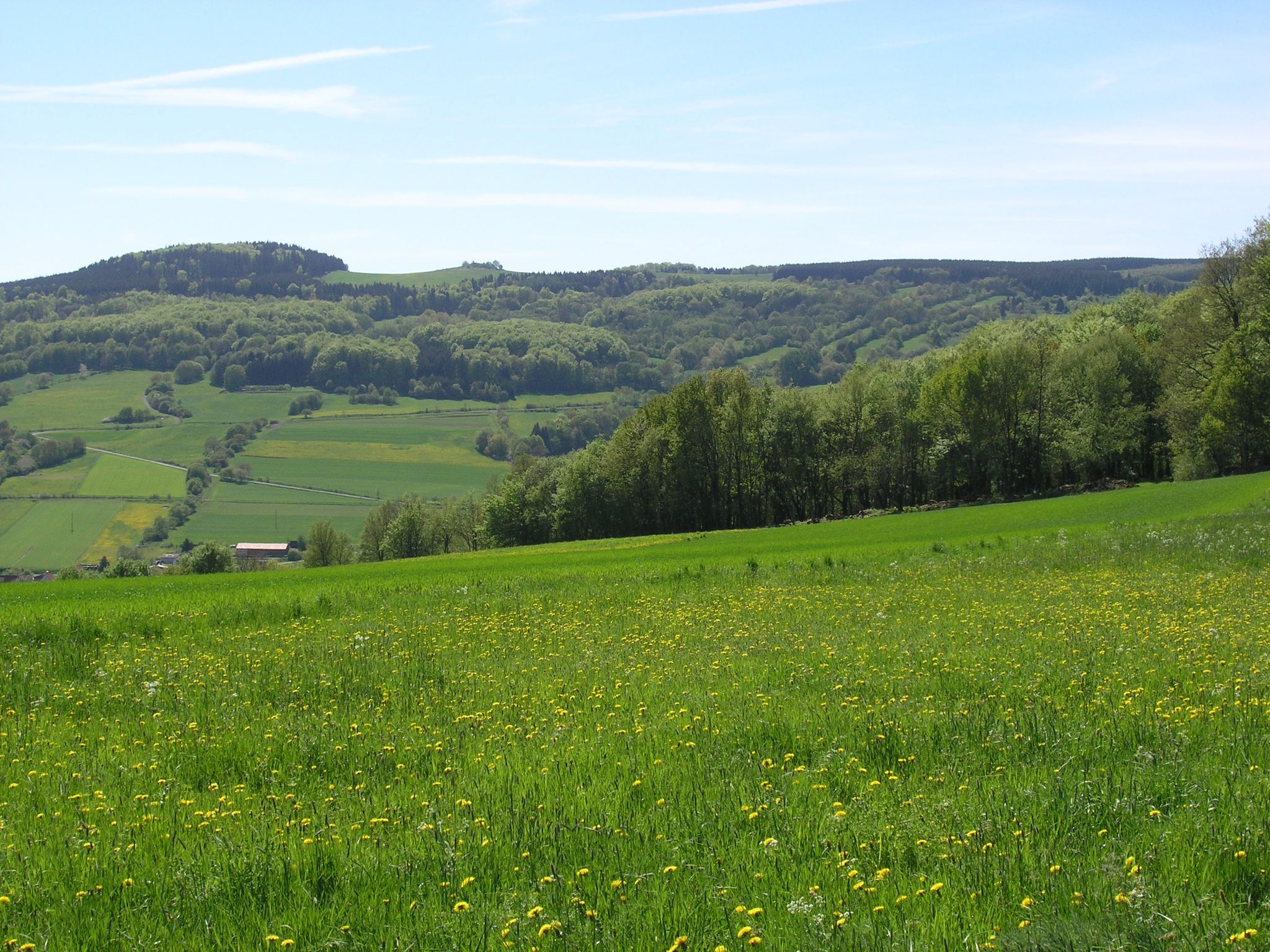
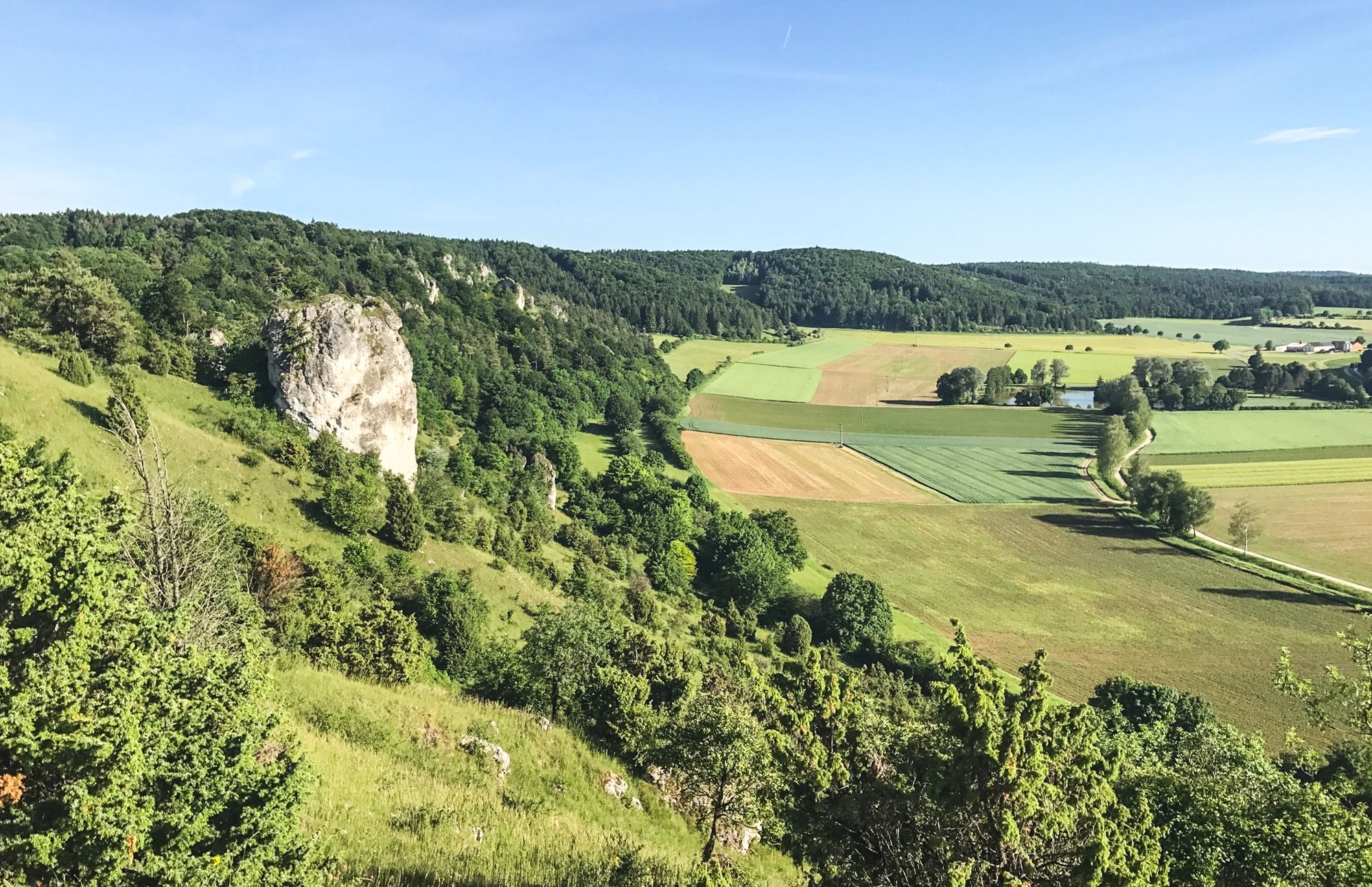
No traffic road cycling routes around Münnerstadt traverse a landscape characterized by the Franconian Saale river valley, picturesque hills, and expansive green scenery. The region offers varied terrain, including forests and dry habitats, providing diverse cycling experiences. Münnerstadt's location provides access to the Bavarian Rhön Nature Park, which features well-maintained paths suitable for road cycling. The area's geographical features create an ideal setting for cyclists seeking routes with minimal vehicle traffic.
Best no traffic road cycling routes around Münnerstadt
- The…
Last updated: July 11, 2026
4.3
(3)
21
riders
Moderate road ride. Good fitness required. Mostly well-paved surfaces and easy to ride.
4
riders
25.6km
01:22
440m
440m
Moderate road ride. Good fitness required. Mostly well-paved surfaces and easy to ride.

Sign up for free
5
riders
Moderate road ride. Great for any fitness level. Some segments of this route may be unpaved and difficult to ride.
3
riders
Moderate road ride. Good fitness required. Mostly well-paved surfaces and easy to ride.
2
riders
27.2km
01:19
340m
340m
Moderate road ride. Good fitness required. Mostly well-paved surfaces and easy to ride.
Get access to more routes and recommendations from other explorers.
Sign up for free
Already have an account?
Our route recommendations are based on thousands of hikes, rides, and runs completed by other people on komoot.
Start today with a free account
Your next adventure awaits.
Login or Signup
Popular around Münnerstadt
Other adventures around Münnerstadt


Tips from the Community

Roman Catholic Parish Church of the Nativity of Mary - Before the establishment of the parish, Hambach was likely a branch of Maibach. Prince-Bishop Julius Echter von Mespelbrunn had the chancel tower of the church built around 1600 on Romanesque foundations. The nave, originally built with two window bays, was constructed in 1734 and extended by two more window bays in 1928. Two side wings were added between 1988 and 1990. The nave is oriented towards the eastern chancel in the lower level of the church tower. The church tower is built in the Echter style. The walls of the nave are pierced to create transitions to the northern and southern side wings. The church furnishings are Baroque, dating from the time the nave was built. The central figure of the high altar, which, like the side altars, has two columns, is a gilded Madonna and Child. The pulpit depicts the four Evangelists. Next to it, a crucifix from 1952. Wikipedia
0
0
Fridritt was a popular pilgrimage site, especially after the Thirty Years' War. At that time, the village already had a chapel, possibly dating back to the 14th century, which may have been located on the site of the present-day Fridritt Church's sacristy. As the number of pilgrims steadily increased, and the addition of a gallery to the chapel, which had fallen into disrepair by 1728, became insufficient, Kaspar Indau (1733–1768), the Wermerichshausen parish priest from Königshofen, initiated the construction of the present-day Church of St. Lawrence and the Assumption of Mary under the patronage of Friedrich Karl von Schönborn-Buchheim, Prince-Bishop of Würzburg. The church's construction was financed by the pilgrims' offerings, and later, Father Indau also bequeathed his fortune to the Church of St. Lawrence and the Assumption of Mary. The church was completed with the construction of the nave from June 23, 1734, to 1737 under the master builder Georg Tantzer from Ebern. The high altar, likely erected in 1737 by the Neustadt artist Benedict Lux, was financed by Bildhausen Abbey. The high altar bears the coat of arms of Engelbert Klöpfel, the abbot of the abbey. The altarpiece depicts the apparition of Mary with the Son of God to St. Bernard of Clairvaux. The side figures represent (from left to right) St. Aquilin, St. Kilian, St. Engelbert, and St. John Nepomuk. On the left side altar, standing against a gold background, is the pilgrimage statue of Mary with Child, created in the mid-14th century.[3] The statue of Mary is flanked by life-size columns of St. Joachim and St. Anne, Mary's parents, as well as her other relatives, St. Zechariah and St. Elizabeth. The right side altar features the four Evangelists on either side of the altarpiece depicting the miraculous catch of fish. The right side altar houses the four Evangelists on either side of the altarpiece depicting the miraculous catch of fish. The pulpit contains four niches with statues of the Church Fathers Gregory, Augustine, Ambrose, and Jerome. The organ was built in 1738 by Johann Philipp Seuffert. The early Gothic church tower was heightened around 1775; a timber frame work by the Kissinger master carpenter Johann Streit has been preserved in connection with this work. The church has been renovated several times, including in 1867. Since 2002, the church has been one of the stops on the Franconian Marian Way.
0
0
The Ruppelmühle is particularly well-known; it is housed in a brick building dating from 1900 and generates 90 kW of electricity through two turbines, primarily for the attached milling operation, where approximately 20 tons of grain are milled daily. (Wikipedia)
0
0

The stone bridge shown in the picture is the flood bridge in Steinach, a district of Bad Bocklet in Lower Franconia, Bavaria. The bridge was rebuilt in 2017 as part of a flood protection project and is part of a cycle path.
0
0

A beautiful bike path without bumps or potholes. With a nice rest area and even bike racks.
0
0
A great bike path in beautiful scenery. No bumps, no potholes, etc. Riding away from traffic is really fun, and you can even pick up some speed. Simply fantastic!
0
0

The cycle path leads from Zell to Schweinfurt (about halfway) off the road between fields and along the edge of the forest.
0
0

next to the spa park on the main street.
0
0
Frequently Asked Questions
How many no traffic road cycling routes are available around Münnerstadt?
There are over 100 dedicated no traffic road cycling routes around Münnerstadt, offering a wide variety of distances and elevations. You'll find options ranging from easy, flat rides along river valleys to more challenging tours through the rolling hills.
Are there no traffic road cycling routes suitable for families or beginners?
Yes, Münnerstadt offers several easy, no traffic road cycling routes perfect for families and beginners. These often follow the tranquil Franconian Saale river valley, providing flat and scenic paths away from vehicular traffic. For example, the routes around the Franconian Saale river are known for their calm environment.
What kind of landscapes can I expect on these no traffic road cycling routes?
The no traffic road cycling routes around Münnerstadt traverse diverse and picturesque landscapes. You can expect to ride through the serene Franconian Saale river valley, past lush green scenery, and through rolling hills. Some routes also offer glimpses into the Bavarian Rhön Nature Park, known for its natural beauty.
Are the no traffic road cycling routes mostly circular?
Many of the no traffic road cycling routes around Münnerstadt are designed as circular tours, allowing you to start and end at the same point. This makes planning your trip more convenient. An example of a circular route is the Thundorf Moated Castle – Cycle Path Pfändhausen–Hambach loop from Münnerstadt, which offers a substantial ride.
What attractions or landmarks can I see along the no traffic road cycling routes?
While enjoying the traffic-free routes, you can encounter various points of interest. Routes often pass by historical landmarks such as the Jörgentor City Gate in Münnerstadt. You might also find natural highlights like the Kaskadental or the Aschach Gorge, which are part of the region's beautiful gorges.
When is the best time of year to enjoy no traffic road cycling in Münnerstadt?
The best time to enjoy no traffic road cycling in Münnerstadt is typically from spring through autumn. During these seasons, the weather is generally pleasant, and the landscapes are at their most vibrant, offering ideal conditions for exploring the region's quiet roads and cycle paths.
Are there any challenging no traffic road cycling routes for experienced riders?
Yes, while many routes are easy to moderate, there are also more challenging no traffic road cycling options available. These routes often feature greater elevation changes as they wind through the region's rolling hills, providing a good workout for experienced cyclists. For instance, the Roth Floodwater Footbridge – Saale Weir in Unterebersbach loop from Münnerstadt includes over 400 meters of elevation gain.
How can I access these no traffic routes, particularly regarding parking or public transport?
Many no traffic road cycling routes around Münnerstadt are accessible from various points within the town or surrounding villages. While specific parking details for each route vary, Münnerstadt itself offers parking options. For public transport, regional bus services connect Münnerstadt to nearby towns, though checking specific routes for bike carriage is advisable.
What do other cyclists say about the no traffic road cycling routes in Münnerstadt?
The no traffic road cycling routes around Münnerstadt are highly rated by the komoot community, with an average score of 4.36 stars. Reviewers often praise the peacefulness of the routes, the beautiful natural scenery, and the well-maintained paths that allow for enjoyable rides away from traffic.
Are there places to stop for refreshments or food along the no traffic road cycling routes?
Yes, many routes pass through or near charming villages and towns where you can find cafes, restaurants, and beer gardens. The region is known for its hospitality, so you'll have opportunities to refuel and relax. For example, the 'Beer Garden at Sulzfeld Bathing Lake' is a notable spot mentioned in regional cycling loops.
Can you recommend a moderate no traffic road cycling route?
A great moderate option is the Roth–Hohn Cycle Path – Steinach an der Saale loop from Münnerstadt. This route covers about 25.5 km with over 400 meters of elevation, offering a balanced challenge and scenic views without heavy traffic.
Most popular routes around Münnerstadt
Most popular attractions around Münnerstadt

Get inspired with the komoot mobile app


Explore more
Browse the best Road cycling routes in other regions.
