The best hikes from bus stations in Turkey
4.5
(8489)
63,551
hikers
517
hikes
Bus station hiking trails in Turkey traverse a diverse landscape, from rugged mountain ranges to ancient coastlines and unique geological formations. The country features varied terrain, including the limestone peaks of the Taurus Mountains, the volcanic valleys of Cappadocia, and the Mediterranean coastline. Hikers can explore dense forests, deep canyons, and surreal rock formations across different regions.
Best bus station hiking trails in Turkey
- The most popular bus station hiking route is Love Valley Fairy Chimneys – Love Valley Fairy…
Last updated: August 20, 2026
4.7
(317)
1,366
hikers
12.2km
03:42
350m
350m
Moderate hike. Good fitness required. Mostly accessible paths. Sure-footedness required.
4.7
(145)
623
hikers
13.2km
03:56
300m
300m
Moderate hike. Good fitness required. Mostly accessible paths. Sure-footedness required.

Sign up for free
4.8
(193)
835
hikers
Moderate hike. Good fitness required. Easily-accessible paths. Suitable for all skill levels.
4.7
(95)
731
hikers
9.51km
02:26
30m
30m
Moderate hike. Good fitness required. Easily-accessible paths. Suitable for all skill levels.
4.8
(103)
285
hikers
9.49km
02:44
200m
200m
Moderate hike. Good fitness required. Mostly accessible paths. Sure-footedness required.
Get access to more routes and recommendations from other explorers.
Sign up for free
Already have an account?
Our route recommendations are based on thousands of hikes, rides, and runs completed by other people on komoot.
Start today with a free account
Your next adventure awaits.
Login or Signup
Popular around Turkey

Hikes from bus stations in Nevşehir

Hikes from bus stations in Muğla

Hikes from bus stations in Istanbul
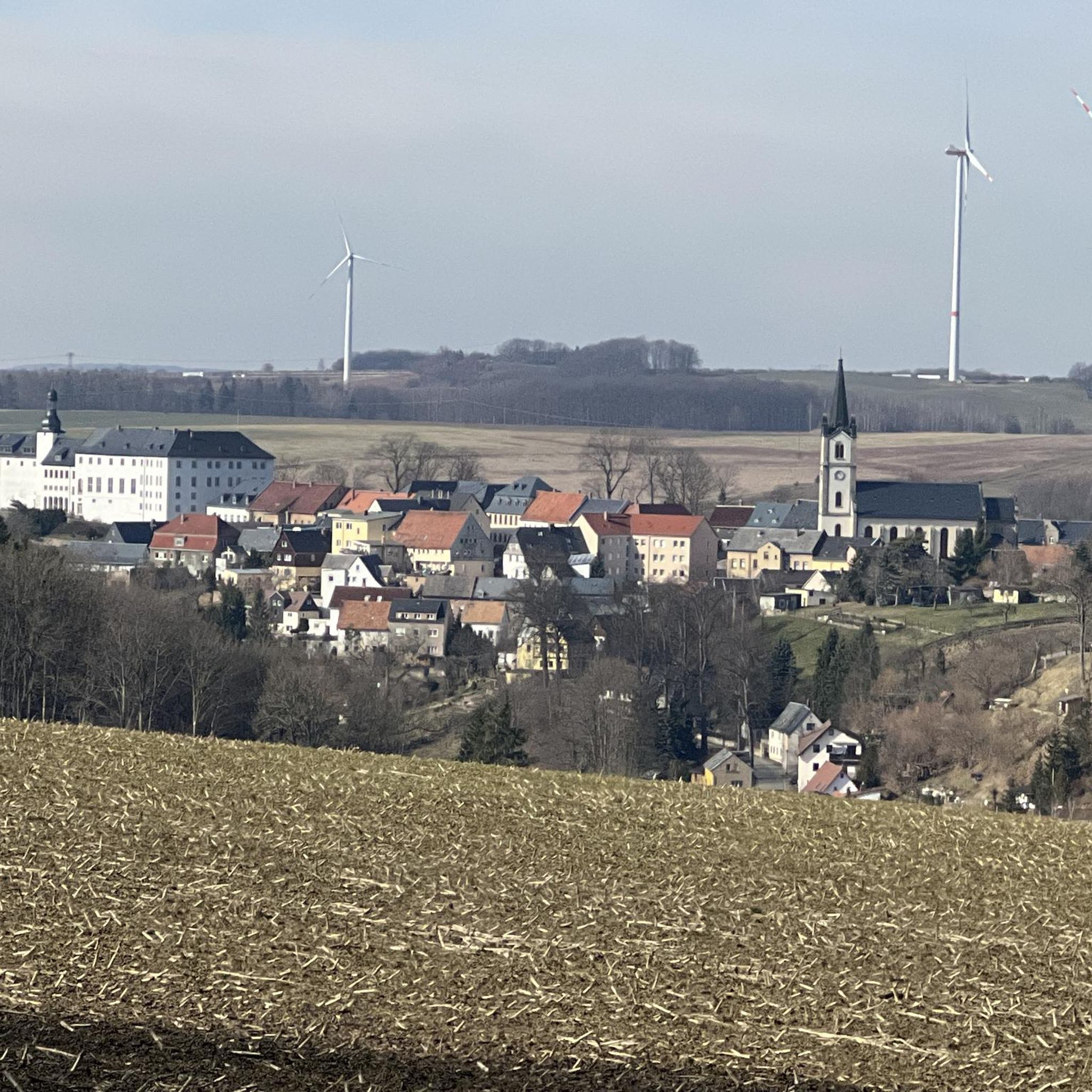
Hikes from bus stations in the Yanartas Mountains
Hikes from bus stations around Olimpos Beydağları Millî Parkı
Hikes from bus stations in Izmir
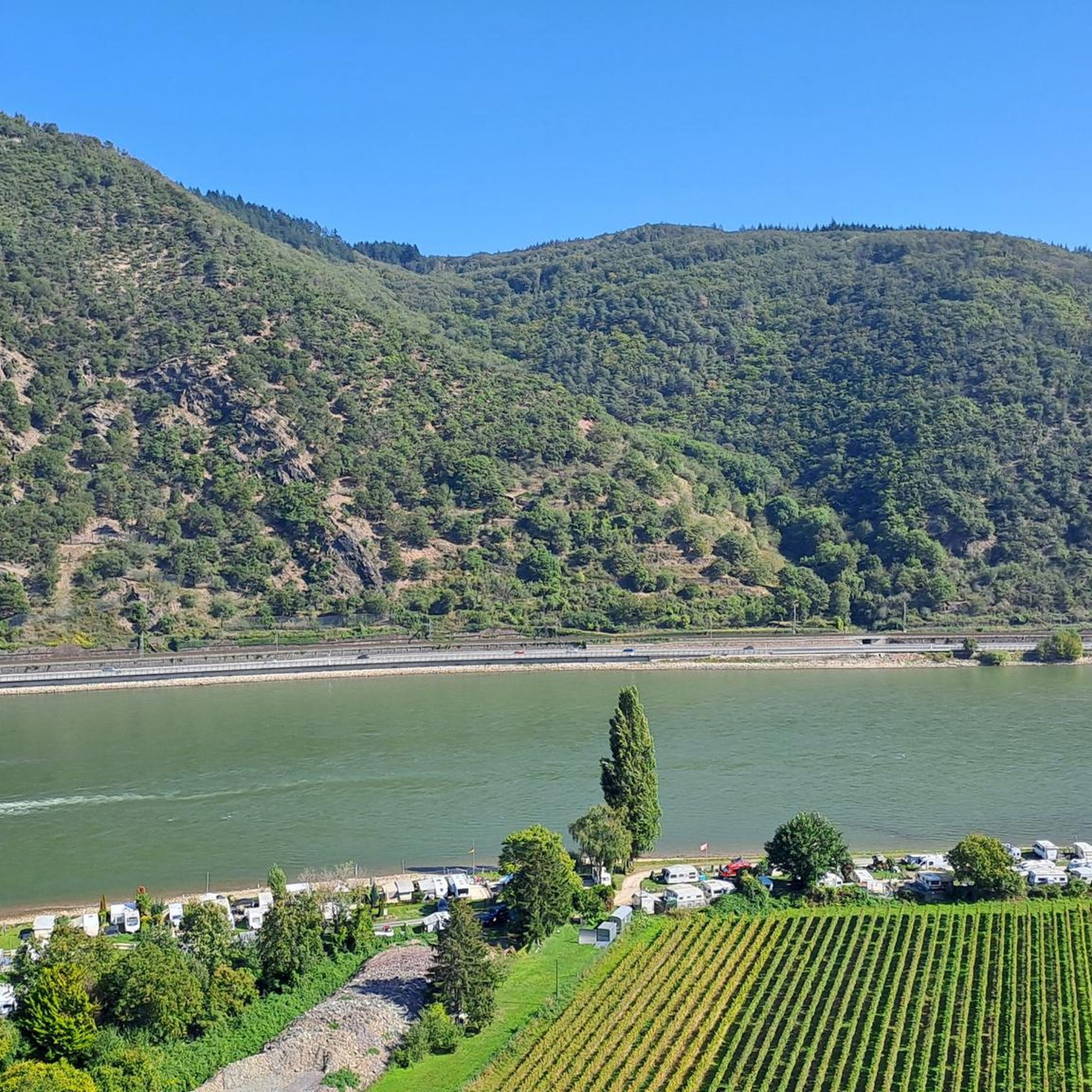
Hikes from bus stations in Aydın
Hikes from bus stations in Çanakkale
Hikes from bus stations around Dim Reservoir

Hikes from bus stations around Manavgat Reservoıir
Other adventures in Turkey


Tips from the Community


The Nymphaeum of Side, a monumental fountain complex, was built during the reign of Antionius (140–180 BC). The 12 m high and 52 m long walls are still preserved. The fountain was fed by a branch of the aqueduct from the Taurus Mountains. The aqueduct that supplied Side with water from the Taurus Mountains was a 25 km long aqueduct built over 2,000 years ago. According to ancient sources, in the area of today's Oymapinar Dam, slaves had to cut canals through the rock. Through such canals and aqueducts, the water was conveyed to the nymphaeum in front of the city gate in Side, and from there via further aqueducts to the consumption points in the city.
3
0
Very nice shopping street, lined with small Ottoman-style houses and shops.
3
0
Temple of Apollo Built: mid-1st century AD, renovated in the second half of the 2nd century AD. Dimensions: Stylobate: 17 x 30 m Peristasis: 6 x 11 Apollo was one of the principal gods of the city of Side. Thirty-two 8.9-meter-high columns of white marble with Corinthian capitals encircled the naos of the Temple of Apollo. Architraves decorated with Medusa heads rested on the columns. Between them, triglyphs (three grooves) can be seen. On the entrance façade of the temple, facing the sea, various ornaments with plant motifs are located next to the Medusa heads. In the Byzantine period, a 50 x 50-meter basilica was built to the north of the two temples. The Temple of Apollo and the adjacent Temple of Athena were demolished, and the area was converted into the atrium of the basilica. The five visible columns with their entablature, which today form Side's landmark, were re-erected in the 1980s as part of the reconstruction work. Apollo In Greek and Roman mythology, Apollo (also spelled Apoll) is the god of light, healing, spring, moral purity and temperance, as well as prophecy and the arts, especially music, poetry, and song. He was also the god of healing and archery. As the son of Zeus and the goddess Leto (Latin Latona), conceived in Didyma, he, like his firstborn twin sister Artemis (Latin Diana), was one of the Olympian gods, the twelve principal deities of the Greek pantheon. The sanctuary at Delphi, the most important oracle site of antiquity, was dedicated to him. Source: tuerkei-antik.de/Tempel/side_apollon.htm
3
0
Frequently Asked Questions
How many bus station accessible hiking trails are available in Turkey?
There are over 500 hiking trails in Turkey that are easily accessible from bus stations. These routes cater to various skill levels, with a significant number of options for both easy and moderate hikes.
What is the best time of year to go hiking from bus stations in Turkey?
The optimal times for hiking in Turkey are typically spring (April-May) and autumn (September-October). These seasons offer pleasant temperatures, allowing you to avoid the extreme summer heat and enjoy the diverse landscapes, from coastal paths to mountain trails.
Are there family-friendly hiking routes accessible by bus in Turkey?
Yes, Turkey offers numerous family-friendly hiking routes that are easily reachable by public transport. Many of these trails are categorized as easy, providing gentle terrain suitable for all ages. For example, the Ancient City of Side – Side Beach Promenade loop from Side is an easy option with minimal elevation gain, perfect for a leisurely family outing.
Can I find circular hiking routes starting from bus stations in Turkey?
Absolutely. Many of the bus-accessible trails in Turkey are designed as circular routes, allowing you to start and end your hike at the same point, often conveniently near a bus stop. A great example is the Love Valley Fairy Chimneys – Love Valley Fairy Chimneys loop from Göreme, which offers stunning views of Cappadocia's unique formations.
What kind of landscapes can I expect on bus-accessible hikes in Turkey?
Turkey's bus-accessible hikes offer an incredible variety of landscapes. You can explore the surreal 'fairy chimney' rock formations and ancient cave dwellings in Cappadocia, such as on the Rose Valley (Güllüdere Valley) – View of Rose Valley loop from Göreme. Other regions provide coastal scenery, lush valleys, and even rugged mountain terrains, depending on your chosen destination.
Are there any notable historical sites or attractions along these bus-accessible routes?
Many bus-accessible routes in Turkey lead to or pass by significant historical sites and natural wonders. For instance, you can explore the Ancient City of Side, a fascinating historical site, or witness the unique formations of the Temple of Apollo at Night. Cappadocia's trails, like the Hiking loop from Göreme, are dotted with ancient rock-cut churches and cave dwellings.
What do other hikers say about the bus station hiking trails in Turkey?
The komoot community highly rates the hiking experience in Turkey, with an average score of 4.5 stars from over 7,200 ratings. Reviewers frequently praise the diverse and breathtaking scenery, the well-maintained paths, and the unique blend of natural beauty and historical sites found along these bus-accessible routes.
Are there options for longer, more challenging hikes from bus stations?
While many bus-accessible routes are easy to moderate, Turkey also offers more challenging options for experienced hikers. Regions like the Taurus Mountains or parts of the Lycian Way, though requiring more planning for bus access, provide opportunities for longer, more strenuous treks through rugged terrain. Always check the specific route details for distance and elevation before you go.
Which regions are particularly good for bus-accessible hiking in Turkey?
Cappadocia is an excellent region for bus-accessible hiking, known for its unique geological formations and historical sites, with many trails starting directly from towns like Göreme. Coastal areas, particularly around the Turquoise Coast, also offer numerous routes with public transport links to trailheads, combining stunning sea views with ancient ruins.
What should I pack for a bus-accessible hike in Turkey?
When planning a bus-accessible hike in Turkey, it's essential to pack appropriate gear. This includes sturdy hiking shoes, sufficient water, sun protection (hat, sunscreen), and layers of clothing to adapt to changing weather. A map or GPS device is also recommended, especially for longer or less-marked trails. Don't forget snacks and a camera to capture the stunning scenery!
Most popular attractions in Turkey

Get inspired with the komoot mobile app


Didn’t find what you were looking for?
Check out more Hikes throughout Turkey below and find the perfect route in your destination.
Explore more
Browse the best Hikes in other regions.
