The best city hikes and walks around Lemgo
4.5
(1541)
6,349
hikers
29
hikes
Urban hiking trails around Lemgo are situated within the historic Hanseatic town, offering a blend of natural beauty and urban exploration. The area is characterized by rolling hills, green spaces like the Staff Landscape Park, and the Bega River. These urban routes often incorporate historic town centers and local landmarks, providing varied terrain for easy walks.
Best urban hiking trails around Lemgo
- The most popular urban hiking route is Lemgo ramparts – Bega Terraces loop from Lemgo, a 3.3…
Last updated: June 26, 2026
4.6
(26)
289
hikers
4.49km
01:08
10m
10m
Easy hike. Great for any fitness level. Easily-accessible paths. Suitable for all skill levels.
4.7
(44)
303
hikers
5.20km
01:19
10m
10m
Easy hike. Great for any fitness level. Easily-accessible paths. Suitable for all skill levels.

Sign up for free
4.7
(10)
37
hikers
Easy hike. Great for any fitness level. Easily-accessible paths. Suitable for all skill levels.
4.5
(6)
29
hikers
Easy hike. Great for any fitness level. Easily-accessible paths. Suitable for all skill levels.
5.0
(1)
4
hikers
Easy hike. Great for any fitness level. Easily-accessible paths. Suitable for all skill levels.
Get access to more routes and recommendations from other explorers.
Sign up for free
Already have an account?
Our route recommendations are based on thousands of hikes, rides, and runs completed by other people on komoot.
Start today with a free account
Your next adventure awaits.
Login or Signup
Popular around Lemgo
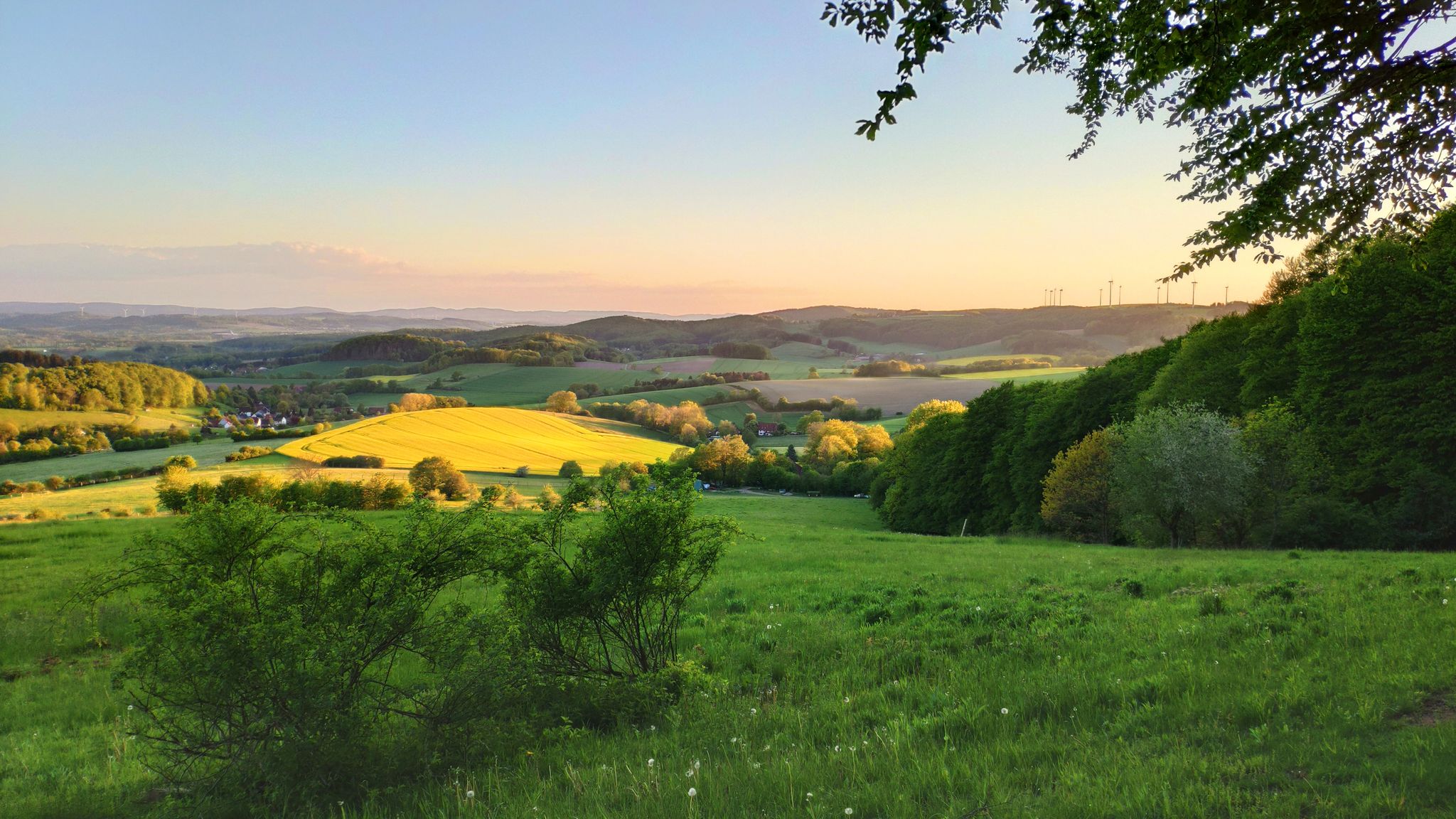
Hansa Trail in 6 stages – Hills and fun in Germany's Lipper Bergland
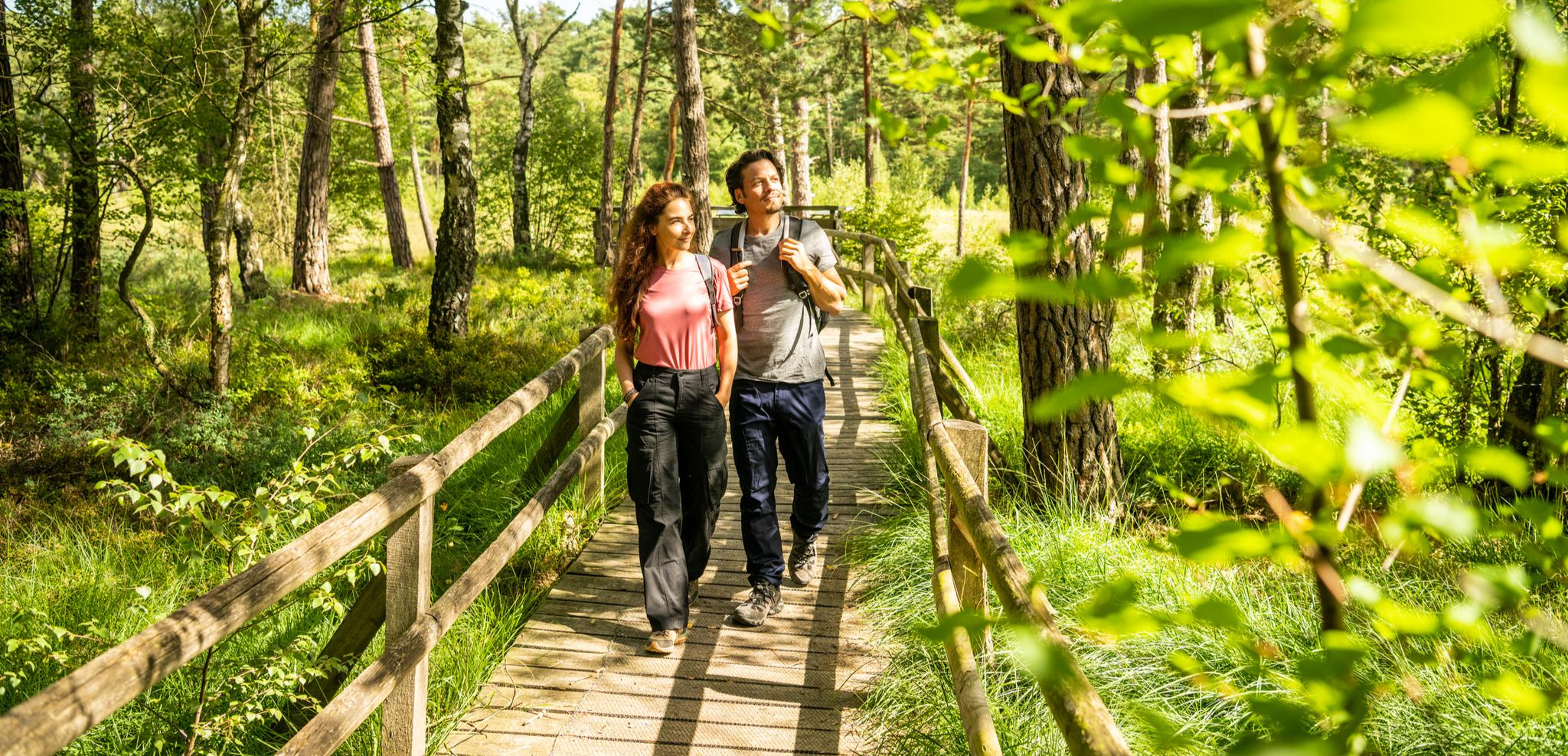
Lippe Quality Trails – hiking in the land of Hermann
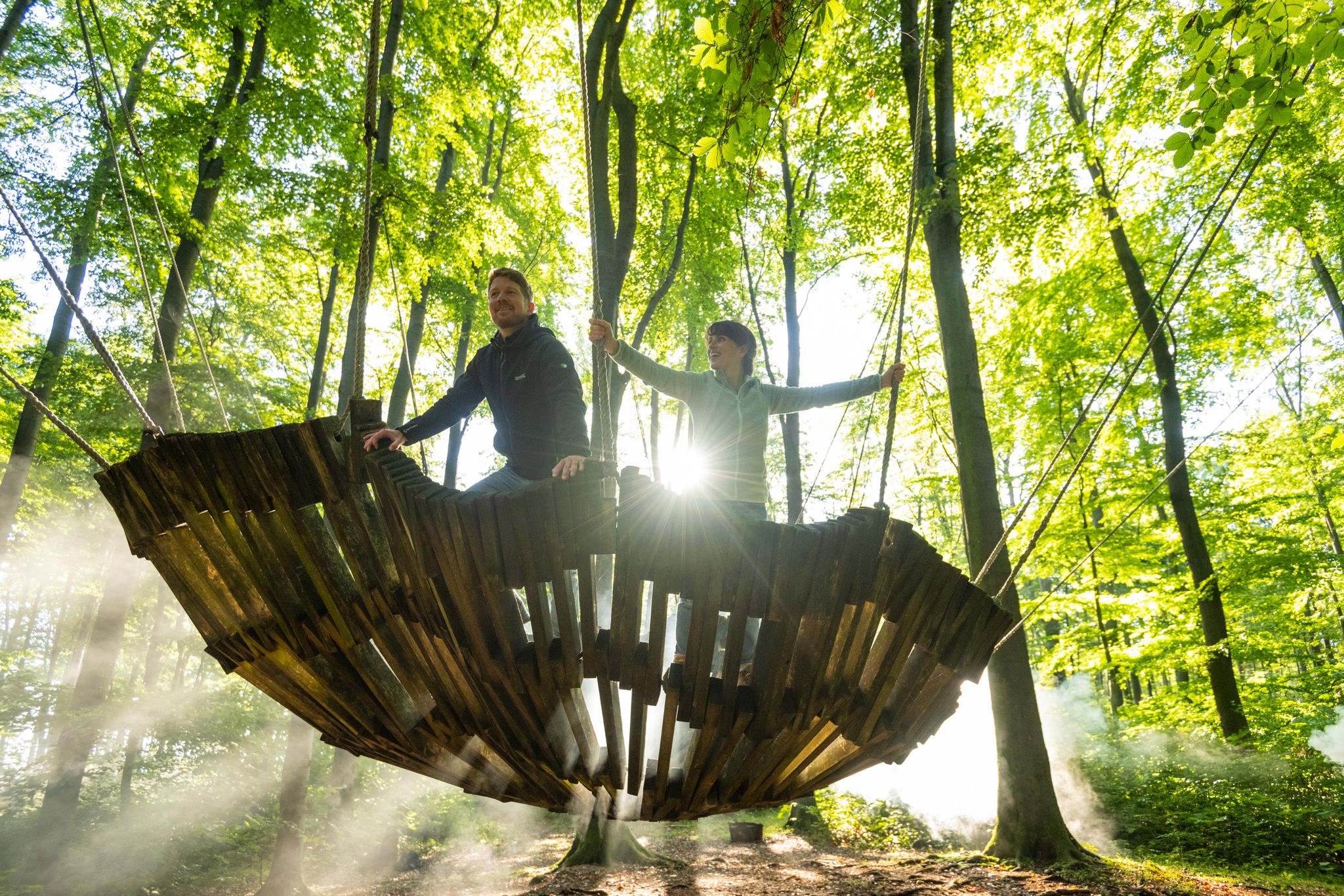
Experience art and history – Germany’s Teutoburg Forest trails
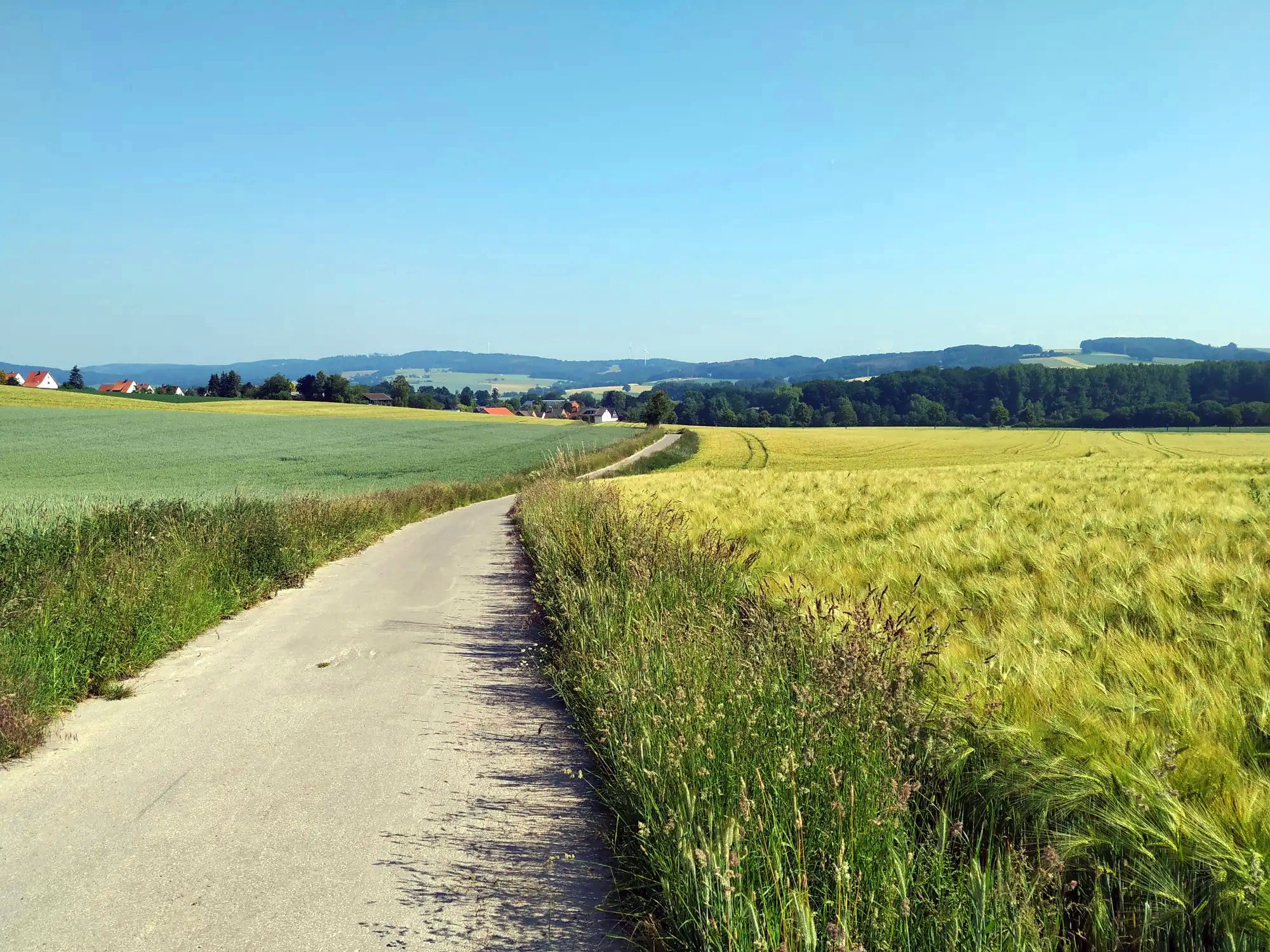
Hellweg-Weser railway cycle route – Ride through western Germany
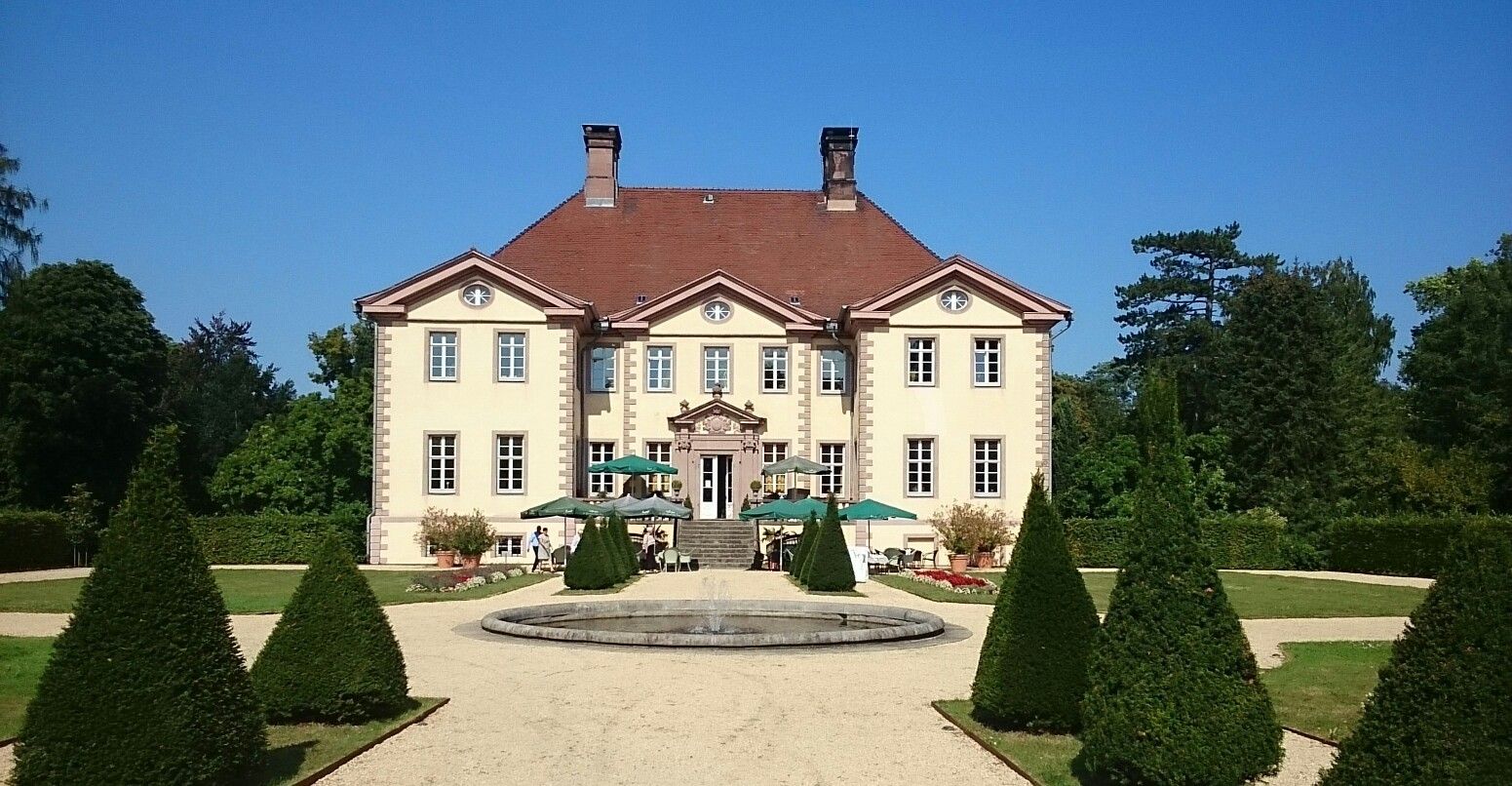
Cultural landscape and historical manor houses - Fürstenroute Lippe
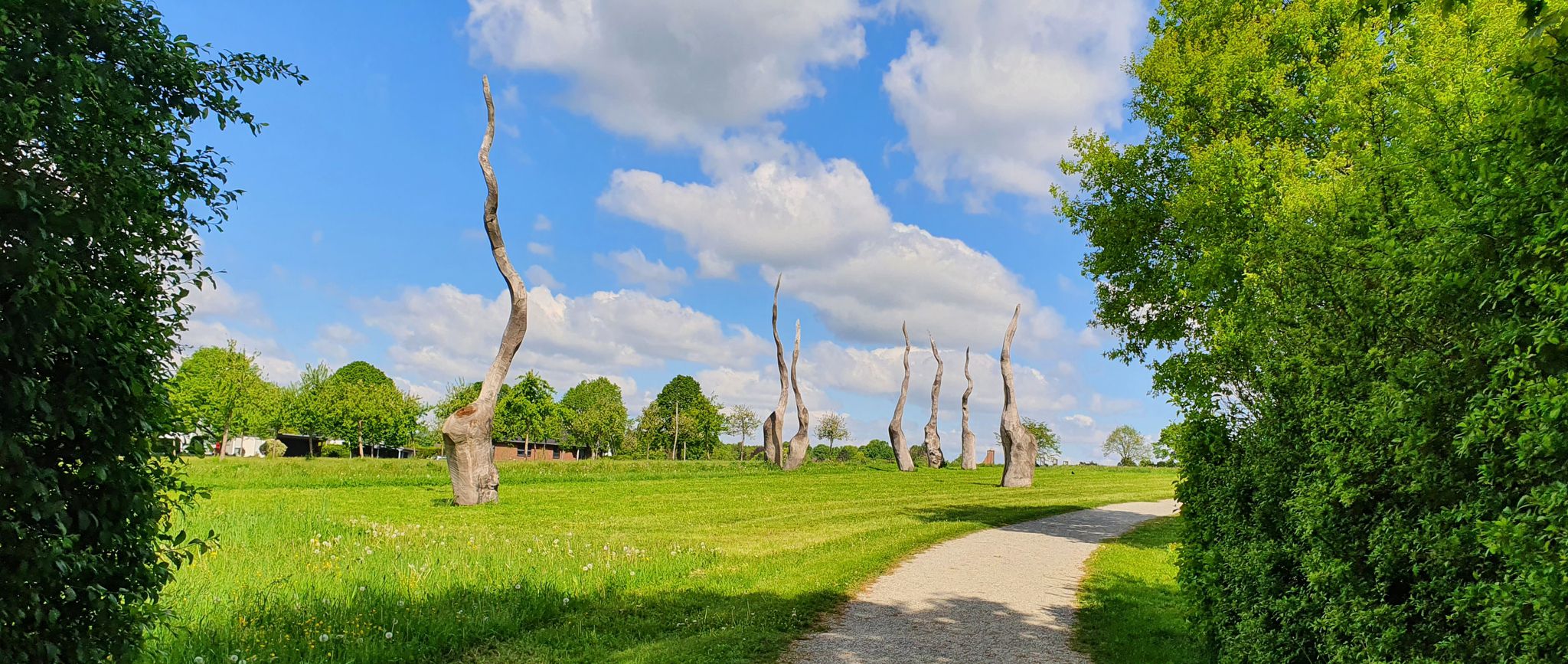
Qualität trifft auf Erlebnis – 5-Sterne-Wandern im Teutoburger Wald
Other adventures around Lemgo


Tips from the Community

The medieval Hanseatic city is still clearly recognizable. Like a green belt, the rampart, the former fortification, encloses the historic old town with its magnificent ornamental gables. The market square with the historic town hall from the 14th century, which still serves its purpose today, is just as worth a visit as the two medieval churches in the center of the city: St. Nicolai directly behind the town hall, a landmark of Lemgo with its two different towers, and St. Marien on Stiftstraße. In front of the city gates on Herforder Straße, the stump of the former St. Johann church towers into the sky. An old grave from the 8th century in the cemetery proves that this place was one of the cradles of Christianity in the region. Quelle: https://www.lemgo.de/urlaub-tourismus/sehenswuerdigkeiten
1
0
The first fortification of the city of Lemgo after its founding probably consisted only of a rampart and a ditch. It was not until the middle of the 13th century that a city wall with gates and towers was built. This wall was constantly reinforced and repaired. In the second half of the 16th century, the systematic expansion into a fortress took place. At that time, triangular bastions, the so-called Homeien, were also built in particularly vulnerable areas. Various experts, so-called Wallmeisters (fortification masters), were hired for these works. The last one, Henrich vom Hartze, was appointed in 1622. During the Thirty Years' War, only repair work was carried out. Because in the meantime, it had been recognized in Lemgo that no matter how strong the city's fortification was, it offered no protection and would not withstand the firepower of cannons. They did not even let it come to a siege and bombardment. The violent storming by the Swedes in 1646 was due to the stubbornness of the imperial city commander. On the other hand, its relatively strong fortification made the city interesting for both warring parties, so they made sure not to have it at their backs and to occupy it with their own troops as much as possible. After the end of the war, Lemgo let its fortifications fall into disrepair. Since 1853, walls and towers were sold for demolition, so that only small remains have survived. The last city gate was demolished in 1876.
1
0

The "dispute over the barrel" inspired the Aachen sculptor Bonifatius Stirnberg in 1977 to create the fountain. In 1587, Count Simon VI had the government of the Detmold region relocated to Brake Castle, where many of the count's officials now had their workplace. Due to the high space requirements, additional buildings had even been erected to accommodate the chancellor and other officials. However, in most cases, the officials, like Chancellor Dr. Balthasar Knaust, preferred to live in Lemgo rather than in Brake, which is why many of them lived not far from the current location of the Chancellor's Fountain at Ostertor. A few years later, the people of Lemgo fell more and more out of favor with the count, and the "dispute over the barrel" was a point at which this dispute ignited. The town had introduced a beverage tax, which, in Simon VI's opinion, was done unlawfully. As a result, the count turned away from Lemgo more and more and towards Detmold. The fountain is also a popular play and photo motif, especially among children and visitors to the town. Water flows from the top of a barrel, which, according to the artist, is filled with precious Mindener Bräuhahn beer, and around the edge of the basin are the parties involved in the dispute as bronze figures with movable joints. The expressive faces and the flexibility of the figures ensure that both young and old regularly want to shake their hands.
0
0

Newly created. Really beautiful and well visited
0
0

Beautiful city center
0
0
The Bega terraces at Langenbrücker Tor were built as part of the flood protection measures as part of the Auenpark. They offer a place to relax in the middle of the city.
3
0
The Auenpark was created as a floodplain for the Bega. In addition to the important flood protection, the local recreation area between Regenstorplatz and Langenbrücker Tor enriches the city with play and sports opportunities. Source: https://www.lemgo.de/politik-verwaltung/eigenbetriebe-beteiligungen/staedtische-betriebe-lemgo/staedtische-gruenflaechen
2
0
With a length of around 4 kilometres, the ramparts enclose the town centre of the old Hanseatic city of Lemgo. With the exception of the western section of the rampart, which had to make way for a wide road, all other areas of the formerly mighty earthen rampart have been landscaped. The remains of the moat are now the elongated swan pond on the Slavertorwall and the Knochenhauerteich on the Kramerrondell. In the southern section with the Lindenwall and Hoher Wall areas, the mighty earthwork has been preserved at an impressive height and gives a rough idea of the dimensions of the former fortification rampart in the early 17th century. The area of the chestnut rampart was levelled as early as 1786 and planted with a multi-row chestnut avenue. A promenade path with a linden avenue was laid out on the Lindenwall and Hoher Wall sections of the rampart in the 19th century. Today, the high earthen ramparts also serve as flood protection against the flooding of the Bega. The northern section of the wall with the areas of Johannistorwall, Slavertorwall and Ostertorwall was almost completely leveled in the early 20th century and transformed into a landscaped green area according to plans by Cologne's gardening director Finke. Source: https://www.lwl.org/geodatenkultur/objekt/252842
1
0
Frequently Asked Questions
How many urban hiking trails are available around Lemgo?
There are over 30 urban hiking trails around Lemgo, all rated as easy, making them accessible for most walkers. These routes allow you to explore the town's historic charm and surrounding green spaces.
What kind of terrain can I expect on urban hikes in Lemgo?
Urban hikes in Lemgo typically feature relatively flat terrain with minimal elevation gain, as indicated by the 'easy' difficulty rating for all routes. You'll find paths through historic town centers, along riverbanks, and through local parks like the Staff Landscape Park, which offers gentle, hilly paths.
Are there any circular urban walks in Lemgo?
Yes, many urban routes in Lemgo are circular, offering convenient starting and ending points. For example, the Lemgo ramparts – Bega Terraces loop from Lemgo is a great option for a circular walk that explores both historical and natural elements of the town.
What can I see along the urban hiking trails in Lemgo?
Urban trails in Lemgo often combine natural scenery with cultural sights. You can explore the historic town center, walk along the Bega River, and discover landmarks like the Hexenbürgermeisterhaus (Witch Mayor’s House). The Lemgo Old Town – Hexenbürgermeisterhaus loop is a good example of a route showcasing these attractions.
Are the urban hiking trails in Lemgo suitable for families with children?
Absolutely. The easy difficulty of all urban routes in Lemgo makes them very family-friendly. Some trails, like those found in the Staff Landscape Park, offer wide paths and open spaces. The region also features specific 'Forest Adventure' circular trails designed with adventure playgrounds and educational stations for children, though these might be slightly outside the immediate urban core.
Can I bring my dog on urban hikes in Lemgo?
Yes, most urban hiking trails in Lemgo are dog-friendly. The paths through parks and along the Bega River provide pleasant environments for walks with your canine companion. Always remember to keep your dog on a leash and clean up after them.
What is the best time of year for urban hiking in Lemgo?
Spring and autumn are generally the best seasons for urban hiking in Lemgo. The weather is pleasant, and nature is vibrant with blossoms in spring or colorful foliage in autumn. However, the easy and well-maintained urban paths are accessible year-round, offering different charms in every season.
Are there any viewpoints or scenic spots on the urban trails?
While urban trails focus on the town and its immediate surroundings, you can find pleasant views along the Bega River and from slightly elevated sections within the Staff Landscape Park. For broader panoramic views, you might consider routes that include the Lemgo Observation Tower, such as the 'Panoramic View of Lemgo' loop.
Are there places to stop for refreshments or a meal along the urban routes?
Yes, many urban routes in Lemgo pass through or near the town center, where you'll find various cafes, restaurants, and pubs. The Bega Terraces – St. Nicolai Church loop, for instance, keeps you close to amenities in the heart of Lemgo.
What do other hikers enjoy most about urban hiking in Lemgo?
The komoot community highly rates the urban hiking experience in Lemgo, with an average score of 4.57 stars. Reviewers often praise the combination of historical sights with accessible green spaces, the well-maintained paths, and the opportunity to explore the charming town on foot.
How long do urban hikes in Lemgo typically take?
The urban hikes in Lemgo vary in length, but many are designed for shorter excursions. For example, the Bega Terraces – Hexenbürgermeisterhaus loop is just over 3 kilometers and can be completed in about an hour, making it perfect for a quick stroll.
Is public transport or parking available near the urban trailheads?
Lemgo is well-equipped with public transport options and parking facilities, especially in and around the town center. Many urban trailheads are easily accessible from central locations, making it convenient to start your hike whether you arrive by car or public transport.
Most popular routes around Lemgo
Most popular attractions around Lemgo

Get inspired with the komoot mobile app


Explore more
Browse the best Hikes in other regions.
