Attractions and Places To See around Havelländisches Luch - Top 14
Best attractions and places to see around Havelländisches Luch. This lowland area west of Berlin is characterized by its fen peatland, flat meadows, and high water table, crisscrossed by numerous canals. It serves as a significant habitat for various bird species, including the endangered Great Bustard, making it a key area for birdwatching. The region also features historical village churches and offers opportunities for hiking and cycling.
Best attractions and places to see around Havelländisches Luch
- The most popular attractions…
Last updated: July 6, 2026
Havelländisches Luch Nature Reserve
Highlight • Natural
Translated by Google •
Tip by

Village Church Mützlitz
Highlight • Religious Site
More information: westhavelland.de/seite/367600.html
Translated by Google •
Tip by

Sign up now to discover places like this
Get recommendations on the best single tracks, peaks, & plenty of other exciting outdoor places.
Sign up for free
Cycle path between Barnewitz and Buschow
Highlight (Segment) • Cycleway
Translated by Google •
Tip by

Road Between Nennhausen and Damme
Highlight (Segment) • Cycleway
Translated by Google •
Tip by

Kriele–Liepe cycle path in Westhavelland Nature Park
Highlight (Segment) • Cycleway
Translated by Google •
Tip by
Sign up for free to discover even more attractions around Havelländisches Luch.
Sign up for free
Already have an account?
Start today with a free account
Your next adventure awaits.
Login or Signup
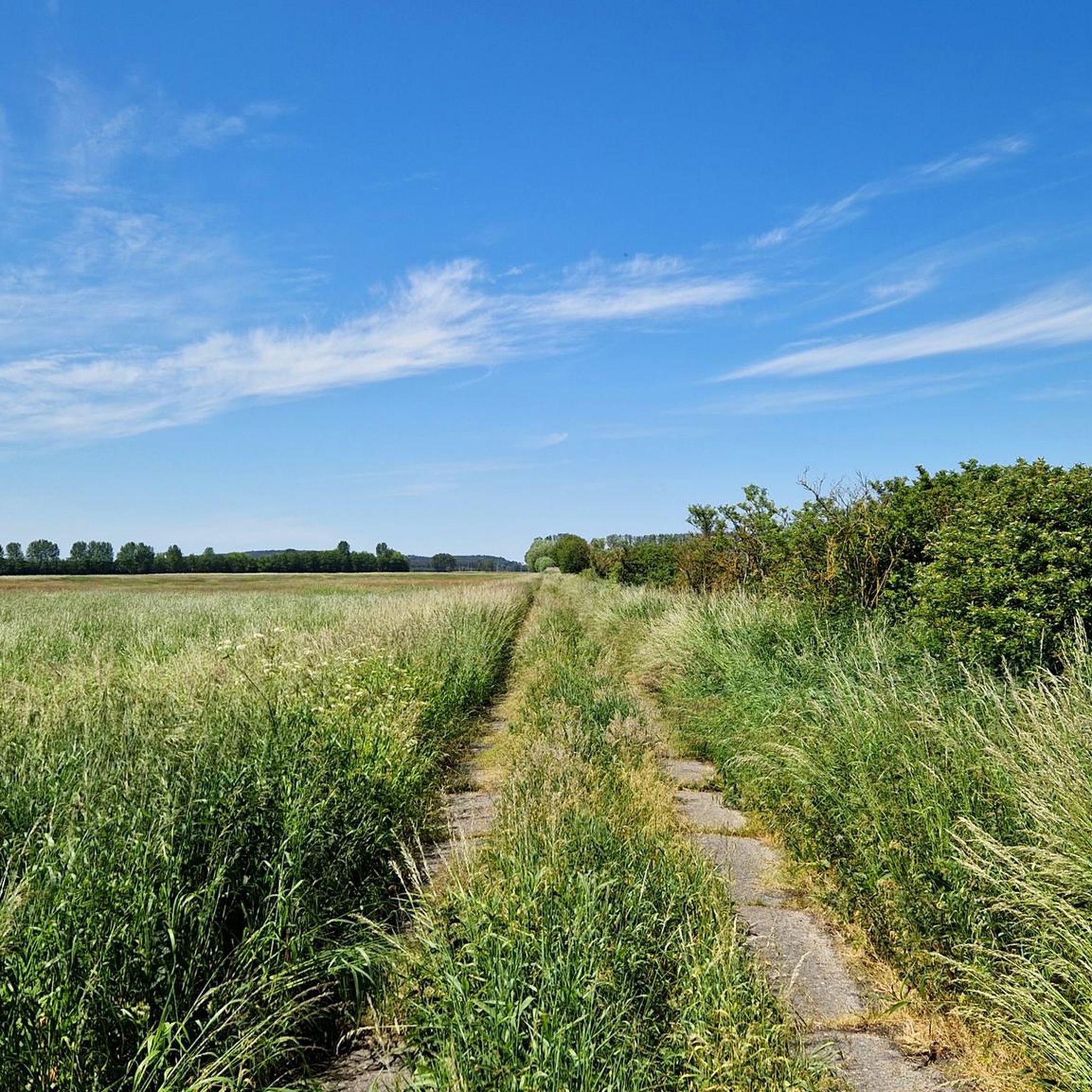
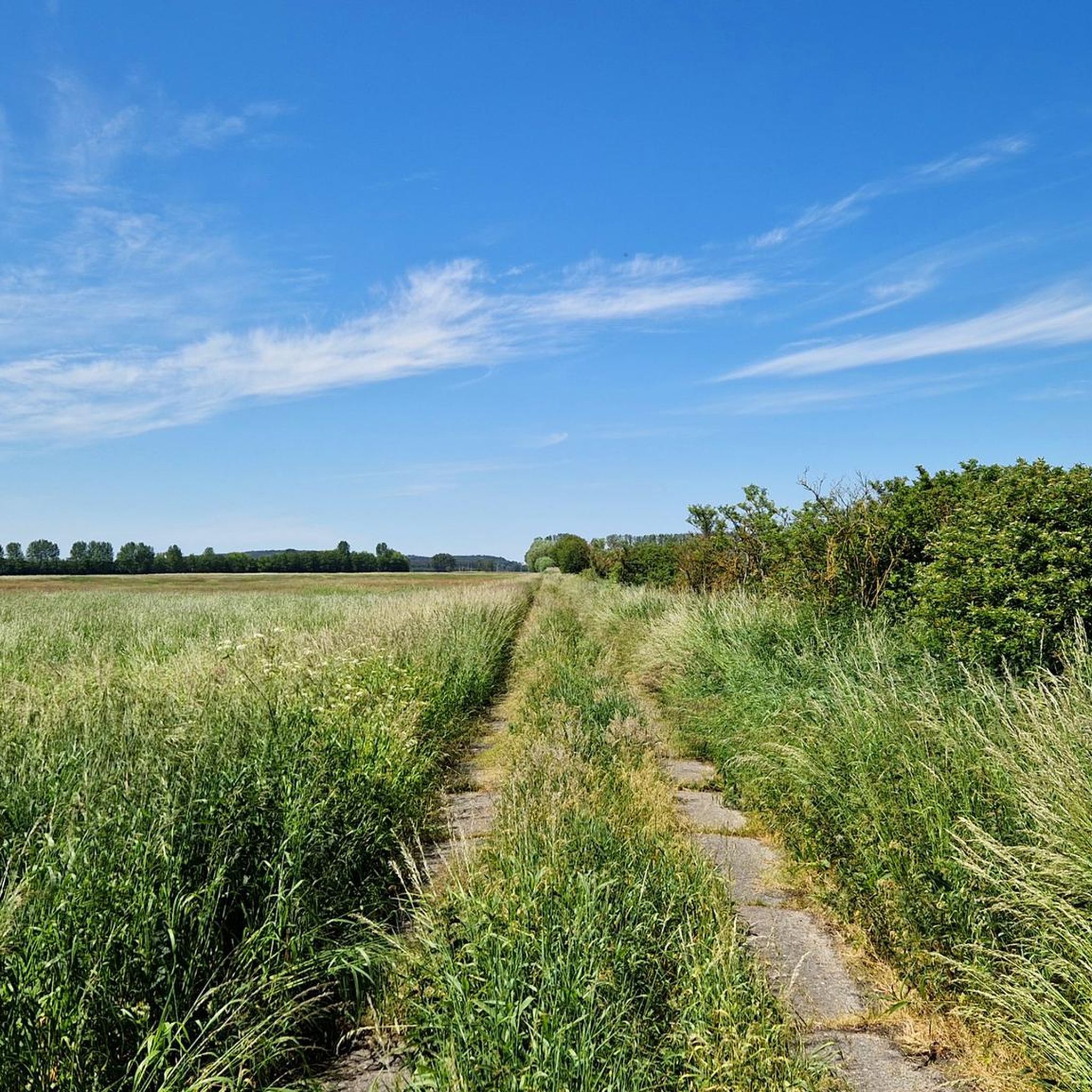
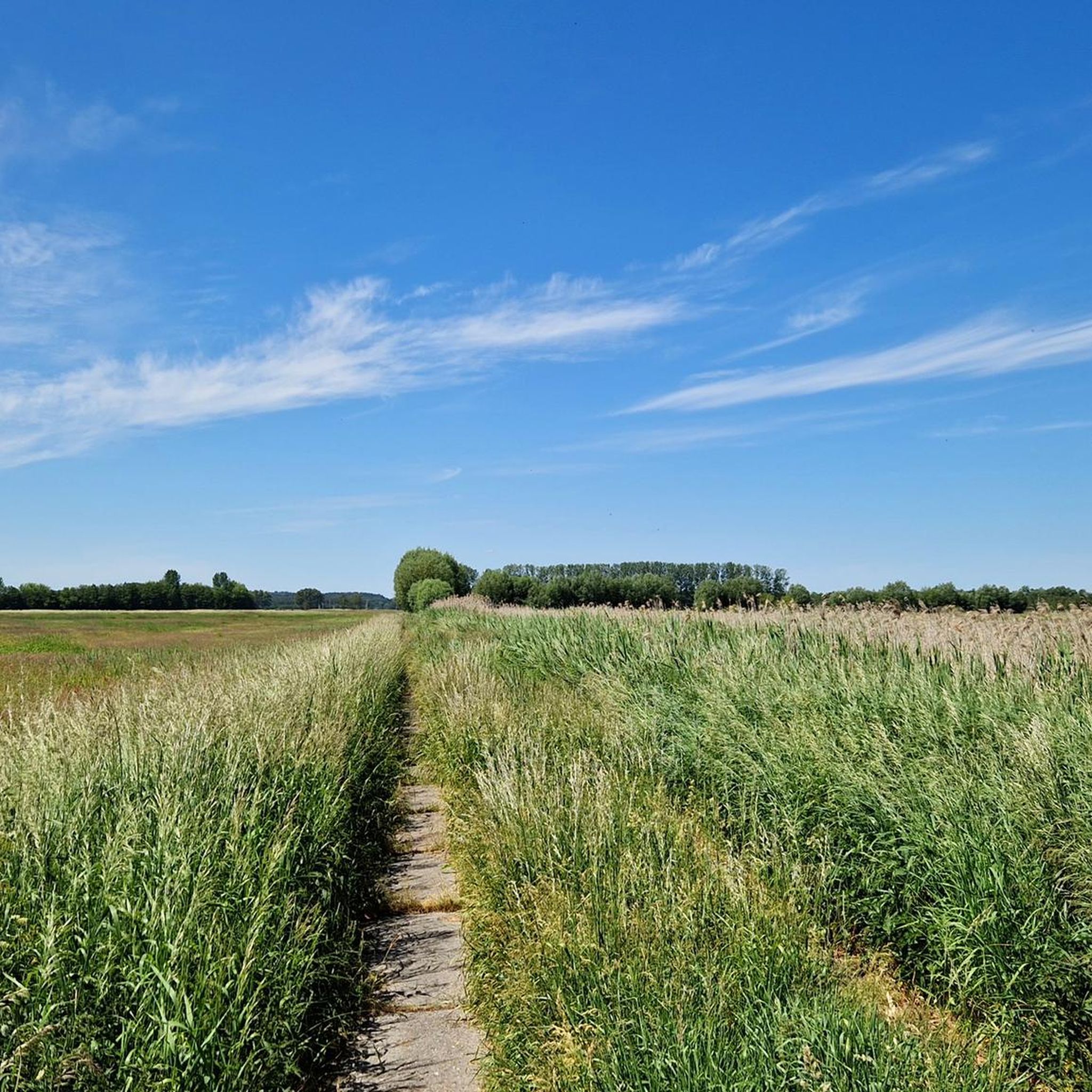
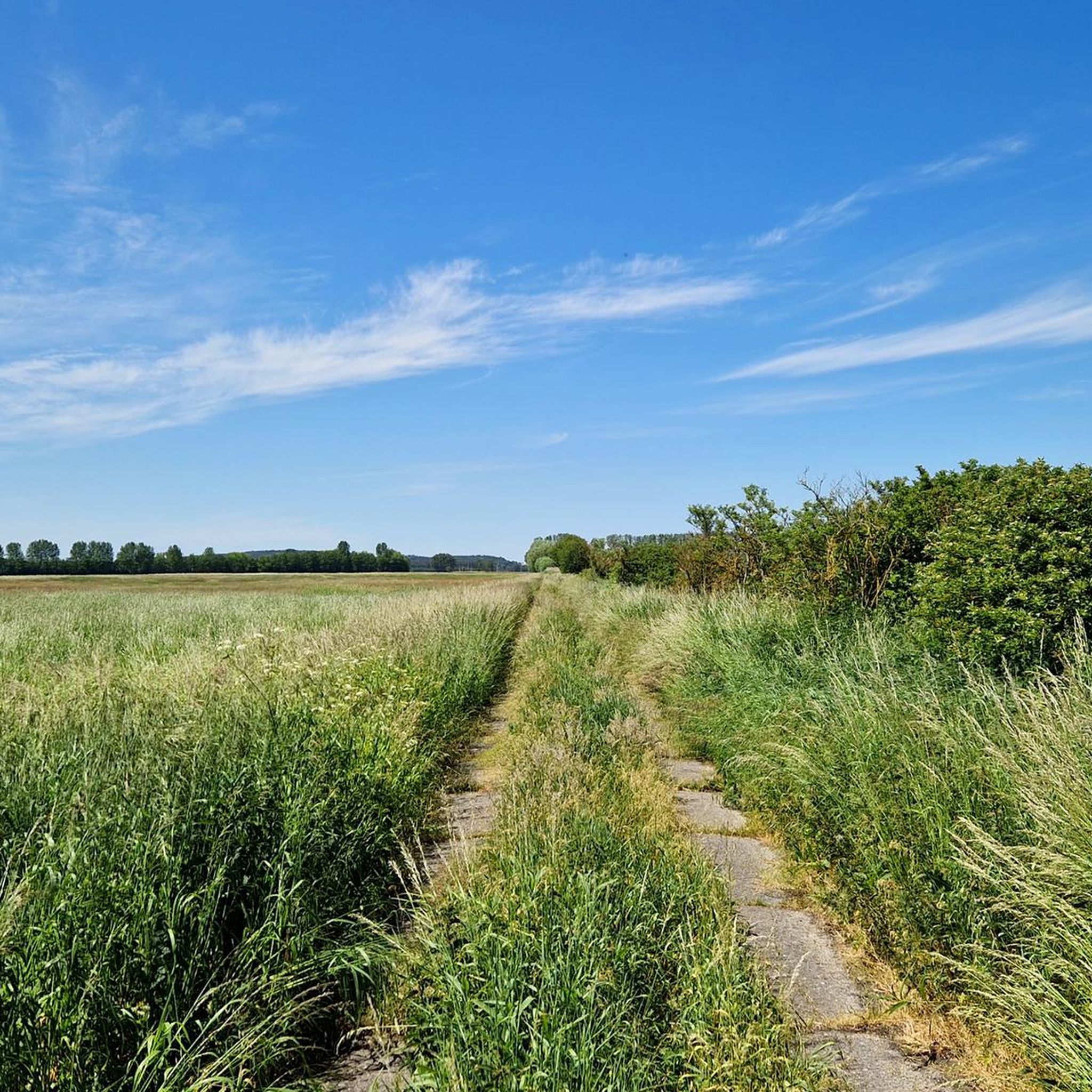

Tips from the Community

As Dr. WS writes: still a quiet connecting road with excellent surface!
2
0

Plastered hall church from 1828. Square west tower with pyramid roof
0
0

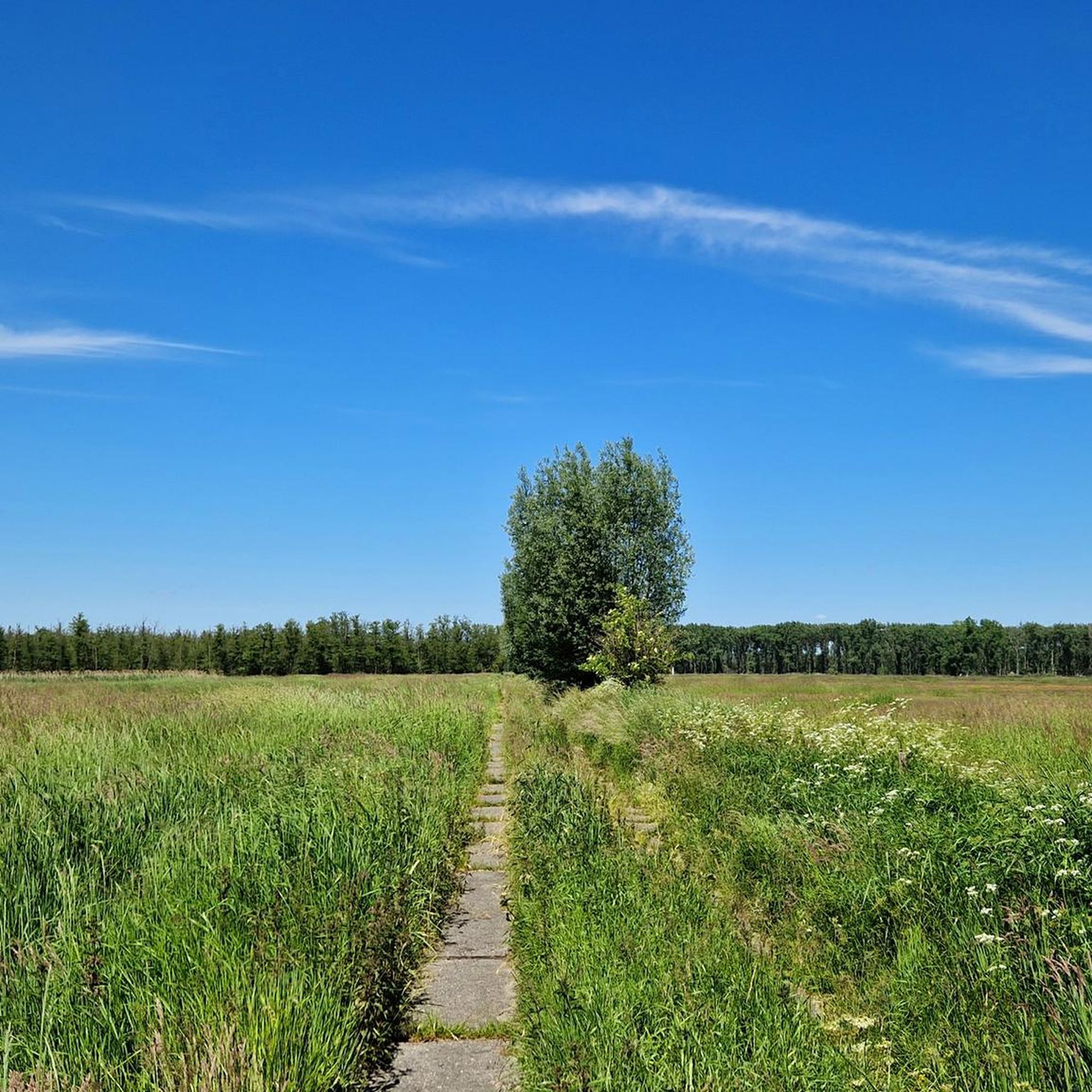
You should have good suspension here, the gaps between the concrete slabs are often large and the edges high. Otherwise completely quiet commercial route.
0
0

Today's church dates from 1828 after the previous building burned down completely in 1826. Tower construction was completed in 1836, completing the reconstruction. More information: https://www.westhavelland.de/seite/367600.html
0
0
Attention Badlight: badly designed, old and bumpy double-lane concrete slab road between Liepe and Kriele. Not fun with the road bike. Better bypass
1
0
Quiet connecting road between Nennhausen and Damme with good asphalt
1
0

Nice bike path which is also used by cars.
0
0

The Havelländisches Luch is a special natural area: meadows as flat as pots, high water table and a wide horizon. This is a true paradise for birds and other animals, whose need for peace and quiet should be respected. Some concrete slab paths are suitable for hiking.
0
0
Frequently Asked Questions
What kind of wildlife can I expect to see in Havelländisches Luch?
The Havelländisches Luch is a significant habitat for various bird species. It is particularly famous as one of the last remaining habitats in Germany for the endangered Great Bustard. You can also spot other birds like the Eurasian Curlew, Common Crane, White-tailed Eagle, and Red Kite. Dedicated observation towers are available for birdwatching.
Are there specific nature reserves to visit in Havelländisches Luch?
Yes, the core of the area is the Havelländisches Luch Nature Reserve, known for its flat meadows and high water table, which provides a crucial habitat for birds and other wildlife. Additionally, the "Lindholz" and "Friesacker Zootzen" areas are designated nature reserves protecting natural deciduous forest communities.
What outdoor activities are popular in Havelländisches Luch?
The flat terrain and scenic routes make the Havelländisches Luch ideal for outdoor activities like hiking and cycling. You can explore the landscape and its wildlife on easily accessible paths. For more detailed routes, you can check out guides for hiking, gravel biking, and MTB trails around the area.
Are there cycling paths suitable for families?
Yes, there are several cycling paths suitable for families. The Cycle path between Barnewitz and Buschow is an easy-to-ride roadside path. Another option is the Kriele–Liepe cycle path in Westhavelland Nature Park, though some sections may have older concrete slabs. The Road Between Buckow and Garlitz also offers a quiet connection with newly asphalted sections.
What historical or cultural sites can I visit in the region?
The region features several charming village churches that reflect its rich history. You can visit the Village Church Mützlitz, which dates back to 1828, or the Pilgrimage Church Buckow, known for its expressive architecture. The Dorfkirche Garlitz is another baroque hall church rebuilt in neoclassical style. While not directly in the Luch, the nearby village of Ribbeck is famous for its association with Theodor Fontane's ballad and features a new pear tree.
When is the best time to visit Havelländisches Luch, especially for birdwatching?
The Havelländisches Luch is particularly interesting for birdwatching during winter and spring. These seasons are crucial for the protection of the Great Bustard, with large areas inundated to create suitable roosting and breeding sites, offering excellent observation opportunities.
Are there family-friendly attractions or activities in Havelländisches Luch?
Many of the cycling paths, such as the Cycle path between Barnewitz and Buschow, are considered family-friendly due to their easy rideability. The general flat terrain of the nature reserve also makes it suitable for leisurely walks with children, allowing them to observe nature and wildlife.
What do visitors enjoy most about Havelländisches Luch?
Visitors appreciate the Havelländisches Luch for its special natural area, characterized by flat meadows, a high water table, and wide horizons. It's considered a true paradise for birds and other animals, offering a tranquil escape for those seeking to connect with nature and explore the cultural heritage of Brandenburg.
Are there any rules or considerations when visiting the nature reserves?
When visiting the nature reserves, it's important to remember that it's a crucial habitat for many species, including the endangered Great Bustard. Visitors should respect the need for peace and quiet for the wildlife. Stick to designated paths and avoid disturbing animals, especially during breeding seasons.
Can I find hiking trails near these attractions?
Yes, there are several hiking opportunities. For example, you can find routes like the "Garlitz Village Church – Garlitz Playground loop from Garlitz" or the "Buschow Village Church – Fontaneroute Information Board loop from Buschow." You can explore more options in the hiking guide for Havelländisches Luch.
Is Havelländisches Luch accessible by public transport?
While the region is relatively untouched by mass tourism, public transport options to specific points within the Havelländisches Luch may be limited. It's advisable to research local bus schedules or consider driving to access various points of interest.
Are there dog-friendly trails in Havelländisches Luch?
Many of the general paths and cycle routes in the Havelländisches Luch are suitable for walks with dogs. However, as it is a significant nature reserve, always keep dogs on a leash to protect wildlife and adhere to any specific signage or regulations within designated protected areas.
Are there any wheelchair-accessible trails in the area?
Some concrete slab paths within the Havelländisches Luch Nature Reserve are mentioned as suitable for hiking, which might offer some accessibility. However, specific information on fully wheelchair-accessible trails is limited, and conditions can vary. It's recommended to check local conditions before visiting.
Most popular routes around Havelländisches Luch

Get inspired with the komoot mobile app


Explore more
Still not found the Highlight you’re looking for? See guides of the top attractions in other regions:
