Attractions and Places To See around Döberitzer Heide - Top 20
Best attractions and places to see around Döberitzer Heide, a former military training area, now a significant nature reserve west of Berlin. This expansive landscape features heathlands, sandy areas, and dry grasslands, supporting diverse flora and fauna. It is home to large herbivores like European bison and Przewalski's horses, and offers over 55 kilometers of marked hiking trails. The area combines natural wilderness with historical remnants, providing a unique destination for exploration.
Best attractions and places to see around Döberitzer…
Last updated: October 10, 2026
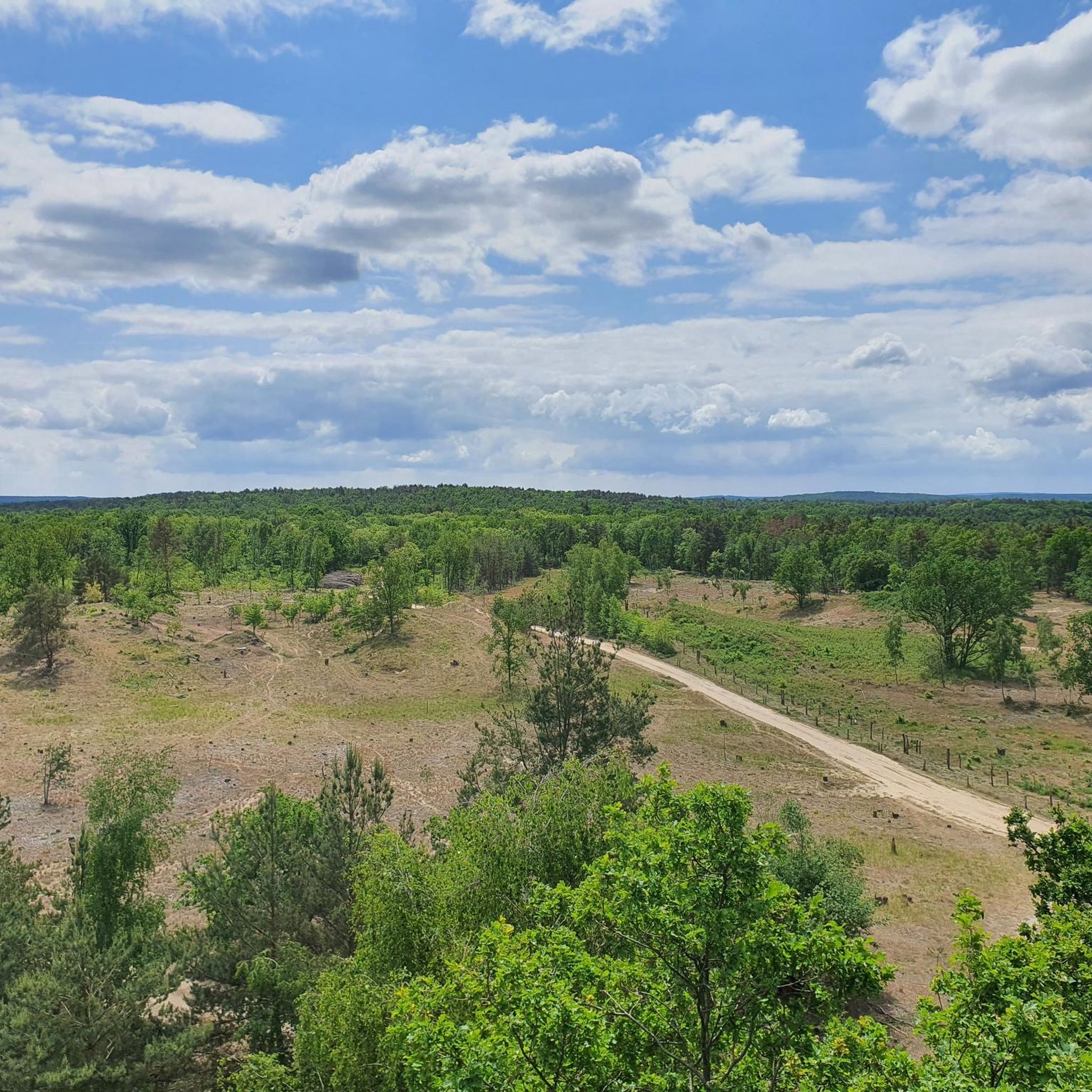
Finkenberg Observation Tower, Döberitzer Heide
Highlight • Viewpoint
Translated by Google •
Tip by

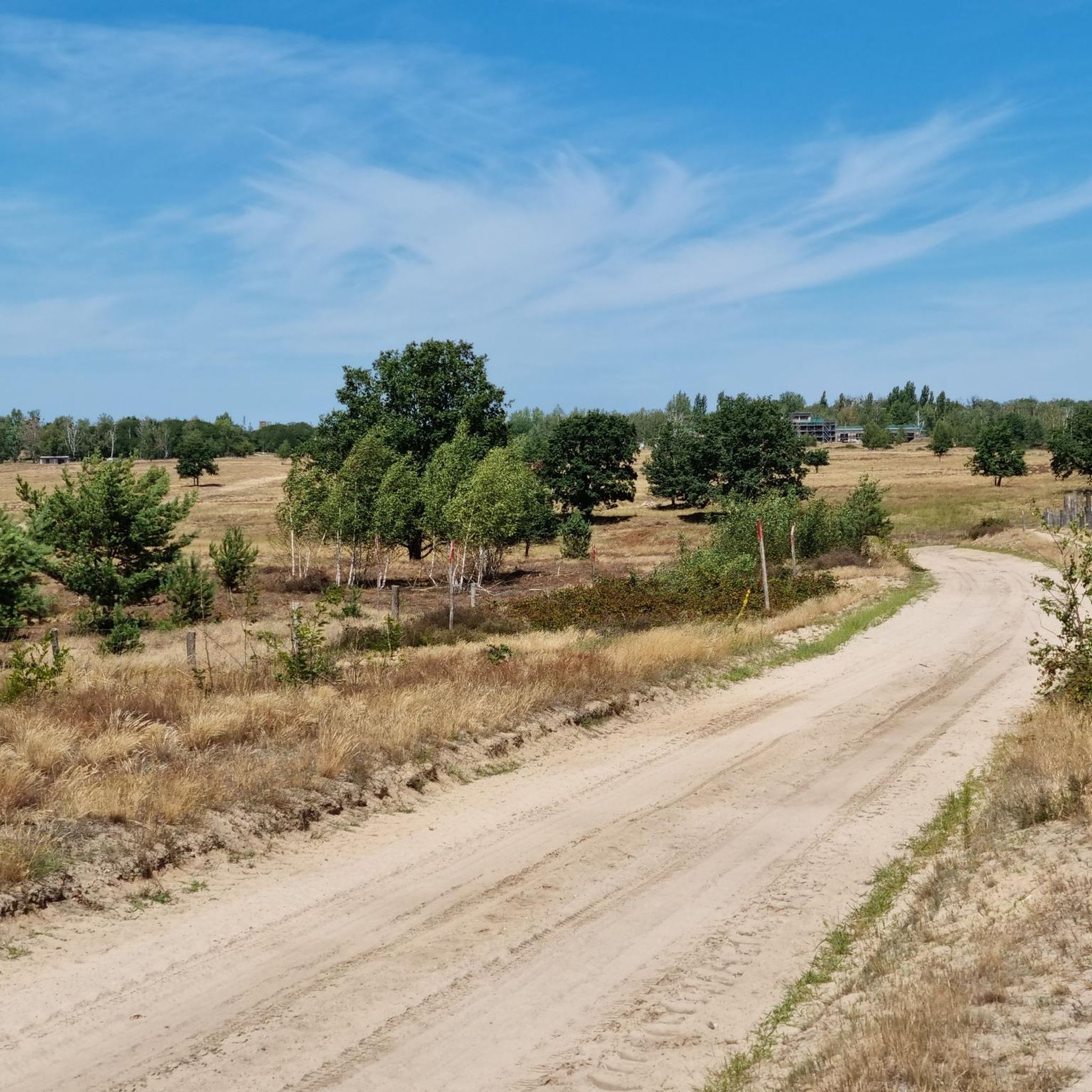
Döberitzer Heide
Highlight (Segment) • Natural
Translated by Google •
Tip by

Sign up now to discover places like this
Get recommendations on the best single tracks, peaks, & plenty of other exciting outdoor places.
Döberitzer Heide Nature Reserve
Highlight • Natural
Translated by Google •
Tip by

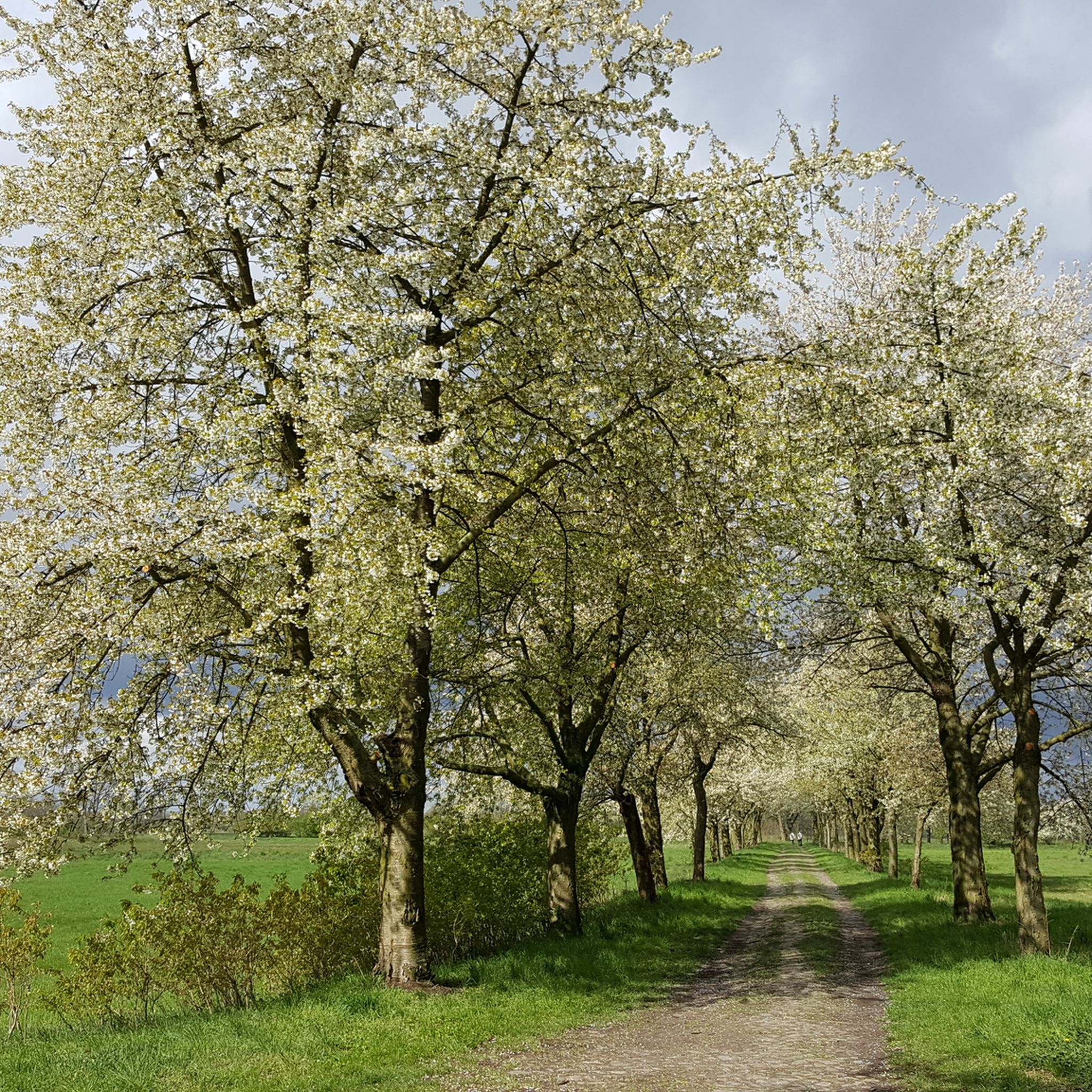
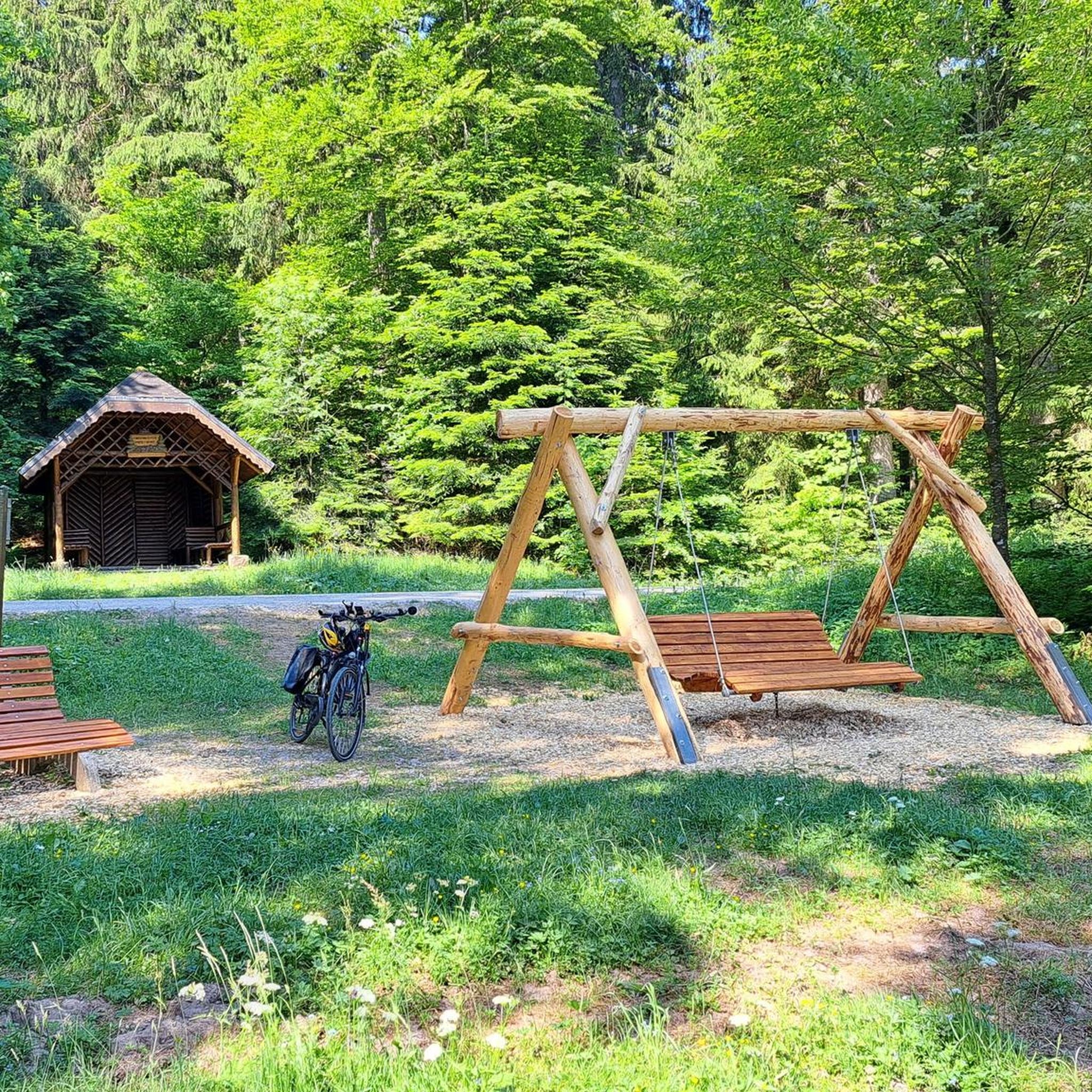
Elstal–Dallgow-Döberitz Cycle Path
Highlight (Segment) • Cycleway
Translated by Google •
Tip by

European bison in the Döberitzer Heide wilderness core zone
Highlight • Natural
Translated by Google •
Tip by
Sign up for free to discover even more attractions around Döberitzer Heide.
Already have an account?
Start today with a free account
Your next adventure awaits.
Other adventures around Döberitzer Heide

Tips from the Community

Seeing the bison was a great stroke of luck for us.
0
0

A dream come true with the new asphalt surface from June 2025.
2
0

If you're lucky, bison are impressive, but very rarely seen.
0
0

Very usable section of the route
2
0

Right next to a road with cars zooming by. Good bike path, but not much fun.
1
0

Good bike path. The landscape is not so exciting because of the main road right next door.
1
0

Anyone who wants to shoot close to Berlin is in good hands here, but it's not a pleasure because of the B5.
1
0

Frequently Asked Questions
What unique natural features define the Döberitzer Heide region?
The Döberitzer Heide is characterized by its extensive open plains, heathlands, sandy areas, and dry grasslands, which are a direct result of its past as a military training ground. These unique conditions foster a rich biodiversity, supporting over 5000 plant and animal species. It's a significant nature reserve managed by the Heinz Sielmann Foundation.
Where can I observe wildlife in Döberitzer Heide?
The core wilderness zone of Döberitzer Heide is home to large herbivores like European bison (around 100 individuals) and Przewalski's horses (about 25 individuals), which roam freely. Red deer are also present. You can often spot these animals near the fences of the core zone. For specific viewing opportunities, consider visiting the areas around European bison in the Döberitzer Heide wilderness core zone and Przewalski horses and bison in Döberitzer Heide.
Are there good viewpoints in the area?
Yes, the Finkenberg Observation Tower, Döberitzer Heide offers panoramic views over the extensive heathland and forests. On a clear day, you might even see the Berlin television tower in the distance. Be aware that the tower may sway slightly in windy conditions due to its construction.
What kind of hiking trails are available in Döberitzer Heide?
Döberitzer Heide boasts over 55 kilometers of marked hiking trails. These trails allow you to explore the vastness of the nature reserve, offering insights into its diverse flora and fauna. It's crucial to stay on designated paths due to the potential presence of unexploded military ordnance from its historical use. You can find various routes, including running loops, in the Running Trails around Döberitzer Heide guide.
Can I cycle in Döberitzer Heide?
Yes, there are cycling paths available. The Elstal–Dallgow-Döberitz Cycle Path provides a direct route for cyclists between Elstal and Dallgow. Additionally, the region offers 13 kilometers of riding trails. For more cycling options, explore the Cycling around Döberitzer Heide guide, which includes various routes.
What historical sites can be found near Döberitzer Heide?
The Döberitzer Heide itself holds historical significance as a former military training ground from 1713 until 1991, with remnants like old bunkers still visible. Nearby, in Elstal, you can visit the Olympic Village (Olympiadorf Berlin 1936), built for the 1936 Olympic Games. It's now a protected monument and can be explored through guided tours.
Are there family-friendly activities or attractions in the area?
The Heinz Sielmann Nature Experience Center (Natur-Erlebniszentrum Döberitzer Heide), opened in March 2024, is an excellent place for families. It features an interactive and multimedia exhibition about the local biodiversity, including life-sized models of bison and Przewalski's horses, making it engaging for all ages. The designated hiking and cycling paths are also suitable for family outings.
What do visitors enjoy most about Döberitzer Heide?
Visitors frequently appreciate the vast, open landscapes and the opportunity to observe rare wildlife like European bison and Przewalski's horses in their natural habitat. The panoramic views from the Finkenberg Observation Tower are also a highlight. Many enjoy the extensive network of trails for hiking and cycling, offering a unique blend of wilderness and history close to Berlin.
Are there opportunities for gravel biking near Döberitzer Heide?
Yes, the region offers suitable terrain for gravel biking. You can find various routes and explore the area on two wheels. Check out the Gravel biking around Döberitzer Heide guide for detailed routes, including options like the Sacrower See loop or routes through the Bredower Forst Nature Reserve.
What should I know about exploring the Döberitzer Heide trails?
When exploring the Döberitzer Heide, it's important to stay on the marked paths. This is due to the area's history as a military training ground, which means there could be unexploded ordnance off-trail. The landscape is diverse, offering everything from open heathlands to forests, providing varied experiences for hikers and cyclists.
What kind of birds can be spotted in Döberitzer Heide?
Döberitzer Heide is a paradise for birdwatching, with around 200 bird species identified. You might spot northern wheatears, whinchats, European stonechats, European robins, and the Eurasian hoopoe. Endangered species such as the white-tailed eagle also find refuge here, making it a significant area for avian biodiversity.
Most popular routes around Döberitzer Heide
Most popular attractions around Döberitzer Heide

Get inspired with the komoot mobile app


Explore more
Still not found the Highlight you’re looking for? See guides of the top attractions in other regions:
