The best traffic-free bike rides around Mönchengladbach
4.5
(240)
866
riders
54
rides
Gravel biking around Mönchengladbach offers diverse landscapes, featuring serene river paths, extensive forested areas, and connections to broader regional routes. The terrain includes a mix of paved and unpaved surfaces, characteristic of gravel riding, allowing for seamless transitions between urban, rural, and natural settings. The Niers River is a central natural feature, providing picturesque routes along its banks, often with fine gravel surfaces. The region also encompasses national parks and nature reserves, contributing to varied elevation profiles and trail conditions.
Best no traffic gravel bike trails around Mönchengladbach
- The most popular no traffic gravel bike trail is Rur River – De Meinweg National Park loop from Hardt, a 45.1 miles (72.6 km) trail that takes 4 hours 18 minutes to complete. This moderate route explores river paths and the varied terrain of a national park.
- Another top favourite among local gravel bikers is De Meinweg National Park – Brachter Wald Nature Reserve loop from Mönchengladbach-Rheindahlen, a difficult 55.5 miles (89.4 km) path. This route traverses national park and nature reserve landscapes, offering challenging and scenic sections.
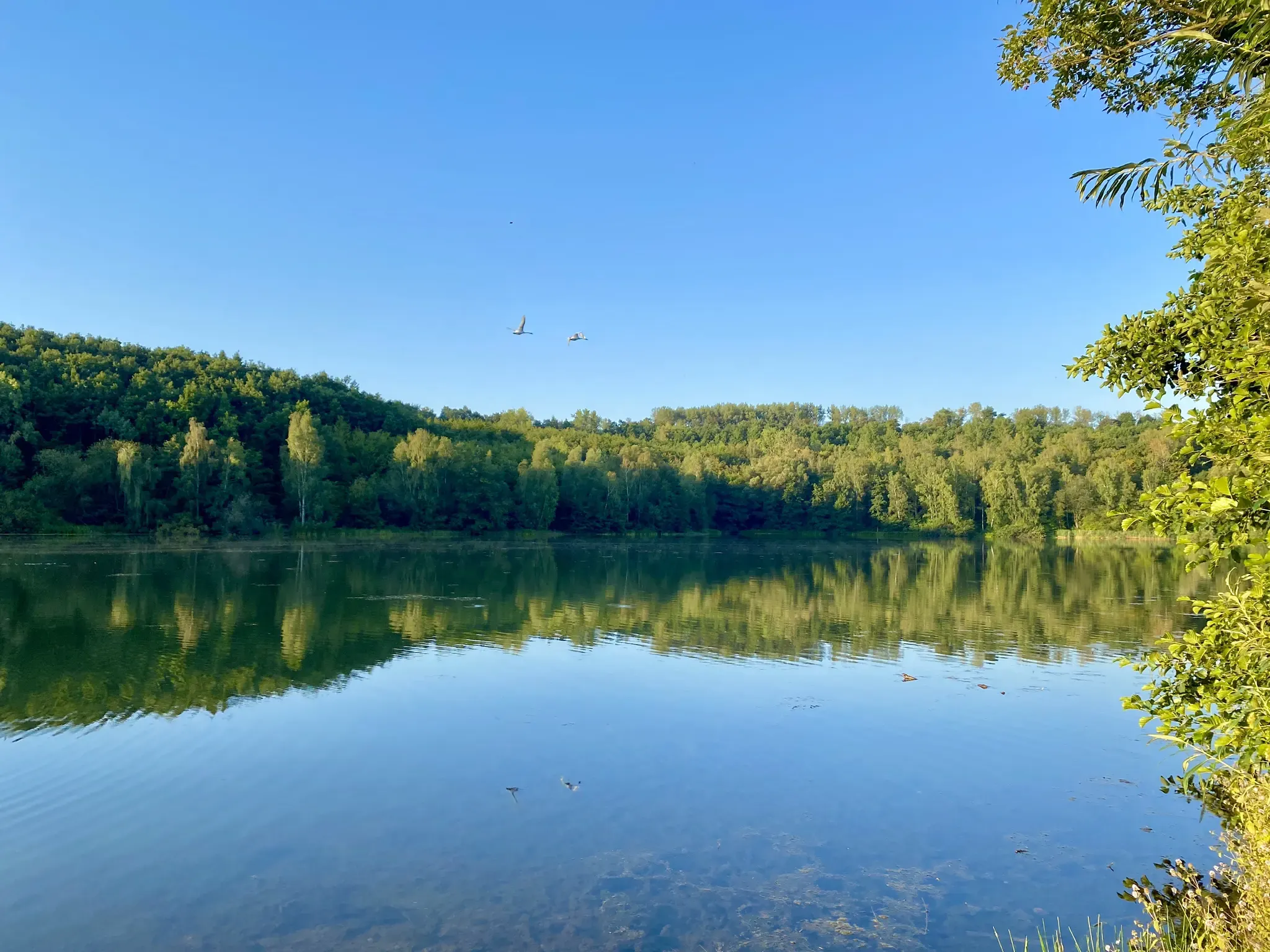
- Local gravel bikers also love the Hariksee – View of the Hariksee (Lake Harik) loop from Rheydt Hauptbahnhof, a 30.4 miles (49.0 km) trail leading through lake scenery and surrounding green spaces, often completed in about 2 hours 39 minutes.
- Gravel biking around Mönchengladbach is defined by river valleys, extensive forests, and nature reserves, with routes offering options for different ability levels.
- The routes in Mönchengladbach are highly rated by the komoot community with an average score of 4.5 stars from over 200 reviews. More than 800 gravel bikers have used komoot to explore Mönchengladbach's varied terrain.
Last updated: July 10, 2026
4.6
(9)
42
riders
Moderate gravel ride. Good fitness required. Mostly paved surfaces. Suitable for all skill levels.
5.0
(2)
17
riders
Hard gravel ride. Very good fitness required. You may need to push your bike for some segments of this route.

Sign up for free
4.8
(5)
28
riders
87.3km
04:52
280m
280m
Moderate gravel ride. Good fitness required. Mostly paved surfaces. Suitable for all skill levels.
4.5
(13)
56
riders
49.0km
02:37
150m
150m
Moderate gravel ride. Good fitness required. Mostly paved surfaces. Suitable for all skill levels.
3.5
(2)
9
riders
Moderate gravel ride. Good fitness required. Mostly paved surfaces. Suitable for all skill levels.
Get access to more routes and recommendations from other explorers.
Sign up for free
Already have an account?
Our route recommendations are based on thousands of hikes, rides, and runs completed by other people on komoot.
Start today with a free account
Your next adventure awaits.
Login or Signup




Tips from the Community

Beautiful route
0
0
Beautiful cycle path
1
0

I recommend you again and again ☺️
1
1

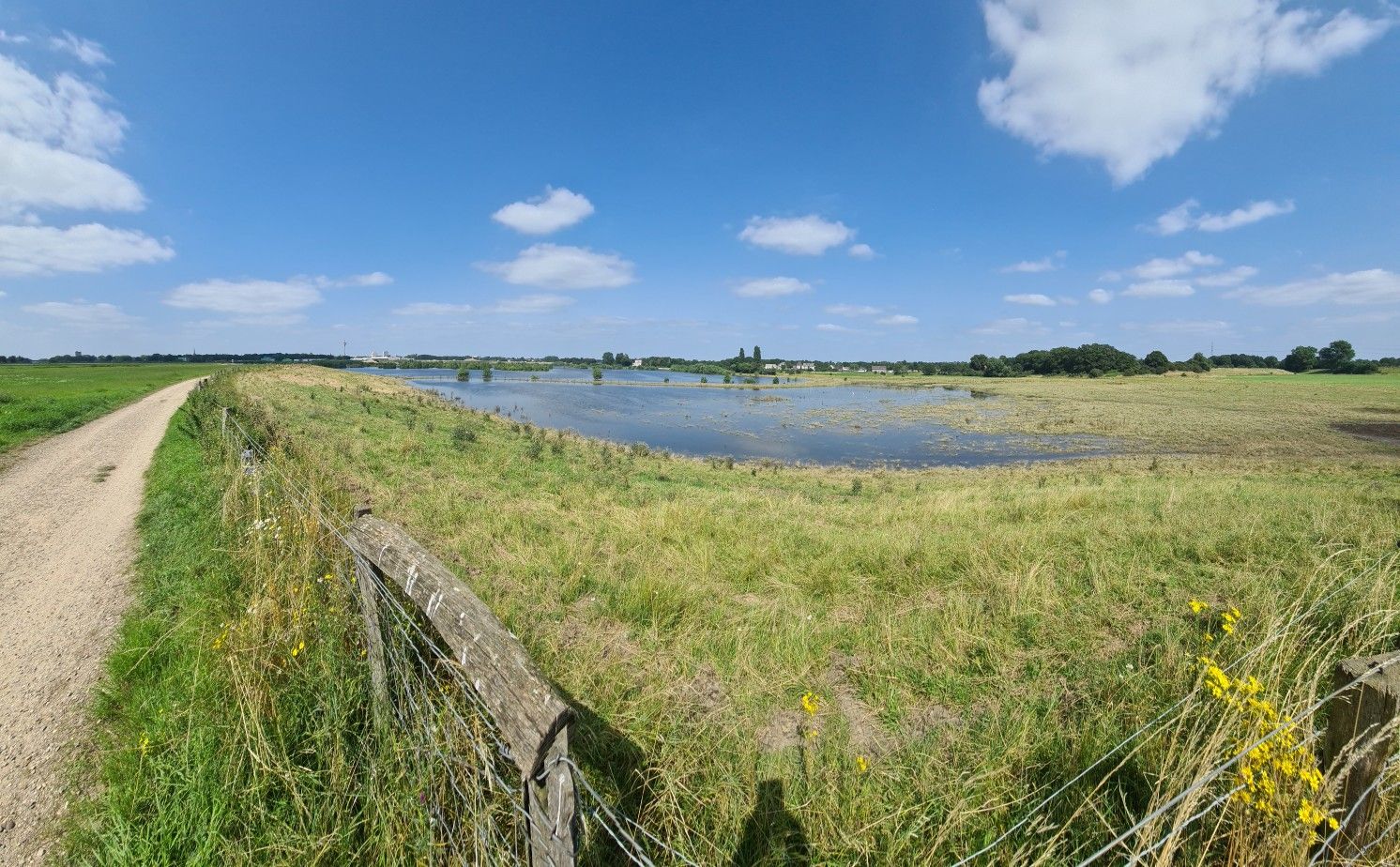
The nature reserve is ideal for hiking and cycling.
1
0

In Nationaal Park De Meinweg you will find an important railway heritage, the old IJzeren Rijn railway line. This is a historic railway route that was once one of the most important international railway connections and runs right through the area. Nowadays it is disused and sustainably integrated into the landscape, but the tracks are still clearly recognizable and walkable. The IJzeren Rijn (German: Eisenbahn Rhein) was originally a railway line that led from the port of Antwerp (Belgium) via Weert and Roermond to Mönchengladbach and the Ruhr area (Germany). The line was built between 1879 and 1880 as an important freight connection for the supply of cotton and industrial products to the Rhine and Ruhr areas. Due to political and economic circumstances, the track regularly changed its use and intensity, but it remained in operation for a long time with, among other things, double-track sections. Throughout the 20th century, the use of the IJzeren Rijn declined. In the Netherlands, the line was still used as a single track after the Second World War until the last regular train service between Roermond and Dalheim stopped around 1991. After that, the railway line on that section was taken out of use and fell into disrepair. However, the remaining rails, track beds and alignments were never completely dismantled in the part that runs through De Meinweg, and parts of the alignment are still in the park and are recognizable as old railway lines, overgrown with vegetation and integrated into walking paths. In Nationaal Park De Meinweg, you can freely walk and cycle on this old railway route. Remnants of the alignment itself are visible in the landscape as long straight lines through forest and heathland, and in some places you can even find remnants of rails or track beds. There are various walks around and over this route, including routes that start at Herkenbosch Centrum and cross the old track, where the small bridge and level crossings are part of the experience of the terraced landscape. The track has thus become not only a natural element incorporated by flora and fauna, but also a cultural-historical heritage. The old IJzeren Rijn illustrates how De Meinweg is not only a natural landscape, but also a place where old infrastructure, history, and nature meet.
1
0

The Dalheim railway line has been badly damaged by heavy forestry work, especially between the Ritzrod dunes and Sechseichen 🚜
1
0
Frequently Asked Questions
How many traffic-free gravel bike trails are available in Mönchengladbach?
There are over 60 dedicated traffic-free gravel bike trails around Mönchengladbach, offering a wide range of options for different skill levels and preferences. These routes are designed to keep you away from cars, allowing for a more peaceful and immersive cycling experience.
What kind of terrain can I expect on gravel bike trails in Mönchengladbach?
Mönchengladbach's gravel trails offer a diverse mix of surfaces. You'll find well-maintained fine gravel paths, particularly along the Niers River, as well as forest tracks and some paved sections that connect natural areas. The region is known for its varied landscapes, transitioning seamlessly between urban, rural, and natural settings.
Are there any easy, beginner-friendly traffic-free gravel routes?
Yes, Mönchengladbach offers several easier gravel routes suitable for beginners. Many of the trails along the Niers River are relatively flat and well-maintained, providing a gentle introduction to gravel biking. While this guide focuses on traffic-free options, you'll find a good selection of routes marked as 'easy' within the komoot community.
Can I find challenging gravel bike trails without traffic in the area?
Absolutely. For those seeking a more demanding ride, areas like the De Meinweg National Park and Brachter Wald Nature Reserve offer more challenging gravel routes. For example, the De Meinweg National Park – Brachter Wald Nature Reserve loop from Mönchengladbach-Rheindahlen is rated as 'difficult' and provides significant elevation changes and varied terrain, all while keeping you away from traffic.
What are some scenic highlights or natural attractions I can see along these routes?
Many traffic-free gravel routes in Mönchengladbach pass by beautiful natural and historical sites. You can explore the serene Niers River, visit the historic Rheydt Palace Park, or cycle through the lush Niersbruch Nature Reserve. The region also features charming lakes like the Volksgarten Pond and the Swan Pond in Volksgarten Mönchengladbach, perfect for a scenic break.
Are there any circular gravel bike routes that avoid traffic?
Yes, many of the traffic-free gravel routes in Mönchengladbach are designed as loops. For instance, the Hariksee – View of the Hariksee (Lake Harik) loop from Rheydt Hauptbahnhof offers a moderate circular ride around the picturesque Hariksee, ensuring you start and end at the same point without encountering significant traffic.
What do other gravel bikers enjoy most about the traffic-free trails in Mönchengladbach?
The komoot community highly rates the gravel biking experience in Mönchengladbach, with an average score of 4.5 stars. Reviewers often praise the peacefulness of the traffic-free routes, the beautiful natural scenery along the Niers River, and the well-maintained paths that make for an enjoyable ride away from urban hustle.
Are there any routes that connect to other regional cycling paths?
Yes, Mönchengladbach's network of paths often connects to broader regional routes. The Niers Cycle Path, for example, is a well-regarded route that offers wide, well-maintained gravel surfaces and links to other areas, allowing for longer tours and exploration beyond the immediate city limits.
Can I access these gravel trails using public transport?
Many routes in and around Mönchengladbach are accessible via public transport, especially those starting from main train stations like Mönchengladbach Hbf or Rheydt Hauptbahnhof. This allows you to easily reach the starting points of various traffic-free gravel adventures without needing a car.
Are there any specific routes that feature water bodies like rivers or lakes?
Absolutely. The Niers River is a central feature of many routes, offering beautiful riverside paths. The Bridge over the Niers – Niers Cycle Path loop from Schloss Myllendonk is a great example, providing extensive views and riding alongside the river. Additionally, the Hariksee is a popular destination for scenic rides, as seen in the Hariksee – View of the Hariksee (Lake Harik) loop from Rheydt Hauptbahnhof.
What is the best time of year to explore the traffic-free gravel trails in Mönchengladbach?
Spring and autumn are generally ideal for gravel biking in Mönchengladbach. The weather is usually mild, and the natural landscapes are particularly vibrant with blooming flowers or colorful foliage. Summer can also be pleasant, especially on shaded forest trails, while winter rides are possible but may require more attention to trail conditions.
Most popular routes around Mönchengladbach
Most popular attractions around Mönchengladbach

Get inspired with the komoot mobile app


Didn’t find what you were looking for?
Check out more Gravel rides throughout Mönchengladbach below and find the perfect route in your destination.
Explore more
Browse the best Gravel rides in other regions.
