The best traffic-free bike rides in the Mühlviertel
4.5
(13479)
94,376
riders
3,032
rides
No traffic touring cycling routes in the Mühlviertel traverse a diverse landscape characterized by rolling hills, dense forests, and river valleys. The region is part of the Bohemian Massif, featuring granite formations, deep gorges carved by rivers like the Große Mühl, and distinctive moorland areas. This varied terrain offers a mix of challenging climbs and more relaxed paths, making it suitable for different cycling preferences. Clear streams crisscross the unspoiled nature, enhancing the scenic beauty of the routes.
Best no…
Last updated: July 10, 2026
4.8
(26)
114
riders
53.4km
03:31
790m
790m
This difficult 33.2-mile touring cycling route offers panoramic views, challenging climbs, and a unique ferry ride through the Schlögen Loop
4.8
(22)
113
riders
26.3km
01:57
540m
540m
Hard bike ride. Very good fitness required. Some segments of this route may be unpaved and difficult to ride.

Sign up for free
4.5
(23)
91
riders
53.6km
04:00
910m
910m
Hard bike ride. Very good fitness required. Mostly paved surfaces. Suitable for all skill levels.
4.8
(448)
1,779
riders
68.2km
04:17
680m
680m
Hard bike ride. Very good fitness required. Mostly paved surfaces. Suitable for all skill levels.
4.7
(250)
1,474
riders
53.9km
03:02
100m
100m
Moderate bike ride. Good fitness required. Mostly paved surfaces. Suitable for all skill levels.
Get access to more routes and recommendations from other explorers.
Sign up for free
Already have an account?
Our route recommendations are based on thousands of hikes, rides, and runs completed by other people on komoot.
Start today with a free account
Your next adventure awaits.
Login or Signup
Popular around Mühlviertel
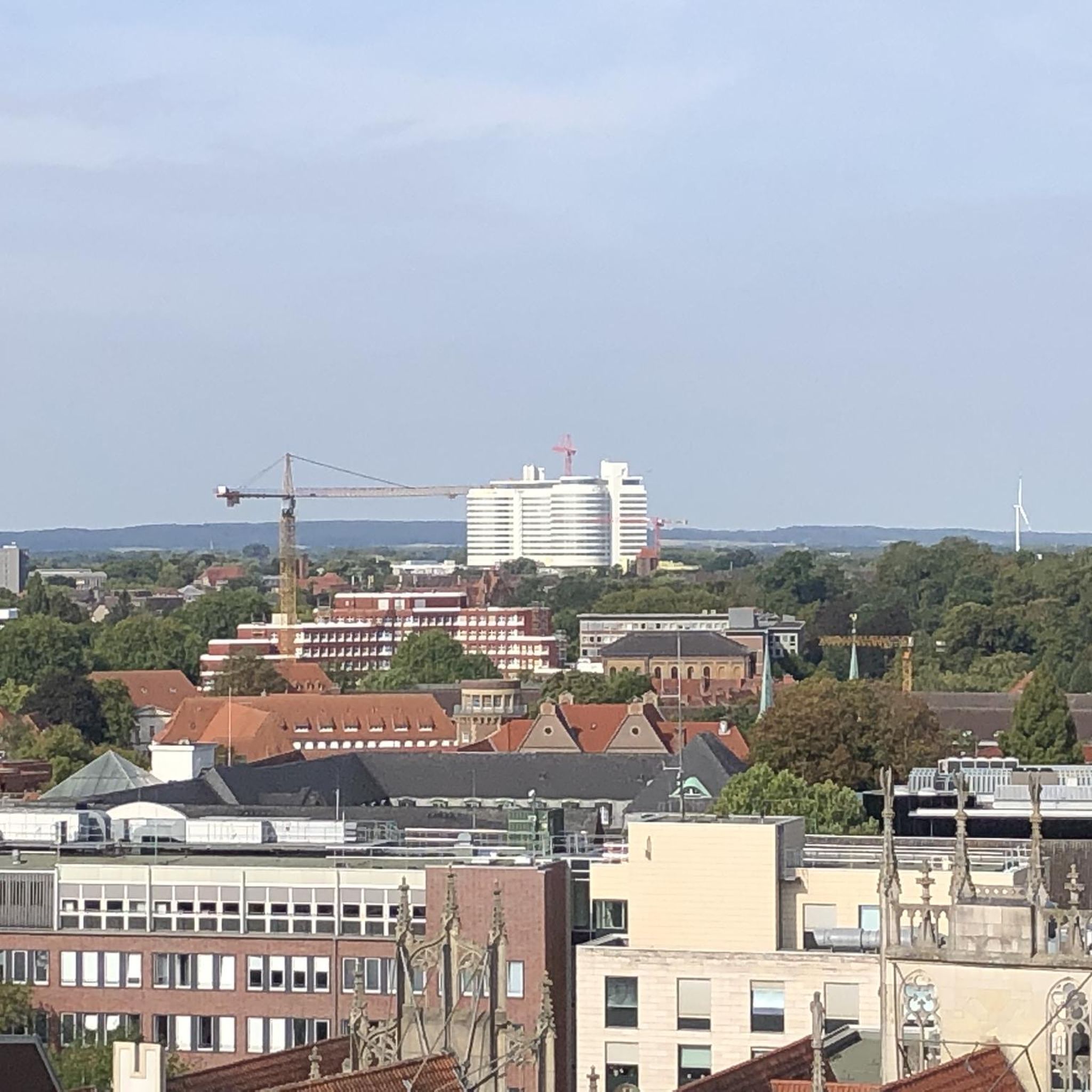
Traffic-free bike rides in Bezirk Rohrbach
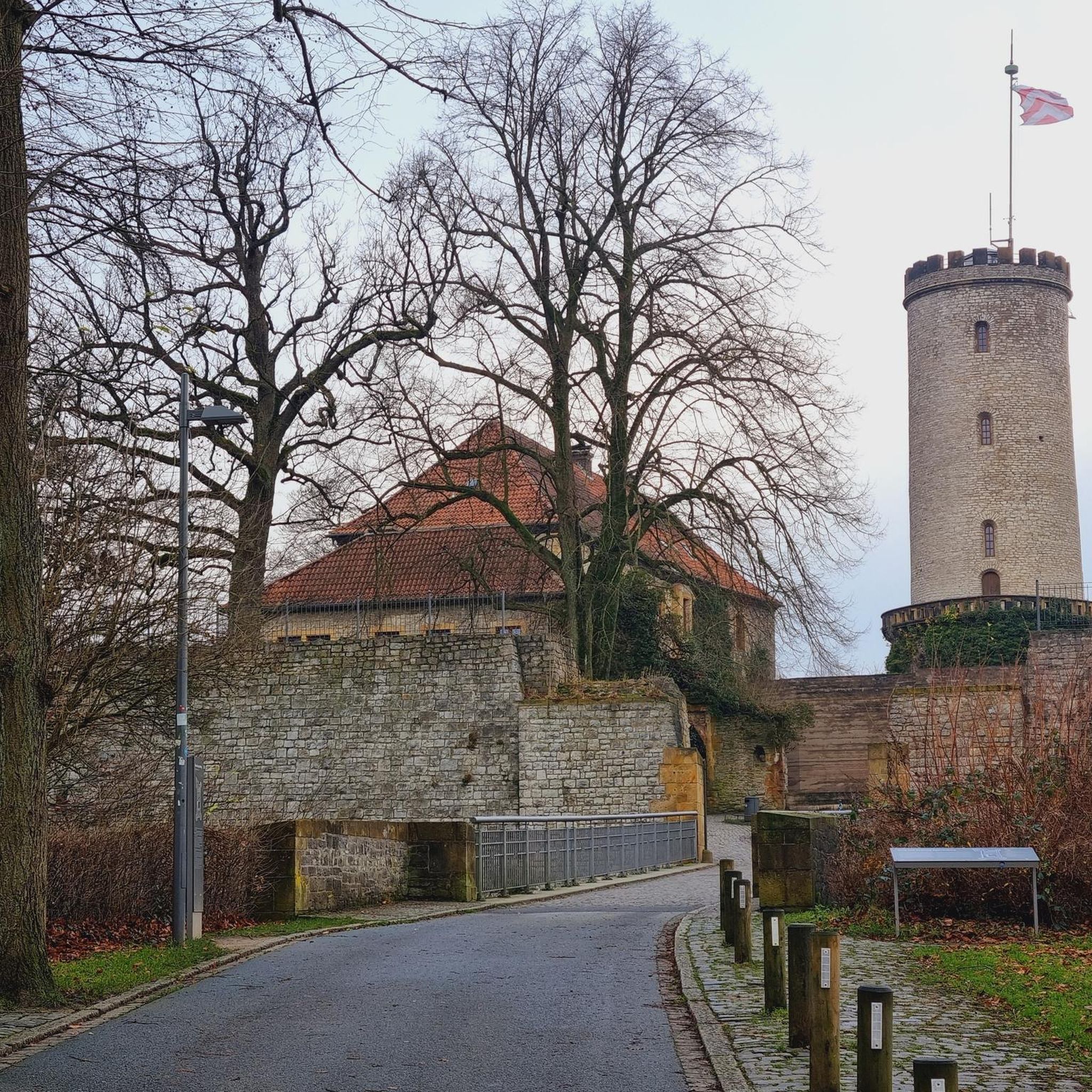
Traffic-free bike rides around Perg
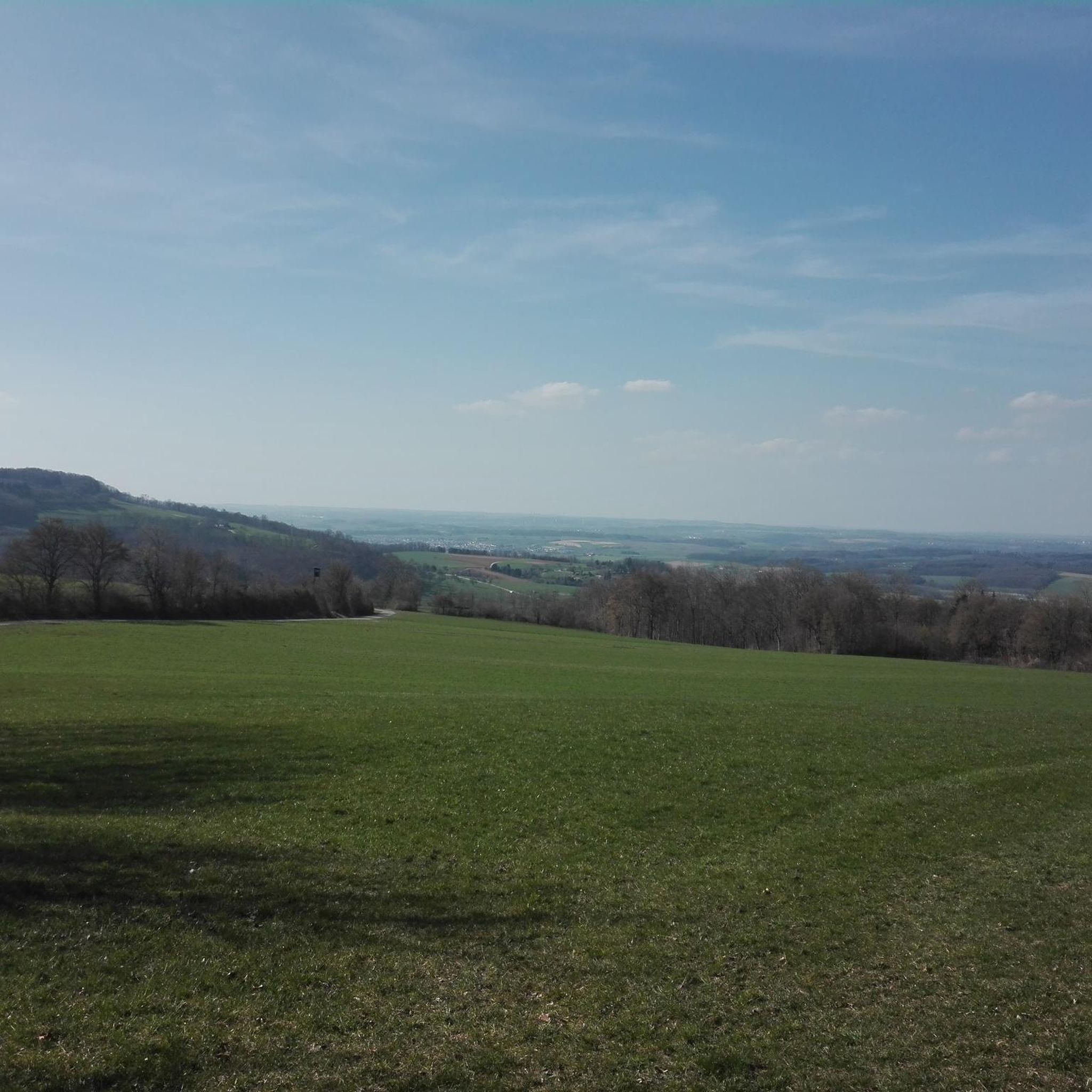
Traffic-free bike rides in Bezirk Urfahr-Umgebung

Traffic-free bike rides around Bezirk Freistadt
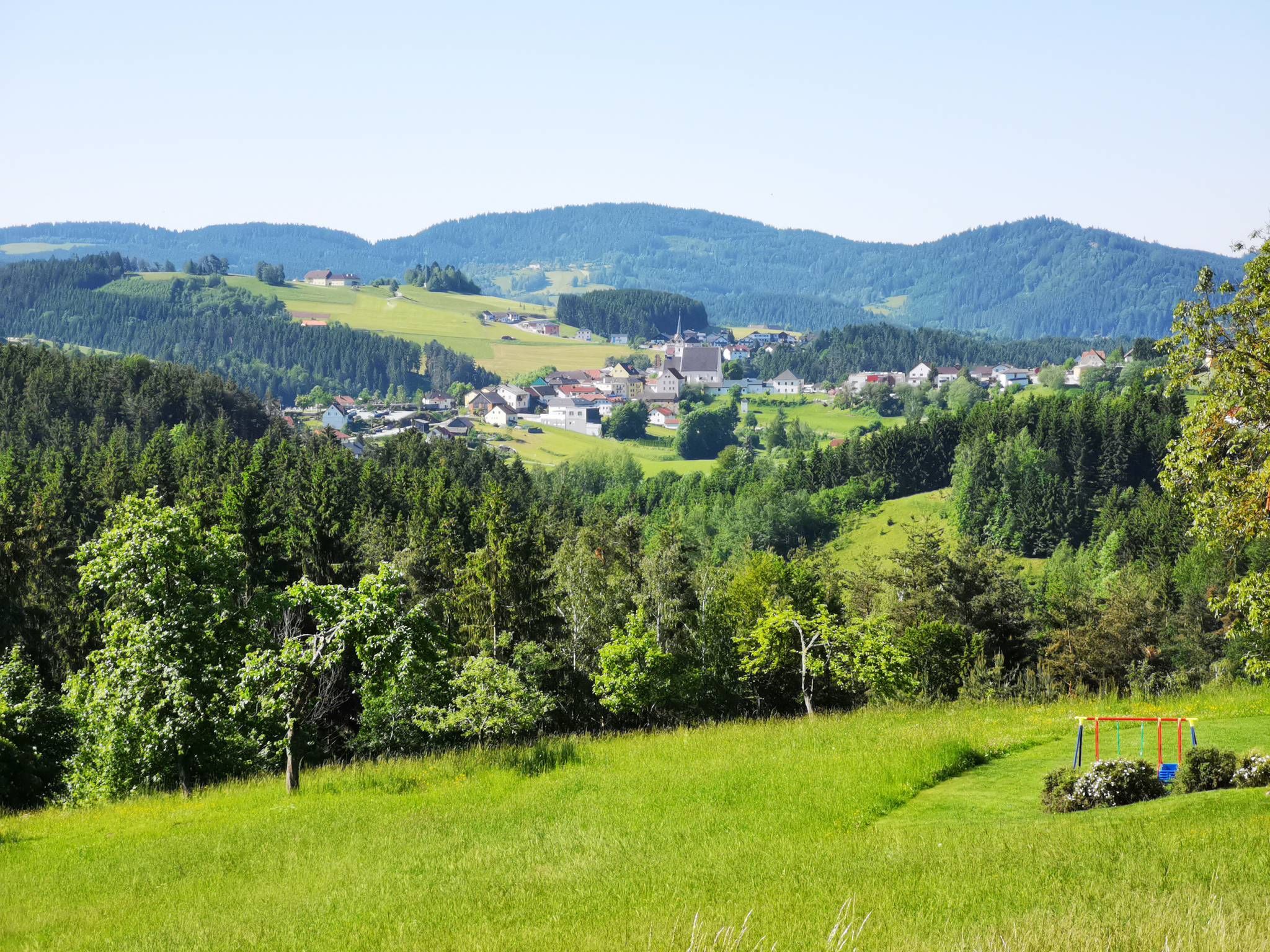
Austria's Mühlviertel Cycle Path — A hilly idyll
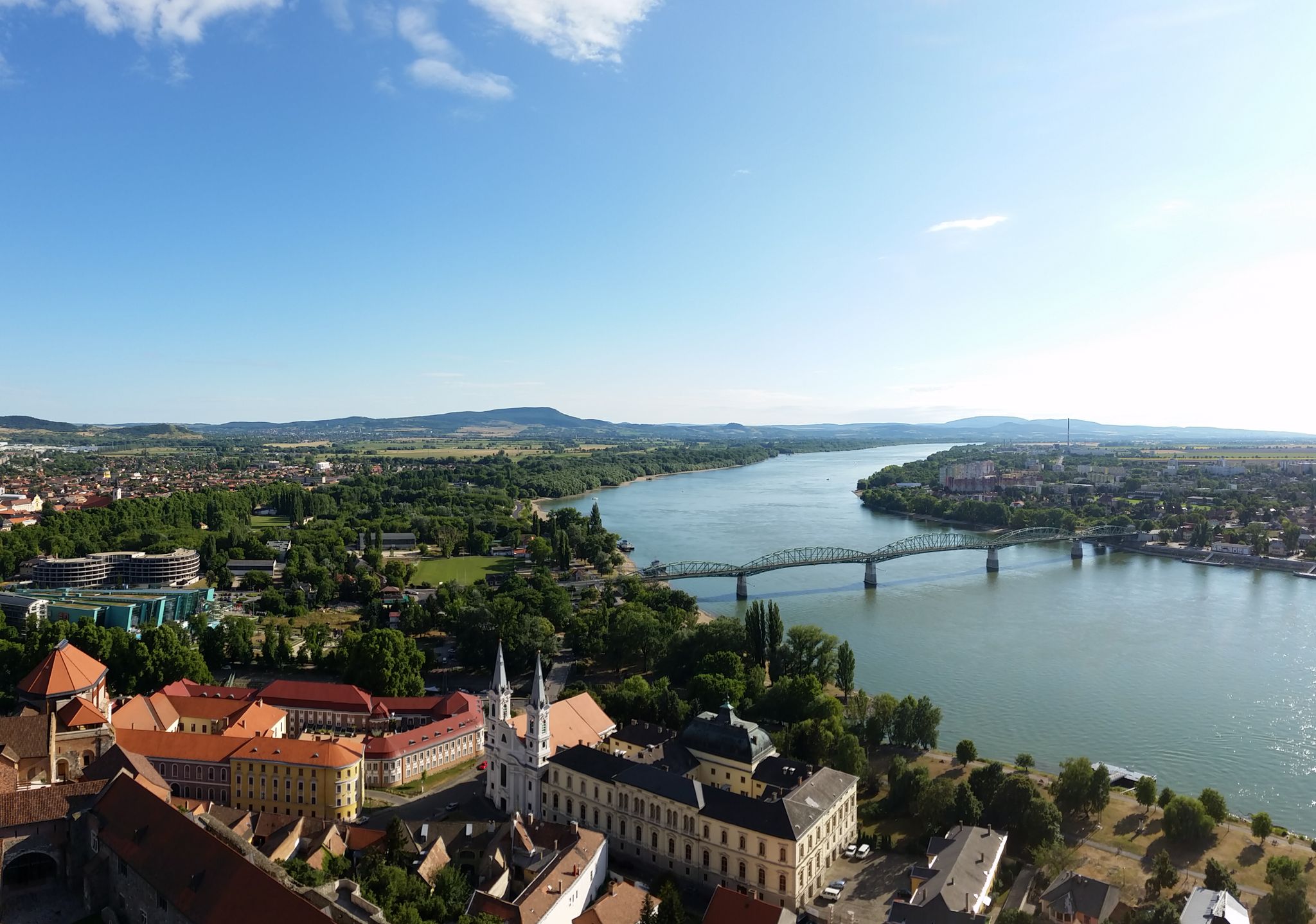
The Danube Cycle Path – From Donaueschingen to Budapest
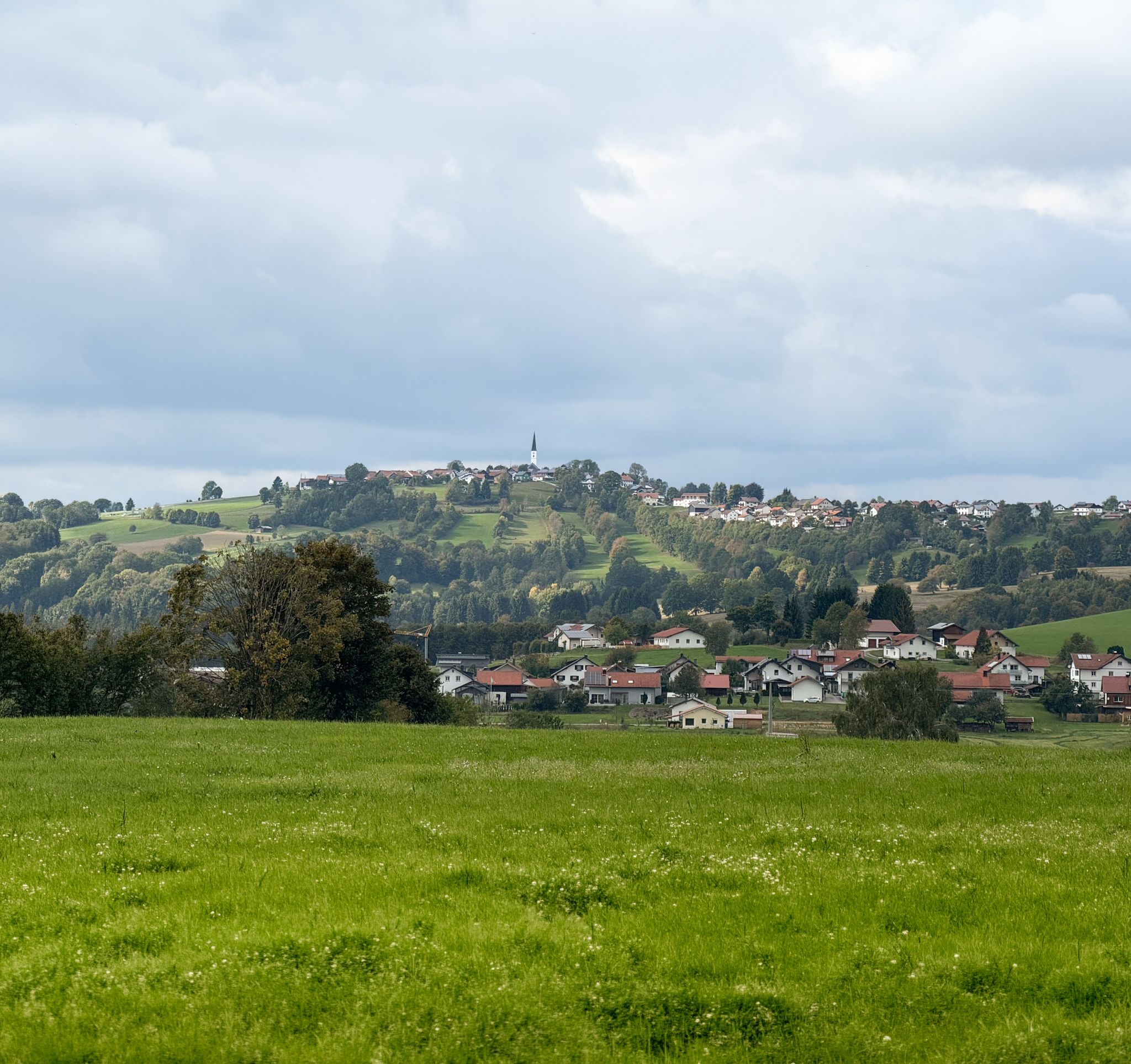
Beer culture on two wheels – 8 day rides, 2 countries, 1 pulse
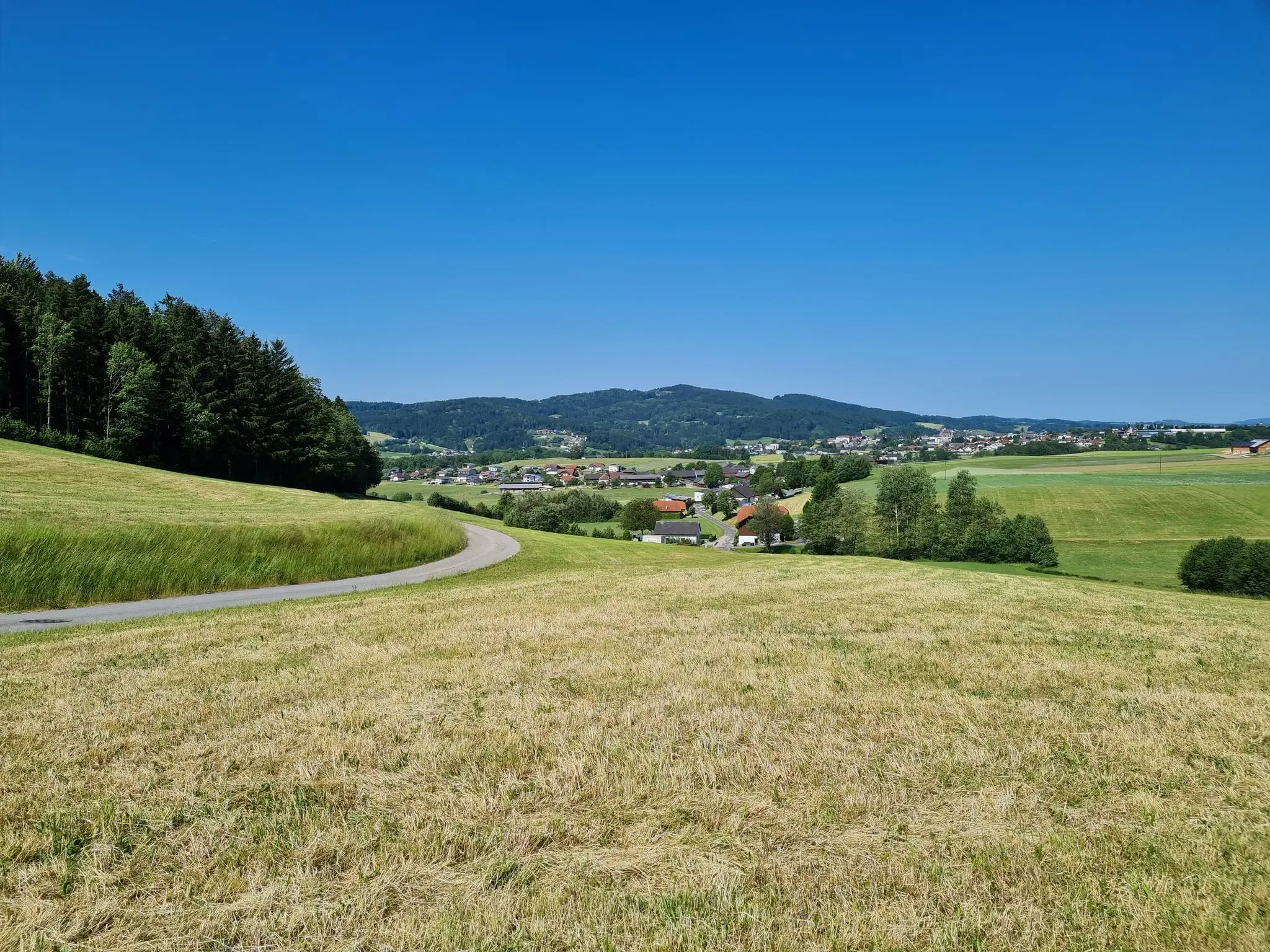
Silent forests – Bohemian Forest cycle path R27
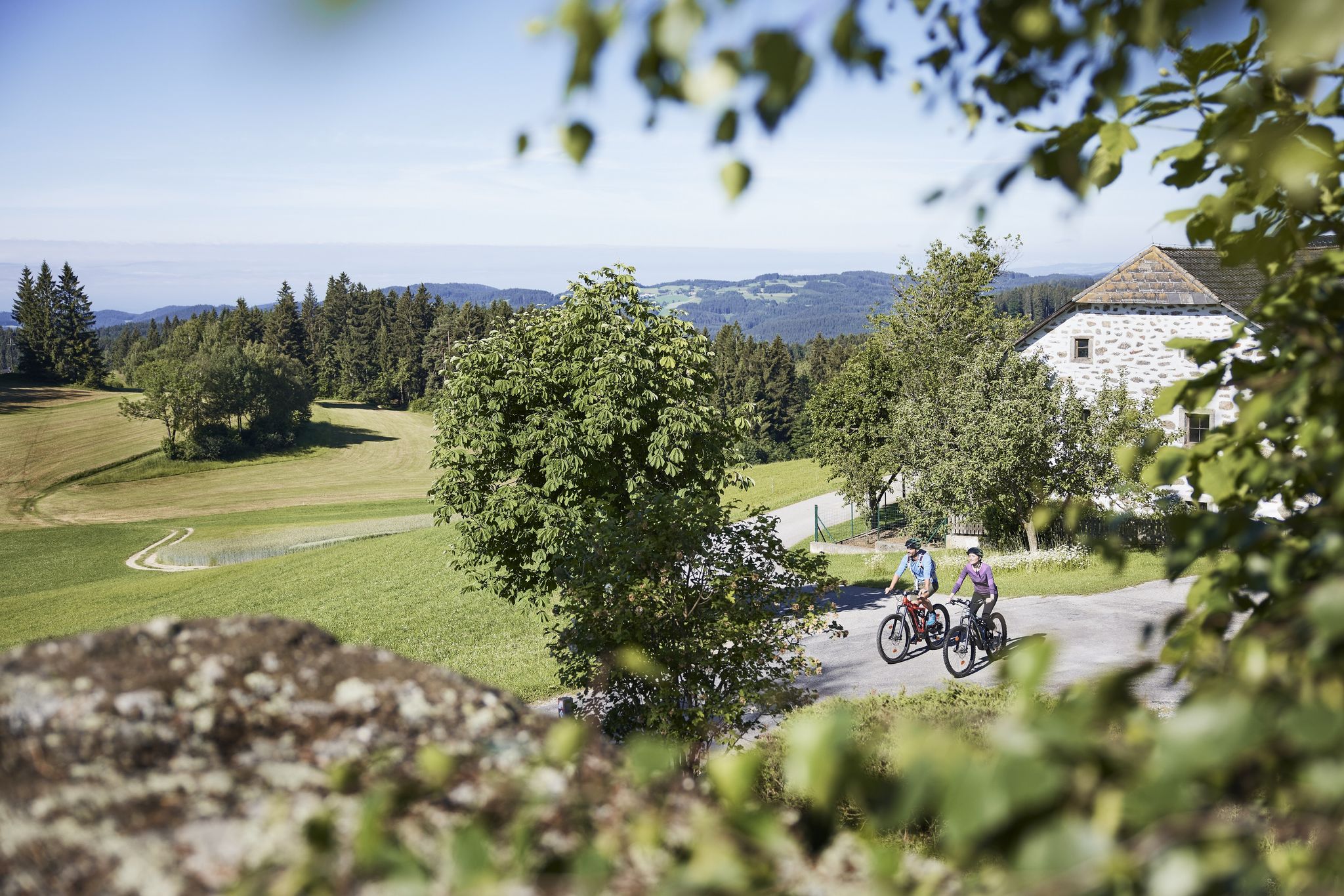
Cycling in Upper Austria's Mühlviertel hills
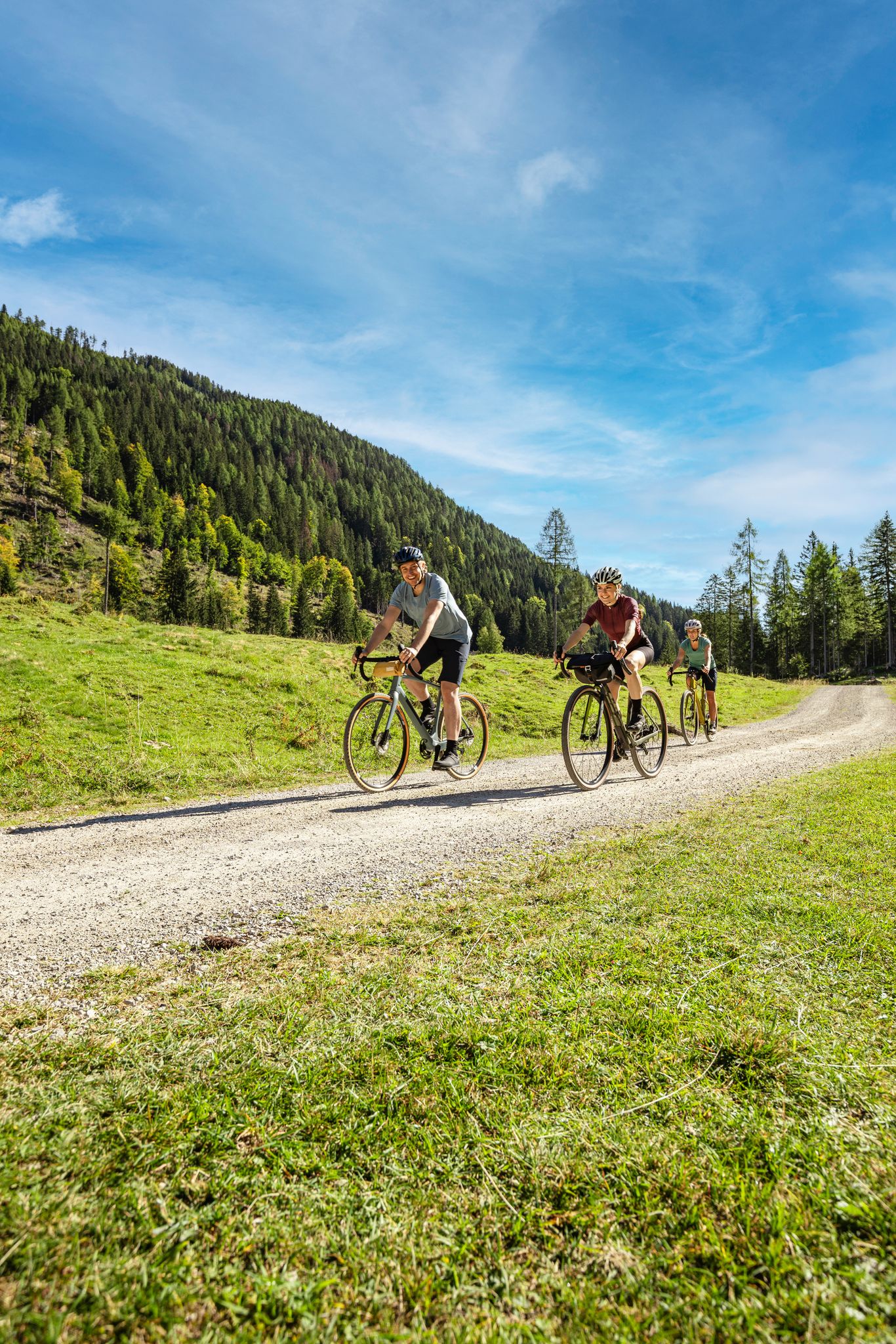
Lake Constance to Lake Neusiedl – explore Austria's federal states on gravel
Other adventures in the Mühlviertel


Tips from the Community

Very relaxed ride along the Danube!
0
0

Top route super beautiful nature
0
0

Arbesbach Castle is a top highlight that you should definitely plan a visit to. Even from a distance, you can recognize the so-called "Waldviertel's fang" (Stockzahn des Waldviertels). Once you arrive at the site, 126 steps lead up to the entrance where admission (currently €2.50) is payable in coins or by card. Then it continues inside upwards to the platform, which offers a fantastic view. There is also a circular path around the tower, which however requires some surefootedness and suitable shoes.
0
0

Near Pyburg in the Mostviertel region, the cycle bridge spans the underwater channel of the Enns Canal, connecting both banks. It is part of the Enns-Danube Cycle Route and allows cyclists to cross the canal safely and comfortably. The bridge runs through a natural setting with riparian forests and river landscapes, offering clear views of the surrounding cultural landscape of the Mostviertel.
3
0

The Schlögener Loop is an impressive natural wonder on the Danube, ideal for exploring by bike. The Danube Cycle Path leads through one of Austria's most beautiful river landscapes, offering breathtaking views of the famous Danube Bend.
6
0

The village was first mentioned in 1246 and was originally owned by the Kuenring line of Weitra-Rappottenstein. In 1282, the estate passed to the Lords of Falkenberg, and in 1291 to Ulrich von Kapelln. In the 14th century, Arbesbach is mentioned as a freehold property. From 1326 to 1348, it was owned by the Lords of Klingenberg, who in 1347 mortgaged "the castle and the house at Arbesbach" to Weikart and Katharina von Winkl. From 1348, Arbesbach was owned by the Lords of Dachsberg, and from 1423 by the Lords of Starhemberg. In 1480, the castle was destroyed by a Bohemian raiding party and was not rebuilt. In 1600, the estate passed to the Lords of Tschernembl, and in 1604 to Georg Fenzl von... Grueb and as early as 1605 to Georg Kaspar von Neuhaus. From 1614 owned by the Lords von Hackelberg, from 1675 to 1862 by the Countess Dietrichstein. Afterwards, it passed to the Herberstein, Geusau, and Baron Holtz families, and from 1877 onwards to the Altzinger family, who still own the estate today and reside in part of the castle complex. Text by G.R., K.Ki.
2
0

For a long time without change the Danube goes along
0
0

very cozy here, food and drinks, large garden
0
0
Frequently Asked Questions
How many no-traffic touring cycling routes are available in the Mühlviertel region?
The Mühlviertel region offers a wide selection of car-free touring cycling routes. There are over 3,000 routes available, with more than 240 considered easy and over 1,000 rated as moderate, providing options for various skill levels.
What kind of terrain can I expect on no-traffic touring cycling routes in the Mühlviertel?
The Mühlviertel is known for its diverse landscape, characterized by rolling or gentle hills, dense forests, and expansive meadows. You'll encounter varied terrain, from the granite formations of the Bohemian Massif to picturesque river valleys like those of the Große Mühl and Kleine Mühl. While many routes are traffic-free, be prepared for some elevation changes, as the region is generally hilly.
Are there any family-friendly no-traffic touring cycling routes in the Mühlviertel?
Yes, the Mühlviertel offers routes suitable for families, particularly those looking for less challenging terrain. While specific 'family-friendly' designations aren't always explicit, routes with lower elevation gain and shorter distances, often found along river paths or through flatter sections, are generally more suitable. Look for routes rated as 'easy' or 'moderate' for a more relaxed family experience.
What are the best times of year to go touring cycling in the Mühlviertel?
The best time for touring cycling in the Mühlviertel is typically from spring through autumn. During these seasons, the weather is generally pleasant, and the natural beauty of the region, from blooming meadows to vibrant autumn foliage, is at its peak. While some routes might be accessible in winter, many trails could be affected by snow or ice, making spring to autumn the most enjoyable period.
What interesting landmarks or natural features can I see along the no-traffic routes?
The Mühlviertel is rich in natural and cultural attractions. Along your routes, you might encounter unique rock formations like the Weltstein or the Teufelsschüssel Rock Formation. For panoramic views, consider routes near the Sternstein Observation Tower or the Hoh-Haus at Buchberg Observation Tower. The region also features picturesque moorlands, dense forests, and historic villages.
Are there any circular no-traffic touring cycling routes in the Mühlviertel?
Yes, many touring cycling routes in the Mühlviertel are designed as loops, allowing you to start and end at the same point. An example is the challenging Mühlviertler Dom Loop, which covers over 53 km. These circular routes are ideal for exploring the diverse landscapes without needing return transport.
What amenities can I find along the no-traffic touring cycling routes, such as cafes or accommodation?
The Mühlviertel is well-equipped for cyclists, even on quieter routes. You'll find traditional breweries, cozy inns, and restaurants in the villages you pass through, offering local specialties. The region is known for its culinary traditions, including cider and gingerbread. For example, the Pelmbergstüberl is a place where you can stop for refreshments. Many towns also offer accommodation options.
What is the difficulty level of the no-traffic touring cycling routes in the Mühlviertel?
The no-traffic touring cycling routes in the Mühlviertel range from easy to difficult. While there are over 240 easy routes and more than 1,000 moderate options, the region's hilly nature means many routes, like the Drei Sattel-Runde – Oberösterreich, are rated as difficult due to significant elevation changes. It's advisable to check the route details for elevation gain before setting out.
What do other touring cyclists enjoy most about the Mühlviertel?
The Mühlviertel is highly rated by the komoot community, with an average score of 4.56 stars. Reviewers often praise the region's quiet, picturesque landscapes, the well-maintained trails, and the opportunity to immerse oneself in nature away from traffic. The diverse terrain, from gentle hills to more challenging climbs, is also frequently highlighted as a positive aspect.
Are there any routes that offer views of the Danube River?
Yes, some routes in the Mühlviertel provide stunning views of the Danube River, particularly where the region's hills meet the river valley. The Schlögen Loop – View of the Danube loop from Humasedt is a notable example, offering spectacular vistas of the famous Danube loop. Another route, Au an der Donau Marina – Pike Sculpture loop from Saxen, also brings you close to the Danube.
Is public transport available to access the no-traffic cycling routes in the Mühlviertel?
Public transport options, such as regional buses and trains, connect various towns and villages within the Mühlviertel. While direct access to every single no-traffic route trailhead might vary, many starting points are accessible via public transport, making it possible to reach the region and begin your cycling adventure without a car. It's recommended to check local transport schedules for specific route access.
Most popular routes in the Mühlviertel
Most popular attractions in the Mühlviertel

Get inspired with the komoot mobile app


Didn’t find what you were looking for?
Check out more Cycling routes throughout Mühlviertel below and find the perfect route in your destination.
Explore more
Browse the best Cycling routes in other regions.
