The best city hikes and walks in Städteregion Aachen
4.5
(62432)
233,971
hikers
196
hikes
Urban hiking trails in Städteregion Aachen traverse a diverse landscape that blends natural features with historical urban settings. The region is characterized by accessible river valleys like the Wurm and Inde, providing green corridors within the urban environment. Extensive forests such as the Aachen Forest and Brander Forest offer shaded paths, while various hills, including the Lousberg, provide elevated viewpoints over the city. This combination of waterways, woodlands, and gentle elevations creates varied terrain for urban exploration.
Best urban hiking…
Last updated: July 10, 2026
3.8
(20)
162
hikers
6.27km
01:38
40m
40m
Easy hike. Great for any fitness level. Easily-accessible paths. Suitable for all skill levels.
4.8
(12)
47
hikers
Moderate hike. Good fitness required. Easily-accessible paths. Suitable for all skill levels.

Sign up for free
4.4
(17)
123
hikers
Easy hike. Great for any fitness level. Easily-accessible paths. Suitable for all skill levels.
5.0
(5)
96
hikers
6.39km
01:40
40m
40m
Easy hike. Great for any fitness level. Easily-accessible paths. Suitable for all skill levels.
4.0
(3)
89
hikers
3.57km
00:56
30m
30m
Easy hike. Great for any fitness level. Easily-accessible paths. Suitable for all skill levels.
Get access to more routes and recommendations from other explorers.
Sign up for free
Already have an account?
Our route recommendations are based on thousands of hikes, rides, and runs completed by other people on komoot.
Start today with a free account
Your next adventure awaits.
Login or Signup
Popular around Städteregion Aachen
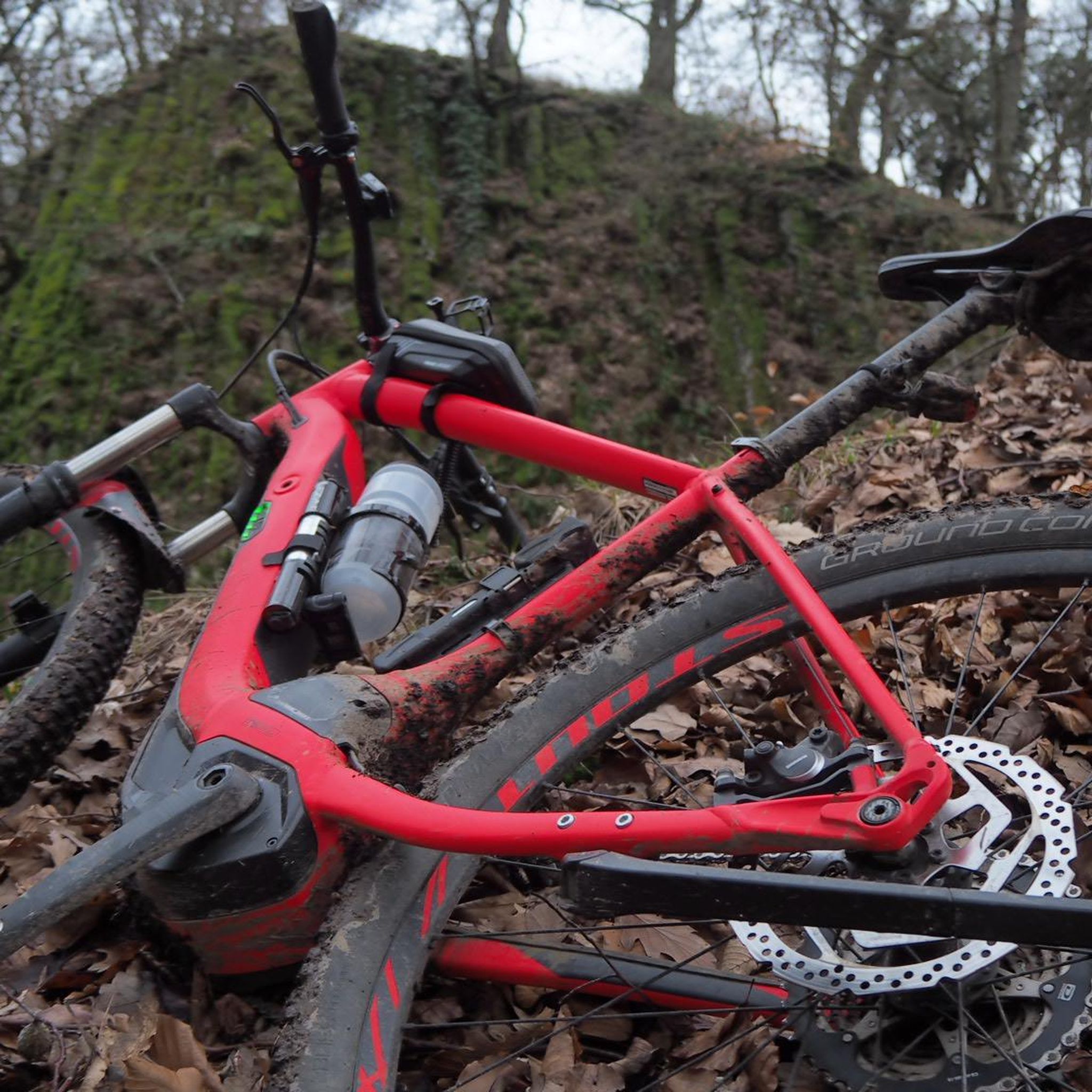
City hikes in Brander Wald

City hikes in Zweifaller Und Rotter Wald

City hikes around Propsteier Wald

City hikes around Eschweiler Stadtwald
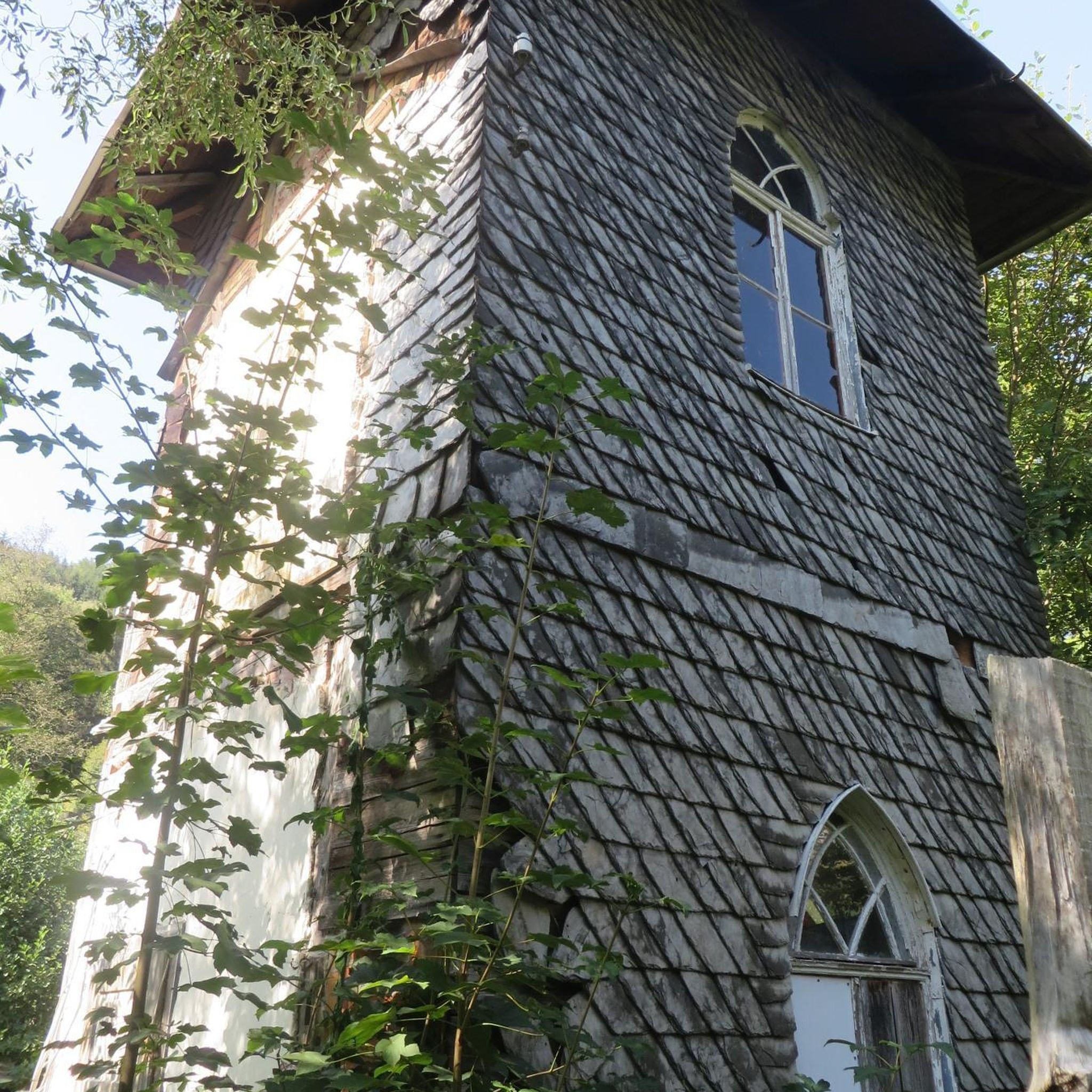
City hikes in Wurmtal Südlich Herzogenrath, Einschließlich Meisbach, Würselen

City hikes around Hürtgenwald
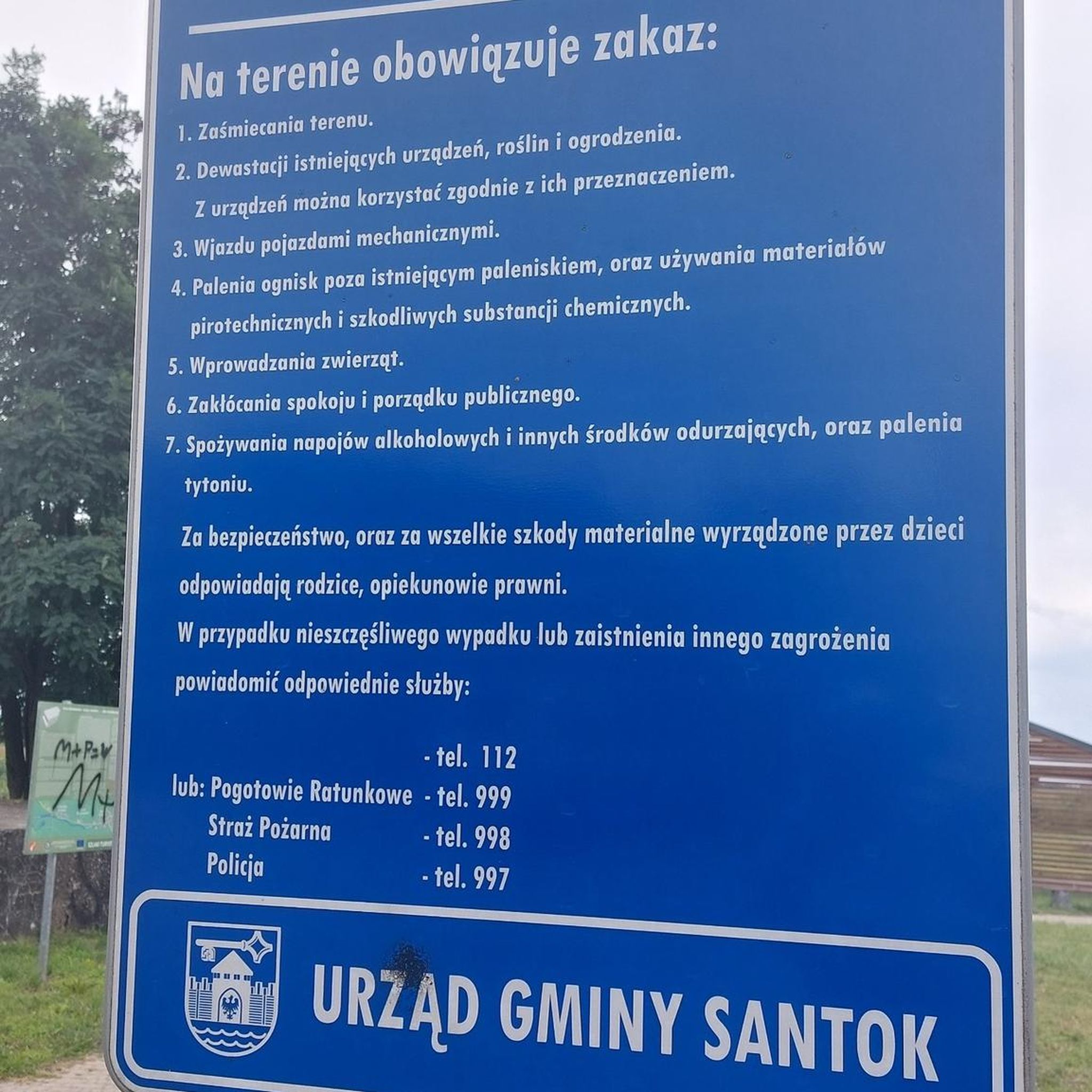
City hikes around Blausteinsee

City hikes around Eschweiler

City hikes around Waldgebiet Hammerberg
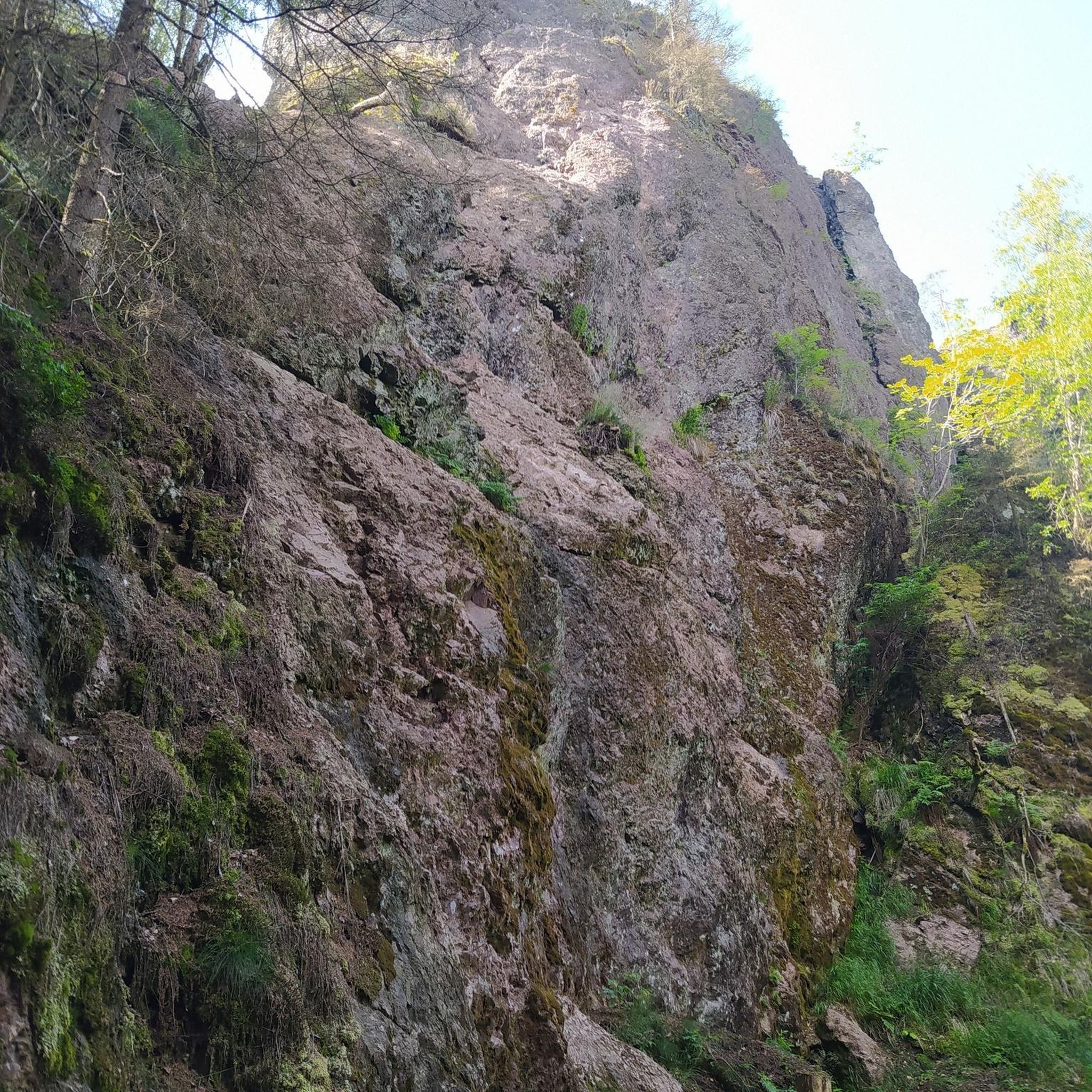
City hikes around Würselen
Other adventures in Städteregion Aachen


Tips from the Community

Plaque on the gate wall: "The carving Pennsoldat (soldier) is reminiscent of the Aachen city militia, which was stationed here to guard the marching gate. To supplement their meager guard pay, the guardsmen carved thin wooden pegs (dialectally Penn) for shoe soles. As a parody of the armed city soldiers, popularly called Pennsoldaten, Aachen's oldest carnival club was founded on March 3, 1857, under the name Stadtgarde Oecher Penn von 1857 e.V.". https://skulpturen.kulturraum.nrw/aachen/klaus-gehlen/pennsoldat.html
1
0
Aachen Hl. Kreuz... Today's municipal affiliation: Aachen Parish history: Establishment: 1804 "The parish of Aachen Heilig-Kreuz was established with the first delimitation of the first diocese of Aachen on March 1, 1804, by Bishop Marcus Antonius Berdolet. As patrons of the "Kreuzherrn-Kirche" (Church of the Canons Regular of the Holy Cross), the bishop named St. Martyr Julianus and SS. Martyrs Odilia and Sebastianus. The former Canon Regular Franz Xaver Lahaye was appointed as parish priest (until 1812). The monastery church of the dissolved monastery of the Canons Regular of the Holy Cross served as the parish church. A predecessor of this church, a Julianus chapel from the 14th century, had been donated in 1372 by its owner, Mrs. Gertrud von Bongard, to the Canons Regular Stephan von Schonhoven and Johann von Aachen. Parochially, it belonged to the parish of the Münsterstift in the deanery of Maastricht, archdeaconry of Hespengau (Hasbania) of the Diocese of Liège. Bishop Berdolet divided the city of Aachen into three sections. Heilig Kreuz was assigned to the third section under St. Nikolaus as the main parish. In 1827, in the re-established Archdiocese of Cologne, the division into deaneries was carried out as before. In 1936, Heilig Kreuz was assigned to the new deanery of Aachen-Südwest and on August 23, 1973, to the new deanery of Aachen-Nordwest. On May 1, 1960, the parish of St. Sebastian was separated from the mother parish of Heilig Kreuz." From: Handbuch des Bistums Aachen. Third edition, ed. by the Episcopal General Vicariate of Aachen, Aachen 1994, p. 130. https://data.matricula-online.eu/de/deutschland/aachen/aachen-hl-kreuz/ https://de.wikipedia.org/wiki/Heiligkreuz_(Aachen) https://charlie.aachen-tourismus.de/poi/heilig-kreuz-kirche
0
0
Acropolis of Aachen: Columns that tell of a vanished Belvedere On the Lousberg, you'll encounter a small colonnade that evokes past times. The antique-looking columns are the last remnants of the Belvedere garden restaurant, which was a popular meeting place until its destruction in World War II. Today, they stand freely in the greenery, lending the place an almost unexpected lightness. As you walk through the rows of these stone fragments, you can feel some of the atmosphere that once attracted guests. The silent presence of the columns leaves room for your own thoughts and makes the Lousberg a place where past and present merge. https://charlie.aachen-tourismus.de/poi/akropolis-von-aachen
0
0

And in December, the Christmas market in the old town!
0
0

The Pennsoldaat Monument at the Marschiertor is a powerful tribute to a special chapter in Aachen's city history. The monument commemorates the Pennsoldaten, members of the historic civic guard responsible for defending the city for centuries. Unlike professional armies, this guard consisted of ordinary citizens, craftsmen, and merchants who, in addition to their daily work, were willing to protect the city walls and gates. Its location at the Marschiertor is significant. This imposing city gate was a strategic point in Aachen's medieval fortifications and formed one of the gateways to the city. Here, the Pennsoldaten stood ready, recognizable by their equipment and their strong connection to the city they served. The monument captures this attitude of vigilance and sense of duty, but without heroic exaggeration: the soldier symbolizes civic spirit and collective responsibility. Today, the tradition of the Pennsoldaten lives on in ceremonial and cultural forms, including during city festivals and historical commemorations. The monument at the Marschiertor connects this living tradition with the physical location where history unfolded. It serves as a reminder that Aachen's security and identity were determined not only by emperors and rulers, but also by ordinary citizens who collectively shaped and defended the city.
1
0
The Fischmarkt (Fish Market) is one of the small, charming, historic squares in Aachen's city center, nestled among narrow streets near Aachen Cathedral and Annastrasse, and surrounded by old houses, cafés, and boutiques. The name Fischmarkt (Fish Market) recalls the time when fresh fish was sold and traded here daily, often directly from the Pau stream that flows through the city, where it was kept fresh. In the Middle Ages and later, the fish market was an important part of Aachen's urban life. Fish, a key food product, was sold at this square by merchants from the sea or river. The presence of a fish market indicates a vibrant trading culture and the city's connection to regional trade networks. Old postcards show that this square was already a recognizable meeting place for market vendors and citizens around 1900–1910. The most characteristic element of the Fischmarktplein (Fish Market Square) is the fountain monument "Fischpüddelchen." This bronze statue, dating from 1911, has traditionally symbolized the fish market: • The name "Püddelchen" comes from the local Aachen dialect (Öcher Platt) and means a naked grandchild. • When the statue was installed, it initially caused a stir because children, in particular, were thought to be intimidating. The naked boy stood in the middle of the square and was the subject of discussions and even police surveillance. • Over the years, however, the people of Aachen have embraced the Fischpüddelchen as a beloved symbol of their city, rooted in the market culture of yesteryear. The fountain is located in the center of the square and is a photogenic resting place during a stroll through the city center, ideal for experiencing the history of city life, from trade and markets to city squares filled with stories.
1
0
The Shrine of the Three Kings (Dreikönigenschrein) is one of the most precious and important reliquaries in Europe, preserved in Aachen Cathedral and drawing on the rich tradition of medieval pilgrimage. The shrine was crafted in the 13th century by master craftsmen from the Rhineland using a combination of gold, silver, precious stones, and filigree. Its shape resembles a miniature basilica, completely covered with figural reliefs of apostles, prophets, and scenes from the life of Christ. Tradition holds that the relics of the Three Wise Men from the East—Kasper, Melchior, and Balthasar—reside in this shrine, who visited Christ after his birth. Their relics were said to have been brought to Constantinople in late antiquity, then to Milan, and finally to Aachen by Frederick Barbarossa in 1164. The shrine quickly became an important place of pilgrimage. Every seven years, the Aachener Heiligtumsfahrt (Aachen Cathedral Sacrifice) takes place, showcasing the relics and ancient textile shrines. The shrine is one of the most important treasures of Aachen Cathedral and is a masterpiece of medieval goldsmithing.
1
0

The three life-size figures are made of cast iron and positioned across the square so that they do not face each other directly. This spatial arrangement and their averted posture reflect an everyday situation: people move side by side through public spaces, encountering one another without truly acknowledging each other.
42
0
Frequently Asked Questions
How many urban hiking trails are available in Städteregion Aachen?
Städteregion Aachen offers a wide selection of urban hiking trails, with over 190 routes available. The majority of these, around 170, are rated as easy, making them accessible for most hikers.
What do other hikers say about urban hiking in Städteregion Aachen?
The komoot community highly rates urban hiking in Städteregion Aachen, with an average score of 4.5 out of 5 stars from over 59,000 ratings. Hikers often praise the diverse landscapes, the blend of natural beauty with historical elements, and the well-maintained trails that offer unique cross-border experiences.
What kind of landmarks and natural features can I expect to see on urban hikes in Städteregion Aachen?
Urban hikes in Städteregion Aachen often lead through diverse landscapes, including extensive forests like the Aachen Forest, picturesque river valleys such as the Wurm Valley, and various hills offering panoramic views. You might encounter historical sites, old mills, and even remnants of the region's industrial past. Notable attractions include the Vaalserberg Three-Country Point, offering views across three nations, and the Urft Dam.
Are there many circular urban hiking routes in Städteregion Aachen?
Yes, many urban hiking routes in Städteregion Aachen are designed as circular walks, allowing you to start and end at the same point. For example, the "Puppet Fountain – Umbrella Ladies loop from Aachen" is a popular easy circular route exploring the city center.
Are urban hiking trails in Städteregion Aachen accessible by public transport?
Many urban hiking routes in Städteregion Aachen are well-connected to public transport networks. Routes often start near train stations or bus stops, especially those within Aachen city. For instance, the "Puppet Fountain – Council Chamber in Aachen Town Hall loop" conveniently starts from Aachen Hauptbahnhof.
Is parking available near urban hiking routes in Städteregion Aachen?
Yes, parking is generally available near urban hiking routes, particularly at trailheads or within city areas. When planning your hike, it's advisable to check specific route details for parking information. Many routes starting from central locations like Aachen West, such as the "Katschhof Square, Aachen – Elisen Fountain, Aachen loop", have nearby parking facilities.
Are there family-friendly urban hiking options in Städteregion Aachen?
Absolutely. Städteregion Aachen offers numerous family-friendly urban hikes, often featuring easy terrain and points of interest for all ages. The "Emperor Charlemagne Trail" is a themed, family-friendly option that provides insights into the region's history. Many of the easy-rated routes are suitable for families.
Can I bring my dog on urban hikes in Städteregion Aachen?
Yes, dogs are generally welcome on urban hiking trails in Städteregion Aachen. It's always recommended to keep your dog on a leash, especially in nature reserves or busy urban areas, and to respect local regulations. Ensure you carry water for your pet and clean up after them.
What is the best time of year to go urban hiking in Städteregion Aachen?
Urban hiking in Städteregion Aachen is enjoyable year-round. Spring brings blooming nature, while summer offers lush green landscapes. Autumn is particularly scenic with vibrant foliage, and even winter can be beautiful, especially after a fresh snowfall. The region's diverse trails cater to different seasonal preferences.
Are there urban hikes with notable viewpoints in Städteregion Aachen?
Yes, several urban hikes offer excellent viewpoints. The "View of Soers from Lousberg – Aachen City Park loop" is a moderate route that takes you to Lousberg, providing stunning panoramic views of Aachen and the surrounding areas. The "Aachener Gipfelsteig" also features several summits with great vistas.
Are there urban hikes that include stops at cafes or pubs?
Many urban hikes in Städteregion Aachen pass through or near city centers and charming villages, offering ample opportunities for refreshment stops. You'll find cafes, pubs, and restaurants along routes, especially those exploring Aachen's historic core or other populated areas. It's easy to combine your walk with a culinary break.
Most popular routes in Städteregion Aachen
Most popular attractions in Städteregion Aachen

Get inspired with the komoot mobile app


Didn’t find what you were looking for?
Check out more Hikes throughout Städteregion Aachen below and find the perfect route in your destination.
Explore more
Browse the best Hikes in other regions.
