Parco naturale regionale delle Dolomiti Friulane
Parco naturale regionale delle Dolomiti Friulane
The best traffic-free bike rides around Parco naturale regionale delle Dolomiti Friulane
4.5
(269)
8,630
riders
7
rides
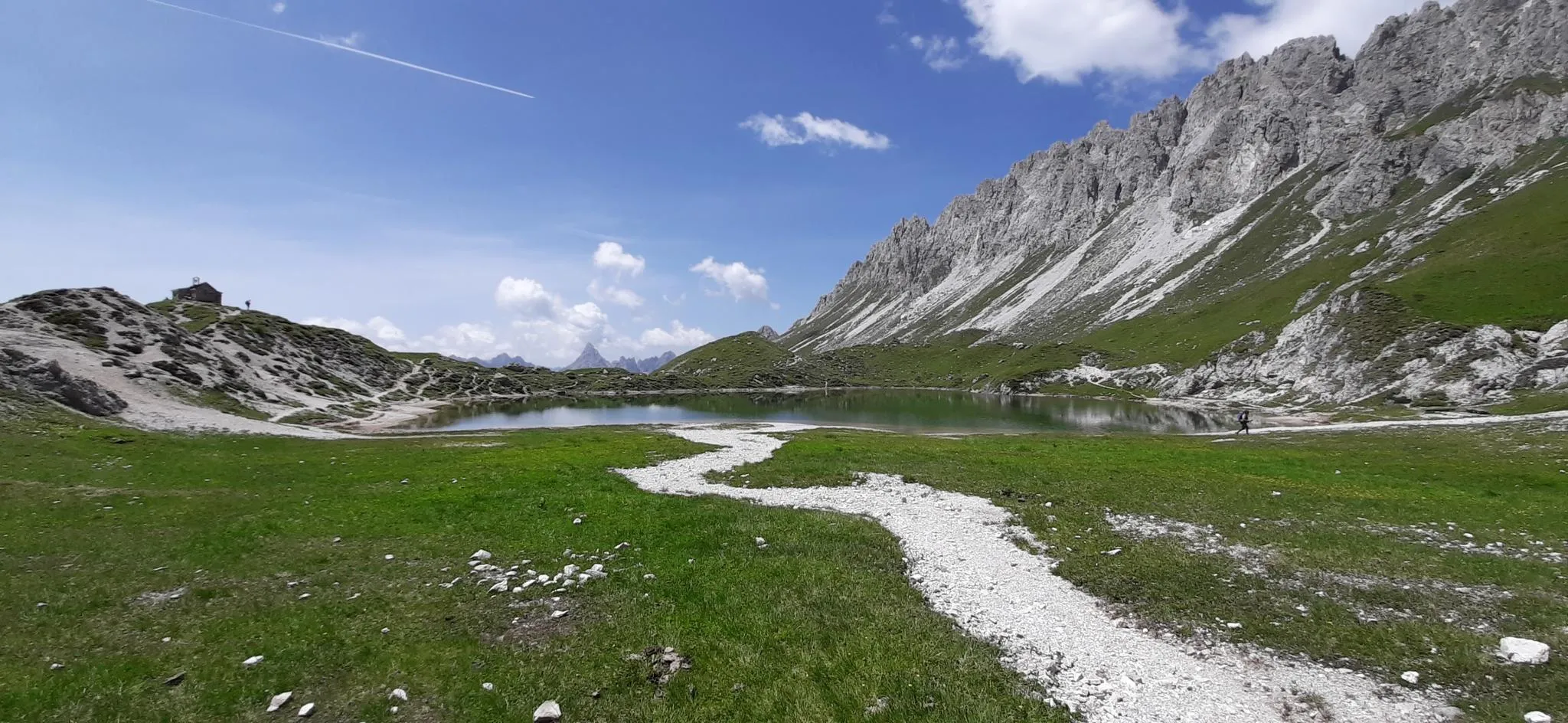
Road cycling around Parco naturale regionale delle Dolomiti Friulane features a landscape defined by rugged Dolomite peaks, deep canyons, and river valleys. The region offers diverse terrain for no traffic road cycling routes, with roads winding through tranquil forests and across high plateaus. Cyclists encounter impressive geological formations and varied elevations, from riverbeds to mountain passes. The park's character provides a setting for road cycling that combines natural beauty with varied physical challenges.
Best no traffic road cycling routes around Parco naturale regionale delle Dolomiti Friulane
- The most popular no traffic road cycling route is Vajont Dam Memorial – Vajont Gorge and Waterfall loop from Longarone-Zoldo, a 15.3 miles (24.6 km) trail that takes 1 hour 26 minutes to complete. This route offers views of the Vajont Dam area and the surrounding gorge.
- Another top favourite among local road cyclists is Navarons – Bridge over the Meduna in Navarons loop from Frisanco / Frisanc, a moderate 20.7 miles (33.4 km) path. This route traverses varied terrain, including a bridge over the Meduna river, showcasing the region's natural features.
- Local road cyclists also love the Villa Cattaneo in San Quirino – Parco Brolo loop from Montereale Valcellina / Montreâl, a 33.2 miles (53.4 km) trail leading through the Parco Brolo area, often completed in about 2 hours 18 minutes.
- Road cycling around Parco naturale regionale delle Dolomiti Friulane is defined by rugged Dolomite peaks, river valleys, and forested plateaus. The network offers options for different ability levels, from moderate rides to more challenging ascents.
- The routes in Parco naturale regionale delle Dolomiti Friulane are highly rated by the komoot community with an average score of 4.7 stars from over 180 reviews. More than 6,800 road cyclists have used komoot to explore Parco naturale regionale delle Dolomiti Friulane's varied terrain.
Last updated: October 13, 2026
8
riders
Moderate road ride. Good fitness required. Mostly well-paved surfaces and easy to ride.
4.0
(1)
29
riders
Moderate road ride. Good fitness required. Mostly well-paved surfaces and easy to ride.

69
riders
67.0km
03:58
1,450m
1,450m
Hard road ride. Very good fitness required. Some segments of this route may be unpaved and difficult to ride.
3.0
(1)
19
riders
Moderate road ride. Great for any fitness level. Some segments of this route may be unpaved and difficult to ride.
42
riders
11.6km
00:31
50m
50m
Easy road ride. Great for any fitness level. Mostly well-paved surfaces and easy to ride.
Get access to more routes and recommendations from other explorers.
Already have an account?
Our route recommendations are based on thousands of hikes, rides, and runs completed by other people on komoot.
Start today with a free account
Your next adventure awaits.
Popular around Parco naturale regionale delle Dolomiti Friulane

Other adventures around Parco naturale regionale delle Dolomiti Friulane

Tips from the Community

The Parco del Brolo in San Quirino, adjacent to the historic Villa Cattaneo, represents an enchanting green lung and a precious meeting space for the local community. Originally conceived as a "brolo", or the ancient walled orchard serving the eighteenth-century manor house, the area has preserved its original charm over time, transforming into a well-kept and welcoming public park. Characterized by large lawns, shaded walkways, and majestic centuries-old trees, the park offers an oasis of tranquility in which to walk, relax, or practice outdoor activities. Throughout the year, the Parco del Brolo comes alive with cultural events, village festivals, and moments of social gathering, integrating perfectly with the architecture of the villa. This combination of nature, history, and social life makes it one of the most evocative and lively places in the area.
0
0
Villa Cattaneo, located in the heart of San Quirino, is one of the most elegant stately homes in the Pordenone area, a perfect expression of the tradition of Venetian villas in Friuli. Built and expanded during the 18th century by the noble merchant family Cattaneo, the structure is distinguished by its quadrangular layout, characterized by a raised central body with a tympanum and a scenic staircase leading to the piano nobile. The complex is enriched by the historic barchesse used for rural purposes and the famous "brolo," a vast park that represents a true green lung within the village. Now owned by the municipality, the villa and its outbuildings house the municipal offices and cultural events, harmoniously combining the historical memory of noble architecture with contemporary community life.
0
0

The double passage of cyclists during stage 20 of the Giro d'Italia 2026
1
0
The crowded hairpin turn during the double passage of the Giro d'Italia 2026 caravan
0
0
The KM Red Bull finish line is being set up for the Giro d'Italia 2026
0
0
Ancient mechanical press (or trip hammer) in monument version. Symbol of local industrial archaeology, it was used for forging knives.
0
0
The former hydroelectric power plant "Antonio Pitter" in Malnisio, located in Montereale Valcellina, represents one of the greatest examples of industrial archaeology in Italy. Inaugurated in 1905, this structure was a technological marvel that allowed St. Mark's Square in Venice to be illuminated for the first time, marking the North-East's transition to modernity. The building is striking for its monumental architecture that hides period machinery still perfectly preserved, resembling cinematic sets. Today the site is a museum and a scientific center where it is possible to retrace the journey of water descending from the mountains to be transformed into energy. Walking in the surroundings allows you to discover the old pipelines and enjoy a unique natural landscape, suspended between history and engineering.
0
0

Beautiful little church of Marsure
0
0
Frequently Asked Questions
How many no traffic road cycling routes are available in Parco naturale regionale delle Dolomiti Friulane?
There are 8 dedicated no traffic road cycling routes in the Parco naturale regionale delle Dolomiti Friulane, ranging from moderate to difficult in intensity. This selection allows cyclists to experience the region's wild Dolomite character and diverse landscapes without vehicle interference.
What kind of terrain and elevation can I expect on these routes?
The routes offer varied terrain, from river valleys along the Cimoliana and Cellina torrents to more challenging climbs towards mountain passes. For example, the Footbridge over Lake Barcis – Piancavallo climb loop includes significant elevation gain, while routes like the Malnisio Dam loop from Montereale Valcellina offer more gentle ascents.
Are there any circular no traffic road cycling routes?
Yes, many of the no traffic road cycling routes in the Parco naturale regionale delle Dolomiti Friulane are circular. Examples include the Vajont Dam Memorial – Vajont Gorge and Waterfall loop from Longarone-Zoldo and the Navarons – Bridge over the Meduna in Navarons loop from Frisanco / Frisanc, allowing you to start and finish at the same point.
What natural features or landmarks can I see along these routes?
The routes often pass by impressive natural features and historical landmarks. You can encounter rugged Dolomite peaks, spectacular canyons like the Forra del Cellina, and tranquil forests. The Vajont Dam Memorial loop, for instance, takes you past the historically significant Vajont Dam area. You might also spot waterfalls such as Casera Pramaggiore and Waterfall or Claut Waterfall.
Are there any mountain huts or viewpoints accessible from the no traffic routes?
While the routes focus on road cycling, some areas provide access to mountain huts or offer scenic viewpoints. The region is home to huts like Giaf Hut and Rifugio Pordenone, which are excellent bases for exploring the surrounding peaks and offer typical Dolomite landscapes. Many routes naturally provide breathtaking views of the jagged peaks and river valleys.
What is the best time of year for no traffic road cycling in the Dolomiti Friulane?
The best time for road cycling in the Parco naturale regionale delle Dolomiti Friulane is generally from late spring to early autumn. During these months, the weather is more stable, and mountain passes are typically clear of snow, allowing full access to the diverse landscapes, from vibrant meadows to impressive peaks.
What do other road cyclists enjoy most about cycling in Parco naturale regionale delle Dolomiti Friulane?
The area is highly rated by the komoot community, with an average score of 4.7 out of 5 stars from 184 ratings. Reviewers often praise the region's untouched nature, the dramatic Dolomite scenery, and the opportunity to experience challenging yet rewarding rides on quiet roads, away from traffic.
Are there any easy no traffic road cycling routes suitable for beginners?
While the majority of routes are moderate to difficult, some sections or shorter loops can be more accessible. For instance, the Malnisio Dam loop from Montereale Valcellina is one of the shorter moderate options, with less elevation gain, making it a good starting point for those building their endurance.
Can I find cafes or places to rest along these routes?
The Parco naturale regionale delle Dolomiti Friulane, known for its wilder character, has fewer commercial establishments directly on every route compared to more populated areas. However, many routes pass through or near small villages where you can find cafes or local eateries. Mountain huts like Rifugio Flaiban Pacherini also offer opportunities for rest and refreshments.
Are there any routes that pass by significant geological features?
Yes, the park is rich in geological interest. Cycling along torrents like the Cimoliana and Cellina allows for observations of impressive fluvial terraces and river valleys. The park also features specific geological trails, and the diverse rock formations of the Dolomites themselves are a constant geological spectacle, particularly the bold, bare towers that define the landscape.
Most popular routes around Parco naturale regionale delle Dolomiti Friulane
Most popular attractions around Parco naturale regionale delle Dolomiti Friulane

Get inspired with the komoot mobile app


Explore more
Browse the best Road cycling routes in other regions.
