The best traffic-free bike rides in Middle Franconia
4.5
(14815)
197,047
riders
2,460
rides
No traffic road cycling routes in Middle Franconia traverse a diverse landscape characterized by river valleys, extensive forests, and rolling hills. The region features well-maintained cycle paths along rivers such as the Main, Pegnitz, and Altmühl, offering largely flat sections. Higher elevations are found in areas like the Franconian Jura, which presents more challenging terrain. The Franconian Lake District also provides numerous routes around its man-made lakes.
Best no traffic road cycling routes in Middle Franconia
- The most popular no…
Last updated: October 19, 2026
4.0
(1)
12
riders
83.1km
03:59
880m
880m
Moderate road ride. Good fitness required. Some segments of this route may be unpaved and difficult to ride.
4.6
(56)
692
riders
56.5km
02:25
230m
230m
Moderate road ride. Good fitness required. Some segments of this route may be unpaved and difficult to ride.

4.7
(111)
814
riders
61.6km
02:37
380m
380m
Moderate road ride. Good fitness required. Some segments of this route may be unpaved and difficult to ride.
4.7
(63)
680
riders
42.3km
01:45
280m
280m
Easy road ride. Great for any fitness level. Mostly well-paved surfaces and easy to ride.
4.7
(50)
664
riders
41.7km
01:42
250m
250m
Easy road ride. Great for any fitness level. Mostly well-paved surfaces and easy to ride.
Get access to more routes and recommendations from other explorers.
Already have an account?
Our route recommendations are based on thousands of hikes, rides, and runs completed by other people on komoot.
Start today with a free account
Your next adventure awaits.
Popular around Middle Franconia
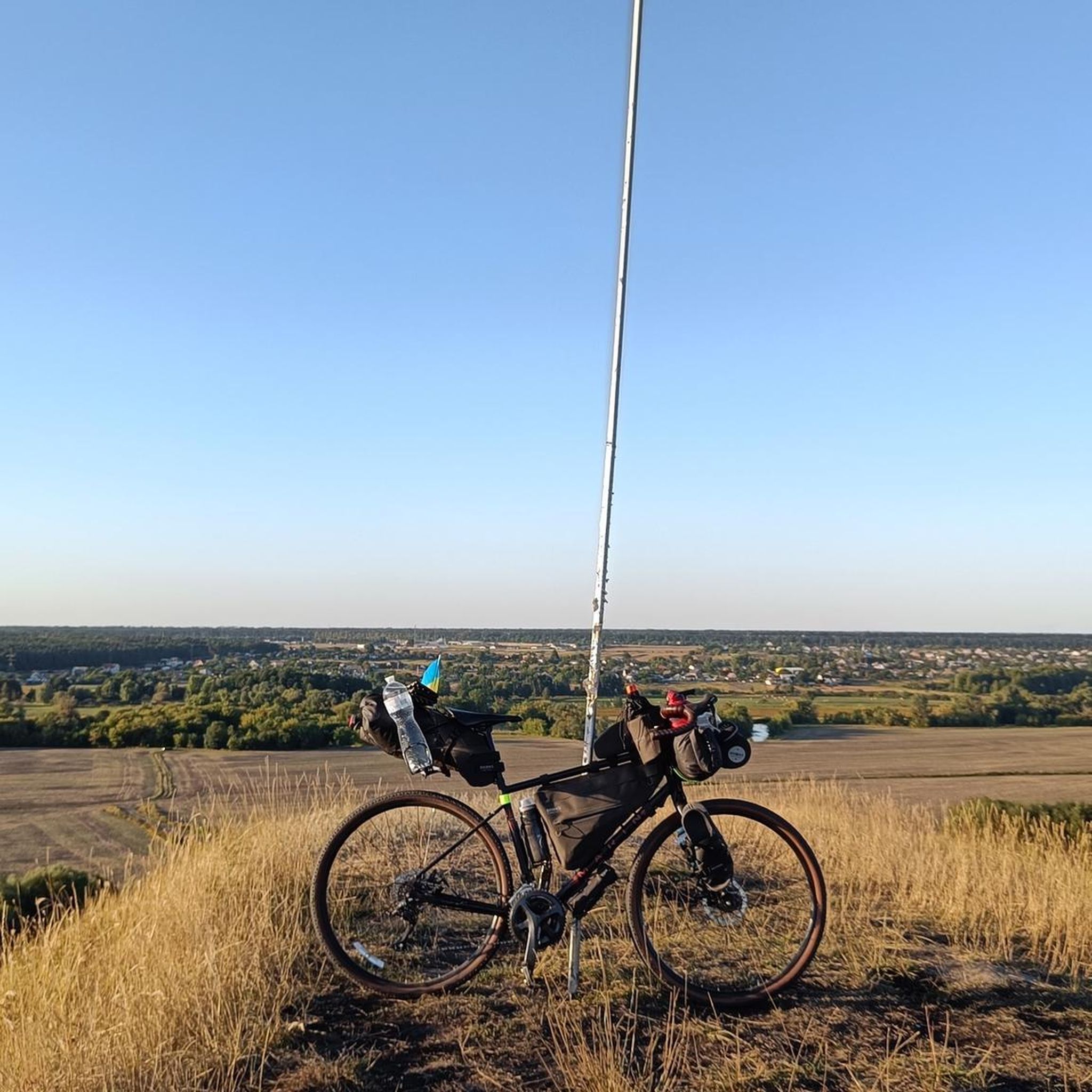
Traffic-free bike rides in Steigerwald
Traffic-free bike rides in Landkreis Erlangen-Höchstadt
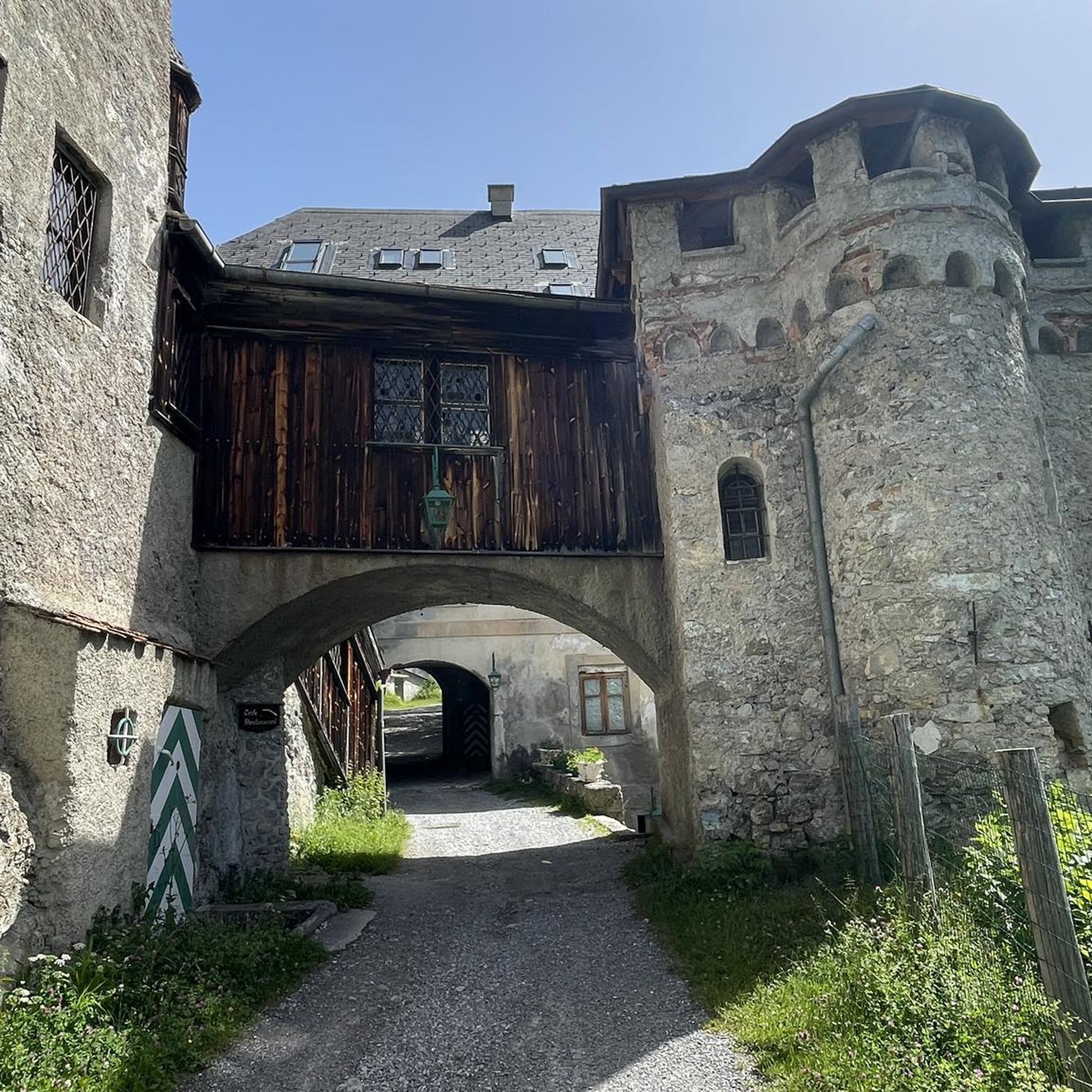
Traffic-free bike rides around Wöhrder Lake

Traffic-free bike rides in Roth

Traffic-free bike rides in Landkreis Ansbach
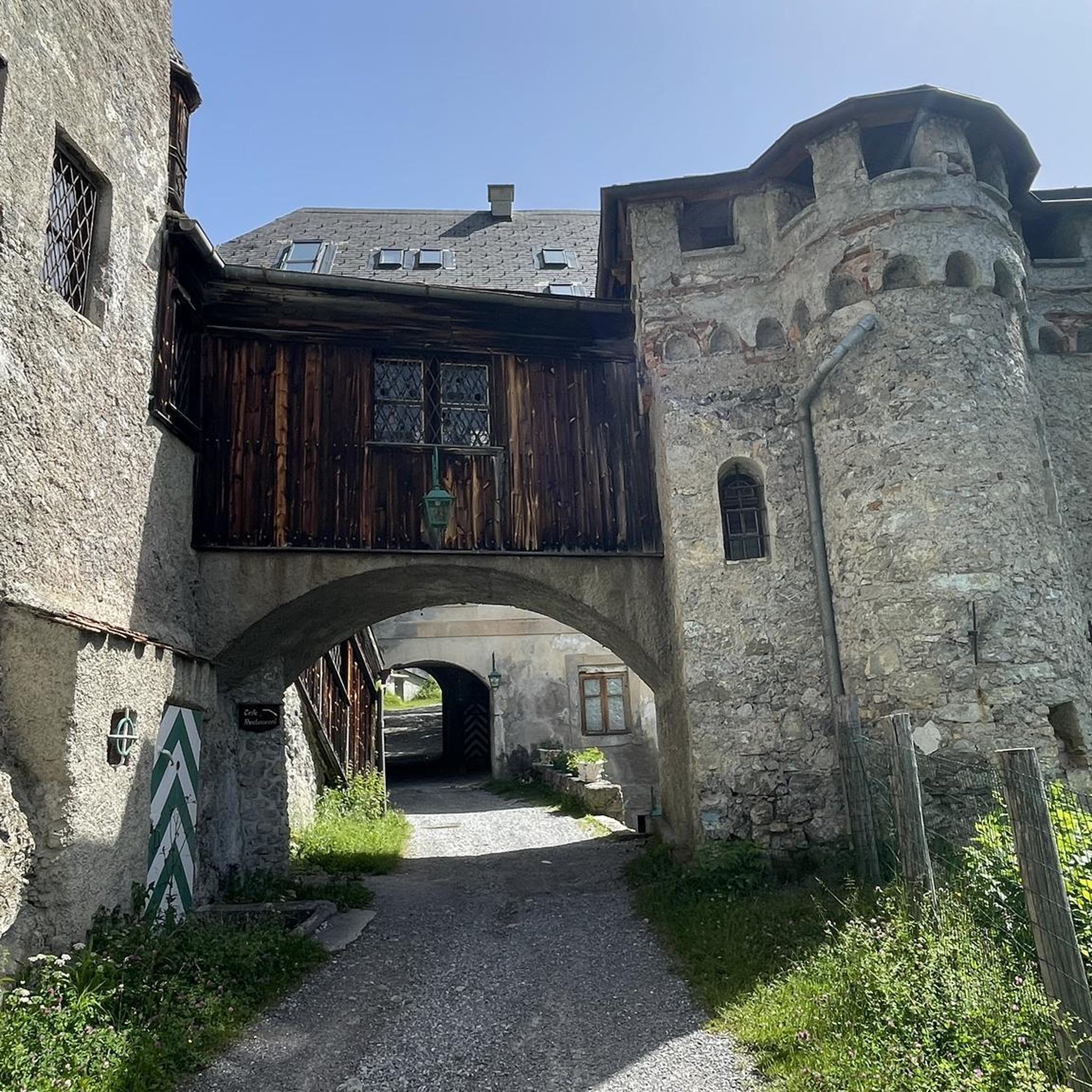
Traffic-free bike rides in Nürnberger Land
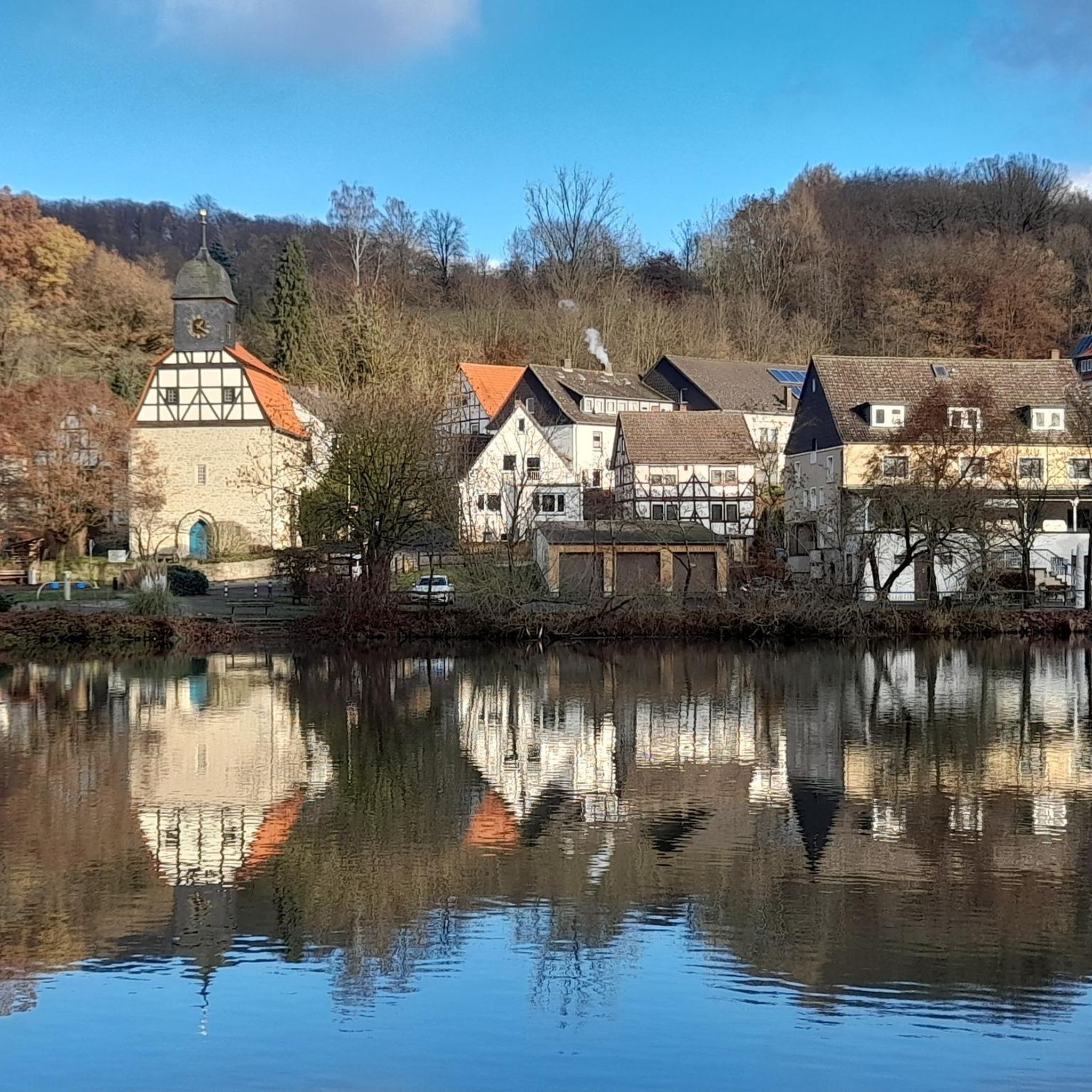
Traffic-free bike rides in Neustadt an der Aisch-Bad Windsheim

Traffic-free bike rides in Pegnitztal Ost
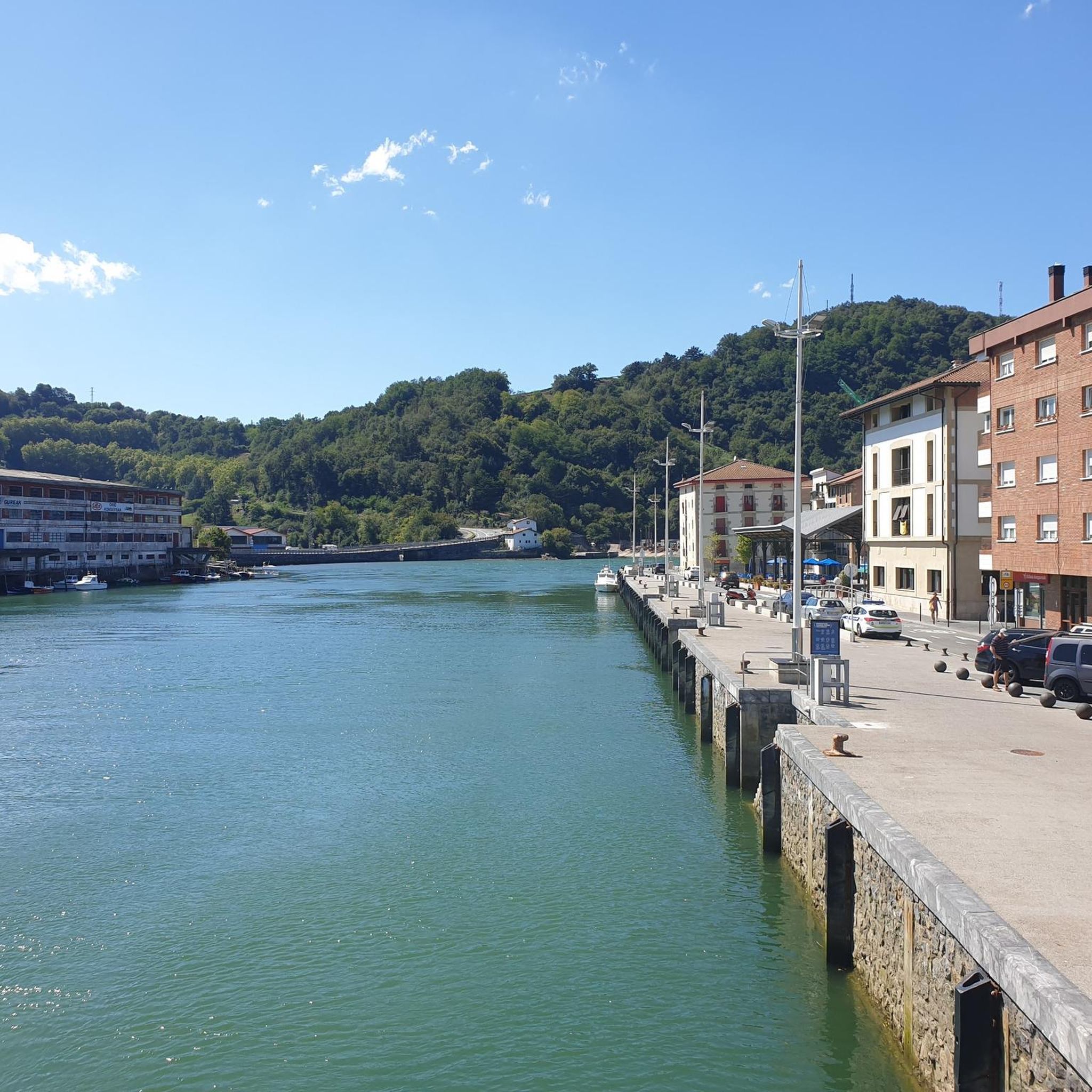
Traffic-free bike rides in Landschaftsschutzgebiet Königshof
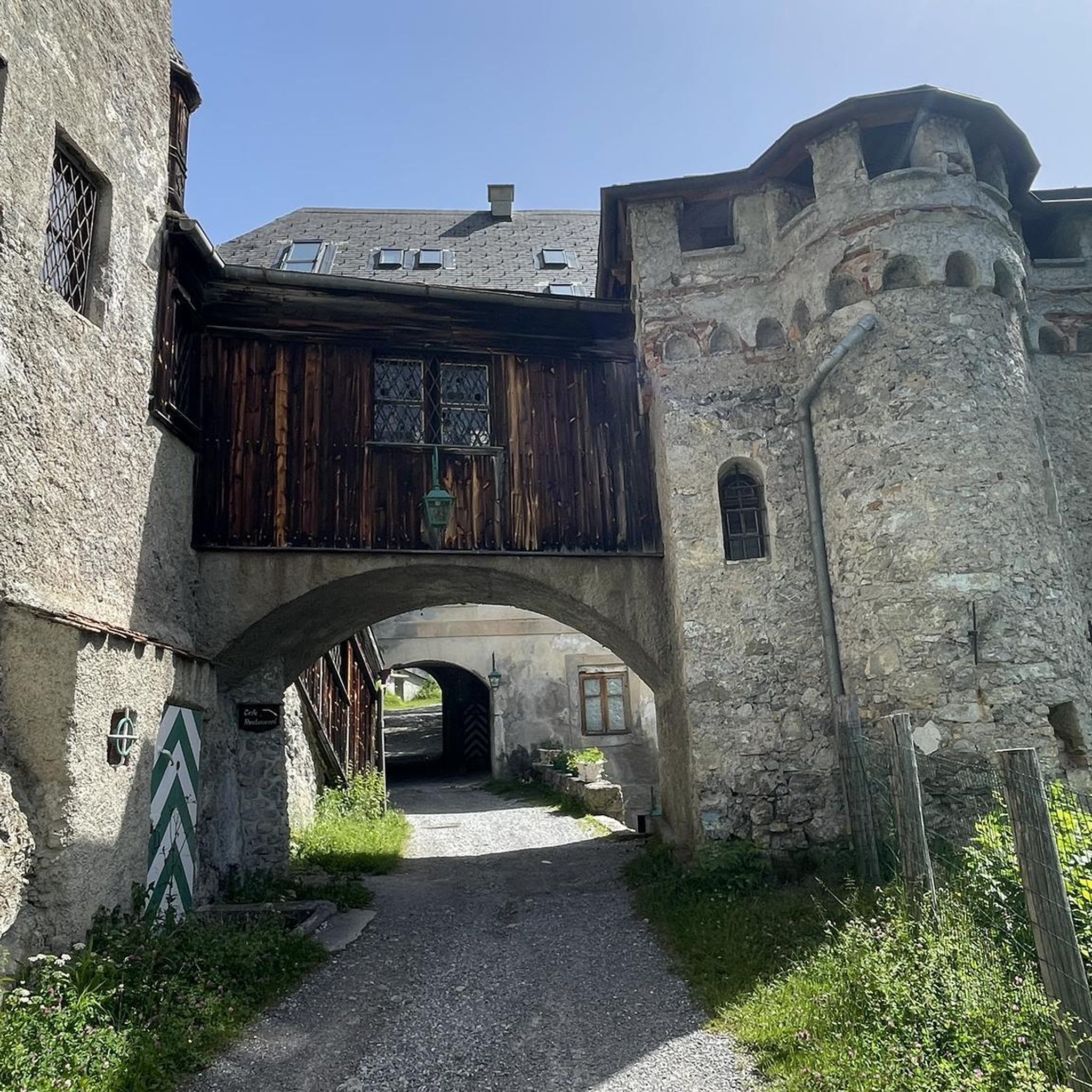
Traffic-free bike rides in Landschaftsschutzgebiet Langwasser
Other adventures in Middle Franconia


Tips from the Community

In early August even more beautiful, as the Kärwa is celebrated directly at the pond then.🍻🍻
0
0

Beautiful area for hiking and walking
0
0

Weißenburg is one of the few cities where the medieval city wall is still almost completely preserved. With 38 towers and the partly water-filled moat – the so-called Seeweiher – it is more than just a historical backdrop. In calm weather, the wall is perfectly reflected in the water, ducks drift past, and everyday life fades far away. Simply take a seat on a bench at the Seeweiher, take a deep breath and let the medieval flair take effect – this is pure deceleration, without admission and without crowds.
0
0

Beautiful cycle path uphill to the rock cellar in Kalchreuth, on the right-hand side opposite the sports field.
0
0

A really beautiful route and the 14% climb isn't so bad when you then have the great descent on a wonderful cycle path.
1
0

Looks very well-maintained and clean.
2
0

From the outside, at first glance, you wouldn't think it's an inn, at least not one that's still in operation—but it's apparently open from 6 p.m. on some days (which days? There are varying reports on this). The building, dating from the early 19th century, is listed as a historic monument in Lauf an der Pegnitz.
0
0

The fortified church in Hannberg with its striking five-button tower, which is particularly common in Franconia, can be seen from afar; it is a real landmark.
2
0
Frequently Asked Questions
How many traffic-free road cycling routes are available in Middle Franconia?
Komoot offers over 2,500 traffic-free road cycling routes in Middle Franconia. These routes cater to various fitness levels, with over 670 easy routes and more than 1,700 moderate options, ensuring there's a suitable ride for everyone.
What is the best time of year for traffic-free road cycling in Middle Franconia?
The best time for road cycling in Middle Franconia is generally from spring to autumn. During these seasons, the weather is pleasant, and the diverse landscapes, from river valleys to forests and vineyards, are at their most beautiful. Spring offers blooming meadows, while autumn provides vibrant foliage.
What kind of terrain can I expect on these traffic-free road cycling routes?
Middle Franconia's traffic-free routes offer varied terrain. You'll find largely flat paths along picturesque river valleys like the Main, Pegnitz, Regnitz, Tauber, and Altmühl. There are also routes through the Franconian Lake District, and for those seeking more challenge, some routes traverse the rolling hills of the Franconian Jura and extensive forests.
Are there easy traffic-free road cycling routes suitable for beginners?
Yes, Middle Franconia offers many easy traffic-free road cycling routes perfect for beginners. These often follow river valleys or loop around the Franconian Lake District, providing gentle gradients and scenic views. For example, the View of Moritzberg – Kalchreuther Berg loop from Neunhof is an easy option.
Can I find circular traffic-free road cycling routes in Middle Franconia?
Absolutely. Many traffic-free road cycling routes in Middle Franconia are designed as loops, allowing you to start and end at the same point. Examples include the View of Dechsendorfer Weiher – Dechsendorf–Röttenbach Cycle Path loop from Bubenreuth or the Kästel Pond and Scenic Road – Rohensaas Pond loop from Erlangen.
What attractions can I see along traffic-free road cycling routes in Middle Franconia?
Along these routes, you can discover a wealth of attractions. The Franconian Lake District offers highlights like the Great Brombach Lake and the Altmühlsee Surf Center. You might also encounter natural wonders such as the Schwarzach Gorge (Schwarzachklamm) or the Karl's Cave. Many routes also pass through charming historic towns and past castles.
Are there scenic viewpoints on these traffic-free road cycling routes?
Yes, Middle Franconia's diverse landscape provides numerous scenic viewpoints. You can find stunning vistas over lakes, such as the View of Happurger See from Hohler Fels, or panoramic views from higher elevations in the Franconian Jura. River valleys also offer picturesque perspectives of the meandering rivers and surrounding nature.
Are these traffic-free road cycling routes suitable for families with children?
Many of Middle Franconia's traffic-free road cycling routes are ideal for families. The flat sections along river valleys like the Pegnitz or around the Franconian Lake District provide safe and enjoyable riding experiences away from car traffic. These routes often connect charming towns with playgrounds and picnic spots.
Where can I find parking for these traffic-free road cycling routes?
Parking is generally available at the starting points of many popular cycling routes, especially in towns and near major attractions like the Franconian Lake District. Look for designated cycling parking areas or public car parks in towns that serve as trailheads. Specific parking information is often detailed within individual route descriptions on Komoot.
Are there places to stop for refreshments or accommodation along the routes?
Middle Franconia is known for its hospitality, and you'll find plenty of opportunities for refreshments and accommodation. Many routes pass through historic towns and villages offering traditional inns, cozy wine taverns, and local beer gardens where you can sample regional cuisine. There are also 'bed-and-bike' facilities catering specifically to cyclists.
What is the typical surface quality of these traffic-free road cycling routes?
The region boasts a well-maintained network of cycle paths. While specific surfaces can vary, many traffic-free road cycling routes, especially those along major river paths like the Main, Altmühl, and Pegnitz, feature smooth asphalt or well-compacted gravel, making them highly suitable for road bikes. Komoot route details often specify surface types.
What do other road cyclists enjoy most about traffic-free cycling in Middle Franconia?
The komoot community highly rates road cycling in Middle Franconia, with an average score of 4.58 stars from over 12,000 ratings. Cyclists frequently praise the region's diverse and picturesque landscapes, the extensive network of well-maintained, traffic-free paths, and the charming historic towns and natural attractions encountered along the way.
Most popular routes in Middle Franconia
Most popular attractions in Middle Franconia

Get inspired with the komoot mobile app


Didn’t find what you were looking for?
Check out more Road cycling routes throughout Middle Franconia below and find the perfect route in your destination.
Explore more
Browse the best Road cycling routes in other regions.
