Attractions and Places To See around Natural Park Untere Lakeveniederung - Top 20
Best attractions and places to see around Natural Park Untere Lakeveniederung include diverse natural landscapes and unique ecological features. The region encompasses areas like the Untere Seeveniederung nature reserve, characterized by traditional grasslands, rivers, and lakes. It is known for its significant biodiversity, including rare flora such as the checkerboard flower, and serves as a habitat for numerous bird species. The landscape features a mix of natural river courses, floodplains, and areas with unique steppe-like characteristics.
Best attractions and places…
Last updated: August 29, 2026
Junkernfeld chess flower meadow in the Lower Seeve Lowlands
Highlight (Segment) • Natural Monument
Translated by Google •
Tip by

Seeve Flood Barrier
Highlight • Monument
Translated by Google •
Tip by

Sign up now to discover places like this
Get recommendations on the best single tracks, peaks, & plenty of other exciting outdoor places.
Sign up for free
Snake's-head Fritillary Meadow in the Lower Seeve Valley
Highlight • Natural Monument
Translated by Google •
Tip by

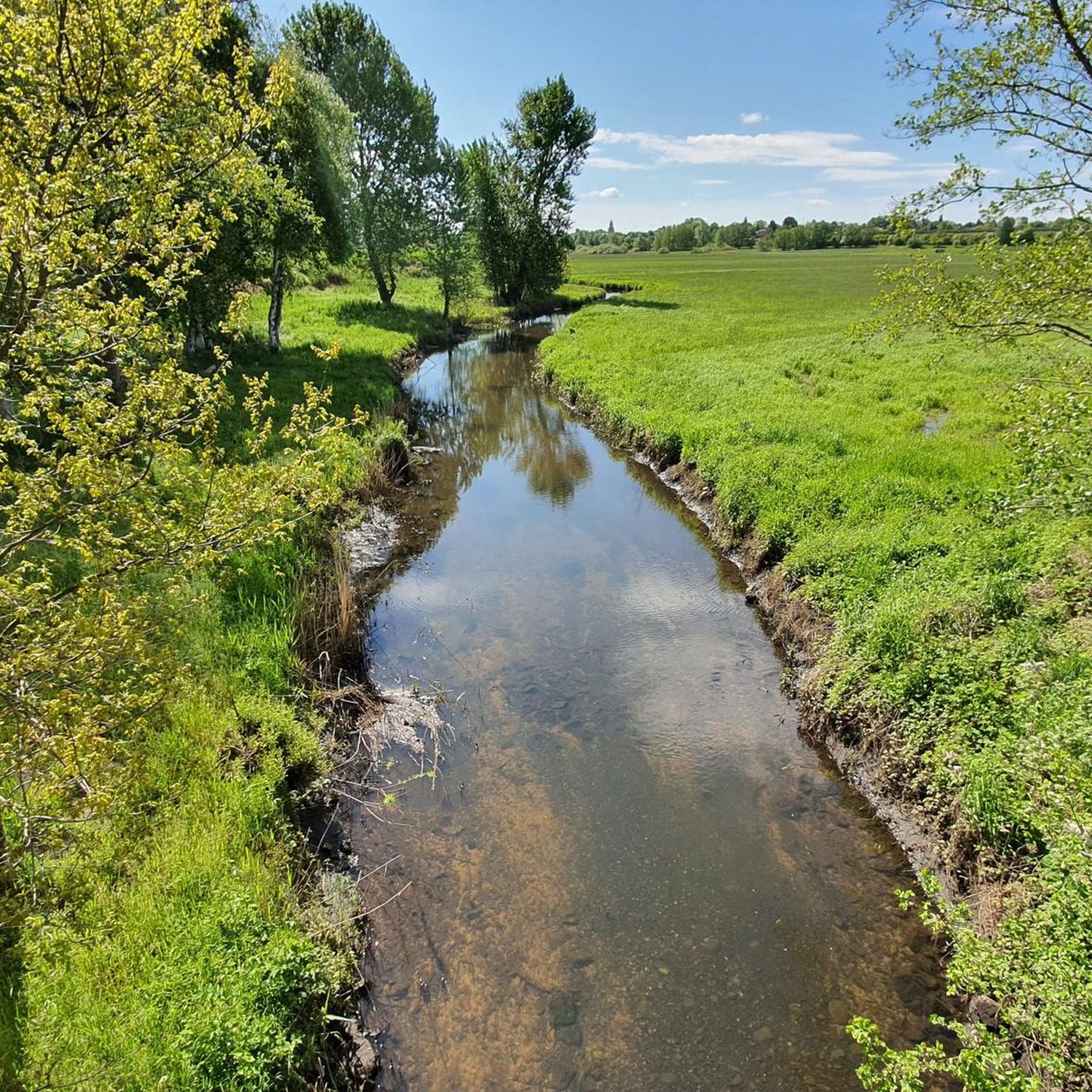
Seeve River in the Untere Seeveniederung
Highlight • River
Translated by Google •
Tip by
Lake Junkernfeld
Highlight • Lake
Translated by Google •
Tip by
Sign up for free to discover even more attractions around Natural Park Untere Lakeveniederung.
Sign up for free
Already have an account?
Start today with a free account
Your next adventure awaits.
Login or Signup
Popular around Natural Park Untere Lakeveniederung
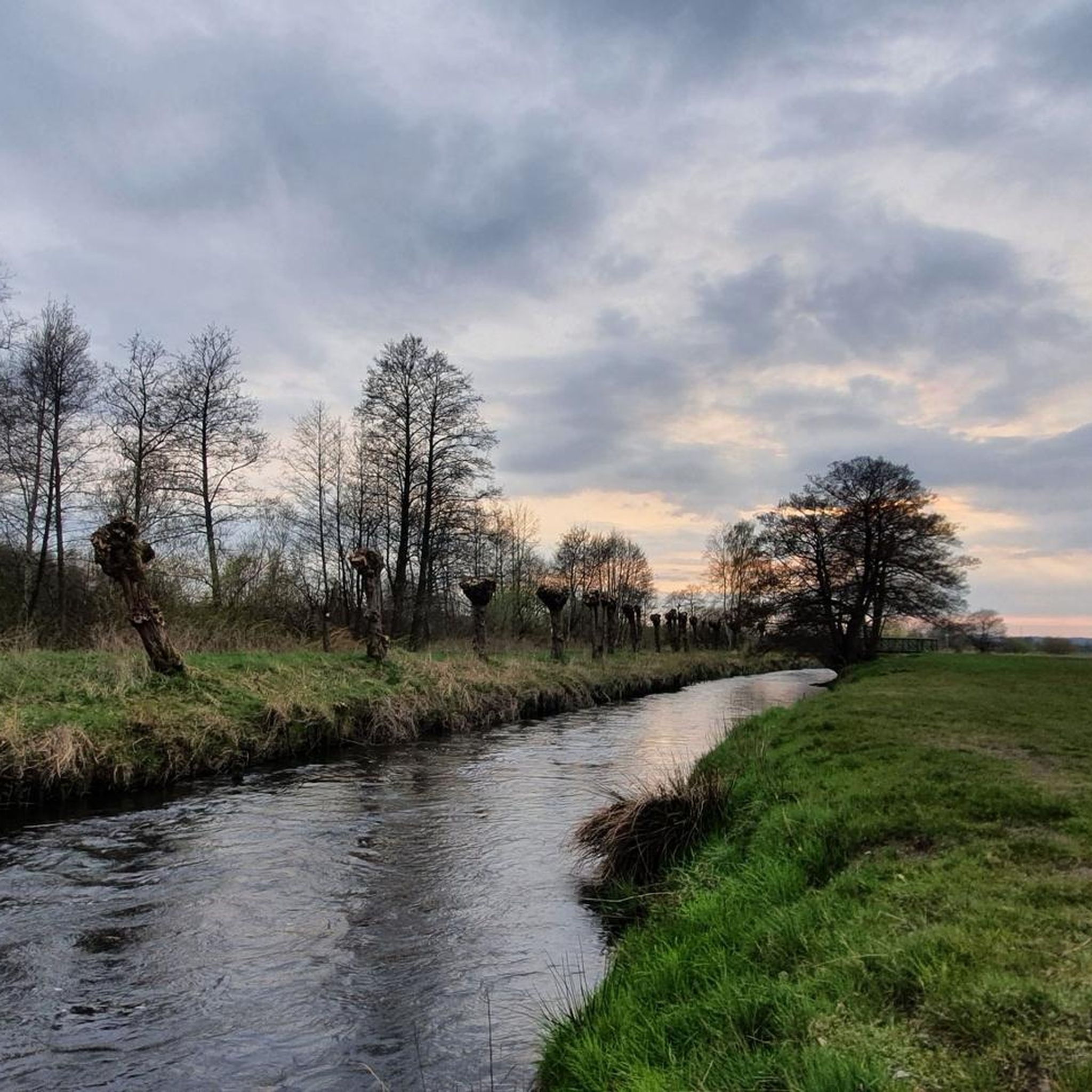
Hiking around Natural Park Untere Lakeveniederung
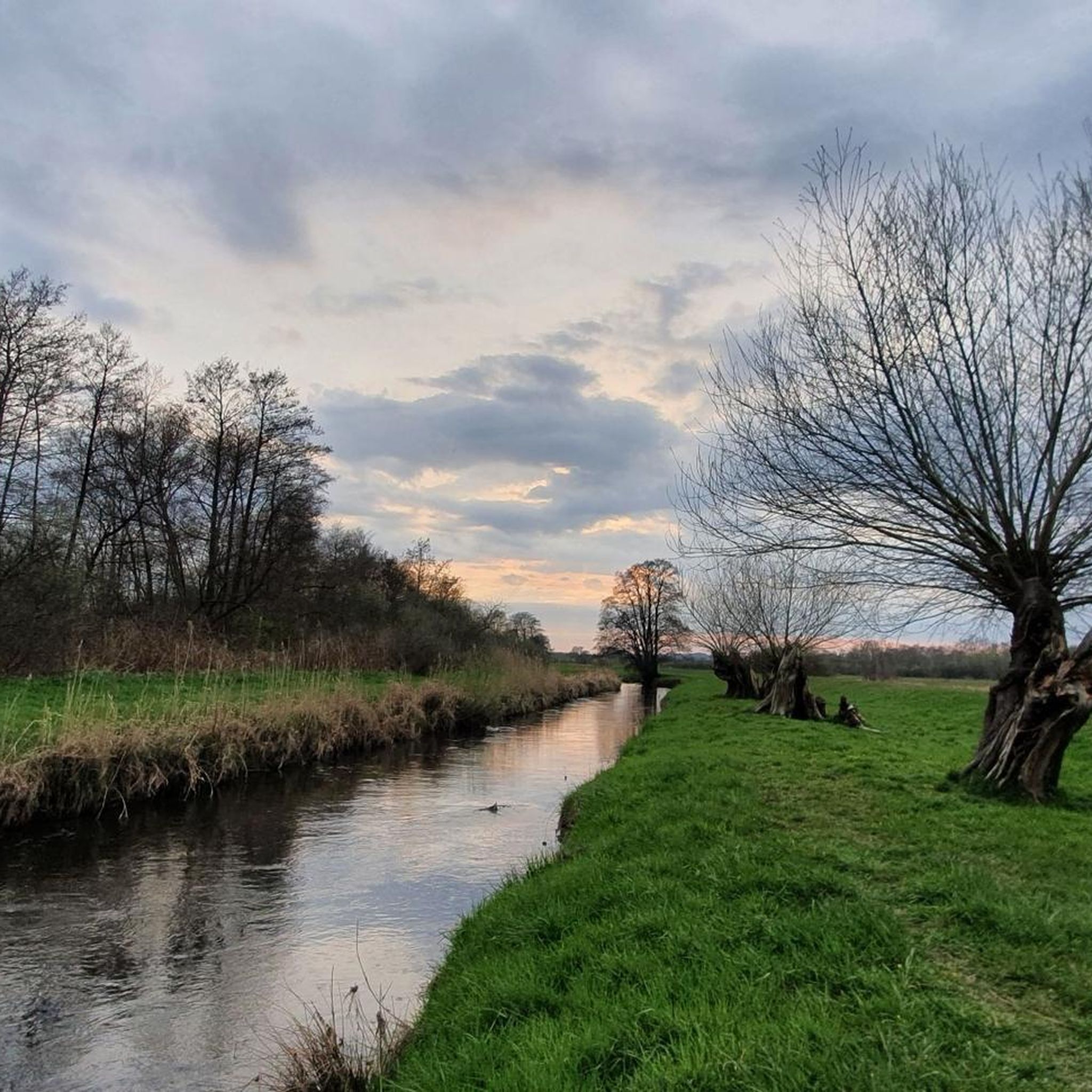
Cycling around Natural Park Untere Lakeveniederung
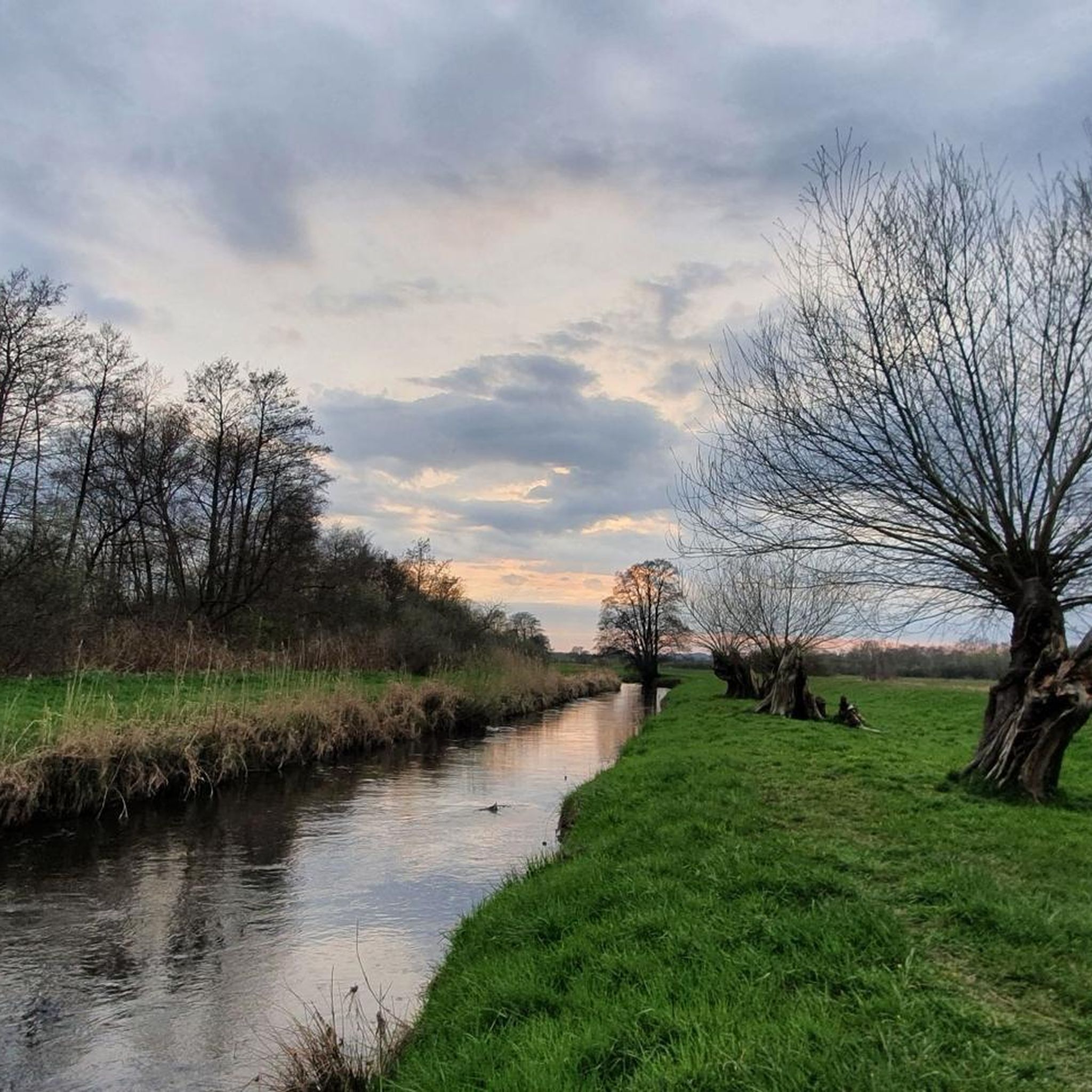
Road Cycling Routes around Natural Park Untere Lakeveniederung
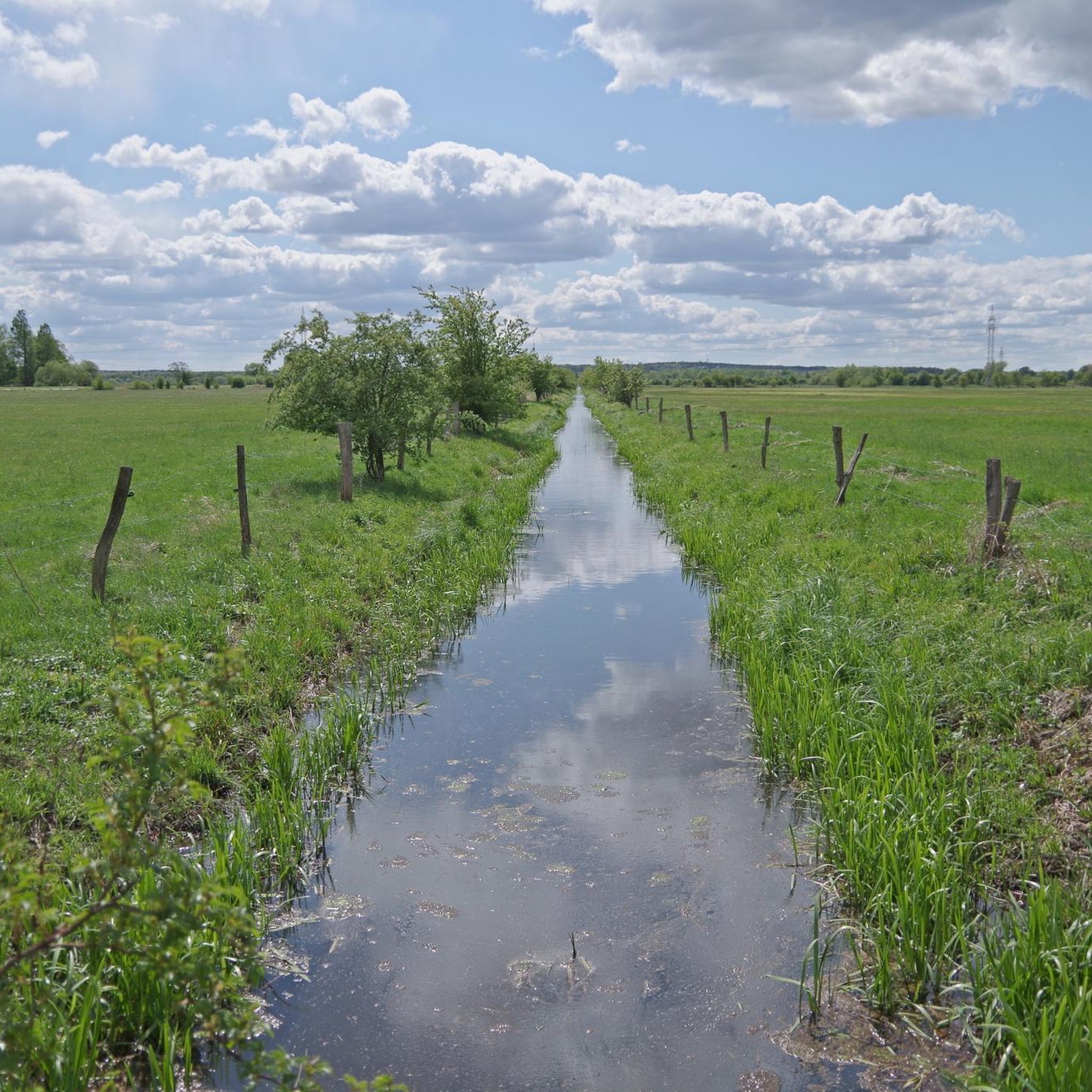
Running Trails around Natural Park Untere Lakeveniederung
MTB Trails around Natural Park Untere Lakeveniederung
Gravel biking around Natural Park Untere Lakeveniederung
Tips from the Community

... even if the ground is anything but perfect ... the walk over the bridge is worth it.
1
0

Beauty in every season - not only when the checkerboard flowers bloom
1
0

Great stretch of road through the beautiful Seevengeti
3
0

Idyllic how rapidly the Seeve flows under the bridge
0
0

As an angler, I am a water fan, so the Speerwerk, as well as the Seeve, the Elbe, the Seeve Canal and all other bodies of water are among the absolute highlights for me.
1
0
Here the Seeve flows into the Elbe.
5
0

Along the Seeve is pure nature, a very nice bike path.
2
0

The Seeve barrage is located where the Seeve flows into the Elbe. It is part of a flood protection concept on the tidal-influenced Lower Elbe from the Geesthacht barrage to the river's mouth in the North Sea, which was developed as a result of the severe storm surge in February 1962. The barrage, built in 1965 and 1966, protects the Seeve lowlands from flooding. Construction costs amounted to the equivalent of around 0.8 million euros. The structure is 43.60 meters wide and 19.90 meters deep. As a sluice, it has sluice gates, but also storm surge-proof lifting gates. That is why it is officially referred to as a "barrage and sluice". The system was automated in 2004. It is always closed when the water level of the Elbe rises above that of the Seeve. The sluice opens automatically again as soon as the water level of the Elbe falls below that of the Seeve. https://de.wikipedia.org/wiki/Seevesperrwerk
4
3
Frequently Asked Questions
What are the most popular natural attractions around Natural Park Untere Lakeveniederung?
The region is renowned for its unique natural landscapes. Highly recommended spots include the Junkernfeld chess flower meadow in the Lower Seeve Lowlands, famous for its vast display of checkerboard flowers in spring. Another must-see is the Seeve River in the Untere Seeveniederung, known as northern Germany's coldest river and a habitat for various fish species. For panoramic views and birdwatching, visit the Seevengeti Observation Platform.
When is the best time to visit Natural Park Untere Lakeveniederung for nature observation?
The best time depends on your interest. For the spectacular bloom of the checkerboard flowers, plan your visit to the Junkernfeld chess flower meadow in the last weeks of April or early May. Birdwatchers will find spring and autumn particularly rewarding, as thousands of migratory birds, including greylag geese, bean geese, and cranes, gather in the park during these seasons.
Are there family-friendly activities or attractions in the Natural Park Untere Lakeveniederung area?
Yes, several attractions are suitable for families. The Junkernfeld chess flower meadow and the Seevengeti Observation Platform offer engaging opportunities for children to experience nature and wildlife. The National Park House in Criewen also features an interactive exhibition and an aquarium with native fish species, which can be very educational for all ages.
What kind of wildlife can I expect to see in Natural Park Untere Lakeveniederung?
The park is a biodiversity hotspot. It's a crucial site for over 160 bird species, including white-tailed eagles, black storks, and Eurasian cranes, making it a birdwatching paradise. You might also spot mammals like beavers, otters, and wild boars. The park's waters are home to over 40 types of fish and 17 species of amphibians and reptiles.
Are there historical or cultural sites to visit near Natural Park Untere Lakeveniederung?
While the guide focuses on natural attractions, the broader region offers cultural insights. You can explore medieval structures like Stolpe Castle, historical tobacco barns near Friedrichsthal, or the medieval town fortifications and St. Stephen's Church in Gartz. The Late-Gothic Village Church in Criewen and the nearby Lenné Park also contribute to the area's cultural landscape.
What outdoor activities are available around Natural Park Untere Lakeveniederung?
The area is excellent for various outdoor activities. You can enjoy easy hikes, such as the 'Seeve Estuary on the Elbe – Lake Junkernfeld loop' or the 'Seevengeti Viewing Platform – Lake Junkernfeld loop'. Cycling is also popular, with routes like the 'Hoopte Ferry on the River Elbe – Seeve Flood Barrier loop'. For more options, explore the easy hikes, cycling routes, and gravel biking tours available in the region.
Are there specific hiking trails recommended for beginners or families?
Yes, there are several easy hiking trails suitable for beginners and families. Consider routes like the 'Seeve Estuary on the Elbe – View of the Seeve River loop' or the 'Ast`sche Gehölz loop'. These trails are generally flat and offer pleasant walks through the natural landscape. You can find more details and options in the easy hikes guide for the area.
Where can I find information and guidance for exploring the park?
The National Park House (Visitor Centre) in Criewen is an ideal starting point. It offers an interactive exhibition about the floodplain landscape and provides advice for cycling and hiking. Additionally, NATURA 2000 House and other info points offer further information, exhibitions, and regional products.
What makes the Seeve River unique in this region?
The Seeve River is notable for being northern Germany's coldest river, with an average temperature of 6-8°C. This cool, clear, and oxygen-rich water creates an essential habitat for fish species like grayling, brown, and sea trout, making it a significant ecological feature of the area.
What do visitors enjoy most about the attractions around Natural Park Untere Lakeveniederung?
Visitors frequently praise the idyllic natural beauty, especially the abundance of water birds and other wild animals. The spectacular checkerboard flower bloom in the Junkernfeld is a major highlight. Many appreciate the well-maintained paths and observation towers, which allow for undisturbed wildlife viewing and offer fantastic views over the lakes and surrounding landscapes.
Are there any specific rules or guidelines for visiting the nature reserve?
Yes, as the Junkernfeld is part of the sensitive “Untere Seeveniederung” nature reserve, special rules apply. Visitors are asked to stay on marked paths, keep dogs on a leash, and avoid disturbing the tranquility of nature with unnecessary noise. These measures help protect the delicate ecosystem and its diverse plant and animal species.
Can I go canoeing or take river trips in the Lower Oder Valley National Park?
Yes, guided canoe tours are offered, providing a unique way to experience the fascinating waterways of the Lower Oder Valley. This allows visitors to get up close with the dynamic river landscape and its rich biodiversity.
Most popular routes around Natural Park Untere Lakeveniederung
Most popular attractions around Natural Park Untere Lakeveniederung

Get inspired with the komoot mobile app


Explore more
Still not found the Highlight you’re looking for? See guides of the top attractions in other regions:
