South Solway Mosses National Nature Reserve
South Solway Mosses National Nature Reserve
The best traffic-free bike rides in South Solway Mosses National Nature Reserve
4.8
(77)
821
riders
18
rides
Touring cycling in South Solway Mosses National Nature Reserve offers extensive flat terrain, making it suitable for no traffic touring cycling routes. The region is characterized by expansive peatlands, including Bowness Common, Glasson Moss, and Wedholme Flow, alongside coastal features such as salt marshes and quiet country roads. This landscape provides a blend of natural exploration and accessible cycling, with minimal elevation changes across its routes.
Best no traffic touring cycling routes in South Solway Mosses National Nature Reserve
- The…
Last updated: July 9, 2026
5.0
(7)
30
riders
34.8km
01:58
70m
70m
Easy bike ride. Great for any fitness level. Mostly paved surfaces. Suitable for all skill levels.
4.9
(7)
42
riders
23.2km
01:18
40m
40m
Easy bike ride. Great for any fitness level. Mostly paved surfaces. Suitable for all skill levels.

Sign up for free
8
riders
32.2km
01:50
120m
120m
Easy bike ride. Great for any fitness level. Mostly paved surfaces. Suitable for all skill levels.
5
riders
45.6km
02:38
160m
160m
Moderate bike ride. Good fitness required. Mostly paved surfaces. Suitable for all skill levels.
5.0
(1)
4
riders
42.3km
02:25
100m
100m
Moderate bike ride. Good fitness required. Mostly paved surfaces. Suitable for all skill levels.
Get access to more routes and recommendations from other explorers.
Sign up for free
Already have an account?
Our route recommendations are based on thousands of hikes, rides, and runs completed by other people on komoot.
Start today with a free account
Your next adventure awaits.
Login or Signup
Popular around South Solway Mosses National Nature Reserve
Tips from the Community

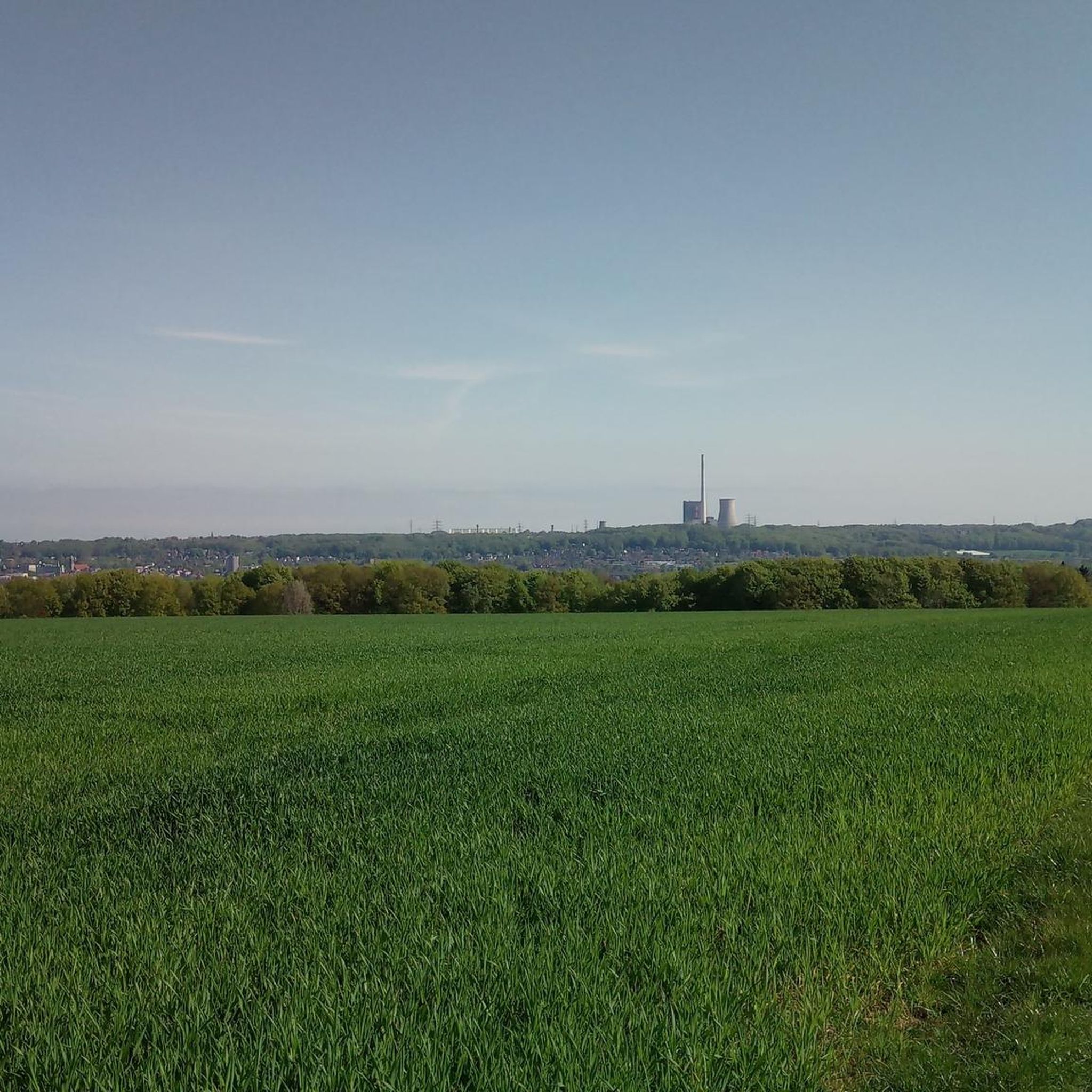
One thing about the road between Bowness-on-Solway and Carlisle is that it's as flat as a pancake, and Burgh Marsh is no exception. It is a great cycling stretch of road with good views out over the Solway Estuary.
0
0
This is the place where one of the most formidable English monarchs died when he developed fever during a campaign against the Scots in 1307. This is where Edward the First died, and being an iconic historical figure, this small, quaint monument was erected in his honour in 2007.
0
0
This historic and interesting harbour area in Port Carlisle is a great place to watch birds. In the autumn and springtime you can see a variety of bird flocks migrate, whilst wildfowl and waders flock here from Arctic breeding grounds to escape extreme cold.
0
0
Bowness-on-Solway is best known as being the western end of the iconic Hadrian's Wall. There is a small shelter here to mark the start of this national trail. You will not see much of the wall until after Carlisle, but the wall did originally start at the village with even more forts further down the coast. Being an estuary, this area is also a haven for wildlife and birdwatching.
0
0

Things are moving forward here. Flat, and the wind is usually at your back. There's only the landscape and the sea to enjoy. And... the occasional stray cow.
11
0
Here you'll drive along Burgh Marsh, a vast salt marsh on the Solway Firth, where nature, history, and mystery converge. The area is located near Burgh by Sands and forms a key part of the Solway Coast Area of Outstanding Natural Beauty. King Edward I died here in 1307 during his campaign against Scotland, an event marked by a monument in the middle of the marsh. Bordering the western section of Hadrian's Wall, Burgh Marsh also bears traces of the Roman presence. Today, Burgh Marsh stands as a silent witness to centuries of frontier history, with a landscape that invites reflection and exploration.
11
0
Based on map data, I wanted to explore this spot anyway. But there's nothing left of Raven Bank to be seen here.
8
0
Along the vast and mysterious Hadrian's Wall, built in the 2nd century AD under Emperor Hadrian as a border defense for the Roman Empire, lay Milecastle 77—also known as Raven Bank. This small fortification was a link in the long chain of milecastles that served as checkpoints and passageways in the Roman defensive system. Although the exact location of Milecastle 77 is unknown, it is believed to be approximately 50 meters south of the intersection of Glasson Road and Bowness-Carlisle Road. Archaeological investigations in 1973 yielded no conclusive clues, so the fort remains a mystery. However, the vallum—a defensive ditch south of the wall—is still visible southwest of the suspected point.
9
0
Frequently Asked Questions
How many no-traffic touring cycling routes are available in South Solway Mosses National Nature Reserve?
There are over 20 touring cycling routes in the South Solway Mosses National Nature Reserve that focus on minimizing traffic, offering a peaceful experience. These routes range in difficulty, with 12 easy, 7 moderate, and 2 difficult options.
What is the terrain like for touring cycling in South Solway Mosses NNR?
The South Solway Mosses National Nature Reserve is known for its generally flat terrain, making it ideal for touring cyclists. The routes often traverse quiet roads, dedicated cycle paths, and some off-road sections through peatlands, salt marshes, and coastal areas. For example, the Hadrian's Cycleway: Solway Coast Loop has minimal elevation gain over its 34.8 km distance.
Are there easy, family-friendly touring cycling routes in the South Solway Mosses NNR?
Yes, the region is excellent for family-friendly cycling due to its flat and often traffic-free paths. Routes like the Maryport to Silloth Cycle Path offer a dedicated, safe, and scenic experience. Many of the routes listed, such as the Bowness-on-Solway – Garden Bistro loop, are rated as easy and are suitable for various fitness levels.
Can I find circular touring cycling routes in the South Solway Mosses National Nature Reserve?
Yes, many of the touring cycling routes in the South Solway Mosses NNR are designed as circular loops, allowing you to start and finish at the same point. Examples include the Statue of Edward I – Burgh Marsh loop from Bowness-on-Solway, which covers 32.2 km, and the Garden Bistro – Bowness-on-Solway loop, a moderate 42 km ride.
What kind of wildlife can I expect to see while cycling in the South Solway Mosses NNR?
The reserve is a haven for diverse wildlife. You might spot breeding birds like sparrowhawks, curlews, and snipe, especially in the peat bogs and salt marshes. Invertebrates such as the large heath butterfly and various dragonflies are also present. Finglandrigg Wood offers chances to see red squirrels, roe deer, and over 40 species of breeding birds. The broader Solway Coast is also important for migratory birds, seals, and rare amphibians.
Are there any specific natural features or landmarks to look out for along the routes?
Absolutely. The region is rich in unique natural features. You'll encounter expansive peatlands like Wedholme Flow, Drumburgh Moss, and Bowness Common, which are home to specialized plants like *Sphagnum* mosses, sundews, and cotton grass. The coastal routes offer views of salt marshes, sandy beaches, and dunes. The Solway Wetlands Centre near Glasson Moss is also a great starting point to learn more about the landscape.
What is the best time of year to go touring cycling in the South Solway Mosses NNR?
Spring and summer are generally the most popular times due to milder weather and longer daylight hours, perfect for enjoying the diverse flora and fauna. In summer, the cotton grass creates a 'sea of white' across the bogs. Autumn can also be beautiful with changing colors, though weather can be more unpredictable. Always check local forecasts before you go.
Where can I park my car when visiting for a touring cycle ride?
Parking is available at several key points around the South Solway Mosses NNR. For instance, Glasson Moss offers free parking with disabled access. Many villages and starting points for routes, such as Bowness-on-Solway, also provide parking facilities. It's advisable to check specific route details for recommended parking locations.
Is public transport an option to reach the cycling routes in South Solway Mosses NNR?
While public transport options might be limited directly into the heart of the nature reserve, some routes are accessible via nearby towns or villages that have bus services. For example, parts of Hadrian's Cycleway (National Cycle Route 72) pass through Glasson and Bowness-on-Solway, which may have connections. Planning ahead with local bus timetables is recommended.
Are there places to eat or drink near the cycling routes in the South Solway Mosses NNR?
Yes, you'll find various cafes and pubs in the villages and towns surrounding the South Solway Mosses NNR, such as Allonby, Silloth, and Bowness-on-Solway. These can be convenient stops for refreshments during or after your ride. For example, the Garden Bistro – Bowness-on-Solway loop from Kirkbride passes by potential refreshment spots.
What do other touring cyclists enjoy most about cycling in South Solway Mosses National Nature Reserve?
The area is highly rated by the komoot community, with an average score of 4.8 stars. Reviewers often praise the tranquil, traffic-free nature of the routes, the stunning coastal and wetland scenery, and the opportunities for wildlife spotting. The flat terrain is frequently highlighted as a major advantage, making it accessible and enjoyable for all skill levels.
Most popular routes in South Solway Mosses National Nature Reserve

Get inspired with the komoot mobile app


Explore more
Browse the best Cycling routes in other regions.
