Attractions and Places To See around Lutter - Top 20
Best attractions and places to see around Lutter include natural landscapes and cultural sites within the Südheide Nature Park. The region is characterized by its river systems, such as the Lutter and Lachte, and unique moorland areas. Visitors can explore renaturation projects and art installations integrated into the natural environment. This area offers a variety of outdoor experiences focused on its distinct ecological features.
Best attractions and places to see around Lutter
- The most popular attractions is Räderloh Postmoor Boardwalk…
Last updated: August 17, 2026
Heide Sculpture in the Lutter Stream
Highlight • Monument
Translated by Google •
Tip by

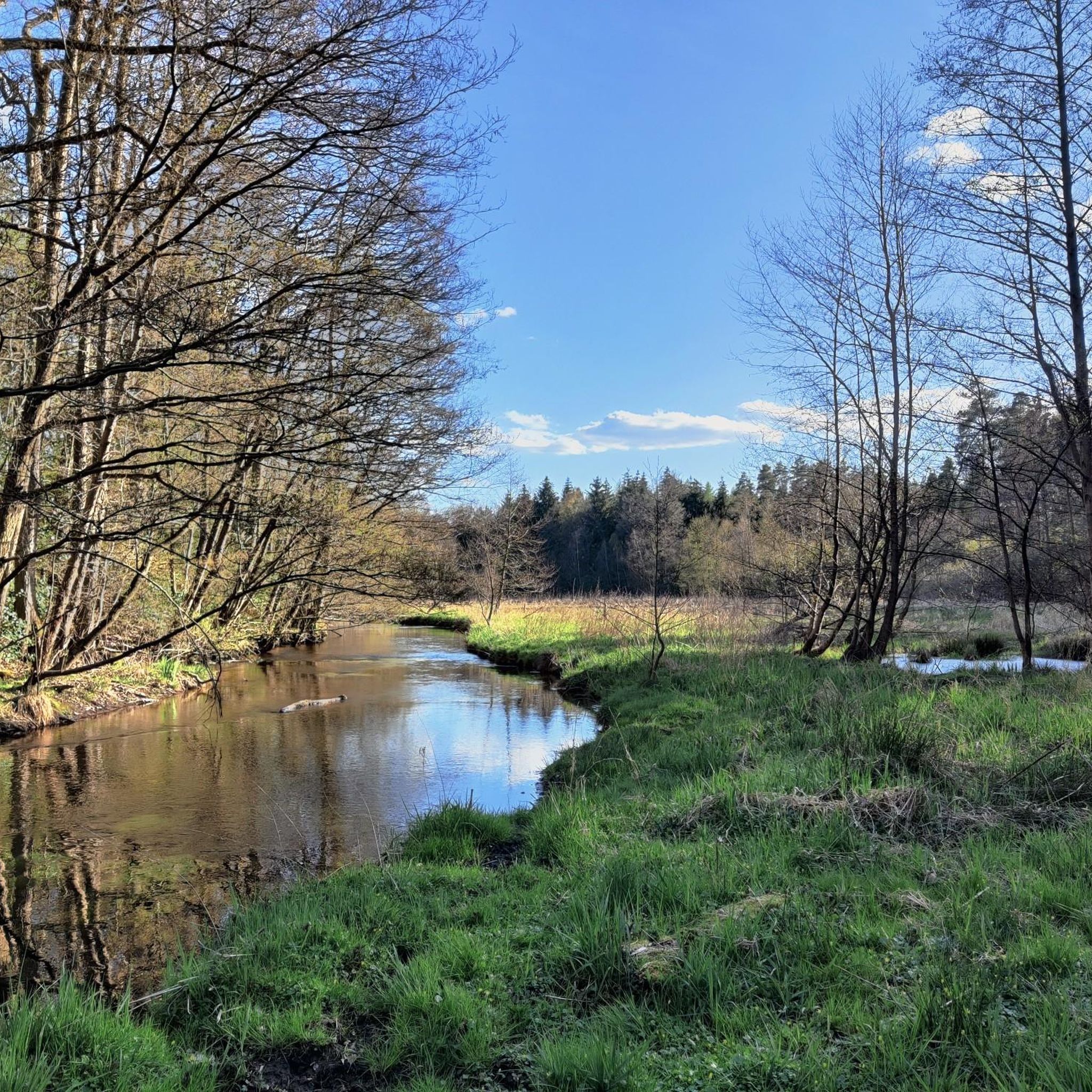
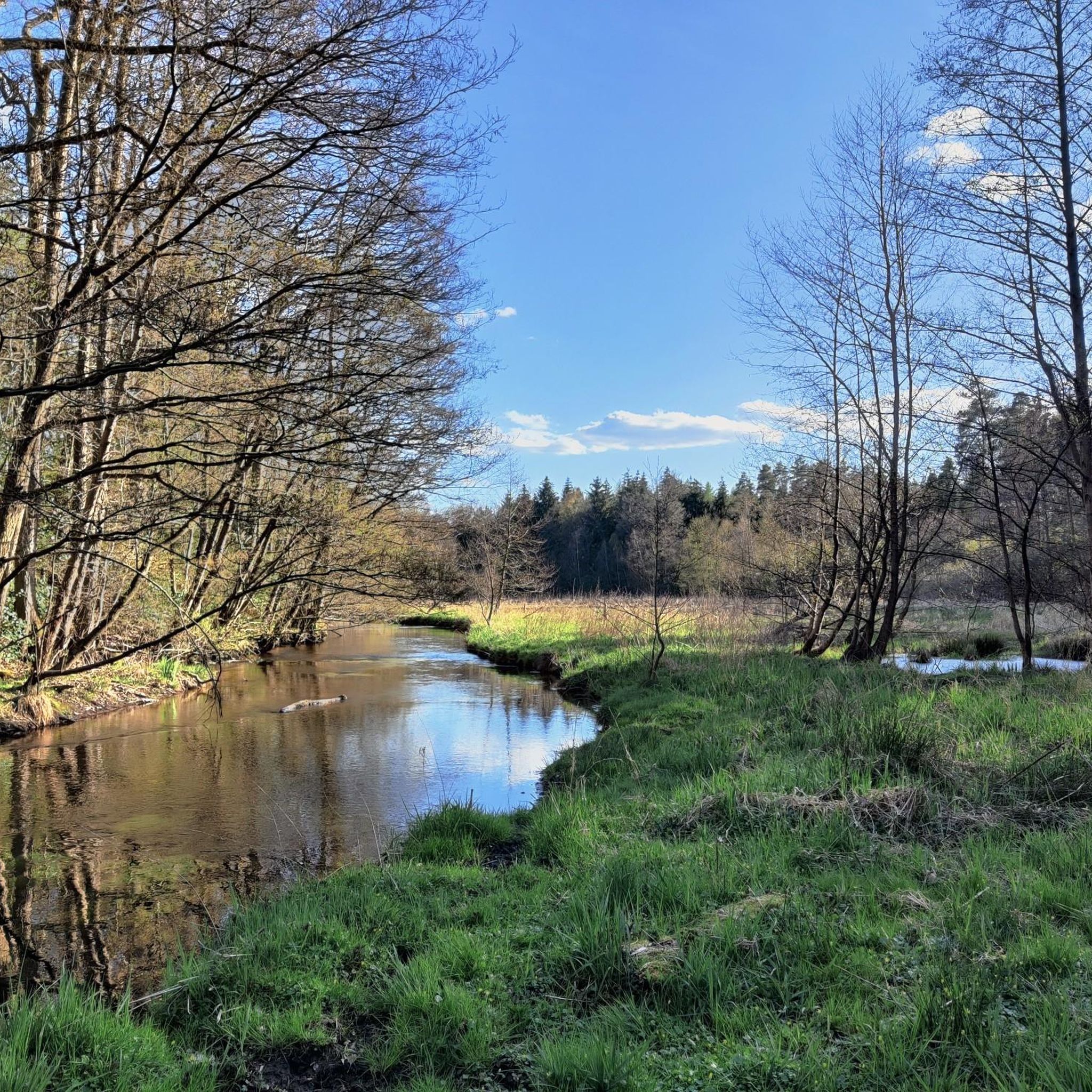
Lutter River and Pond in Südheide Nature Park
Highlight (Segment) • River
Translated by Google •
Tip by

Sign up now to discover places like this
Get recommendations on the best single tracks, peaks, & plenty of other exciting outdoor places.
Sign up for free
Himmelreich at the Lachte
Highlight • River
Translated by Google •
Tip by

Postmoor Boardwalk
Highlight (Segment) • Trail
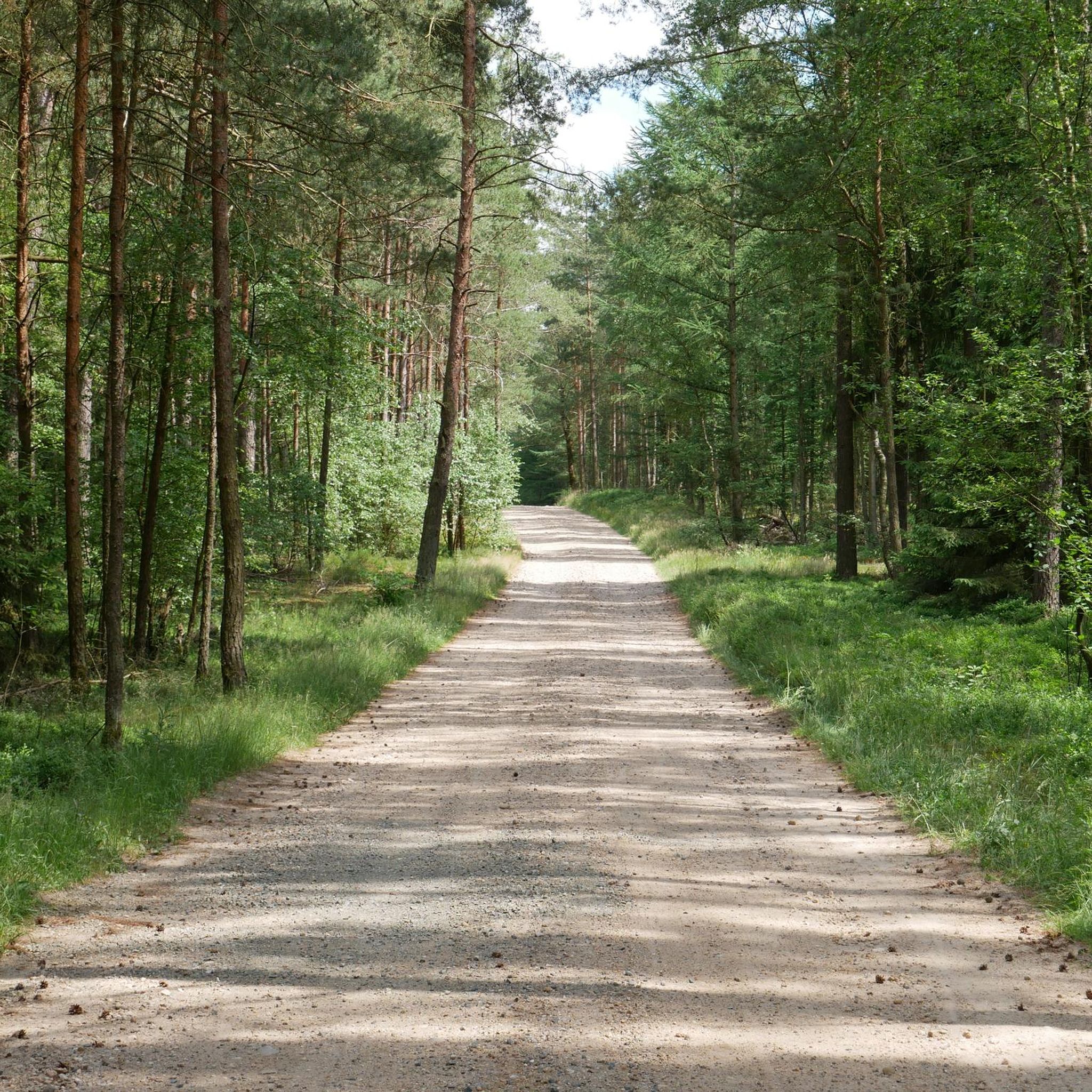
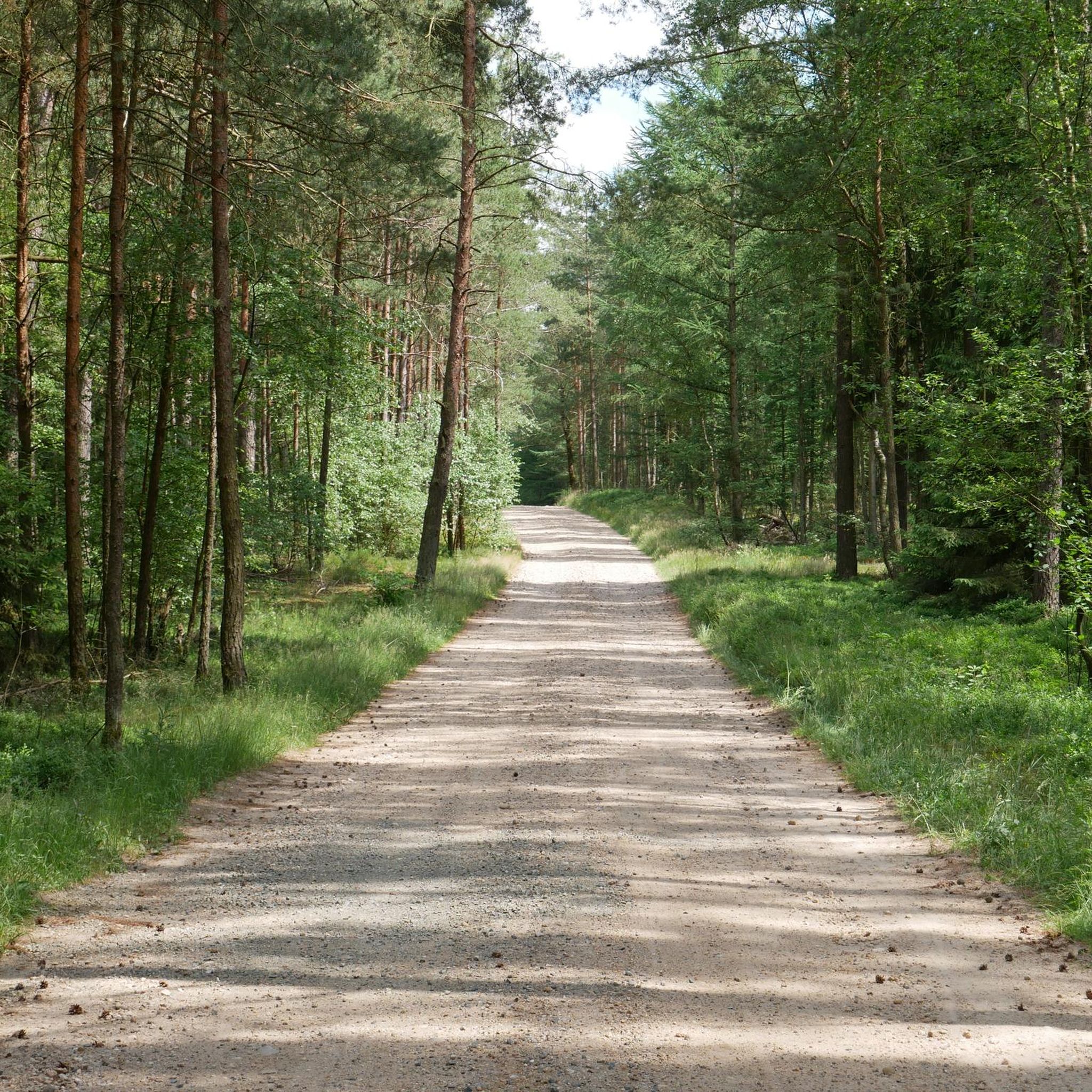
The Postmoor is being rewetted as part of a nature conservation project.
On the circular hiking trail, changes brought about by rewetting can be directly experienced. …
Translated by Google •
Tip by
Ruins of the former Bayer factory
Highlight • Monument
Between 1888 and 1904 there was a branch of the Friedrich Bayer & Co. Elberfeld paint factory where there is now a …
Translated by Google •
Tip by

Sign up for free to discover even more attractions around Lutter.
Sign up for free
Already have an account?
Start today with a free account
Your next adventure awaits.
Login or Signup

Tips from the Community

Interesting figure in the stream.
1
0

The bridge can be seen nicely here: https://youtube.com/shorts/zx3B8rXaF90?feature=share
0
0

The name "Kingdom of Heaven" is quite apt
0
0

Interesting information about the former Bayer factory can be found at https://found-places.blogspot.com/2018/04/die- Schlafmittelfabrik-bei-schelploh.html. The bathtub is a reminder that the workers had to bathe at least once a week.
0
0

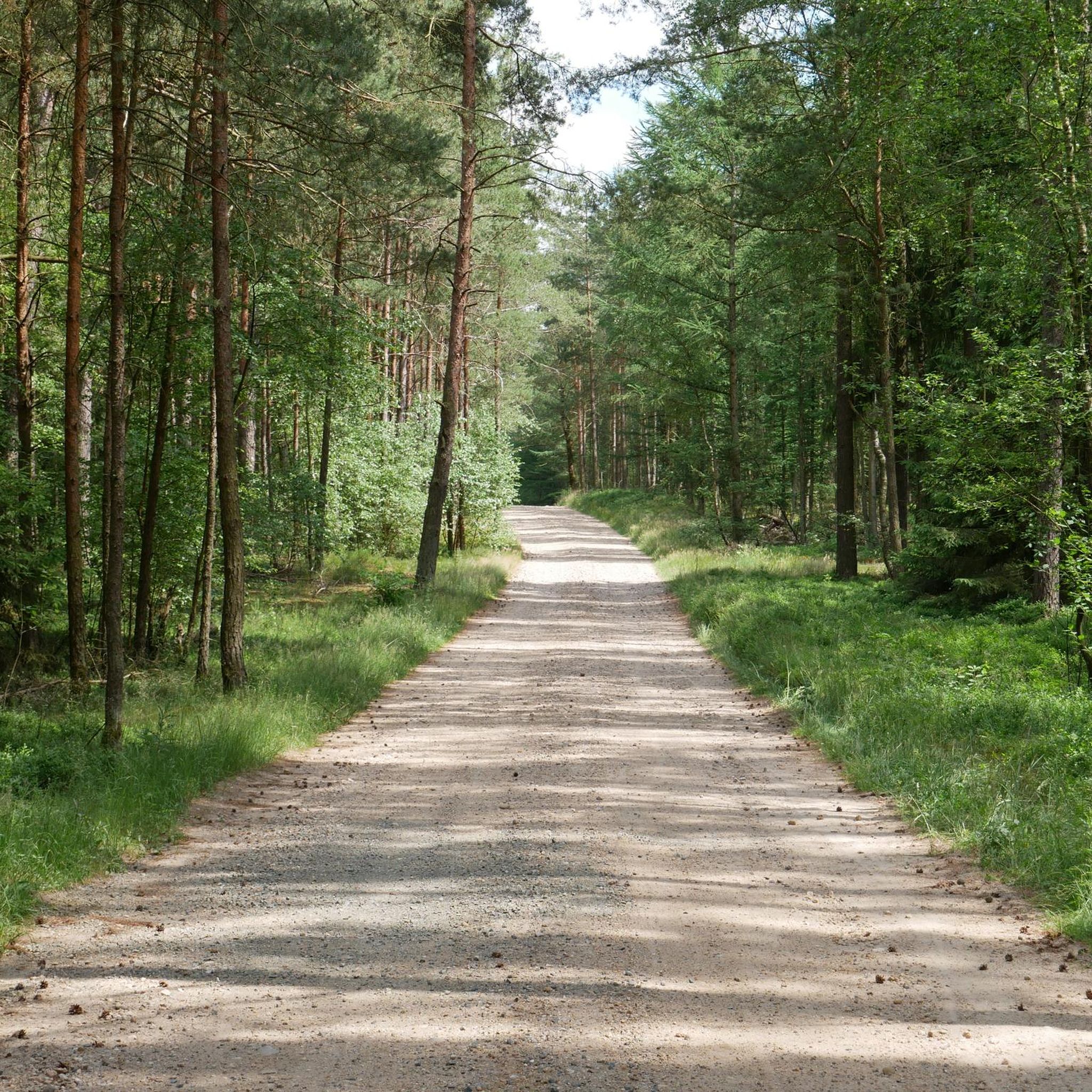
Why it stinks to high heaven in Schelploh! Between 1888 and 1904 there was a branch of the Friedrich Bayer & Co. Elberfeld paint factory where there is now a dense pine forest to the east of Schelploh. A sleeping pill was produced there, releasing sulphurous, foul-smelling odors that polluted the air for miles when the wind was unfavorable. Numerous complaints were then received by the Celle District Office. The letter from the leaseholder Abercron dated July 27, 1889 had the following wording: "The king. I do not fail to inform the district administration that the smell of the sulfonal factory on the Schelploh farm is such that it defies description. In my old sheepfold, only 20 minutes from the farm and the factory, the rubbish, which is known to spread the greatest odor, is always stored in open pits. Coming downwind 1/2 to 1 hour and further away, that is a swooning and mind-bending situation that one has to experience to believe such a state to be possible. After a fire in 1904, which was caused by a short circuit in the electrical lighting, almost the entire work was destroyed because it was not built from solid walls. Only the brick chimney remained until it was blown up by pioneers. Therefore, with the exception of a few foundation remains, there are no longer any traces of the former facilities in the forest. The site was abandoned after the fire and production continued in Leverkusen, where the world-famous Bayer company is still based today.
2
0
In Marwede the girl Heide sits in the water of the Lutter. When the heather blossoms, she gets a lovingly plaited heather wreath on her head, and in winter a warming wool hat. The villagers take care of their heath. The Marweder thus express the importance of the place where Heide sits in the water for the town. A mill has stood here since 1438. Up until the 1960s, water power was used to grind grain and oil and saw wood. The girl Heide sitting in the water is an art installation by the Braunschweig artist Petra Förster. She implemented the heather theme as a landscape, first name and plant in an interesting way.
3
0
Opposite the mill there is a shady resting place between a pond and the Lutter.
0
0

Remains from the 19th century...
1
0
Frequently Asked Questions
What natural features can I explore around Lutter?
The Lutter region is rich in natural landscapes, particularly its river systems like the Lutter and Lachte, and unique moorland areas. You can experience these at places such as the Lutter River and Pond in Südheide Nature Park, known for its clean water and conservation efforts, or the Räderloh Postmoor Boardwalk, which offers access to a rewetting nature conservation project.
Are there any unique art installations integrated into the landscape near Lutter?
Yes, the region features several art installations that blend with nature. Visit Himmelreich at the Lachte to see the landscape sculpture "HochZeit HimmelReich" by Klaus Meier-Warneboldt, made of birch trunks. Another notable piece is the Heide Sculpture in the Lutter Stream by Petra Förster, which is cared for by local villagers.
What kind of hiking trails are available in the Lutter area?
The Lutter area offers various trails, including those that showcase its unique natural conservation projects. The Räderloh Postmoor Boardwalk is a popular circular hiking trail where you can directly experience changes brought by rewetting, with information boards along the path. For more options, explore the Running Trails around Lutter guide, which includes routes like the 'Running loop from Eldingen'.
Are there family-friendly attractions around Lutter?
Many of the natural attractions around Lutter are suitable for families. The Räderloh Postmoor Boardwalk is a great option, offering an accessible path through the moorland with educational information. The river areas like the Lutter River and Pond also provide pleasant natural settings for family outings.
What outdoor activities can I do near these attractions?
Beyond hiking, the Lutter area is excellent for cycling. You can find numerous routes for different preferences, including Gravel biking around Lutter with routes like the 'Bridge over the Aschau – Aschauteiche Observation Tower loop', or Road Cycling Routes around Lutter, featuring paths like the 'Bargfelder Straße – Lachte Ford Crossing loop'.
What is the best time of year to visit Lutter's outdoor attractions?
The Lutter region's outdoor attractions, particularly the moorlands and river areas, are beautiful throughout the year. Spring and summer offer lush greenery and pleasant temperatures for walking and cycling. Autumn brings vibrant colors to the landscape, while winter can offer unique frosty views, though some boardwalks might be slippery when frozen.
Are there any historical sites or cultural points of interest in the Lutter area?
While Lutter is primarily known for its natural beauty and conservation projects, some sites have historical significance. For instance, the area around the Heide Sculpture in the Lutter Stream has a history of mills dating back to 1438, with the Wolfhagen mill being a notable example of industrial heritage. The nearby city of Wolfenbüttel, known for the 'Battle of Lutter', also offers cultural sites like the Marienkirche and Biblioteca Augusta.
What do visitors enjoy most about the attractions around Lutter?
Visitors frequently appreciate the tranquility and natural beauty of the Lutter region. The clear waters of the Lutter and Lachte rivers, the unique moorland landscapes, and the innovative conservation projects are often highlighted. The integration of art into nature, such as the 'HochZeit HimmelReich' sculpture, also receives positive feedback for creating magical and thought-provoking spots.
Are there any dog-friendly walks around Lutter?
Many of the outdoor trails and natural areas around Lutter are suitable for walks with dogs, provided they are kept on a leash and owners clean up after them. The various hiking and running trails mentioned in the Running Trails around Lutter guide are generally good options for dog owners.
Is there public transport available to reach attractions around Lutter?
Information on specific public transport routes directly to every attraction is limited. However, the region is generally accessible, and planning your visit by car might offer more flexibility to reach the more remote natural highlights within the Südheide Nature Park. It's advisable to check local transport schedules for specific routes if relying on public transport.
Are there any viewpoints or scenic spots in the Lutter region?
Yes, the Lutter region offers several scenic spots, particularly along its river systems and within the moorlands. The Himmelreich at the Lachte is considered a magical place with beautiful views, especially around the landscape sculpture. The Räderloh Postmoor Boardwalk also provides wide views over the open moorland.
Can I find cafes or places to eat near the attractions?
While the natural attractions themselves are often in serene, undeveloped areas, you can typically find cafes and restaurants in the nearby villages and towns surrounding Lutter, such as Eldingen or Steinhorst. It's recommended to check local listings for dining options before or after your visit to the specific highlights.
Most popular routes around Lutter
Most popular attractions around Lutter

Get inspired with the komoot mobile app


Explore more
Still not found the Highlight you’re looking for? See guides of the top attractions in other regions:
