Attractions and Places To See around Bissendorfer Moor - Top 8
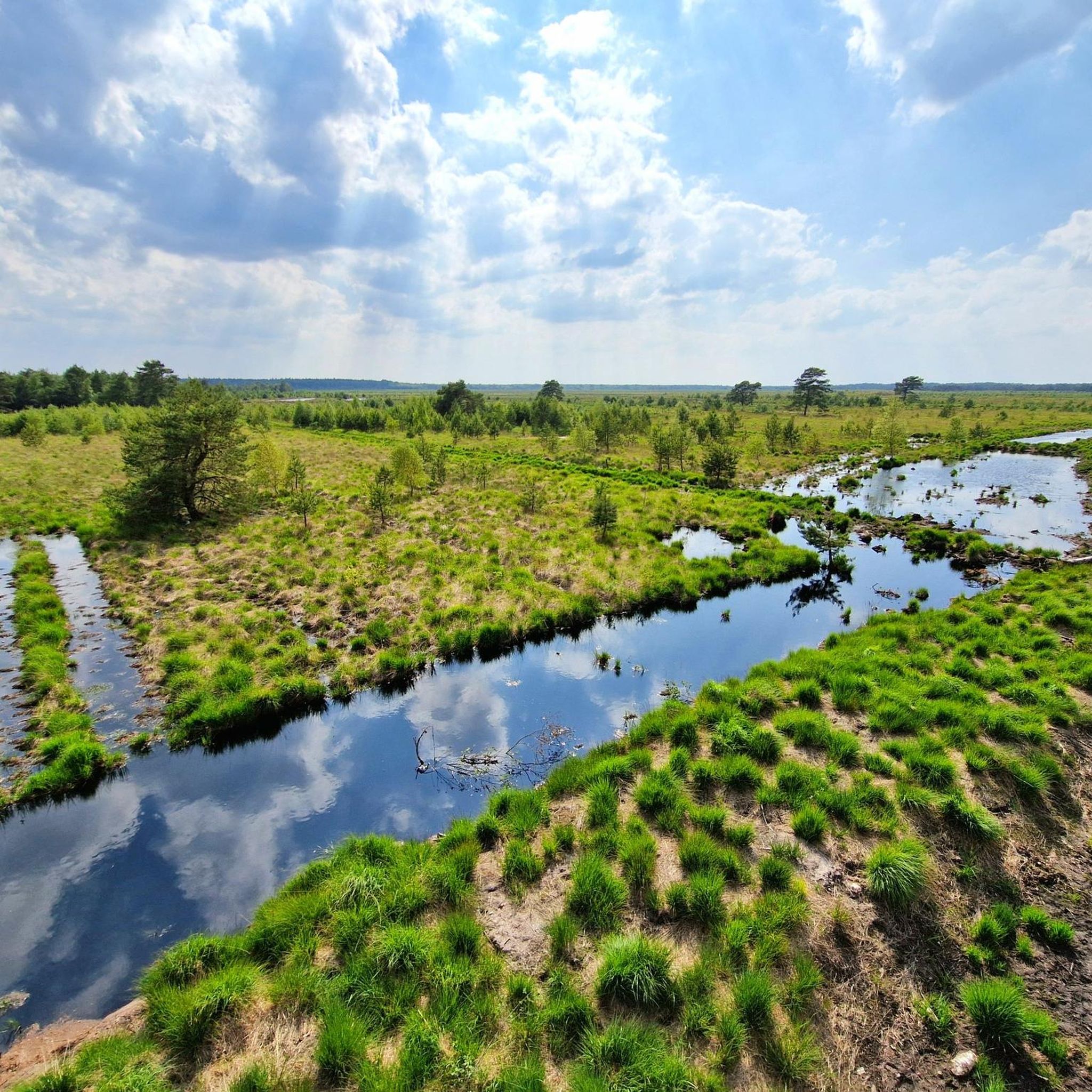
Best attractions and places to see around Bissendorfer Moor include a significant natural area recognized as one of the best-preserved raised bogs in Lower Saxony. This extensive, largely treeless landscape is a designated nature reserve and a Fauna-Flora-Habitat (FFH) area, highlighting its European importance for conservation. The moor features a unique raised bog landscape with diverse vegetation and habitats, including the Muswillensee bog pond.
Best attractions and places to see around Bissendorfer Moor
- The most popular attractions is Bissendorfer Moor…
Last updated: July 6, 2026
Bissendorfer Moor Observation Tower
Highlight • Viewpoint
Translated by Google •
Tip by

Basendorfer Moor – Hannoversche Moorgeest Nature Reserve
Highlight • Natural
Translated by Google •
Tip by

Sign up now to discover places like this
Get recommendations on the best single tracks, peaks, & plenty of other exciting outdoor places.
Sign up for free
Kaltenweider Moor singletrack
Highlight (Segment) • MTB Park
Translated by Google •
Tip by

Hand Peat Cutting Information Board (Handtorfstich)
Highlight • Monument
Translated by Google •
Tip by
Peatland Drainage Canal
Highlight • Structure
Translated by Google •
Tip by

Sign up for free to discover even more attractions around Bissendorfer Moor.
Sign up for free
Already have an account?
Start today with a free account
Your next adventure awaits.
Login or Signup
Tips from the Community

Warning: The entire area is a huge construction site; the path from the east is no longer accessible and practically non-existent. Extremely disappointing... 😔
1
0

Here begins the narrow path to the southern observation tower
2
0

This is also the entrance to the beautiful trail on the main receiving water.
0
0
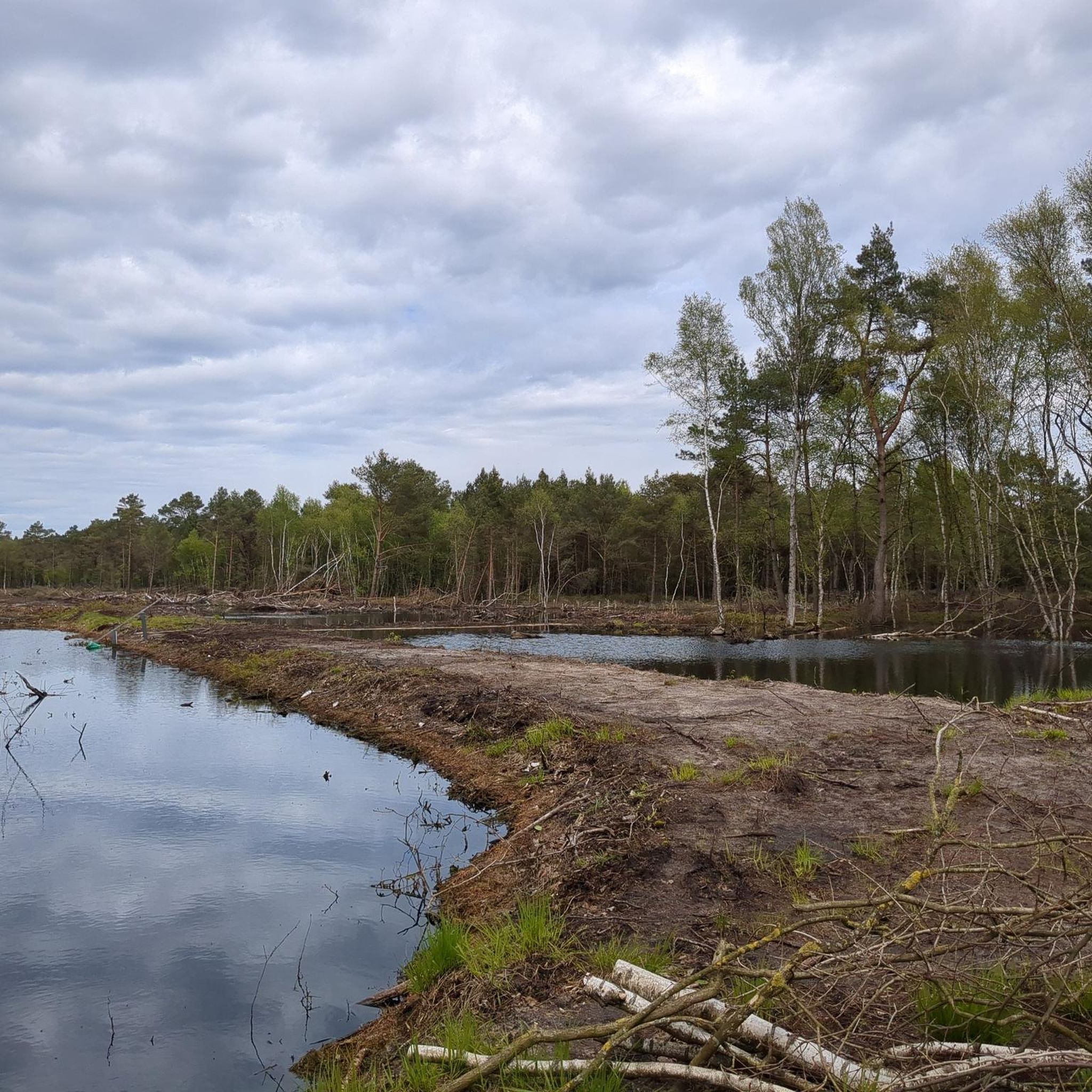
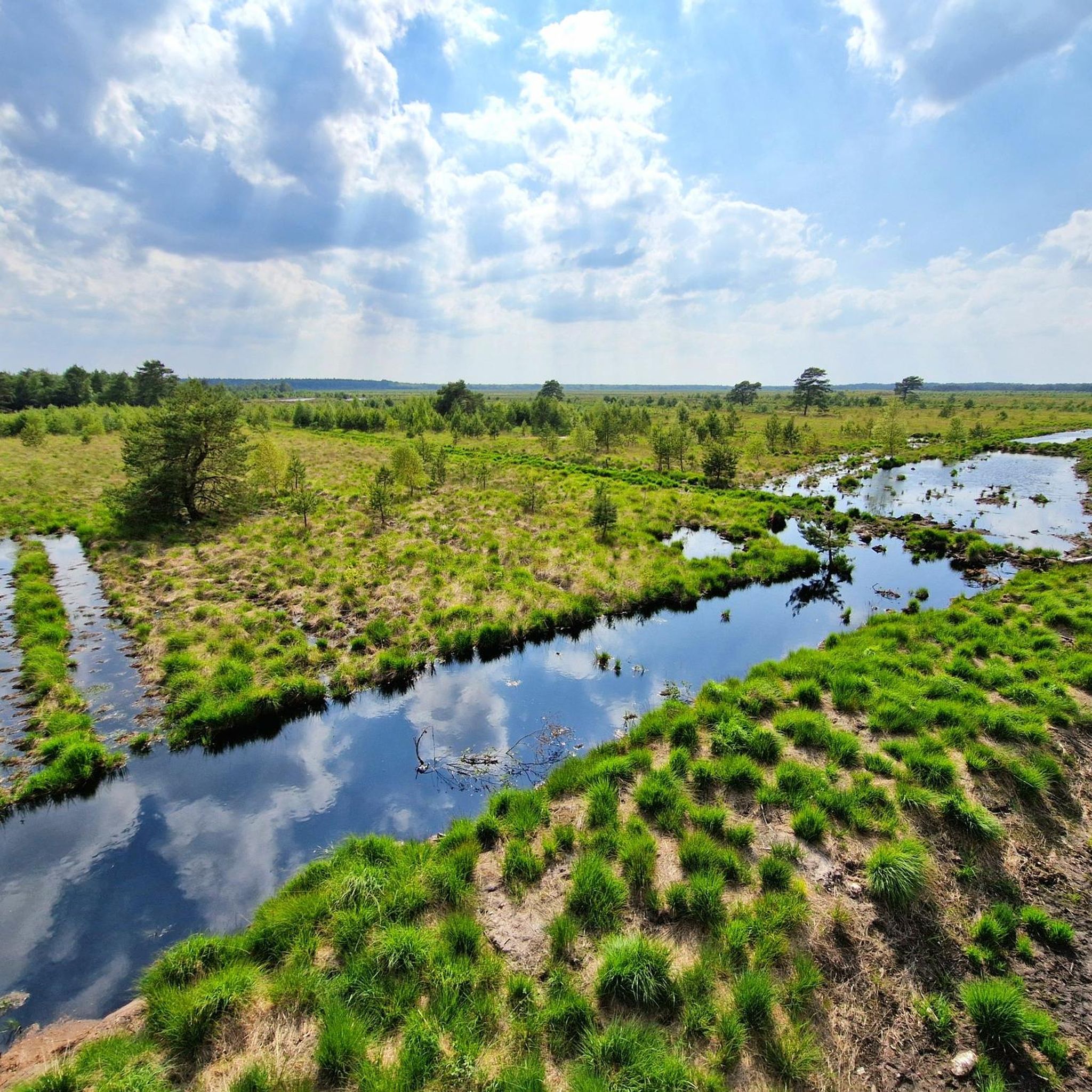
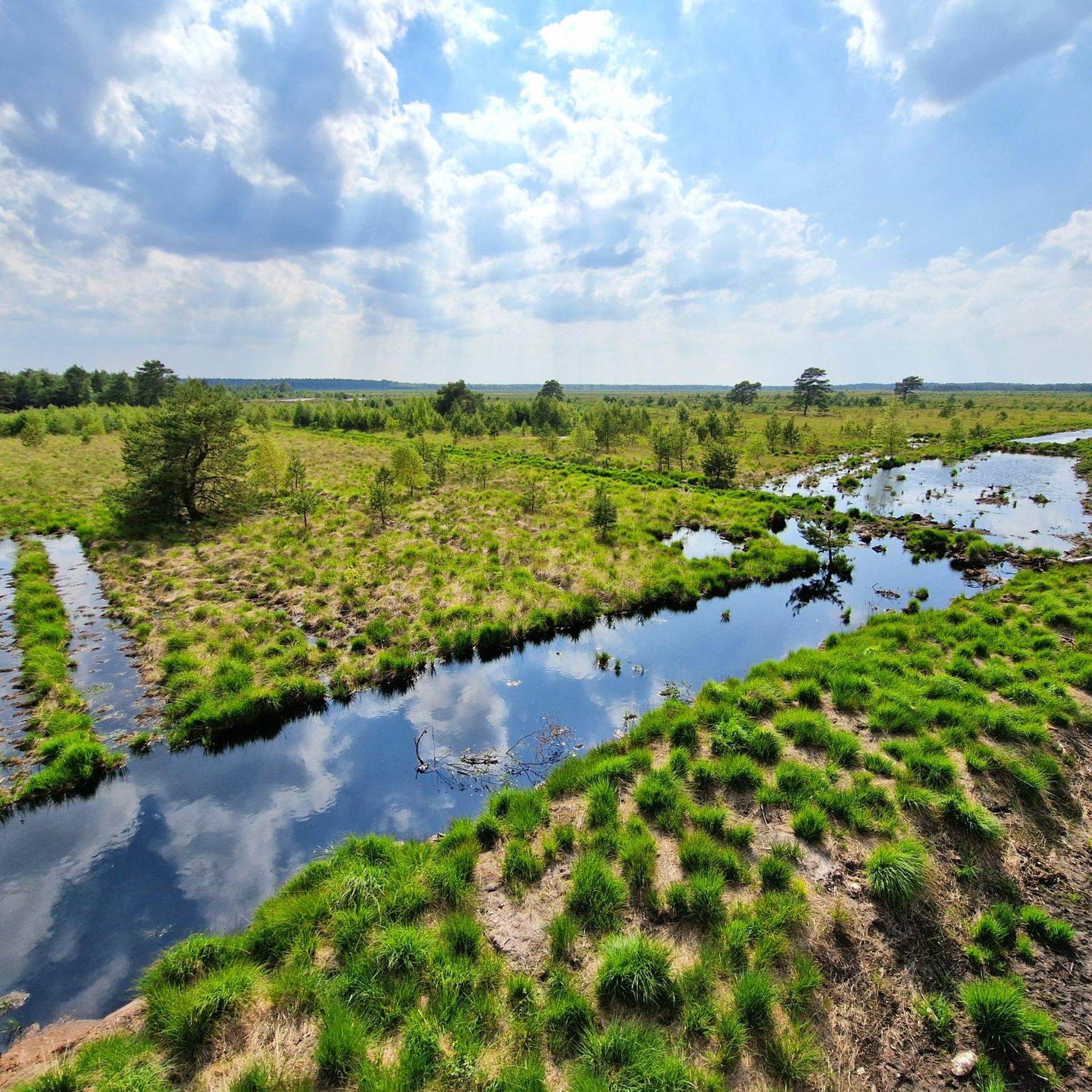
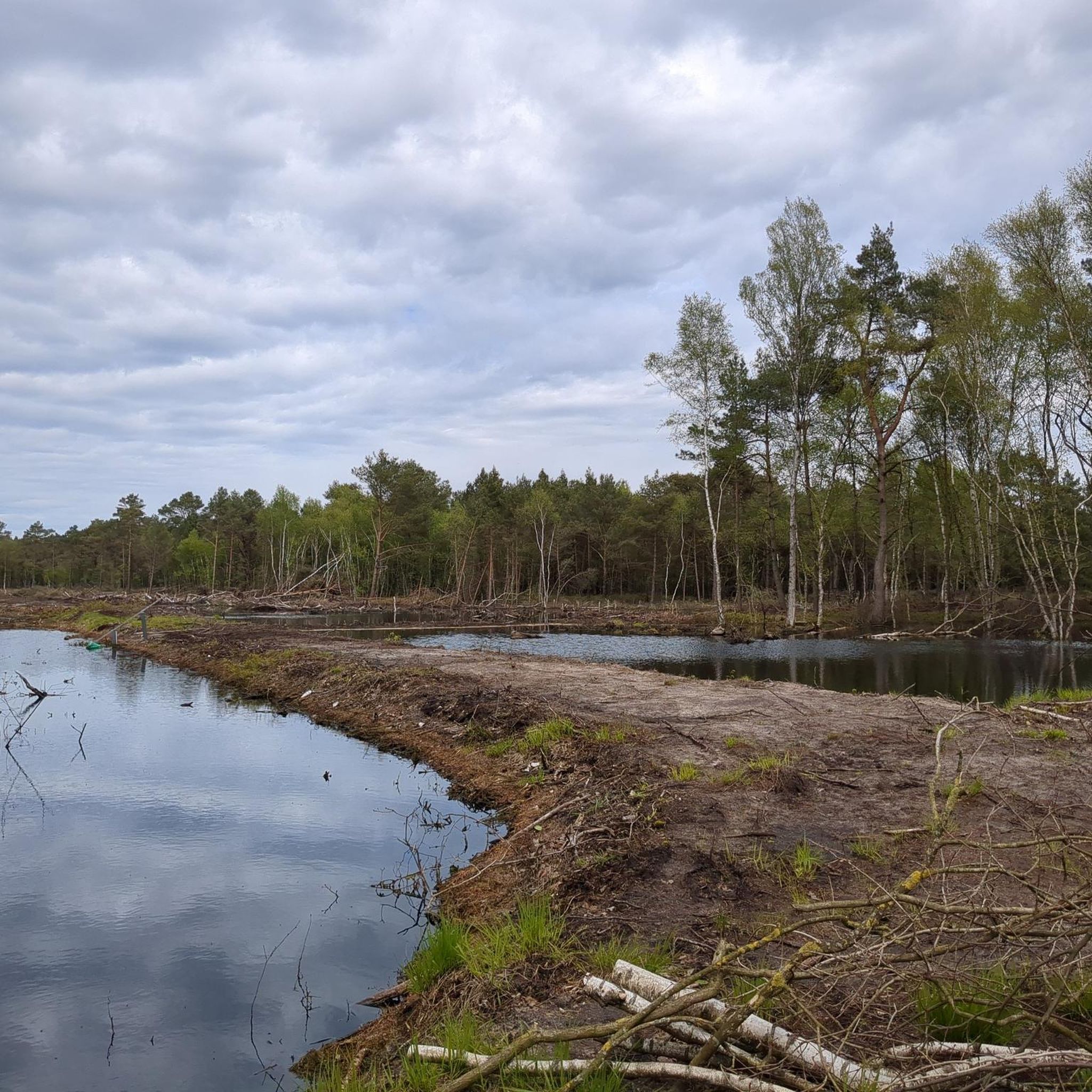
In August 2023, the third construction phase of the EU LIFE+ project "Hannoversche Moorgest" began. As part of ecological upgrading, drainage ditches are closed, peat embankments are built to retain rainwater, and trees that draw water from the moors are felled. Please remember that the measures serve to protect the climate before you get outraged that some of the trails have been redesigned or even disappeared. New ways will emerge over time. That's life: the old goes away and the new comes into being.
0
0
Currently (August 2023) the trees on the edge of the bog are being felled for re-irrigation. The information board is now located directly on this protective strip. There is probably not much left of the old peat cutting. See photo.
0
0

It was really fun and easy to drive.
0
0

This is how the moor is drained.
2
0

Nice path along the trench
2
0
Frequently Asked Questions
What natural features can I explore at Bissendorfer Moor?
Bissendorfer Moor is a significant natural area, recognized as one of the best-preserved raised bogs in Lower Saxony. You can observe its unique, largely treeless raised bog landscape, characterized by various peat mosses, bog heathland, and plants like cotton grass. A notable feature is the Basendorfer Moor – Hannoversche Moorgeest Nature Reserve, which is undergoing ecological upgrading to restore its natural state. The dystrophic bog pond, Muswillensee, is also a key natural element within the southern part of the moor.
Where can I get the best views of Bissendorfer Moor?
For panoramic views of the expansive moor landscape and its pools, visit the Bissendorfer Moor Observation Tower. A new tower, built in March 2021, features a 6-meter high platform, offering an enhanced viewing experience, particularly towards the Muswillensee and the treeless raised bog areas.
Are there opportunities for birdwatching at Bissendorfer Moor?
Yes, Bissendorfer Moor is an important area for birdwatching. It serves as a breeding ground for cranes and other species like the European curlew, red-backed shrike, and whinchat. During migration seasons, large numbers of cranes use the moor as a resting place. In winter, you might spot short-eared owls, hen harriers, and great grey shrikes.
What kind of hiking trails are available around Bissendorfer Moor?
Numerous hiking paths surround the moor, offering various experiences. While direct access to the sensitive central raised bog area is restricted for conservation, you can find many trails along the boundaries. For easy walks, explore routes like the easy hikes around Bissendorfer Moor, including loops from Kiebitzkrug or Resse. More moderate options are also available in the general hiking guide for Bissendorfer Moor.
Can I go cycling near Bissendorfer Moor?
Absolutely! The region offers cycling opportunities, including the 100-kilometer 'Von Moor zu Moor' themed cycling route, which connects seven different moor areas in the northern Hannover region, including Bissendorfer Moor. For off-road enthusiasts, the Kaltenweider Moor singletrack provides a unique MTB experience directly through the moor. You can also find various routes for gravel biking around Bissendorfer Moor.
Are there any historical or educational sites related to the moor?
Yes, you can visit the Hand Peat Cutting Information Board (Handtorfstich), which provides insights into the historical practice of peat cutting in the area. Additionally, the Mooinformationszentrum Wedemark-Resse (MOORiZ) offers valuable information about the genesis, structure, and ongoing ecological restoration efforts of the moors in the Hannoversche Moorgeest region, including Bissendorfer Moor.
What is the best time of year to visit Bissendorfer Moor?
The moor offers different experiences throughout the year. Spring and autumn are particularly good for birdwatching, especially during crane migration. Summer allows for pleasant hiking and cycling, though some areas might be undergoing restoration. Winter can offer a unique, stark beauty, and opportunities to spot specific wintering birds like short-eared owls.
Is Bissendorfer Moor suitable for families?
Yes, Bissendorfer Moor can be family-friendly, especially for nature observation and gentle walks. The Bissendorfer Moor Observation Tower is easily accessible and provides an engaging experience for all ages. Many of the surrounding hiking and cycling paths are suitable for families, though direct access to the most sensitive central bog areas is restricted.
What is the 'Peatland Drainage Canal' and why is it significant?
The Peatland Drainage Canal is a man-made feature that historically served to drain the moor. Its significance now lies in understanding the past human impact on the moor. As part of ongoing ecological upgrading efforts, drainage ditches are being closed to rewet and restore the moorlands, highlighting a shift towards conservation.
What conservation efforts are underway at Bissendorfer Moor?
Bissendorfer Moor is a designated nature reserve and a Fauna-Flora-Habitat (FFH) area, emphasizing its European importance for conservation. The EU LIFE+ project 'Hannoversche Moorgeest' is actively working on ecological upgrading. This involves closing drainage ditches, building peat embankments to retain rainwater, and felling trees that draw water from the moors, all aimed at rewetting and restoring the moorlands to protect the climate and biodiversity.
Are there any specific regulations or tips for visiting the moor?
To protect the sensitive ecosystem and wildlife, direct access to the central raised bog area is generally not permitted. Visitors are encouraged to stay on designated paths and trails. When visiting, remember that ecological upgrading efforts, such as tree felling and trail redesigns, are part of the ongoing conservation work to restore the moor. Always respect the natural environment and its inhabitants.
Most popular routes around Bissendorfer Moor
Most popular attractions around Bissendorfer Moor

Get inspired with the komoot mobile app


Explore more
Still not found the Highlight you’re looking for? See guides of the top attractions in other regions:
