Attractions and Places To See around Schaalsee - Top 20
Best attractions and places to see around Schaalsee include a diverse range of natural and historical sites. This region, situated between Mecklenburg-Vorpommern and Schleswig-Holstein, is characterized by its UNESCO Biosphere Reserve Schaalsee. It features northern Germany's deepest clearwater lake, extensive forests, moors, and wetlands. The area offers a blend of ecological significance and cultural heritage.
Best attractions and places to see around Schaalsee
- The most popular attractions is Gross Zecher Estate, a historical site first mentioned in 1194. Visitors can explore its historical buildings, including the manor house from the early 18th century, and enjoy the on-site restaurant.
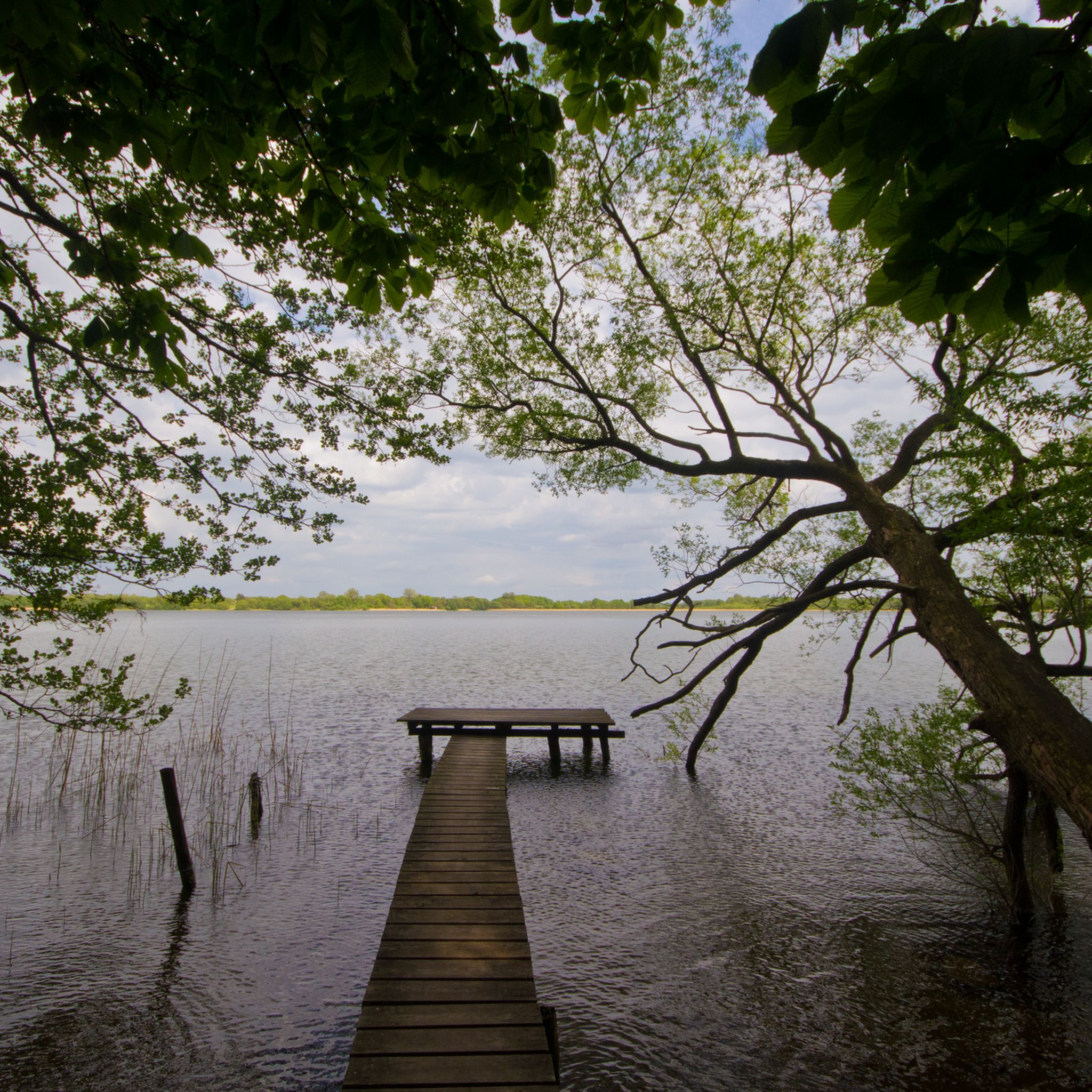
- Another must-see spot is Schaalsee Canal Wooden Bridge, a bridge connecting Schaalsee and Pfuhlsee. It offers views of the Schaalseekanal and the surrounding water landscape.
- Visitors also love Seedorf Castle, a privately owned castle. This landmark is a notable photo opportunity, visible when walking across the Seedorfer Werder.
- Schaalsee is known for historical sites, natural viewpoints, and cultural landmarks. The region offers a variety of attractions to see and explore, from ancient estates to scenic bridges and observation towers.
- The attractions around Schaalsee are appreciated by the komoot community, with over 700 upvotes and 100 photos shared.
Last updated: June 22, 2026
Seedorf Castle
Highlight • Castle
Translated by Google •
Tip by

Schaalseehof Observation Tower
Highlight • Viewpoint
Translated by Google •
Tip by

Sign up now to discover places like this
Get recommendations on the best single tracks, peaks, & plenty of other exciting outdoor places.
Sign up for free
Gross Zecher Estate
Highlight • Historical Site
Translated by Google •
Tip by

Schaalsee Canal Wooden Bridge
Highlight • Bridge
Translated by Google •
Tip by

Kutscherscheune Terrace at Schaalsee
Highlight • Cafe
Translated by Google •
Tip by
Sign up for free to discover even more attractions around Schaalsee.
Sign up for free
Already have an account?
Start today with a free account
Your next adventure awaits.
Login or Signup
Tips from the Community

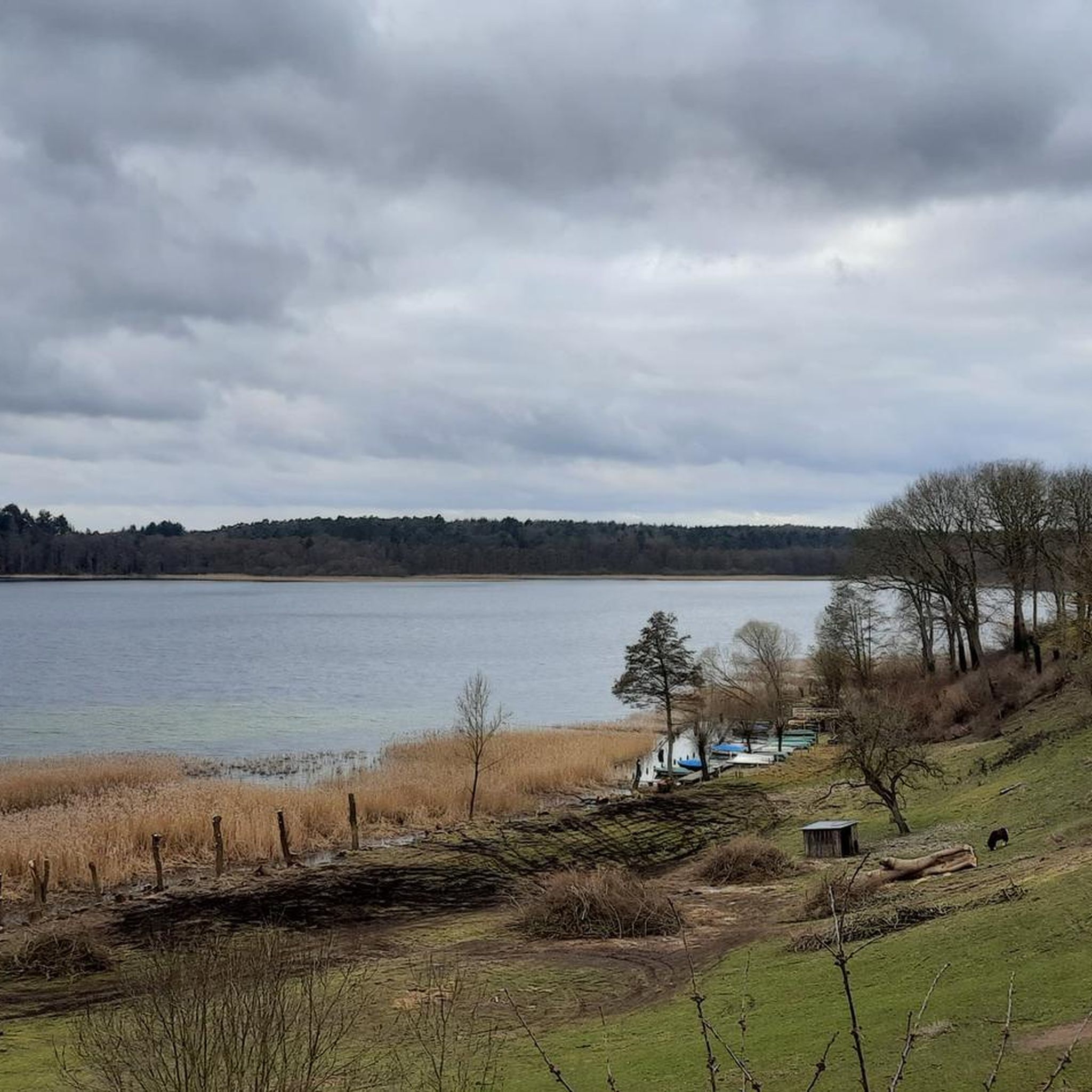
One of several observation towers on the lakes of the Schaalsee Biosphere Reserve. From here you have a wonderful view of the lake and the surrounding area.
4
0

The access is a bit hidden and goes across the farmyard, but the view is worth it.
2
0

The Groß Zecher estate is an ideal starting point for exploring the region around the Schaalsee. You can stay overnight and eat here. For overnight guests there is a private bathing jetty with direct access to the water. The field adventure trail also starts here...
3
0
Seedorf Castle is a great photo opportunity. It's privately owned, and therefore neither tours nor entry to the entire complex are permitted. It's a shame, but also understandable.
3
0

The Groß Zecher estate with its historic buildings is beautifully located between Küchensee and Schaalsee. Since 1691 it has been owned by the von Witzendorff patrician family from Lüneburg. The magnificent manor house was built in the classicist style. Today you can not only dine well at the estate, but also spend the night and of course enjoy the peace and quiet. You can find more information at https://www.gutgrosszecher.de/.
2
0

The Groß Zecher estate is a noble estate in the district of Groß Zecher in the municipality of Seedorf am Schaalsee. In the Middle Ages, not far from today's estate, there was a Boko hilltop castle with a diameter of 15 m on the Zecherscher Werder, a peninsula in the Schaalsee. The surrounding moat, which is 5 m wide, can still be seen in part. In the course of the medieval colonization, the von Zülen family, who came from Saxony, settled here and named themselves von Zecher after this newly acquired property. The castle was destroyed in 1349. In the 14th century, the von Carlow family first came into possession of Groß Zecher, then from 1497 the von Parkentin family. The Parkentin (later spelled Berkentin) sold Groß Zecher in 1691 to the von Witzendorff patrician family from Lüneburg. The Brunswick-Lüneburg Privy Councilor and Chamber President Hieronymus von Witzendorff thus became a member of the knighthood of the Duchy of Saxe-Lauenburg, which fell to the Electorate of Brunswick-Lüneburg in 1689 when the Dukes of Saxe-Lauenburg died out. Hieronymus von Witzendorff established an entail for Groß Zecher. The estate has remained in the von Witzendorff family ever since. Ottokar von Witzendorff played a major role in Lauenburg politics in the 19th century as district administrator of the Duchy of Lauenburg. After his death in 1890, the neighboring Seedorf estate, which had previously also belonged to the family, passed to his widow, who passed it on to her family. Most of the baroque mansion in Groß Zecher from 1720 was demolished at the beginning of the 19th century to make room for a new building on the same site. Using parts of the old structure, a plastered new building was built in the classical style, which today characterizes the estate. The eleven-story mansion is single-storey with a half-hipped roof. Above the dormers there are two bat dormers with roof rails in the pitched roof. The five-axis central avant-corps is two-storey with a flat triangular gable with an oval window above it. The wing at the back of the house is also two-storey in half-timbering and dates from an earlier period. https://de.wikipedia.org/wiki/Gut_Gro%C3%9F_Zecher
8
3

The canal connects the Schaalsee with the Pipersee.
1
0

Frequently Asked Questions
What natural features can I explore in the Schaalsee region?
The Schaalsee region is dominated by the UNESCO Biosphere Reserve Schaalsee, featuring northern Germany's deepest clearwater lake, Schaalsee. You can explore extensive forests, moors, and wetlands. A great starting point is the Schaalseehof Observation Tower, which offers magnificent views over the lake and its surroundings. The region also boasts a 4 km circular trail around the Kirchensee, providing views of both Schaalsee and Kirchensee from a bridge.
Are there historical landmarks to visit around Schaalsee?
Yes, the region is rich in history. You can visit the Gross Zecher Estate, a historical site first mentioned in 1194, featuring an early 18th-century manor house. Another notable landmark is Seedorf Castle, a privately owned castle that offers a picturesque photo opportunity when walking across the Seedorfer Werder. In Zarrentin, the Abbey Church, with roots dating back to 1194, showcases Romanesque and Gothic architecture.
What outdoor activities are available near the attractions?
The Schaalsee region offers an extensive network of 150 kilometers of hiking and cycling paths. You can find various routes for gravel biking, road cycling, and mountain biking. For example, explore routes like the 'Schaalsee bathing area in Seedorf – View of Schaalsee loop' for gravel biking, or the 'Historic Border Crossing – Fish Hut at Lake Schaalsee loop' for road cycling. You can find detailed guides for these activities on komoot, such as Gravel biking around Schaalsee, Road Cycling Routes around Schaalsee, and MTB Trails around Schaalsee.
Where can I find the best viewpoints in the Schaalsee area?
For stunning panoramic views, visit the Schaalseehof Observation Tower, which provides a magnificent vista of the Schaalsee lake and its natural beauty. The Schaalsee Canal Wooden Bridge also offers beautiful views of the canal and the surrounding water landscape where the Schaalsee and Pfuhlsee connect.
Are there family-friendly activities or attractions in the Schaalsee region?
Yes, the Schaalsee region is suitable for families. Many highlights, such as the Schaalseehof Observation Tower and the Schaalsee Canal Wooden Bridge, are considered family-friendly. The designated bathing areas in Dargow, Lassahn, Seedorf, and the Zarrentin lido offer safe swimming opportunities in the pristine lake. The Moorerlebnispfad Zarrentin (Moor Experience Path) provides an engaging way for families to learn about the unique moorland ecosystems.
What is the UNESCO Biosphere Reserve Schaalsee?
The UNESCO Biosphere Reserve Schaalsee is an expansive protected area covering 310 square kilometers, recognized for its ecological significance. It features a mosaic of forests, moors, wetlands, pastures, and fields, serving as a vital habitat for diverse flora and fauna, including rare plant species, 28 fish species, 11 bat species, and thousands of migratory birds. Its unique ecosystem was preserved due to its location along the former inner-German border. You can learn more about it on the UNESCO website.
Where can I go swimming in the Schaalsee region?
Schaalsee boasts excellent water quality, making it ideal for swimming. Designated bathing areas can be found in Dargow, Lassahn, Seedorf, and at the Zarrentin lido. These spots offer opportunities to enjoy the lake's pristine waters.
Are there places to eat or have coffee with a view?
Absolutely. The Kutscherscheune Terrace at Schaalsee, located at the Gross Zecher Estate, offers delicious cake and coffee with a sensational view over the lake. The Schaalseehof, near the Schaalseehof Observation Tower, also features a courtyard cafe where you can enjoy coffee and cake or purchase a delicious smoked fish sandwich.
What is the best time of year to visit Schaalsee?
The Schaalsee region offers beauty year-round. Spring and autumn are ideal for hiking and cycling, with pleasant temperatures and vibrant natural colors. Summer is perfect for swimming and water activities in the lake's clear waters. The UNESCO Biosphere Reserve is particularly captivating during bird migration seasons.
What is the PAHLHUUS Information Centre?
The PAHLHUUS is the Information Centre of the UNESCO Biosphere Reserve Schaalsee, located in Zarrentin. It serves as an excellent starting point for nature enthusiasts, providing information materials, excursion recommendations, and even bicycle rentals. It's also a key information point along the BIOSPHAERENBAND Schaalsee-Elbe, connecting two UNESCO Biosphere Reserves.
Can I find historical towns or villages near Schaalsee?
Beyond Zarrentin, the region is dotted with idyllic small towns and villages that offer insights into local culture and history. Gadebusch, known as the northern gateway to the Biosphere Reserve, boasts historical attractions such as Gadebusch Castle and the Town Church of St. Jakob and St. Dionysius, one of the most important church buildings in Northern Germany.
Most popular routes around Schaalsee
Most popular attractions around Schaalsee

Get inspired with the komoot mobile app


Explore more
Still not found the Highlight you’re looking for? See guides of the top attractions in other regions:
