Attractions and Places To See around Helgoländer Felssockel - Top 20
Best attractions and places to see around Helgoländer Felssockel include the island of Helgoland, which is supported by this unique underwater geological formation and marine nature reserve. The region features notable natural landmarks, cultural sites, and points of interest. It is recognized as a significant nature conservation area and a unique geological site in the North Sea. The area offers diverse opportunities for exploration, from birdwatching to coastal trails.
Best attractions and places to see around Helgoländer Felssockel
- The most…
Last updated: July 6, 2026
Heligoland Upper Land Circular Trail
Highlight • Trail
Translated by Google •
Tip by

Northern Gannet Colony, Lummenfelsen (Heligoland)
Highlight • Natural Monument
Translated by Google •
Tip by
Sign up now to discover places like this
Get recommendations on the best single tracks, peaks, & plenty of other exciting outdoor places.
Sign up for free
Lummenfelsen (Guillemot Rock), Heligoland
Highlight • Natural Monument
Translated by Google •
Tip by
View of Lange Anna
Highlight • Natural Monument
Translated by Google •
Tip by
Cliffs of Heligoland
Highlight • Natural Monument
Translated by Google •
Tip by

Sign up for free to discover even more attractions around Helgoländer Felssockel.
Sign up for free
Already have an account?
Start today with a free account
Your next adventure awaits.
Login or Signup
Popular around Helgoländer Felssockel
Tips from the Community

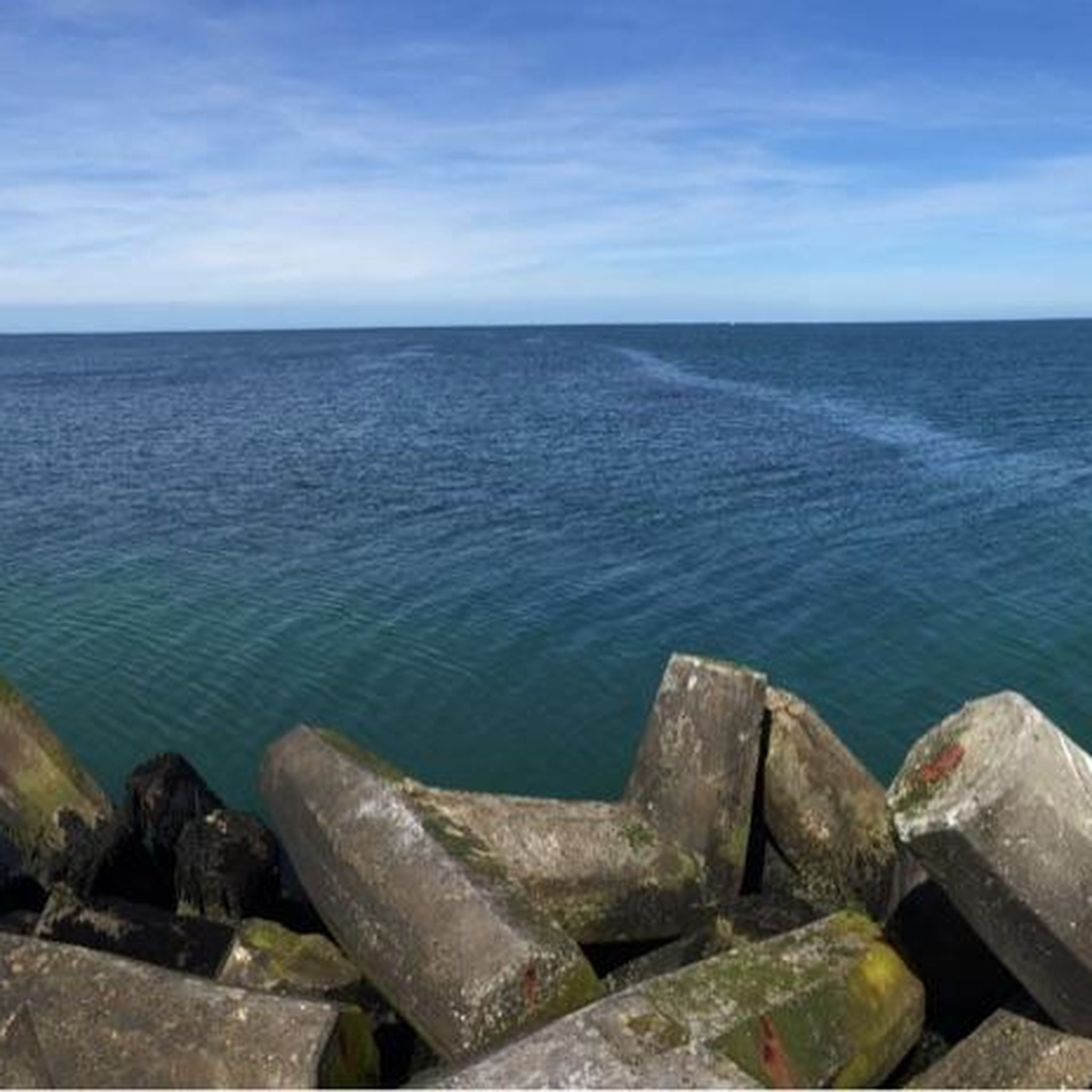
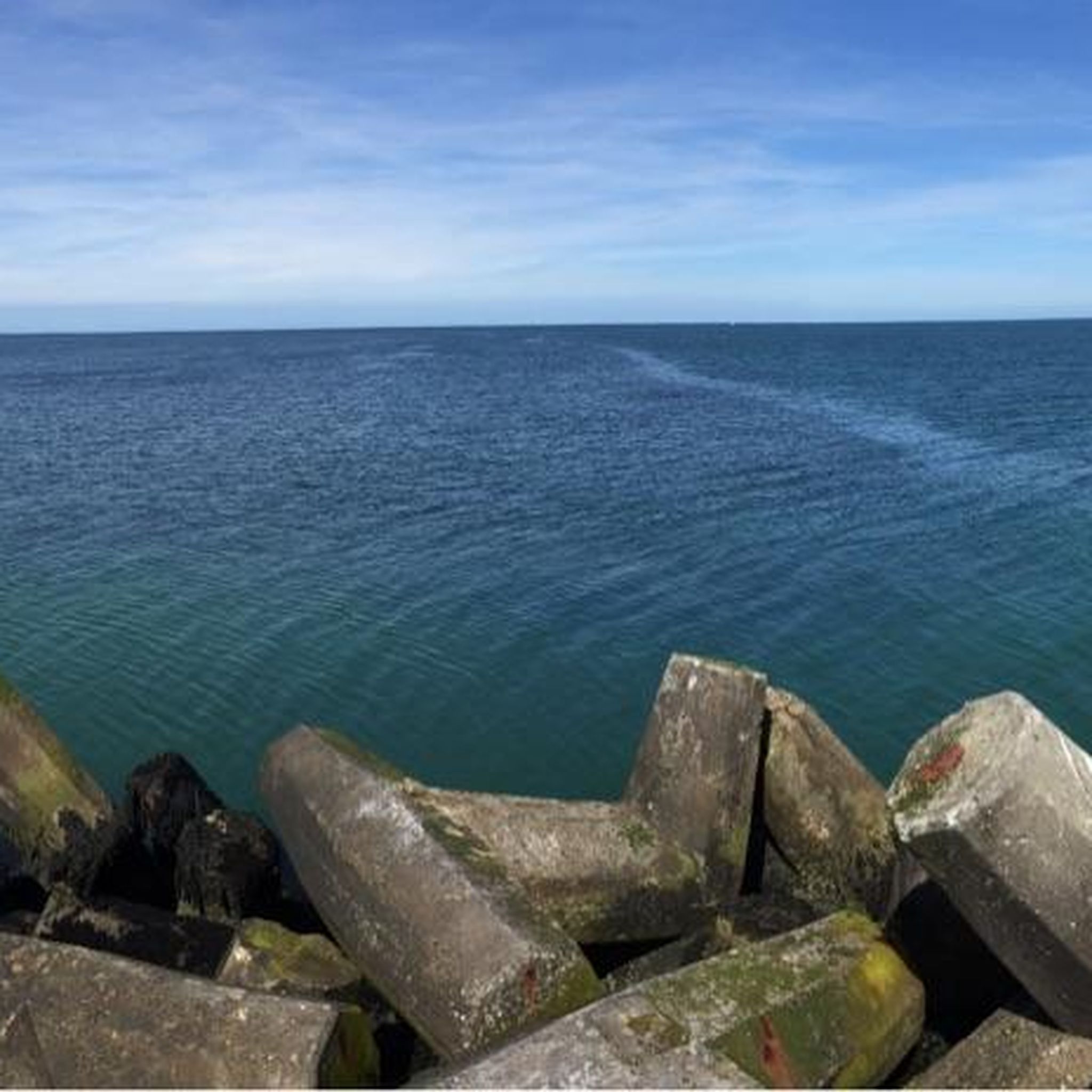
Heligoland is the only rocky island in the North Sea. During the Tertiary period, rock layers from the Mesozoic era came to the surface due to salt tectonics. At that time, Heligoland formed a slanting rock massif on the mainland. Numerous birds can be found on the rocky outcrops.
4
0

There are always new, wonderful views and a diverse bird life, so take your binoculars with you. A path to enjoy and you can expect wind.
4
0


Windy, lots of seagulls and gannets, a well-developed circular path and great rock formations. What more could you want 😅
2
0

The view over the island is a dream. A visit to Heligoland, if you have the opportunity, is a must.
9
0

Great view over the island and the sea
6
0

Wildly rugged and rough, a breathtaking view.
6
0

The symbol of the island of Heligoland. The little sister, the short Anna, is also very beautiful.
24
0
Frequently Asked Questions
What are the most prominent natural landmarks on Helgoland?
The most prominent natural landmarks on Helgoland include the distinctive red sandstone sea stack, Lange Anna, which is a symbol of the island. Another significant feature is the Lummenfelsen (Gannet Colony), Germany's only bird rock. Additionally, the Pinneberg Summit Cross marks the island's highest elevation, offering views.
Where can I observe seabirds on Helgoland?
Helgoland is a prime location for birdwatching. You can observe various seabirds, including Northern Gannets and Common Murres, at the Northern Gannet Colony, Lummenfelsen. This area is a crucial breeding ground, especially during the "Lummensprung" in June when young murres take their first jump from the cliffs.
Are there any scenic walking trails on Helgoland?
Yes, the Heligoland Upper Land Circular Trail offers fascinating views of the island's natural landscape, including the cliffs and the sea. It's an excellent way to explore the island's natural beauty. There are also nature paths with informational boards explaining the island's unique flora and fauna.
What kind of outdoor activities can I do near Helgoländer Felssockel?
The island of Helgoland, supported by the Felssockel, offers various outdoor activities. You can enjoy scenic hikes, such as the "Cliffs of Heligoland – Long Anna loop," or explore running trails like the "Lange Anna Sea Stack – View of the Helgoland Lighthouse loop." For more options, you can find detailed routes in the Easy hikes around Helgoländer Felssockel and Running Trails around Helgoländer Felssockel guides.
Is Helgoland suitable for families with children?
Yes, Helgoland offers several family-friendly attractions. The Northern Gannet Colony, Lummenfelsen, and View of Lange Anna are popular spots for all ages. The Pinneberg Summit Cross is also accessible for families. Observing the unique wildlife and exploring the island's trails can be an engaging experience for children.
What is the best time of year to visit Helgoland?
The best time to visit Helgoland largely depends on your interests. For birdwatching, late spring and early summer (May to July) are ideal, especially for witnessing the "Lummensprung" at the Lummenfelsen in June. The warmer months generally offer pleasant weather for exploring the trails and enjoying the island's natural beauty.
Are there any cultural or research institutions on Helgoland?
Yes, Helgoland is home to significant research institutions. The Biologische Anstalt Helgoland (BAH), founded in 1892, is a major center for marine research. The Vogelwarte Helgoland (Helgoland Bird Observatory), established in 1910, focuses on bird migration and seabird ecology, making the island a renowned destination for ornithologists and birdwatchers.
What geological features are unique to Helgoländer Felssockel?
The Helgoländer Felssockel is Germany's only marine hard-bottom habitat, extending to depths of 48 meters. It's a vital habitat for European lobsters and unique kelp forests. While the Felssockel itself is mostly underwater, the island of Helgoland, formed from this foundation, showcases distinctive red sandstone cliffs and the intertidal Helgoländer Felswatt, visible at low tide, which reveals a rich marine ecosystem.
Can I find wheelchair-accessible trails on Helgoland?
Yes, the Heligoland Upper Land Circular Trail is noted as being wheelchair accessible in parts, allowing visitors with mobility challenges to enjoy the island's scenic views and natural landscape.
What makes Helgoland a special place for nature conservation?
Helgoland and its surrounding marine protected area, Helgoland mit Helgoländer Felssockel, is recognized as a major nature conservation area and is part of the Natura 2000 network. It was designated a National Geotope in 2006 and is considered a "biodiversity hotspot" in the North Sea due to its unique geological formations, diverse marine life, and crucial role as a breeding ground for seabirds at the Lummenfelsen.
What do visitors enjoy most about the attractions around Helgoländer Felssockel?
Visitors particularly enjoy the unique natural beauty and the opportunity to get close to wildlife. The breathtaking sounds and sights at the Northern Gannet Colony, Lummenfelsen are often highlighted. The scenic Heligoland Upper Land Circular Trail and the iconic Lange Anna are also highly appreciated for their stunning views and photographic opportunities.
Most popular routes around Helgoländer Felssockel
Most popular attractions around Helgoländer Felssockel

Get inspired with the komoot mobile app


Explore more
Still not found the Highlight you’re looking for? See guides of the top attractions in other regions:
