The best traffic-free bike rides in Gehlsbachtal
4.4
(405)
1,736
riders
50
rides
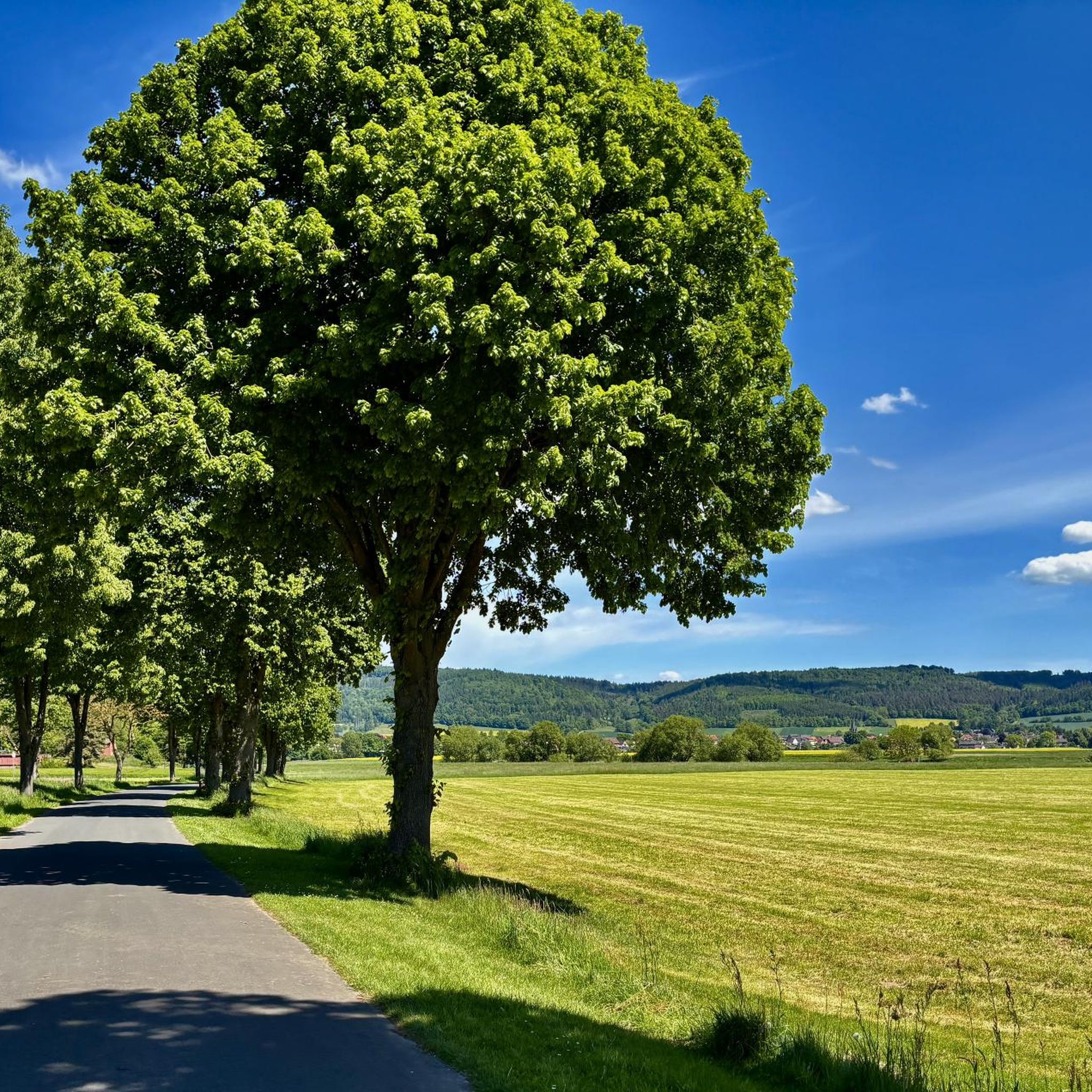
No traffic touring cycling routes in Gehlsbachtal are characterized by an impressive stream landscape and accessible pathways. The region, located in Mecklenburg-Vorpommern, Germany, protects an unspoiled stream course with rich riparian flora and fauna. The terrain generally features gentle gradients and low elevation changes, making it suitable for relaxed cycling. This natural setting provides a tranquil environment for exploring the area on two wheels.
Best no traffic touring cycling routes in Gehlsbachtal
- The most popular no traffic touring cycling route…
Last updated: July 9, 2026
4.2
(13)
32
riders
Easy bike ride. Great for any fitness level. Mostly paved surfaces. Suitable for all skill levels.
5.0
(2)
16
riders
45.1km
02:42
140m
140m
Moderate bike ride. Good fitness required. Mostly paved surfaces. Suitable for all skill levels.

Sign up for free
4.5
(4)
13
riders
31.8km
02:14
130m
130m
Moderate bike ride. Good fitness required. Mostly paved surfaces. Suitable for all skill levels.
5.0
(1)
11
riders
Easy bike ride. Great for any fitness level. Mostly paved surfaces. Suitable for all skill levels.
4.7
(3)
11
riders
22.2km
01:41
90m
90m
Easy bike ride. Great for any fitness level. Mostly paved surfaces. Suitable for all skill levels.
Get access to more routes and recommendations from other explorers.
Sign up for free
Already have an account?
Our route recommendations are based on thousands of hikes, rides, and runs completed by other people on komoot.
Start today with a free account
Your next adventure awaits.
Login or Signup
Popular around Gehlsbachtal
Tips from the Community


The Bobzin hydroelectric power station near Lübz benefits from the steep gradient of the Elde River there: The adjacent lock, with a lift height of 6.80 meters, is considered the deepest in Mecklenburg. The Zieher family took over the power station and the farmstead of the caretakers' families in 1993. The house has since served as a guesthouse. A vertical water turbine installed in the power station in 1999 once again generates electricity. It also serves as an exhibition space for the Museum of Regional Electricity Supply. The coal shortage after the First World War, among other things, triggered the construction of these facilities. The hydroelectric power station of the Mecklenburg-Schwerin State Electricity Works and the Bobzin lock were built between 1923 and 1925. To integrate this lock into the course of the Elde, a section of the river was straightened, and locks dating back to 1803 were decommissioned. Two of these can still be found in Fahrenhorst and Forsthof near Kuppentin. The power plant remained in operation until its Soviet dismantling in 1946 and, using new technology, began generating electricity again in 1954. Due to technical problems and water shortages (agriculture required a lot of water), the plant was shut down again in 1974.
0
0

We were lucky on our tour and were able to witness a lock. Highly recommended 👍.
3
0


Very beautiful brick church with a beautiful forecourt to linger and take a break
0
0
Frequently Asked Questions
How many no traffic touring cycling routes are available in Gehlsbachtal?
There are over 50 dedicated no traffic touring cycling routes in the Gehlsbachtal region. The majority, around 34, are classified as easy, making them accessible for various skill levels. Another 16 routes are moderate, offering a bit more challenge, and a couple are considered difficult for experienced cyclists.
What kind of terrain can I expect on the no traffic touring cycling routes in Gehlsbachtal?
The Gehlsbachtal is characterized by an impressive stream landscape, so you can expect routes that often follow the unspoiled stream course. The terrain is generally gentle, with paths and bridges allowing for close observation of the unique riparian ecosystem. While specific routes vary, the focus on a tranquil, natural environment suggests mostly flat or gently rolling paths suitable for touring bikes.
Are there any circular no traffic touring cycling routes in Gehlsbachtal?
Yes, many of the no traffic touring cycling routes in Gehlsbachtal are designed as loops, allowing you to start and end at the same point. For example, the Camping Blanksee – Gischow Village Church loop from Camping am Blanksee is an easy 20.4 km circular route. Another option is the moderate Bobziner Lock – Bobzin Hydroelectric Power Plant loop from Burow, covering 31.7 km.
What natural features can I see along the no traffic touring cycling routes?
The Gehlsbachtal nature reserve is known for its unspoiled stream landscape, rich in riparian flora and fauna. As you cycle, you'll experience picturesque views of the stream, diverse plant life, and potentially spot rare animal species within the Elde catchment area. The routes are designed to immerse you in this tranquil natural environment.
What do other touring cyclists enjoy most about cycling in Gehlsbachtal?
The Gehlsbachtal region is highly rated by the komoot community, with an average score of 4.4 out of 5 stars from over 380 ratings. Reviewers often praise the peaceful, traffic-free nature of the routes, the beautiful stream landscapes, and the opportunity to connect with nature in a tranquil setting.
Are there any family-friendly no traffic touring cycling routes in Gehlsbachtal?
Absolutely. With 34 easy routes, Gehlsbachtal offers many family-friendly options. These routes typically feature minimal elevation gain and smooth paths, perfect for cyclists of all ages. An example is the St. Andreas Church Lancken – Village Church Lübeck loop from Camping am Blanksee, an easy 29.6 km ride.
Can I bring my dog on the no traffic touring cycling routes in Gehlsbachtal?
While the Gehlsbachtal is a nature reserve, many paths are suitable for cycling with dogs, provided they are kept on a leash to protect local wildlife and respect other visitors. Always check specific route regulations or local signage, especially in protected areas, to ensure dog-friendly access.
What is the best time of year to cycle in Gehlsbachtal?
The best time to cycle in Gehlsbachtal is typically from spring through early autumn (April to October). During these months, the weather is generally mild, and the natural landscape is at its most vibrant. Spring brings blooming flora, while autumn offers beautiful foliage. Summer provides longer daylight hours, perfect for extended tours.
Are there any notable landmarks or points of interest along the routes?
While the primary attraction of Gehlsbachtal is its natural beauty, some routes pass through or near charming villages and historical sites. For instance, the Half-timbered Church Benzin – Amtsturm Tower (City Museum) loop from Burow includes cultural points of interest like the Half-timbered Church Benzin and the Amtsturm Tower. The Plau Lift Bridge – Old Town, Plau am See loop from Burow takes you past the Plau Lift Bridge and through the historic Old Town of Plau am See.
Is parking available near the no traffic touring cycling routes in Gehlsbachtal?
Yes, parking is generally available at common starting points for many routes, especially in or near the villages and towns surrounding the nature reserve. For example, routes often start from locations like Burow or Camping am Blanksee, which typically offer parking facilities for visitors.
How can I access Gehlsbachtal using public transport for cycling tours?
The Ludwigslust-Parchim district, where Gehlsbachtal is located, is part of Mecklenburg-Vorpommern, a region with a developing network for cycling tourism. While direct public transport to the heart of the nature reserve might be limited, regional trains and buses often connect to nearby towns. It's advisable to check local public transport schedules and bike carriage policies for specific routes to plan your access. For broader regional information on cycling in Mecklenburg-Vorpommern, you can visit visit-mv.com/cycling.
Most popular routes in Gehlsbachtal

Get inspired with the komoot mobile app


Explore more
Browse the best Cycling routes in other regions.
