The best traffic-free bike rides in Am Spitzberg
4.8
(5)
14
riders
6
rides
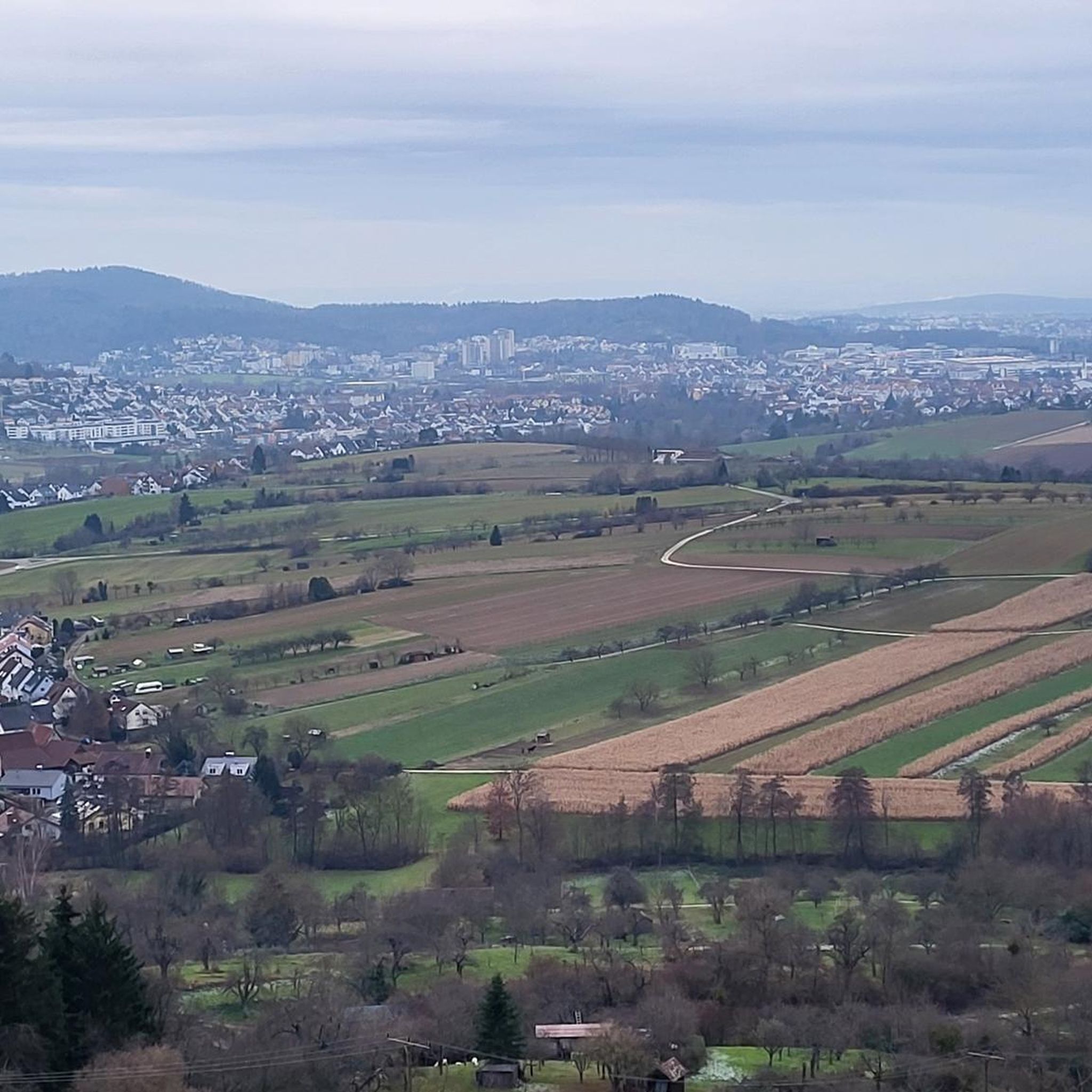
No traffic gravel bike trails in Am Spitzberg are characterized by a diverse landscape, featuring a distinctive volcanic inselberg, basalt formations, and panoramic views. The region includes varied terrain, from unpaved sections and forest paths to tranquil rural roads. This area, known for its unique geological features, offers a mix of elevation gains and flatter sections suitable for gravel biking. The Cottaer Spitzberg, a 390.8-meter-high basalt dome, provides a central landmark with expansive vistas.
Best no traffic gravel bike trails…
Last updated: July 9, 2026
4.0
(2)
5
riders
59.7km
03:40
370m
370m
Moderate gravel ride. Good fitness required. Mostly paved surfaces. Suitable for all skill levels.
5.0
(1)
1
riders
41.1km
02:25
230m
230m
Moderate gravel ride. Good fitness required. Mostly paved surfaces. Suitable for all skill levels.

Sign up for free
5.0
(1)
1
riders
65.0km
03:35
410m
410m
Moderate gravel ride. Good fitness required. Mostly paved surfaces. Suitable for all skill levels.
2
riders
15.5km
01:00
90m
90m
Easy gravel ride. Great for any fitness level. Mostly paved surfaces. Suitable for all skill levels.
1
riders
44.0km
02:35
250m
250m
Moderate gravel ride. Good fitness required. Mostly paved surfaces. Suitable for all skill levels.
Our route recommendations are based on thousands of hikes, rides, and runs completed by other people on komoot.
Start today with a free account
Your next adventure awaits.
Login or Signup
Popular around Am Spitzberg
Tips from the Community

The design for the Schmannewitz church comes from George Bähr, the architect of the Dresden Frauenkirche. Schmannewitz boasts a cultural and historical landmark in its Baroque village church. Built as a single-nave structure in 1731/32, the octagonal tower and the interior furnishings, including the galleries, date from the late 18th century. The residents of Schmannewitz were in for a surprise when the tower was renovated in 1961/62. An eight-page parchment was discovered, revealing that the design for the Schmannewitz church was indeed by the renowned George Bähr, the architect of the Frauenkirche in Dresden. The old Rühle organ is also well-preserved. Those who visit Schmannewitz at the right time can enjoy wonderful concerts here. - Restrooms available for visitors https://www.leipzig.travel/poi/george-baehr-kirche-zu-schmannewitz
0
0

This is the place of farewell.
0
0

already filled with water, natural monument
2
0

A FriedWald burial is usually accompanied by a memorial service. This can be a traditional service with a clergyman or a free ceremony. Music and singing can be included—according to your wishes. After the farewells, the urn is carried to the grave site. It is then lowered into the ground, and the grave is sealed.
0
0

Very quiet 🧘♂️. The large bench is a great place to relax.
0
0

Large intersection with six adjacent bike paths. Unfortunately, the signs are not aligned quite correctly.
0
0

In the past, many people would swim here, but now it is privately owned and all bathing facilities have been blocked off. Locals also call it the water quarry because there is another one nearby. If you like quarries, there are the Hohburg Mountains nearby, where there are even more and larger quarries.
0
0
"A piece of history along the S-Weg: The former border between Prussia and Saxony" After the Congress of Vienna in 1815 regulated the reorganization of Europe after the defeat of Napoleon and his allies in the Battle of the Nations near Leipzig, the Kingdom of Saxony had to cede parts of its territory to Prussia. The new border line ran along the S-Weg and across the Dahlen Heath. In the forests south of Schildau you can still find the old border stones that mark the former border in several places. These stones are engraved with "KP" and "KS", which stand for Kingdom of Prussia and Kingdom of Saxony and are reminiscent of the border established in the Congress of Vienna. Interestingly, this border was not revised until 1990, when the East German states were re-established in the final phase of the GDR. Citizen surveys showed that the majority of the northern Saxon areas should be annexed to Saxony again. Tip: the Napoleon Stone is located nearby. According to legend, Napoleon camped there during his retreat on the eve of the Battle of the Nations near Leipzig.
0
0
Frequently Asked Questions
How many no-traffic gravel bike trails are available in Am Spitzberg?
You'll find 6 dedicated no-traffic gravel bike trails in the Am Spitzberg region, offering a variety of distances and experiences away from vehicular traffic.
What kind of terrain can I expect on the no-traffic gravel bike trails in Am Spitzberg?
The trails in Am Spitzberg offer a diverse mix of surfaces, ideal for gravel biking. You can expect unpaved segments, tranquil forest paths, and quiet rural roads. The region's unique geology, including the basalt formations of the Cottaer Spitzberg, contributes to varied and engaging terrain.
What is the overall difficulty level of gravel biking in Am Spitzberg?
The no-traffic gravel bike trails in Am Spitzberg range from
easy to moderate. For example, the Schmielteich – Schmiel Pond loop from Bennewitz is an easy ride, while routes like the Wittes Quarry – Schwanenteich Roitzsch loop from Wurzen offer a moderate challenge with more elevation gain.
Are there any interesting natural features or viewpoints along the no-traffic gravel bike trails in Am Spitzberg?
Yes, the region is known for its unique geological formations and panoramic views. The Cottaer Spitzberg itself is a distinctive basalt dome. You can find excellent viewpoints like Spitzberg Near Lüptitz and the View of Am Spitzberg Conservation Area, offering expansive vistas across the landscape, including the Lusatian Highlands and Saxon Switzerland.
Can I explore any historical or cultural landmarks while gravel biking in Am Spitzberg?
While the focus is on natural beauty, you can encounter points of interest such as the Platz der Freiheit Memorial. The region's history, including past quarrying activities, has also shaped its landscape.
Are there family-friendly no-traffic gravel bike trails in Am Spitzberg?
Yes, there are options suitable for families. The Schmielteich – Schmiel Pond loop from Bennewitz is classified as an easy route, making it a good choice for a relaxed family outing away from traffic.
What do other gravel bikers enjoy the most about gravel biking in Am Spitzberg?
The Am Spitzberg region is highly rated by the komoot community, with an average score of 4.5 stars. Reviewers often praise the quiet, traffic-free nature of the routes, the diverse terrain, and the rewarding panoramic views from elevated points like the Cottaer Spitzberg.
Are there any circular no-traffic gravel bike routes in Am Spitzberg?
Many of the no-traffic gravel bike trails in Am Spitzberg are designed as circular routes, allowing you to start and end at the same point. Examples include the Wittes Quarry – Schwanenteich Roitzsch loop from Kleiner Berg Hohburg and the Dahlener Heide – Dammühlenteich loop from Kleiner Berg Hohburg.
What is the longest no-traffic gravel bike trail in Am Spitzberg?
The longest no-traffic gravel bike trail in the area is the Dahlener Heide – Dammühlenteich loop from Kleiner Berg Hohburg, covering a distance of approximately 64.6 kilometers.
Are there any lakes or water features to see along the gravel bike trails?
Yes, you can encounter water features such as the Spitzberg Quarry Pond. Routes like the Wittes Quarry – Schwanenteich Roitzsch loop from Wurzen also pass by significant water bodies, adding to the scenic variety.
What is the best time of year for gravel biking in Am Spitzberg?
Spring and autumn generally offer the most pleasant conditions for gravel biking in Am Spitzberg, with milder temperatures and beautiful foliage. Summer can also be enjoyable, especially on shaded forest paths, but be mindful of warmer weather. Winter riding is possible, but conditions can vary with snow and ice.
Most popular routes in Am Spitzberg
Most popular attractions in Am Spitzberg

Get inspired with the komoot mobile app


Explore more
Browse the best Gravel rides in other regions.
