The best traffic-free bike rides in Salziger See
2.8
(4)
13
riders
2
rides
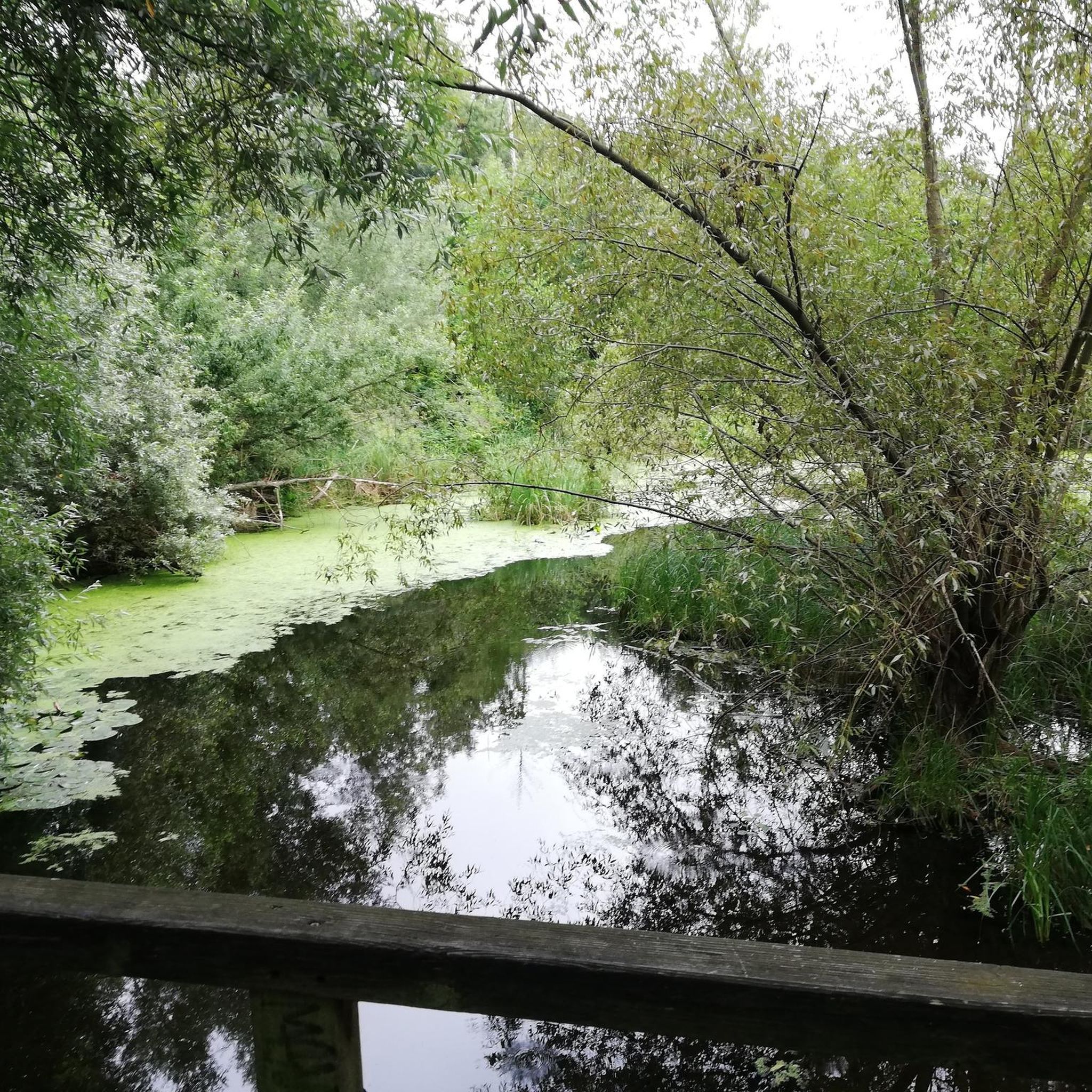
Gravel biking in Salziger See offers routes through a unique landscape shaped by its history as Central Germany's largest inland lake. The region features re-naturalized lake landscapes, extensive reed beds, and inland salt marshes, providing diverse terrain for cyclists. Paths often traverse dry and semi-dry grasslands, offering a mix of surfaces suitable for gravel bikes. This area is characterized by its ecological value and varied natural features.
Best no traffic gravel bike trails in Salziger See
- The most popular no traffic gravel bike trail is Rösetal Vineyards – Seeburg Castle loop from Galgenberg und Fuchshöhlen, a 7.6 miles (12.3 km) trail that takes 48 minutes to complete. This route winds through vineyards and past the historic Seeburg Castle.
- Another top favourite among local gravel bikers is Bench at the border bridge – View of Erdeborn loop from Erdeborn, a moderate 12.9 miles (20.8 km) path. This trail offers views of the surrounding landscape near Erdeborn.
- Local gravel bikers also love the Ziegelrodaer Forest – Winkel Viewpoint loop from Farnstädt, a 19.9 miles (32.1 km) trail leading through Ziegelrodaer Forest and to the Winkel Viewpoint, often completed in about 1 hour 51 minutes.
- Gravel biking in Salziger See is defined by re-naturalized lake landscapes, extensive reed beds, and diverse grasslands. The network offers options for different ability levels, from shorter loops to longer routes.
- The routes in Salziger See are highly rated by the komoot community with an average score of 2.8 stars from over 4 reviews. More than 15 gravel bikers have used komoot to explore Salziger See's varied terrain.
Last updated: July 9, 2026
1
riders
20.8km
01:25
230m
230m
Moderate gravel ride. Good fitness required. Mostly paved surfaces. Suitable for all skill levels.
32.6km
01:54
280m
280m
Moderate gravel ride. Good fitness required. Mostly paved surfaces. Suitable for all skill levels.

Sign up for free
1.0
(1)
1
riders
Hard gravel ride. Very good fitness required. Mostly paved surfaces. Suitable for all skill levels.
Our route recommendations are based on thousands of hikes, rides, and runs completed by other people on komoot.
Start today with a free account
Your next adventure awaits.
Login or Signup
Popular around Salziger See

Tips from the Community


Originally a monastery, then a manor and finally used for various private purposes
0
0
It's still nice here, but could be better.
8
0


Great waypoint, short rest and then we continue. Bench by the border bridge.
1
0

When the weather is nice you can see as far as Thuringia.
0
0
If the visibility is good, you can see three heaps.
2
0

Since 1949, the Bornstedt local festival has taken place every year in the ruins.
8
0
Frequently Asked Questions
How many no-traffic gravel bike trails are available in Salziger See?
The Salziger See region offers several dedicated no-traffic gravel bike trails. This guide features 3 moderate routes, with one more challenging option, ensuring a diverse experience for cyclists looking to avoid cars.
What kind of terrain can I expect on the no-traffic gravel trails around Salziger See?
The terrain is quite varied, reflecting the region's unique landscape. You'll encounter a mix of gravel paths winding through vineyards, alongside the re-naturalized lake areas with extensive reed beds, and across dry and semi-dry grasslands. The area's geological history, with inland salt marshes, also contributes to a distinctive riding experience.
What is the best time of year to go gravel biking in Salziger See?
Spring and autumn are generally ideal for gravel biking in Salziger See. The weather is usually mild, and the natural landscapes, from blooming vineyards to colorful foliage, are at their most picturesque. Summer can also be pleasant, but be prepared for warmer temperatures, especially during midday.
Are there any challenging no-traffic gravel routes in Salziger See?
Yes, for those seeking a greater challenge, the region offers routes with more significant elevation changes. For example, the Bornstedt Castle Ruins – Martin Luther's Birthplace loop from Lutherstadt Eisleben is rated as difficult, covering over 44 km with nearly 500 meters of ascent, providing a rewarding ride away from traffic.
Are there any easy or beginner-friendly no-traffic gravel routes?
Absolutely. While most routes are moderate, shorter options can be great for beginners. The Rösetal Vineyards – Seeburg Castle loop from Galgenberg und Fuchshöhlen is a good choice, covering just over 12 km with manageable elevation, offering a pleasant introduction to gravel biking in the area.
What natural features or landmarks can I see along the no-traffic gravel bike trails?
The Salziger See region is rich in natural beauty. You can explore areas like the The Salzige See itself, known for its extensive reed beds and as a European bird sanctuary. Keep an eye out for unique salt-tolerant flora in the inland salt marshes. Some routes also pass by the Flooded Road Through Salziger See, offering a distinctive scenic viewpoint.
Are there any historical sites or cultural attractions near the no-traffic gravel trails?
Yes, the region has historical significance. You might encounter sites like the Maidertal deserted village with rest bench or the Old mountain huts. The nearby Süßer See also features historical churches, such as the Church of the Holy Cross in Wormsleben, adding cultural interest to your ride.
Is parking available near the trailheads for no-traffic gravel biking?
While specific parking areas aren't always explicitly marked for every trailhead, many routes start from villages or towns where public parking is generally available. It's advisable to check the starting point of your chosen route on komoot for more precise parking information or local signage upon arrival.
Can I reach the no-traffic gravel trails by public transport?
Public transport options to the immediate trailheads around Salziger See can be limited, as many routes begin in smaller communities. However, larger towns in the Mansfelder Land region may offer bus or train connections. We recommend checking local public transport schedules for connections to the closest towns to your desired starting point.
Are permits required for cycling on the no-traffic gravel trails in Salziger See?
No, permits are generally not required for cycling on the designated gravel trails in the Salziger See region. However, as parts of the area are nature reserves, it's important to stay on marked paths, respect wildlife, and adhere to any local signage regarding protected areas.
Are the no-traffic gravel bike trails in Salziger See suitable for families?
Many of the no-traffic gravel trails are suitable for families, especially the shorter and less challenging loops. The absence of vehicle traffic makes for a safer and more relaxed experience. The Rösetal Vineyards – Seeburg Castle loop, for instance, is a moderate option that could be enjoyed by families with some cycling experience.
What do other gravel bikers enjoy most about the no-traffic routes in Salziger See?
The komoot community highly rates the Salziger See area, with an average score of 2.83 stars. Reviewers often praise the tranquility of the routes, the unique natural landscapes, and the opportunity for birdwatching. The car-free nature of these trails is consistently highlighted as a major benefit, allowing for a peaceful and immersive cycling experience.
Most popular routes in Salziger See
Most popular attractions in Salziger See

Get inspired with the komoot mobile app


Explore more
Browse the best Gravel rides in other regions.
