Top 20 Castles around the Po
Castles around the Po River Valley offer a journey through centuries of Italian history and architecture. This region in northern Italy features a diverse collection of fortresses, from medieval strongholds to opulent Renaissance residences. Many castles are situated in strategic locations, providing views of the surrounding landscape. The Po River Valley's historical significance is reflected in these structures, which served as defensive outposts and aristocratic homes.
Best castles around the Po
- The most popular castles is Palazzo Madama, Castle Square…
Last updated: July 1, 2026
Medieval Village of Valentino
Highlight • Historical Site
Translated by Google •
Tip by

Palazzo Madama, Castle Square
Highlight • Historical Site
Translated by Google •
Tip by

Sign up now to discover places like this
Get recommendations on the best single tracks, peaks, & plenty of other exciting outdoor places.
Sign up for free
Translated by Google •
Tip by

Stellata Stronghold
Highlight • Castle
Translated by Google •
Tip by

Valentino Castle
Highlight • Castle
Emanuele Filiberto …
Translated by Google •
Tip by

Royal Palace of Turin (Palazzo Reale di Torino)
Highlight • Historical Site
ecm.coopculture.it/index.php?option=com_snapp&view=event&id=842818B9-8B4C-FB6D-2649-016CD8DD535C&catalogid=8F2FF85B-7891-A4CB-4486-016CDC669462&lang=it
The visit to the Royal Museums begins at the Royal Palace with the representative apartments, the Royal Armoury and the Chapel of the Shroud.
Translated by Google •
Tip by
Palazzo Carignano and the Statue of Vincenzo Gioberti
Highlight • Historical Site
served as a house of representatives (first Italian parliament) in the period 1848-1861.
The building, in …
Translated by Google •
Tip by
Delizia di Fossadalbero
Highlight • Castle
According to tradition, …
Translated by Google •
Tip by

Palazzo Farnese
Highlight • Historical Site
Translated by Google •
Tip by

Matilda Tower of Governolo
Highlight • Monument
Translated by Google •
Tip by

Sign up for free to discover even more castles around the Po.
Sign up for free
Already have an account?
Start today with a free account
Your next adventure awaits.
Login or Signup
Popular around Po
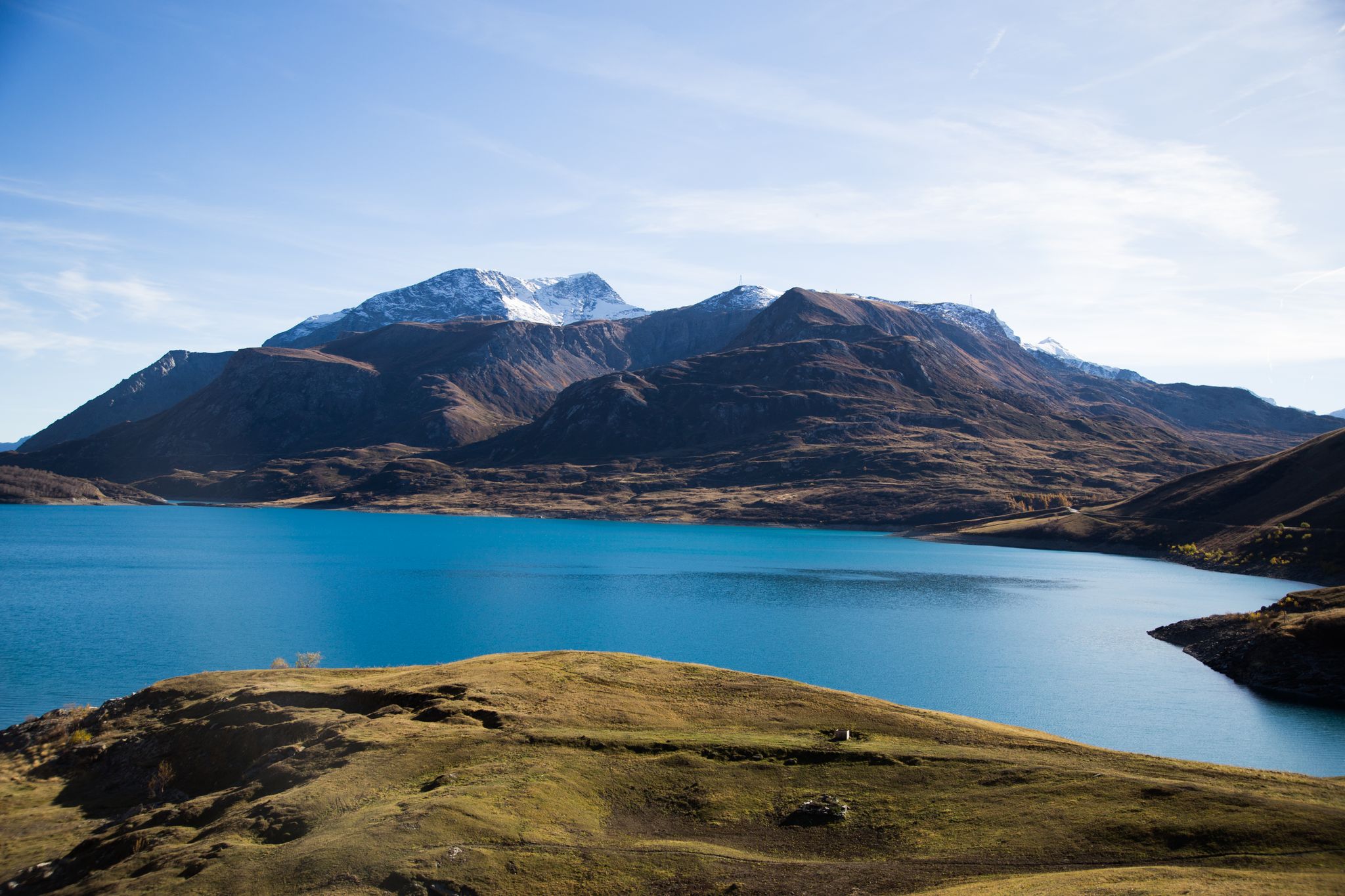
Historic and spiritual trails in the province of Torino
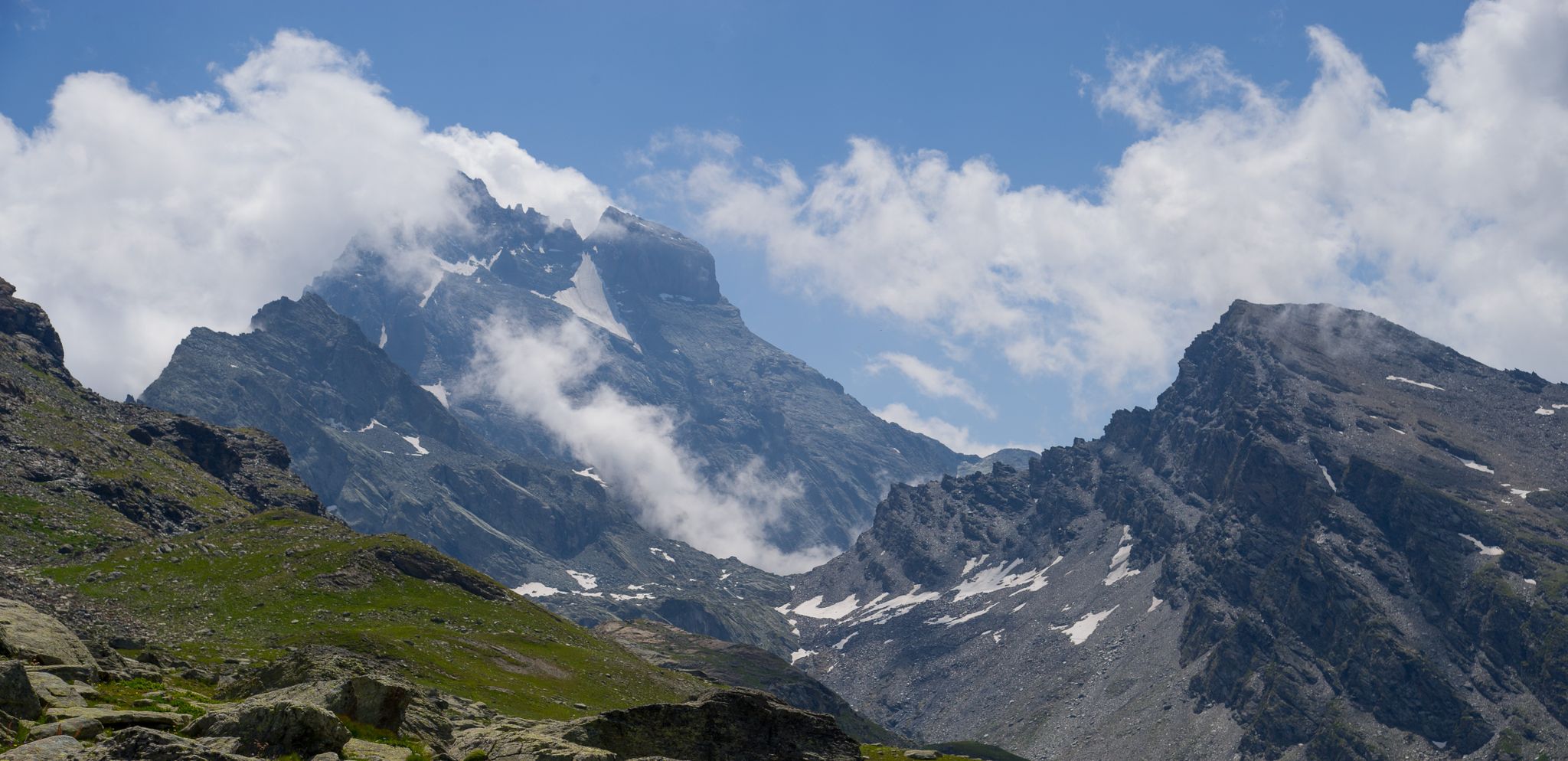
Tour di Viso from Pian del Re – Three days around the Stone King
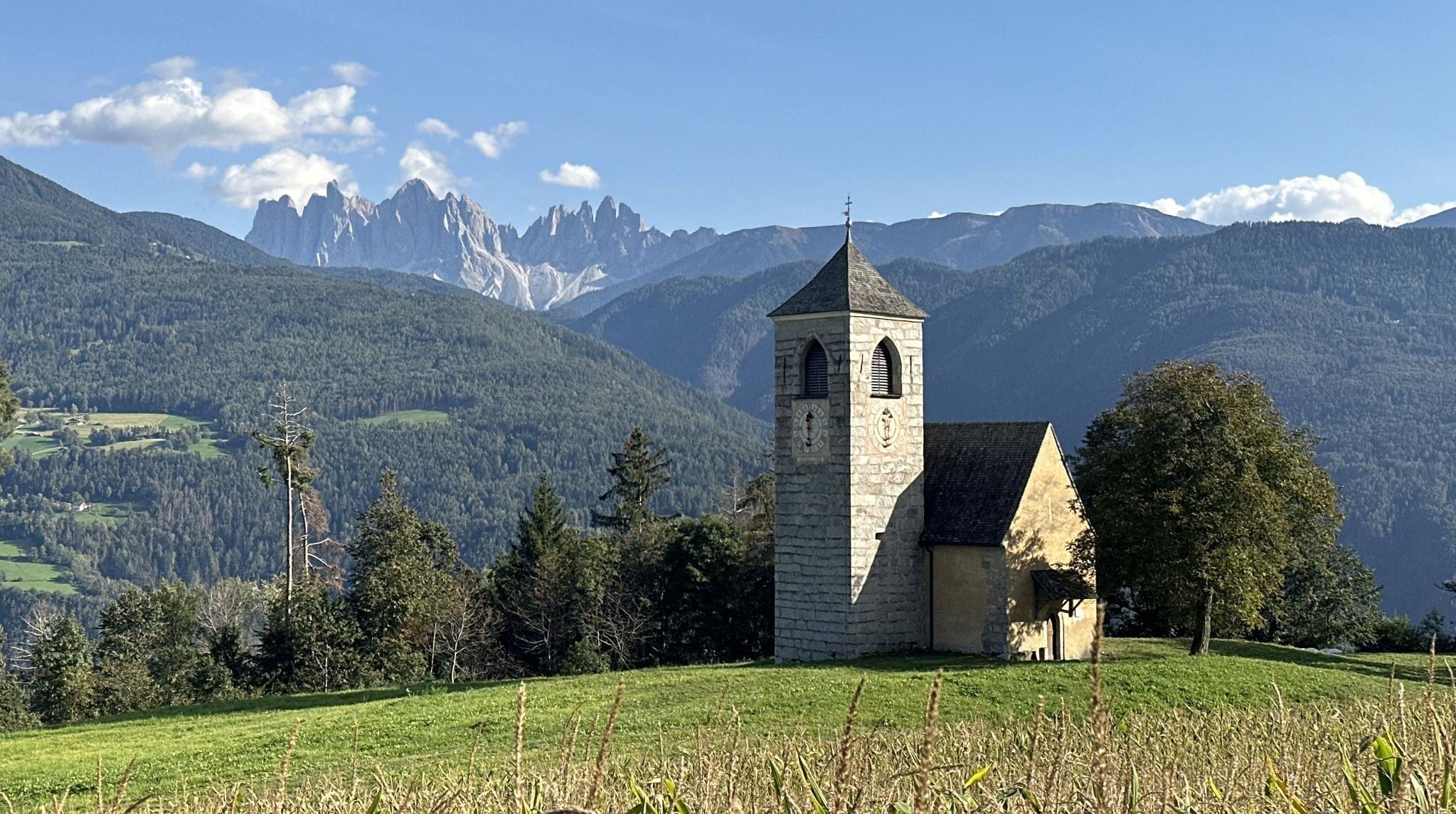
Via Romea Germanica – History, nature and spirituality
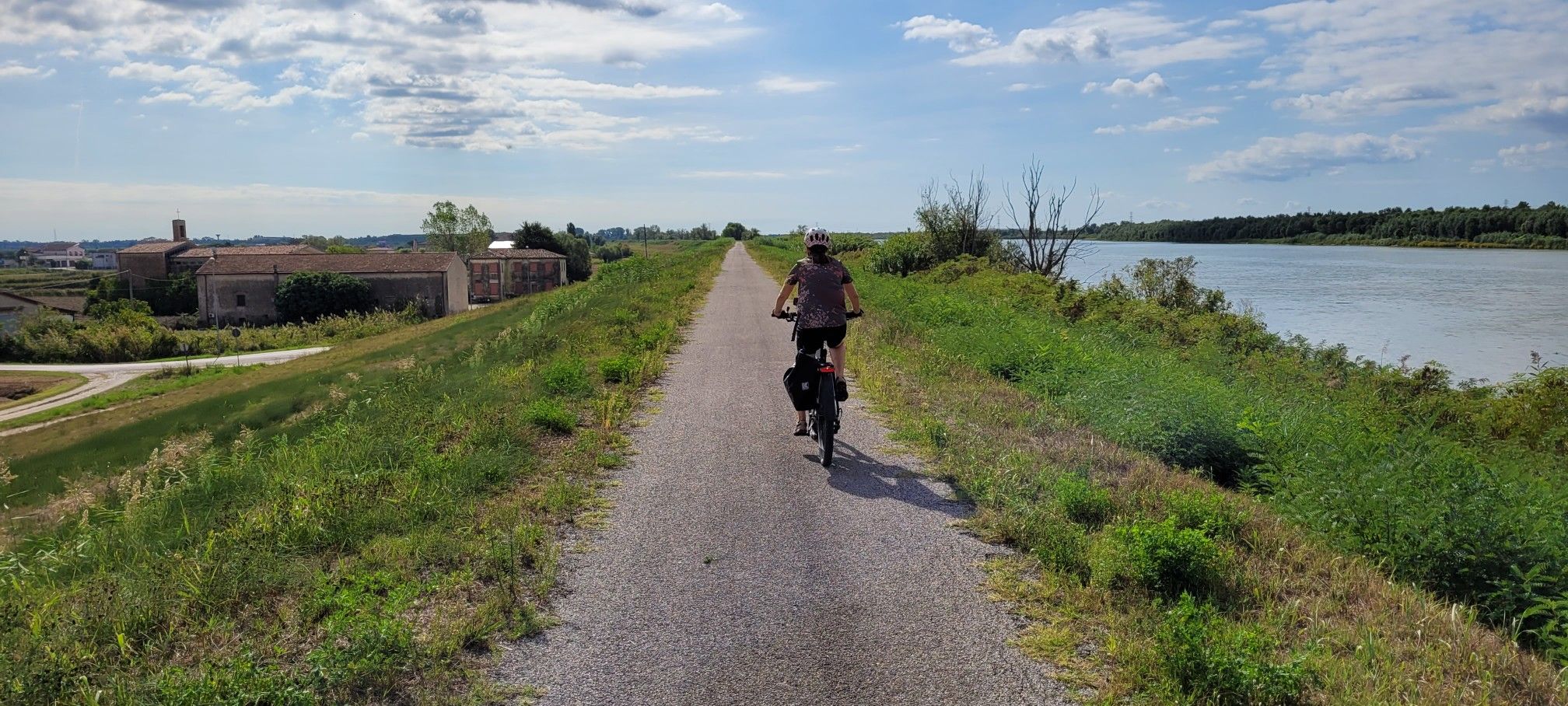
Ciclovie del Po — An all-round experience along Italy's longest river

The Komoot Torino-Nice Rally
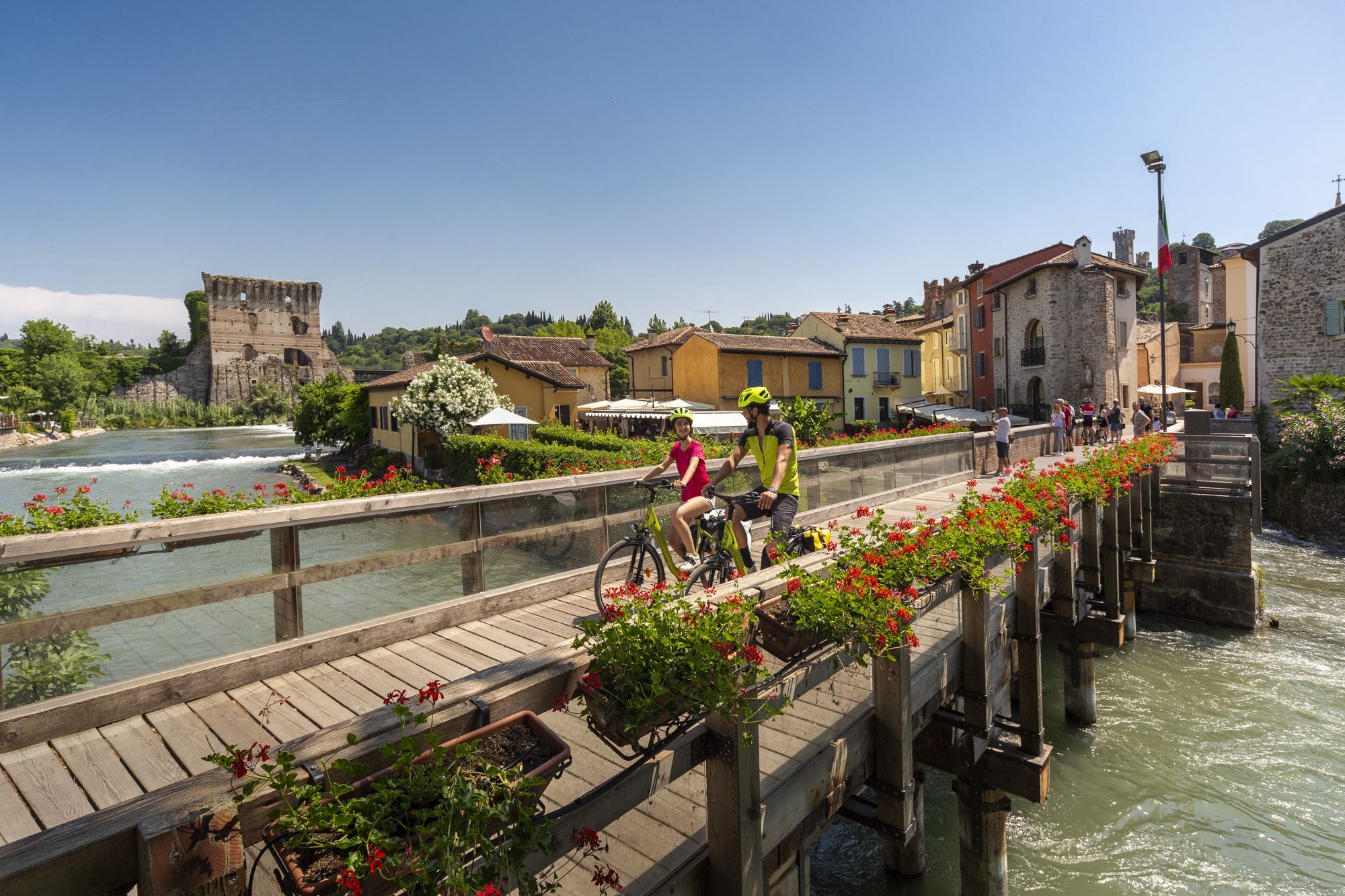
Explore Veneto at a slow pace – day trips by bike
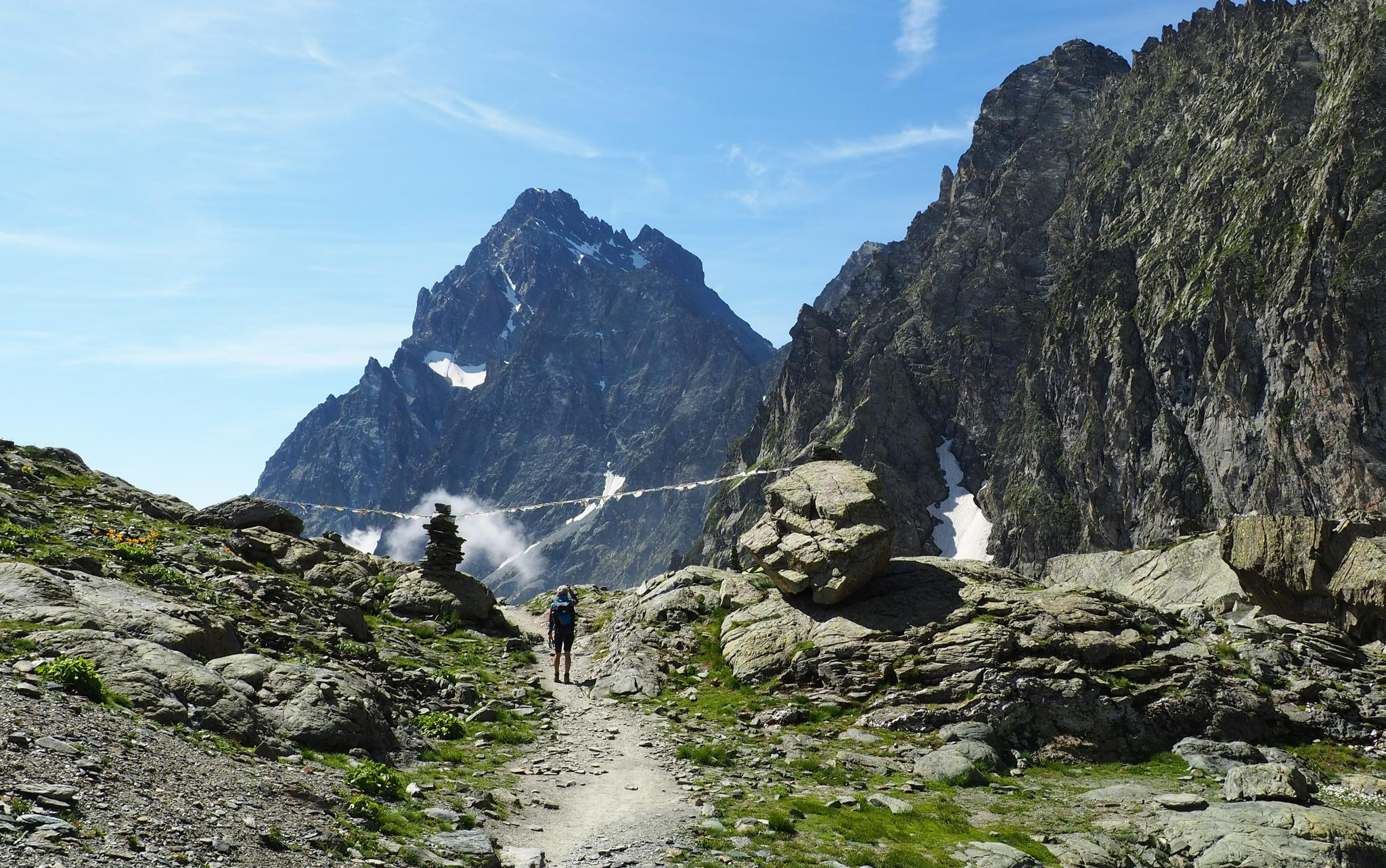
On the trails of the Stone King – trekking among the huts of Monviso
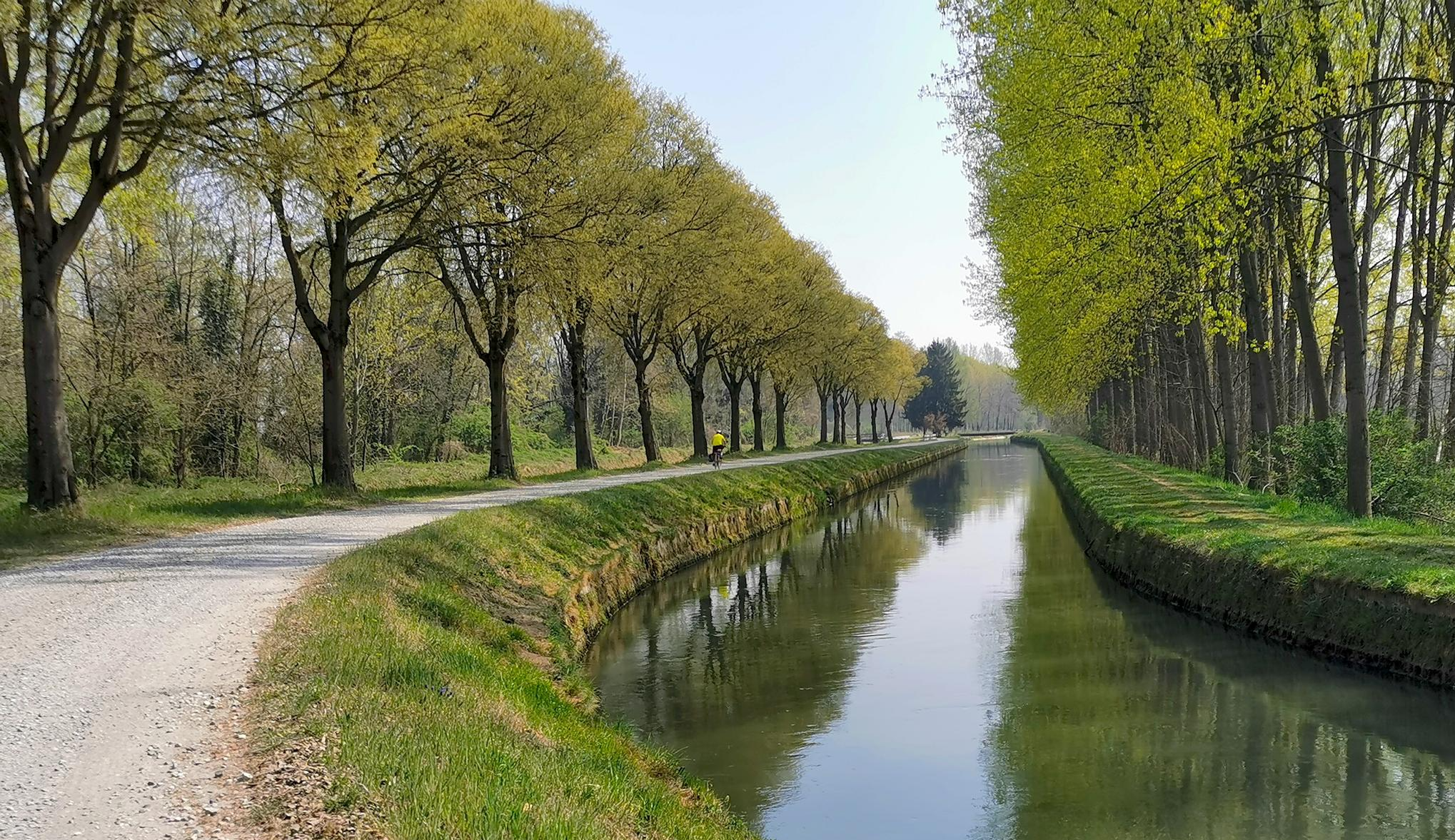
Infinito Viaggiare – Cremona’s double cycle touring ring
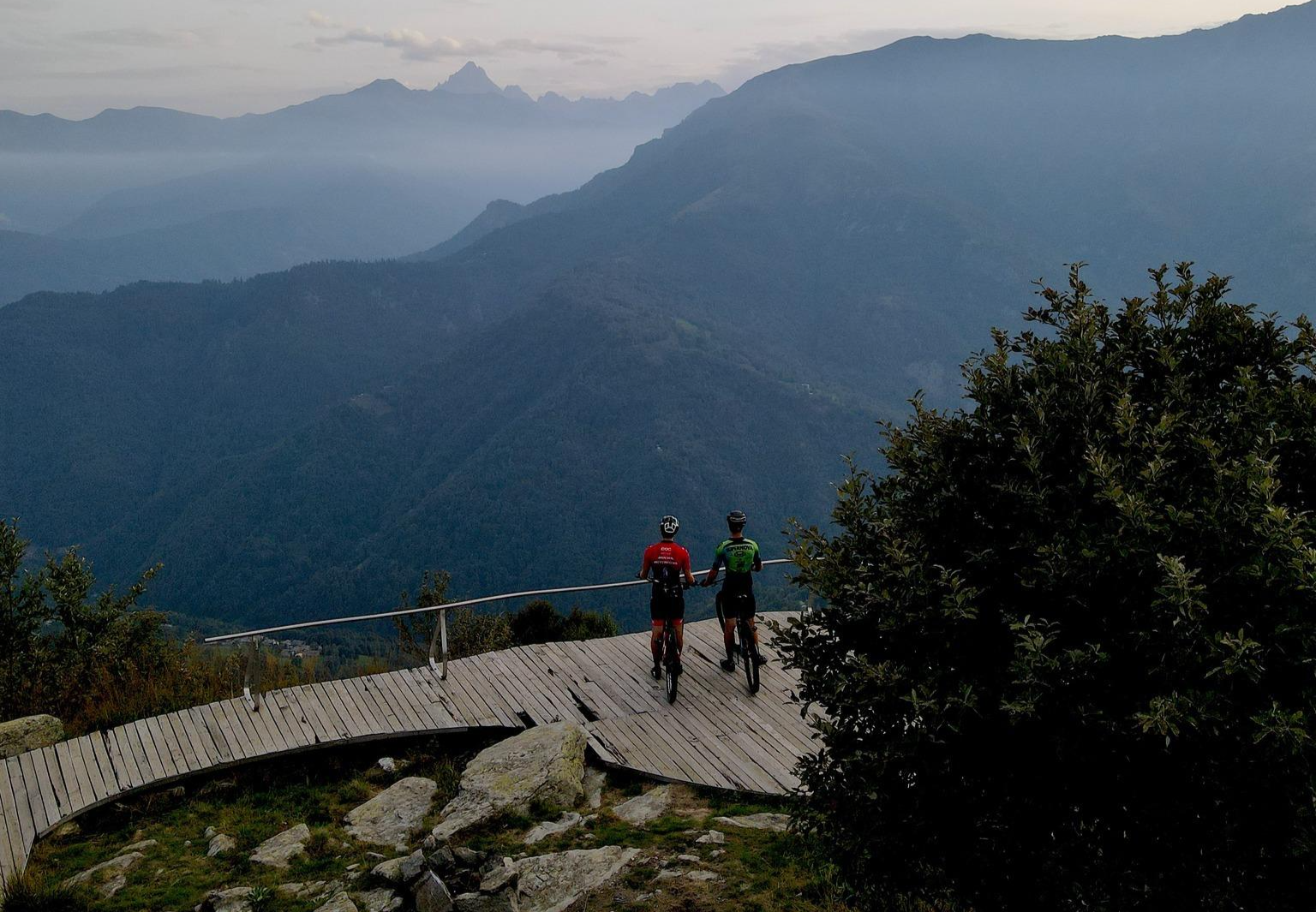
The great climbs of the Pinerolese – Pinerolese Land of Bikes

Car Free Piedmont – hiking face to face with nature
Other adventures around the Po


Tips from the Community

Palazzo Carignano is known to everyone for its curved Baroque facade, but walk around it: the rear facade ("culata"?) is just as beautiful, albeit less original, with its monumental neoclassical style. The Museo del Risorgimento housed inside is a must for history buffs. Also interesting is the statue of King Carlo Alberto, in front of the rear facade.
0
0
The palace that housed the Kings of Sardinia first, then of Italy, until the transfer of the Capital to Florence. Today it has been transformed into a museum and is visitable. The understated and unpretentious style, very Savoy, is interesting.
0
0

On July 18, 1848, during one of the wars of independence, a clash took place here in Governolo between Piedmontese troops, including bersaglieri, and an Austrian army rearguard. The Austrians had the worst of it, also because they were in clear numerical inferiority. When you visit Governolo, it is very interesting to follow the path prepared by the municipality with explanatory panels placed in various locations (I must say that sometimes they are not even very visible and therefore you have to go on a bit of a treasure hunt, but it's fun) that guide you step by step through the events of that day; in reality, they also tell of a clash that took place on April 24, also in 1848. Let's say that 1848, that period, was not exactly peaceful.
0
0

Even if you don't want to visit the inside, it's worth walking as far as you can. You can then see the wonderful staircases. Unfortunately, the outside is currently partially covered in scaffolding.
7
0
On a square plot, Guarini designed a sprawling building made of exposed brick. The central section of the Baroque west façade still retains its unusual design today. The undulating concave-convex-concave rhythm is inspired by Francesco Borromini's Roman church of San Carlo alle Quattro Fontane. Behind the curve is an elliptical tower. The main building surrounds a large courtyard. The former garden façade, in contrast, was rather plainly designed. The reconstruction continued even after the parliament's relocation until 1871. In particular, the former garden façade, and after the demolition of the garden walls, the new east façade, were redesigned. They were given an eclectic appearance with columns and pilasters made of white stone and red stucco.
7
0
In the middle of the park on the Po lies the replica of the medieval estate.
4
0

Very pretty Royal Palace!
0
0

Frequently Asked Questions
Which castles in the Po River Valley are particularly family-friendly?
Several castles in the Po River Valley offer engaging experiences for families. The Medieval Village of Valentino in Turin, while a reconstruction, is highly recommended for its artisan shops and immersive atmosphere. Other family-friendly options include Palazzo Madama, Castle Square, Stellata Stronghold, and Valentino Castle, all of which are noted for welcoming families.
What historical periods do the castles in the Po River Valley represent?
The castles in the Po River Valley span a wide range of historical periods, from medieval fortresses to opulent Renaissance and Baroque residences. For example, Palazzo Madama in Turin showcases two millennia of history, evolving from a Roman gate to a Savoy stronghold. Castello Estense in Ferrara began as a defensive medieval structure and was transformed into a lavish Renaissance palace, while Chignolo Po Castle is an 18th-century patrician residence known as the 'Versailles of Lombardy'.
Are there opportunities for hiking near the castles in the Po River Valley?
Yes, the region offers numerous hiking opportunities. You can find various trails, including challenging routes like the Tour of Monviso - Stage 4 or the Tour of the Four Lakes of Monviso. These routes often provide stunning views of the surrounding landscapes and are a great way to combine castle visits with outdoor activity.
Which castles offer the best panoramic views of the Po Valley?
For breathtaking panoramic views, consider visiting Castello Estense in Ferrara, where you can climb the Torre dei Leoni. Castellar Castle is also noted as a viewpoint. Additionally, Castello di Vigoleno and Tabiano Castle, both situated on hills, provide expansive vistas of the Piacenza hills and the broader Po Valley, extending even to the Alps from Tabiano.
Can I find cycling routes that pass by castles in the Po River Valley?
Absolutely. The Stellata Stronghold is notably located along the Ciclovia Del Po, making it an excellent stop for cyclists. While specific cycling routes directly linking multiple castles aren't detailed here, the region's flat terrain in many areas makes it suitable for exploring by bike, often with castles as scenic destinations.
What makes Castello Estense in Ferrara a significant historical site?
Castello Estense is a powerful symbol of Ferrara's medieval and Renaissance past. This striking moated castle, originally a defensive fortress, was transformed into a lavish residence by the Este dynasty. Visitors can explore its towers, dungeons, secret corridors, and numerous frescoed halls, offering a comprehensive experience of both military architecture and aristocratic grandeur. It also houses a museum detailing its history.
Are there any castles in the Po Valley known for their art collections or frescoes?
Yes, Castello di San Giorgio in Mantua is renowned for its exceptional artistic value, particularly the *Camera degli Sposi* (Wedding Chamber) adorned with breathtaking 15th-century frescoes by Andrea Mantegna. Chignolo Po Castle also boasts large frescoed rooms, some attributed to the Tiepolo school, showcasing impressive Baroque art.
What kind of unique historical details can be found at castles in the Po River Valley?
Many castles offer unique historical insights. Rocca Sforzesca di Soncino, for instance, is notable for housing the House of Printers, where the first complete Jewish Bible was printed in 1488. Stellata Stronghold has a fascinating history of controlling river traffic with a gigantic chain across the Po, used for defense and customs duties.
What outdoor activities, besides hiking, are available near the Po River castles?
Beyond hiking, you can find various outdoor activities. The region offers running trails, including the Crown of Delights Trail and the Po River Cycle Trail. For more adventurous pursuits, there are also mountain hikes, such as the Marmots – Passo Luisas loop, providing diverse options for exploring the natural surroundings.
Which castle offers a complete medieval village experience?
Castello di Vigoleno, dating from the 10th century, is considered a beautifully intact example of a fortified medieval village. It sits on a hill, offering panoramic views, and provides a complete experience of medieval life and architecture, including a dramatic crenellated walkway and a 'Little Theatre'.
What do visitors appreciate most about the castles around the Po River?
Visitors frequently appreciate the rich history and architectural beauty of the castles. Many enjoy the panoramic views offered from strategic locations, the well-preserved structures, and the immersive experience of stepping back in time. The blend of military history and aristocratic grandeur, along with the artistic treasures like frescoes, are also highly valued.
Are there any castles in the Po Valley that have been repurposed or offer modern amenities?
Yes, Tabiano Castle, while historically significant, has been transformed into a Relais de Charme. This means it now offers modern amenities such as a restaurant and wellness center, allowing visitors to combine historical exploration with a relaxing stay. The ancient medieval hamlet below the castle has also been repurposed.
Most popular routes around the Po
Most popular attractions around the Po

Get inspired with the komoot mobile app


Explore more
Looking for the best castles somewhere else? Discover other guides around the Po:
