Top 20 Mountain Passes around Surses
Best mountain passes around Surses are located in the Graubünden region of Switzerland, offering diverse landscapes and historical routes. The area features significant passes such as the Julier, Albula, Septimer, and Maloja, each with distinct characteristics. These passes traverse drainage divides and connect various valleys, providing access to alpine environments. The region's passes are known for their blend of natural beauty and historical significance, including ancient Roman routes.
Best mountain passes around Surses
- The most popular mountain passes is Fuorcla…
Last updated: October 13, 2026
Val Bever Trail
Highlight (Segment) • Trail
Translated by Google •
Tip by

Fuorcla Surlej
Highlight • Mountain Pass
Translated by Google •
Tip by

Sign up now to discover places like this
Get recommendations on the best single tracks, peaks, & plenty of other exciting outdoor places.
Julier Pass
Highlight • Mountain Pass
Translated by Google •
Tip by

Val Suvretta Trail
Highlight (Segment) • Trail
Translated by Google •
Tip by

Final Hairpin Bends of the Maloja Pass
Highlight (Segment) • Mountain Pass
Ascent that from Chiavenna presents a …
Translated by Google •
Tip by

Sign up for free to discover even more mountain passes around Surses.
Already have an account?
Start today with a free account
Your next adventure awaits.
Popular around Surses
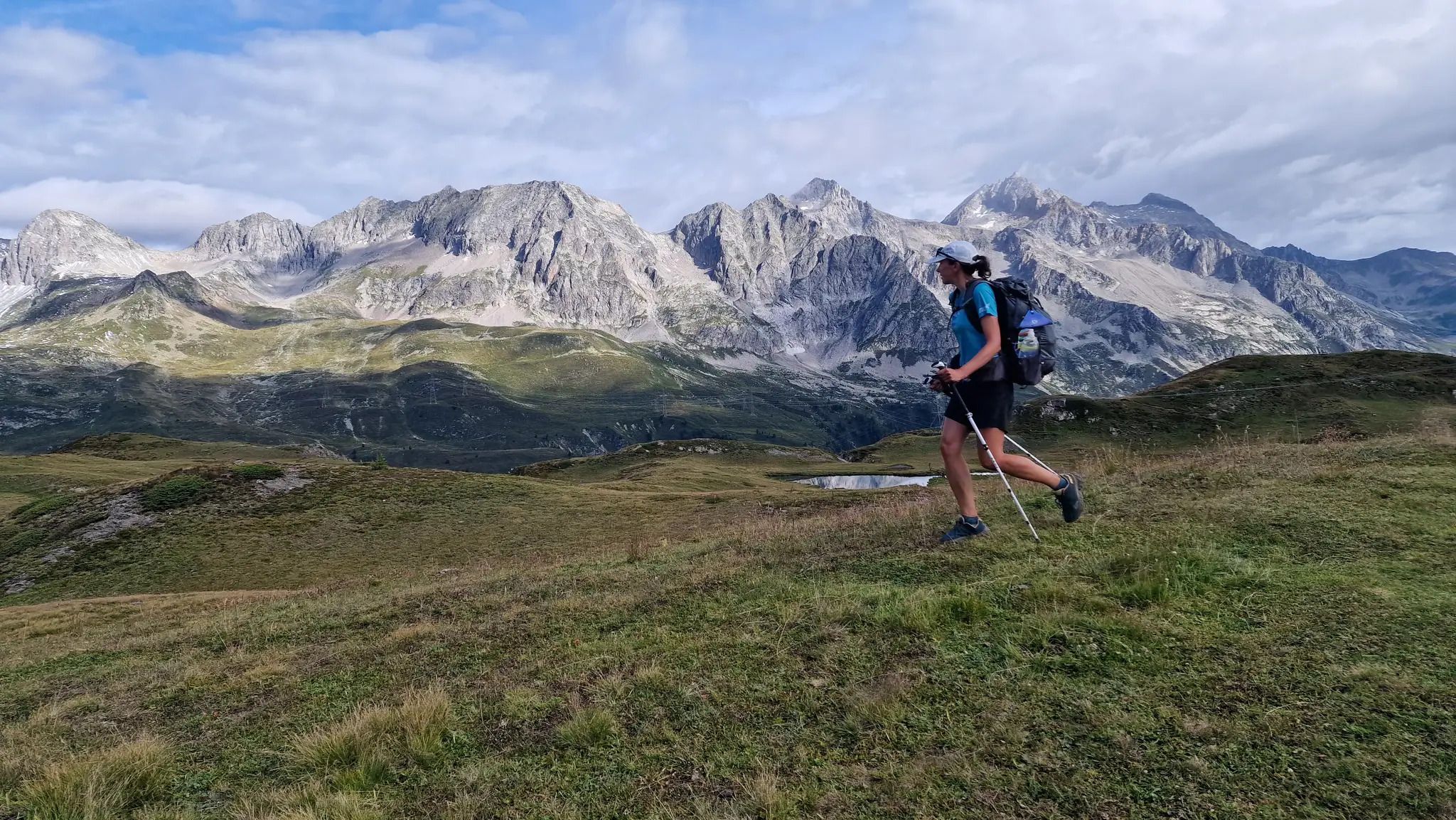
Alpine Passes Trail – hiking 700km across Switzerland
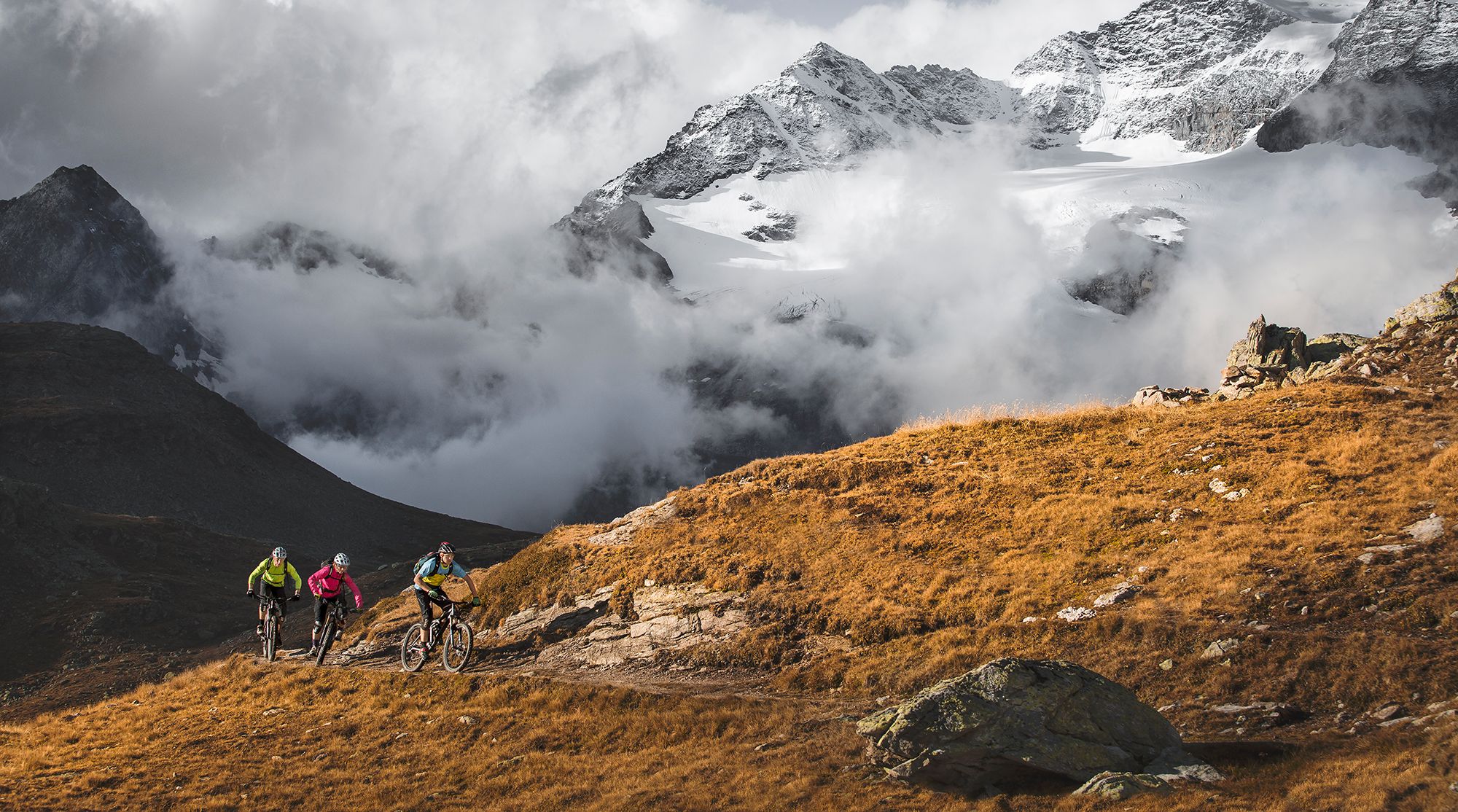
Great heights from Chur to Tirano with your mountain bike & post bus
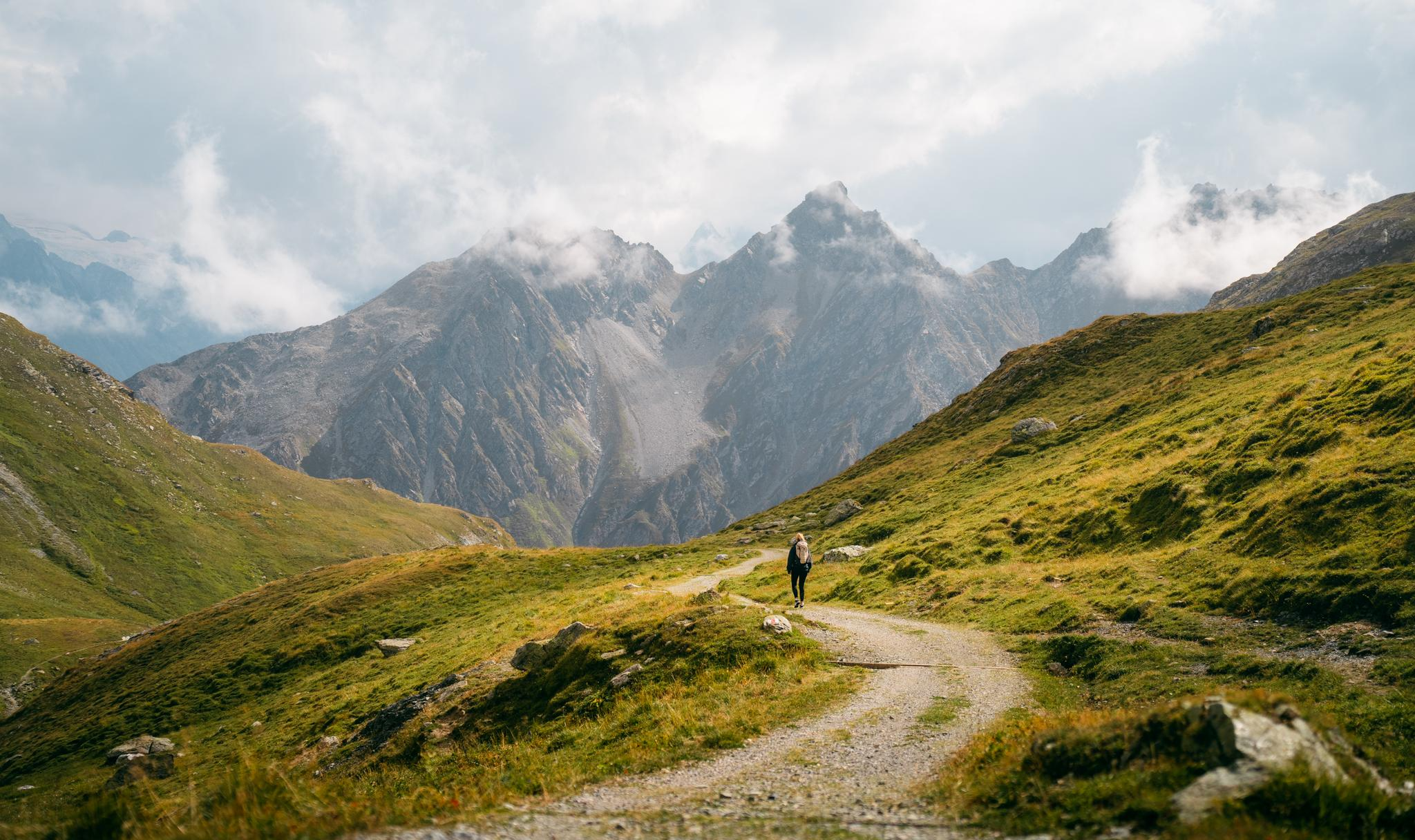
Quiet villages, proud passes, impressive history – the Via Sett
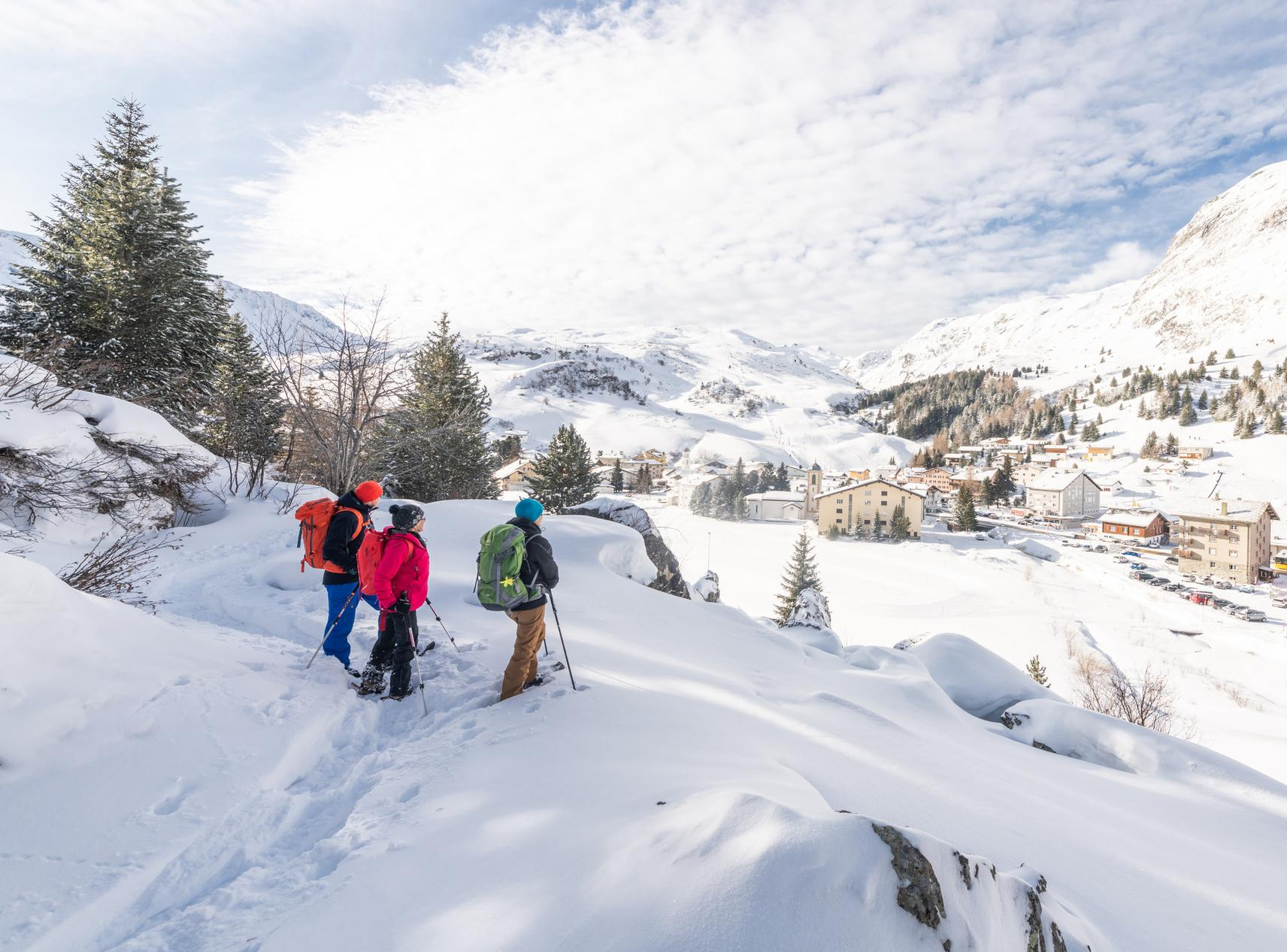
Snowshoe Safari – snowshoe trails through Graubünden
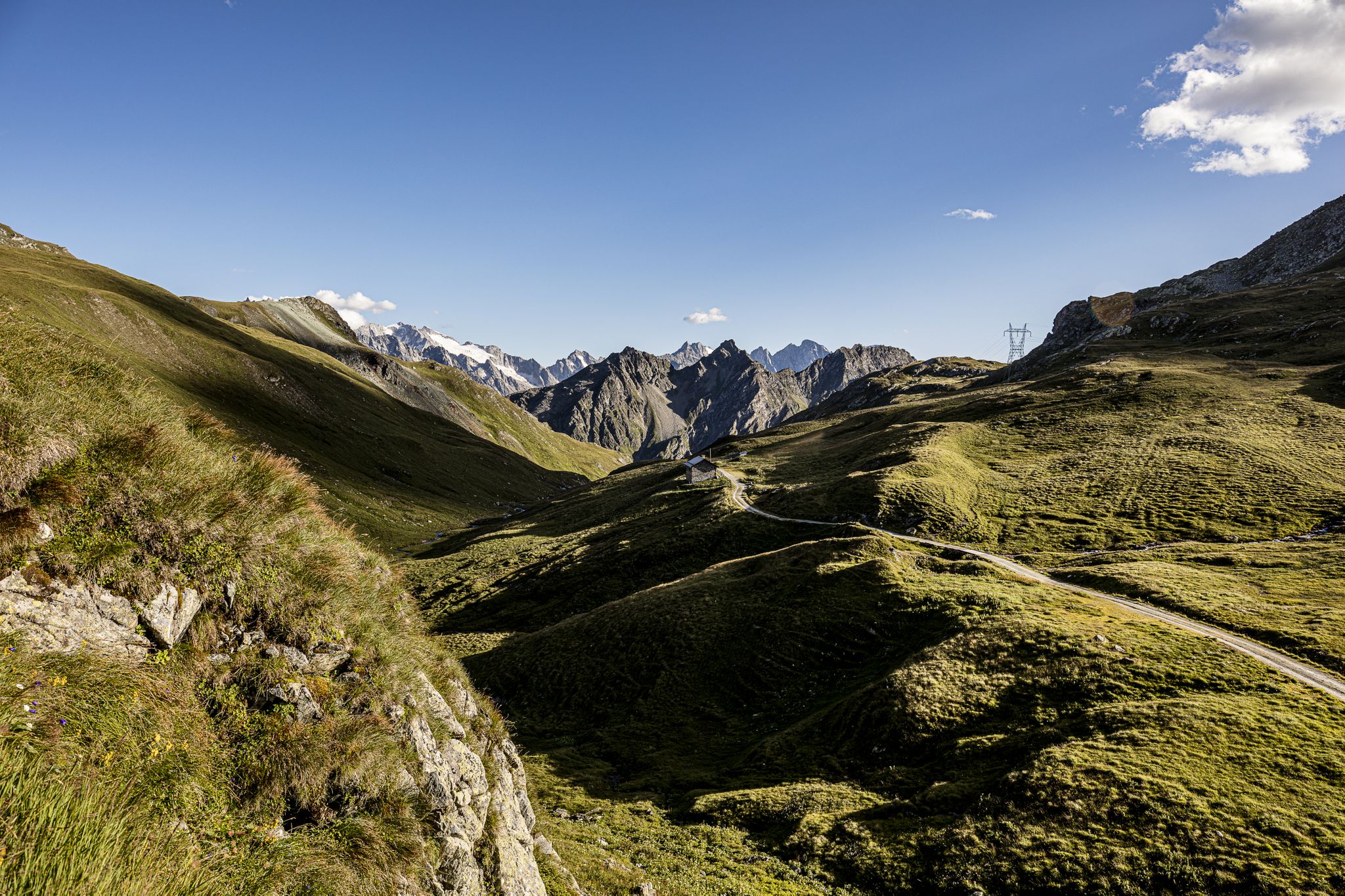
Parc Ela Trek – 17 days of trekking in the heart of Europe
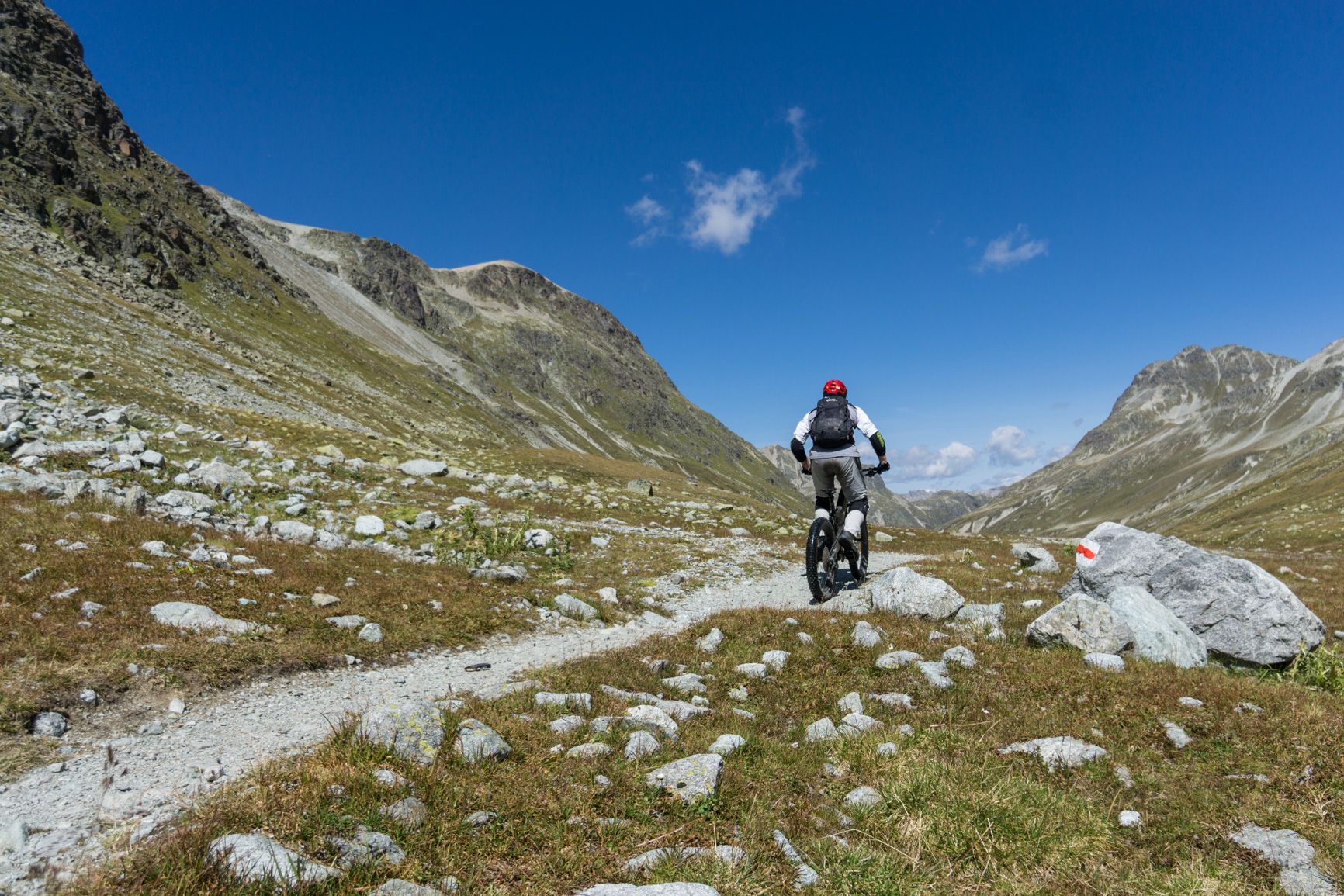
Haute Route Graubünden – From Julier Pass to Klosters
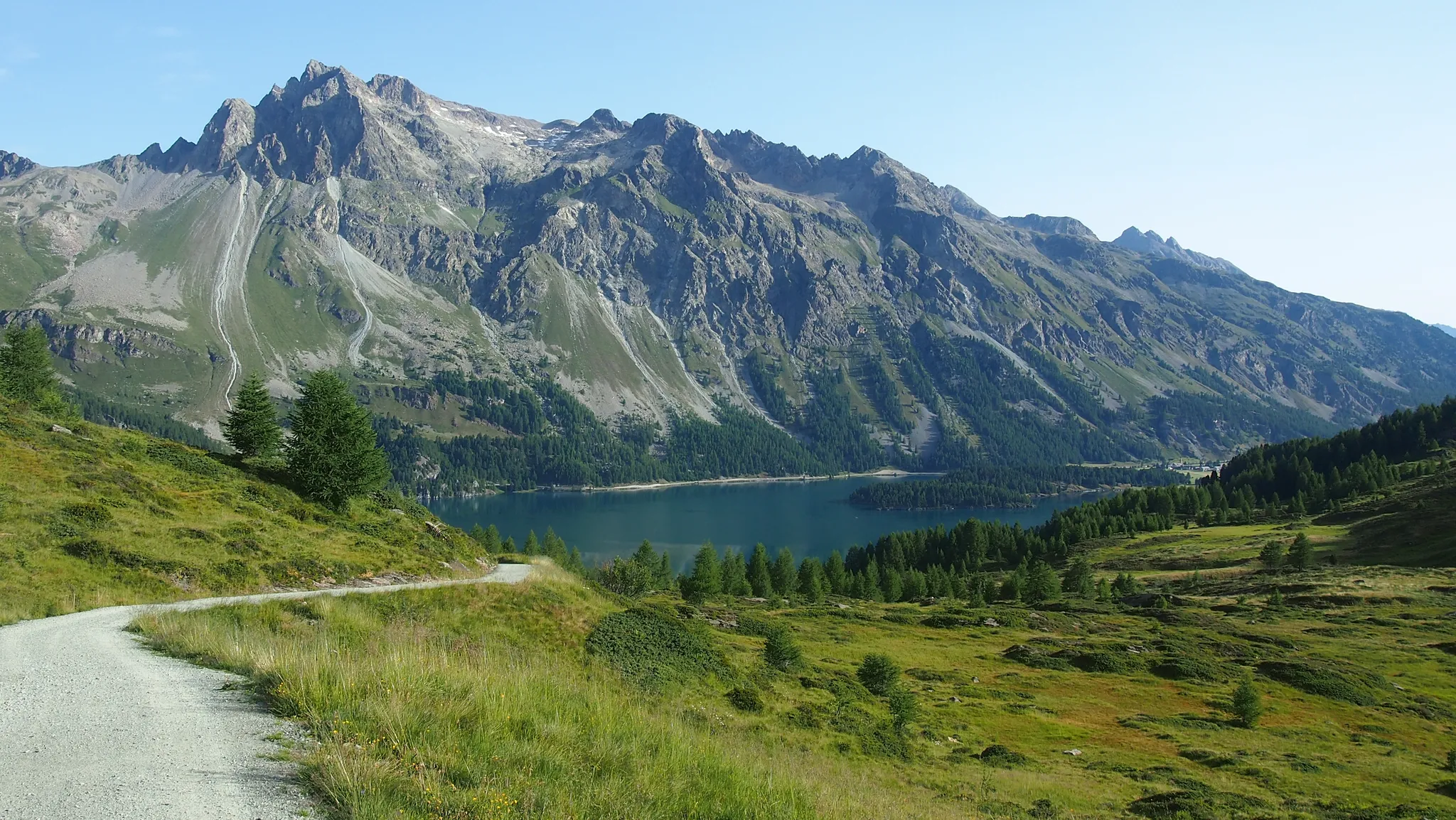
The Colors of Engadin - Senda Segantini
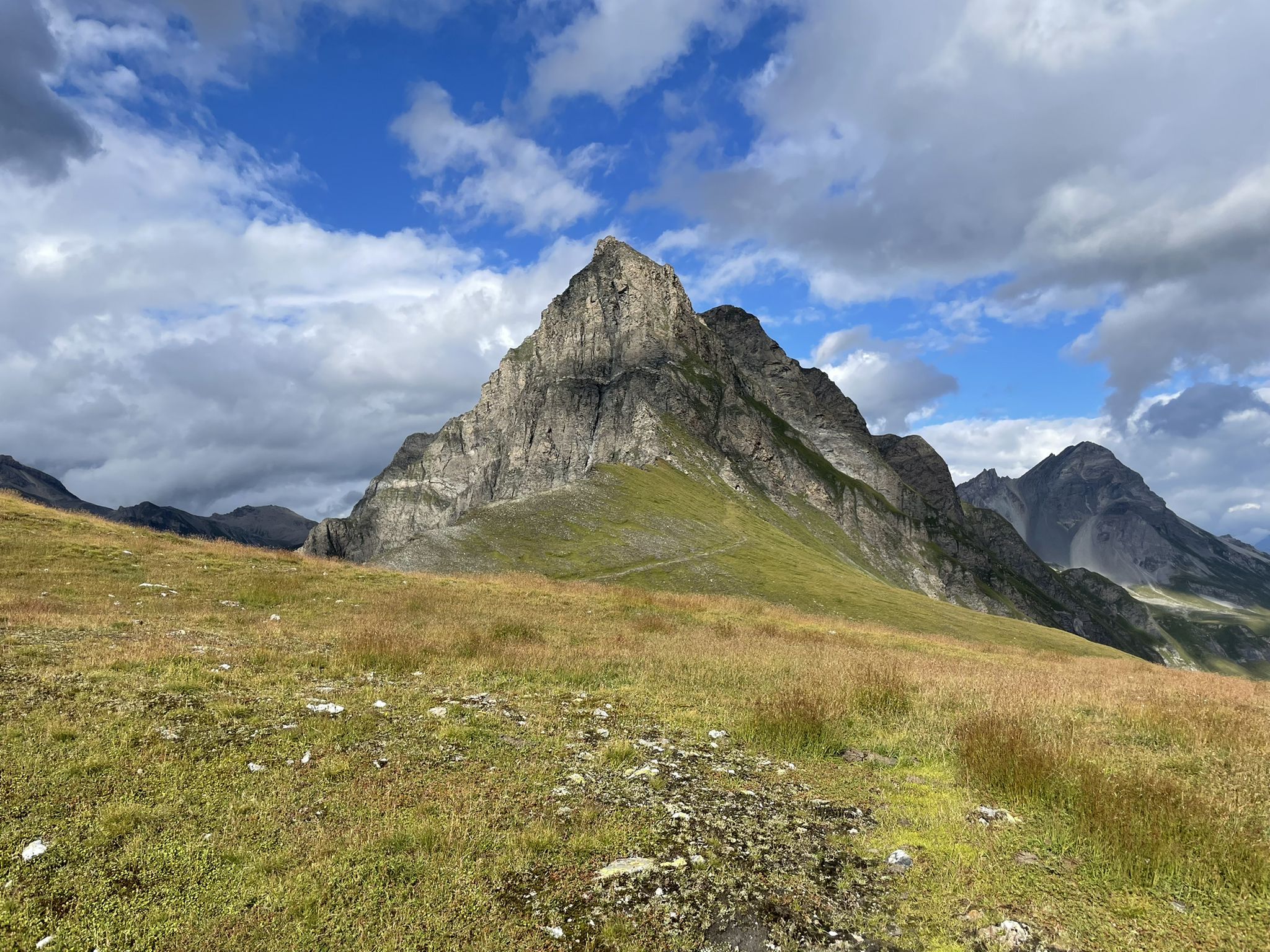
Spectacular nature park in Graubünden – Val Surses to Safiental
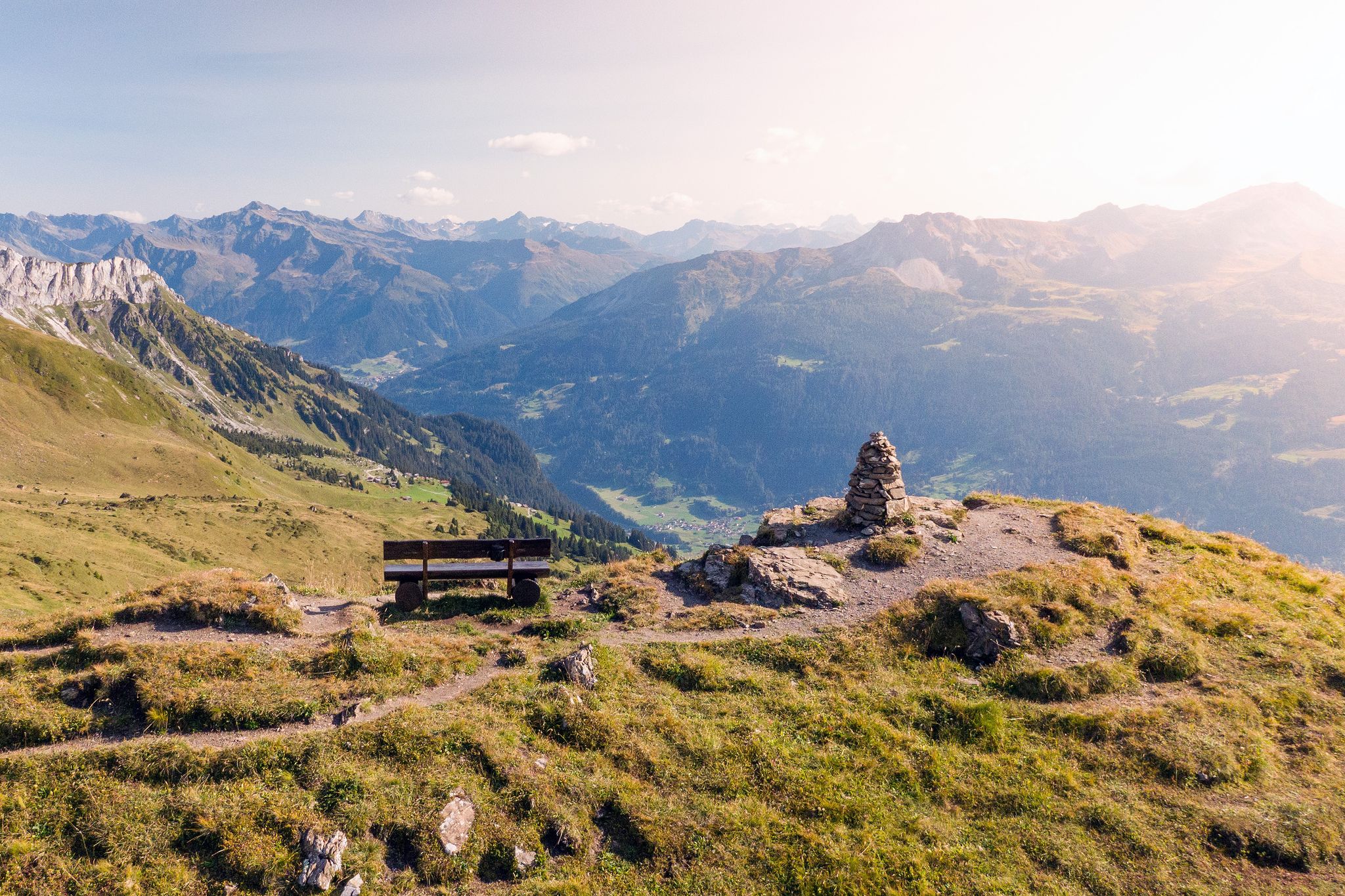
Long-distance hiking in the Grisons — 3 routes in Switzerland
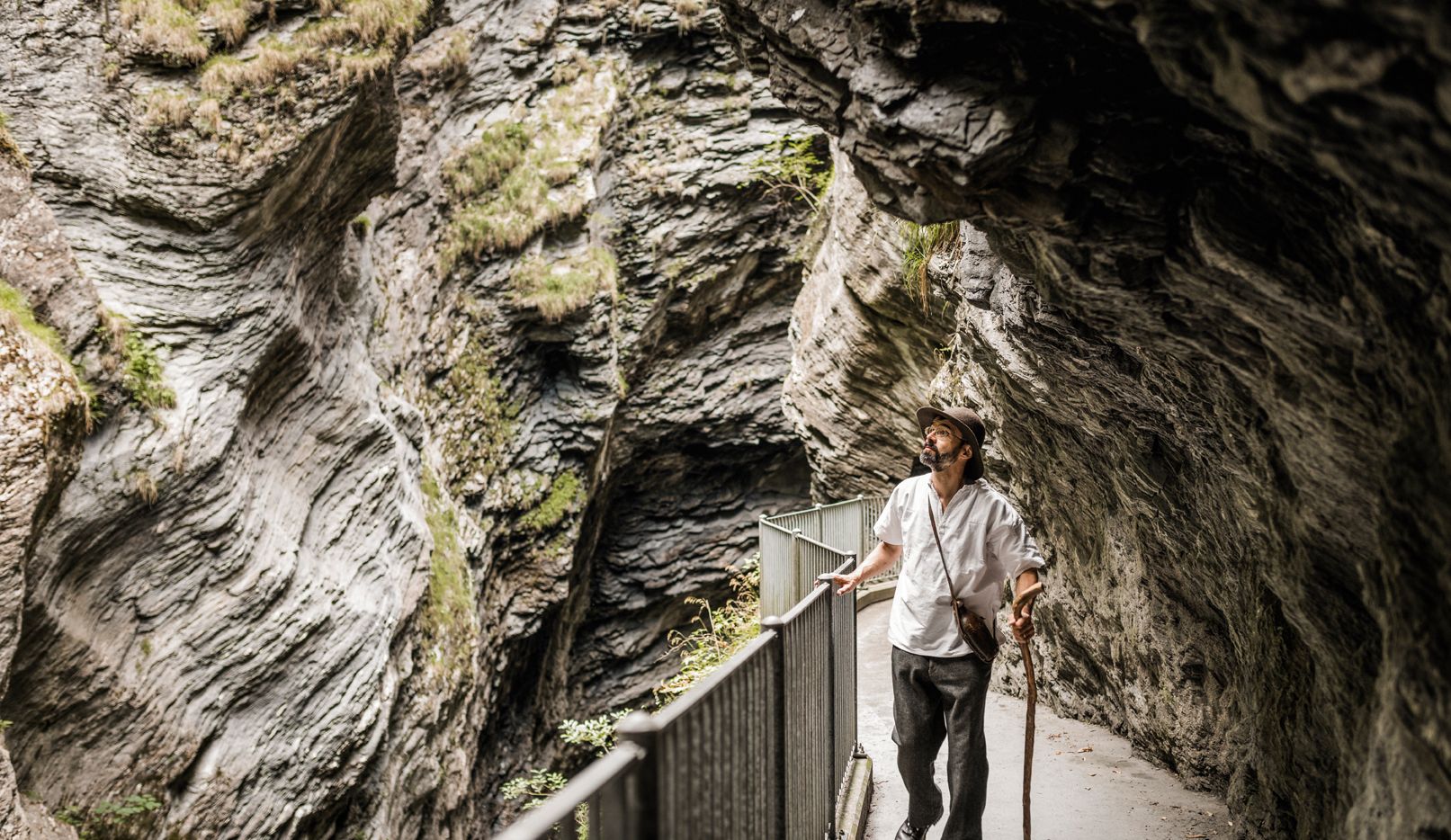
Graubünden — The storyteller of the ViaSpluga
Other adventures around Surses


Tips from the Community

Julier Pass, History (Pass height 2284 m above sea level) The column remnants exactly at the summit of the Julier Pass and the finds of Roman coins nearby point to a very early use of this Alpine crossing. The Septimer Pass, a few kilometers to the west, which was however steeper and more avalanche-prone, can certainly be considered a competitor. What is certain is that both were used intensively in Roman times. The Julier even with two-wheeled carts. In the age of packhorse trains, the Julier increasingly lost importance because the topography at the Septimer Pass was hardly a factor and, moreover, the detour via the Engadin was not necessary. With the construction of a cart track over the Septimer (1387), the Julier was definitively left behind. The Julier remained important for access to the Upper Engadin and the Bernina Pass. The actual road construction over the Julier took place between 1820 and 1826. In this phase of history, the Julier retained "the upper hand" over the Septimer. On the one hand, topographical reasons were decisive, and on the other hand, the canton could not afford to ignore the Engadin. This was the first road construction project in which the canton acted as the client. In the second half of the 19th century, various route adjustments followed, which became necessary due to the increasing feeder traffic for the Upper Engadin health resorts. The opening of the Albula Line of the Rhaetian Railway in 1903 caused car traffic over the Julier to collapse again. When the Federal Council put pressure on the Graubünden government in 1923 for a car-suitable transit route, the canton opted for the Julier route. Between 1935 and 1940, the pass road was renovated and was the first Alpine crossing to receive an asphalt surface. Today, the Julier is the most important, year-round open, northern access to the Engadin. Text / Source: Interessengemeinschaft Alpenpässe IAP, Postfach 11, Realp https://www.alpen-paesse.ch/de/alpenpaesse/julierpass/
13
0
Already in the Roman Empire around 2,000 years ago Already in the Roman Empire around 2,000 years ago, the Julier Pass was of great importance. At the pass summit, two columns of a Roman sanctuary still stand today. Today, the pass road over the Julier is the most important road connection to the Engadin and is passable all year round. In the vicinity of the Julier, you will find numerous hiking and biking routes on which the landscape can be ideally explored. From the Julierhospitz (pass summit 2284 m above sea level), the exploration tour or hike to the clear mountain lake Leg Grevasalvas begins. Text / Source: Graubünden Ferien, Alexanderstrasse 24, Chur https://www.graubuenden.ch/de/ausflugsziele/julierpass
13
0


At least 2 km with the bike on your shoulder
0
0

Very nice long high alpine trail in a beautiful mountain environment.
1
0

A beautiful and easy flow trail in a rough alpine mountain landscape that will make your biker's heart beat faster.
6
0

Perfect serpentines that make racing cyclists' hearts beat faster.
0
0

Here you have a wonderful view of the Graubünden ice giants
2
0
Frequently Asked Questions
What are some of the most historically significant mountain passes in the Surses region?
The Surses region is rich in historical mountain passes. The Septimer Pass, for instance, was a crucial trade route for Romans and during the Middle Ages, with visible remnants of the old Roman road. The Julier Pass features two distinctive leaning soapstone columns, remnants of a Roman sanctuary, highlighting its ancient usage. The Maloja Pass also has historical significance, likely used in pre-Roman times and by the Romans.
Which mountain passes around Surses are best for cycling?
Several passes in the Surses region are popular with cyclists. The Albula Pass is a favorite due to its sporty elevation and stunning panorama. The Final Hairpin Bends of the Maloja Pass offer a challenging yet rewarding experience for cyclists with its dramatic descent towards the Bregaglia valley. The Julier Pass also provides a scenic driving and cycling experience.
Are there any mountain passes around Surses that are particularly scenic or offer great viewpoints?
Absolutely! Fuorcla Surlej offers a spectacular panorama of the Alps, including Piz Bernina and surrounding glaciers, with many small rocks for lingering and a hut with refreshment stops. The Julier Pass provides stunning alpine views, especially when snow-covered. The Maloja Pass offers breathtaking mountain and lake scenery, including views of lakes Sils and Silvaplana.
What unique natural features can I find at the mountain passes near Surses?
The passes around Surses boast several unique natural features. The Julier Pass traverses the drainage divide between the Rhine and Danube river basins. The Albula Pass features the Albulasee lake at its summit and the larger Lai da Palpuogna on its western side. The Septimer Pass marks a European watershed where water flows towards either the North Sea or the Mediterranean. The Maloja Pass is unique for its topography and marks a significant triple watershed at Piz Lunghin.
What is the best time of year to visit the mountain passes around Surses?
The best time to visit depends on your activity. The Albula Pass is typically open during summer and autumn, making these seasons ideal for exploring its sweeping curves and scenic views. The Julier Pass and Maloja Pass are generally accessible year-round, though winter conditions necessitate snow tires and can be challenging. For hiking the historic Septimer Pass, summer and early autumn offer the most favorable conditions.
What kind of hiking trails can I find near the mountain passes in Surses?
The Surses region offers diverse hiking opportunities near its mountain passes. For instance, the Septimer Pass is primarily a trail, ideal for hikers seeking historical exploration. You can also find trails like the Val Bever Trail and the Val Suvretta Trail, which offer beautiful alpine scenery. For more hiking options, explore the Hiking around Surses guide.
Are there any family-friendly activities or trails near the Surses mountain passes?
While specific family-friendly categories are not always listed for passes, many areas around the passes offer accessible options. For example, the Albula Pass area, with its Albulasee lake and the larger Lai da Palpuogna, can be pleasant for families. The well-maintained roads of the Julier Pass also make for scenic drives suitable for all ages. Always check specific trail difficulties before heading out with children.
What are the options for road cycling around the Surses mountain passes?
The Surses region is excellent for road cycling, featuring challenging routes that incorporate its famous passes. You can find difficult routes like the 'Julier Pass – Silvaplana Market Square loop from Bivio' or the 'Julier Pass – Maloja Pass loop from Cunter'. These routes offer significant elevation gains and stunning scenery. For a comprehensive list of routes, check out the Road Cycling Routes around Surses guide.
Can I find opportunities for gravel biking near the Surses mountain passes?
Yes, gravel biking is a popular activity around Surses, with routes that take you through diverse landscapes near the mountain passes. You can explore routes such as the 'Val Roseg – Morteratsch Glacier loop from Sils im Engadin' or the 'Lake St. Moritz – Lake Silvaplana loop from Sils im Engadin'. These routes range from moderate to difficult. Discover more options in the Gravel biking around Surses guide.
What do visitors enjoy most about the mountain passes around Surses?
Visitors frequently praise the spectacular panoramas and the blend of natural beauty with historical significance. For instance, the Fuorcla Surlej is loved for its 'spectacular panorama of the Alps' and 'huge arena of ice and rock'. The Julier Pass is appreciated for its 'scenic driving experience and historical significance'. The region's passes are also highly rated for their diverse terrain suitable for driving, cycling, hiking, and mountain biking.
How accessible are the mountain passes around Surses by public transport?
Many of the main mountain passes in the Surses region are well-connected and can be accessed via public transport, particularly during the warmer months. For example, the Julier Pass is a main traffic artery, and bus services often run along these routes. The Albula Pass also runs parallel to the UNESCO World Heritage Albula Railway, offering a unique way to experience the area. It's advisable to check local bus and train schedules for specific routes and seasonal availability.
Most popular routes around Surses
Most popular attractions around Surses

Get inspired with the komoot mobile app


Explore more
See even more epic mountain passes by checking out these guides around Surses:
