The best cycling routes around Liebenfels
4.6
(83)
485
riders
27
rides
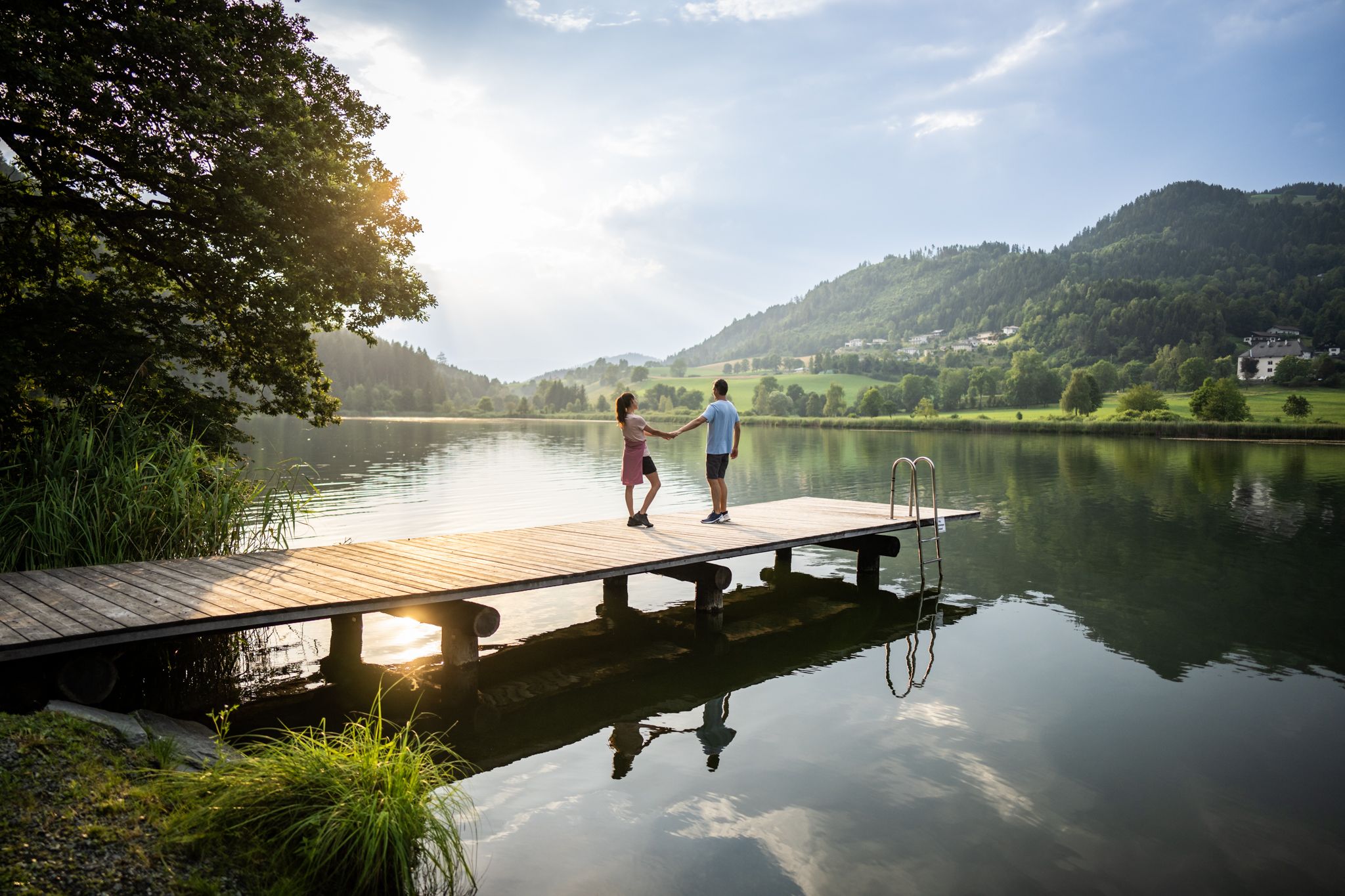
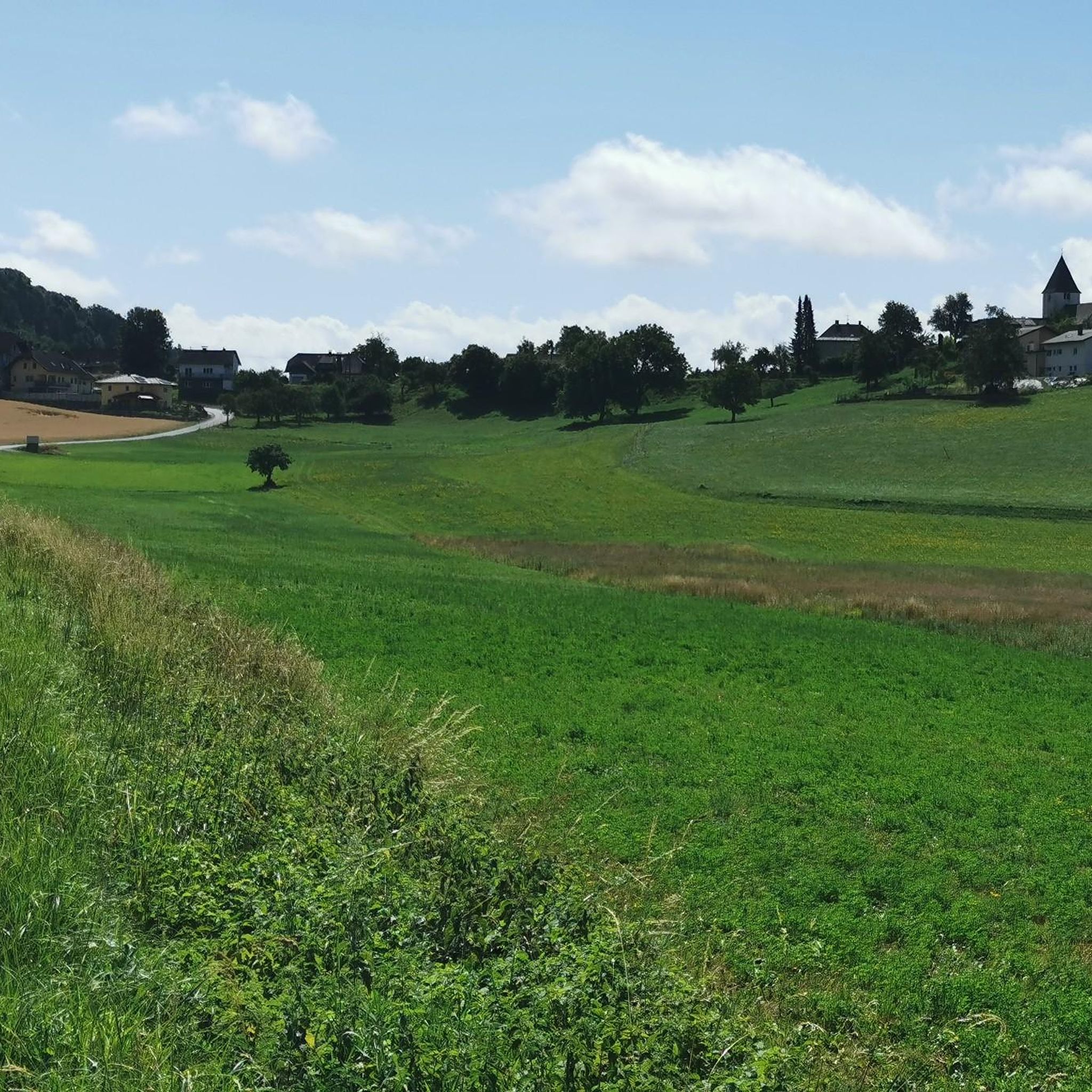
Touring cycling around Liebenfels offers diverse routes through a landscape characterized by rolling hills, green meadows, and the Glan river valley. The region provides a scenic backdrop for cycling, with paths often following the river's course. Historical ruins, such as Burgruine Liebenfels, are integrated into the network of trails. This area combines natural beauty with cultural elements, making it suitable for various cycling preferences.
Best touring cycling routes around Liebenfels
- The most popular touring cycling route is Jufahnik See – Glan Cycle Path Near St. Veit loop from Liebenfels, a 23.4 miles (37.7 km) trail that takes 2 hours 37 minutes to complete, following the Glan Cycle Path.
- Another top favourite among local touring cyclists is View of Burg Taggenbrunn – Glan Cycle Path Near St. Veit loop from Liebenfels, an easy 13.2 miles (21.2 km) path. This route offers scenic views, including Burg Taggenbrunn, along the Glan Cycle Path.
- Local touring cyclists also love the Wooden Sculpture Viewpoint – Gasthof zur Wegscheide loop from Burgruine Liebenfels, a 14.6 miles (23.5 km) trail leading through areas near Burgruine Liebenfels, often completed in about 1 hour 43 minutes.
- Touring cycling around Liebenfels is defined by the Glan river valley, rolling hills, and historical ruins. The network offers options for various cycling preferences, including relaxed rides and more challenging routes.
- The routes in Liebenfels are highly rated by the komoot community with an average score of 4.6 stars from over 80 reviews. More than 400 touring cyclists have used komoot to explore Liebenfels's varied terrain.
Last updated: October 7, 2026
4.8
(34)
194
riders
37.7km
02:37
170m
170m
Moderate bike ride. Good fitness required. Mostly paved surfaces. Suitable for all skill levels.
4.6
(7)
53
riders
Easy bike ride. Great for any fitness level. Mostly paved surfaces. Suitable for all skill levels.

4.7
(7)
24
riders
37.0km
02:52
630m
630m
Hard bike ride. Very good fitness required. Mostly paved surfaces. Suitable for all skill levels.
4.0
(1)
14
riders
26.2km
01:45
330m
330m
Moderate bike ride. Good fitness required. Mostly paved surfaces. Suitable for all skill levels.
5.0
(2)
17
riders
40.4km
02:44
280m
280m
Moderate bike ride. Good fitness required. Mostly paved surfaces. Suitable for all skill levels.
Get access to more routes and recommendations from other explorers.
Already have an account?
Our route recommendations are based on thousands of hikes, rides, and runs completed by other people on komoot.
Start today with a free account
Your next adventure awaits.

Other adventures around Liebenfels

Tips from the Community

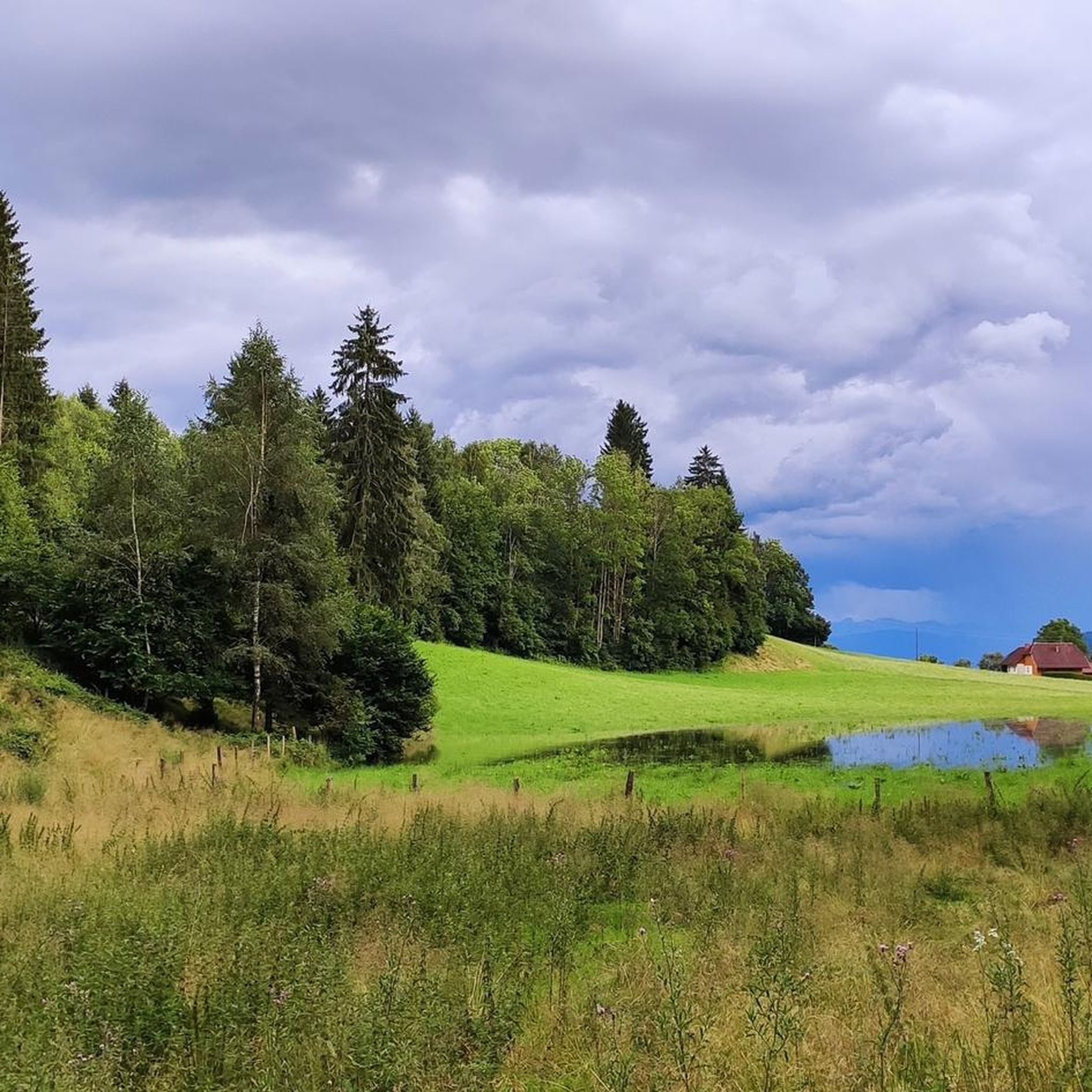
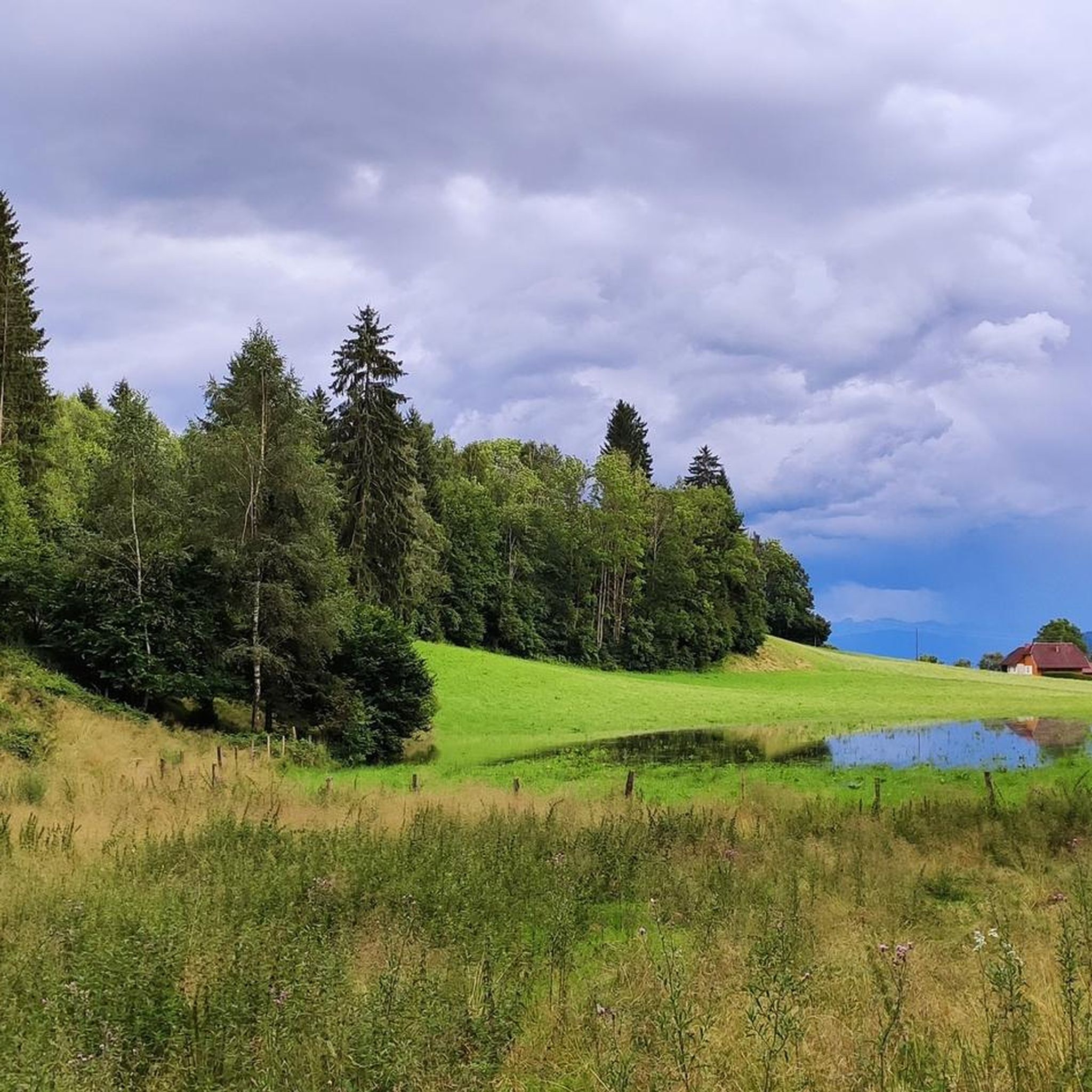
An idyllic little lake where "No trespassing" signs are posted on the east and south shores.
0
0
An idyllic little lake where "No trespassing" signs are posted on the east and south shores.
0
0

I haven't seen any bike rentals, but I can confirm a rest area, tools, and a drinking fountain.
0
0


Taggenbrunn Castle, first mentioned in 1142 and documented in 1157, was built in the 12th century by Tageno von Pongau for the Archdiocese of Salzburg.
1
0
Zmulner See The basin of the Zmulner See was formed by dead ice from an offshoot of a glacier that retreated westwards in the Glantal valley. The lake is located in a 40-hectare landscape protection area amidst intensively farmed agricultural land. It drains via the Rohnsdorfer Bach into the Glan river to the north. There are 8 species of fish here.
1
0


The monastery was founded between 1002 and 1008 by Countess Wichburg, the wife of Count Ottwin of Sonnenburg (Pustertal), as a Benedictine nunnery, built on the site of a St. George's church and consecrated in 1023 by Archbishop Hartwig of Salzburg. The collegiate church, a Gothic church, now serves as the parish church for the local community. The monastery was used as a castle until 1884 and has since been used as a school, educational center, and hotel. The monastery complex is a protected baroque ensemble!
0
0
Frequently Asked Questions
How many touring cycling routes are available around Liebenfels?
Liebenfels offers a diverse network of nearly 30 touring cycling routes. These routes cater to various preferences, ranging from easy rides to more challenging excursions through the region's scenic landscapes.
What kind of landscapes can I expect to see while cycling in Liebenfels?
The touring cycling routes in Liebenfels primarily traverse the picturesque Glan river valley, characterized by rolling hills, lush green meadows, and the Glan river itself. Many paths follow the river's course, offering serene views. You'll also encounter historical ruins and charming villages, providing a blend of natural beauty and cultural elements.
Are there routes suitable for beginners or families in Liebenfels?
Yes, Liebenfels has routes suitable for beginners and families. There are 3 easy-rated touring cycling routes available. These paths often feature gentler terrain, making them ideal for a relaxed ride with less elevation gain. An example of an easy route is the View of Burg Taggenbrunn – Glan Cycle Path Near St. Veit loop from Liebenfels, which offers scenic views along the Glan Cycle Path.
What is the best time of year for touring cycling in Liebenfels?
The best time for touring cycling in Liebenfels is generally from spring through autumn. During these seasons, the weather is typically pleasant, and the natural landscapes, including the Glan river valley and meadows, are at their most vibrant. It's always a good idea to check the local weather forecast before heading out.
Are there any circular touring cycling routes in Liebenfels?
Yes, many of the touring cycling routes around Liebenfels are designed as loops, allowing you to start and end your journey in the same location. For instance, the popular Jufahnik See – Glan Cycle Path Near St. Veit loop from Liebenfels is a circular route that follows the Glan Cycle Path.
Are there any routes that pass by historical sites or castles?
Absolutely. Liebenfels is rich in history, and several cycling routes incorporate historical sites. You can explore paths that lead past the ruins of Liebenfels, Gradenegg, and Alt Liemberg. The Wooden Sculpture Viewpoint – Gasthof zur Wegscheide loop from Burgruine Liebenfels, for example, takes you through areas near the impressive Ruins of Liebenfels Castle. Other notable castles in the vicinity include Taggenbrunn Castle and Meiselberg Castle.
What are some scenic viewpoints or natural attractions accessible by bike?
Liebenfels offers numerous scenic spots. The Glan river valley itself provides continuous picturesque views. You can also cycle to areas near Kreuth Pond and Zmulner See for tranquil natural settings. For broader vistas, consider routes that offer views of peaks like Ulrichsberg Summit or Magdalensberg Summit. The View of Burg Taggenbrunn – Glan Cycle Path Near St. Veit loop from Liebenfels also provides excellent scenic views.
Are there options for longer distance touring cycling routes around Liebenfels?
Yes, Liebenfels serves as a great starting point for longer touring cycling adventures. While many routes are day trips, you can connect to more extensive networks like the Wine Bike Route along the Glan, which guides cyclists through the wine region of Central Carinthia. Routes like the Glanegg Castle – Talhof in Carinthia loop from Sankt Urban cover over 37 kilometers, offering a substantial ride.
What do other touring cyclists enjoy the most about touring cycling in Liebenfels?
The touring cycling experience in Liebenfels is highly rated by the komoot community, with an average score of 4.6 stars from over 80 reviews. Cyclists frequently praise the diverse routes that combine natural beauty with cultural elements, the serene Glan river valley, and the well-integrated historical ruins. The variety of routes, from relaxed rides to more challenging options, is also a highlight for many.
Are there any routes that connect Liebenfels to other towns or attractions?
Yes, Liebenfels is well-connected. You can find diverse routes that lead from St. Veit, through Simonhöhe and St. Urban, and back to Liebenfels, showcasing picturesque landscapes and charming villages. Additionally, relaxing cycling paths like the Lendkanal can lead you towards the renowned Lake Wörth (Wörthersee), offering another stunning natural attraction within reach.
Are there any routes that pass by places to stop for refreshments or a meal?
Many touring cycling routes in the Liebenfels area are designed to pass through or near villages and towns where you can find traditional Austrian 'Gasthöfe' or 'Radlerstops' (cyclist stops). These establishments offer opportunities for refreshments and meals, allowing you to refuel and enjoy local hospitality during your ride. The Wooden Sculpture Viewpoint – Gasthof zur Wegscheide loop from Burgruine Liebenfels, for example, includes a stop at Gasthof zur Wegscheide.
What are the difficulty levels of touring cycling routes in Liebenfels?
The touring cycling routes in Liebenfels offer a range of difficulty levels. You'll find 3 easy routes, 12 moderate routes, and 14 difficult routes. This variety ensures that both casual riders and experienced touring cyclists can find suitable challenges and enjoyable paths.
Most popular routes around Liebenfels
Most popular attractions around Liebenfels

Get inspired with the komoot mobile app


Explore more
Browse the best Cycling routes in other regions.
