The best waterfall hikes and walks in Maroon Bells-Snowmass Wilderness
4.8
(75)
2,287
hikers
3
hikes
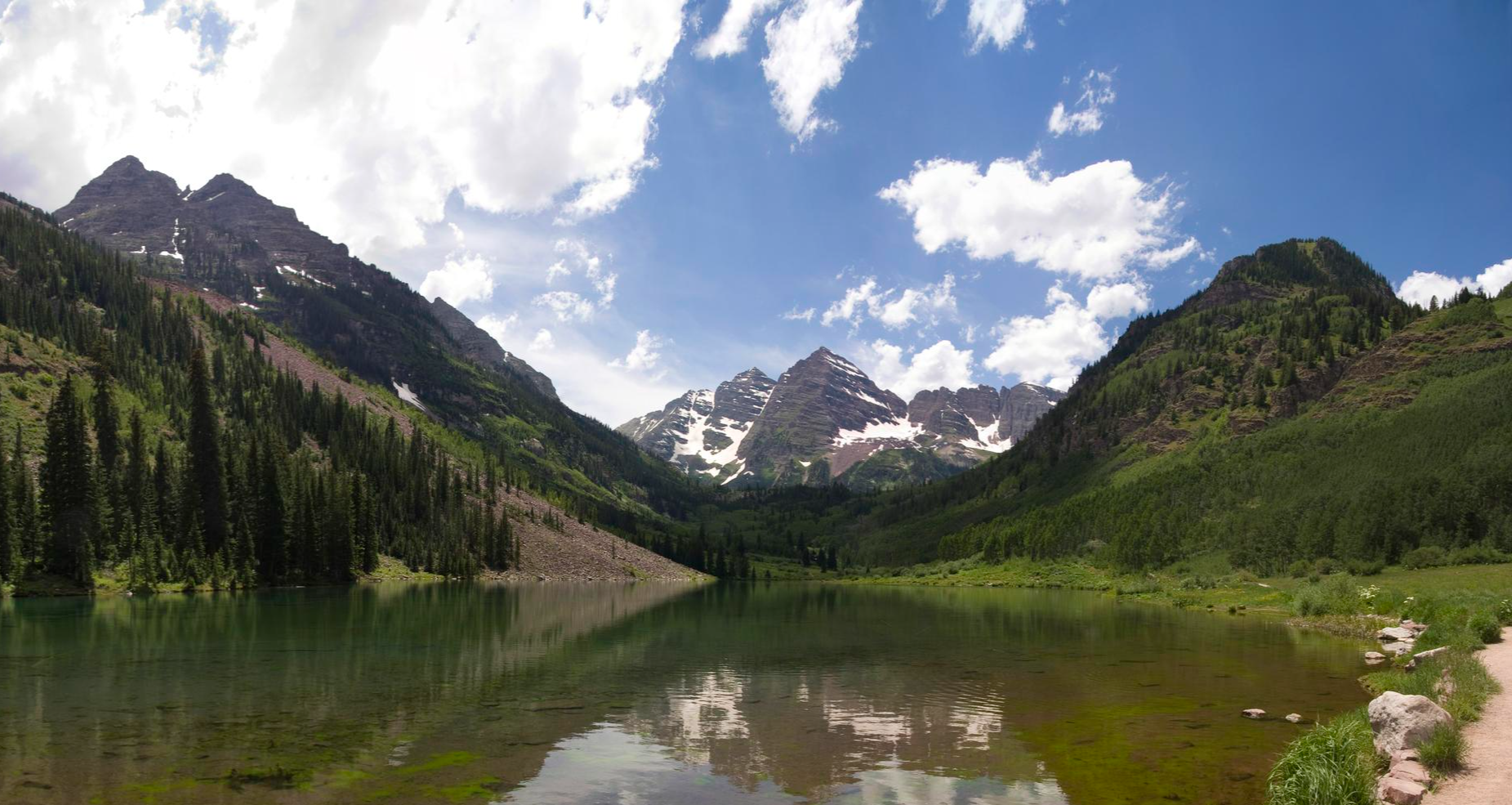
Waterfall hiking trails in Maroon Bells-Snowmass Wilderness traverse a vast 181,535-acre wilderness within the Elk Mountains of central Colorado. This region is characterized by dramatic Rocky Mountain peaks, including the iconic Maroon Bells, and features numerous alpine lakes and extensive forests. Hikers can expect varied terrain, from dense aspen and conifer forests to high-altitude passes, offering diverse natural features and viewpoints along routes that lead to or pass by waterfalls.
Best waterfall hiking trails in Maroon Bells-Snowmass Wilderness
- The most popular waterfall hiking route is Copper Creek Trail to Copper Lake, a 7.0 miles (11.2 km) trail that takes 3 hours 35 minutes to complete. This moderate route features a steady ascent through varied forest terrain towards a scenic alpine lake.
- Another top favourite among local hikers is Devils Punch Bowl via Schofield Pass Road, an easy 1.2 miles (1.9 km) path. This short trail offers accessible views of a notable water feature, winding through a picturesque mountain landscape.
- Local hikers also love the Copper Creek Trail to Copper Lake and East Maroon Pass, a 11.1 miles (17.9 km) trail leading through high-alpine meadows and dense forests, often completed in about 5 hours 30 minutes.
- Hiking in Maroon Bells-Snowmass Wilderness is defined by jagged peaks, reflective alpine lakes, and vibrant forests, with routes offering options for various ability levels.
- The routes in Maroon Bells-Snowmass Wilderness are highly rated by the komoot community with an average score of 4.8 stars from over 70 reviews. More than 2000 hikers have used komoot to explore Maroon Bells-Snowmass Wilderness's varied terrain.
Last updated: July 7, 2026
11.2km
03:36
650m
180m
Embark on the Copper Creek Trail to Copper Lake, a moderate hike that takes you through varied landscapes to a stunning alpine destination. This route spans 7.0 miles (11.2 km) and involves a significant elevation gain of 2147 feet (654 metres), typically completed in about 3 hours and 35 minutes. You will wind through lush forests and open meadows, following the course of Copper Creek, with the sound of cascading water from Judd Falls marking an early highlight of your journey.
Before you head out, remember that this trail enters the Maroon Bells-Snowmass Wilderness Area. While generally accessible, it is wise to check local conditions for any seasonal closures, especially concerning snow, as this is a high-elevation route. If you plan to venture beyond Copper Lake for backpacking, be aware that self-issue permits might be required, so confirm regulations beforehand to ensure a smooth trip.
The trail offers a diverse natural experience, transitioning from lower elevation forests to a more rugged, rocky path as you approach Copper Lake. The lake itself is nestled within a scenic, meadow-clad bowl, surrounded by impressive peaks like White Rock Mountain and Precarious Peak. In the warmer months, you can expect to see a vibrant display of wildflowers along the route, adding to the picturesque alpine views.
1.90km
00:33
0m
140m
The Devils Punch Bowl via Schofield Pass Road offers a surprisingly easy way to experience one of Colorado's most dramatic landscapes. This 1.2-mile (1.9 km) hike, with virtually no elevation gain and taking only about 33 minutes, leads you to the spectacular Devil's Punchbowl waterfall, famous for its colorful, round plunge pools. You'll traverse rocky sections of the infamous Schofield Pass Road, soaking in breathtaking views of Crystal Canyon and the surrounding rugged terrain, making it a high-reward, low-effort adventure.
Planning your visit requires checking road conditions, as Schofield Pass Road is known for its challenging nature and can be subject to rock slides or lingering snow well into the summer. While the hike itself is easy, the approach to the trailhead might require a high-clearance 4x4 vehicle, depending on where you start. This short route is best enjoyed during warmer months when the waterfall is active and the road is clear, offering a quick scenic escape.
Beyond the natural beauty of the Devil's Punchbowl, this trail provides glimpses of Colorado's rich history, including the historic Crystal Mill and the remnants of the old silver mining town of Crystal. The area's notoriety for its challenging road conditions for vehicles adds an interesting layer to the experience, allowing hikers to appreciate the rugged beauty without the extreme demands of driving it. It's a perfect option for a quick, scenic stop in a historically significant and visually stunning region.

Sign up for free
19
hikers
17.9km
05:31
660m
660m
Embark on the Copper Creek Trail to Copper Lake and East Maroon Pass, a challenging hike that takes you through diverse landscapes. You will begin along an old mining road, passing Judd Falls, before ascending through dark timber and open meadows. The path becomes steeper as you approach Copper Lake, a beautiful alpine lake nestled among peaks over 13,000 feet, offering a rewarding experience over 11.1 miles (17.9 km) with 2161 feet (659 metres) of elevation gain, typically taking 5 hours and 30 minutes.
Before you head out, remember that permits are required for entry into the Maroon Bells-Snowmass Wilderness. The trail is generally inaccessible during winter due to heavy snow and dangerous conditions, so plan your visit for the warmer months. Always check for trailhead parking availability and any seasonal restrictions before you go to ensure a smooth start to your adventure.
Beyond Copper Lake, the climb to East Maroon Pass reveals increasingly spectacular views of the basin, which is rimmed by high peaks like Pyramid Peak. In summer, you can expect to see vibrant wildflowers, while autumn brings a display of colorful aspens. This route offers a deep dive into the wilderness, showcasing the rugged beauty and high-alpine environment of the area.
Our route recommendations are based on thousands of hikes, rides, and runs completed by other people on komoot.
Start today with a free account
Your next adventure awaits.
Login or Signup
Popular around Maroon Bells-Snowmass Wilderness
Other adventures in Maroon Bells-Snowmass Wilderness

Tips from the Community

The trail to Judd Falls is a really popular trail, so you'll probably see others out there unless you go right at sunrise or sunset. The waterfall is a cascade shooting down a slot canyon, and there are views littering the side of the trail the entire way.
0
0

Frequently Asked Questions
How many waterfall hiking trails are available in Maroon Bells-Snowmass Wilderness?
There are a few dedicated waterfall hiking trails in the Maroon Bells-Snowmass Wilderness, offering a range of difficulties from easy strolls to more challenging treks. These routes allow you to experience the region's stunning cascades and natural beauty.
What is the best time of year to see waterfalls at their fullest flow?
The waterfalls in Maroon Bells-Snowmass Wilderness are typically at their most impressive during late spring and early summer, when snowmelt from the surrounding peaks feeds the streams and rivers. This period often coincides with vibrant wildflower blooms, adding to the scenic beauty. However, always check local conditions as snowmelt can vary year to year.
Are there any easy waterfall hikes suitable for families?
Yes, there is an easy waterfall hike perfect for families. The route to Devils Punch Bowl via Schofield Pass Road is a short, accessible option that allows you to enjoy the cascades without a strenuous climb. This area is known for its distinctive rock formations and clear, cold water.
Can I combine a waterfall hike with other natural attractions?
Absolutely. Many trails in the Maroon Bells-Snowmass Wilderness offer opportunities to see multiple natural features. For instance, the longer Copper Creek Trail to Copper Lake and East Maroon Pass not only features waterfalls but also leads to stunning alpine lakes and offers panoramic views of majestic peaks like Mt. Sopris and Castle Peak.
What kind of terrain can I expect on waterfall trails in this region?
The terrain around waterfalls in the Maroon Bells-Snowmass Wilderness varies. You might encounter well-maintained paths through aspen forests, rocky sections near gorges, or more rugged, uneven trails as you ascend to higher elevations. Some routes, like the Copper Creek Trail to Copper Lake, involve significant elevation gain, leading you through diverse landscapes including meadows and conifer forests before reaching the waterfalls and lakes.
Are there any dog-friendly waterfall trails?
Many trails in the Maroon Bells-Snowmass Wilderness are dog-friendly, but regulations can vary, especially in designated wilderness areas. It's always best to check specific trail rules and ensure your dog is on a leash. Generally, trails like the easy route to Devils Punch Bowl are popular choices for hikers with dogs, offering a refreshing stop by the water.
What are some notable landmarks or viewpoints near waterfall hikes?
Beyond the waterfalls themselves, the region is rich with iconic landmarks. Many trails offer views of the famous Maroon Bells, and you can often find yourself near pristine alpine lakes such as Crater Lake or Thomas Lakes. The dramatic mountain scenery, including peaks like Conundrum Peak, provides breathtaking backdrops to your waterfall adventures.
Are there any circular waterfall routes?
While many waterfall trails are out-and-back, some longer routes can be combined with other trails to form loops, especially for experienced hikers. The Maroon Bells-Snowmass Wilderness is known for its extensive trail network, including parts of the challenging Four Pass Loop, which features multiple passes and alpine scenery that can include seasonal cascades. For specific circular waterfall routes, it's recommended to consult detailed trail maps and plan your itinerary carefully.
What do other hikers enjoy most about the waterfall hikes in Maroon Bells-Snowmass Wilderness?
The komoot community highly rates the hiking experiences in this region, with an average score of 4.8 stars from 71 ratings. Reviewers often praise the stunning natural beauty, the refreshing sound and sight of the waterfalls, and the diverse landscapes that range from lush aspen forests to rugged mountain terrain. The opportunity to combine waterfall viewing with visits to alpine lakes and panoramic viewpoints is also frequently highlighted.
Is wild swimming or wading allowed near the waterfalls?
While the cold, clear waters near waterfalls can be tempting, wild swimming or wading is generally discouraged or prohibited in many sensitive wilderness areas to protect the delicate ecosystem and ensure visitor safety. The water can be extremely cold and currents strong, especially during peak flow. Always look for posted signs and adhere to local regulations regarding water access.
Are permits required for waterfall hikes in the Maroon Bells-Snowmass Wilderness?
While day hikes to many waterfalls typically do not require a permit, certain popular areas and overnight trips within the Maroon Bells-Snowmass Wilderness do require advance permits or reservations. For example, access to areas like Conundrum Hot Springs and some alpine lakes requires permits. It's crucial to check with the U.S. Forest Service or local authorities for the most current permit requirements before planning your trip, especially during peak season.
Most popular routes in Maroon Bells-Snowmass Wilderness
Most popular attractions in Maroon Bells-Snowmass Wilderness

Get inspired with the komoot mobile app


