Top 20 Mountain Passes around Salvan
Mountain passes around Salvan offer access to the Swiss Alps, providing routes with unique features and varied terrain. This region is known for its natural beauty, recreational opportunities, and historical significance. The passes serve as gateways to challenging routes and expansive vistas, attracting outdoor enthusiasts.
Best mountain passes around Salvan
- The most popular mountain pass is Col de Balme, a mountain pass that marks the border between Switzerland and France at 2,190 meters above sea level. It offers views…
Last updated: June 26, 2026
Col de Balme
Highlight • Mountain Pass
Translated by Google •
Tip by

Col de la Forclaz (Valais)
Highlight • Mountain Pass
Translated by Google •
Tip by
Sign up now to discover places like this
Get recommendations on the best single tracks, peaks, & plenty of other exciting outdoor places.
Sign up for free
Col de Coux
Highlight • Mountain Pass
Translated by Google •
Tip by

Montets Pass
Highlight • Mountain Pass
Translated by Google •
Tip by

Mont Buet
Highlight • Summit
Translated by Google •
Tip by
Sign up for free to discover even more mountain passes around Salvan.
Sign up for free
Already have an account?
Start today with a free account
Your next adventure awaits.
Login or Signup
Tips from the Community

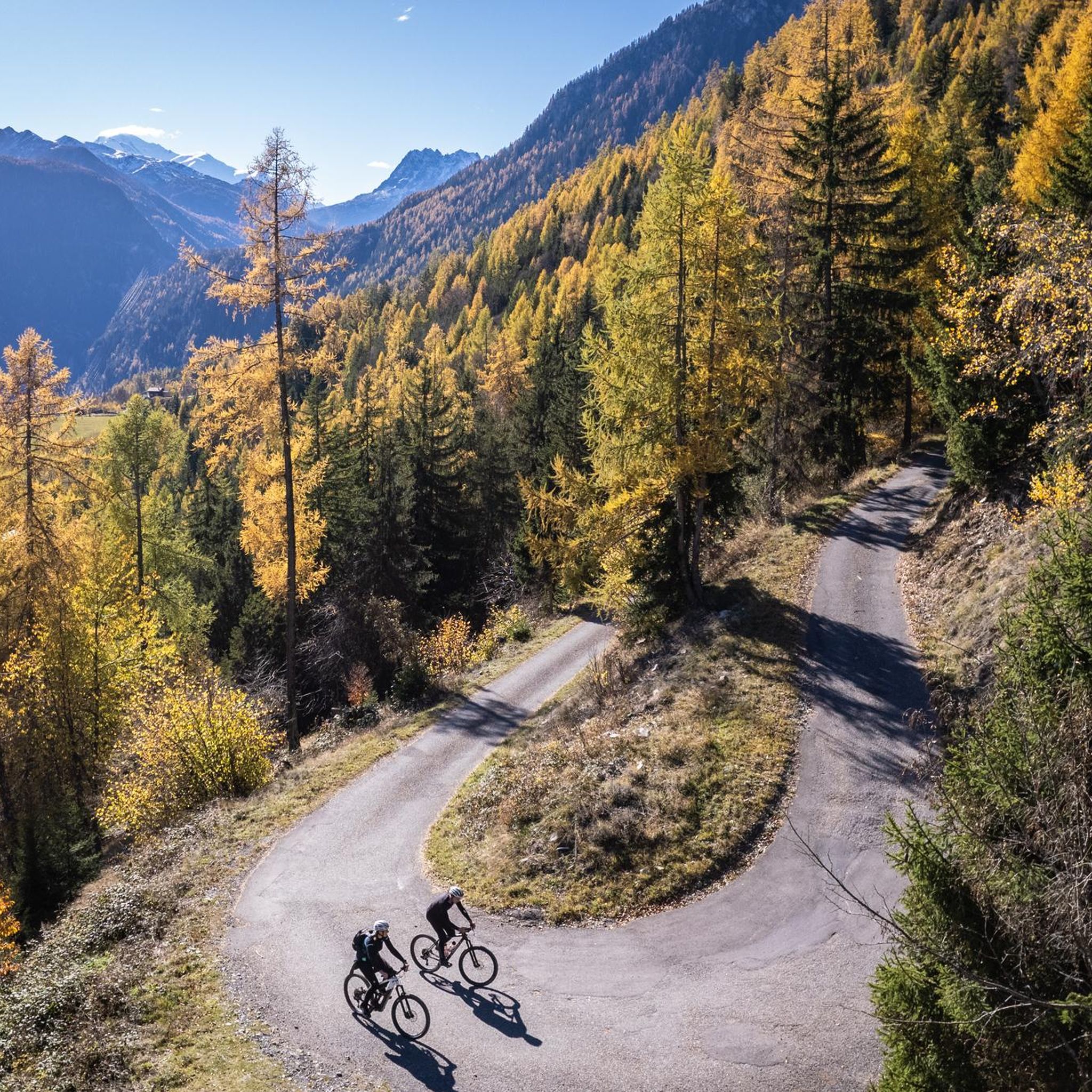
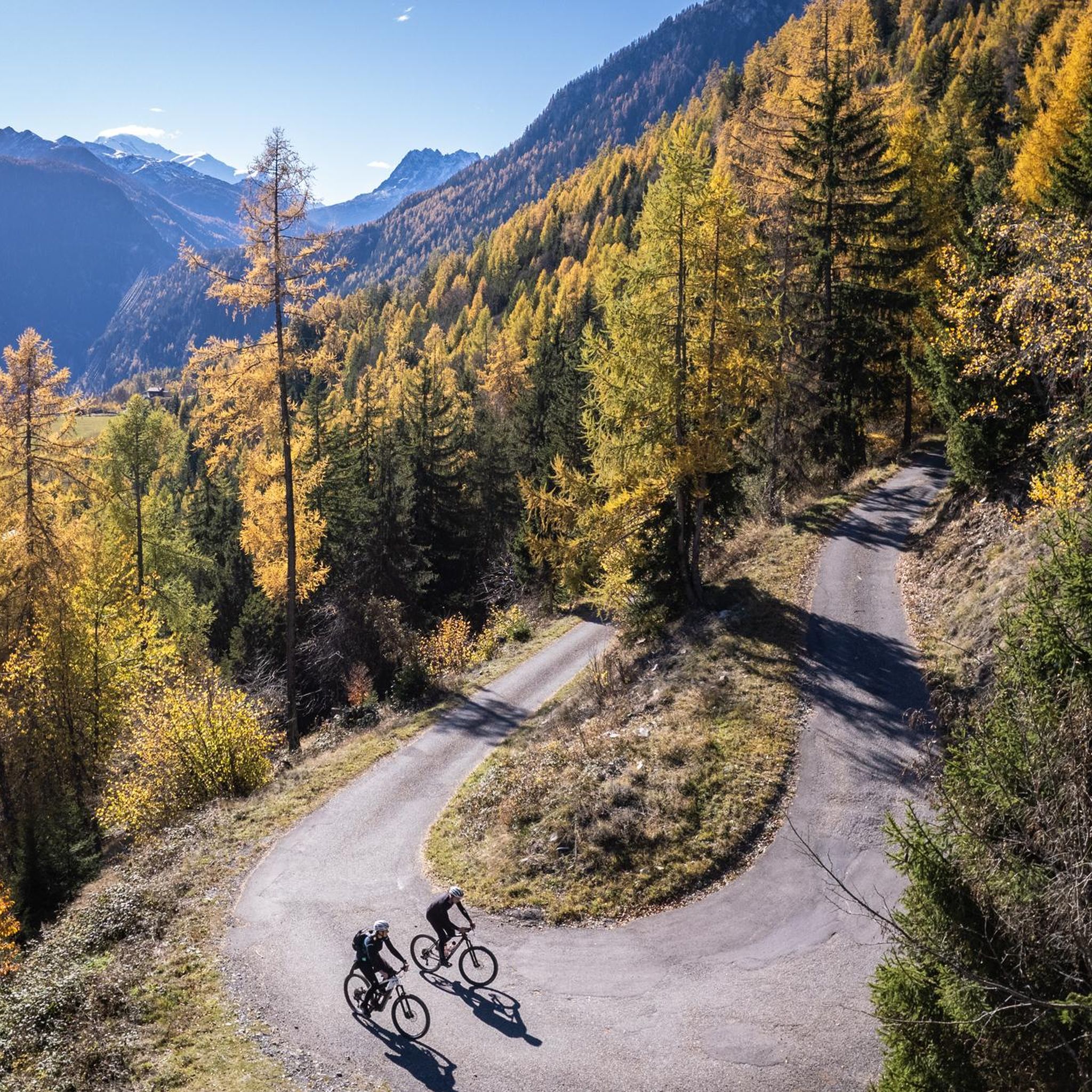
From Martigny, the gradient is very steady, between 7 and 8.5%. If you ride on the outside of the road (downhill), it's quite scary, high above the vineyards below... And there's only one low guardrail. I was overtaken several times at very close range.
1
0

The gradient from Martigny is relatively steady, between 7-8.5%. With the stunning mountain scenery in view, the nearly 1,000 meters of elevation gain are quickly conquered 😎
1
0

On Mont Buet you are directly opposite Mont Blanc and have a good view of it. From the Refuge de la Pierre a Berard it takes about 3 hours to reach the summit
1
0

Col de Cou is a mountain pass on the border of France and Switzerland. This beautiful area offers some of the most stunning views over the Dents Blanches massif. There’s a small bivouac at the summit where you can find shelter in case of bad weather.
0
0

A grassy pass, swinging between France and Switzerland, connecting the regions of Champéry to Morzine – two iconic mountain towns. From the pass, naturally, you will enjoy fantastic views of this historic region, and the pass itself is an excellent summary of this region, making it an ideal place to visit for those new to the area. Many trails connect to this point, making it accessible to all types of cyclists and walks.
0
0
Mont Buet is a huge mountain, nestled on the remote Swiss side of the Chamonix valley. The mountain itself is an expanse of rock, with steep walls or open scree slopes. The summit itself is a fantastic and ambitious goal for any aspiring mountain runner, as the ascent can be done with little technical difficulty. It is still very much a mountain, and necessary precautions must be taken. Bring the right equipment, choose good conditions and only go if you have the appropriate experience. This summit, however, will reward you with unbeatable views of the Mont Blanc massif, the Chamonix valley, and even the Matterhorn on a good day.
1
0

Great all-round view of the Mont Blanc massif and down to Chamonix on one side, as well as a terrace view of the other side of the valley. Very friendly hosts who are happy to charge your bike battery.
2
0
An imposing mountain, 3100 meters high, offering an elevation gain of 2000 meters from most angles. You will be rewarded with some of the most beautiful views of the valley, an unspoiled perspective of Mont Blanc, and even the Matterhorn. The summit is barren and isolated, truly an authentic alpine environment. This mountain has been used as a training ground for Mont Blanc for decades, but it is a worthy climb in its own right.
1
0
Frequently Asked Questions
Which mountain passes around Salvan offer the most spectacular views?
Many passes in the region boast incredible vistas. For panoramic views of the Mont Blanc massif and the Chamonix Valley, visit Col de Balme. Col de la Forclaz (Valais) provides stunning views, especially overlooking the Trient Glacier. From Col de Barberine, you can gaze down upon Lac d'Emosson and towards the Col d'Emaney, with the Mont Blanc range in the distance. The Col de la Gueulaz also offers expansive views of Mont Blanc and the Aiguilles du Tour.
Are there any historically significant mountain passes near Salvan?
Yes, several passes have rich histories. Col de la Forclaz (Valais) was historically a vital route for mule trains and smugglers. Col de Coux also served as a significant border crossing for smugglers and even as an escape route during World War II, with its old customs building still standing.
What kind of hiking trails can I find near the mountain passes around Salvan?
The area offers a variety of hiking trails, from demanding high-alpine treks to more accessible paths. You can find challenging routes like the loop encompassing the Cols of Barberine and Fenestral from Lac d'Emosson, or the Mont Buet ascent. Many trails start from Col de la Forclaz (Valais), leading to areas like Arpille and Bovine. For more options, explore the Running Trails around Salvan guide, which includes routes like the Vieux Émosson Dinosaur Footprints Trail and the Around Lake Salanfe Trail.
Are there cycling routes suitable for road bikes or gravel bikes near Salvan's mountain passes?
Absolutely. The region is popular with cyclists. The ascent to Col de la Gueulaz is a prime destination for cycling enthusiasts, famously featuring in the Tour de France. Col de la Forclaz (Valais) is also frequently used by cyclists and motorcyclists. For more detailed routes, check out the Cycling around Salvan guide, which includes routes like the Finhaut-Émosson and Lac du Vieux-Émosson Climb, and the Gravel biking around Salvan guide for off-road options.
What is the best time of year to visit the mountain passes around Salvan?
The best time to visit is generally from late spring to early autumn (May to October) when the passes are clear of snow and trails are accessible. Snow can linger at higher elevations like Col de Barberine into the summer months. For winter activities like snowshoeing or skiing, the colder months offer different experiences, particularly at passes like Col de Balme.
Can I find amenities like restaurants or shops at the mountain passes?
Yes, some passes offer amenities. At the summit of Col de la Gueulaz, there is a restaurant with panoramic views near the Emosson Dam. Col de la Forclaz (Valais) features a restaurant, an alpine snack bar, and a small supermarket. Col de Balme has a refuge at the summit offering rest and traditional alpine food.
Are there any unique natural or geological features to see at these passes?
Yes, the region is rich in unique features. Near Col de la Gueulaz, you can see the impressive Emosson Dam, one of Switzerland's largest hydroelectric dams, and ancient dinosaur tracks. During spring, the remains of the old Barberine dam might be visible. Montets Pass is located in the heart of the Aiguilles Rouges National Park, known for its protected fauna and flora.
Are there family-friendly options among the mountain passes around Salvan?
While many passes offer challenging routes, some areas provide more accessible experiences. The general vicinity of Col de la Forclaz (Valais), with its amenities and starting points for various trails, can be a good base for families. The Emosson Dam area near Col de la Gueulaz also offers attractions like dinosaur tracks that might appeal to families, though the ascent itself can be demanding.
What do visitors particularly enjoy about the mountain passes around Salvan?
Visitors frequently praise the breathtaking panoramic views, especially of the Mont Blanc massif and surrounding valleys. The challenging yet rewarding cycling and hiking routes are also a major draw. Many appreciate the historical significance of passes like Col de Coux and the unique natural features like the Emosson Dam. The presence of refuges and restaurants at some summits also enhances the experience.
Are there options for winter activities at these mountain passes?
Yes, during winter, some passes transform into destinations for snow activities. Col de Balme is a favored location for snowshoeing and offers various ski slopes. While snow can make higher passes inaccessible for hiking, it opens up opportunities for winter sports enthusiasts.
Which mountain passes are considered more challenging for experienced adventurers?
For those seeking a significant challenge, Col de Barberine offers a wild and secluded high-mountain experience with rugged, untamed trails and snow lingering into summer. The ascent to Mont Buet, nicknamed 'the Mont Blanc des Dames,' is a magnificent but demanding hike with a significant altitude difference. The Col de la Gueulaz also features demanding trails, particularly for cyclists.
Most popular routes around Salvan
Most popular attractions around Salvan

Get inspired with the komoot mobile app


Explore more
See even more epic mountain passes by checking out these guides around Salvan:
